
Unfold the Dining Table with This Year’s Keywords
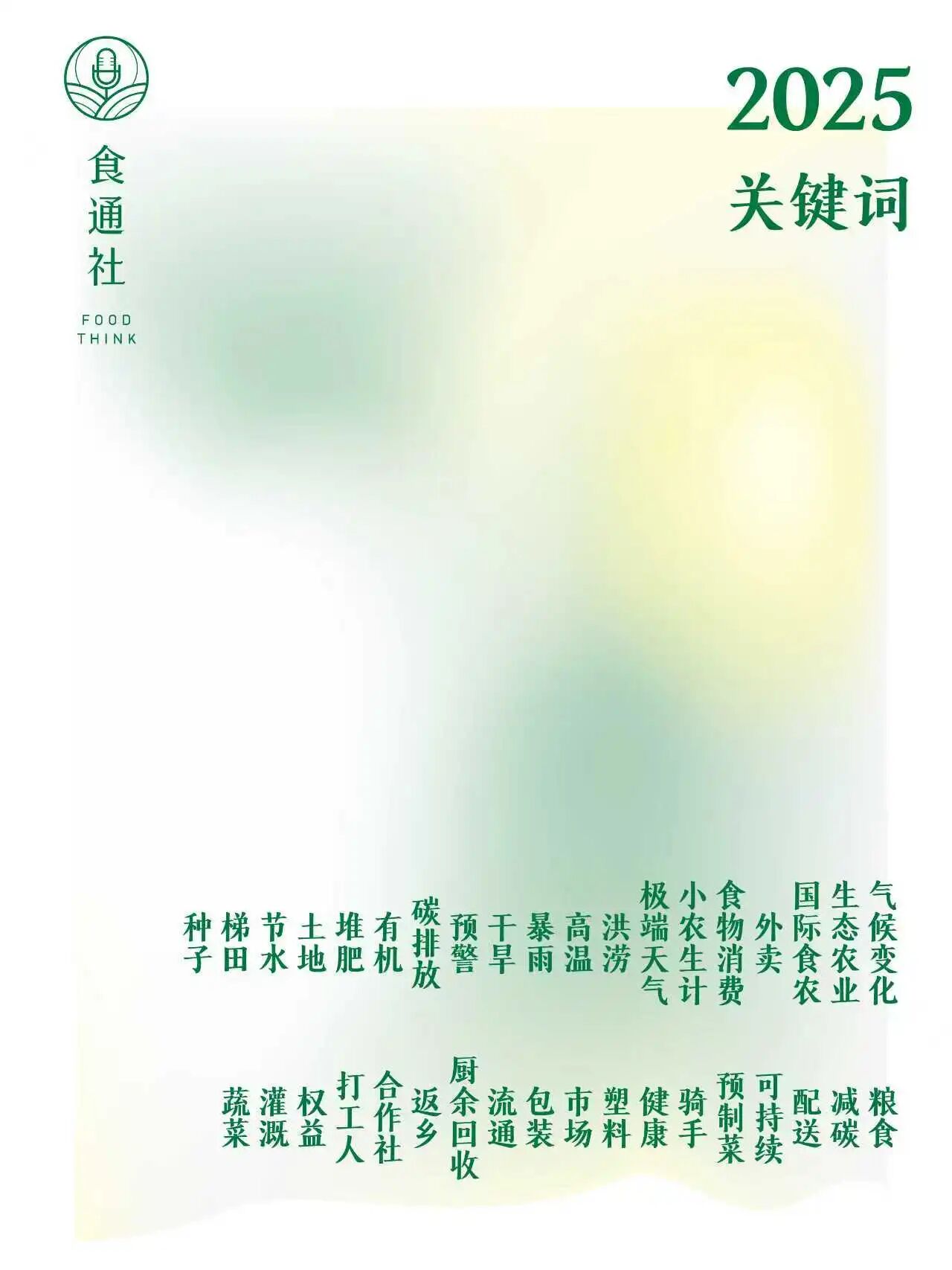
Over the past year, Foodthink, which tracks the food and agriculture system, has kept its focus on the topics of “climate change”, “food delivery platforms”, “imported meat” and “smallholder stories”. We recorded how farmers continuously adapt to extreme weather, asked how technology and capital are changing the food system and how global trade hits local smallholders.
Beyond our everyday work priorities – publishing articles, holding events and launching an ecological agriculture internship programme – we also did some things we had rarely done before: we held the “Mobile Dining Table” food and agriculture media workshop, published the report “A Study of Action Paths for Rural Social Organisations to Address Climate Change” and organised fellow farmers to take part in the “Co-learning Camp on Local Systems in Ecological Agriculture”.
This year, our colleagues visited villages, markets and kitchens across the country, chatted with delivery riders on the streets and travelled to South-east Asia and Europe to see what smallholders in other regions were facing.
What follows is Foodthink’s record of its writing and observations over the past year. Take this opportunity to look back with us on the food and agriculture hot topics of 2025, and keep alive our memories of food, land and workers.
In the new year, we also invite readers to pay attention to the food beneath their feet, around them and on their tables, to continue listening to the voice of the land, and to think about where their food choices will lead the future.
– Signals of Disorder –
Looking at the disasters affecting agriculture, climate “disorder” has become the norm; farmers can no longer make judgments based on past weather patterns or plan agricultural production sensibly. Whether it is the drought in Shaanxi, the unbroken rain in North China, or the successive super typhoons in the south, it seems no one was prepared.
Shaanxi’s Great Drought: Fruit That Cannot Be Saved, Wheat That Cannot Be Watered
72 Hours of Torrential Rain: Flooded Paddies, Interrupted Lives
At 4 a.m., a Miyun Farm Was Swallowed by Floodwaters
As Harvest Nears, Farmers in Western Guangdong Encounter the World’s Wind King
Besides being hit by disasters, is there nothing agriculture can do? Farmers are often the first to sense climate change and therefore to take action. They are not without recourse. On the contrary, with extreme weather becoming increasingly frequent, they are already responding proactively:
As the Weather Gets Drier, How Can Rice Still Be Grown?
When High Temperatures Become the Norm, These Farmers Choose Another Life (Part 1)
When High Temperatures Become the Norm, These Farmers Choose Another Life (Part 2)
As the North Becomes the South, Fellow Farmers Are Busy Digging Ditches
Coffee Prices Skyrocket, But Why Are Coffee Farmers in Yunnan Still Deeply Worried?
As agriculture faces climate and ecological crises, our food is facing the challenge of “invasion”—fall armyworm, microplastics, fossil fuels, hidden additives. Is food still healthy today?
When the American “fall armyworm” Flies into China’s Maize Fields
Microplastics Invade the Brain: How Can We Escape Plastic Anxiety?
Can Humans Escape Their Toxic Relationship with Plastic?
How Much Fossil Fuel Have You “Eaten”?
Rice That Is Not Rice, Noodles That Are Not Noodles: Are Today’s Staples Still Healthy?
The Secret in Supermarket Oil Bottles: Is Refined Vegetable Oil Really Good?
As food is polluted and reshaped, the concept of “health” also begins to waver. Who exactly is defining “nutrition”? Who is shaping the public’s understanding of healthy eating? Amid all the conflicting voices, we need to return to the body and to common sense to understand “health” anew.
Have Nutritionists Become Food Giants’ “Lackeys”? What Do Registered Dietitians Think?
Between Monetising Traffic and Professional Ethics: Should Nutritionists Accept Advertising?
Weight Loss Equals Dieting? Please Have a Look at This Real Weight-Loss Guide
– The Price of Efficiency –
When food is encoded as orders that must be delivered within 30 minutes, “eating” is no longer just an experience for diners; it is also the cost paid by workers. One-tap delivery is fast, but the real distance between people and food has grown further. Several steps from land to table have been folded away, and when people cannot see how food is brought to the table step by step, who is choosing what you eat? How much control do you still have over “eating”?
Who Gets a Good Meal from “Pinhaofan”?
The Business War in the Downpour, Delivery Riders’ Bitter Summer
A Professional Lawyer Explains the Differences Between JD’s and Meituan’s Social Insurance Plans
In Australia, Can You Make a Living Delivering Food on Foot?
Workers on the Assembly Line of “Mai Men”
Fresh Food E-commerce Sorters Running Through the Algorithm
Meituan’s acquisition of Dingdong Maicai has become big news, but few people care: another wet market has disappeared.
Platforms are fighting fiercely, but offline spaces are dying. When fresh food e-commerce, community group-buying and platform subsidies take over cities, it is not only the way some people work that changes; the way urban consumers buy food is changing too. As wet markets die out, the price is that consumers find it harder and harder to understand food, and harder still to understand the price of food.
But we often forget: a wet market was never simply a place to buy groceries. It is also a point of connection between city and countryside, and between food and agriculture. When it disappears, food becomes abstract too.
Who Is Driving Wet Markets Away?
Will Fresh Food E-commerce Make Wet Markets Disappear?
Lychees Are in a Bumper Crop, But Why Is Online Shopping Still Not Cheaper?
On Wet Markets, We Have Something to Say
Efficiency has changed the way food is bought in the city, and has also reached into the fields to change “vegetable growing”. Technology is rapidly taking over farmland, but technology is not neutral. It can both improve efficiency and intensify people’s dependence on it, amplifying the risks of its use. When pesticide spraying and data tracking are dominated by drone pilots and machines, can farmers really engage in “scientific farming”?
When Drones Become New Farm Tools: Who Is Defining Scientific Farming?
Technology, Pesticides and Drone Pilots: The Other Side of a Technological Revolution
Improving efficiency may seem to make food more within reach, but the emotions, time and relationships beyond the food are all moving away from “eating” itself. Eating is not merely consumption. If greater efficiency can make us eat faster and better, why do some people feel it is getting harder to have a good meal?
A Story of Eating by a Worker Who Is Not Quite a Failure
Ma Lan in Shenzhen, Without a Meal Buddy
A Long-Standing Problem for Workers
At That Moment, They Decided to Stop Ordering Takeaway | 315: Have a Good Meal
Electronic Zhacai, the “Antidote to Loneliness” for Today’s Young People?
– Smallholders in the Squeeze –
Watermelons stay sweet, but growing them is bitter
Raising sheep on borrowed money, Qinghai pastoralists scrape through another year
Behind the camera: change and choice in pastoralists’ lives
Smallholder farms vs. large farms: whose milk is safer and more nutritious?
Smallholder farms vs. large farms: who should be supported, and how?
To keep farming, he opened a noodle factory
After women walk out, they go to an organic farm | review of the film “Nei Sha”
Smallholders’ plight is shaped not only by domestic policy and markets, but also by macro-level international trends. Farmers around the world face the same dilemma. As the world moves closer to large agricultural capital, smallholders face price and environmental pressures, and their space to survive keeps shrinking. How do smallholders in different countries struggle in the same squeeze?
When farmers become victims of low tariffs
When a ban on burning becomes the last straw for smallholders
Japan’s rice prices have doubled, but farmers don’t want to plant it anymore
Trump freezes farm spending: are American farmers going broke?
Tilapia invade and devour farmed fish and shrimp; fishermen seek compensation from CP Group
A Chinese post-90s ecological smallholder and 17 young farmers cry out for a food system transition
The regulation and supply chains of large food companies and agricultural capital may look airtight, but the system’s high concentration also creates fragility; pulling one thread can set the whole body in motion. Can we really entrust food safety, food regulation and stable supply entirely to them?
–Far and Near –
How did imported “fake meat” end up on the tables of Qinghai-Tibet pastoralists?
Too expensive or too cheap? Review of “‘Fake meat’ drives out real meat”
When Brazilians destroy forests, it is their business: what has it got to do with us?
This foodie paradise has snapped up half of Brazil’s exported beef offal
As foods from elsewhere flow in, local landraces and flavours are disappearing. Landraces are not merely a kind of food; they are the bond that sustains terroir, culture and family memory—Bai Tu Wa, Hong Zui Nuo and Bai Mei Dou—and if no one continues to grow them, they will disappear from the world.
Growing vanishing glutinous rice in Sichuan’s hills
The chayote seedlings’ breakthrough: climate, seeds and the county-town crop boom
Why did the sweetness of childhood disappear?
If no one continues to grow them, they will disappear from the world forever
I forage for wild greens in the Netherlands: closer to plants, and closer still
Whether it is fish from afar or meat from local sources, we have “lived with” the foods we often eat for years, and still cannot see their true nature. Can our understanding of food go beyond consumption and delve deeper into places of origin, learning how changes there affect our tables?
After two and a half years as an agricultural reporter, I still “cannot see” food
When a master’s in anthropology goes to a slaughterhouse to sell meat
To understand food better, we actually need to start with local ingredients, because local food often grows under our feet, hides in hills and forests, and ferments in kitchens. It speaks of another kind of “locality”—rootedness, handcraft, self-sufficiency, and going with nature.
“Tihu” poured on the head: it turns out to be this kind of Tibetan fermented delicacy
How do Yunnan wild tomatoes transform into Evil Valley tomato sauce | Sauce artisan Kouzi
With agriculture so advanced, why do people still eat wild vegetables?
Chronicles of the Culture-Keeping Pavilion: fermenting in Berlin
Another layer of meaning food brings through flavour is shared memory; flavour also forms the emotional ties we have with our home, family and the past.
– Returning Home and Into the Fields –
What gains and insights have last year’s ecological agriculture interns gathered at different farms? After the internship ended, some returned home to work in ecological agriculture. From “graduation” to “starting work”, what differences and challenges lie in between?
Leaving the city, I planted new seeds for life on a farm
On an ecological farm, how many skills must a farming novice born in the 2000s learn?
Bending over in the fields, why did I come to love “repetitive labour”?
In the countryside, learning to be a living seed
When a 996 worker meets the work ethic of an ecological farm
Weeds are a nuisance on farms, but are weeds and farmers really at odds? How do ecological farms deal with weeds?
On an ecological farm, people are like weeds—the more they grow, the better.
Besides returning home to farm, these people are also returning to the land in other ways:
I grow bananas in a “forest” in Brazil
Farming in Beijing, have you just got nothing better to do?
Can villages and towns once intimately linked to agriculture still retain their vitality today? What changes are happening in so many “old places, new villages”?
When two-thirds of its GDP evaporates, does this county town still have a future?
When environmentalism becomes an exhibition: the green illusion of an eco-village
In search of the grain spirit: a journey back to 2011
– Grandma Kouzi –
One person’s food universe
When farming is mentioned, most people think of it as a way to earn an income by growing crops in a market economy. Others have chosen a different way of life. Grandma Kouzi has created her own “food universe” in Fujian — Eren Gu. After years of work, 2025 has brought a bumper harvest. Now, she is essentially self-sufficient in food, except for salt. In an increasingly homogenised world, a way of life closely tied to the land is all the more precious.
Hand-digging a ditch, gardenias for me | Grandma Kouzi
Sustainable food forest, my dream garden | Grandma Kouzi
In the countryside, from guilt and unease to peace of mind | Grandma Kouzi
– Food Talk –
In 2025, Foodthink’s podcast “Food Talk” published 14 episodes. Over the past year, we have both questioned how we can claim the right to “eat well” under the dominance of the mainstream food system and reflected on the conflicts and risks of the mainstream food system itself.
There is no doubt that pre-prepared food has been the longest-running and most influential issue in this year’s public food debates. Foodthink has been following the development of pre-prepared food from early on. As early as last January, before the public debate between Luo Yonghao and Jia Guolong erupted, we had already made an episode about pre-prepared food. Guest Doudou even gave time-poor “workhorses” a healthier, safer menu of pre-prepared food ahead of the curve. Is the future truly the era of pre-prepared food? “Food Talk” will continue to follow this issue.
Resistance to pre-prepared food at least shows that Chinese people still have a deep-seated expectation for healthy dishes with wok hei. But one day, when pre-prepared food becomes the byword for “cheap” and “convenient”, will that expectation be destroyed? In fact, food delivery, fresh food e-commerce and plastic packaging all serve a cheap and convenient urban life. Yet people know little about the costs behind them and the risks that society as a whole bears because of them. Meanwhile, companies closely linked to our cheap and convenient food system are using all manner of public relations and greenwashing to keep the truth from us. From peanuts, maize and rice to bread, milk and beer, how do these foods reach our tables? Who decides what we eat? How can we find better social support networks so that we can eat “safe vegetables” at our tables? There are many more topics we can discuss around food.
As food consumers, if we pay more attention to the farmers and the land that directly produce our food, and care about their livelihoods and ecological concerns, then we are already on our way to eating well ourselves. Over the past year, we have followed many people who work hard on the land, from the Greater Khingan Mountains in Heilongjiang to Chuxiong in Yunnan, from Pinggu in Beijing and Baoding in Hebei to Heshun in Shanxi. They have different identities, grow and gather different foods, and find themselves in different circumstances, but all share the wish to protect the ecosystem and eat well. In 2025, “Food Talk” launched a new segment about the 100 people who feed us. In 2026, we hope to use workers as a medium for more detailed and in-depth discussions about the food system that feeds us.
Scan the QR code below
On Xiaoyuzhou | Ximalaya | Lizhi | Apple Podcasts
Subscribe to the “Food Talk” podcast

– Public Events –
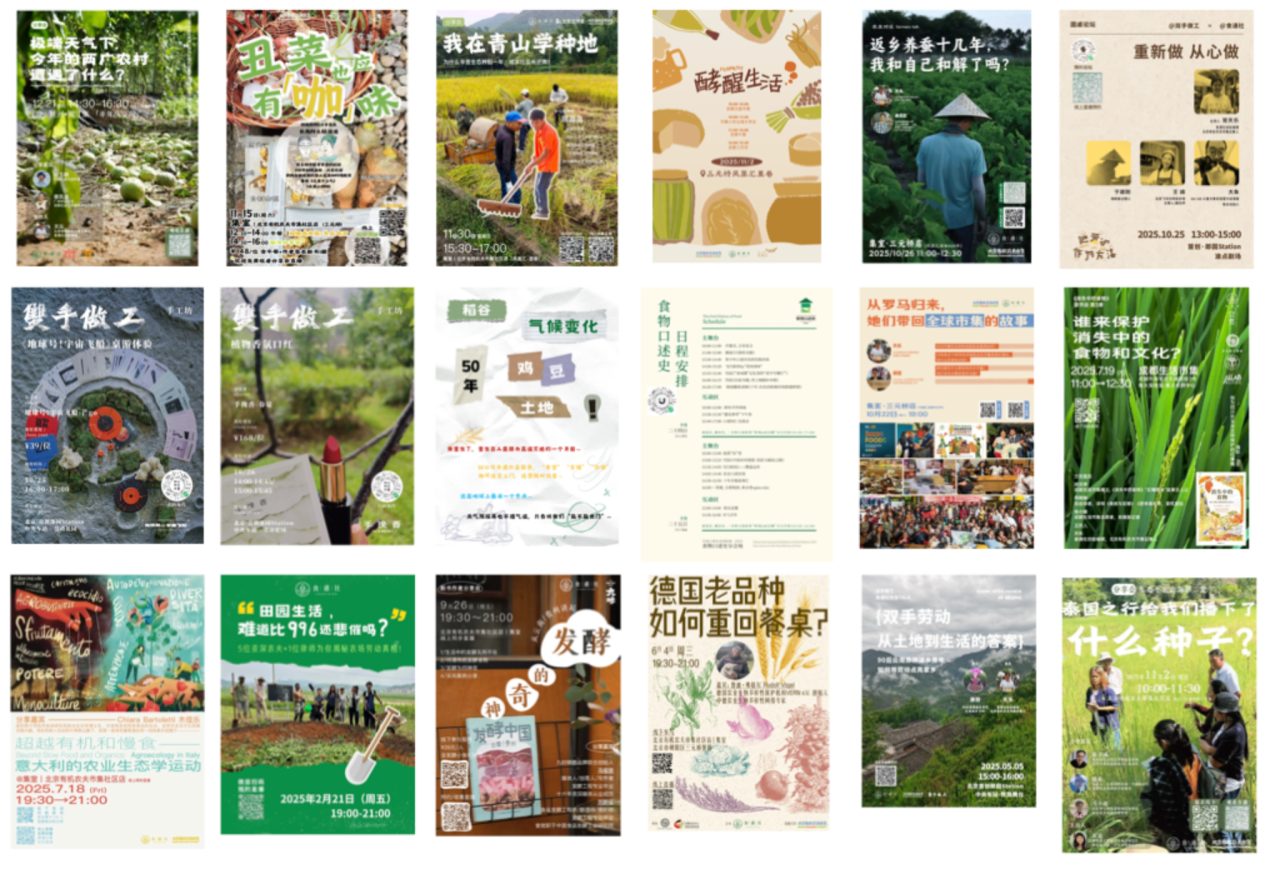
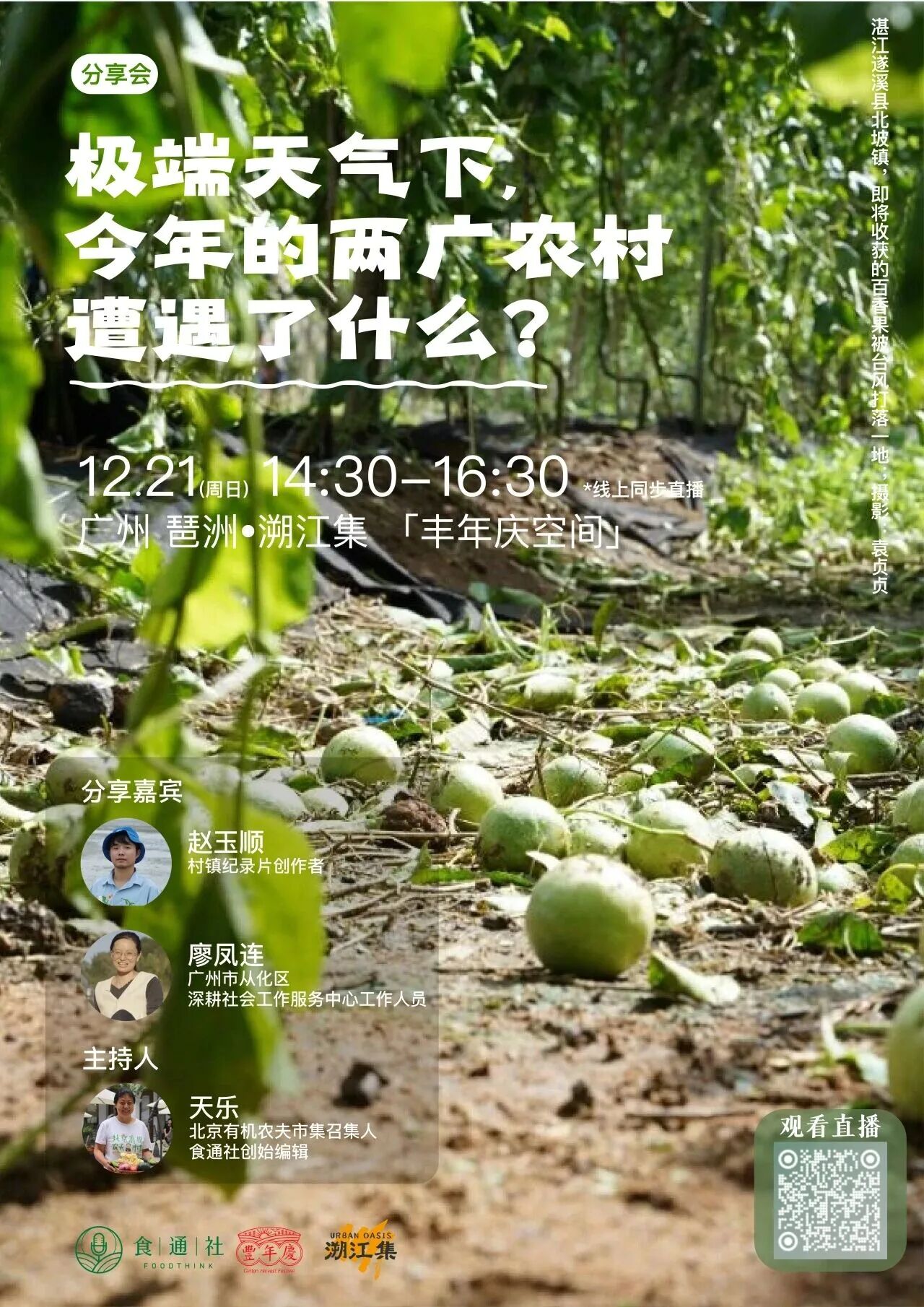
This year, “Extreme weather” and “climate change” became keywords. From the breaking apart and rebuilding of villages and towns in Hunan after the July heavy rains to the climate shocks faced by Guangdong and Guangxi at the end of the year, we invited meteorologists, agricultural researchers, and frontline witnesses and chroniclers into dialogue, seeking to understand how climate change is reshaping the landscape of agriculture in China and how people living through it are responding.
In 2025, we amplified individual voices, from the long journey of a homecoming sericulture worker making peace with themselves to the joys and anxieties of Altai pastoralists facing markets and pasturelands, and also witnessed the “going overseas” journeys of ecological smallholders born in the 1990s from China to Thailand and Rome. The series of creative sharing sessions for “‘Fake Meat’ Drives Out Real Meat” wove together the voices of grassland pastoralists and academic perspectives, probing the complex questions behind industrial meat substitutes.
In 2025, we opened “Foods That Are Disappearing” with readers, using cases from China and abroad to discuss the protection of biological food varieties and the continuation of local cultures. At the new book sharing session for “Fermenting China: Yunnan and Guizhou”, we moved from the fermentation traditions of Yunnan and Guizhou to the continuation of local cultures. To accompany this theme, we ran interactive calls such as “No Supply Today” and “Eat Something Good”… Through interaction and reading, we reflect: when delicious flavours are dying out, what else will we lose, and what can we still create?
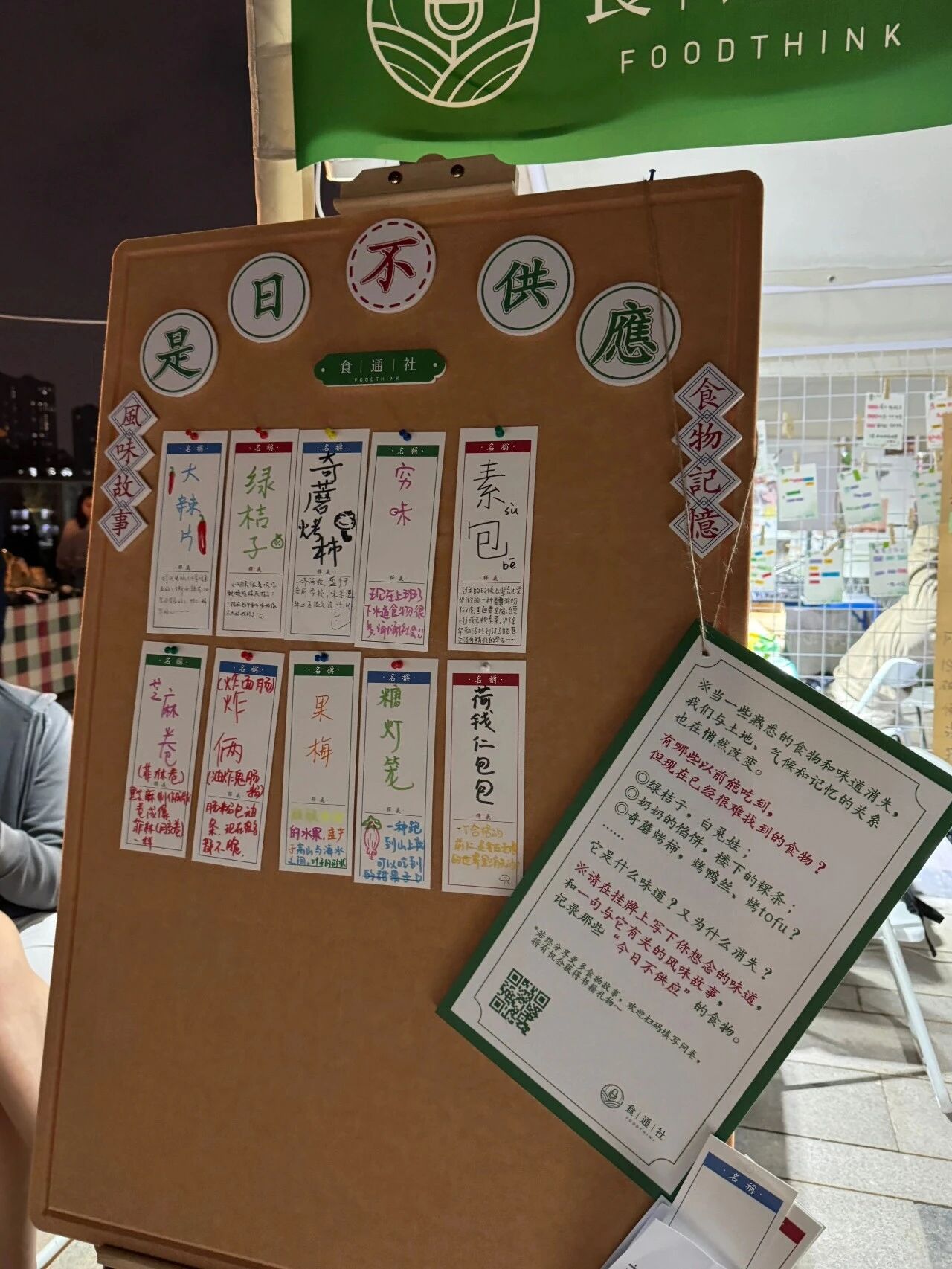
Offline, at the “Hands-On Work” market in Beijing and the Guangdong Urban and Rural Bumper Year Festival, Foodthink, together with Beijing Organic Farmers’ Market, set up smallholders’ dining tables, handcraft workshops and other activities. We invited “Earth Ship! Spaceship” to bring an interactive board game, and we also brought the “Back to the Future” climate change novel continuation game and the “Poems in Food Time” collage poetry game, sparking reflection on the present and imagination of a sustainable future.
2025’s Last Letter: Foodthink Bumper Year Festival “Showtime” Awards
– Lianhe Creative Programme –
Over the past year, supported works have been published one after another, drawing sustained public attention and prompting more people to discuss the issues behind pastoral areas, farmers and the food system. The programme also made us realise that, when it comes to food and agriculture, there are still many unseen questions waiting to be answered. Therefore, at the end of 2025, Foodthink’s Lianhe Creative Programme sets sail once again, continuing to support creators and researchers in asking questions of food and agriculture.

– The Wandering Table –
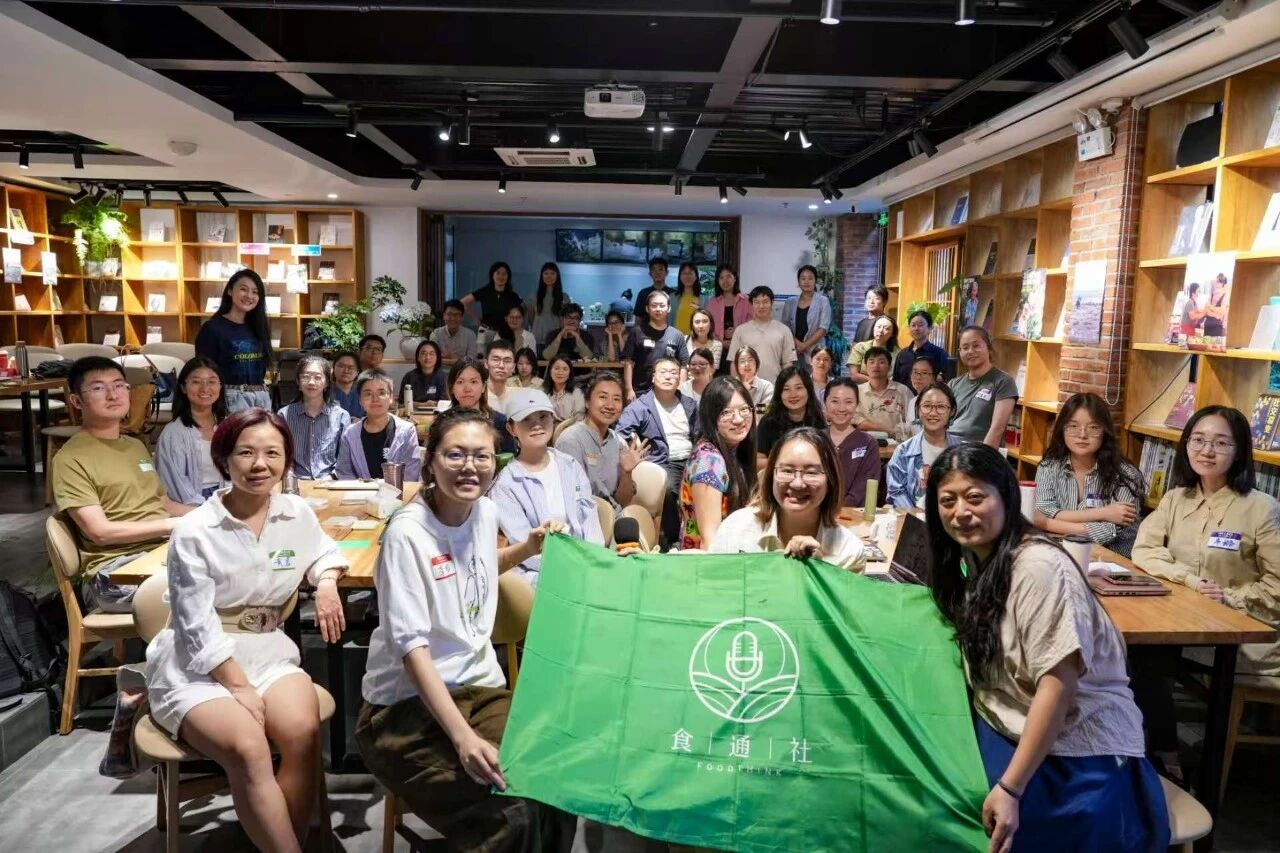
Food and Farming Media Workshop
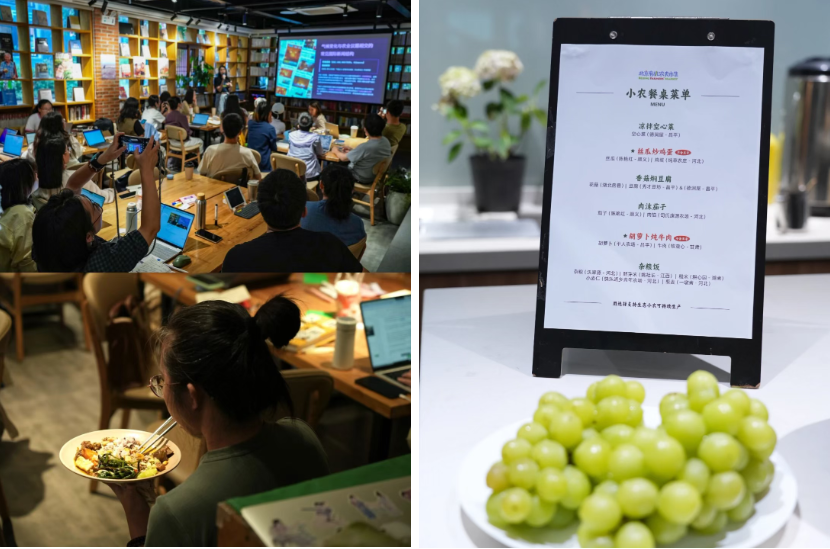
This workshop brought together a diverse group of participants. In addition to traditional news media, it included media editors from knowledge platforms, as well as independent creators who have long been embedded at the frontline, using video to document smallholders’ climate adaptation practices and the climate disasters they face.
In addition, Foodthink’s sister organisation, Beijing Organic Farmers’ Market, provided workshop participants with an ecological smallholders’ lunch. As participants discussed how agriculture should respond to extreme weather, how to support sustainable agriculture, and how to rebuild trust between consumers and producers, Foodthink was also supporting smallholders through the most everyday and direct actions.
– Facing Climate Change: Rural Social Organisations in Action –
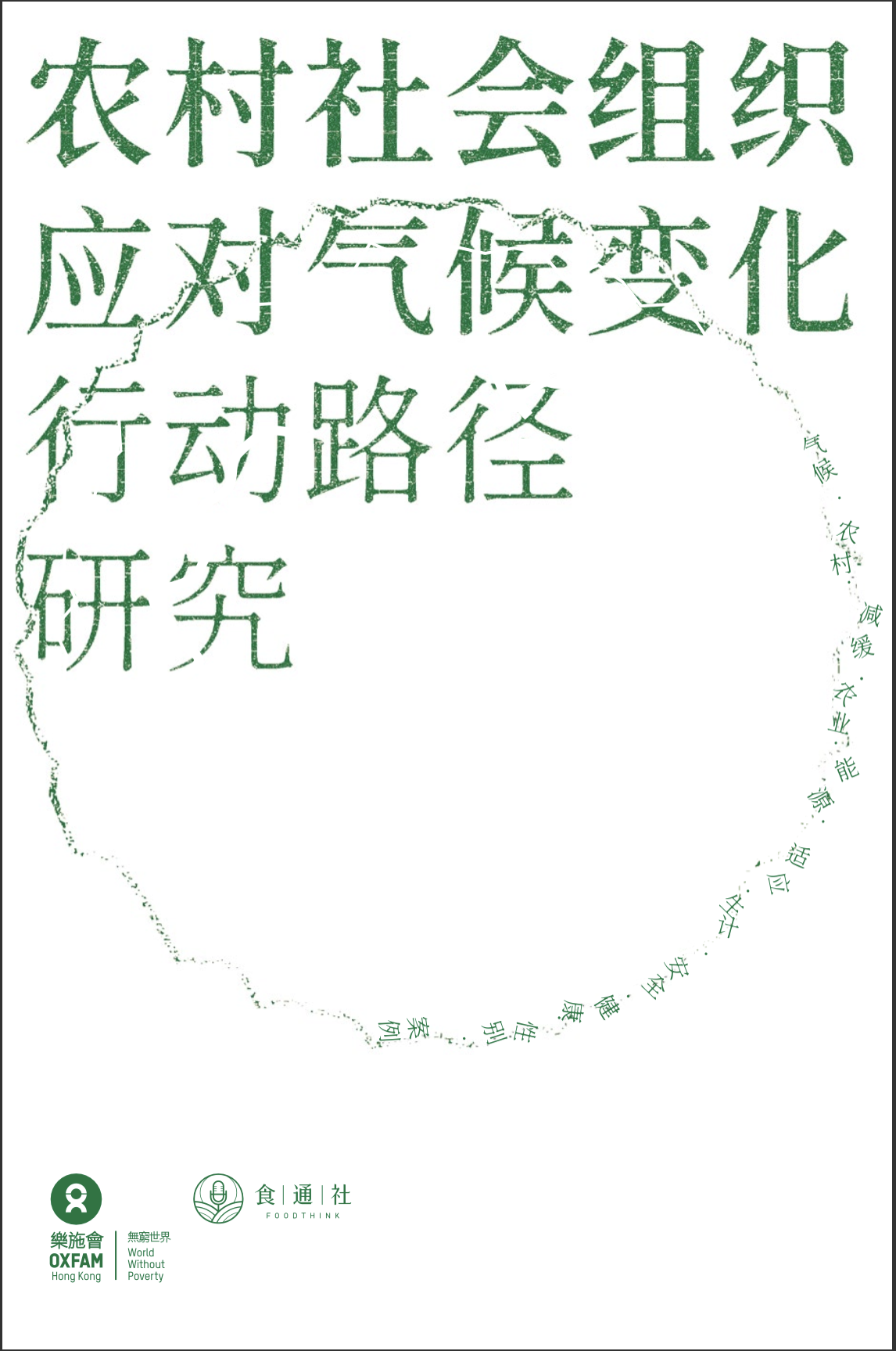
We have distilled the wisdom of those who came before and the pitfalls they encountered into this report—”A Study of Rural Social Organisations’ Paths of Action in Response to Climate Change”.
With the support of the Beijing office of Oxfam (Hong Kong), Foodthink carried out extensive interviews and questionnaire surveys over the past year and held separate workshops in Nanning and Xianyang, engaging farmers, village cadres, social organisations and scholars in in-depth discussion, trying to answer the aforementioned questions. The report’s most central finding is that not only is the climate changing, but rural areas are changing too; only by understanding the transformation of rural areas can we clarify the underlying logic of climate work. At the report launch, Foodthink stressed that only on the basis of a deep understanding of the underlying problems in rural areas can the real path to climate resilience be found, and called on colleagues in the public-interest sector: “Do not turn mitigation into a numbers game, and do not turn adaptation into a game of words.”
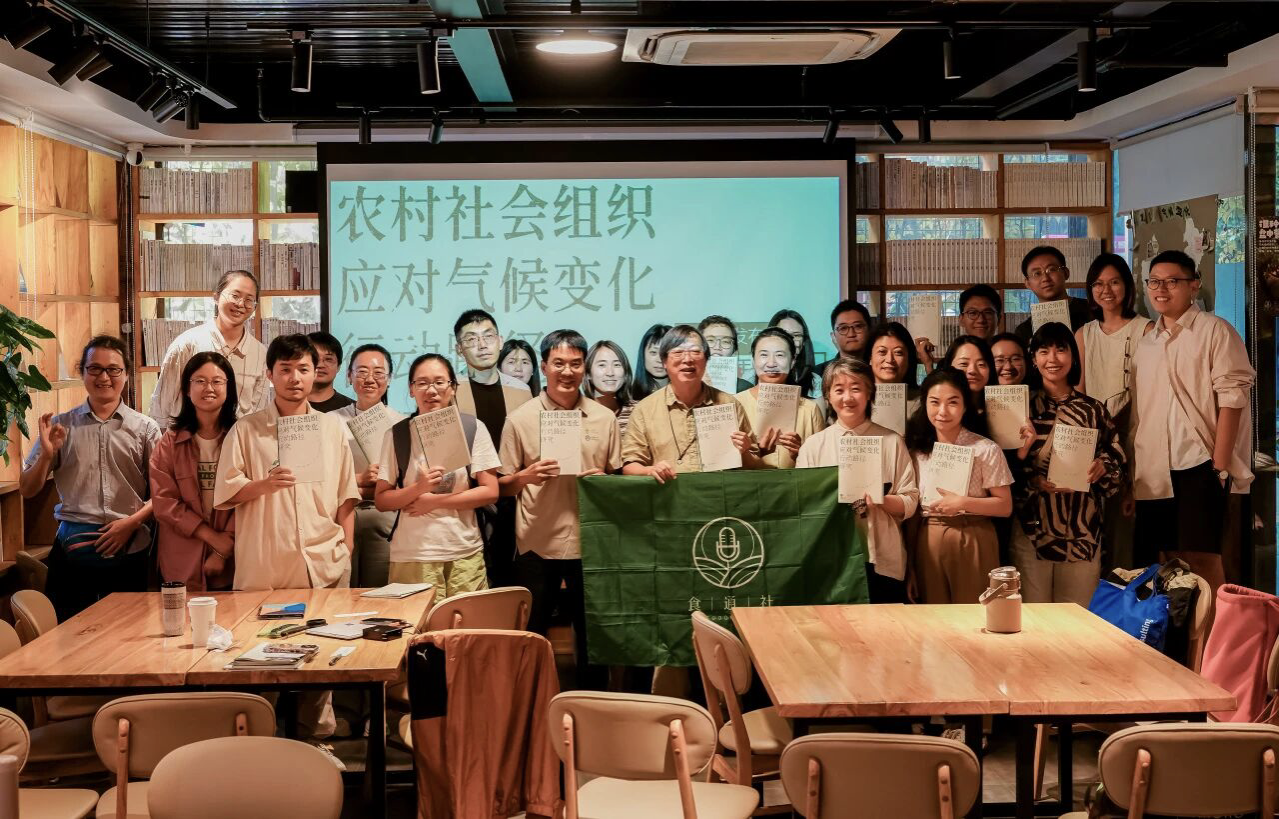
Report Launch | Rather Than Fear the Word “Climate”, Take Root Firmly in Rural Areas
“Thank climate change for bringing everyone’s attention to rural areas.”
Is climate change in rural areas really just a “natural disaster”?
– Co-Building and Co-Learning Camp for Local Ecological Agriculture Systems –
Where can such techniques be found? In December 2025, Foodthink held the second Co-Building and Co-Learning Camp for Local Ecological Agriculture Systems at Hui Ling Farm in Guangzhou, attracting more than 30 participants from across the country who aspire to work in ecological agriculture. The co-learning camp explored not only the underlying logic of ecological growing techniques but also brought together traditional smallholders, new-generation farmers, consumer collective purchasing organisations and NGOs to discuss: amid a dazzling and bewildering market landscape for ecological and organic farm produce, how can smallholders build on their own strengths, proceed steadily and solidly, and find a path to a stable livelihood? In this respect, the co-learning camp is only the start of a long marathon. This year, Foodthink will also organise the third co-learning camp. Interested farmers are welcome to star Foodthink’s official account so they do not miss the latest training information.
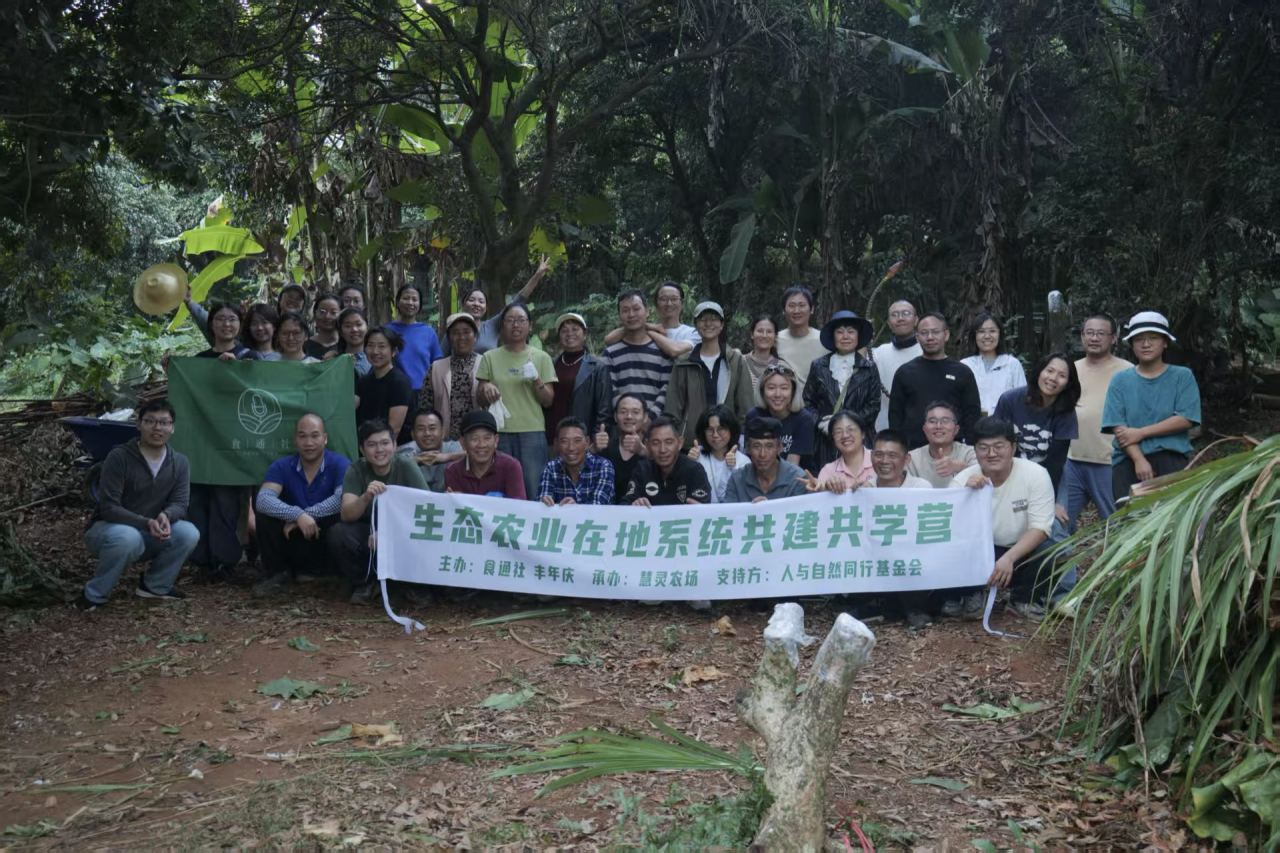
Learn a practical set of ecological agriculture techniques in three days | Training Recruitment
– And More –
Finally
All of Foodthink’s colleagues wish that, in the Year of the Horse,
everyone may eat on the 🐎 and eat well on the 🐎!
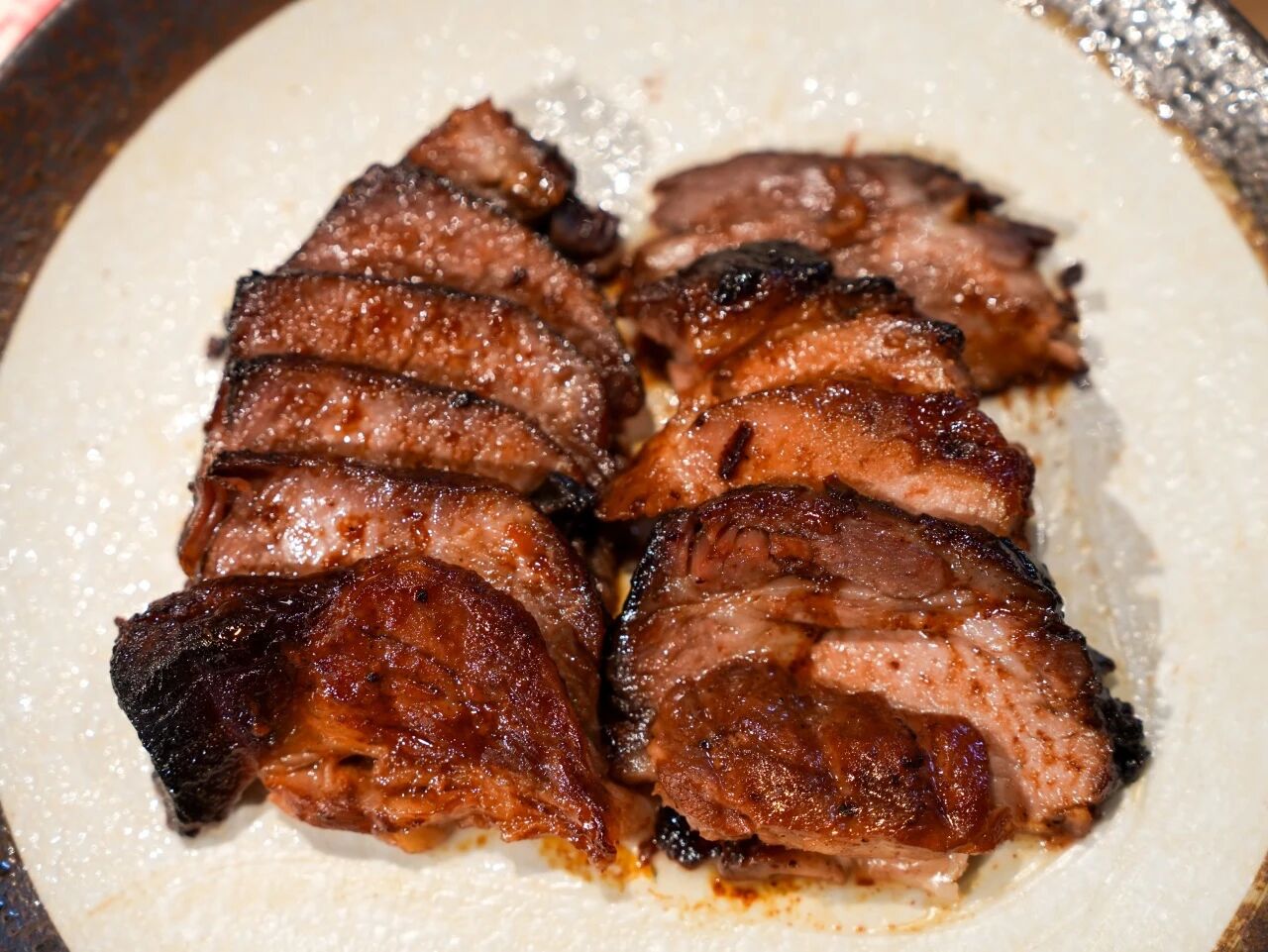
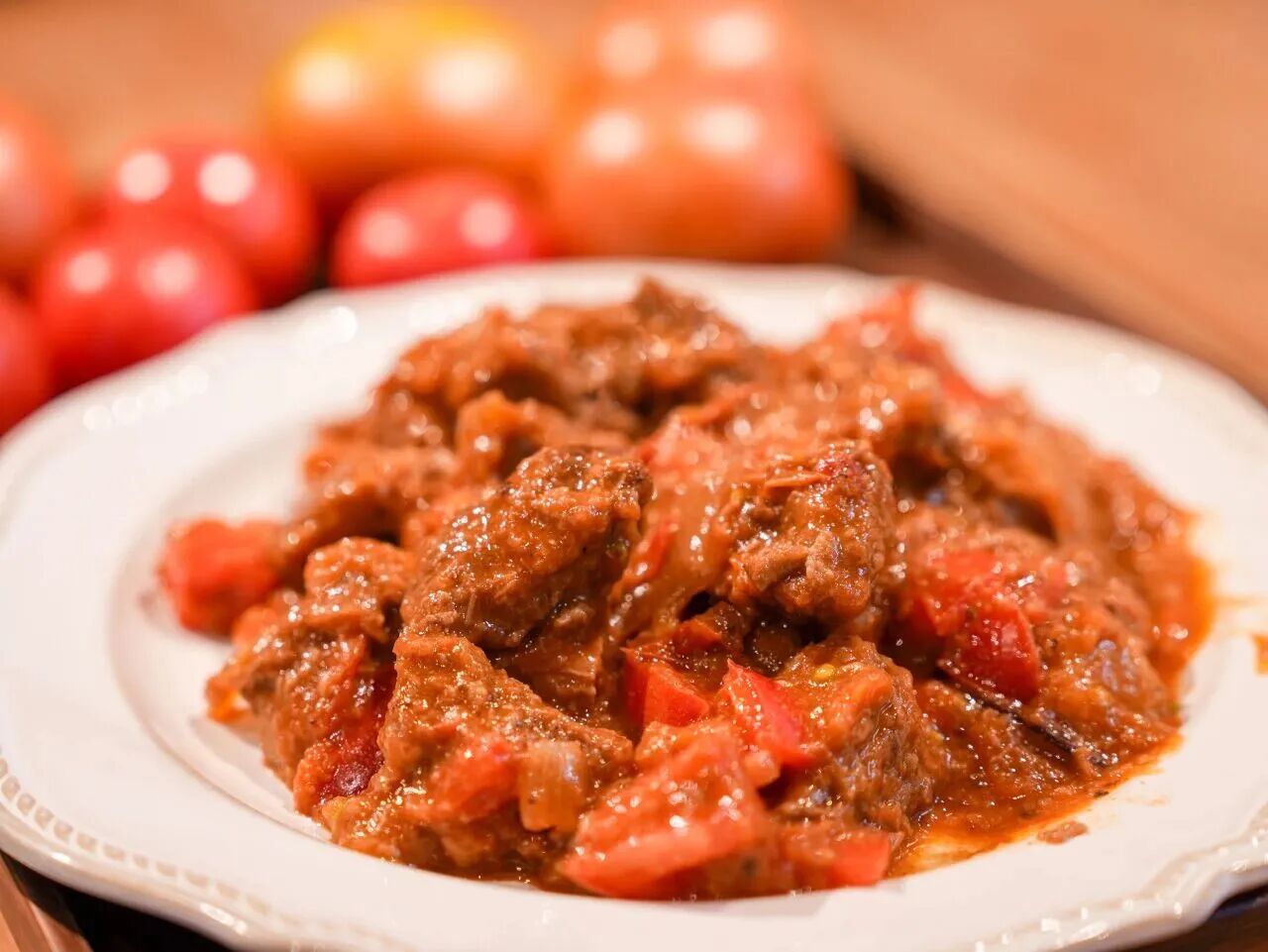
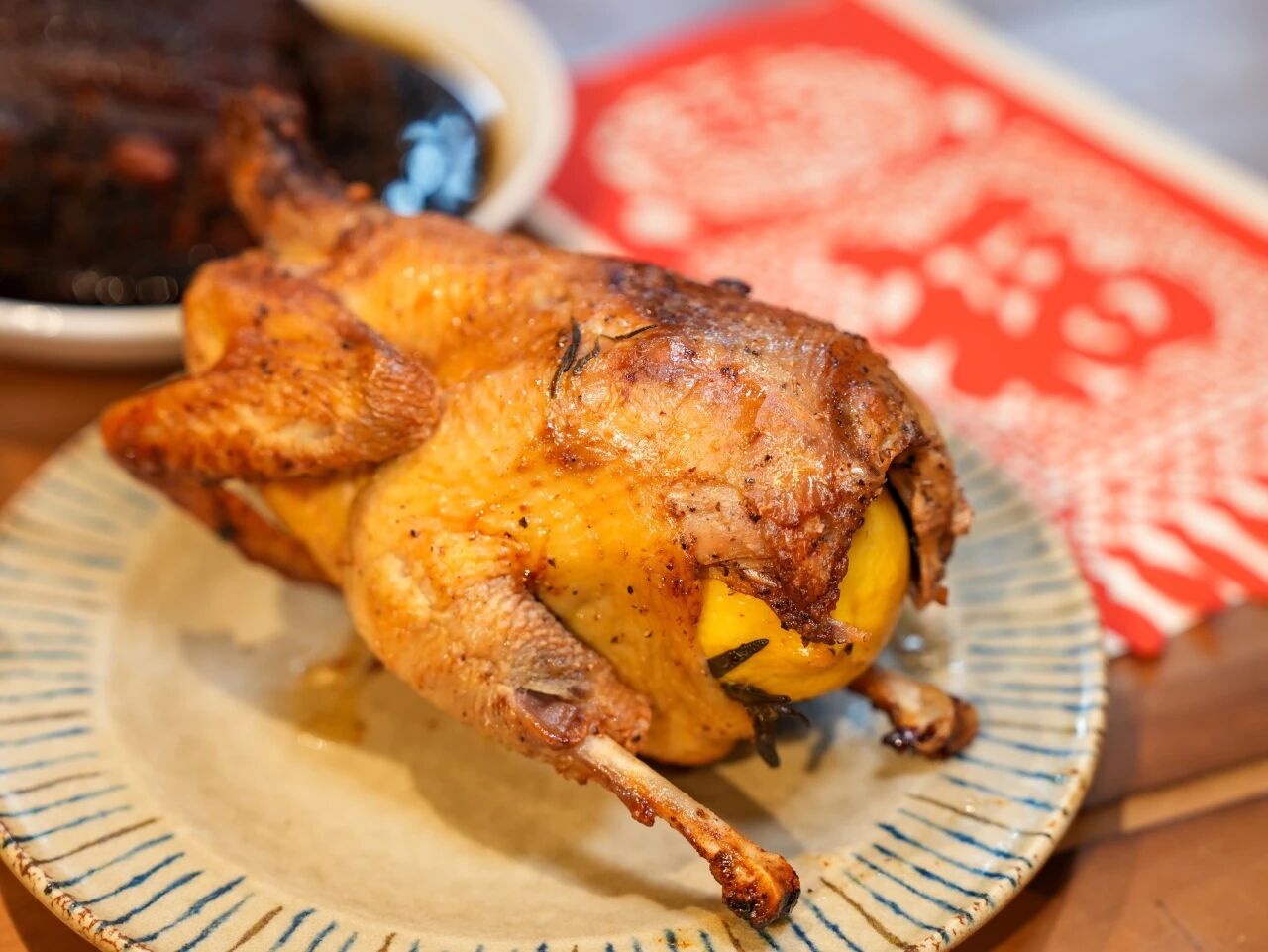
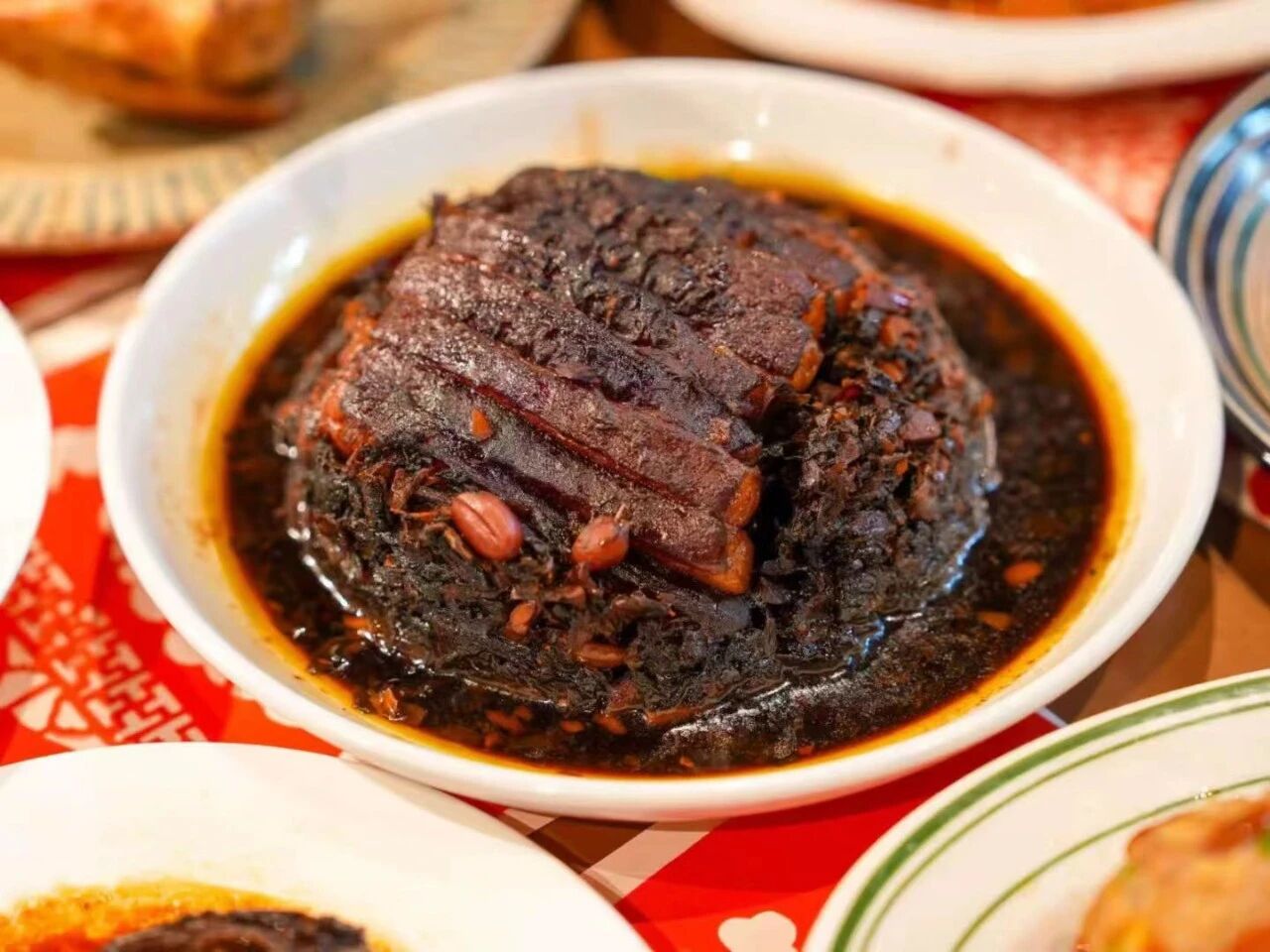
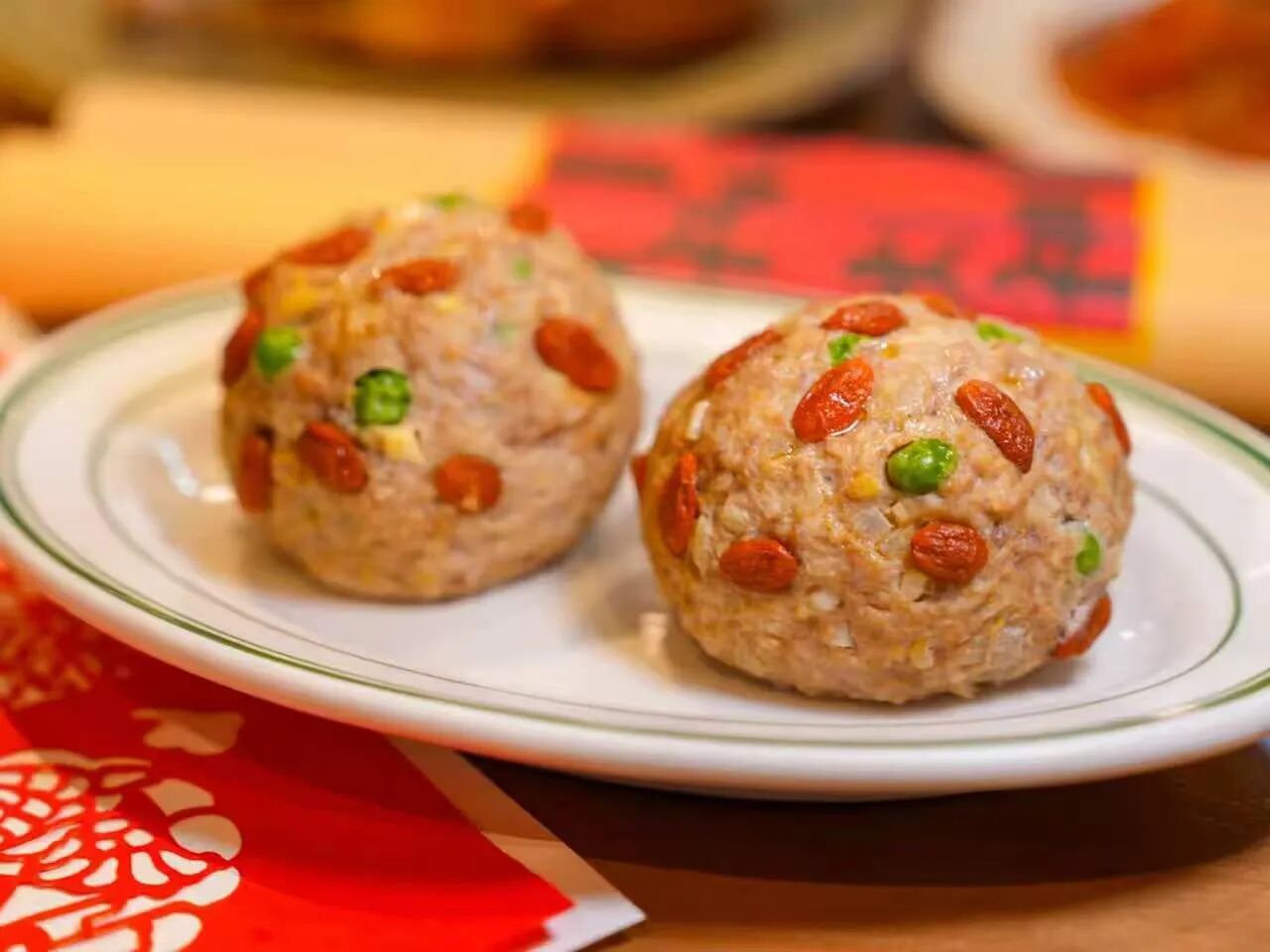
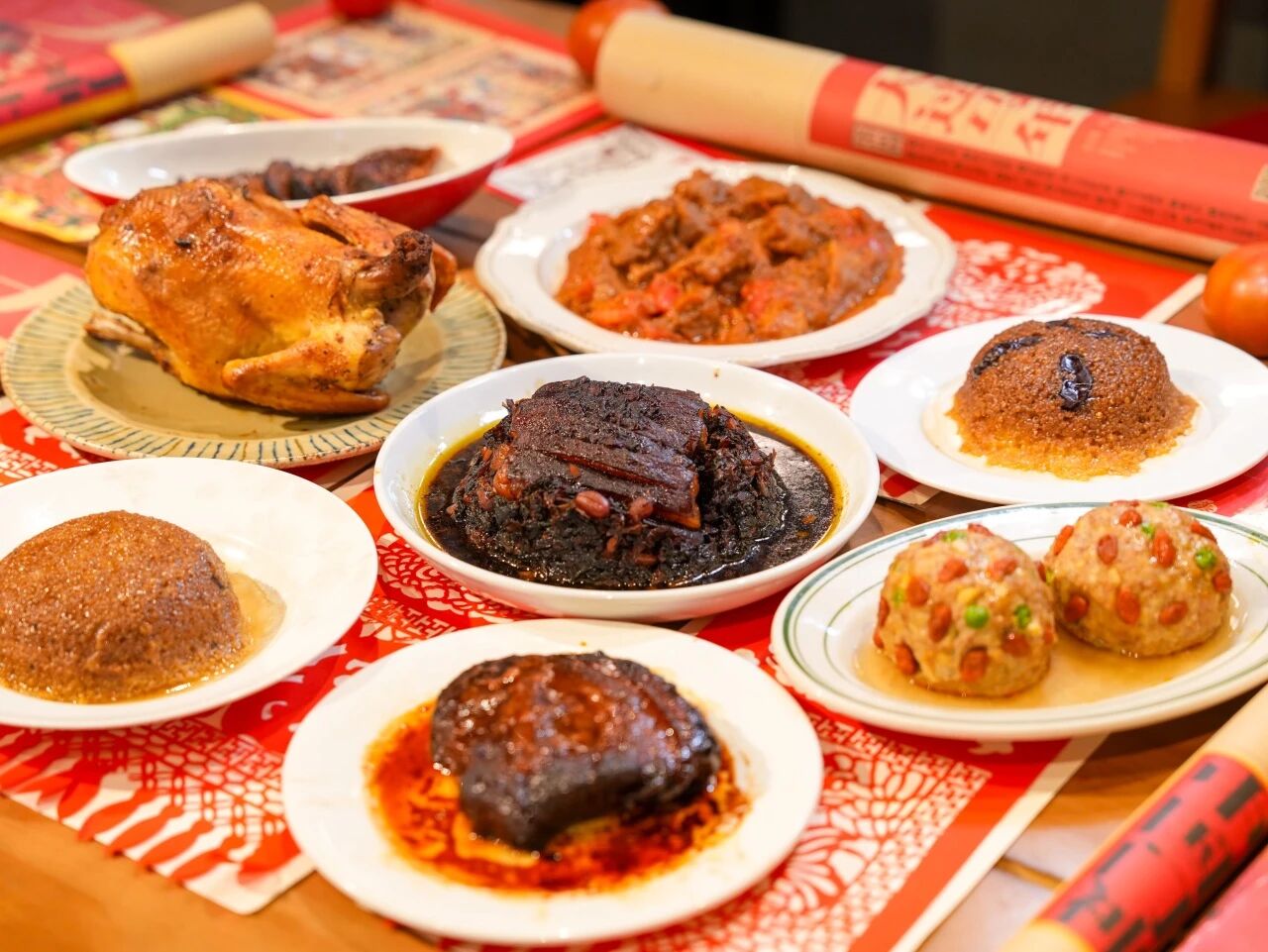
● On 7 February, Foodthink fully took over (for just one day) the offline store, Jishi, of Beijing Organic Farmers’ Market. See what delicious New Year’s dishes we all got to eat. You can still pre-order; come and enjoy healthy, delicious ecological New Year’s dishes right away.
Coordinated by: Li Ye, Kairui
Edited by: Tian Le