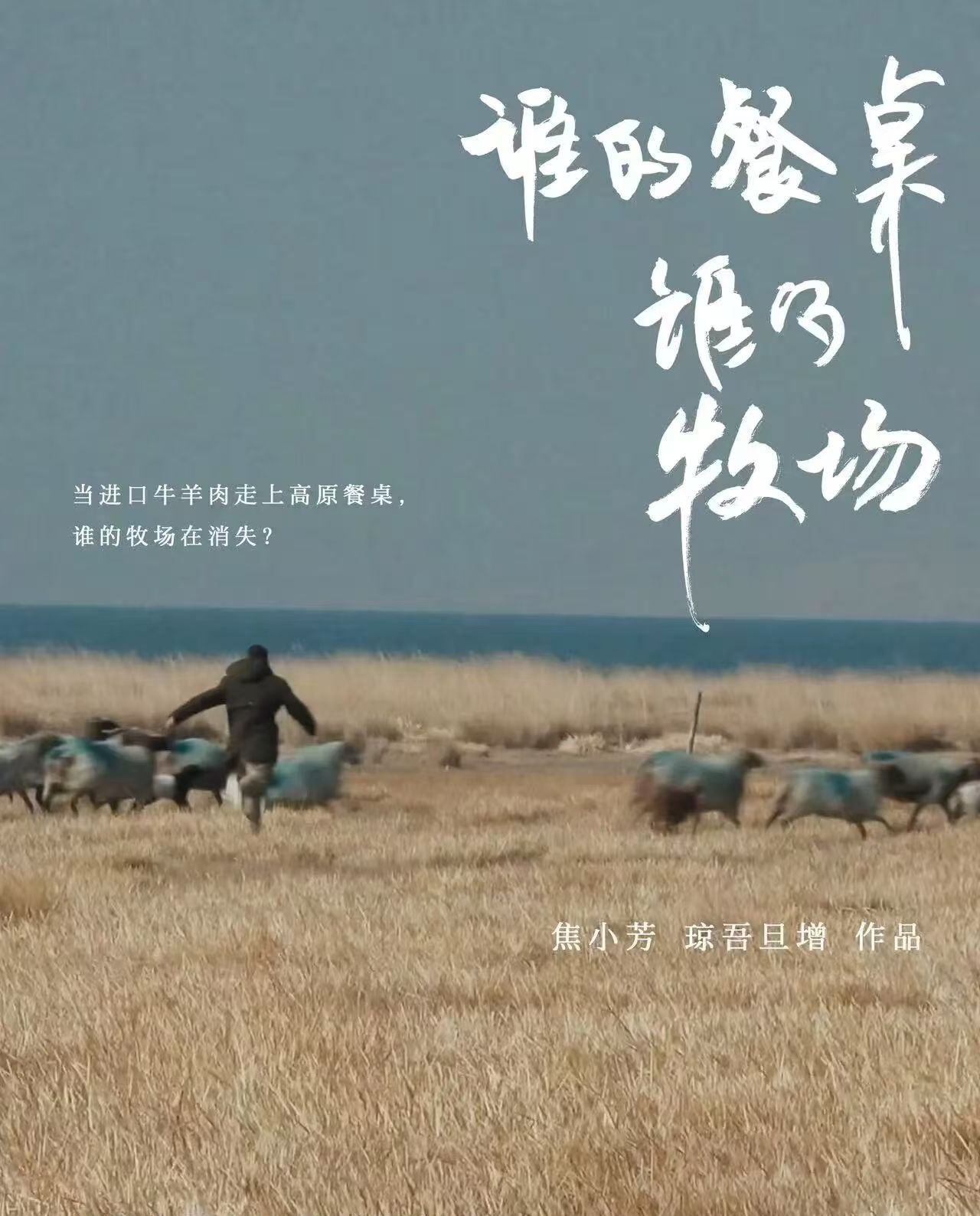
This year’s World Nomadic Film Festival was held in Jagdaqi in the Greater Khingan Mountains, and young directors from Qinghai, Inner Mongolia and elsewhere use films to show how fences, imported beef and mutton, and urban-rural movement affect herders’ livestock, livelihoods and identity.
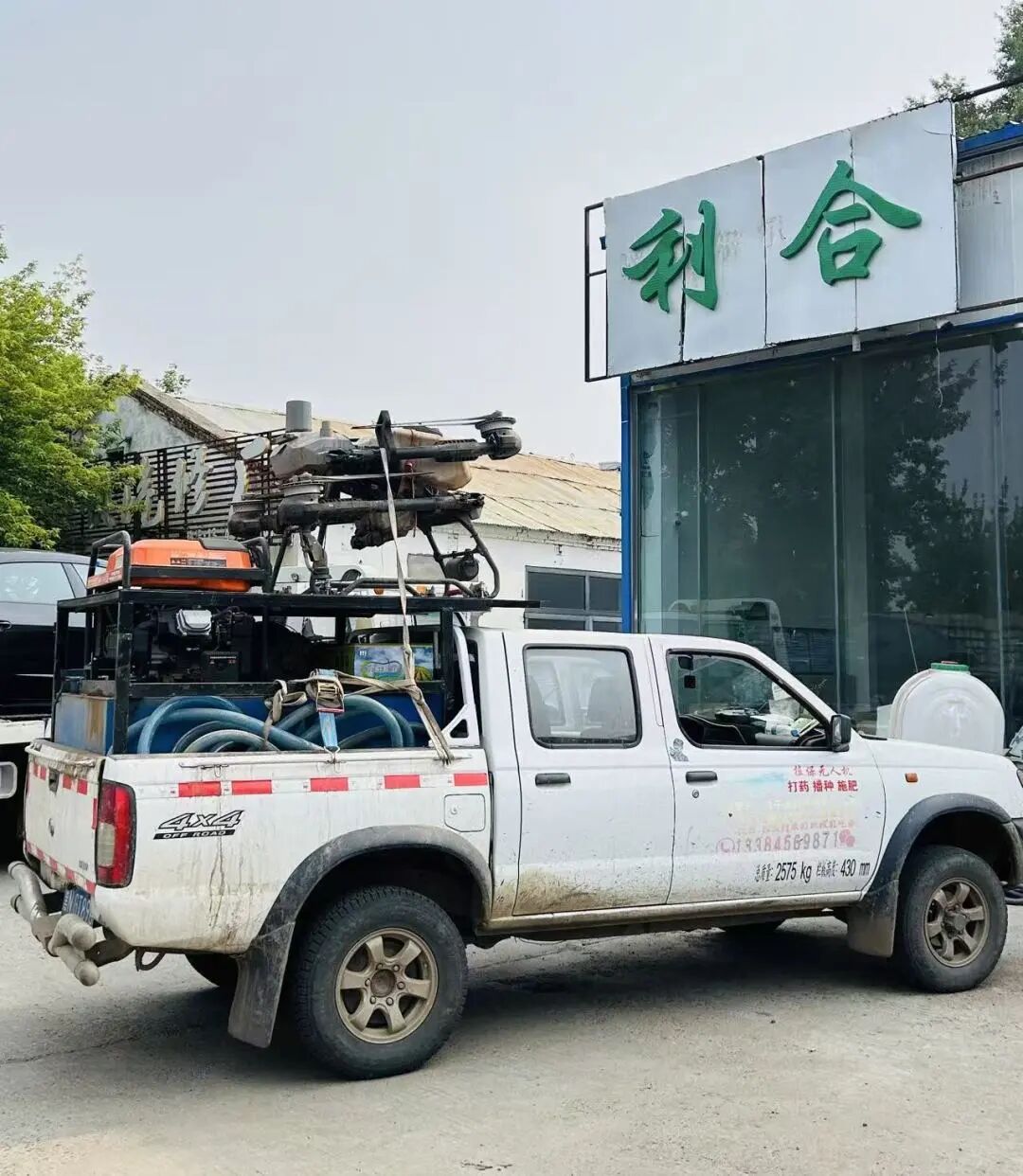
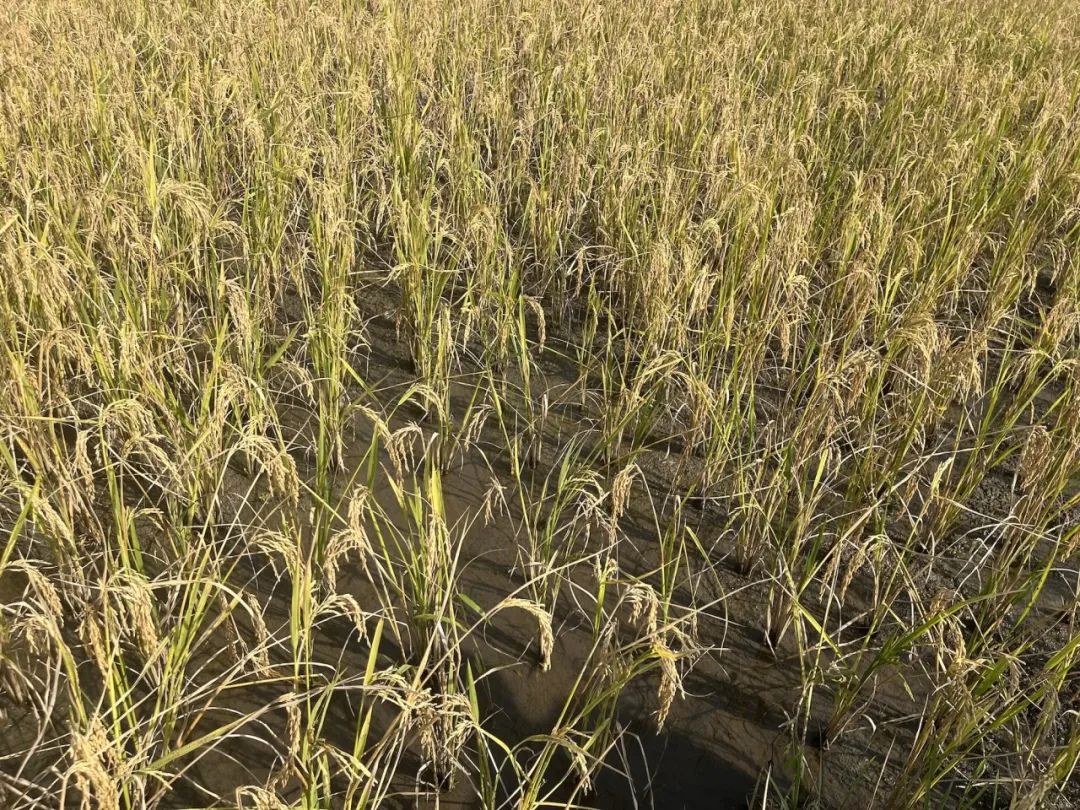
From the rice fields of the Northeast to Hainan’s orchards, cross-region drone pilot Brother Yang, drone-buying farmer Zhao Mingliang, and others are facing falling spray unit prices, pesticide damage disputes and occupational illness risks for which compensation is hard to claim.
In 1953, American C.A. Swanson & Sons, inspired by food served on a plane, froze unsold Thanksgiving turkey in aluminium foil trays. The company sold more than 20 million TV dinners in a year, making frozen food a lifestyle for many families.
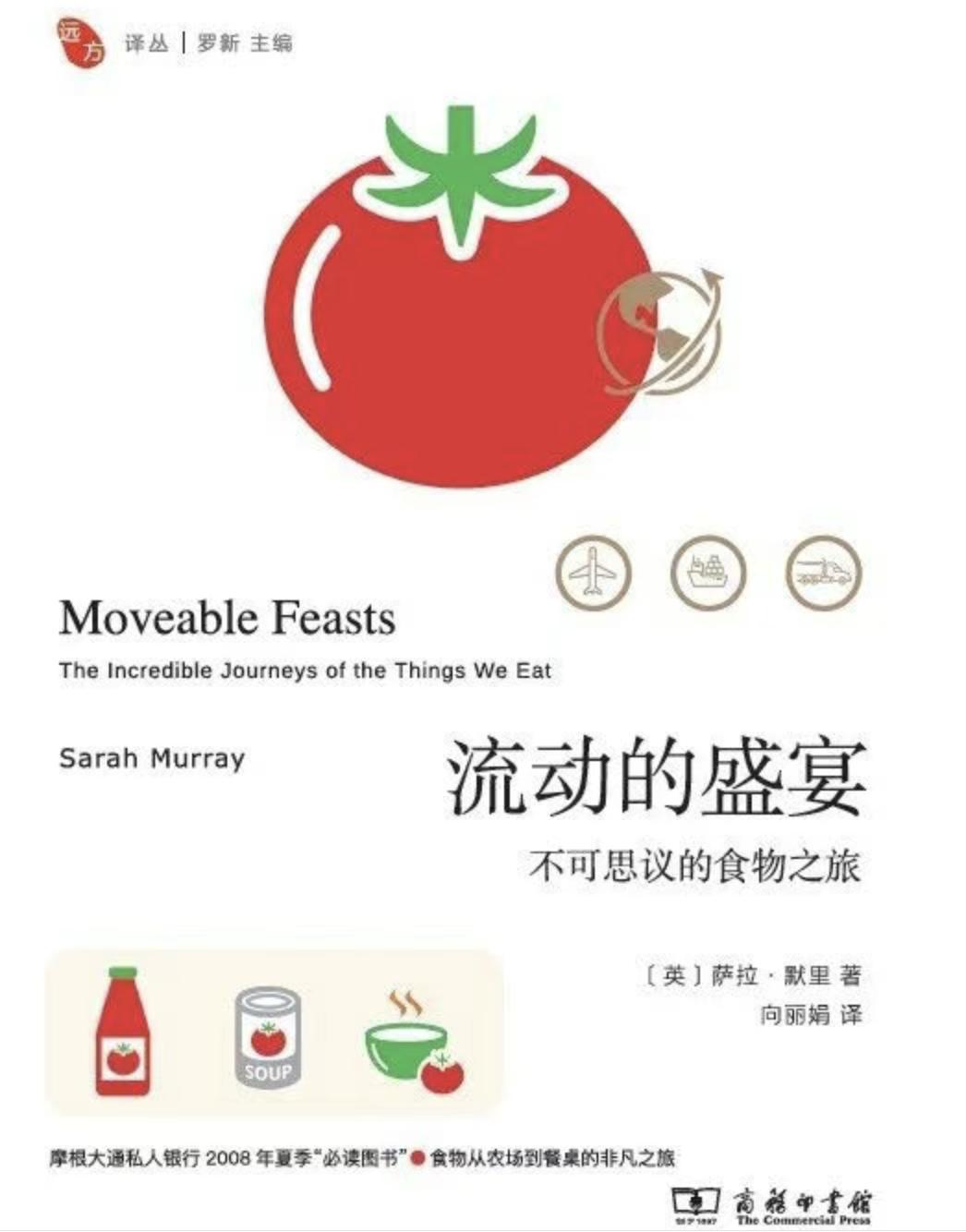
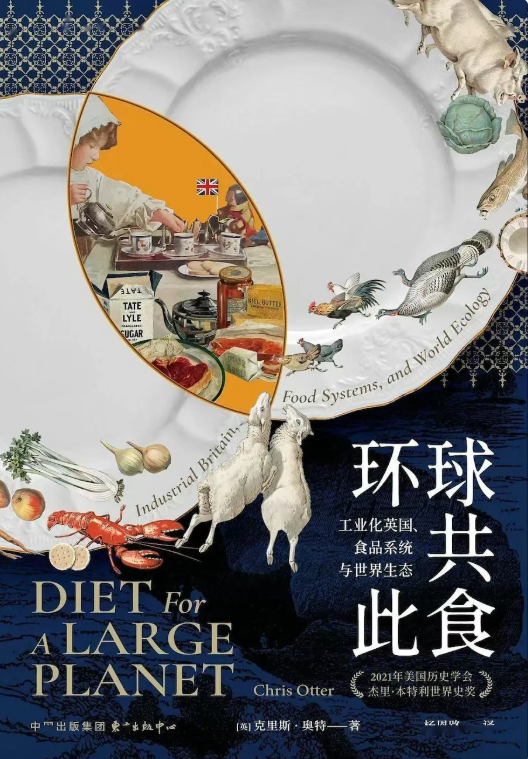
Britain’s meatification relied on global food supply chains, providing workers with cheap energy and also embedding class, race and gender inequalities, famine and slaughter violence into the food system.
A financial media outlet’s former agricultural journalist Xie Xiaodan wrote food as supply-and-demand figures through financial reports, market prices and phone interviews. From pig abscess meat, vegetable prices and a shared-farm vegetable plot, they realised agricultural reporting must leave statements and return to the land.
In Pu’er, Yunnan, South American production cuts have kept green bean prices rising for a year, but erratic rainfall and extreme weather still threaten yields. Some coffee farmers are deep-processing beans, planting green manure and shade trees to adapt to climate and seek steadier prices.
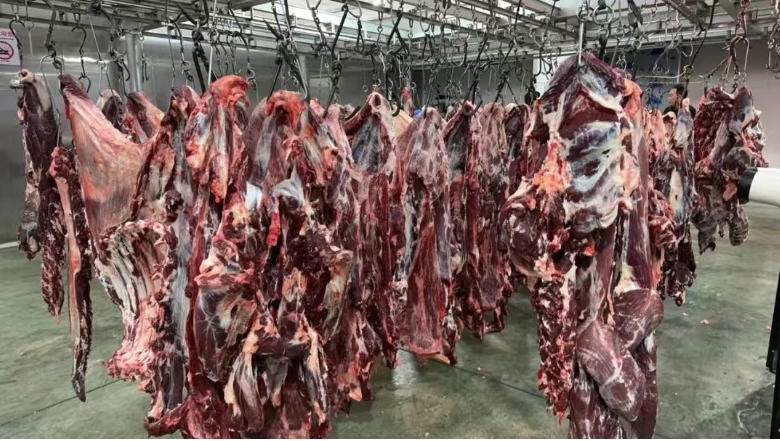
In a small town in eastern Sichuan, at a modern slaughterhouse park invested in by the author’s aunt, cattle and sheep orders, retail cuts and pre-dawn deliveries make up daily life; customer complaints and workshop smells expose how industrialised slaughter is hidden from everyday life.
Sold-out sourdough bread, olive oil, sea salt and vinegar are going viral as UK consumers use ‘anti-ultra-processed food’ and social-media aesthetics to turn affordable basic staples into pricier lifestyle purchases.
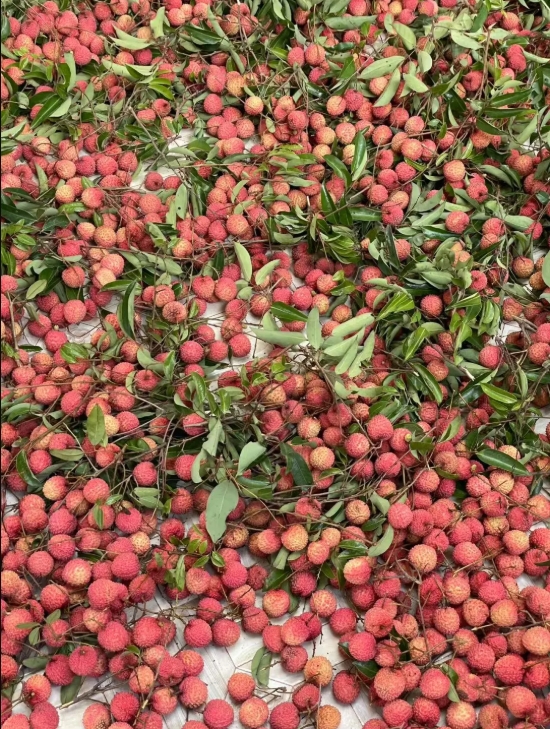
A couple in Lufeng, Guangdong, returned to their orchard and sent lychees elsewhere. Shipping and packaging ended up taking nearly a third of their income, and they had to pick and pack while it was cool to keep the fruit from turning black.
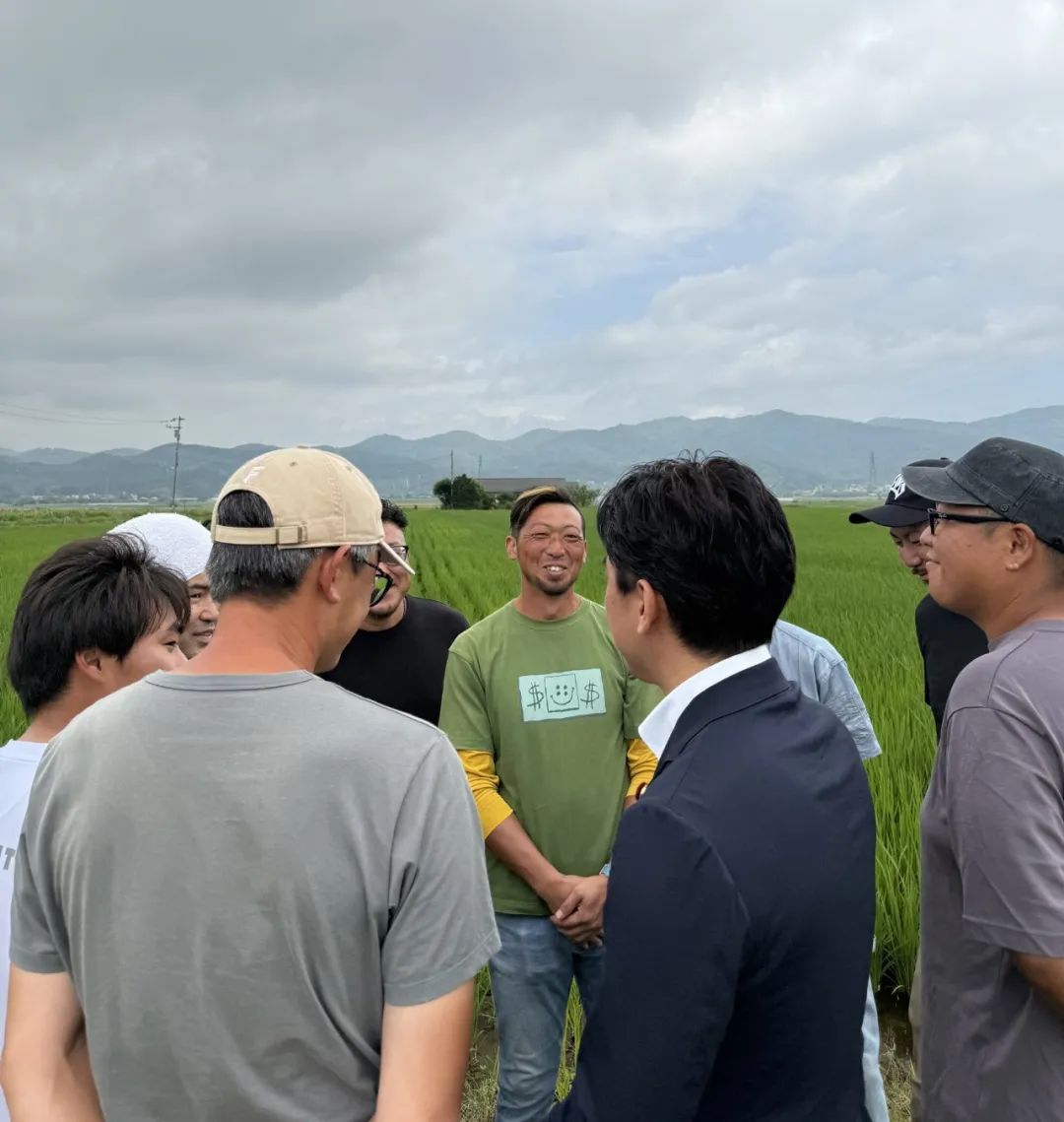
Japanese government intervention is still struggling to bring rice prices down. The acreage-reduction policy, JA’s price-setting and rural ageing leave rice farmers with meagre incomes, without successors, as paddy fields keep disappearing.