

From sugar-funded commentary by Harvard professors to obesity research backed by Coca-Cola, corporate interests have shaped US dietary guidelines, leaving ordinary people to pay the health price.
Analysis of agricultural product prices, supply chains, corporate behavior, and industry trends.
From sugar-funded commentary by Harvard professors to obesity research backed by Coca-Cola, corporate interests have shaped US dietary guidelines, leaving ordinary people to pay the health price.

From hospitals to livestream rooms, Registered Dietitians remain divided between survival pressures and ethical bottom lines; with industry norms still unclear, telling “pseudo-science” apart is a lesson no consumer can avoid.

From Shenyang to Hubei, several small merchants describe how the platform uses traffic as leverage to push prices down to the point of running at a loss. Behind the 10-yuan Pin Hao Fan, merchants cut back on ingredients while delivery riders see their per-order income shrink.
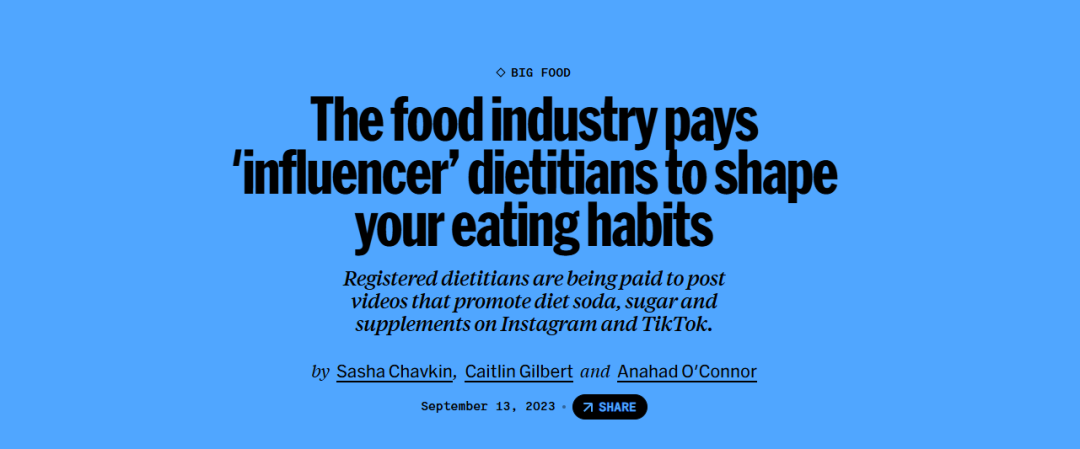
A 2023 investigation by The Examination and The Washington Post found at least ten registered dietitians with over 10,000 followers accepted payment from the American Beverage Association and the Canadian Sugar Industry Association to promote aspartame and natural sugars without disclosure. AND’s principal sponsors are these very companies.

Foodthink’s Take On 16 February, Foodthink hosted an in-person sharing session centred on *Fake Meat Displaces Real Meat*, a featured work of the Lianhe Creative Project. The author and guest panellists engaged in a lively discussion on topics such as the impact of imported meat and the future of traditional…

I. The Great Australian Egg Shortage For the first time in my life, I found myself unable to afford eggs. This past New Year, my family and I rented an Airbnb in Sydney, Australia, to ring in the new year. Being unfamiliar with the area, we did all our shopping…

Since January this year, the US has faced widespread egg shortages due to avian flu. Because of the scarcity, many supermarkets have introduced purchase limits, and stockouts have become frequent. Meanwhile, egg prices have soared. Americans, accustomed to cheap eggs every day, have been voicing their frustration. This scene feels…
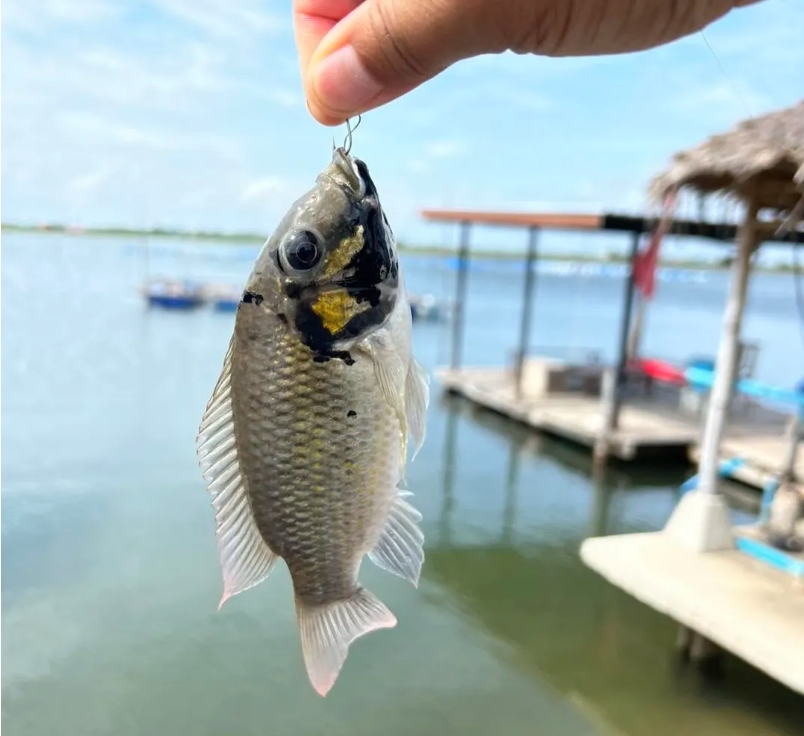
CP Foods imported 2,000 Blackchin tilapia from Ghana in 2010 for a breeding trial. After escaping into natural waterways, the fish spread across 19 provinces in Thailand over more than a decade, leaving fishermen with direct losses of 2.486 billion Thai baht.
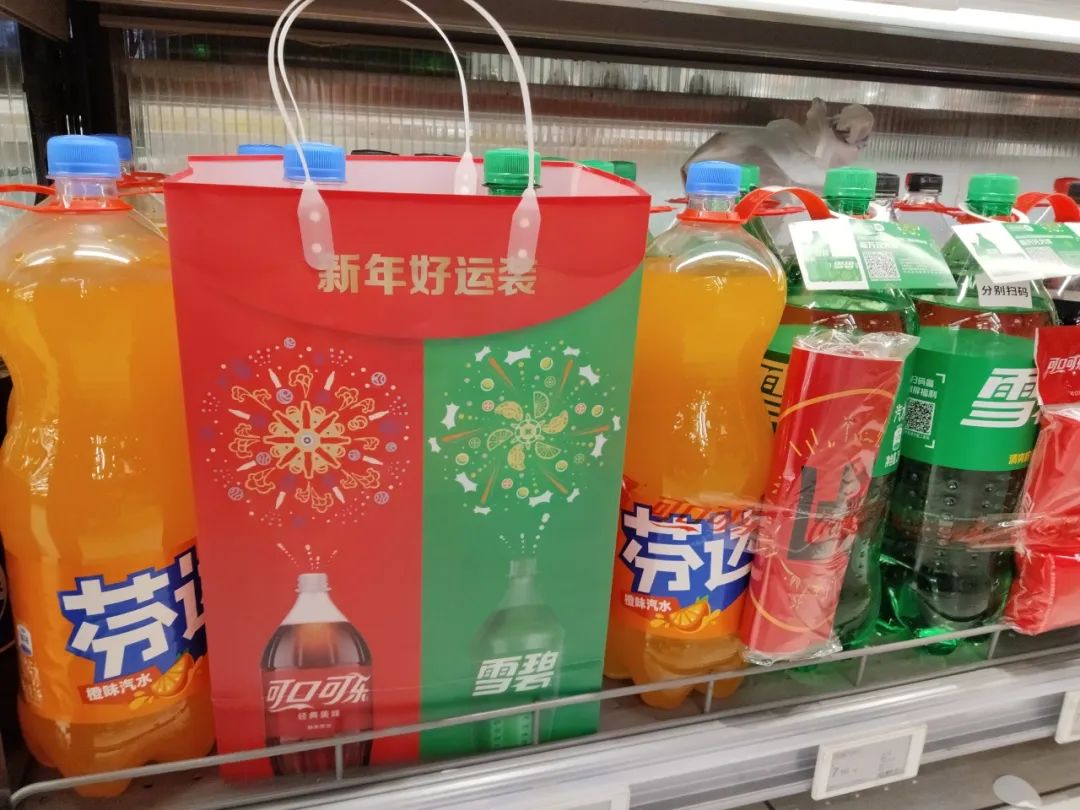
American historian Bart J. Elmore traces how Coca-Cola used public tap water, government-subsidised sugar and discarded caffeine to build a market capitalisation exceeding one hundred billion dollars — while shifting the cost of plastic waste and obesity onto the public.

Foodthink has compiled a 2025 reading list from the new books on food and agriculture, ecology and sustainability received in 2024 — from delivery riders’ working conditions to the ecological lessons of fungal networks.