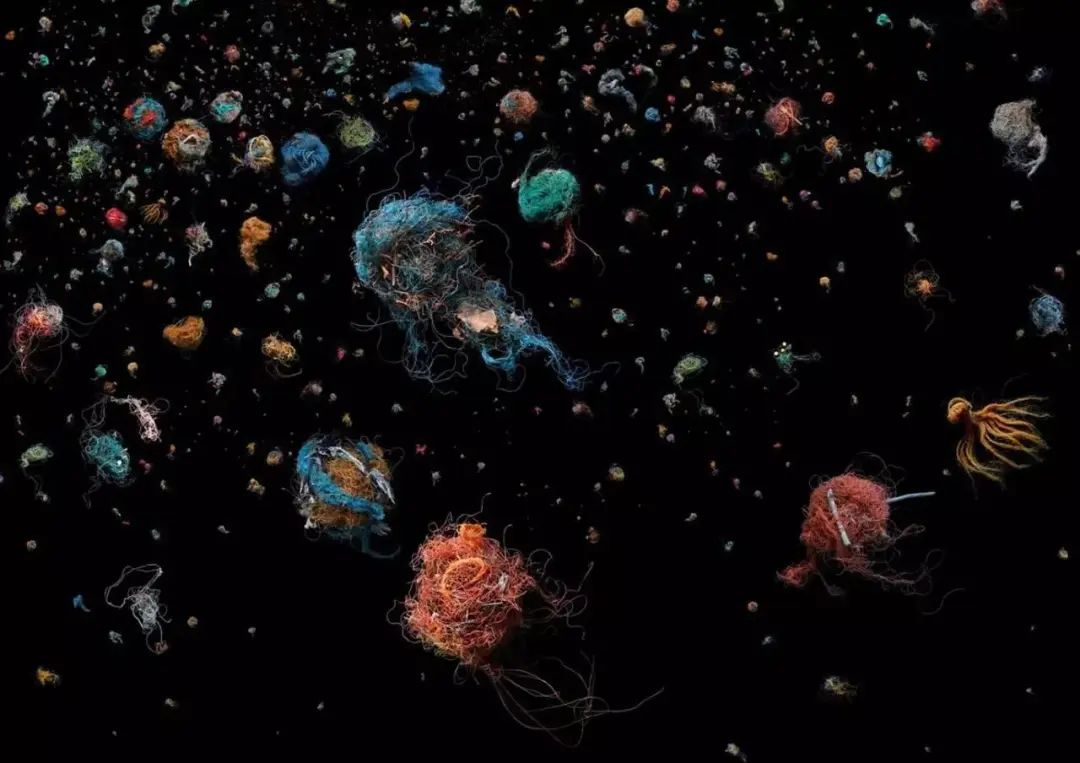
I. The Plastic Crisis: Regularly Updated “Microplastics have entered the human brain, and the weight of these particles can even exceed that of a plastic spoon.” Several friends sent me this message a few days ago. Since I started working for an environmental organisation a few years ago, I’ve become…
Editor’s Note Few dietary cultures are as deeply defined by religion and embedded in ethnic life as “Halal”. After connecting with Muslim friends from the Northwest, I realised that once they leave their predominantly Muslim communities to work in the South, they have very few affordable Halal dining options beyond…
Foodthink Says A previous Foodthink article, “Have Nutritionists Become Shills for Food Giants? Perspectives from Registered Nutritionists”, exposed how North American food corporations sponsor influencer nutritionists and industry organisations to sway public perception of food through misleading, quasi-scientific popularisation. Similar issues exist in China: health supplements and food advertisements are…
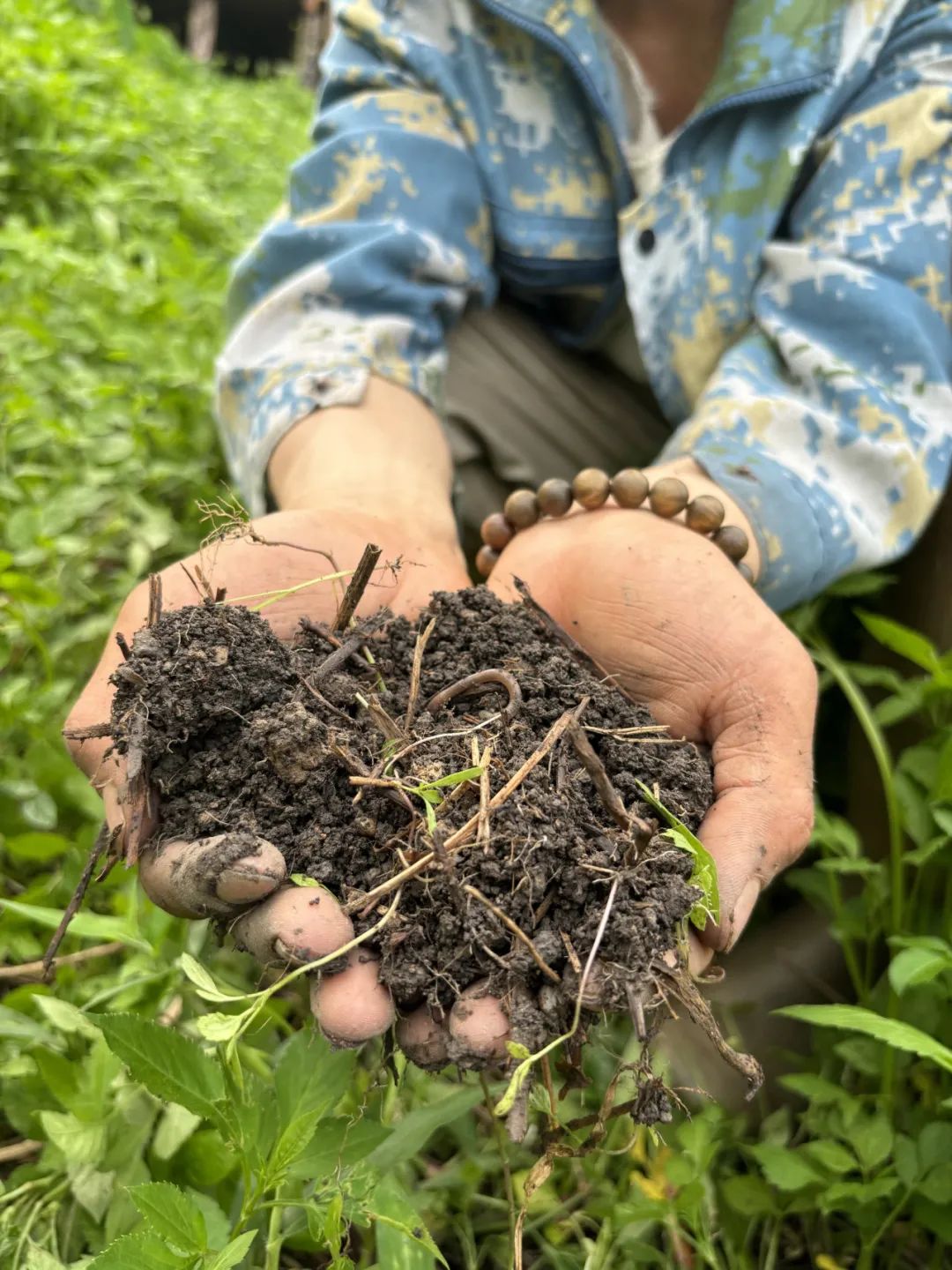
Last April, I arrived at Baicao Garden through Foodthink’s ecological agriculture internship programme. In Wule Town, Guigang City, Guangxi Province, where we were based, almost everything outside of Baicao Garden is chemical-based agriculture. On the drive into town, the sight of people spraying herbicides is a constant presence. I remember…
Qingming is a festival for ancestral worship and tomb-sweeping. This year, Qingming falls on 4 April, which happens to be 404. This brings to mind those articles that have been 404 not found. Last year, several Foodthink articles “disappeared” from our WeChat official account—the highest number in our history. Yet,…
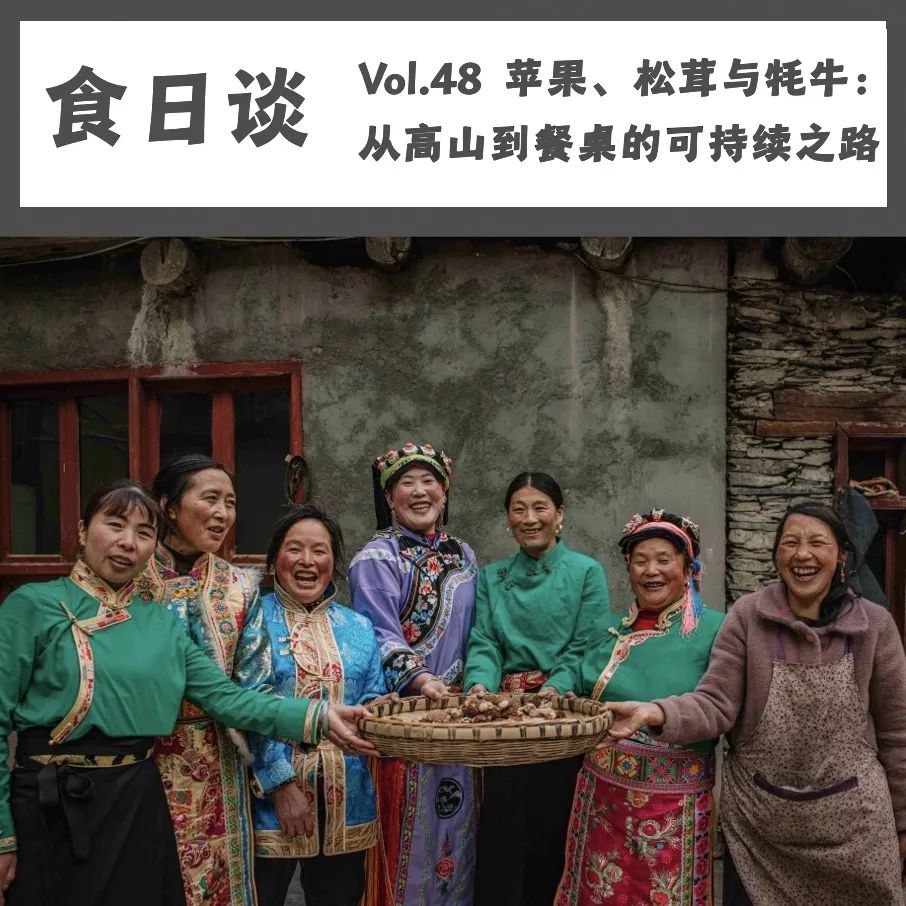
This episode visits Xiaojin County in Aba Prefecture, Sichuan, and shows how social enterprise Muyunpo builds trust with villagers, protects resources while collecting matsutake and letting yaks graze freely, and returns the sales surplus to the community.
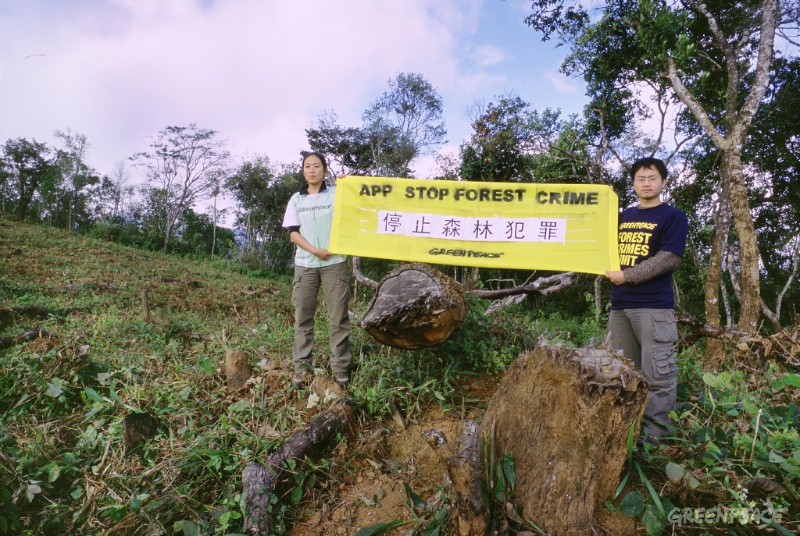
Sun Shan, Shanshui Nature Conservation Centre co-founder, and environmental advocate Ma Tianjie begin with Meituan-funded environmental organisations and the Asia Pulp & Paper deforestation scandal, discussing how companies use charitable funds, algorithms and rules to shape environmental agendas, and how non-profits can maintain oversight boundaries.
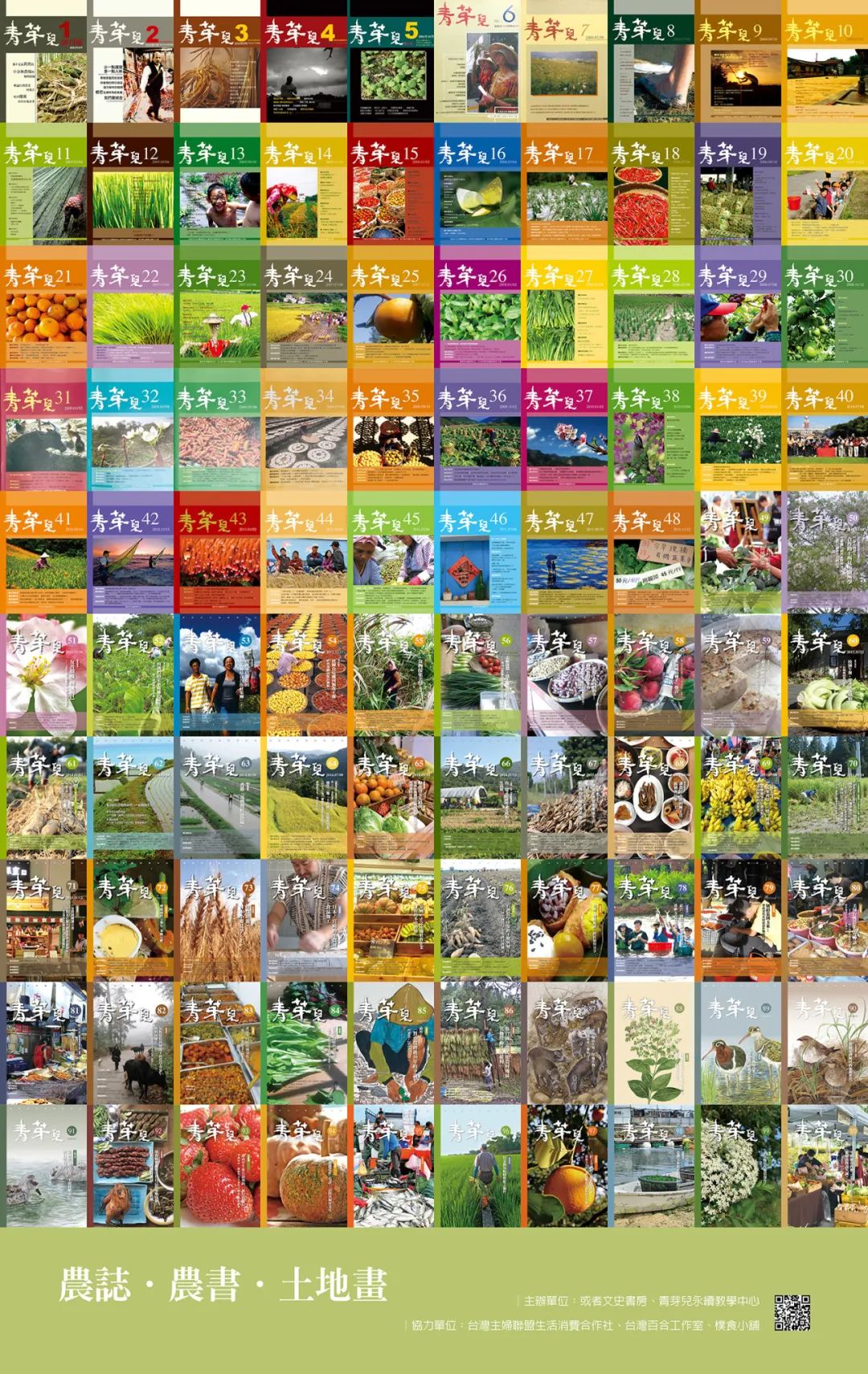
Green Sprouts reached 100 issues through unpaid writers, reader donations and free print copies, while founder Ah Wei aimed to help farmers reclaim dignity and document sustainable food practices in Taiwan.
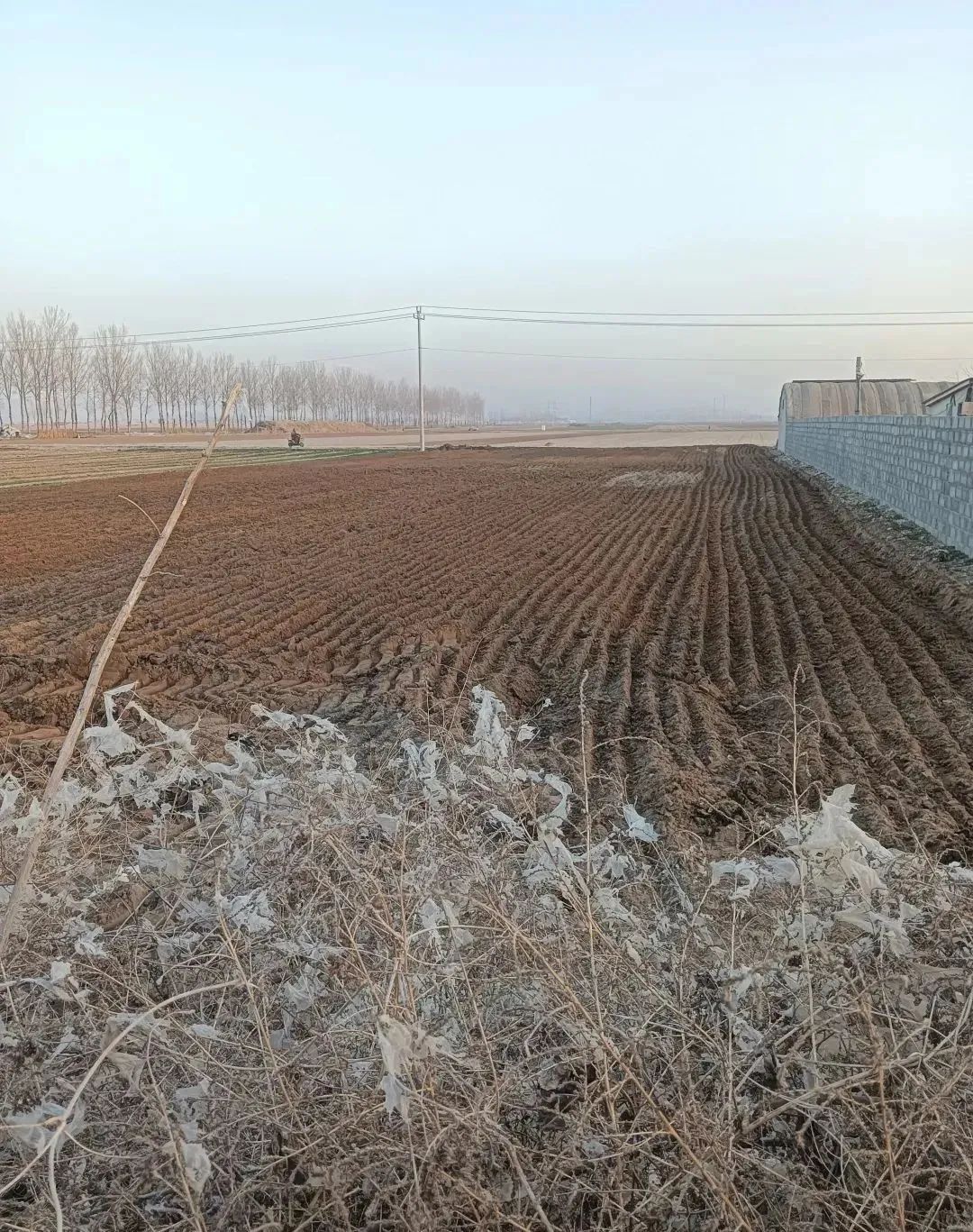
Only the soil Old Li contracted was sampled and sent for testing; restoration has not begun. After the processing plant involved moved equipment, film fragments were buried in soil; the ecological environment and agricultural and rural affairs departments have still not acted, citing unclear jurisdiction.
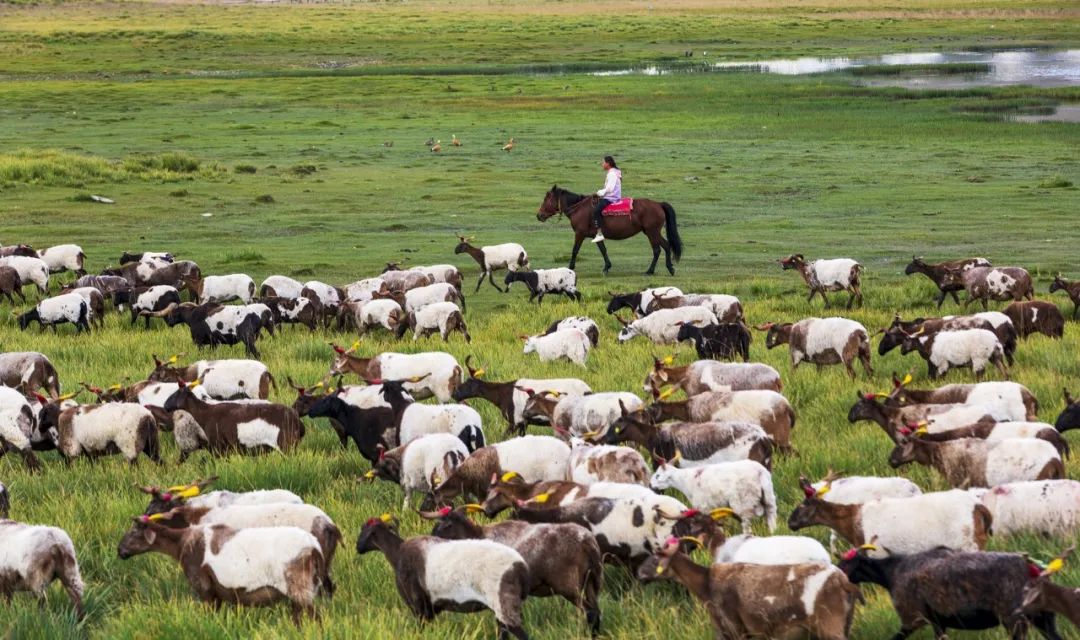
Fieldwork in the pastoral areas of Gannan and Qinghai shows that low-priced imported meat from New Zealand, Brazil and other countries, called ‘fake meat’ by herders, is both squeezing local grass-fed meat out of the market and driving down herder household incomes.