

Sold-out sourdough bread, olive oil, sea salt and vinegar are going viral as UK consumers use ‘anti-ultra-processed food’ and social-media aesthetics to turn affordable basic staples into pricier lifestyle purchases.
Sold-out sourdough bread, olive oil, sea salt and vinegar are going viral as UK consumers use ‘anti-ultra-processed food’ and social-media aesthetics to turn affordable basic staples into pricier lifestyle purchases.
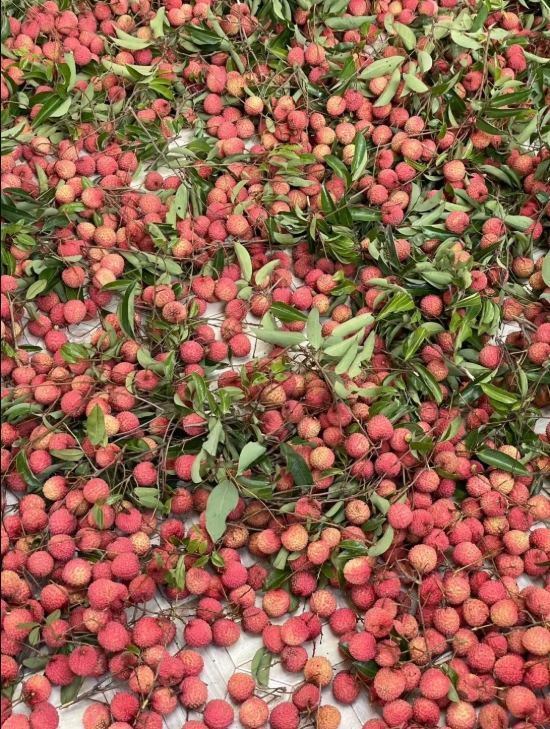
A young couple who returned home to sell lychees made 4,503 yuan from 51 orders, but shipping and packaging cost 1,526 yuan — roughly a third of their total revenue.

61-year-old farmer Sun Wenxiang, with his wife and father, maintains ecological farming in Qilong Village, Hongya County, keeping old rice varieties such as Red-beak Glutinous Rice, relying on black pigs, biogas slurry and daily weeding, while questioning whether old varieties will reach the next generation.

Over four years in Fujian’s Eren Gu, Kouzi hired six excavator operators, was repeatedly slapped in the face by soupy mud, wild grass, and the neighbours’ ducks—until a valley once choked with bamboo roots and wild grass finally spilled with gardenia fragrance.
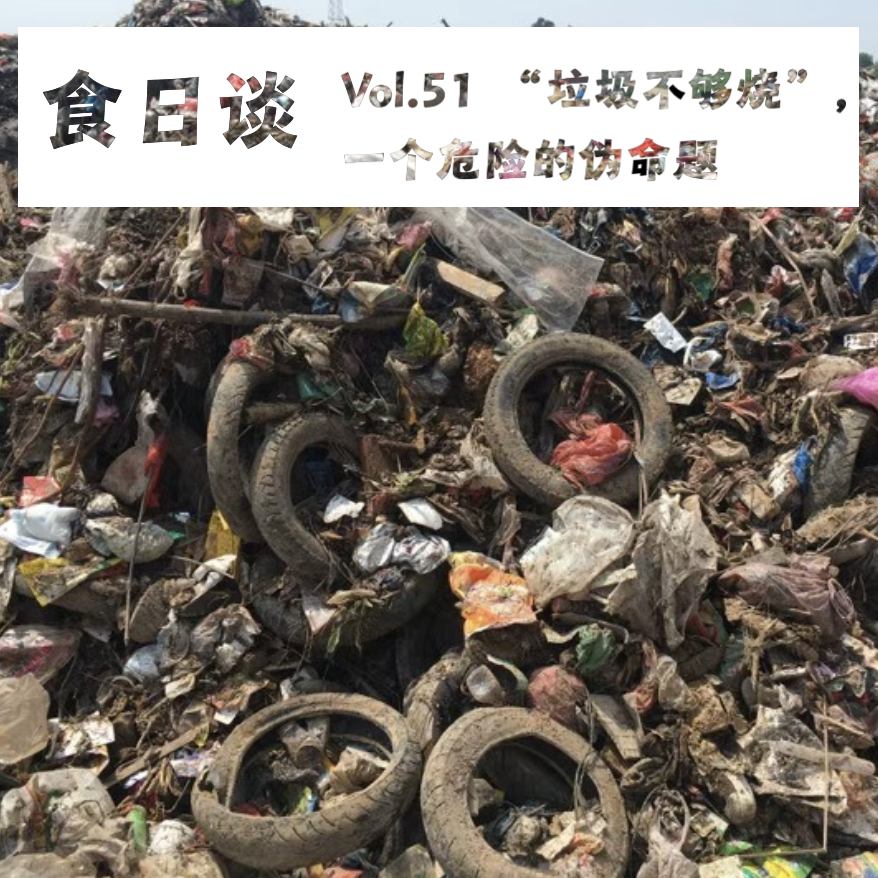
Mao Da and Sun Jinghua argue that incineration is the end of the processing chain, not a way out; overcapacity undermines the incentive for reduction and recycling, and the furnace has neither eliminated dioxins nor replaced sorting.
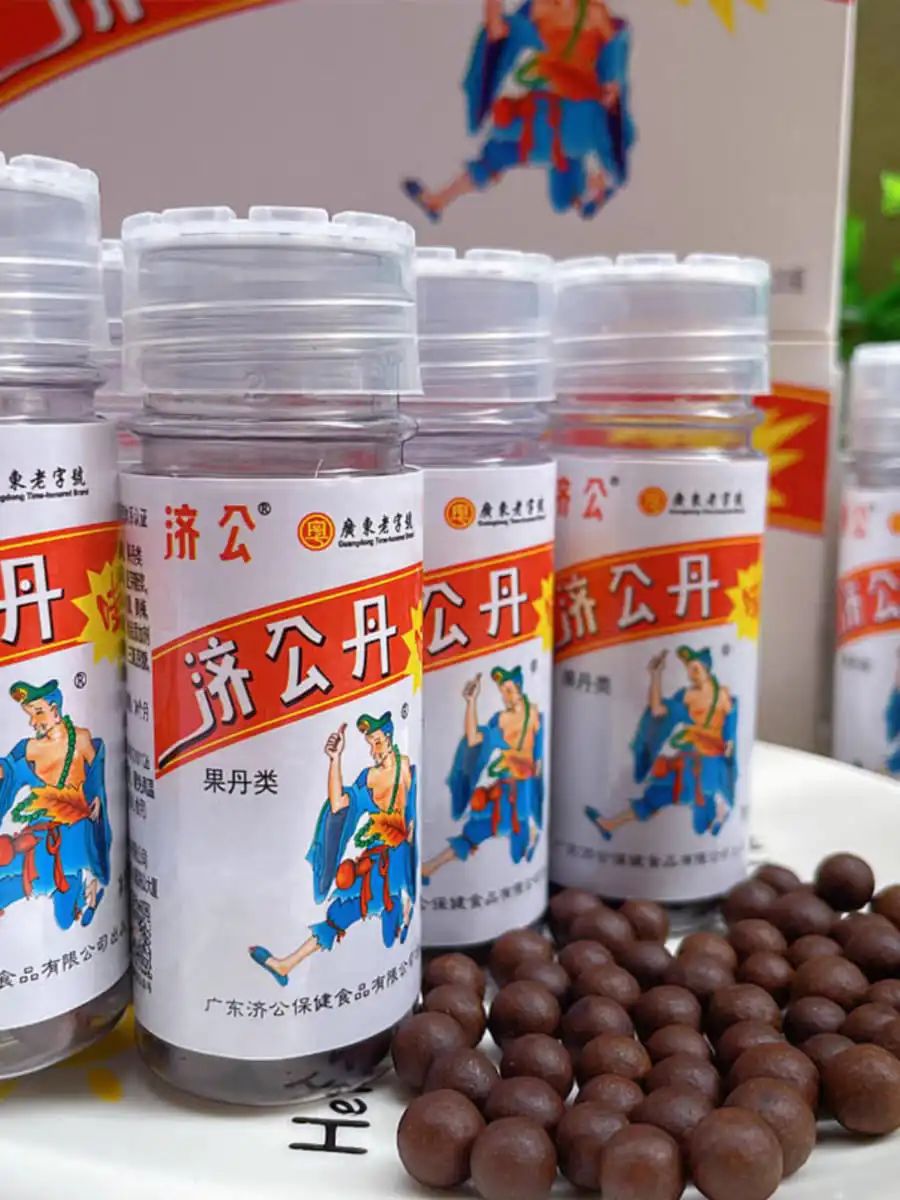
Zhang Fulan, a Jieyang native in Chaoshan, recalls her childhood food memories from school-gate sweet potato starch cubes and stationery-shop ice lollies to grandmother’s Pig Trotter Rings and mother’s handmade rice cakes, linking local traditional foods, industrialised snacks and body changes linked to emotional eating.
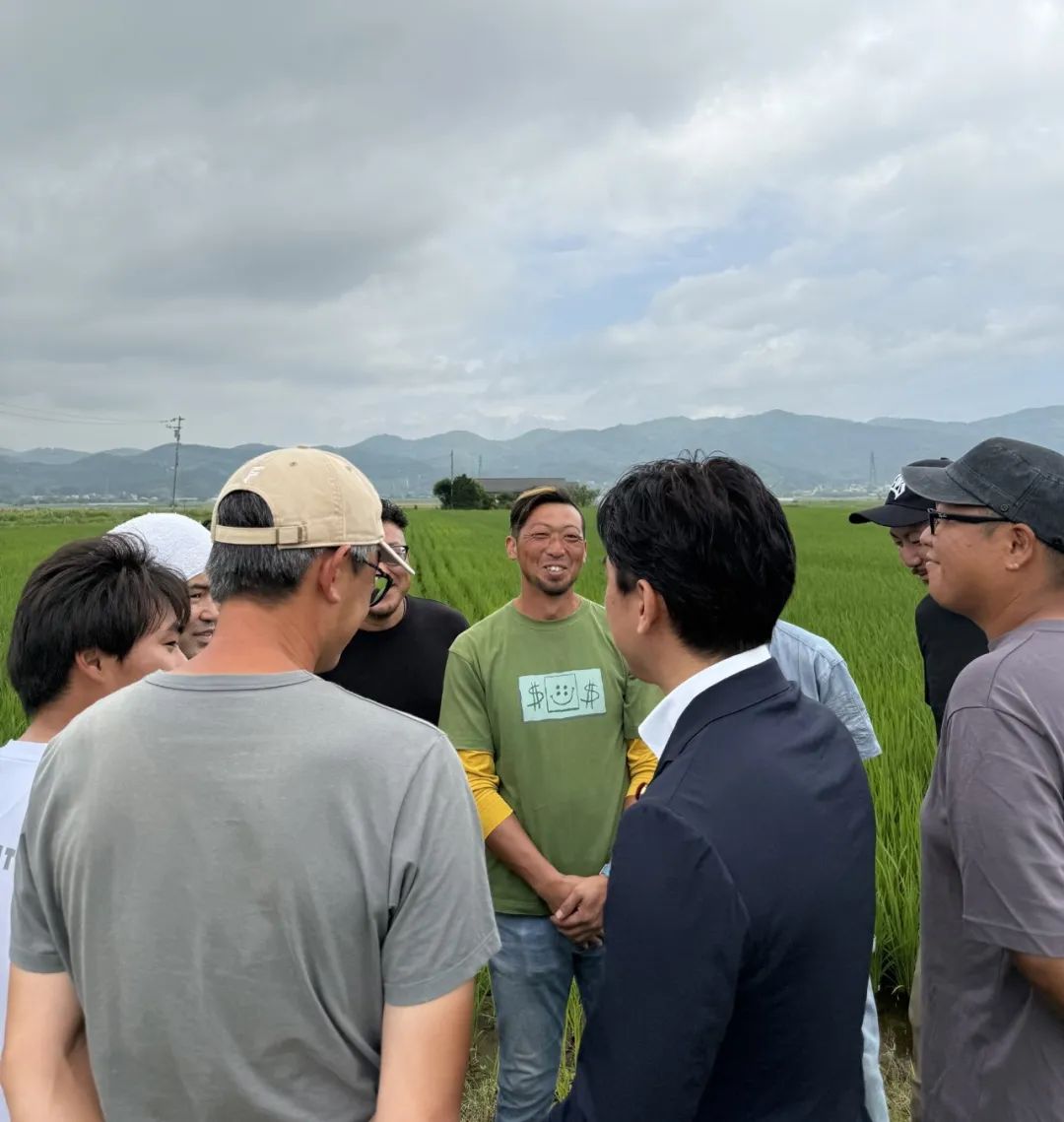
The “Reiwa rice riot” pushed 5 kg of Koshihikari to ¥5,072, yet doubled prices cannot save Japan’s paddies: decades of the acreage-reduction policy have kept prices depressed, 70% of farmers are over 65, more than 10,000 hectares vanish each year, and young people won’t take over.
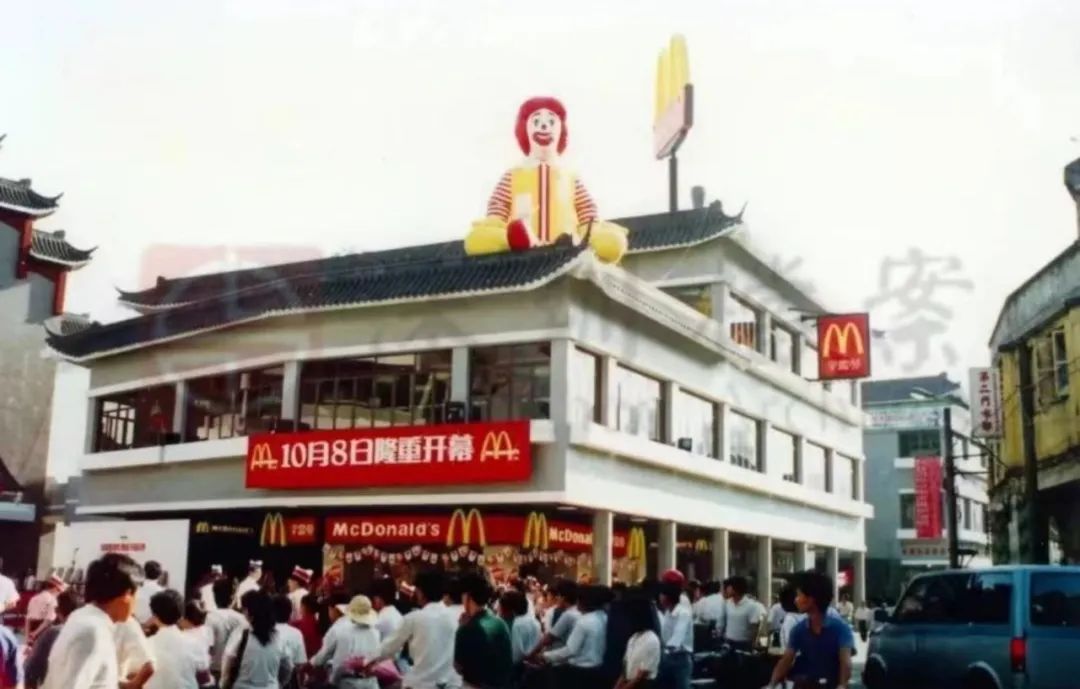
An ordinary employee at a McDonald’s in Shanghai’s Jing’an District earns 19 yuan per hour, rising to 21 yuan only after 1,000 hours. When takeaway orders surge, riders are pressed by the platform, staff are pressed by orders, and leftovers are thrown away after closing.
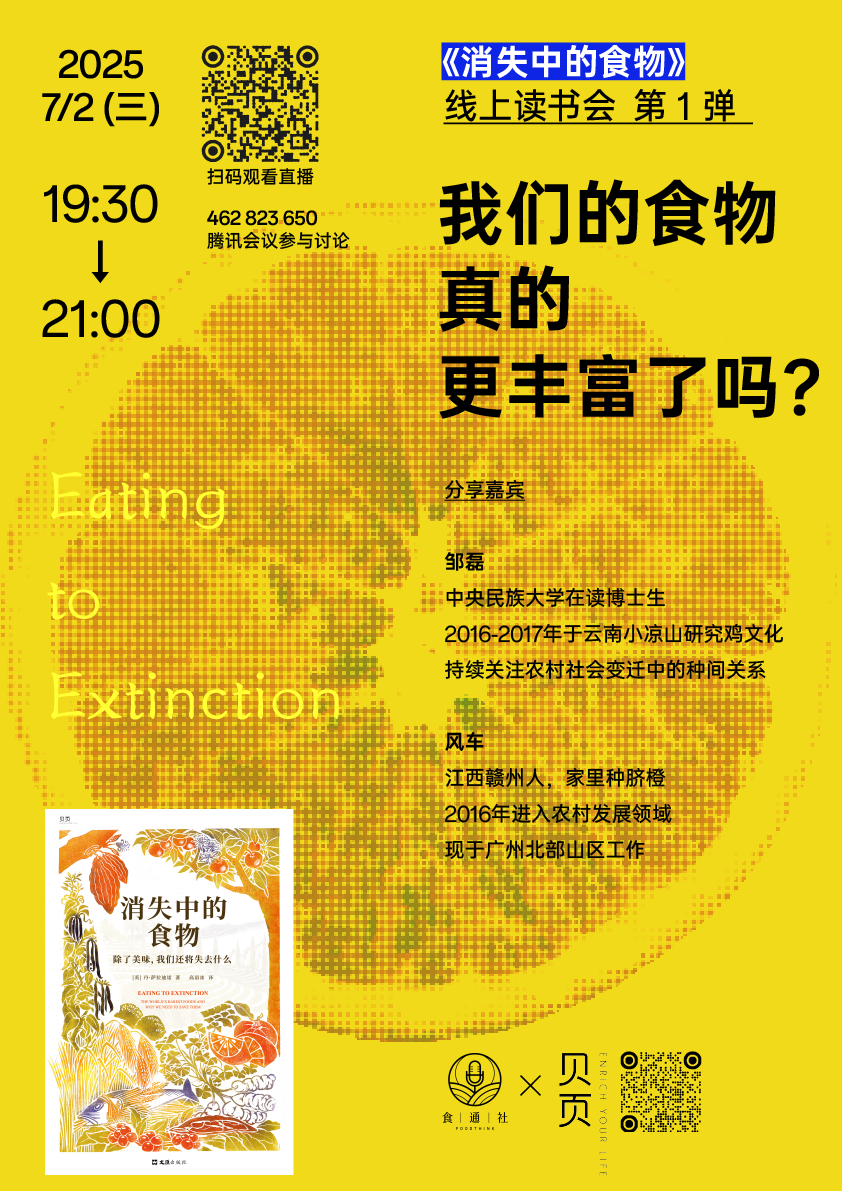
Veteran BBC journalist Dan Saladino compiled 40 stories of foods at risk of vanishing into Eating to Extinction, published in Chinese by Beiye Books. At the 3rd International Congress on Agricultural Biodiversity, he stated that only by saving diversity can the Earth and humanity have more choices.
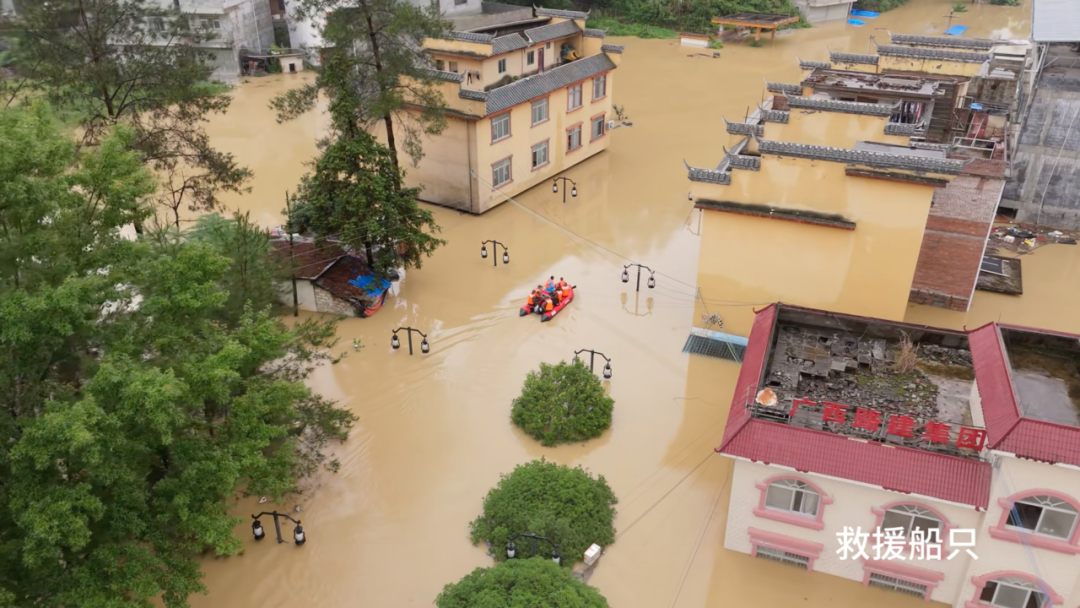
Having endured a once-in-60-years drought, farmers in Liuzhou, Nandan, and Hechi in Guangxi now face sustained torrential rain. Four first-hand accounts describe water sources washed away, livelihoods disrupted, and fears that the abrupt shift from drought to flood is becoming the norm.