In Puer, Yunnan, a South American crop shortfall has kept green bean prices rising for a year running, but erratic rainfall and extreme weather still threaten the harvest. Some local farmers are processing their own beans, planting green manure and shade trees to cope with the climate and find steadier prices.
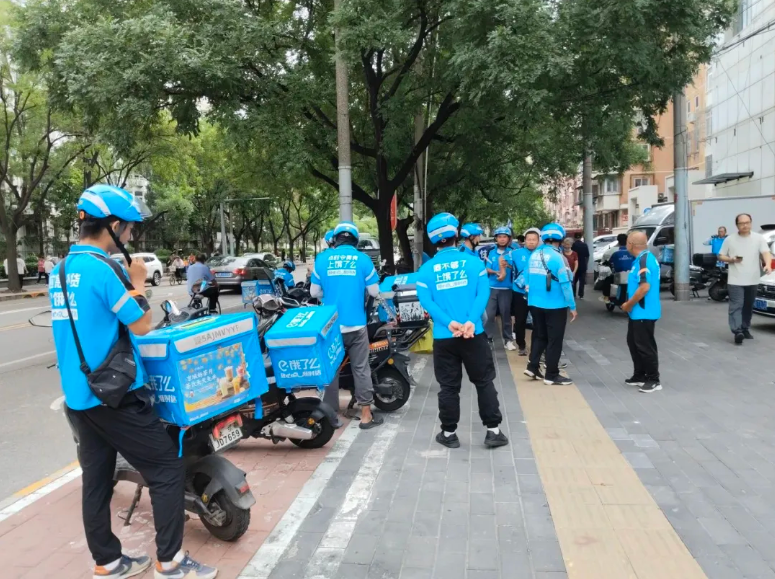
Riders eat only two meals a day, stomach problems are rife, and a South Korean study found gig workers eating fewer than three meals face over three times the depression risk of others. Under algorithmic scheduling and livelihood pressures, food-delivery labour runs at the cost of depleting health.
Young solo diners’ feelings about “digital pickles” are far more conflicted than “cure” implies: some endure loneliness through danmaku, others reduce eating to mechanical chewing – yet with someone at the table and food you cooked yourself, the phone gets put down.
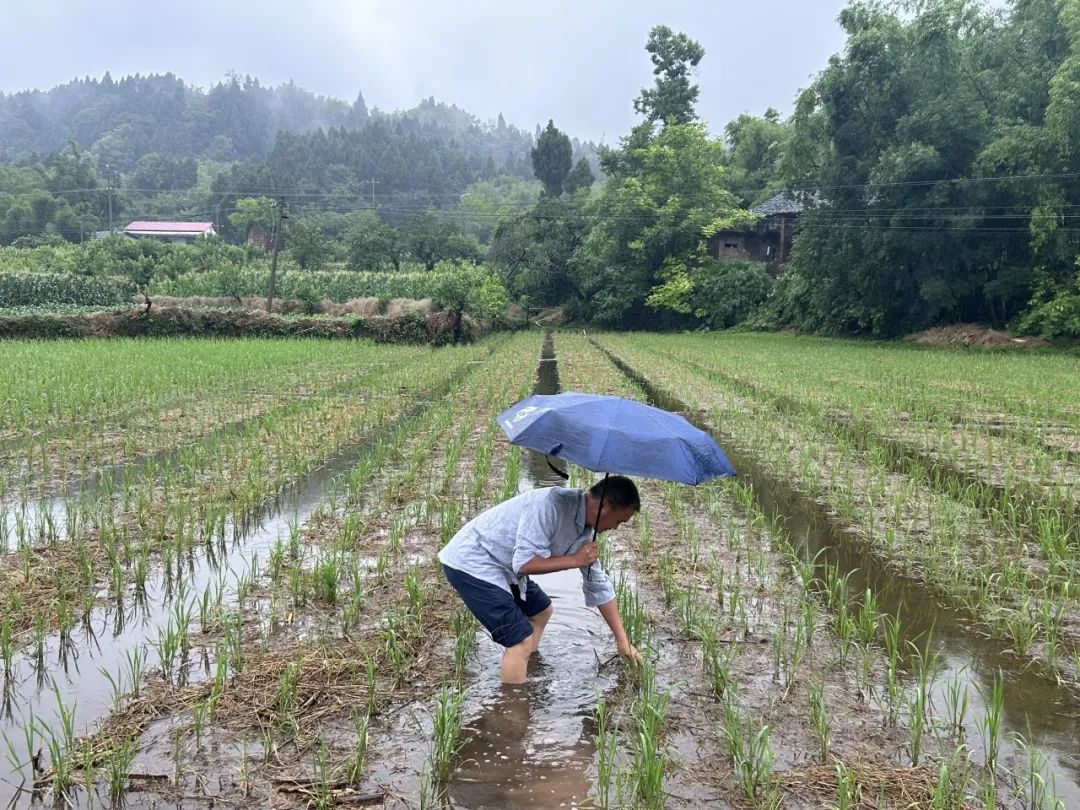
In some villages in Sichuan, farmers and the public-interest organisation Home Action are trialling low-input, low-pesticide methods that retain local heirloom varieties, helping families eat healthily first and keeping seeds for the community to cope with heat and drought.
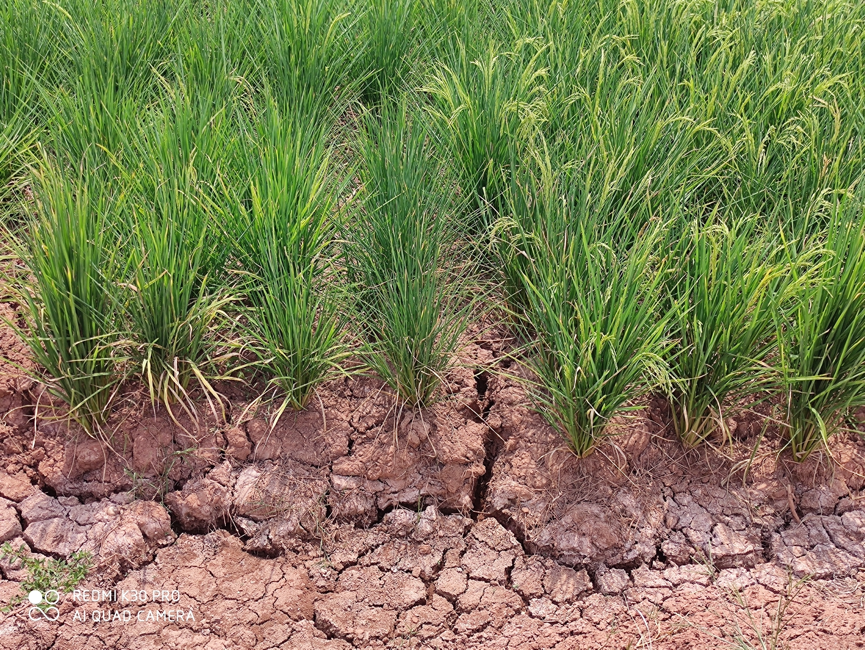
In Jianyang, Ya’an and other places in Sichuan, farmers including Yang Xiuyou and non-profit organisation Home Action use no-till cover, heirloom varieties and experience in storing grain to cope with harvest risk in persistent drought, while also sustaining village life for the left-behind elderly.
Secretary of Health and Human Services Robert F. Kennedy Jr. has led 3,500 FDA layoffs, slashed $400 million and suspended food spot checks – adding insult to injury for an already fragile system whose food regulation budget is barely half that of pharmaceuticals and authority scattered across multiple agencies.
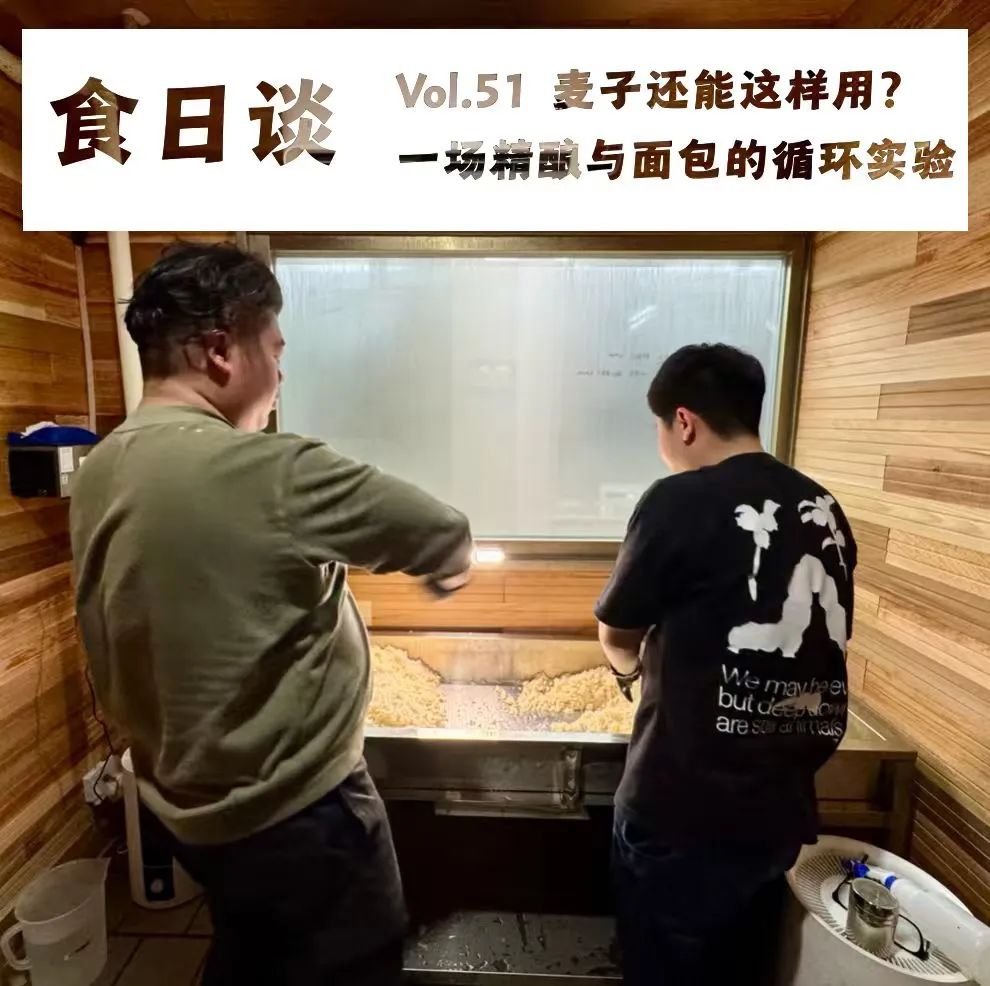
Zhang Kai, brewer at Fenye Brewing, and Xu Xin (Elephant), co-founder of Mars Elephant Lab, bridge brewing and baking with the same grain—from inoculating corn with sake koji to brewing an Earth Day beer from surplus bread at ten Beijing bakeries—and China’s import-reliant grain supply chain.
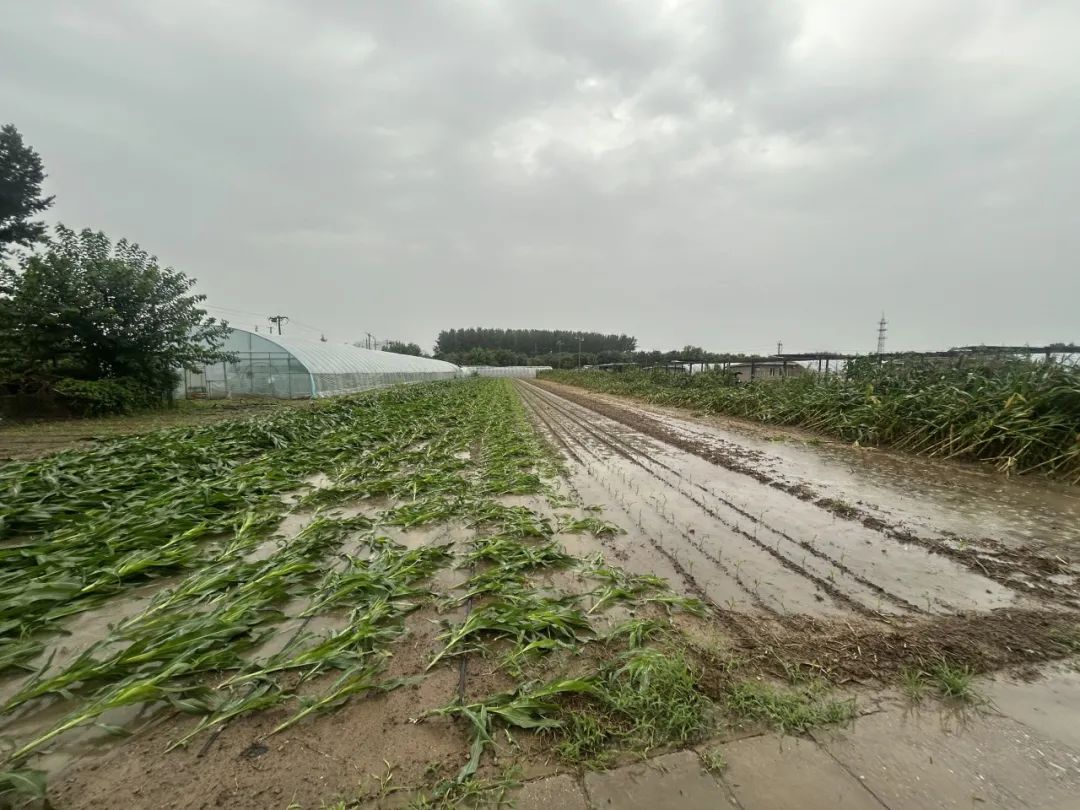
Several ecological farms in Shunyi and Changping, Beijing, and Baoding, Hebei, have reshaped land, switched crops, and reinforced infrastructure after four straight years of downpours — but with surrounding public drainage works still lacking, extra investment is squeezing already razor-thin margins.
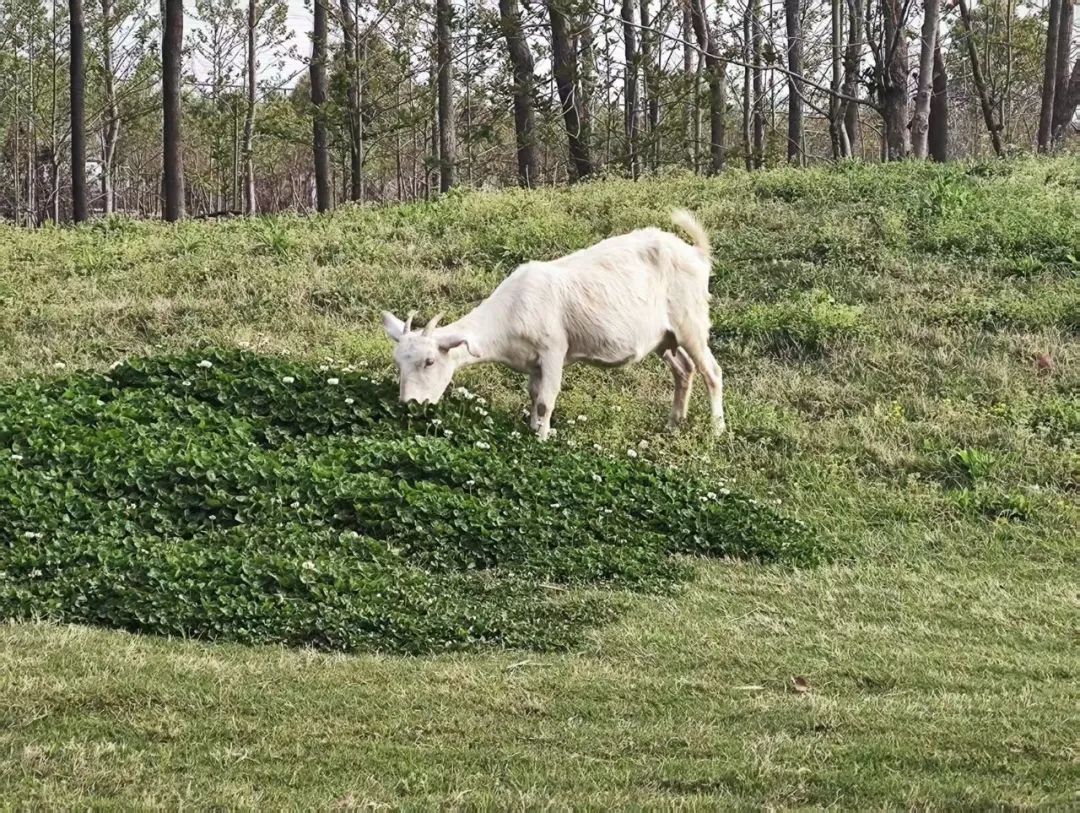
Through Foodthink’s Eco-Agricultural Internship Programme, this Gen Z intern spent three months at Lexiangu Community Farm in Shanghai’s Fengxian District, raising seedlings, weeding, repairing a roof, tending sheep and dogs, working at market stalls, and gaining the courage to explore the future.
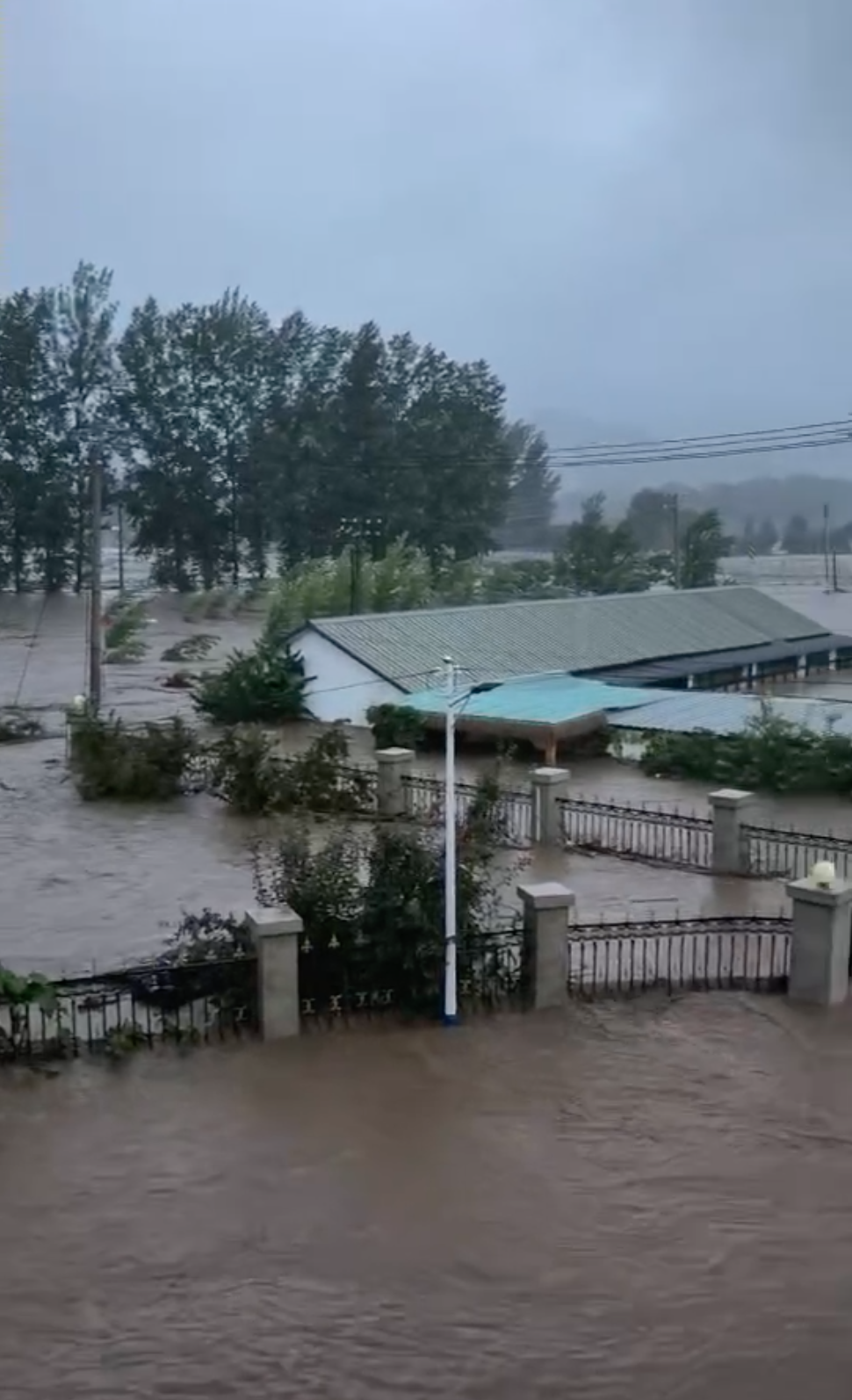
In his own words, farm owner Zhen Rui recounts how the flood struck suddenly, with no evacuation notice whatsoever. 450 mu of riverbank land, built up over more than a decade, was wiped to zero overnight — a documented investment of nearly 30 million.