I. Growing Up with the Flavours of the Loess Plateau I was born in the 1980s and grew up in the mountains of the Loess Plateau. I loved the mountains, the plateau, and the freedom of roaming through hills blanketed in wildflowers. My hometown lies where Shanxi, Shaanxi, and Inner…
A note from Foodthink Our memories of our mothers always seem intertwined with food and care. Some may have been exceptional cooks, knowing every family member’s preferences and bringing comfort through delicious meals. Others may not have been skilled in the kitchen, yet they were often consumed by the endless…
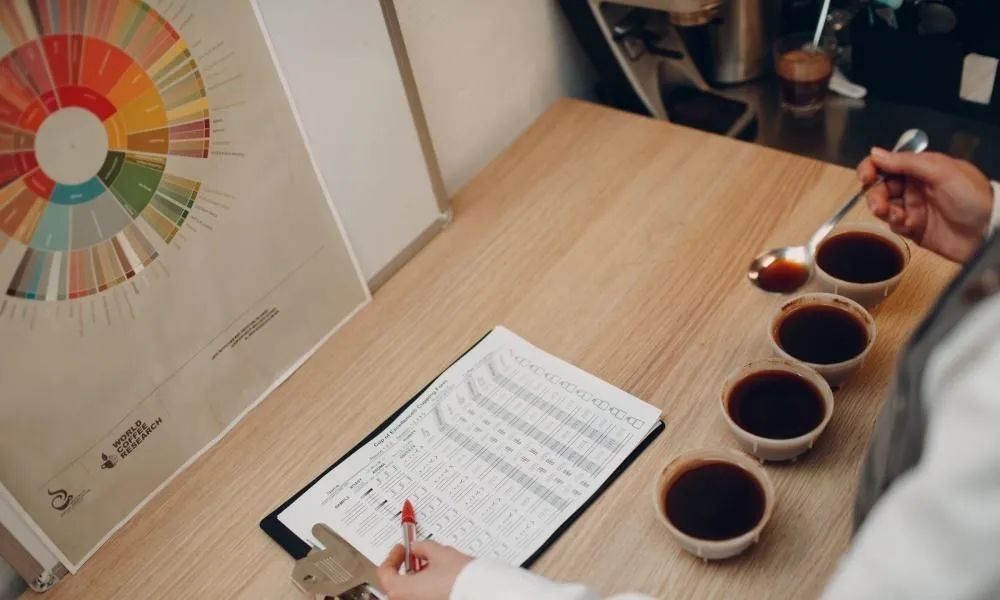
In recent years, more and more people have started drinking specialty coffee. Specialty coffee is truly fascinating, isn’t it? Some brews taste of chocolate, some bring to mind the fizz of popping candy, and others exude the aroma of black tea. However, there are times when coffee makes you question…
Shuyu, who keeps microbial cultures in a courtyard house in Gulou, Beijing, and Korean-American astrophysicist Kiwon re-ferment only premium Chinese tea into a sweet and sour drink; friends portion, blind-taste and post it, carrying its flavour to small towns and cities during the pandemic.
Through a winter of pandemic lockdown, sudden policy reversal, and a death in the family, a mother in a small town north of the Yangtze steadies her household with the old calendar of curing pork, frying meatballs, and airing quilts in the sun.
Ma Lan, who has developed forest kindergarten programmes since 2014, discusses what Chinese children gain from spending a full year sowing, tending, harvesting, and cooking their own food through farm-based nature education.
Five Foodthink colleagues and an office flatmate, sealed in a Chaoyang, Beijing office, spent seven days with clear-broth lamb, pumpkin buns, an online choir rehearsal and a midnight reading group — eating well, working as usual.
Foodthink’s two Beijing colleagues and two Shanghai friends chat online about life under the spring lockdowns: what to eat each day, how to steady the anxiety, and how isolation became a chance to pick up new skills in killing fish and cutting up chicken.
Following New Wave director Varda’s DV camcorder from the Beauce potato fields to a produce market at Montparnasse, the documentary records gleaners exercising an ancient right dating to 1544, picking back up what machines miss, farms discard, and supermarkets throw away.
From an open-hearth dinner in walnut oil to a mountain village where heritage pigs forage on acorns, two days of Lisu cooking reveal how over a hundred wild greens serve as both nourishment and medicine.