
Can’t taste the coffee notes? So what?
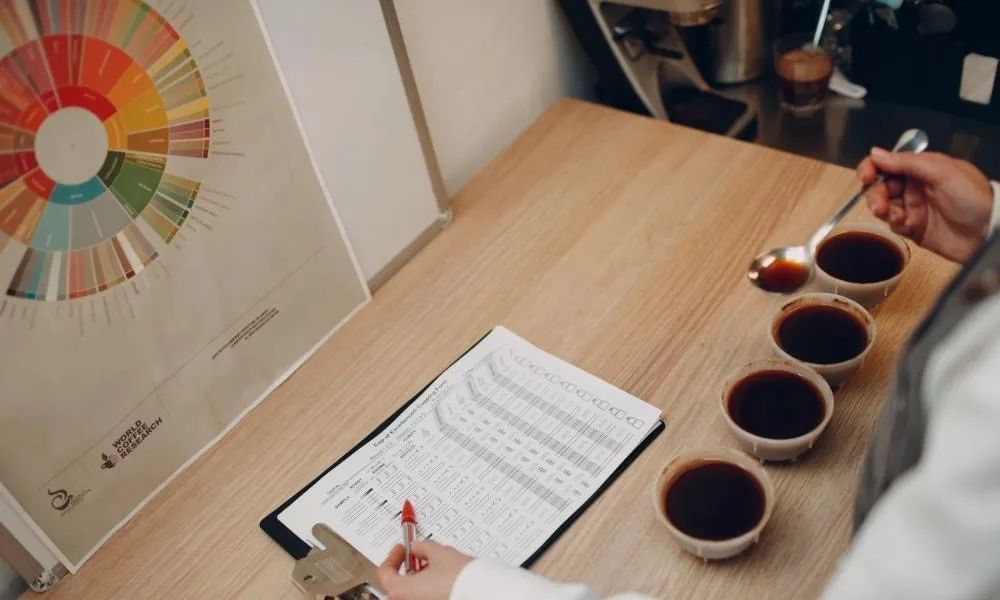
However, there are times when coffee makes you question everything: why on earth can’t I taste the flavour notes listed on the bag? Especially when staring at that colourful flavour wheel on the café wall, I start to wonder if I simply have a blunt palate.
As a dabbling coffee enthusiast studying at the University of Gastronomic Sciences in Italy, I have experienced all of the above—both the wonders and the frustrations.
1. The ‘Science’ of the Flavour Wheel
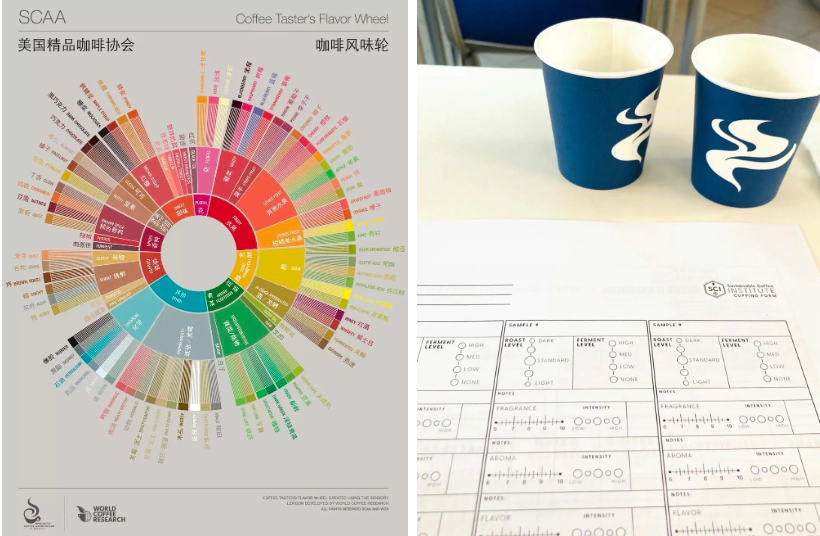
I don’t deny that the SCA flavour wheel has its rigorous, scientific merits, having been developed by sensory analysts from the US and Europe who tasted hundreds of coffees over the course of a year. Yet, the majority of the foods featured on the SCA wheel are primarily consumed in Western cultures, meaning it lacks true universality.
“Maple syrup, raspberry, blueberry…” As my Western classmates effortlessly listed a kaleidoscope of flavours, I felt a sense of awkwardness. I simply couldn’t follow the “guidance” of the flavour wheel to articulate my own tasting experience as they did—especially when it came to foods I rarely encountered.
Furthermore, the SCA aims to train cuppers to describe coffee flavours using professional and precise terminology. It is less a matter of recognising the actual foods on the SCA flavour wheel, and more about identifying the distinct, reproducible “standard aromas” associated with them.
Take “blueberry”, for instance. What exactly does that taste like? The SCA flavour lexicon describes it as: “The taste of low-sugar canned blueberries from Oregon, USA”. The absurdity is that when I asked a few American classmates who didn’t live in Oregon, they had never tasted these cans, nor had they ever even spotted them in a supermarket.
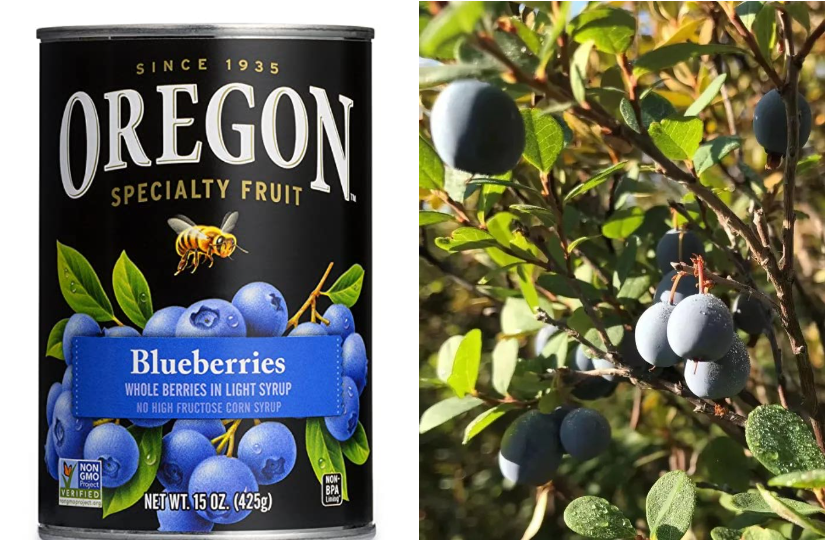
If even my American classmates struggle with this, how on earth are people from other countries supposed to identify a ‘standard blueberry flavour’? In the Chinese podcast *coffeeplus*, Gu Niangniang, the sensory head judge for the World Coffee Roasting Championship, mentioned that her trick is to put dried blueberries in water and microwave them for two minutes; the resulting aroma, she says, is the standard blueberry flavour.
This reminded me of a honey tasting class where I completely failed to detect the ‘intense lychee aroma’ in a particular honey. After a few hints from my Western classmates, I tasted it more carefully: this, I realised, felt more like canned lychees.
Having lived in the Lingnan region all my life, I have almost no memory of canned lychees. How was I to translate the phrase ‘On the first day, the lychee’s colour fades; on the second, its fragrance shifts; on the third, its flavour changes; and by the fourth or fifth, its colour, scent, and taste are all gone’ for my classmates?
‘Trying to train my senses using this flavour wheel is as difficult as learning a whole new language!’ I complained to my teacher.
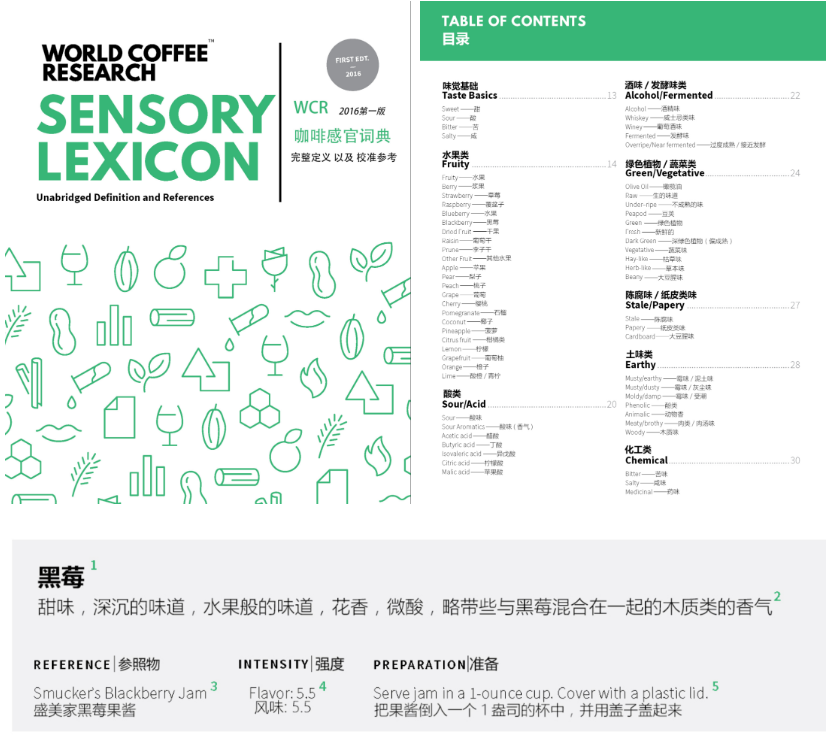
Foods that were once full of nuance and rich textures become “industrial standards” capable of endless replication within the flavour wheel system. How then can we focus on our own genuine tasting experiences and explore the joy of food?
II. A Common Language or Cultural Bias?
Mainstream coffee sensory trainers and cuppers often describe citric acidity as a “flavour liked by many”, while dismissing woody notes as “unwelcome”.
My Indian classmate, Prannavi, found this confusing: why are “woody” and “earthy” considered negative flavours on the SCA flavour wheel? In India, many people appreciate these tastes.
Nashira, a classmate from Indonesia, also felt it was unfair: “Because most Indonesian coffee is wet-hulled, it often leaves an impression of herbal and earthy notes. But I don’t see that as a negative; I see it as incredibly complex. The blend of earth, spice, and wood is like dark chocolate—I find it striking and fascinating.”
Eko Purnomowidi, an Indonesian coffee producer and partner at the brand Covoya Specialty Coffee, mentioned in an interview that many people in Indonesia are used to drinking coffee with earthy and herbal notes. Yet, Western buyers often assume these flavours are unwelcome, which leaves producers confused and under significant pressure.
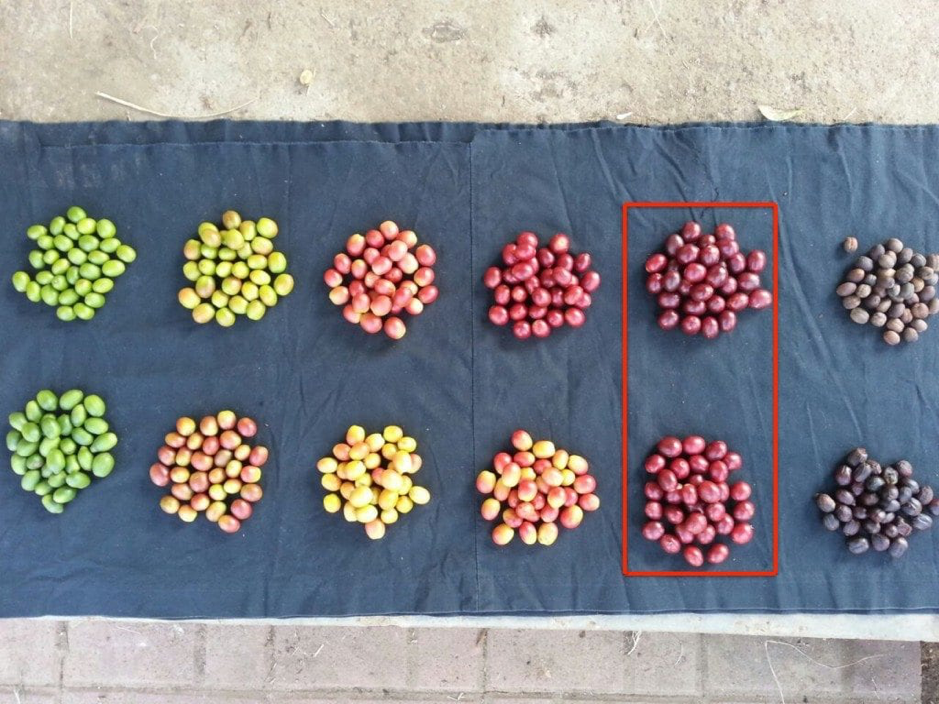
Conversely, overripe cherries can give off a ‘herbal’ note. If cherries fall from the tree and are left on the ground for too long, they may ferment and turn black, resulting in an ‘earthy’ flavour during cupping.
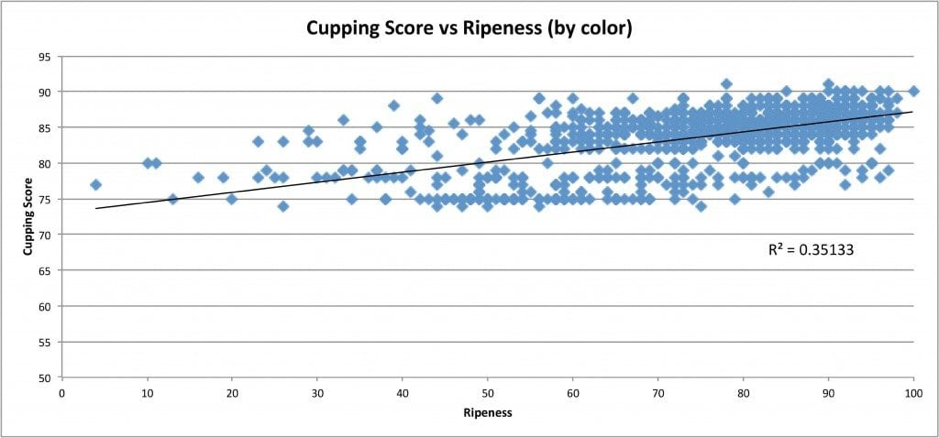
Reducing the barriers to coffee tasting in producing countries, rather than using flavour wheels or other assessment tools to prescribe what flavours ‘should’ be, would be a first step towards treating coffee farmers with fairness and authenticity, and discovering a shared “common language” for tasting coffee.
3. Creating Local Flavour Wheels

For example, in India, the Jamun fruit (the fruit of the Jamun tree, also known as the Indian blackberry) possesses a complex flavour profile: it begins with a rounded acidity, followed by a burst of glucose-like sweetness, but quickly leaves the tongue feeling astringent.
“Like many foods, Jamun provides a very rich sensory experience. Much like tasting different coffees, if one were to approach it with scientific rigour, it is actually quite difficult to find specific descriptors for it on the flavour wheel,” says Ārāmse.
Consequently, they are collaborating with SCA-authorised coffee trainers to develop a localised Indian flavour wheel through scientific research and flavour analysis.
As he notes, a localised flavour wheel is more convenient and relatable, encouraging consumers—and even producers—to deepen their understanding of flavour. If producers can clearly articulate the coffee flavours that buyers expect, it means they possess greater agency within the industry.
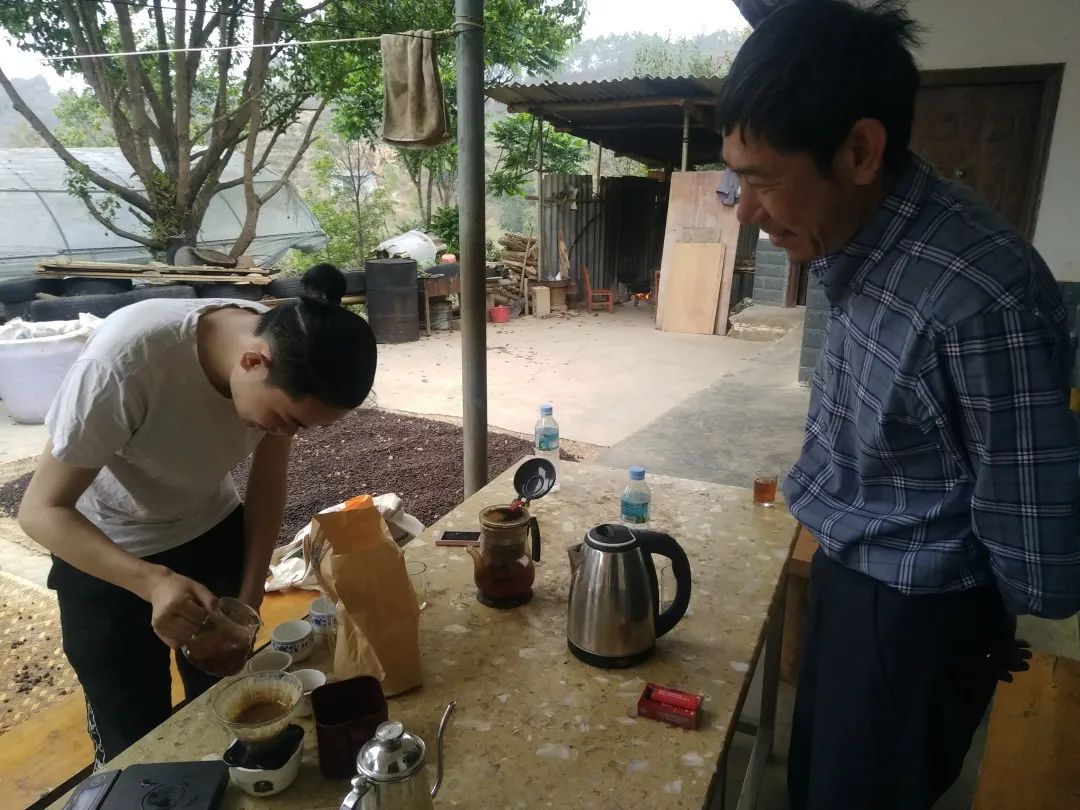
The first time I tasted a certain Yunnan coffee, the notes of damp wood made me feel as though the cup was full of defects. But later, I had another Yunnan coffee with a clear red hue, citrus acidity, and notes of oolong tea; it was truly unforgettable.
If the domestic consumer base for Yunnan coffee continues to grow, and a localised Chinese flavour wheel is established, will more people come to appreciate Yunnan coffee?
Just as Ethiopia is known for its floral notes and Kenya for its bright acidity, Yunnan coffee surely has its own unique terroir characteristics—such as that subtle, fragrant tea-like quality—which deserve to be described, shared, and recognised.
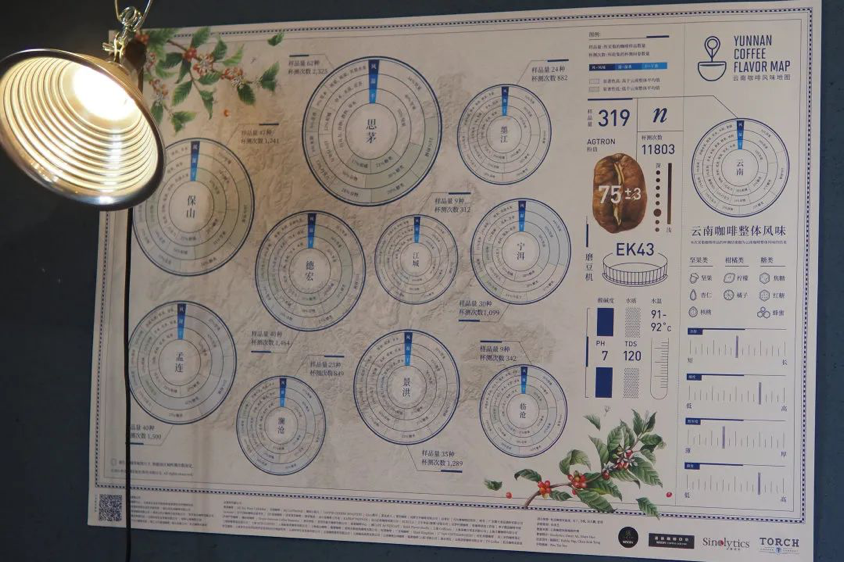
IV. “The coffee you love is the best!”
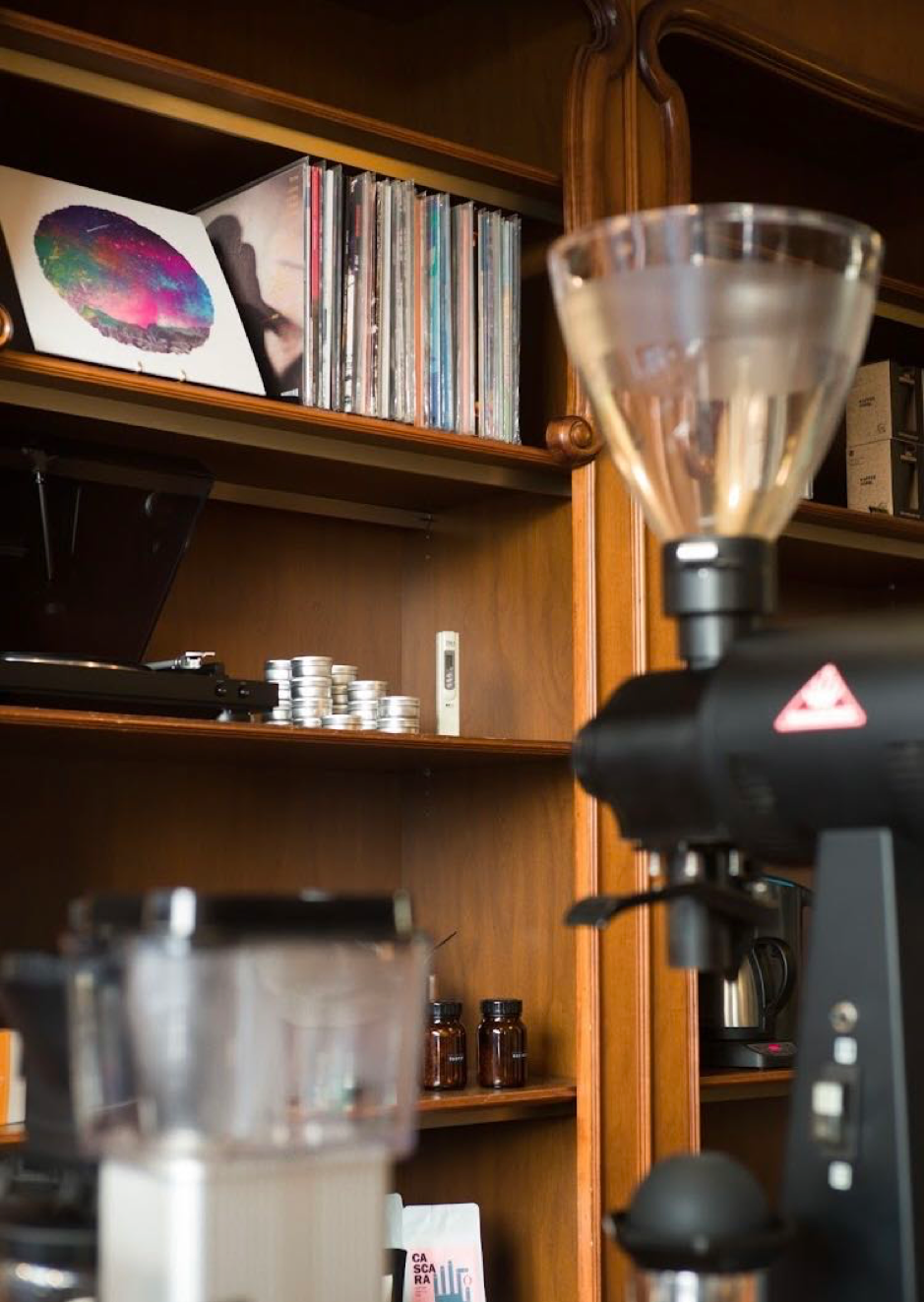
Unlike the SCA, which prioritises the “precision” and “science” of flavour, Paolo believes we should pay closer attention to every stage of the process—from the climate and altitude of cultivation to fermentation, roasting, brewing methods, and even the water used. Any shift in these variables causes the taste of the coffee to evolve in a thousand different ways; we should embrace these changing flavours with an open mind, rather than letting a flavour wheel restrict our experience.
“If you’re truly interested in coffee, talk more with the farmers and the great roasters, drink more coffee, and come along for a free cupping next week, instead of believing this flavour wheel bullshit!” As an ordinary coffee lover, I found Paolo’s advice incredibly liberating.
I began to focus more on coffee beans as an agricultural product—how they are shaped by climate and economic policy—and how different types of water influence the final taste. I stopped trying to describe flavours by simply following the SCA guidebook as I had done before.
Drink a wider variety of coffees and describe your genuine experience with confidence. If you don’t want to merely mimic sensory memories, cast aside the prescriptions of the flavour wheel. As the slogan of MAME, Zurich’s renowned speciality coffee shop, puts it: “The coffee you love is the best coffee.”


Unless otherwise stated, all images in this article are provided by the author
Editor: Ze’en