Nine years since returning home, and I feel I’m only just getting the hang of it
I. Growing Up with the Flavours of the Loess Plateau
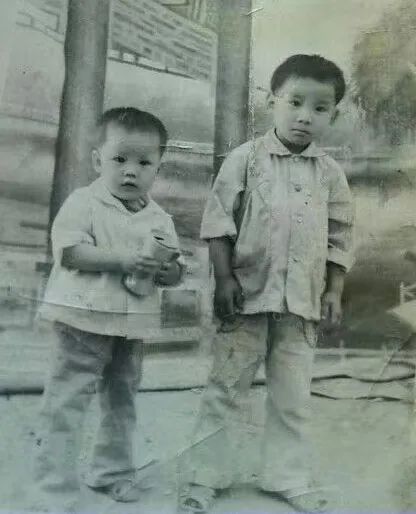
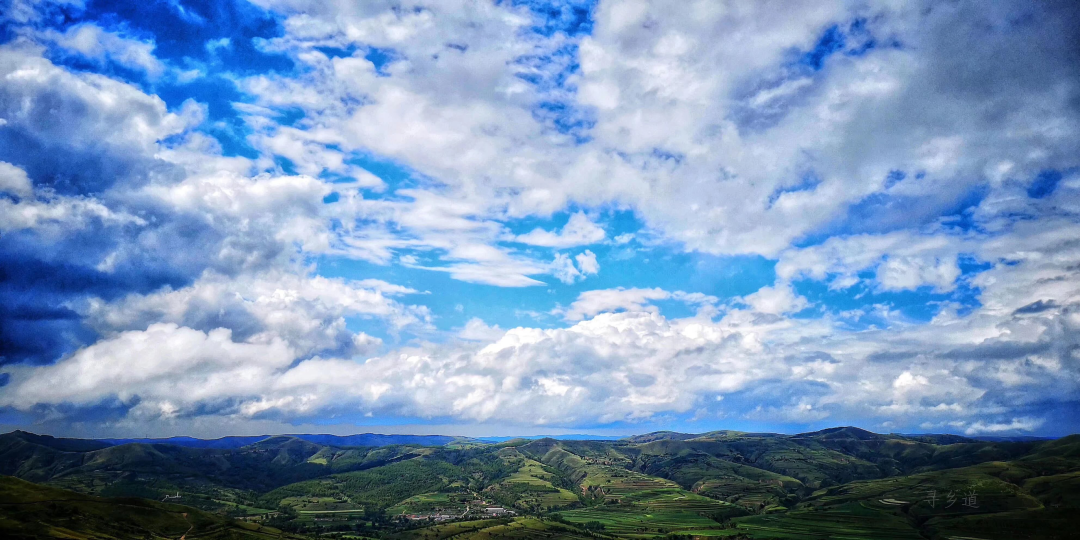
I was born in the 1980s and grew up in the mountains of the Loess Plateau. I loved the mountains, the plateau, and the freedom of roaming through hills blanketed in wildflowers.
My hometown lies where Shanxi, Shaanxi, and Inner Mongolia meet. Everywhere I looked, the plateau was carved into tiered terraces, with clusters of houses built to follow the contours of the land, crafted from the local stone and loess soil of the plateau.
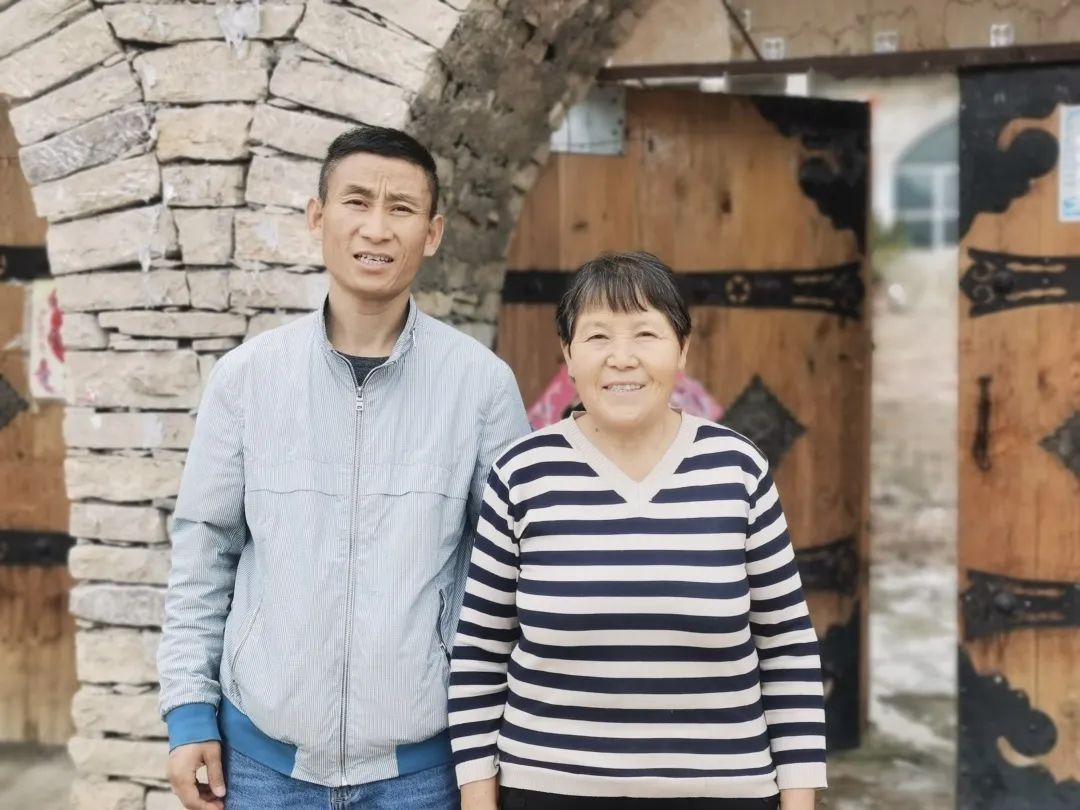
My father was a farmer and a stonemason. He often travelled to neighbouring villages in Shanxi for work, carving stone mills and grinders, and building *yaodongs*—traditional cave dwellings. The facades of these cave dwellings were made from bluestone or yellow facing stone, intricately carved with patterns using a chisel. To me, they were the most beautiful pictures in the world. Whenever a cave dwelling was completed, amidst the crackle of firecrackers, we children would scramble through the crowd of adults, eager to get our hands on the steamed wheat buns marked with a celebratory red dot.
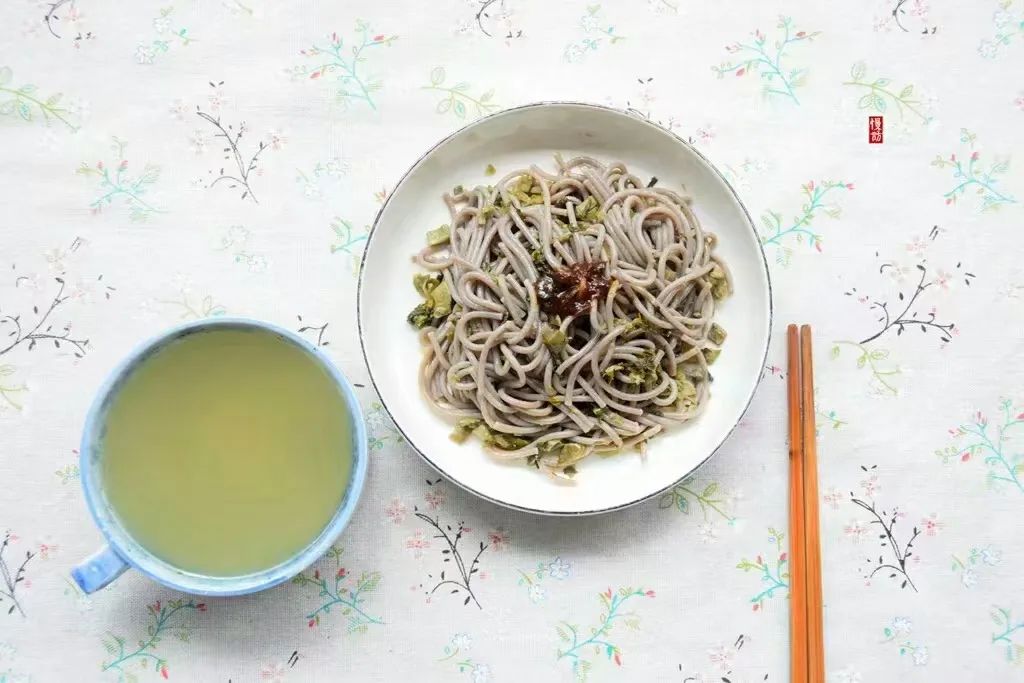
Many of my childhood memories are tied to food. In our region, we mostly ate coarse grains like oats, buckwheat, proso millet, and yellow millet cakes; vegetables were merely a supplement, grown in our own courtyard during the summer and autumn.
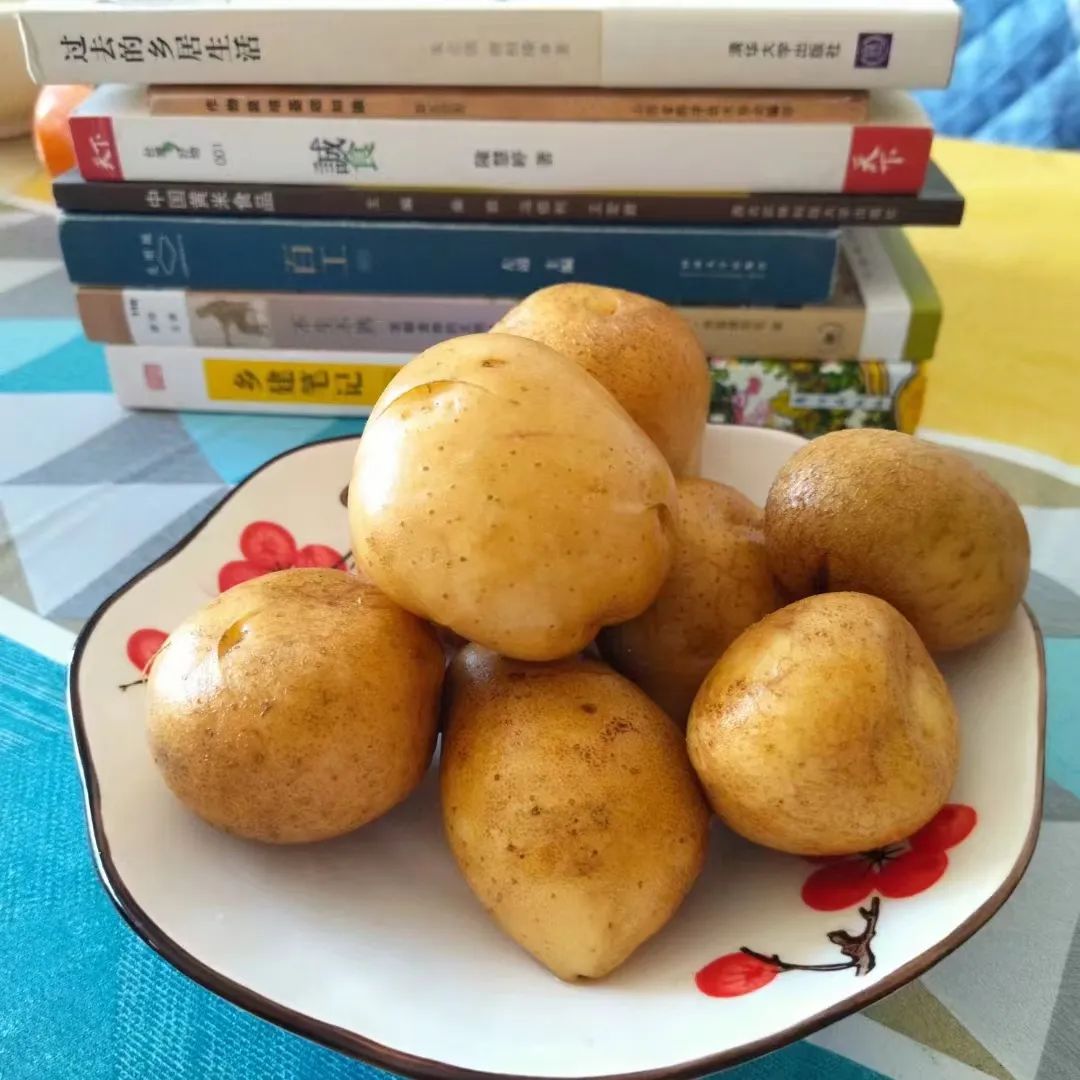
For the rest of the year, our staple was the potato, which we called *shanyaodan*. It was an incredibly versatile ingredient that could be julienned, sliced, diced, cubed, or scooped into balls—my mother always found new ways to prepare it for the family. As a child, my greatest dread was going down into the cellar to fetch potatoes, terrified of the spiders, centipedes, millipedes, and even the frogs lurking inside.
After the first spring rains, we loved foraging for purslane in the mountains. In summer, we gathered Zamong flowers, dressing them with hot linseed oil; paired with chilled soybean sprouts and bitter herbs, it was a true delicacy. We would also boil broad bean and pea pods; and for beating the heat, nothing was better than chilled yellow millet cakes and sour proso millet porridge. In autumn, we would push wooden wheelbarrows into the mountains and gullies to gather sea buckthorn berries. In winter, we ate yellow steamed buns and rose hips that had been naturally frozen in large earthenware jars.
These scenes from the cycle of the seasons often bring me warmth and solace.
II. Chemical Agriculture Made Me Hate Myself
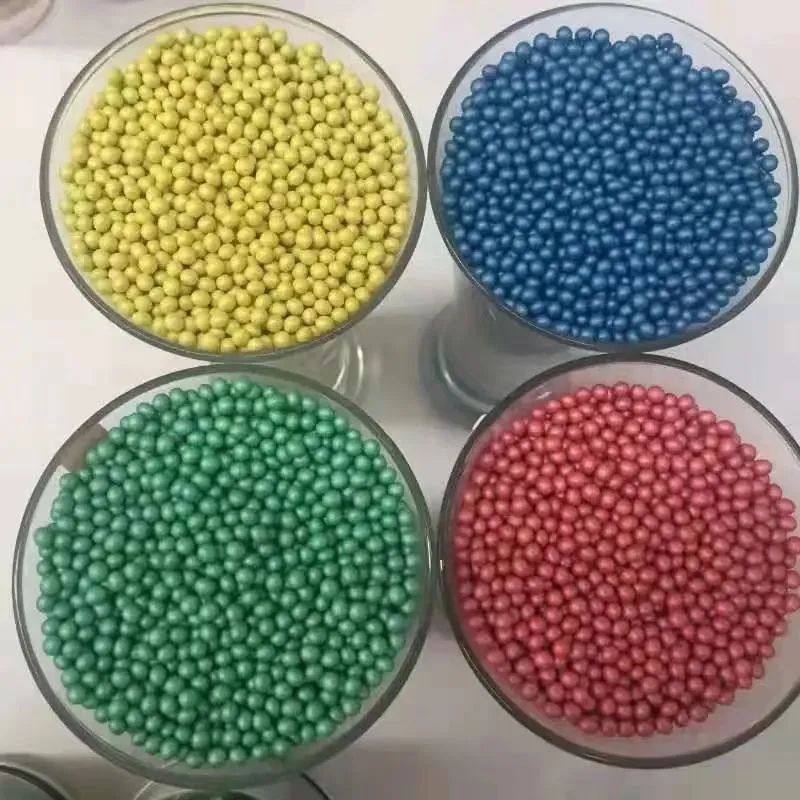
Whenever I wore my rubber gloves and cautiously unscrewed those large plastic drums filled with thick green, red, or blue seed dressing, I had a vague feeling that they were like the demons of legend—with their blue mouths, fangs, crimson faces, and red hair—suddenly lunging from the mouth of the drum to cling to me. Constant exposure led to a red rash appearing on the back of my calves, which was unbearably itchy.
III. Food, the path that led me back to myself
IV. The Eighty-One Tribulations of Entrepreneurship
Product selection is critical in the early stages of a business. My hometown is a dryland farming region with a wide variety of grain crops. Initially, I tried to sell everything: oat grains, buckwheat, yellow sorghum, proso millet, perilla oil, millet vinegar, pea flour, Hetao flour, and sea buckthorn juice. As a result, every single item sold a little, but none sold in volume. These primary agricultural products are heavy, bulky, and have a low barrier to entry; it is difficult to differentiate them, and the gross profit margins are low.
To get into physical supermarkets or major online platforms, a food production licence is required. This led me to visit numerous contract manufacturers to seek partnerships. Some offered full-service packages (materials and labour), some processed materials provided by me, some provided labour only, and some required a commitment to print 50,000 or more packaging bags. Some simply didn’t care for such small profit margins. Even when a factory was willing, one had to be wary of whether they were eyeing your customer resources.
Having gone through these experiences, I found that for a startup, ‘labour-only’ processing with small, frequent batches is the most suitable approach. This allows for better control over raw materials, ensures product freshness, and leads to a more optimistic inventory turnover rate.
Closely linked to processing is product design; you must put in the hard work to research every front-end detail before the final product is released. When trialling a type of hollow noodles, I set the processing point in Wubao, sourced flour and salt from Inner Mongolia and Qinghai respectively, and then had the finished product shipped back to me. Logistics alone accounted for 30% of the cost.
To lower the unit price, I set the noodle specification at a minimum of 200g, applied for a 200g barcode, and printed 10,000 wrappers. Even then, the estimated cost was nearly 6 yuan. Selling them at 10 yuan was clearly unviable, but channels were unwilling to sell them at 8 yuan. In the end, the only remedy was to pack two 200g packs of noodles into an exquisite paper box, apply for a barcode for the box, and retail them at 15 yuan.
Our Sea Red Fruit cakes also suffered from a major specification error. A snack pack of 300g without a zip-lock bag meant that users couldn’t finish it in one go, and the bag easily leaked in their bags. More fatally, the larger weight led to a higher price point, which in turn resulted in poor sell-through at the retail end. This year’s new product was changed to a 108g zip-lock pack, and sales have indeed increased.
Therefore, before product development, you should clearly determine the specifications, the packaging materials, the target audience, the price point, and the planned distribution channels. Everything should be planned in advance and systematically organised before making comprehensive adjustments.
We also paid a fair amount of ‘tuition fees’ in packaging design. Initially, we simply sold yellow millet in plastic bags with adhesive labels. Because the volume was low, quality control was easy, and user feedback was positive. Eventually, customers told us that while the product was great, the packaging looked too low-end. So, we began planning a new design.
However, professional designers charged between 6,000 and 10,000 yuan for a single product, which I simply couldn’t afford. To save funds, I spent three consecutive years visiting graduate design exhibitions at various universities in Inner Mongolia to find a suitable designer. While students charged less, their work still had a significant gap compared to commercial standards. Left with no choice, I searched several major domestic designer websites, but found that the fundamental problem remained: if a designer cannot feel the local culture, there will always be a disconnect between the form they create and the content you wish to express. Fortunately, we eventually found a designer from Shanxi whose philosophy aligned with ours, capable of presenting rustic simplicity and the beauty of food through visual elements.
After all this turmoil, I feel that packaging design should return to the product itself. Based on user needs, it should maximise the display of product characteristics and culture, remaining consistent with one’s current stage and capabilities. Packaging design should neither be perfunctory nor overly ambitious. Once the digital drafts are ready, you must leave time for prototyping; otherwise, if adjustments are needed, it may be too late to fix them.
Five: The Many Nuances of Sales
I also persisted with online retail. Over five years of operating my Weidian shop, I completed over 500 transactions with an average order value of around 100 yuan. However, the B2C individual customer base remained fragmented, making it difficult to increase the total transaction volume. Conversely, while I had only a few B2B corporate clients, their contribution to overall sales was significantly higher. Thus, whether online or offline, B2B or B2C, it is impossible to say which is superior; one must align their direction with their own resources and capabilities.
The same applies to building a team: you shouldn’t build a team simply for the sake of having one. In the early stages of a start-up, funds are limited, making it difficult to attract top-tier partners. Certain functions can be outsourced—such as design, photography, production, processing, warehousing, packaging, and logistics—allowing you to focus your energy on the core tasks of production and sales.
For eight years, I struggled to find a sustainable profit model. My direct financial investment totalled nearly 500,000 yuan, and when accounting for time and labour costs, the figure likely approached one million. I began by investing my own savings, but after three years, I had reached my limit.
At a stage when I urgently needed to build a collaborative team, I accepted funding from an investor, hoping they would join the venture as an active team member. In reality, however, their time and energy were limited, and their support was primarily financial. For a while, I felt a sense of disappointment. Looking back, when a start-up accepts investment, it is crucial to distinguish whether what is truly needed is capital or other resources, and whether these align with what the investor can actually provide. One must not pursue funding blindly for the sake of funding.
Ultimately, the key is to create a competitive product. If you have a strong cash flow, securing investment becomes far less urgent. I repeatedly asked myself: without external funding, how can I advance this business sustainably?
VI. Transitioning to Ecological Agriculture
- How would the investments and costs of the transition period be managed? Would they make life even more difficult for both myself and my company, which were already mired in debt?
- Secondly, what specific products do the various ecological produce sales platforms actually need? Given my location, what products could I possibly offer?
- Thirdly, was I truly proficient in ecological cultivation techniques? Could I produce high-quality, high-yield crops that would fetch a good price?
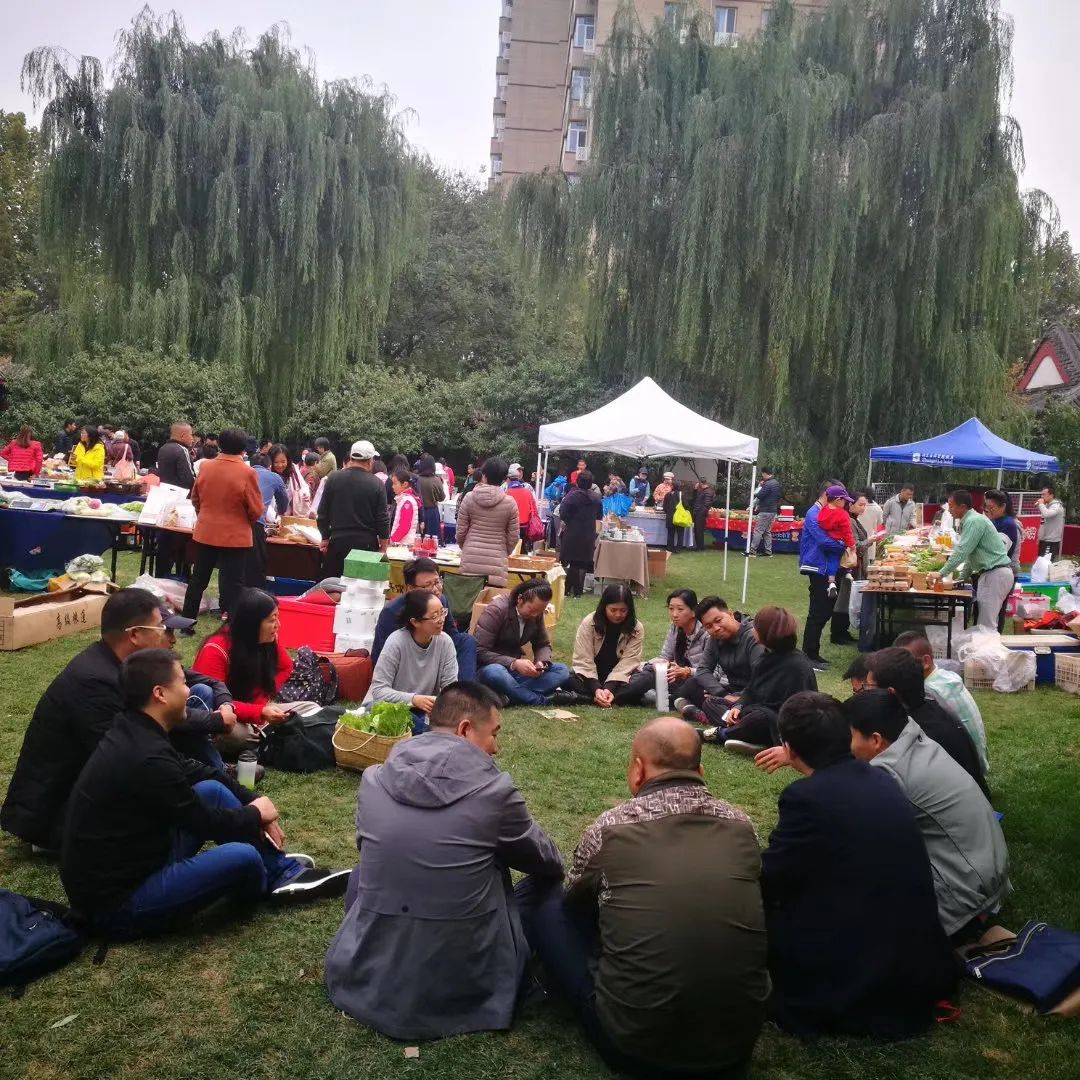
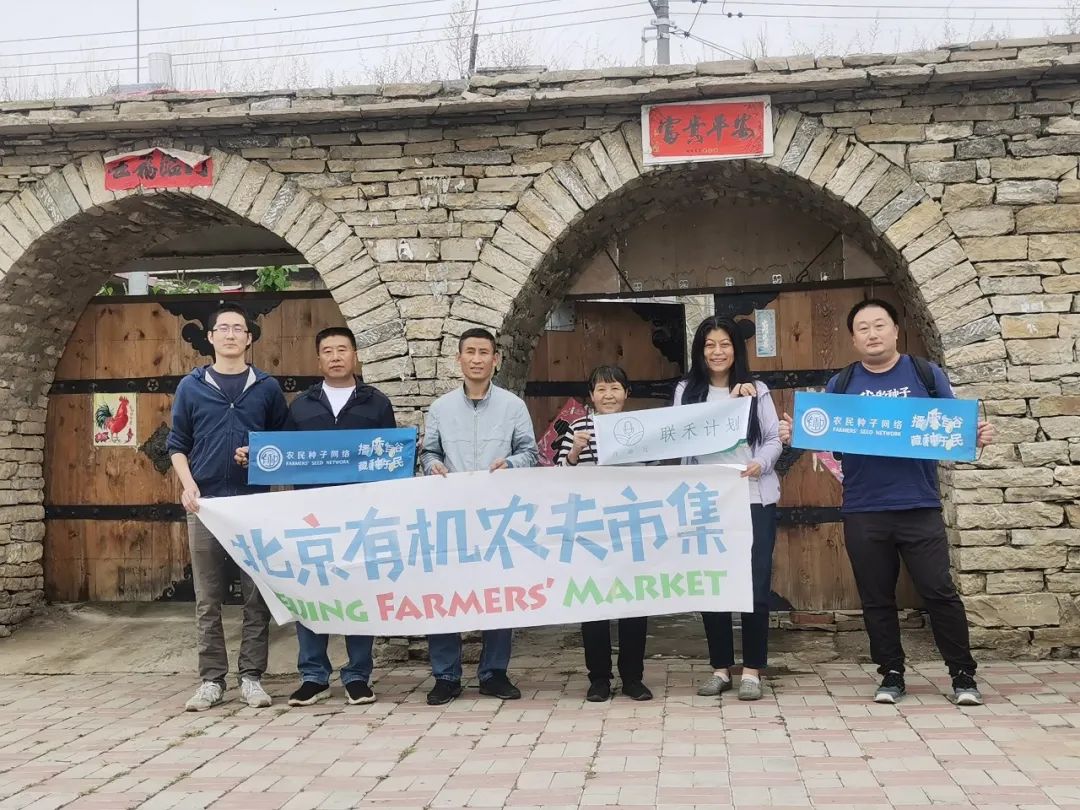
Several other members of the network had successfully bridged the gap between theory and practice, carving out a niche for their own farms—some by integrating parent-child education, others by hosting educational study tours. Seeing their success, and how they had turned their farms from loss-making ventures into profitable businesses, inspired me. In 2020, I made the decision to pivot towards ecological agriculture: establishing my own production base and leveraging the unique landscape and local heritage of the surrounding Yellow River, ancient villages, and the Loess Plateau to develop educational activities.
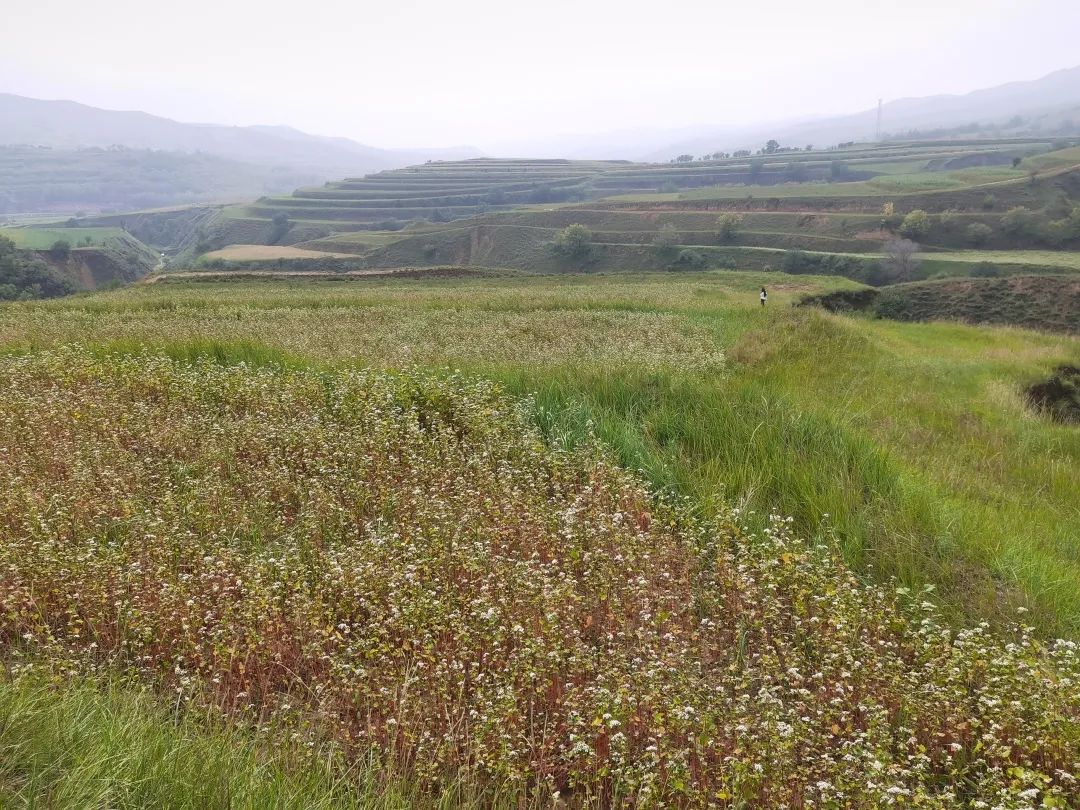
In 2020, I planted four *mu* of chickpeas and one *mu* of wheat on my family land. The terraces of the Loess Hills are fragmented and steep, making it nearly impossible to use seeders or harvesters; instead, it is common to see donkeys and mules pulling seed drills and ploughs, with the harvesting done by hand using sickles. As I sowed the seeds amidst the biting winds and rains of spring, some of my neighbours suggested: “There’s no harm in adding a bit of chemical fertiliser; the testing agencies might not even notice.” I could only smile helplessly and reply, with a hint of mischief, “The machines are far too clever and precise; they’ll find it.”
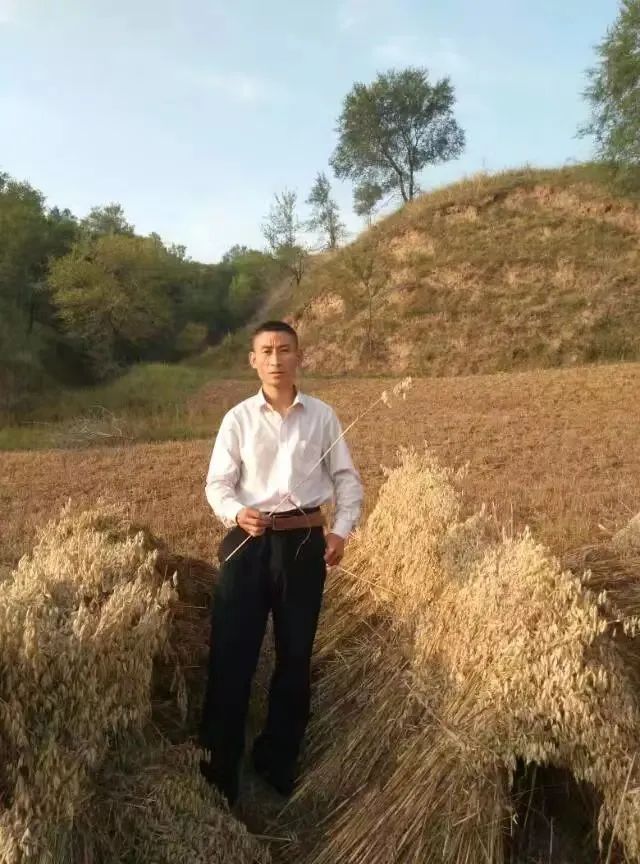
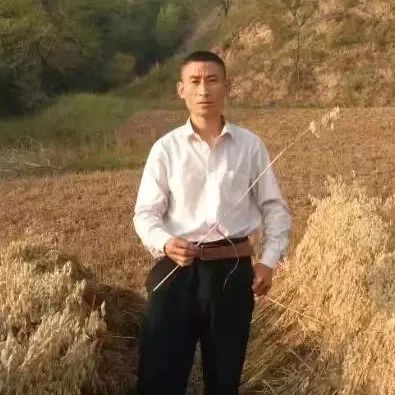
During the summer, magpies gorged themselves on the chickpeas, and the wheat field became a mess of seedlings and weeds. Because I had to manage my sales in the city, I couldn’t tend to the weeding in the village. Consequently, I only managed to weed once, a week before harvest; it took three of us three full days. My brother-in-law joked, “You’d earn 200 yuan a day working on a construction site; between the three of us, that’s 1,800 yuan, yet this land won’t even pay for the seeds.” In the end, the chickpea yield was 70 *jin*—just enough to break even on the cost of the seeds. Fortunately, the wheat performed better, yielding 300 *jin*. Dreaming of finding a relatively flatter area for larger-scale planting the following year, I was convinced a bumper crop was possible, and I kept a handful of golden wheat ears as a keepsake.
Holding those ears of wheat, I recalled the delicious, lingering taste of the flour-based dishes of the Hetao Plain, and the aroma of sesame oil and fresh spring onion rolls that used to fill the entire cave dwelling when I was a child. I remembered my child asking me where *mantou* comes from and what it is made of. At the time, I gave a serious answer: that wheat from the earth is ground into flour and then steamed to make *mantou*—but inside, I felt a profound sense of unease.
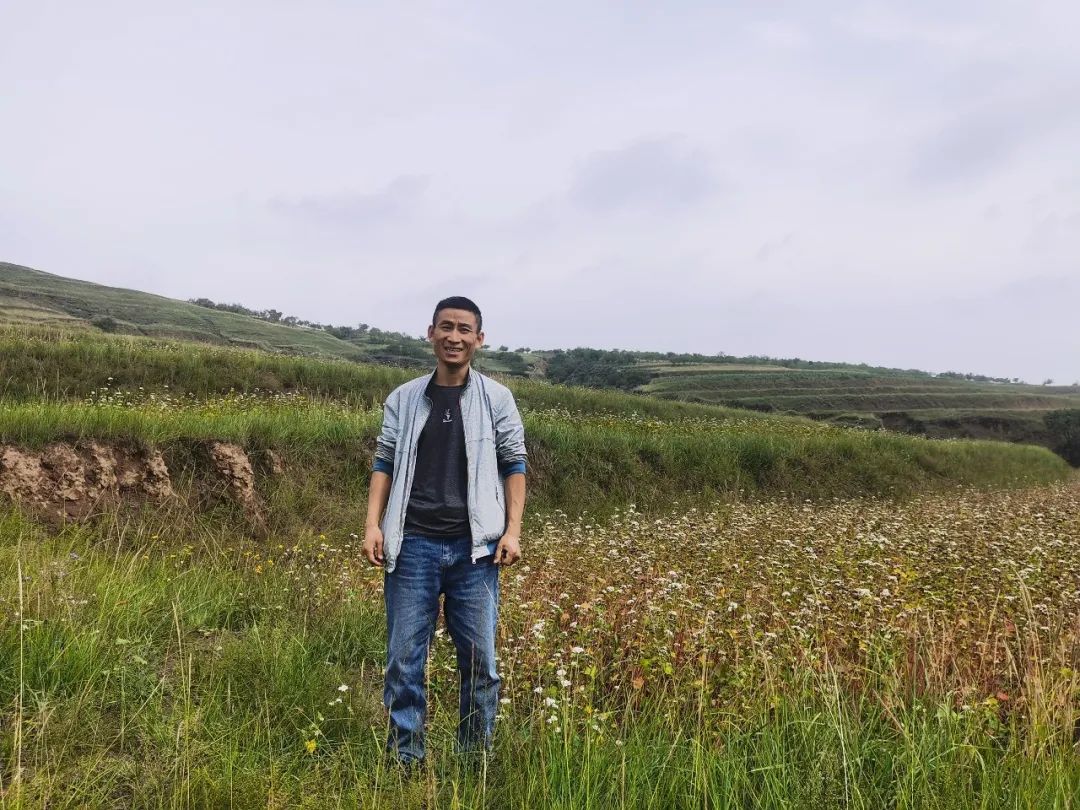
Today’s children are increasingly accustomed to seeking happiness within the virtual worlds of their devices, drifting further from real life and losing touch with nature. Reflecting on my own journey, I realised that I have never been one to give up easily or shrink away in the face of hardship. My years on the farm before the age of twenty gave me a resilient, upward drive. From chopping firewood on the mountains to hauling water from the well, the rhythms of farm work taught me many fundamental truths about life.
This is precisely why I want to create these educational study tours. I want children to truly observe a single flower, a drifting cloud, or a starry sky; to listen to the gentle fall of spring rain at night and the call of the cuckoo in the April valleys; to savour the taste of homemade yellow millet cakes in a cave dwelling during the height of summer; to wind a bucket of sweet water from a well using a pulley; to dig up a nest of potatoes in the wild to roast over a fire; to dance upon a haystack; to touch a stone on the plateau that has existed for five hundred million years; and to paddle their way down the great river…
Perhaps a happy life is simply a repetition of childhood. I am grateful to the Loess Plateau that has nourished me throughout my life; it has allowed me, before entering middle age, to return here, reclaim the beauty of my youth, and pass that beauty on to the next generation.
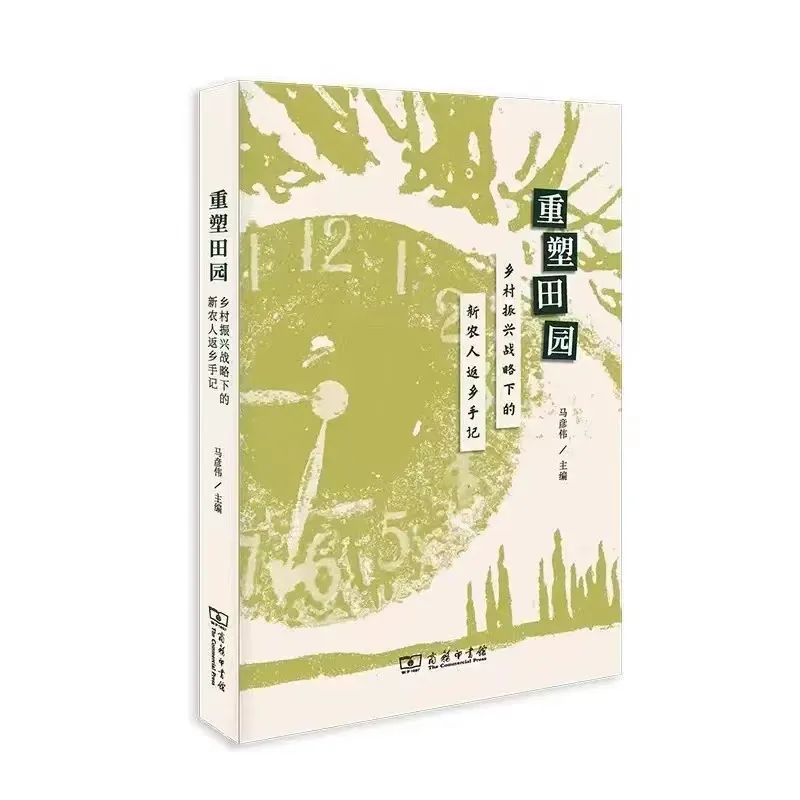
This article is adapted from the book *Reshaping the Countryside*, published by The Commercial Press and co-authored by the first cohort of the ‘Northwest New Farmers Network’.