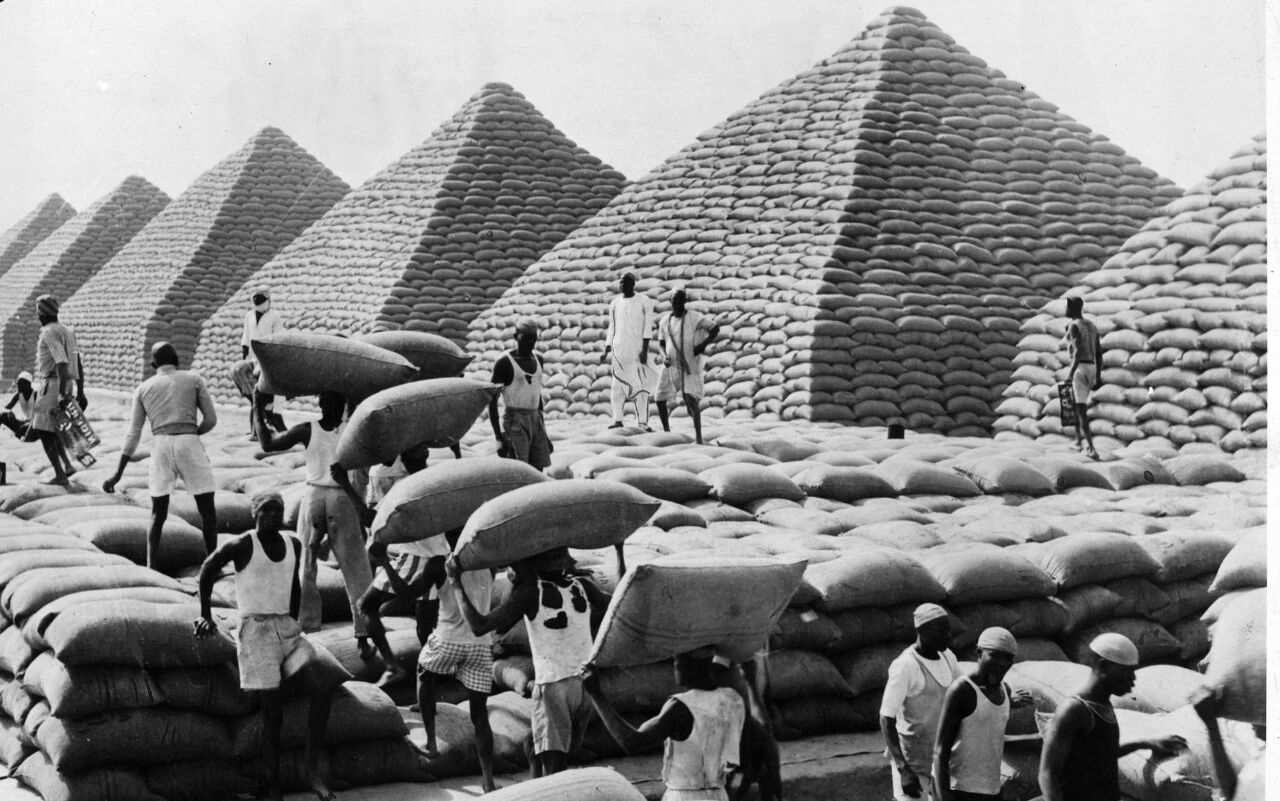
Crop Migration, co-authored by four agricultural historians, including Francesca Bray, presents the migration of crops and the expansion of plantations, bringing into view the ecological costs of large-scale agriculture and the wisdom of care in China’s agricultural traditions.
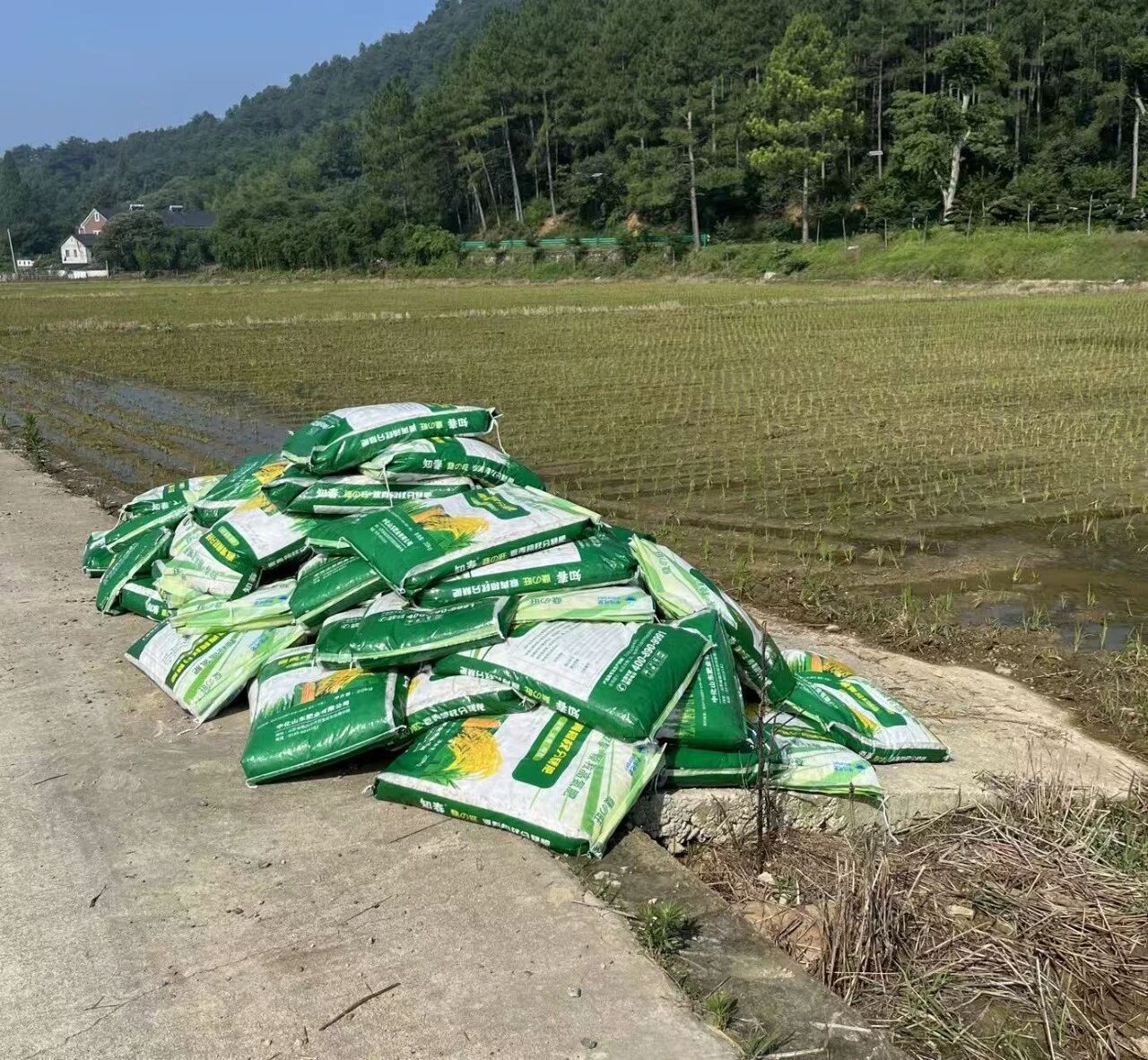
Chen Jingjing, with 20 years of rural construction experience, worked in the fields for the first time in Qingshan Village, Hangzhou. By avoiding herbicides and relying on sun drying, he incurred extra labour costs and calculated that the cost of a catty of rice exceeded 30 yuan. The accounts uncover how land rent, grain subsidy and division of labour are changing ecological rice cultivation.
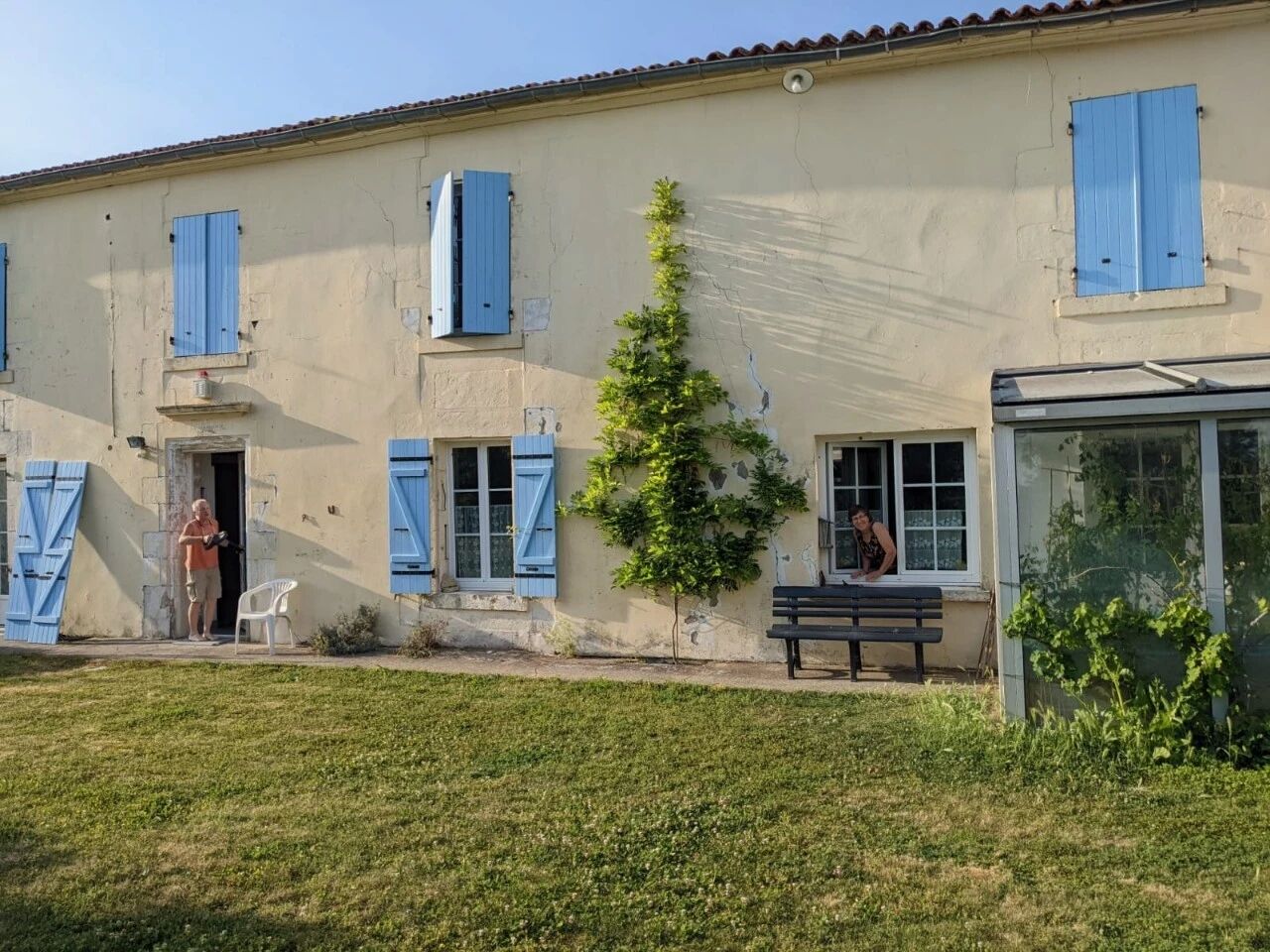
In a sixteenth-century manor in western France, a Colombian brother and sister with expired visas were working in exchange for board and lodging and waiting for residency; a month of work exchange made the fantasy of rural life collide with the reality of labour, kindness, and a lack of rights protections.
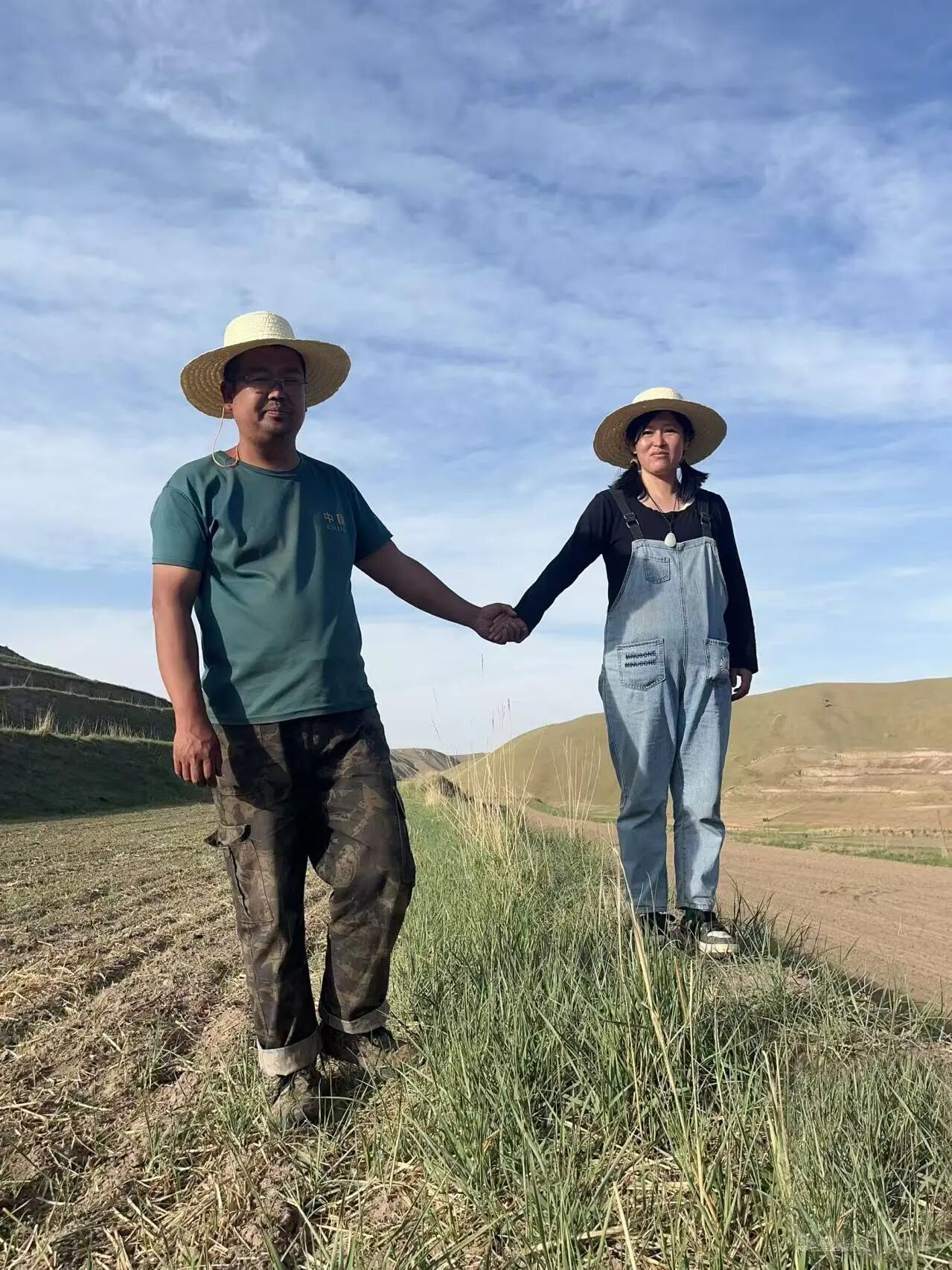
Hua Hua, whose real name is Yin Fahua, has taken over a village collective noodle factory in Gansu with his wife Shitou. He buys sandland Hongguangtou wheat and grows chickpeas in Tianzhu, maintaining ecological farming amid rainfall, weeds and purchase prices.
At more than ten ecological farms visited by Foodthink, weeds are not just cleared away. They are clues to the land’s condition, take part in ecological restoration, and distinguish one farm’s practice from another.
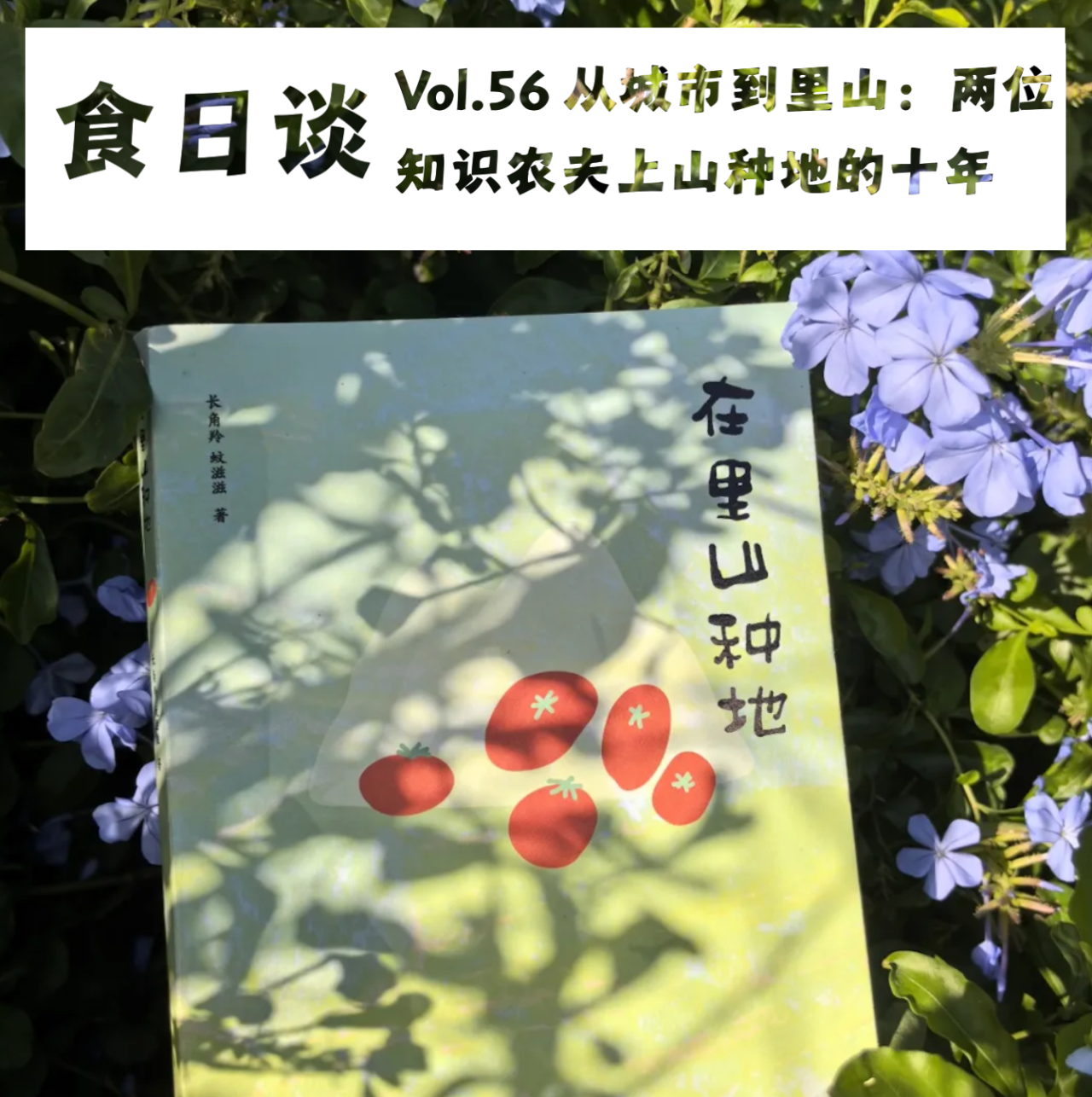
Wen Zizi and Chang Jiaoling have created Gaia Worth Garden on 30 mu of land in the foothills of the Beijing suburbs, growing vegetables, raising chickens, providing nature education, and sharing their planting experience amid climate fluctuations.
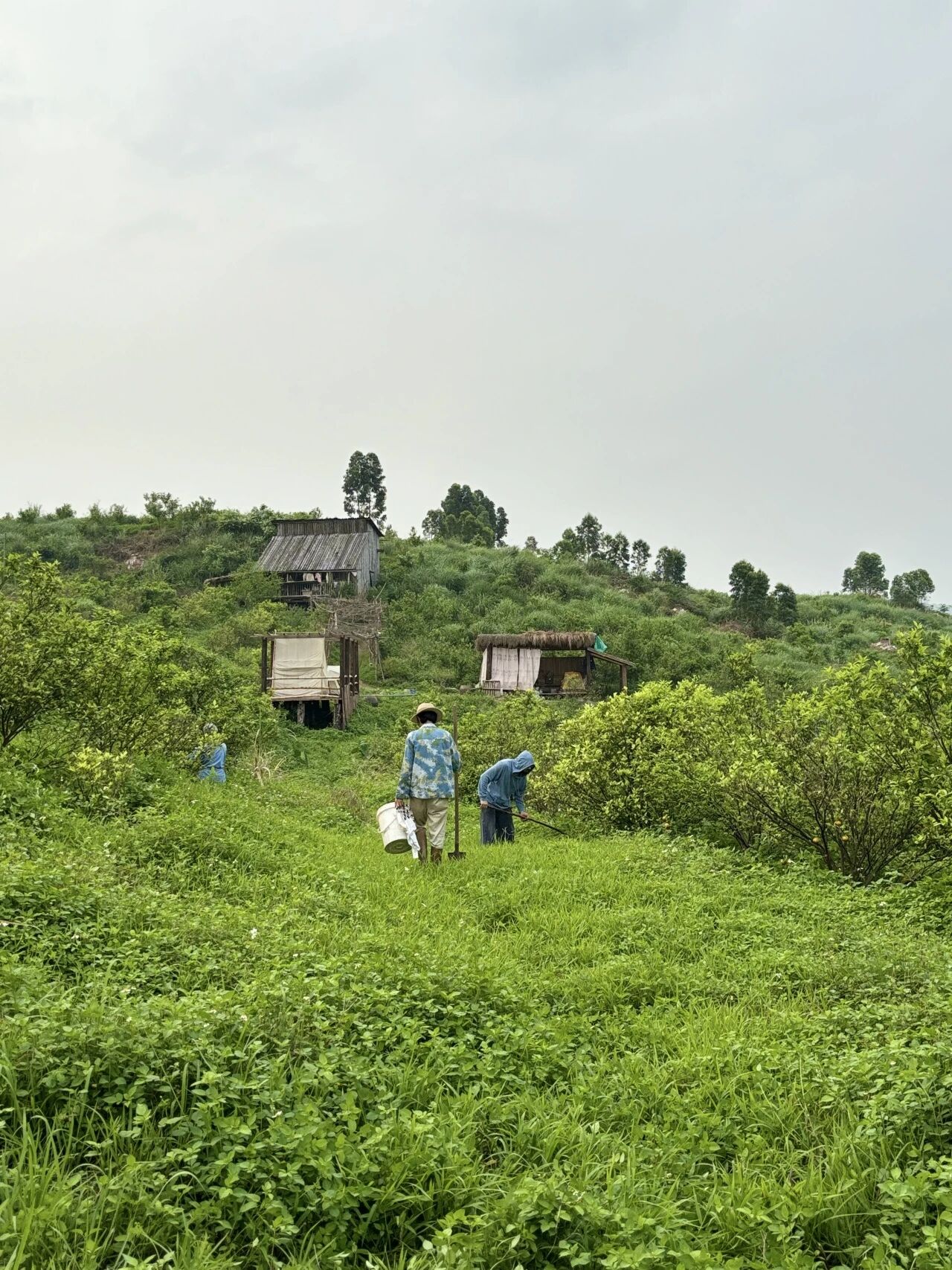
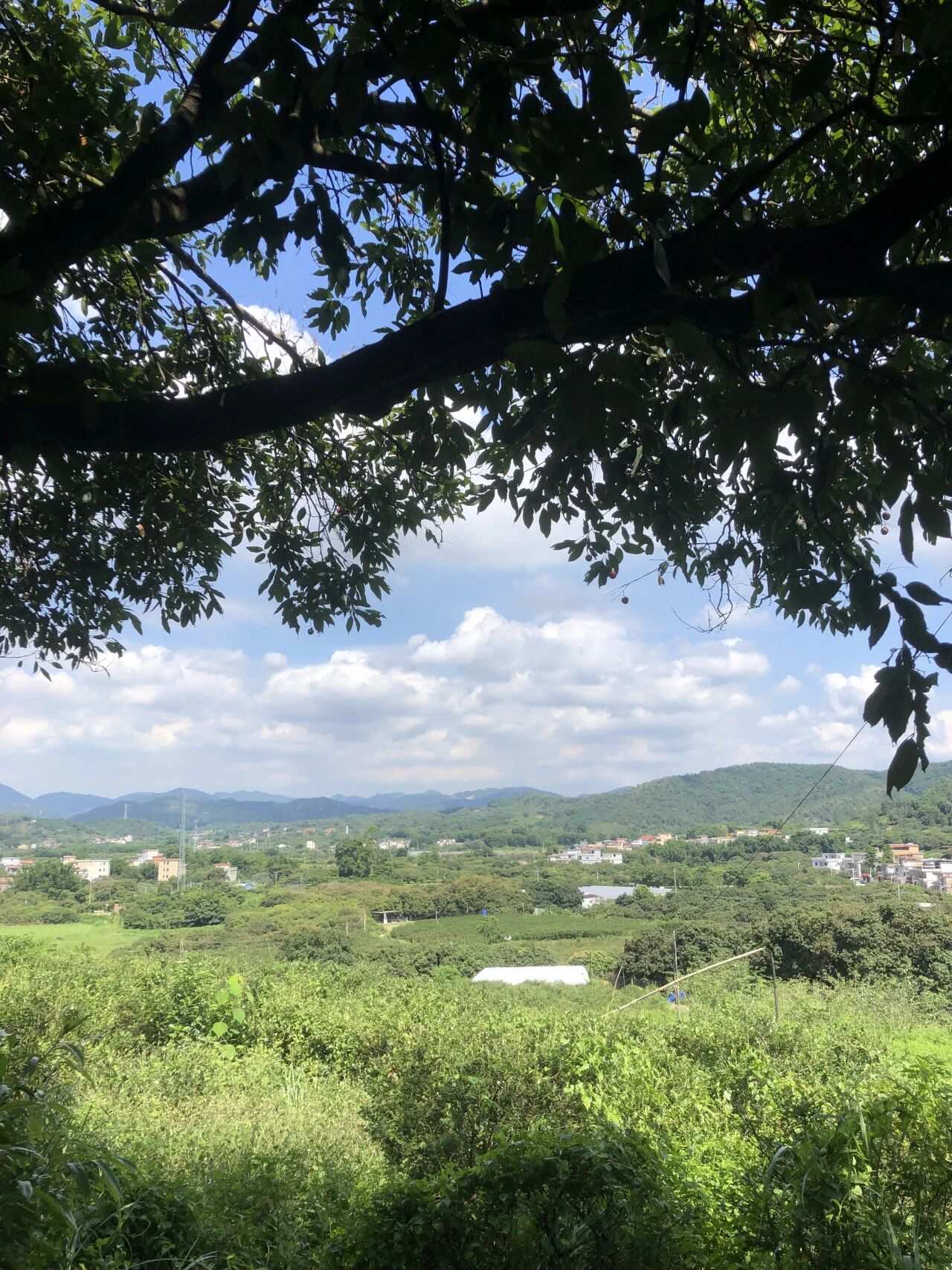
Jianing takes part in Foodthink’s Ecological Agriculture Internship Programme at Yinlin Farm in Conghua, Guangzhou, picking blueberries, corn and lychees, observing chickens, birds, black goats and villagers at work, and feeling the living connection between food and land.
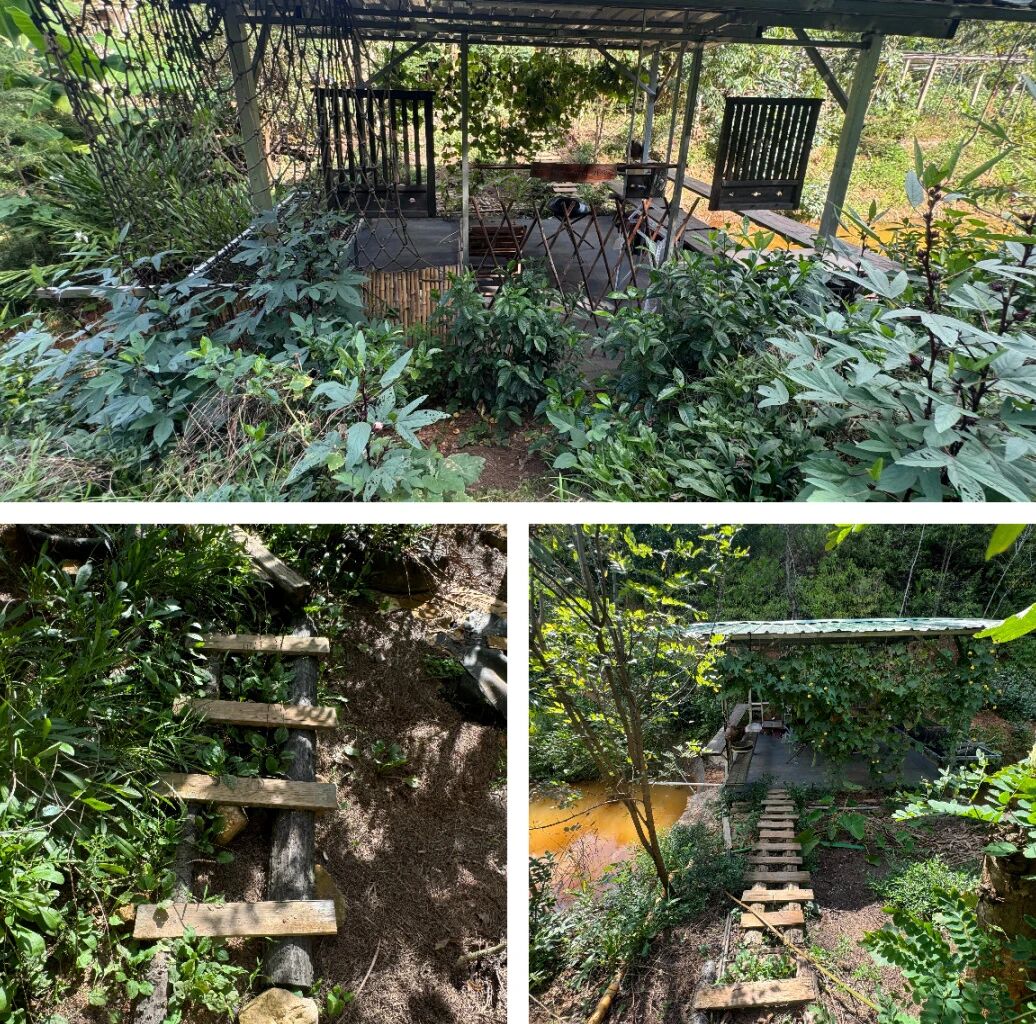
Grandma Kouzi saw that her own drainage was turning rice seedlings yellow in Shengou Village, Yilan, and in Villains’ Valley she used banana plants and water lilies to purify wastewater, rebuilding her relationship with the land through composting and managing the grass profile.
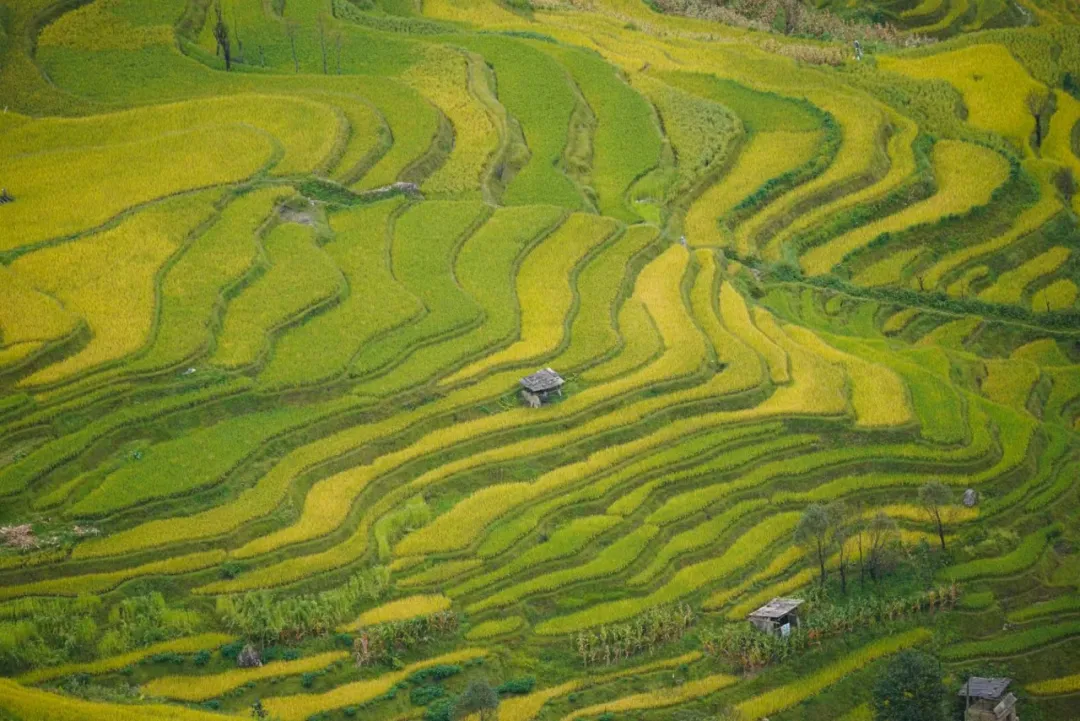
Farmers from Panzhihua, Sichuan; Wuhu, Anhui; and Fuyuan, Heilongjiang visited Sili’s project sites in Kunming, Pu’er and Honghe, Yunnan, examining whether water-saving rice methods, including ridged furrow irrigation and upland rice direct seeding, can save water and grow good rice in drought-stricken villages and terraces.
From water-source protection to a celebrity village, Lvshui Village has turned its houses, roads and fields into an ecological landscape that can be explained, but leaves chemical fertilisers and pesticides in the rice fields, an energy-intensive lifestyle and the tourism economy outside the display.