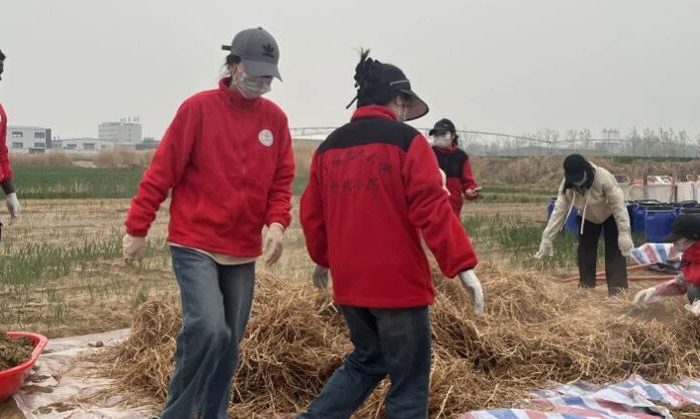
Li Yangyang, a teacher at China Agricultural University, and Yang Ruoxianzi, a postgraduate student at Quzhou Science and Technology Courtyard, show that agronomy students’ everyday lives are more than just working the land, from composting and field experiments to career paths.

Cast iron pans, enamel bowls and old kitchen knives are carried into new home after new home, passed from one generation to the next; the marks of their use hold the lives and memories of many families.
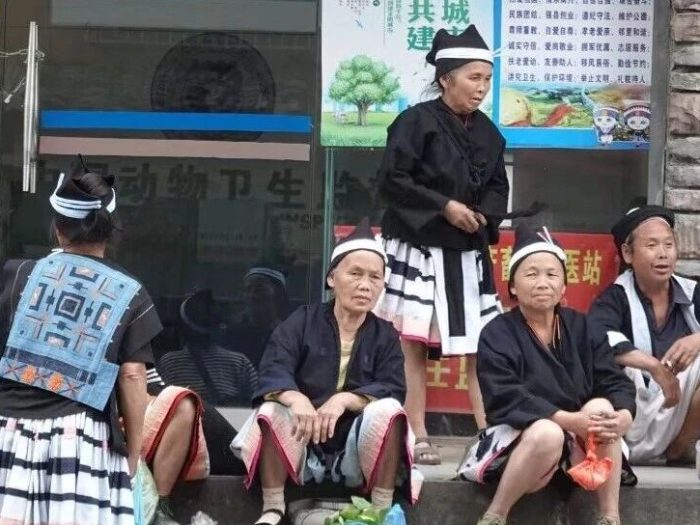
Meng Fang, a social work volunteer, takes friends to the market, buys hemp (hempseed), sour meat and home-brewed spirits, then visits the White Pants Yao Ecomuseum to see the golden silkworm, warping and cloth dyeing; traditional life carries on in these everyday moments.
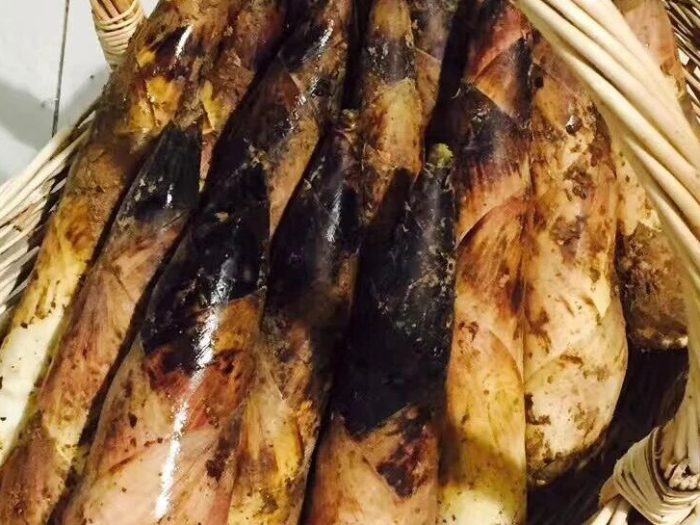
From Jiangnan yandu xian and Anji dried bamboo shoots to winter bamboo shoots in Hunan’s bamboo sea, Chinese people bring fresh bamboo shoots, dried bamboo shoots, and rural memories to the table, serving up the seasons and homesickness.
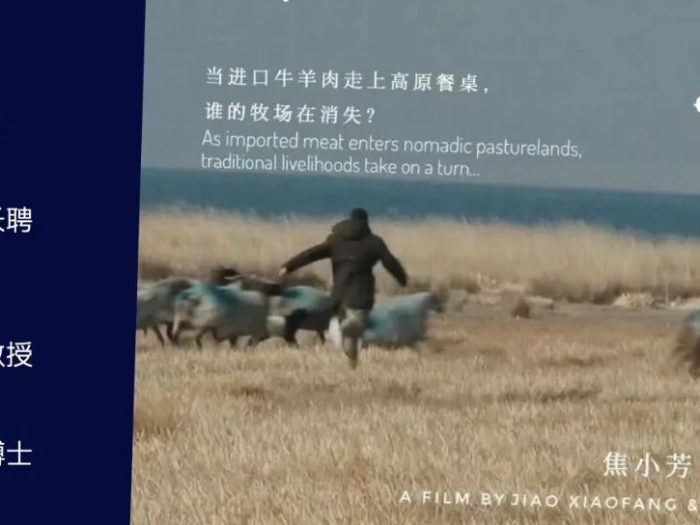
On 12 June, Foodthink will screen the award-winning documentary “Whose Table, Whose Pasture” at Zhejiang University and invite experts from Zhejiang University’s Department of Sociology to discuss the impact of imported beef and mutton on the livelihoods of pastoralists in Qinghai and on food systems. Scan the QR code to sign up for free.
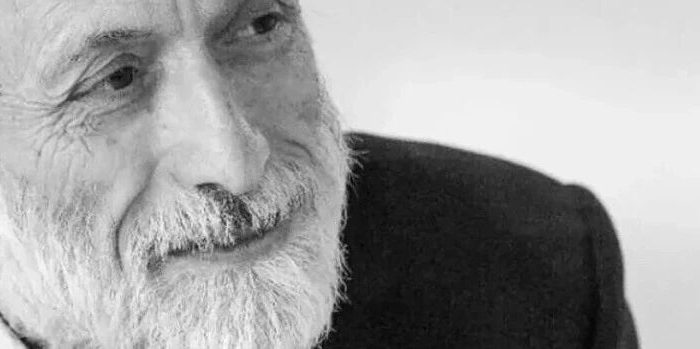
Handing out tomato pasta on the streets of Rome and campaigning for raw-milk cheese at the Bra Cheese Festival, he turned food into a political issue of land, ecology and producer pay, while also drawing elite criticism.
Foodthink, focused on food and agriculture issues, has openings for content translation and adaptation, research assistant, and short video production roles. Summer interns must complete at least two months and be available on-site at least one day a week on either Tuesday or Thursday in Haidian, Beijing. Part-time roles can be remote, and full-time conversion is limited to people already based in Beijing.
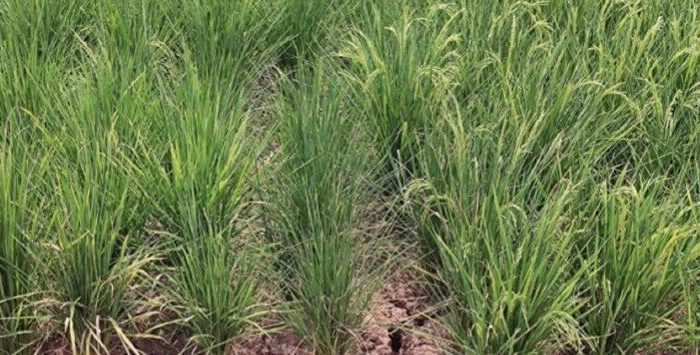
Yi Fujin of Zhejiang University opens with a cow, an acre of maize, and a late spring frost, explaining how agricultural insurance works and why smallholders struggle with claims settlement during extreme weather.
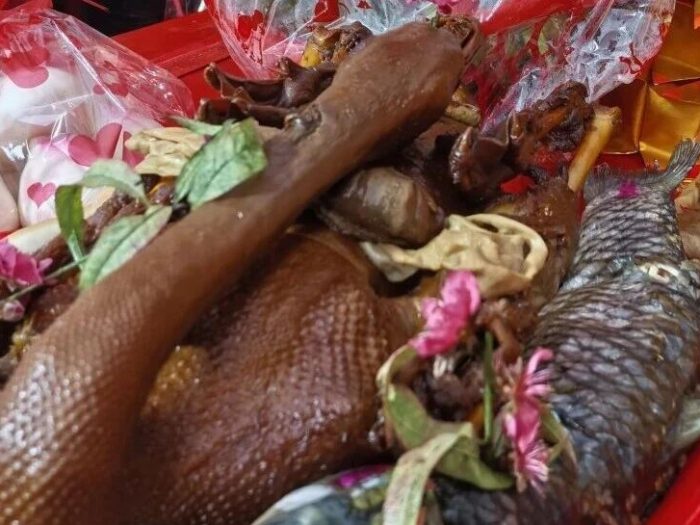
During 1946’s runaway inflation, Malaysian Chinese Shen Dongyan sent 100,000 yuan of national currency to his Chao’an mother to buy a braised goose for an ancestor’s birthday rite. The Teochew custom “No braised goose, no grandeur” persists in braised goose shops and on offering tables.
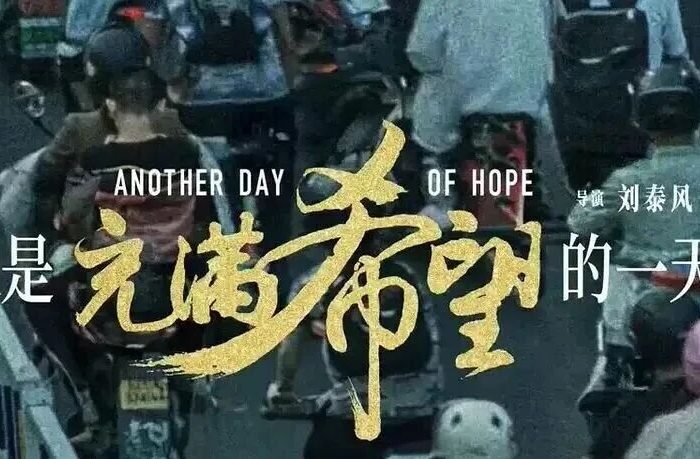
Every Tuesday evening, Foodthink hosts open-air film screenings by Tuanjie Lake in Beijing, where audiences can browse the farmers’ market and watch stories of food-delivery riders, rice farmers, herders and fermentation artisans, followed by a post-screening talk.