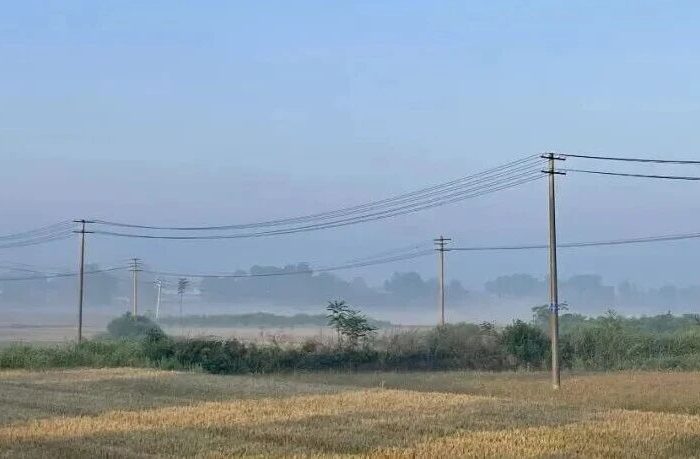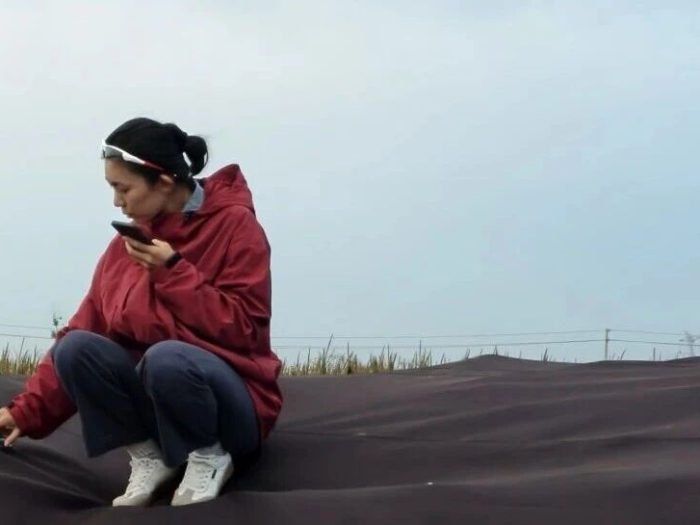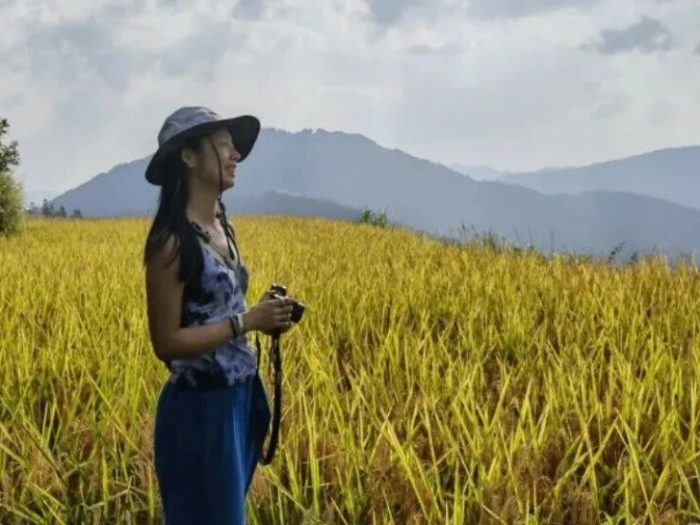
From a Beijing office to a Dong village in Qiandongnan, Chen Xi spent seven years building a timber house, growing nine varieties of rice reliably, and using the proceeds from 5,000 jin of purple rice to build the village’s first library for the children.
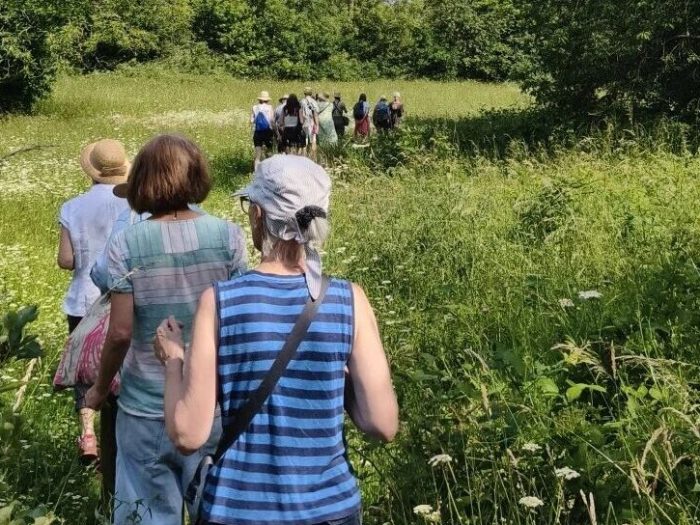
Dutch grower Metske went from the squatting movement and a vegetarian restaurant to a 6½-acre organic vegetable farm at Bore Place, Kent. He now sells lettuce and tomatoes at the Growing Communities market in north London, running the farm on contacts and sales channels – no subsidies.
Inspection and loss assessment, random sampling and premium refunds mean that agricultural insurance payouts to smallholder farmers often diverge from expectations; in widespread disasters, claims-paying capacity and catastrophe risk pooling remain under pressure.
From wedding banquets and longevity banquets to college admission banquets and funeral meals, the shared table holds local produce and life milestones; fill in the questionnaire to share your hometown banquet fare, wedding and funeral memories, hosting experiences, or feelings about how banquets are changing.
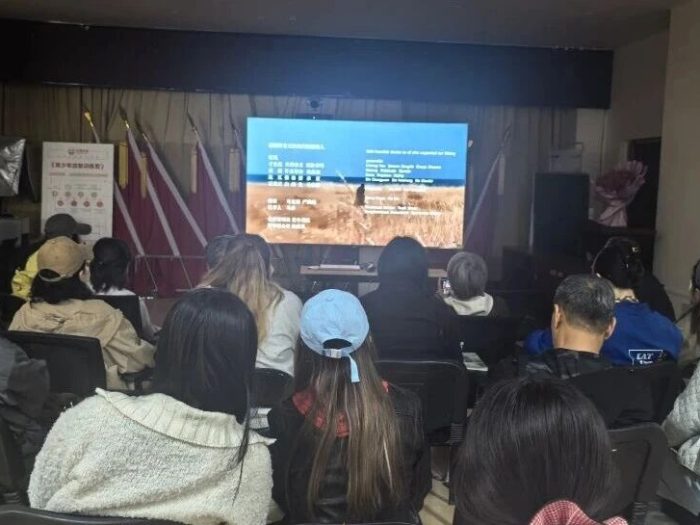
Following a Urumqi screening of the documentary Whose Table, Whose Pasture, livestock experts, university students, community builders and retired forestry and grassland officials shared their views on pasture degradation, pastoralist income and food systems.
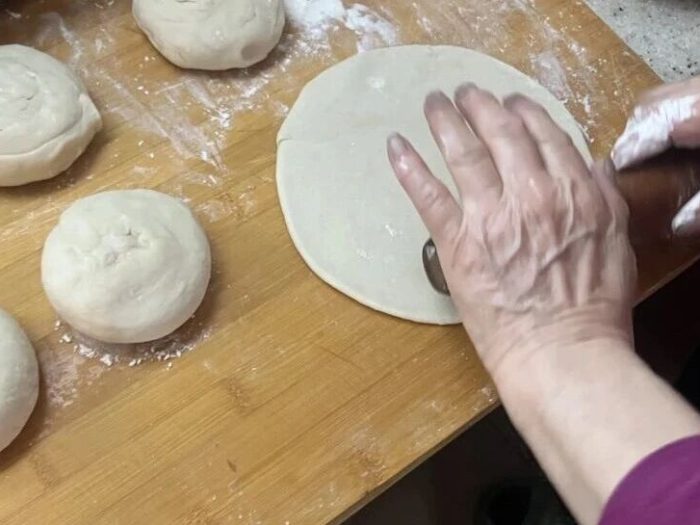
Three Beijing-drifter domestic workers — Suying, Huirong and Qiu Hua — plan a week’s menu for their employers yet cannot say what they themselves like to eat. On days off they stir-fry in Hongyan’s small kitchen for a tableful of sisters, and crouch on bare ground beside the tongzilou, planting Chinese chives and baby bok choy back in the soil.
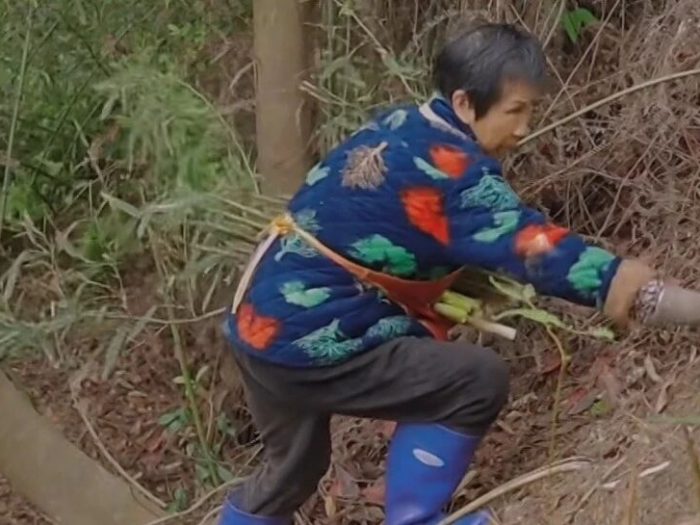
Yang Xiuying and 70-year-old neighbour Deng Lian enter the hills before dawn, returning with hundreds of jin to peel, boil and dry all day—four to five hundred yielding under twenty. Children’s money is sporadic; social and medical costs top ten thousand yuan a year. She cannot stop.
From “ghost delivery” and farmer-support marketing to sorters on the run, shifting wet markets, and plastic waste, the issues facing workers, merchants, farmers, and the environment beyond platform convenience are often overlooked.
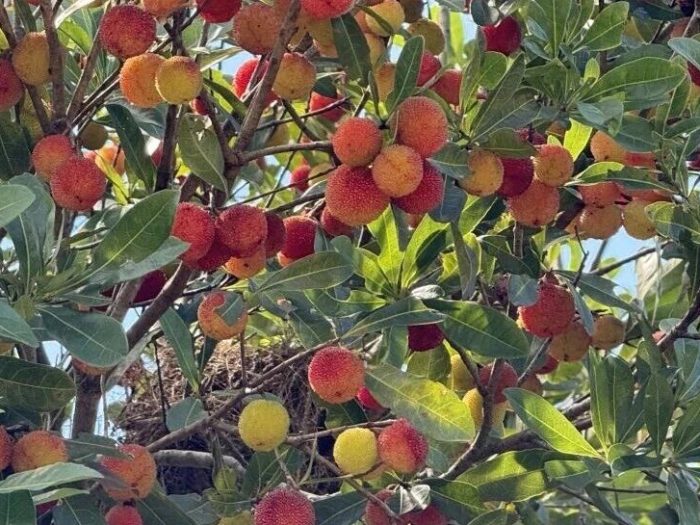
No pesticides, no regard for yield: from their own bayberry trees to industrialised variety breeding, a southern farmer argues that store-bought fruit grows sweeter, bigger, and hardier in storage and transit, yet its nutrients decline — and every purchase votes for capital’s choices.
Xianzi, a postgraduate at China Agricultural University’s Science and Technology Backyard in Quzhou, partnered with neighbour Uncle to open an organic fertiliser plant, hoping to reconnect the broken crop-and-livestock cycle. What blocks the way: raw-material transport costs, site rent and sums grain farmers simply cannot make work.