
Life in the Countryside: From Guilt and Unease to Peace of Mind | Grandma Kouzi
I. One Action Outweighs a Thousand Theories
With no payment for the trip and having brought my own gear through the freezing cold to the Northeast, I felt I deserved a proper breakfast. There was an abundance of affordable options: steamed buns, fried cakes, tea eggs, soy milk, youtiao, and millet porridge.
As Gao Tian rummaged through the plastic bags and disposable cutlery, he started doing some sums: “This one meal has generated 12 pieces of plastic waste.”
I have always been concerned about the impact of environmental change on the Earth and human survival—desertification, sandstorms, the habitats of penguins, and even the more niche effects of the Jinsha River hydropower project, for which I once filmed a documentary. I considered myself someone with a strong environmental consciousness. Yet, that morning, I felt a profound sense of shame and apology—not toward Gao Tian, but toward the world and the Earth.
Theoretically, we all know we should protect the environment, but as long as we live, clothing and food are basic necessities. Taking from the world is inevitable. Modern life is highly socialised and commodified; the further the distance between a person’s basic needs and the source of production, and the longer the supply chain, the heavier the damage to the environment. I am grateful to Gao Tian for waking me up that cold morning, transforming “environmental protection” from a mere concept or ideal into a practice. From then on, I formed a grudge against disposable cutlery and plastic bags, always carrying my own water bottle, cutlery, and shopping bags when I go out.
In 2009, in Xiangfan, Hubei, the founder of “Green Hanjiang”, Yun Jian, spoke passionately about the dangers of phosphorus-based detergents and offered a practical alternative: replacing hand soaps, washing powders, and liquid detergents with traditional soap and soap powder. I put this into action immediately, eventually progressing to stop using body wash and shampoo. This not only reduced the burden on the environment but also on my own body; my hair became fresh and flake-free, and it saved money.
In 2018, deep in the Lishan region of Taiwan’s Central Mountain Range, I experienced the “mountain-view beautiful toilet” of A-Bao (Li Baolian, who entered the mountains as a fruit farmer in 1999 and was one of Taiwan’s earliest ecological farmers). I couldn’t find any toilet paper. When I asked for a paperless solution, she scooped up a handful of water and asked me: “Toilet paper—is it actually hygienic?” Since then, I have stopped using toilet paper.
When three walk together, one must be my teacher. I am grateful to them.
II. The Guilt of Human Existence
Organic agriculture started earlier in Taiwan. At the time, the area dedicated to organic grain cultivation was 1% (according to online data, in 2022, China’s organic agricultural production area accounted for 0.8% of total agricultural land, with grain planting at 47.5%, or 0.36%), but in Shengou, it accounted for over half, with more than two hundred organic farmers.
The village had public spaces like the Farmers’ Canteen, Meihong Kitchen, and the Little Book-Vegetable shop, where some of the highest quality produce in Taiwan could be found. Many farmers were “half-farmer, half-X”—some “X” were city jobs or remote work, but more were involved in food-related crafts or processing. They grew almost everything and made almost everything, earning a reputation across Taiwan for quality and value. There were also many opportunities for bartering among the village farmers. As a rice farmer, village brewmaster, and food course teacher, my wine and cuisine were highly popular, allowing me to trade for many wonderful things. It was easy to achieve a high-quality daily life within the lowest carbon footprint journey.
In Shengou, I lived a very luxurious life for two years. If not for the drainage pipe leading to the paddy fields, that vibrant and fragrant period would have been almost perfect.
Water and electricity in rural Taiwan are supplied uniformly, just as in the cities, but there is no urbanised sewage system. Neighbours in the village discharge waste directly into the rivers, and rent for fields near sewage outlets tends to be lower.
At the time, the farmhouse I rented was some distance from the village street; a few cottages were scattered among the fields, with domestic wastewater flowing directly into the paddy fields. I didn’t notice this at first, until a fellow farmer took me to look at the water in the fields.
Born and raised in the city, people within modern water supply and drainage systems never see the sewage; I didn’t know where the water from my laundry and dishwashing went, or what harm it caused. But that time, I saw clearly and intuitively that the water from my drainage pipe was a different colour from the paddy water. The seedlings near the sewage outlet were noticeably yellower and thinner.
I don’t eat meat, and by then I rarely stir-fried vegetables, so there shouldn’t have been much grease in the kitchen. I strictly refused disposable cutlery, the reuse of plastic products, and phosphorus-based detergents—even within the organic farming circle of Shengou Village, few reached this level of discipline. And yet, the water I discharged was still harming the paddy fields.
I felt so, so very sorry. This apology was not just to my fellow farmers; as a human being, I felt I had let the land down.
III. Resetting My Relationship with the World
Birds eat worms, worms eat grass; when a bird dies, it falls to the ground to be eaten by worms and rots into the soil to feed the grass. Birds also eat earthworms, which loosen the soil as they feed and fertilise the grass with their waste… they are all part of the ecosystem. Animals and plants are all links in the cycle, but humans are the exception. Grass feeds sheep, sheep manure feeds the grass; wolves eat sheep and other herbivores, and after the wolf dies, it returns its body to the land. But humans are the exception: humans eat everything, dominate the world, take whatever they want, and not only hunt many animals to extinction but also devour the land.
The cities created by humans grow ever larger, with reinforced concrete sealing everything away. Urban expansion consumes the land that nurtures life, creating what people in Hong Kong call a “concrete jungle”. Wherever the footprint of human activity reaches, the vitality of the land retreats.
Carrying the guilt of being human, I planned my residence in Villains’ Valley to minimise the damage to the land. I followed a rule of “no hardening unless absolutely necessary”. By “hardening”, I don’t just mean concrete; I also include the soil compaction caused by human footsteps. Cement is used only when it is absolutely essential. Villains’ Valley No. 1 is built upon a pig-manure mesh, with cement used only for the foundation piles. Later, Villains’ Valley No. 2 uses only 10 square metres of hardened land to achieve all living functions.
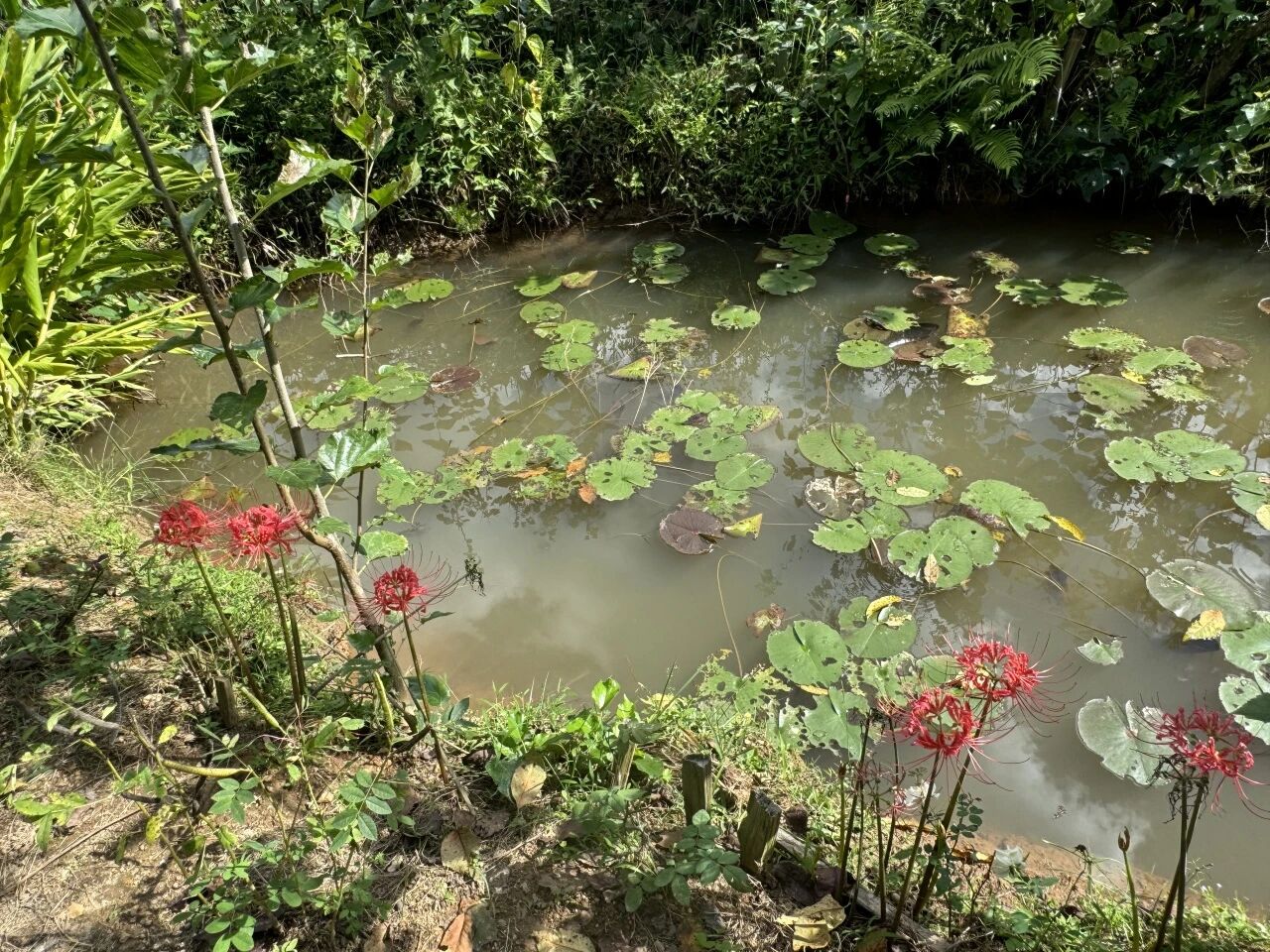
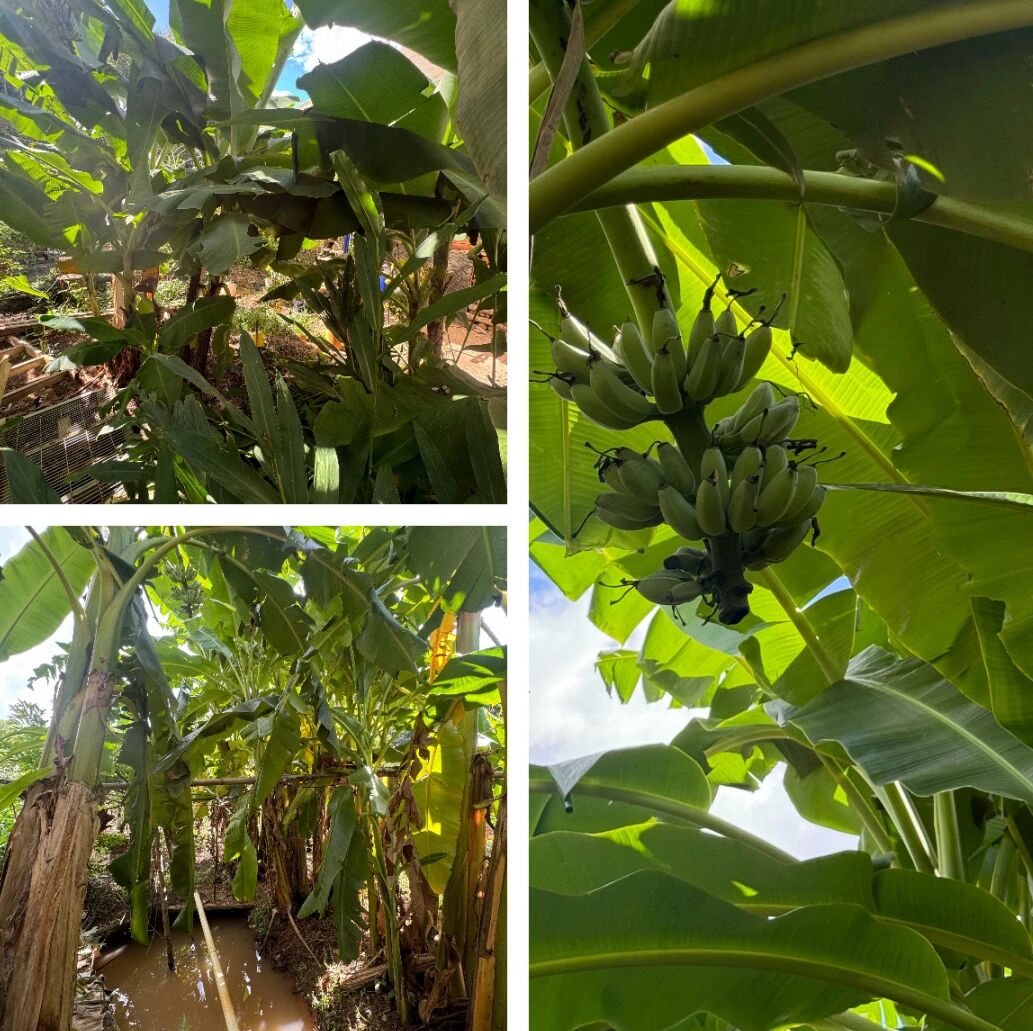
The drainage ditches of the Yilan farmhouse left me with significant psychological trauma. In Villains’ Valley, domestic wastewater passes through Banana Circle No. 1 and Banana Circle No. 2 into a water lily pond, before flowing into the vegetable garden as irrigation water. When a neighbour gave me a bucket of red carp fry, I was anxious, fearing I might kill them. Years have passed, and the fish are thriving in the water lily pond, with new fry appearing.
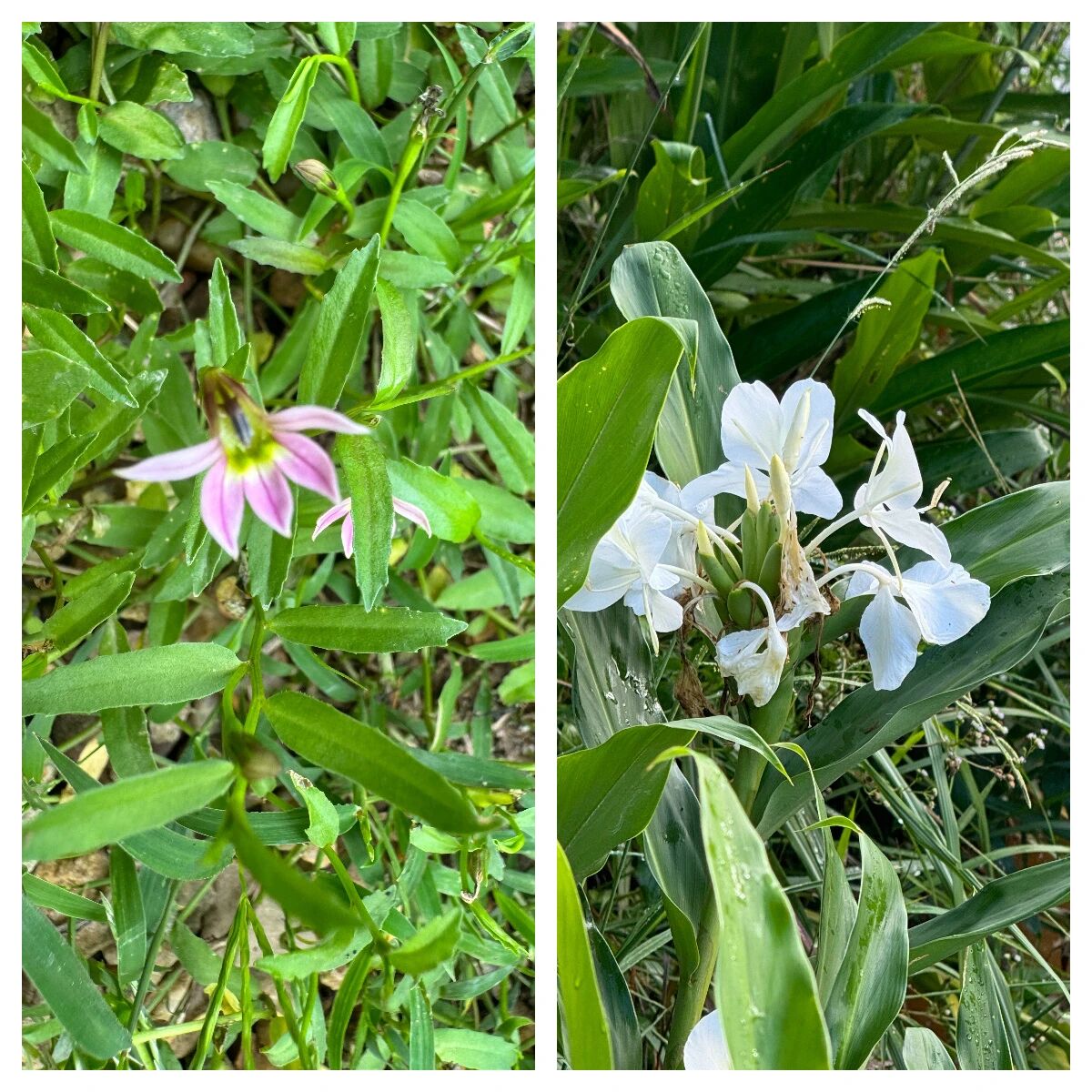
The first line of defence for purifying the wastewater is the banana plant, which is lush and leafy; I should be able to eat bananas this year. After two stages of filtration and purification, the mulberry trees and wild ginger lilies by the water lily pond are growing beautifully. I am grateful to these living beings: I gave them wastewater, and they rewarded me with lush trees and exquisite flowers.
The pig-manure mesh is absolutely a stroke of genius in rural architecture. I use this area to process the harvest from the fields; it is the main operational space of Villains’ Valley, accommodating over a hundred kilograms of peanut shells, over fifty kilograms of various bean pods, and countless vegetable leaves, fruit pits, walnut shells, and so on. I never have to sweep the floor—it is truly a blessing for the lazy.
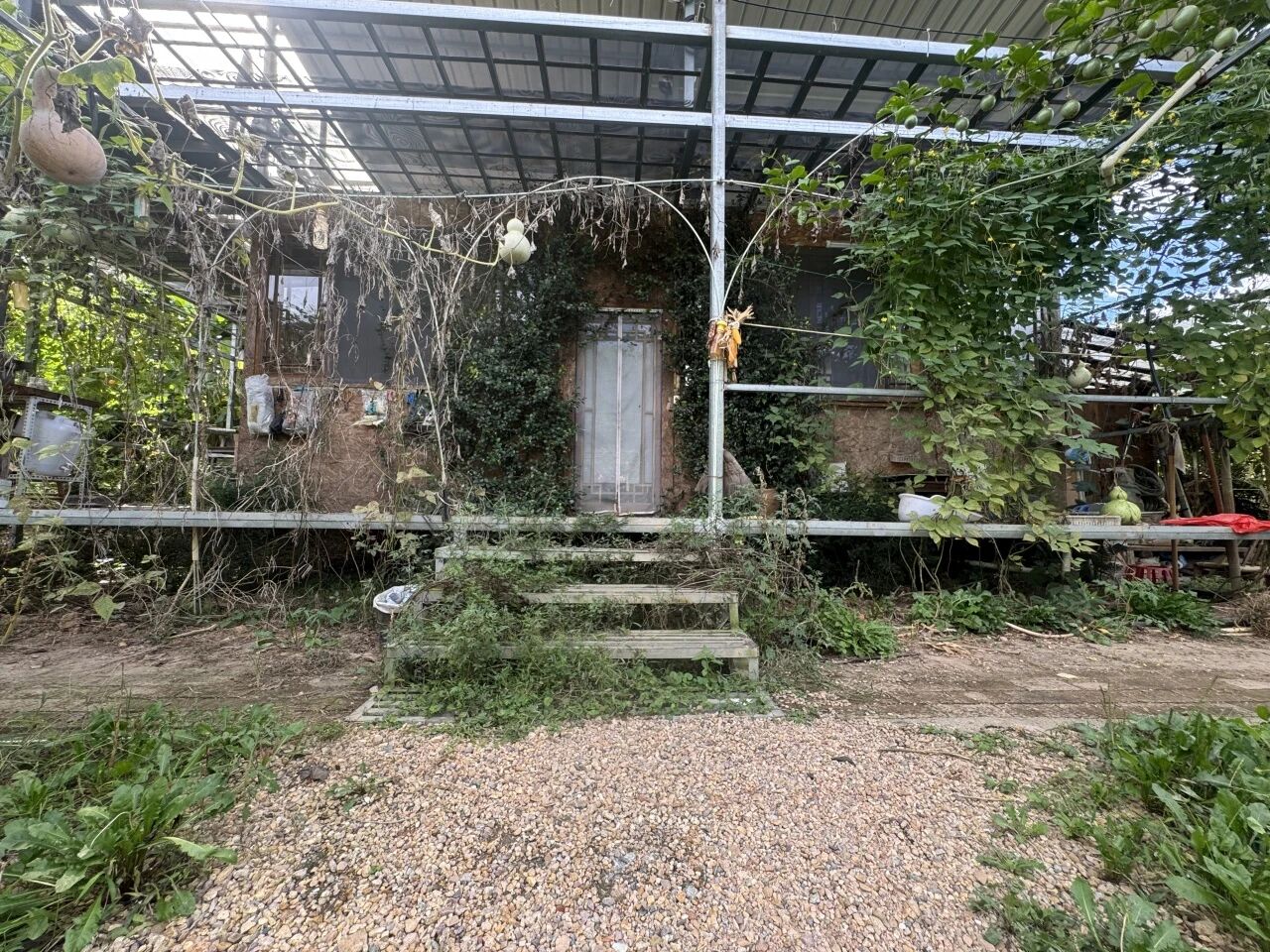
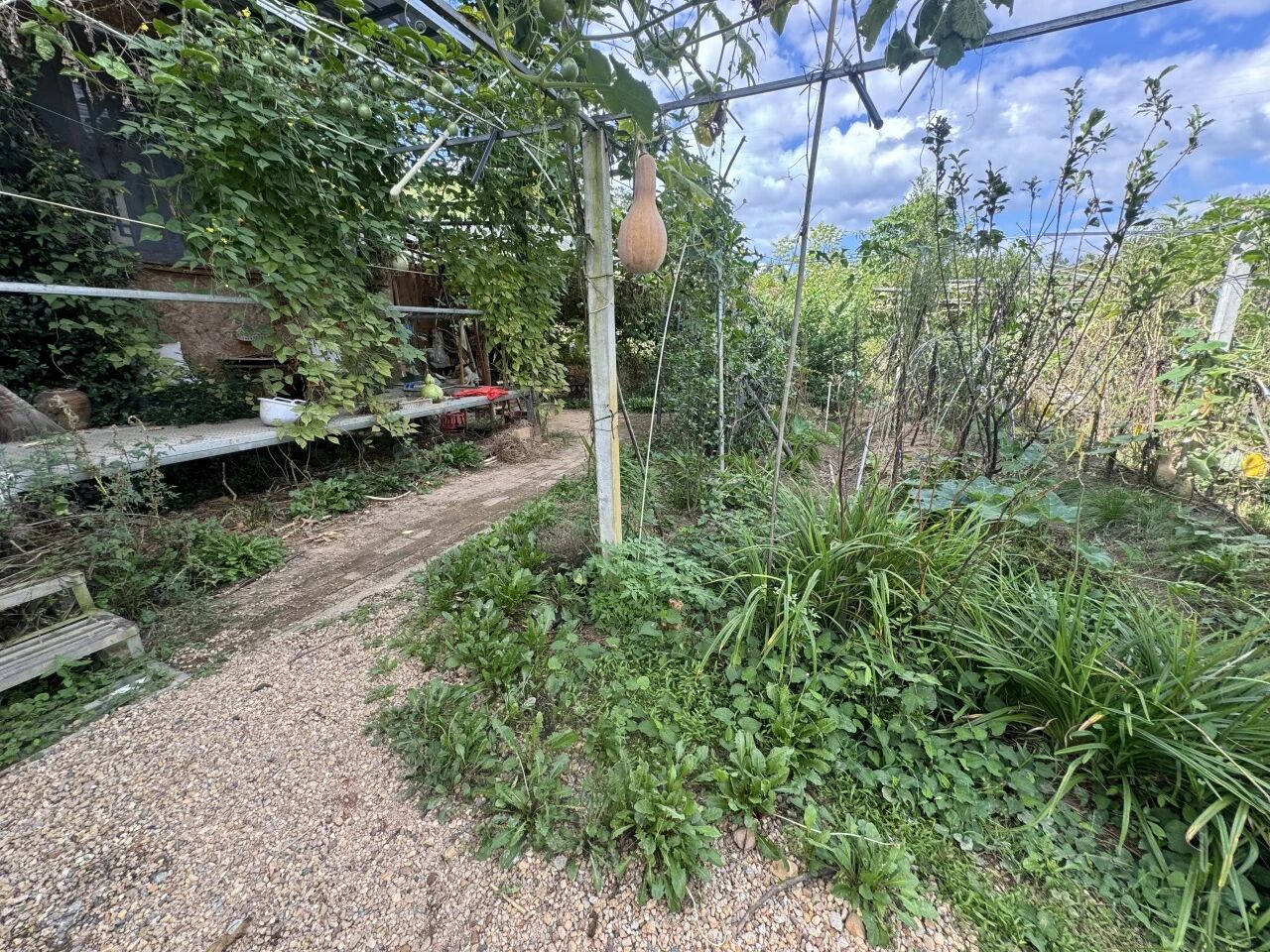
Four years on, the ground beneath the pig manure mesh has risen considerably. Its current permanent residents include a sour cherry tree as thick as a bowl, five low red-berried shrubs, twenty-some green-leafed white hostas, four fragrant-wood trees, two pinwheel jasmines, and a scattering of mint and patchouli. Every year, climbing crops such as yellow-flower beans, pumpkins, and loofahs are also planted.
The soil was originally barren and grew nothing but aggressive weeds; for the first two years, everything I planted seemed sickly—never quite dying, but never truly thriving. Now, peeling back the thick layer of surface humus reveals soft, black earth: pure, high-quality planting soil. This year’s climbing legumes are flourishing, and whenever I crawl underneath to weed, I can see that the ‘grass landscape’ beneath the mesh has become truly beautiful.
I first picked up the term ‘grass landscape’ from a fellow farmer in Shengou during my time in Taiwan.
IV. The “Grass Profile” of the Back Garden
The climates of Fujian and Taiwan are similar—warm and rainy—making them a paradise for weeds. For a vegetable farmer, weeds are a nightmare; the kind that can kill a crop. Xingyan divides the weeds in his patch into “aggressive” and “non-aggressive”. Aggressive weeds are characterised by being tall and robust: their height lets them hijack the sunlight, and their vigour allows them to seize nutrients. Those that grow from nodes or roots are the absolute scourges of the weed world, leaving the vegetables with no way to survive. To deal with aggressive weeds, they must be pulled before they flower and seed, then placed in a dedicated area under light-blocking cover to compost and ferment. This kills the pathogens and weed seeds, turning them into high-quality seedling soil with an ideal carbon-to-nitrogen ratio.
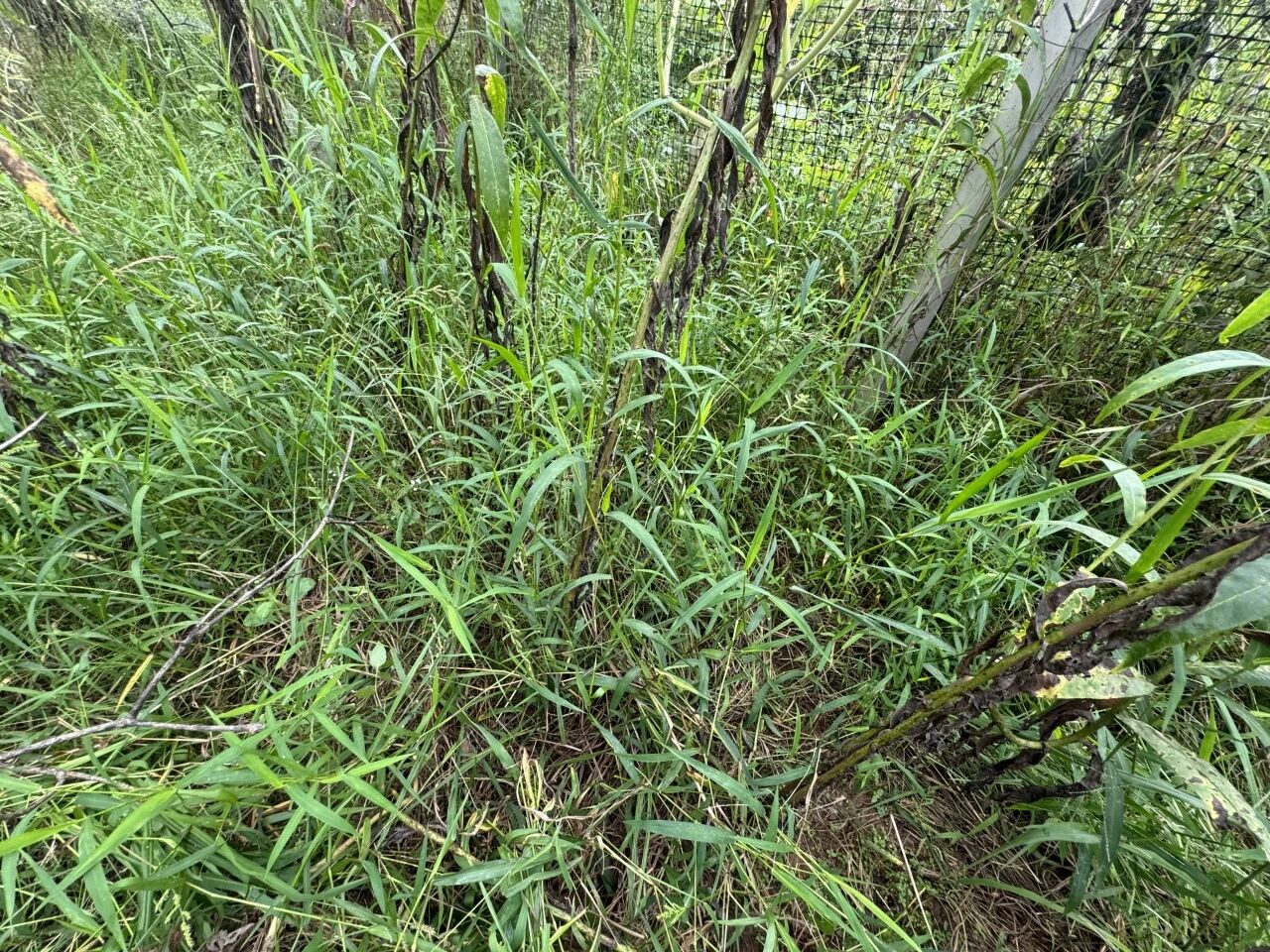
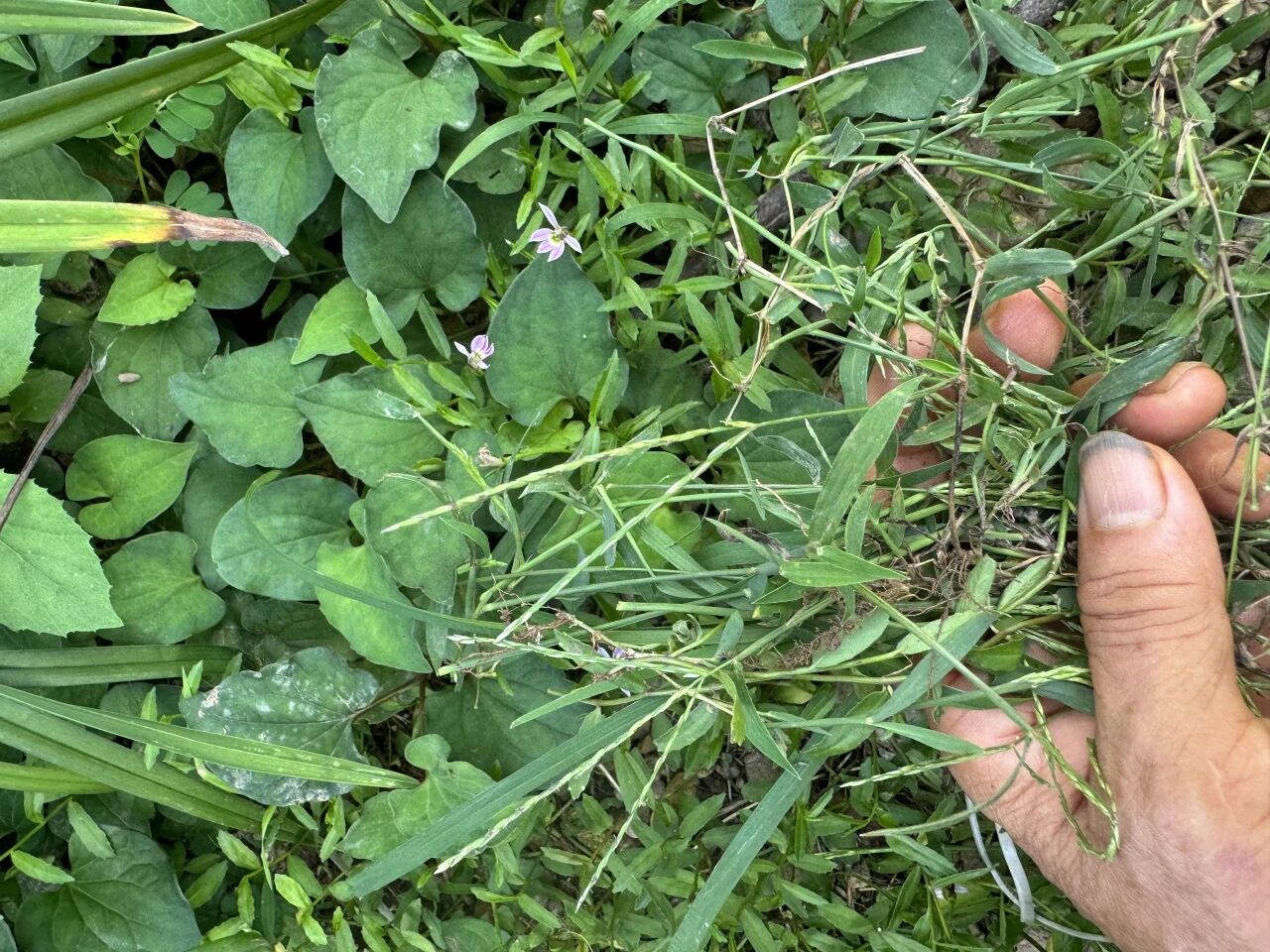
After two years of practice, my hundred-square-metre vegetable plot is noticeably different from its surroundings. The vegetables are lush and healthy, aggressive weeds are gone, and there is almost no bare soil. The ground is mostly covered by shallow-rooted, low-growing grasses that neither steal the sunlight nor deplete the nutrients; instead, they reduce soil erosion and evaporation while providing humus to the land. In short, I have “established a reasonable grass profile”.
I had always felt a sense of despair regarding the relationship between humans and the land—that we merely exploit and devastate it. But Chen Xingyan’s vegetable patch showed me that a benign interaction is possible; that while we seek food from the earth, we can also give back to it and nourish it.
Villain Valley is, in a sense, an expanded version of Xingyan’s approach; my own practice is a tribute to him.
Leaving wasteland completely wild actually exhausts the soil’s vitality. When the wild grass in Villain Valley was cleared by an excavator, I discovered that the soil was impoverished and severely compacted. It was impossible to dig for planting; not only was the soil hard, but it was a tangled mess of couch grass roots. I had to bring the excavator back to dig deep into the earth. Couch grass is incredibly resilient; a single segment of root left in the soil can continue to sprout and propagate. I then hired a dozen women to break up the clods of earth and pull out the roots. They worked for a week, and the pile of extracted couch grass grew into a mountain. When I did the maths, between the machine operator and the labour, the couch grass cost me over ten thousand yuan.
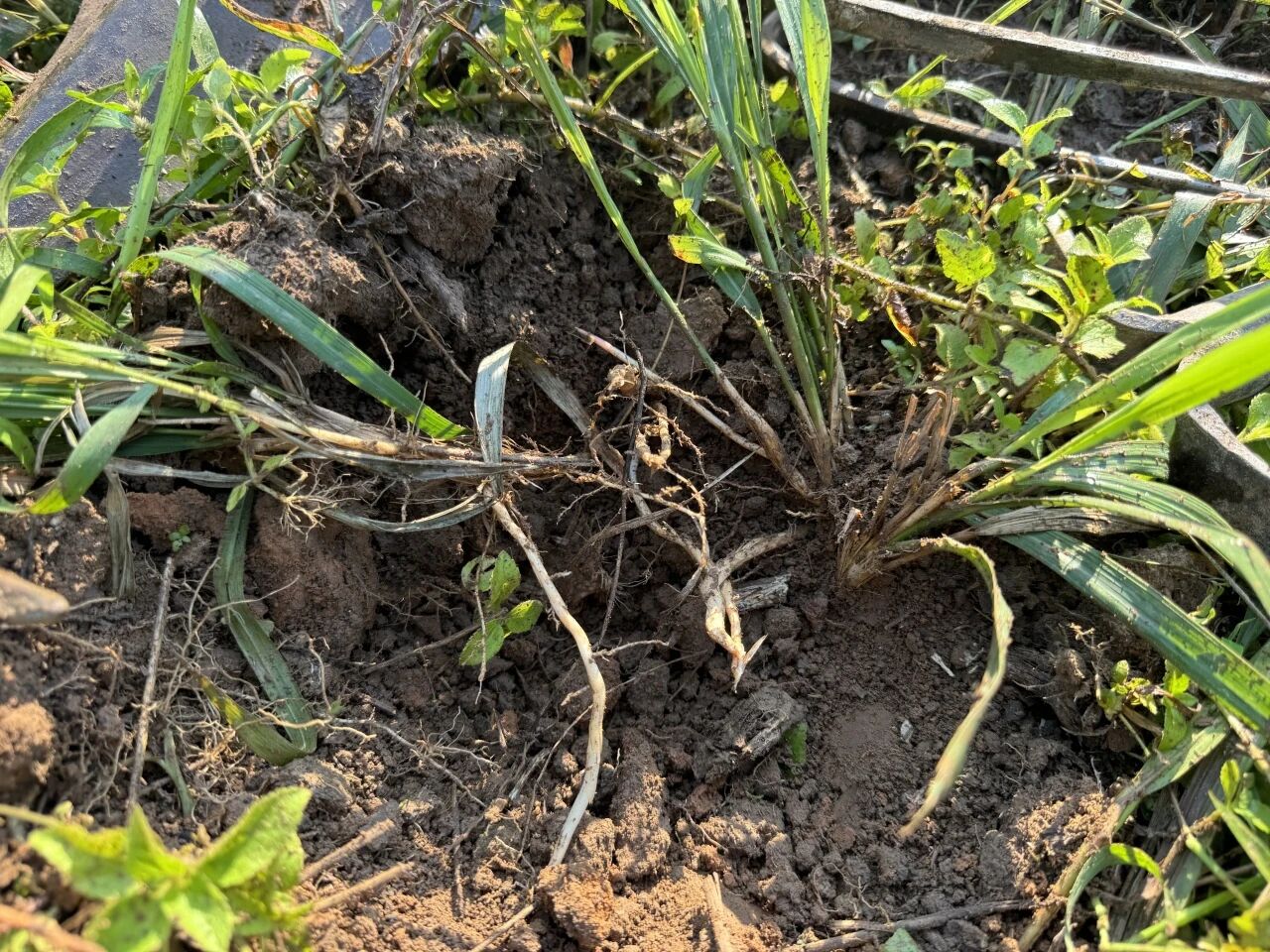
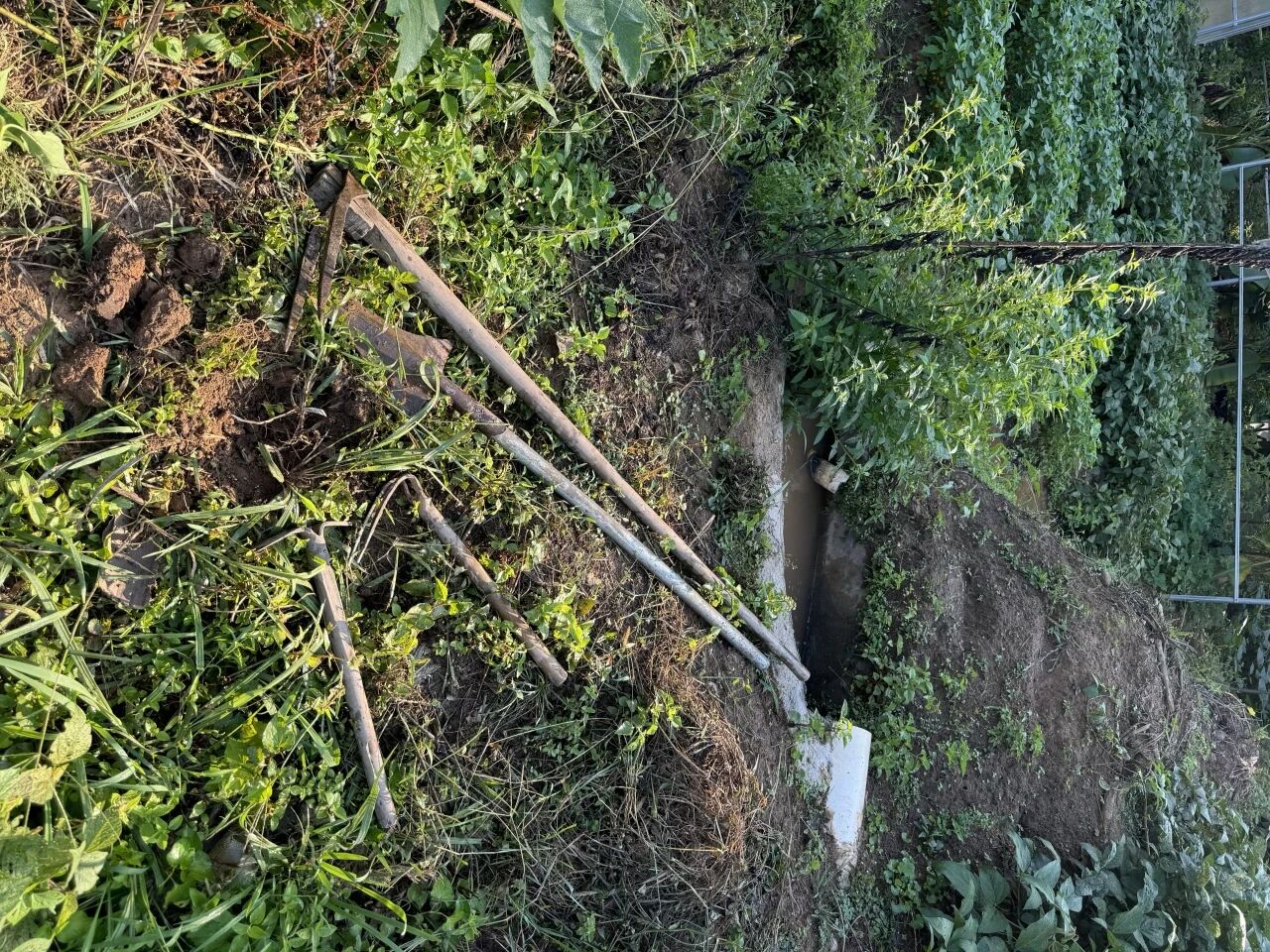
And it didn’t end there. My war with the cogongrass lasted three years; I equipped myself with every tool imaginable for weeding. Once a sprout was spotted, I would go on a frantic rampage, digging it out by the root and leaving it to wither under the scorching sun until it was dead. Now, it’s hard to even find some to photograph for illustration.
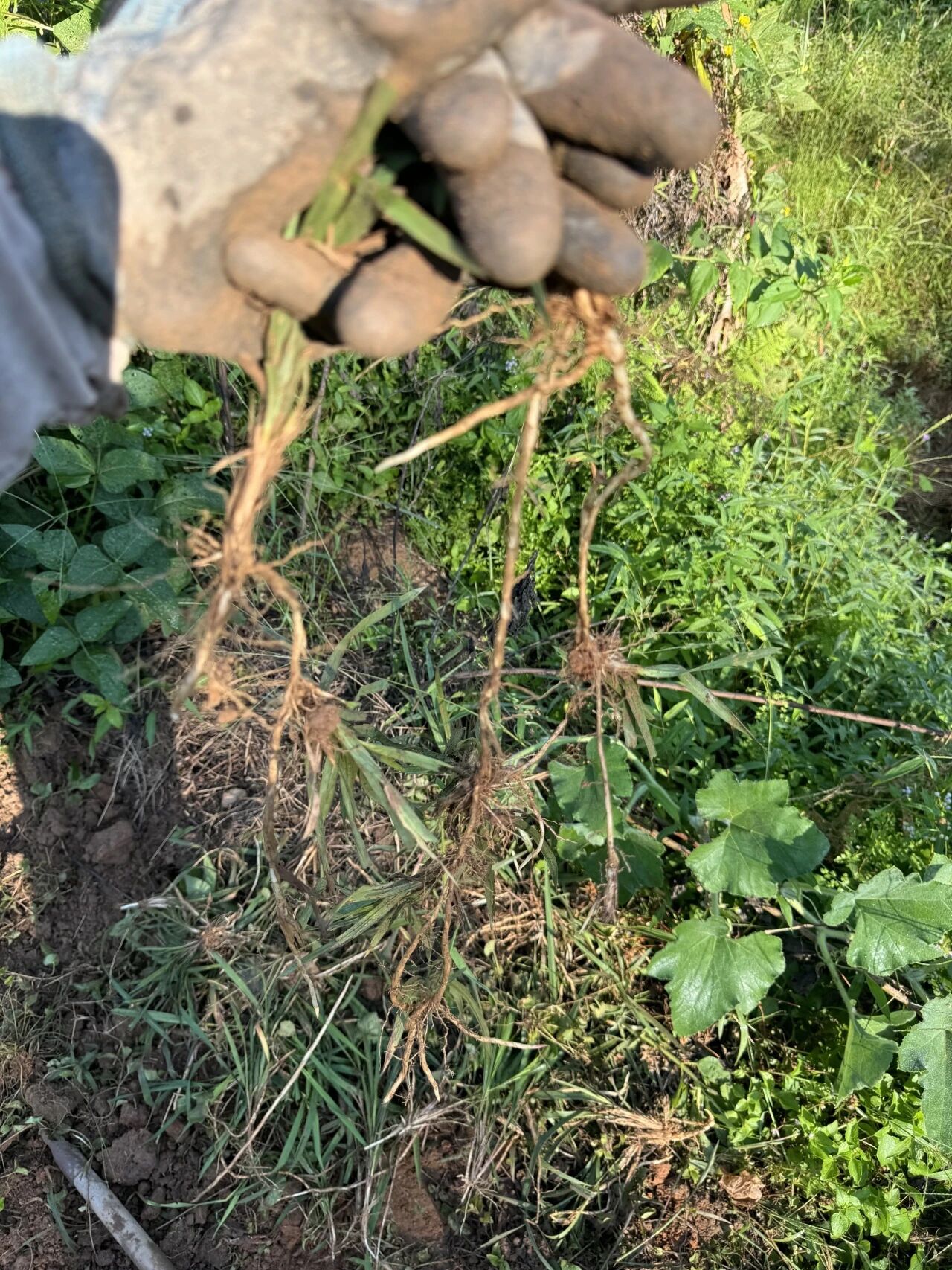
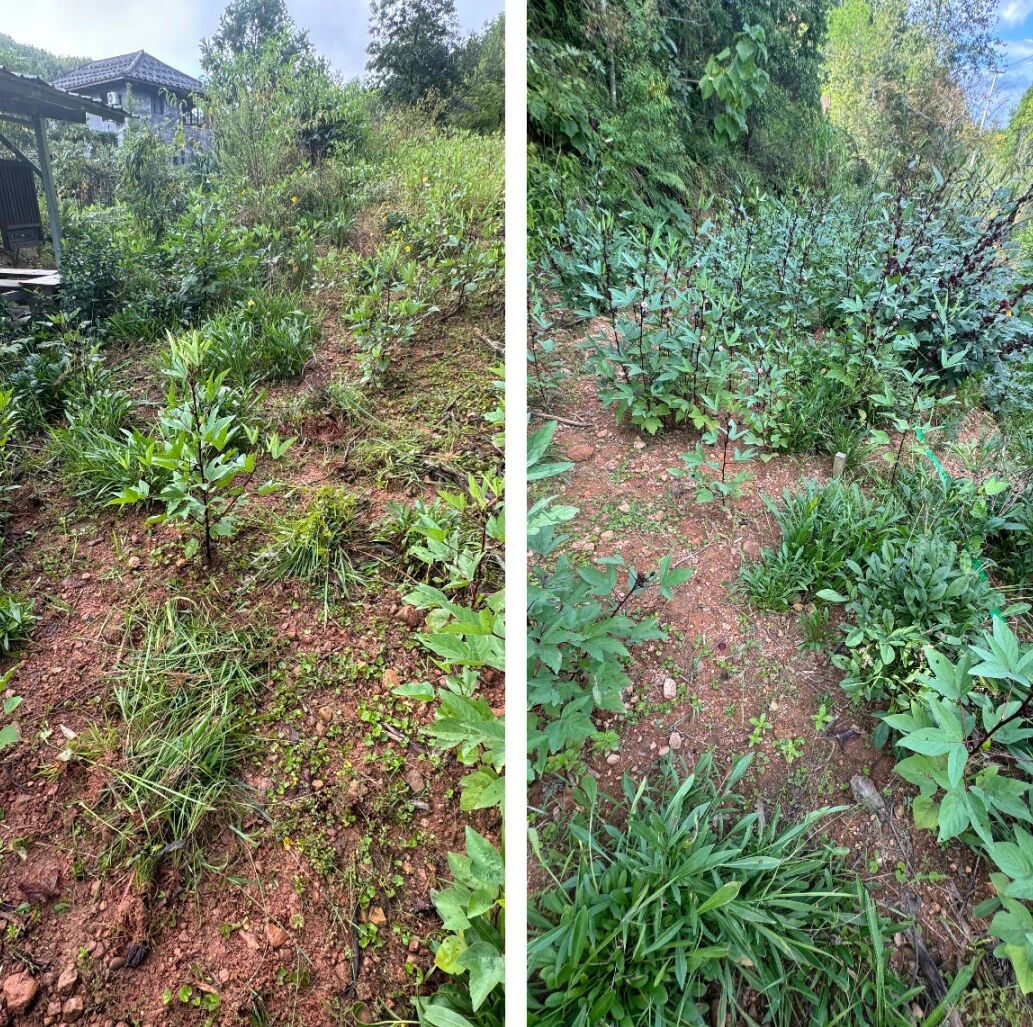
After more than four years of a life-and-death struggle with these invasive weeds, the look of the flora in Villain’s Valley has changed significantly. The more human activity in an area, the better the greenery. The best patches are under the pig-manure netting, followed by the areas around the house. The hillside opposite the river ditch behind the house was rarely visited; the main woody plants newly planted there were chestnut, camellia oil, and flowering quince, but they lacked a competitive edge during their seedling stage, allowing wild weeds to grow rampant. This year, I built a new pavilion over the water, and this weed-strewn path became my private sanctuary—how could I allow weeds to slumber beside my bed? Active weeding happens after every heavy rain, while the soil is still soft enough to pull them out by the root. Passive weeding happens once the weeds flower; regardless of the circumstances, laziness is not an option. Even if the ground is too hard to pull them, I must at least use a sickle to lop off the heads. These cannot be thrown about carelessly, as immature seeds can still sprout again in the spring breeze; they must be thrown into the river to eliminate any future threat.
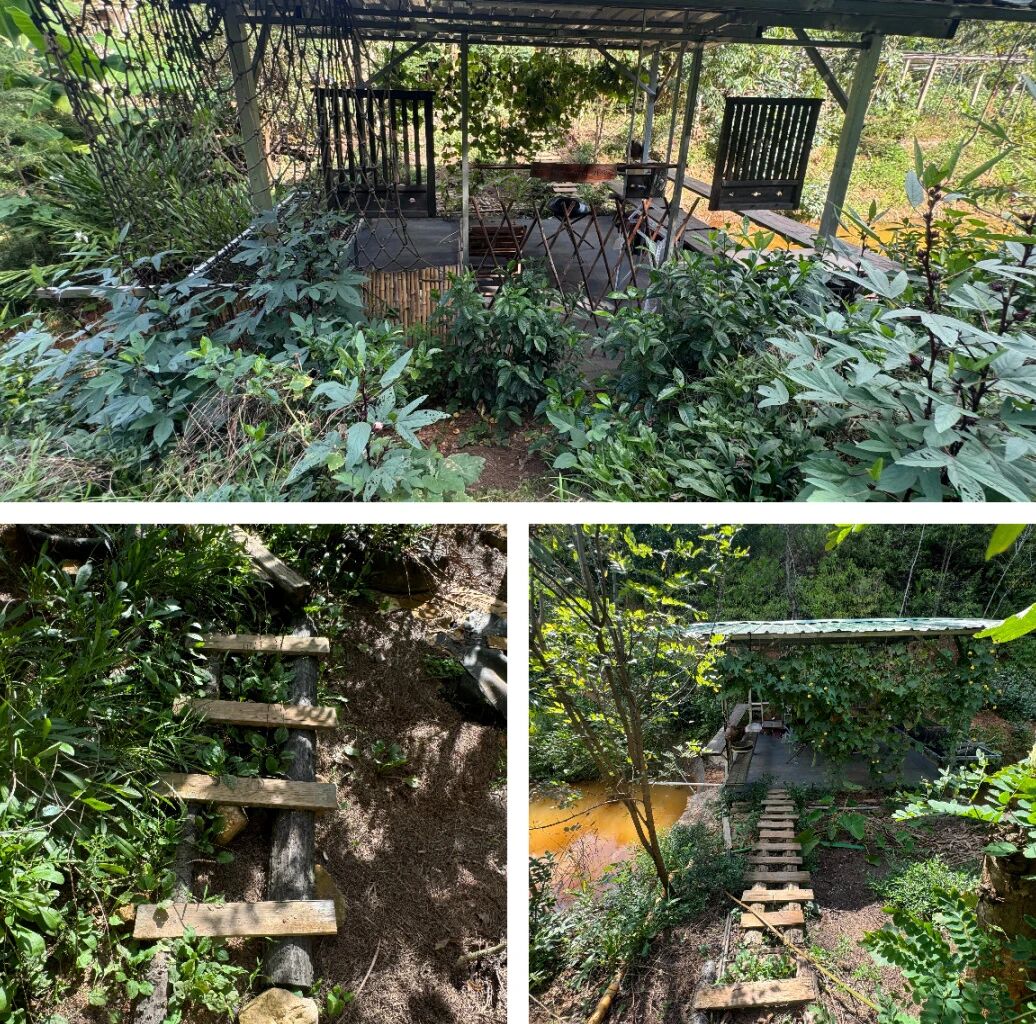
Now, tall invasive weeds are basically gone. The dominant herbs are Coreopsis and Roselle. The Coreopsis is bursting with vitality and will surely cover the entire path by next year. Roselle is not only beautiful and delicious, but its thick leaves and sturdy stems make it the best material for improving soil acidity. With humans, Coreopsis, and Roselle joining forces, the total suppression of invasive weeds is only a matter of time. My private sanctuary will become a golden carpet of flowers accented by Roselle.
V. Redefining the Relationship between Humans and the Land
After four years, as I surveyed my territory, I was astonished to find that the area with the most obvious soil improvement was actually a “waste-coverage circle”.
A few years ago, I wrote about the composting toilet in Villain’s Valley, where human waste is returned to the field as fertiliser. The toilet in Villain’s Valley has undergone several upgrades and has become a beautiful garden toilet, with lilies nearby, spider lilies further off, and pumpkin flowers in the distance. It is a vital part of my daily life as I live simply, facing the sky behind closed doors. Every so often, I take the collected urine, dilute it with water, and use it to water the vegetables; the faeces are composted, buried in pits, and allowed to transform slowly. The compost bins are heavy and cannot be moved far, so the burial zones are all within about ten metres. Even if they were closer, there really is no smell; it’s just a psychological barrier. The plants around these burial zones show a visible growth advantage, making me truly understand why the old farmers used to say, “don’t let the fertile water flow into another’s field”.
Removing invasive weeds is a daily chore, but the only area that is truly covered without any blind spots is the radius of about ten metres around the house. I pull them out as I see them while walking back and forth. This happens to be my fruit and vegetable area, and coincidentally, it is that same “waste-coverage circle”. I couldn’t help but laugh: I have finally become a part of the land. As the harvester of the fruit at the apex of the food forest system, the life nourished by the land also belongs to the land as an animal. It proves that human activity does not necessarily harm the environment; human life can coexist, prosper, and mutually shape itself with the surrounding biological systems.
The land nourishes life, and I enrich the land; at last, I can coexist with the earth with a clear conscience.
I give the land a beautiful floral aspect, and it rewards me with healthy ingredients. My land and I cannot be parted for a single moment.

All images in this article were taken by the author
Editor: Xiao Dan