A Gourmet Who Is Not an Environmentalist Is Foolish | In Memory of Slow Food Founder Petrini

The One Who Pressed the Piano Pedal Has Gone Before
On 21 May 2026, Carlo Petrini, founder of the Slow Food movement, Italian journalist and writer, died.
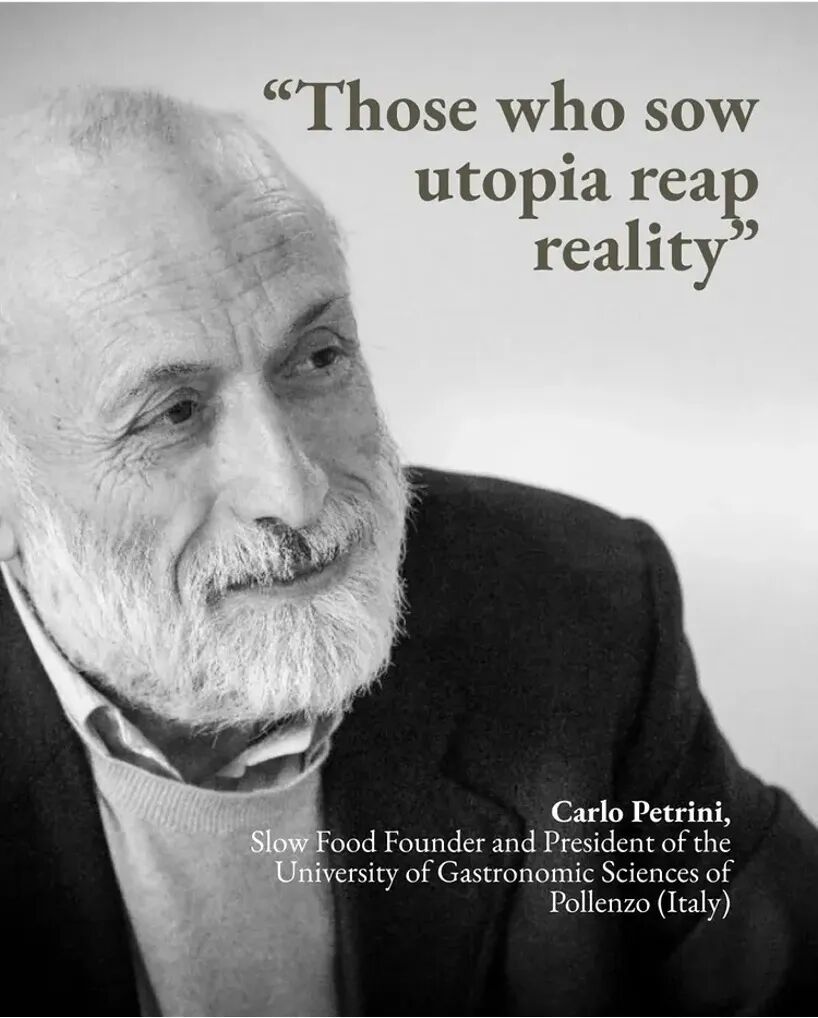
◉ The Slow Food movement holds that food should be of high taste quality and produced in an environmentally friendly way, while also safeguarding producers’ rights. In many of his writings, Carlin exposed the harm done to biodiversity and food traditions by industrialised agriculture. Photo credit: @slowfoodinternational
As someone who has had the privilege of spending wonderful days of study under his wing, and who also hopes to devote myself to writing about food, I want to honour him in this article. I shall refer to him below as Carlin, the nickname everyone uses for him.
Like me, many students who have come to the food science university in Italy have been influenced by Carlin’s books and the Slow Food movement. Indeed, Carlin has scattered beautiful seeds across the world: he launched the Slow Food movement, created Terra Madre, a food fair that brings together small-scale farmers and food producers from all over the world, and founded a food university.
The University of Food Sciences, formally called the Pollenzo University of Food Sciences, was founded in 2004 by Slow Food International and is based on the edge of Carlin’s hometown—the village of Pollenzo in Bra, Piedmont, in northern Italy. This private university focuses on food research and uses experiential teaching methods, while also emphasising the nutritional science, politics, culture, and ecology behind food. My one-year master’s programme is called New Food Thinking, with modules in food philosophy, food ecology, foraging, and world cultural diversity, as well as weekly food education sessions built around a single theme.
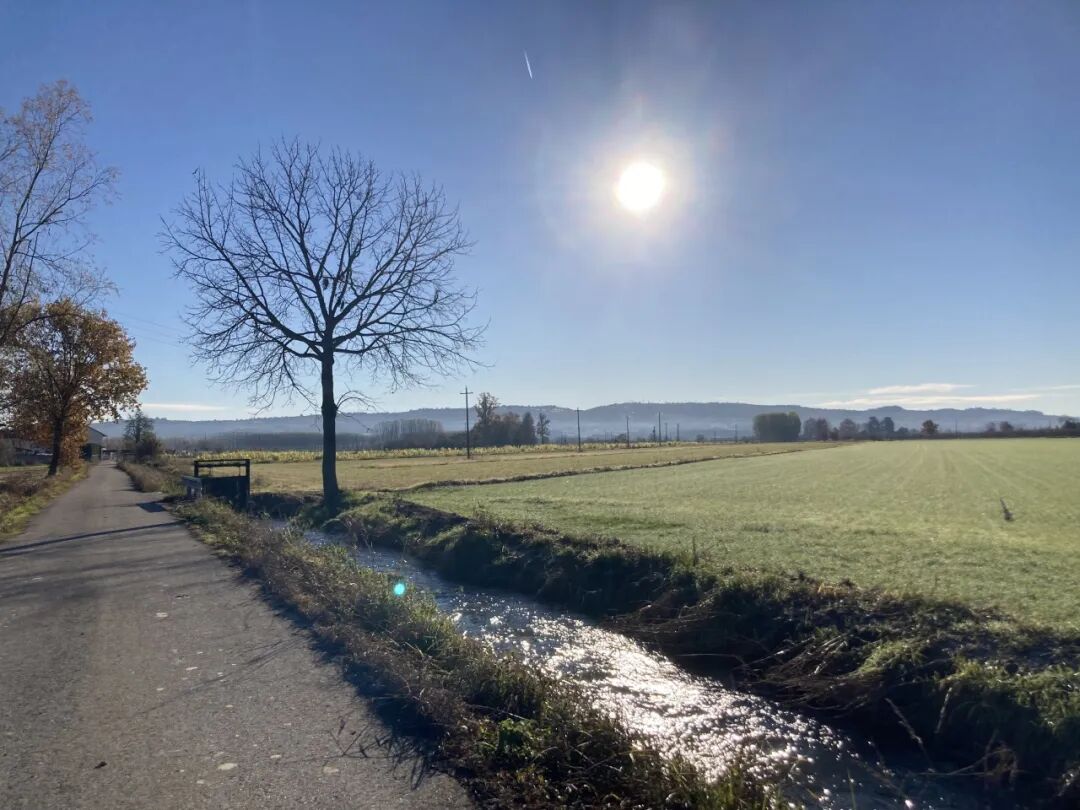
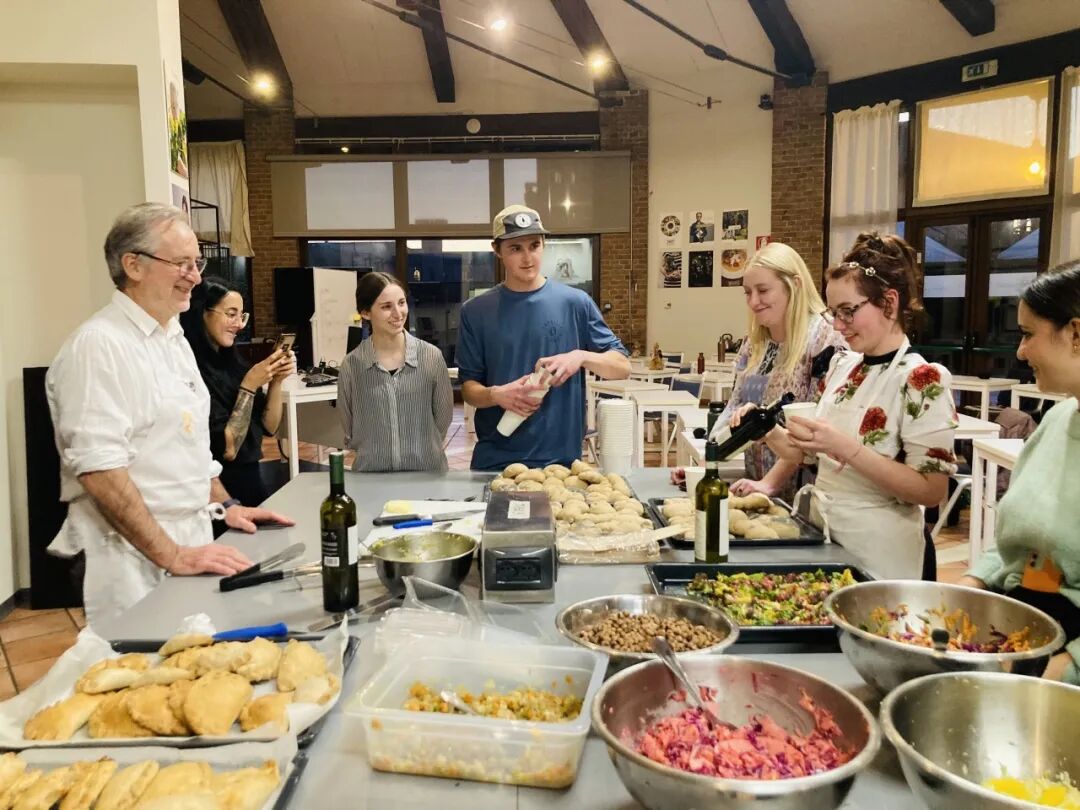
◉ Left: rural Pollenzo, where the school is located, close to nature and farmland; right: in a food education class, the teacher and students enjoy food they made together.
My first class at the school was Carlin’s lecture.
He was already 72 at the time. It was a three-hour barrage of dense Italian, with no break. I watched the simultaneous interpreter go from a calm expression to barely hiding their breathlessness, while Carlin grew ever more impassioned as he spoke. When students below caught each other’s eye, they could all feel the other saying, “This old man has so much energy.” On stage, he waved his arms and spoke, never pausing for a moment, as if a perpetual motion machine had been installed inside him.
I remember he spoke of the word sustainable. Instead of explaining it from its Latin root, he told us that the word is of the same origin as the “sustain” pedal on a piano. When playing the piano, once you press the pedal, the sound keeps trembling in the air, slowly spreading out, so you can feel the lingering resonance of the music. He said, “To build a sustainable world, we must make our voices heard. Not a random clamour, but a note that resonates, so that its echo can be passed on.”
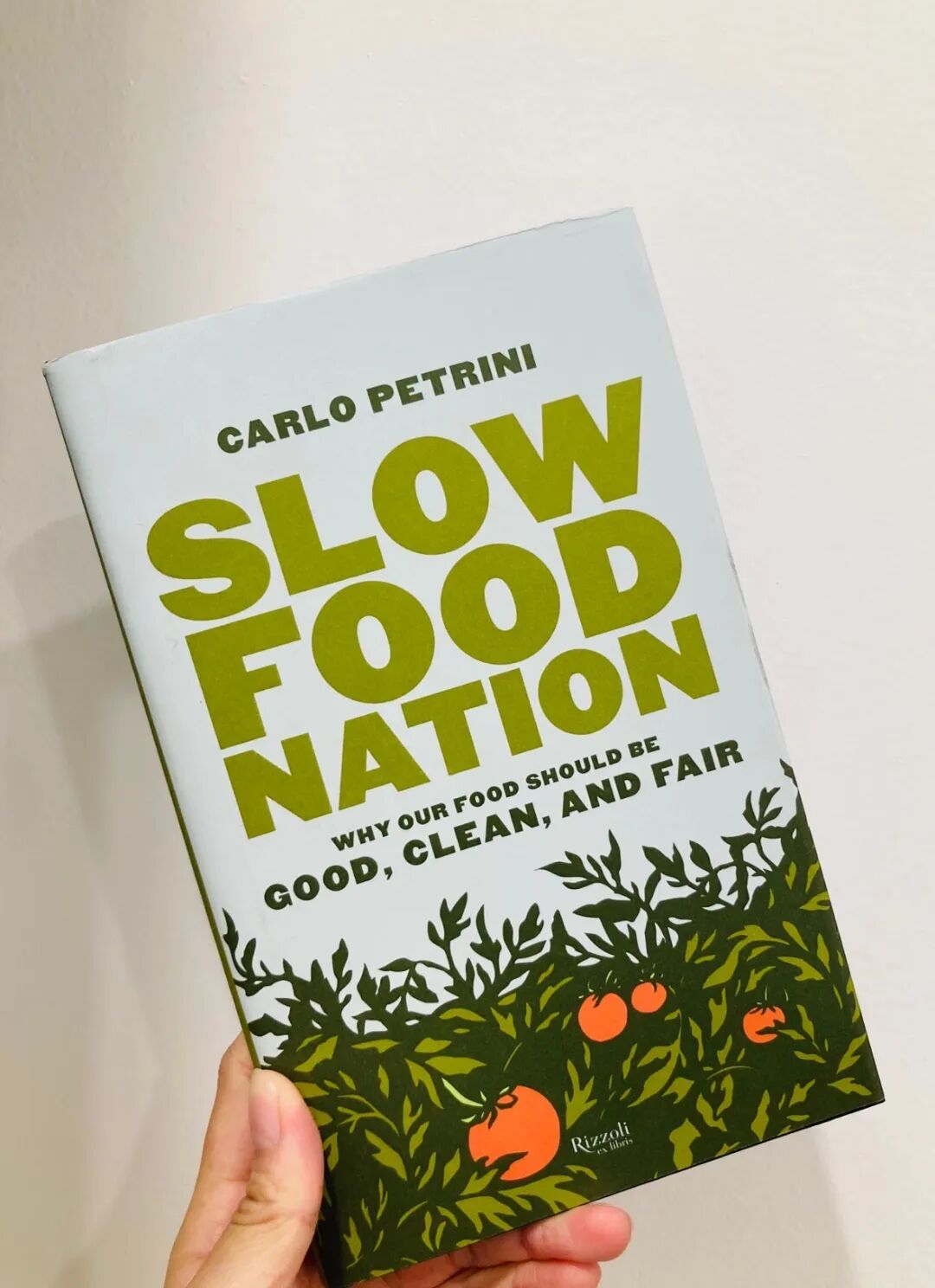
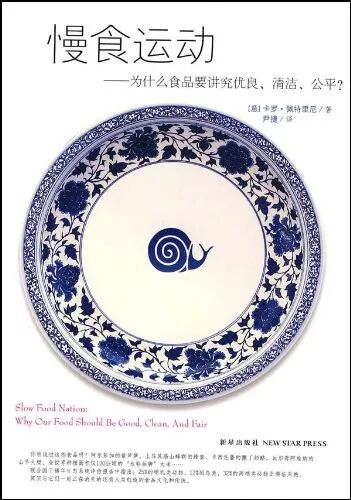
◉ The school’s welcome gift was a book by Carlin; its Chinese edition is titled The Slow Food Movement: Why Food Should Be Good, Clean, and Fair?
On 21 May this year, he died in his hometown of Bra, aged 76. Early that morning, when I saw the news on my screen, the sound that rang in my mind was the lingering resonance of a piano—only the one who pressed the piano pedal had gone before.
“McDonald’s, Get Out of Italy!”
On 20 March 1986, Italy’s first McDonald’s opened near Piazza di Spagna in Rome and quickly became wildly popular among local young people. Carlin, then an Italian food columnist and journalist, and a group of friends distributed pasta with tomato to the crowd near the square. With this down-to-earth, everyday protest, they wanted to express their anger and prompt the public to reflect: why can fast, industrialised food like McDonald’s sweep the world—even “invade” Italy, a country proud of its food—while fresh food that is naturally grown and nutritionally balanced is neglected?
In December 1989, Slow Food International was formally established in Paris, and its emblem is a snail. Carlin said they chose the snail not because it makes people eat slowly, but because a snail moves slowly, savouring the journey at its own unhurried pace, and, more importantly, it carries its home on its back—wherever it goes, home is there. Home means local, seasonal food, and it also means traditional recipes and the ritual of people eating together around a table.
The core of Carlin’s Slow Food was never simply about “eating slowly”. On the contrary, he repeatedly stressed: “Slow Food is not about food, but about us.” What he kept returning to was the core spirit of the Slow Food movement: Good, Clean and Fair.
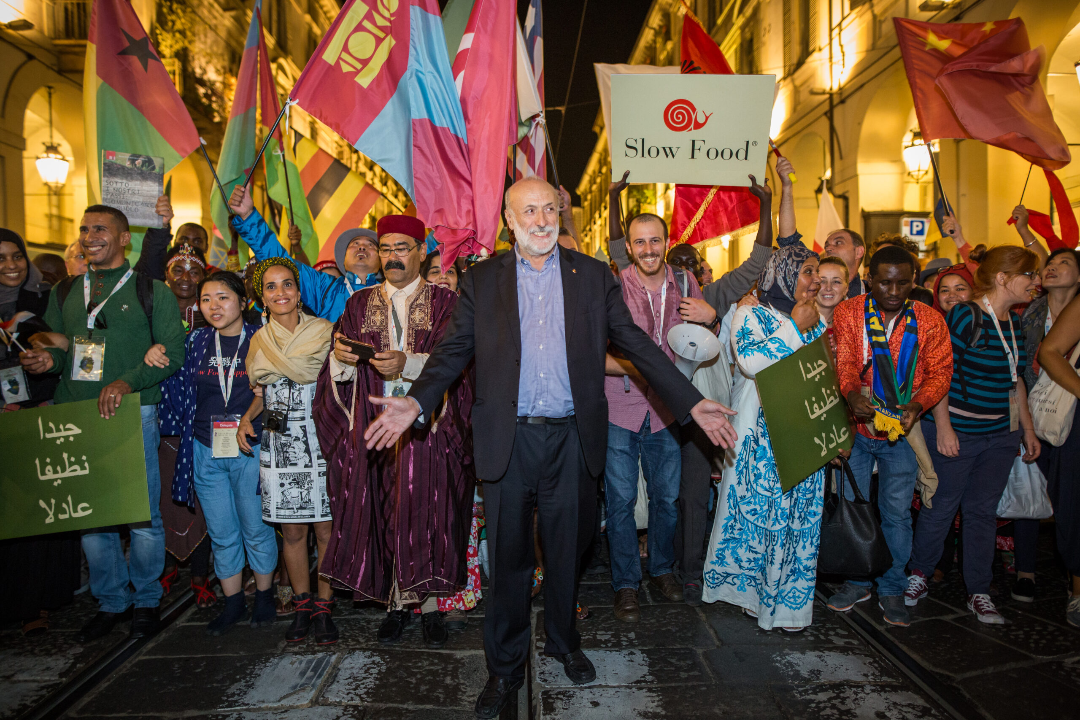
◉ Carlin with small-scale farmers and small-scale producers from around the world at the Terra Madre food fair, organised by Slow Food. Photo credit: @slowfoodinternational
Good, because food should bring genuine sensory pleasure, not the numb taste of standardisation; Clean, because the production process should respect the natural ecosystem, not use hormones and chemicals to accelerate everything; Fair, because those who grow crops, raise animals and make food should receive a dignified living, and not be squeezed to the very bottom of the supply chain.
In 2004, he advanced two more initiatives: first, he founded the University of Food Sciences in Pollenzo, near his hometown, making food studies a serious interdisciplinary field; second, he founded the Terra Madre food fair: a global gathering of the food community, held biennially in Turin, bringing together farmers, fishers, herdsmen, chefs and researchers from more than 150 countries.
In Carlin’s eyes, food has never been a mere diversion, but a political question—about who owns the land, who does the labour, and whose tastes are being systematically erased.
His attention to social fairness behind food was also connected to his background. His father came from a family of railway workers, and his mother was a primary school teacher from a rural background. When he was young, he studied sociology, working alongside his father by day and attending classes by night. His focused passion for food came from his grandmother. In his memory, she often gathered up the breadcrumbs scattered on the table, making the most of every last crumb.
As he later put it, “A gourmet who is not an environmentalist is foolish; an environmentalist who is not a gourmet is pathetic.” Slow Food defends what McDonald’s cannot give—local, seasonal food, and the ritual of people eating together around a table.
When I was studying in Italy, 90 per cent of the students lived in Bra, the birthplace of the Slow Food movement. In a way, it was like a “Slow Food bubble”: no McDonald’s or KFC, only traditional Italian Piedmontese restaurants and a few Turkish and Chinese restaurants run by migrants.
Sometimes, when we had grown tired of the food in Bra, we would want to go to McDonald’s in Turin, 50 kilometres away. Sometimes we would joke, “We’re this poor—what’s the harm in having a McDonald’s?” Word had it that you had to go on the sly, or you’d be expelled from school.
But, more often, we learned about food and understood Slow Food in everyday life.
For example, we could take on a plot in the school’s organic farm, working with classmates to look after the plants and get to know the soil.
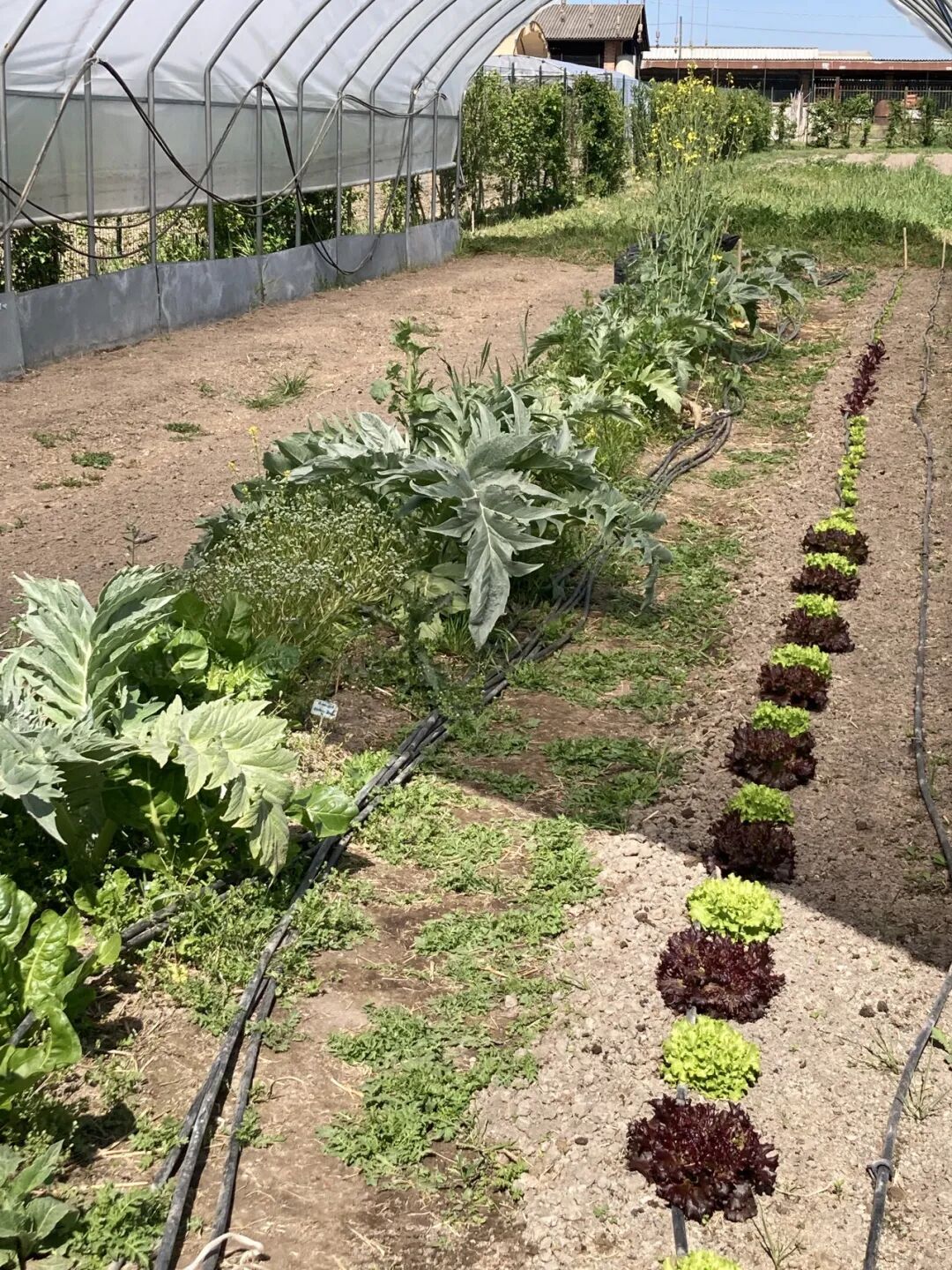
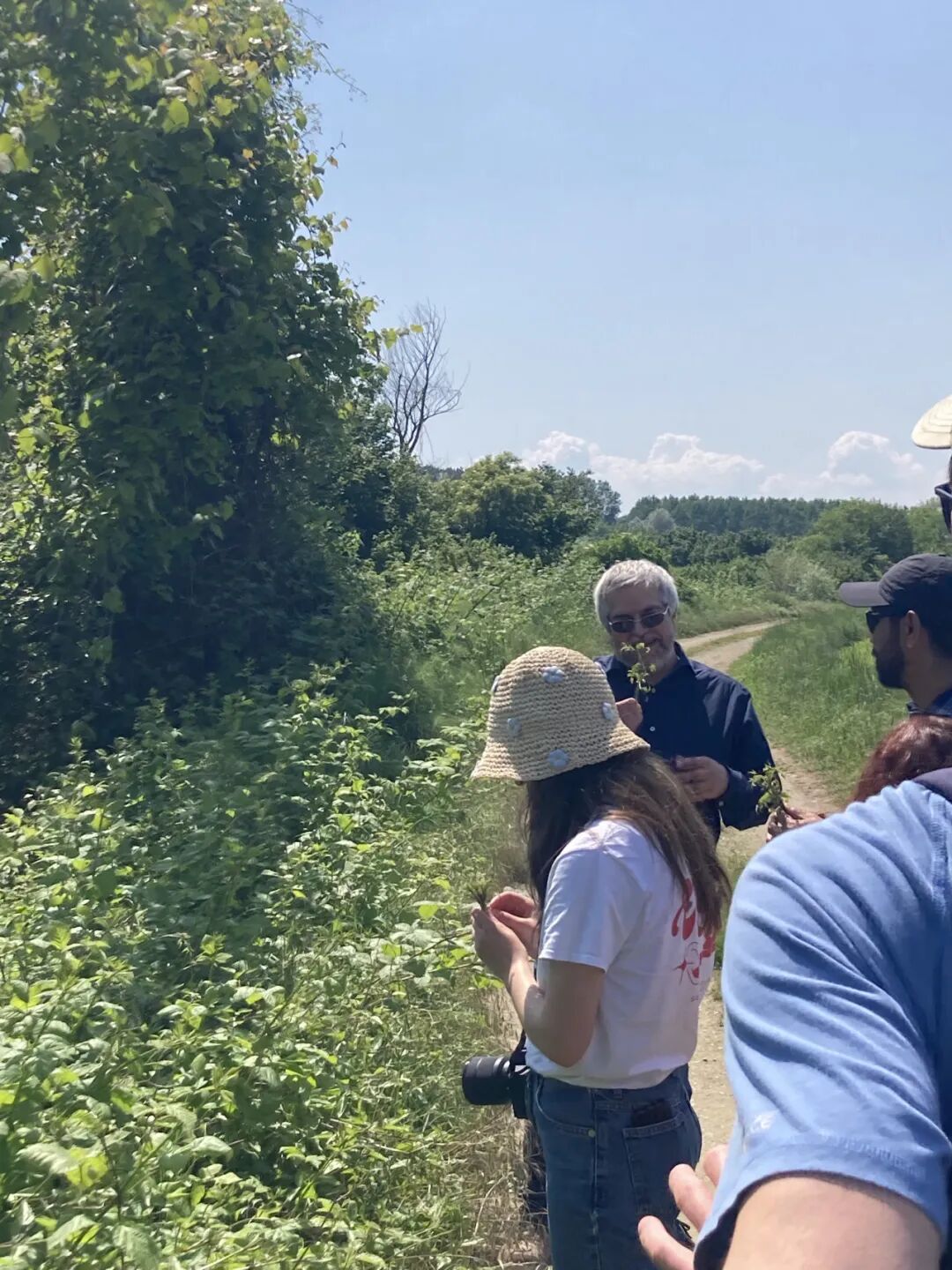
◉ Left: the school farm. Right: during a foraging class, learning about edible wild plants near the school.
In spring, we had foraging classes in the village, learning how to identify and eat hundreds of kinds of local wild plants. I had not expected that in the farmland and hillsides just a 30-minute walk away, there were so many edible wild plants.
After class, students would spend hours cooking and chatting, and a single table would hold dozens of dishes from different countries and regions. Sometimes Carlin would pass by and happen to join their meal and dance party.
At weekends, everyone would clean out their fridges, take out the leftovers, and go to an abandoned pizza oven up in the hills to bake pizza and bread and make salad…
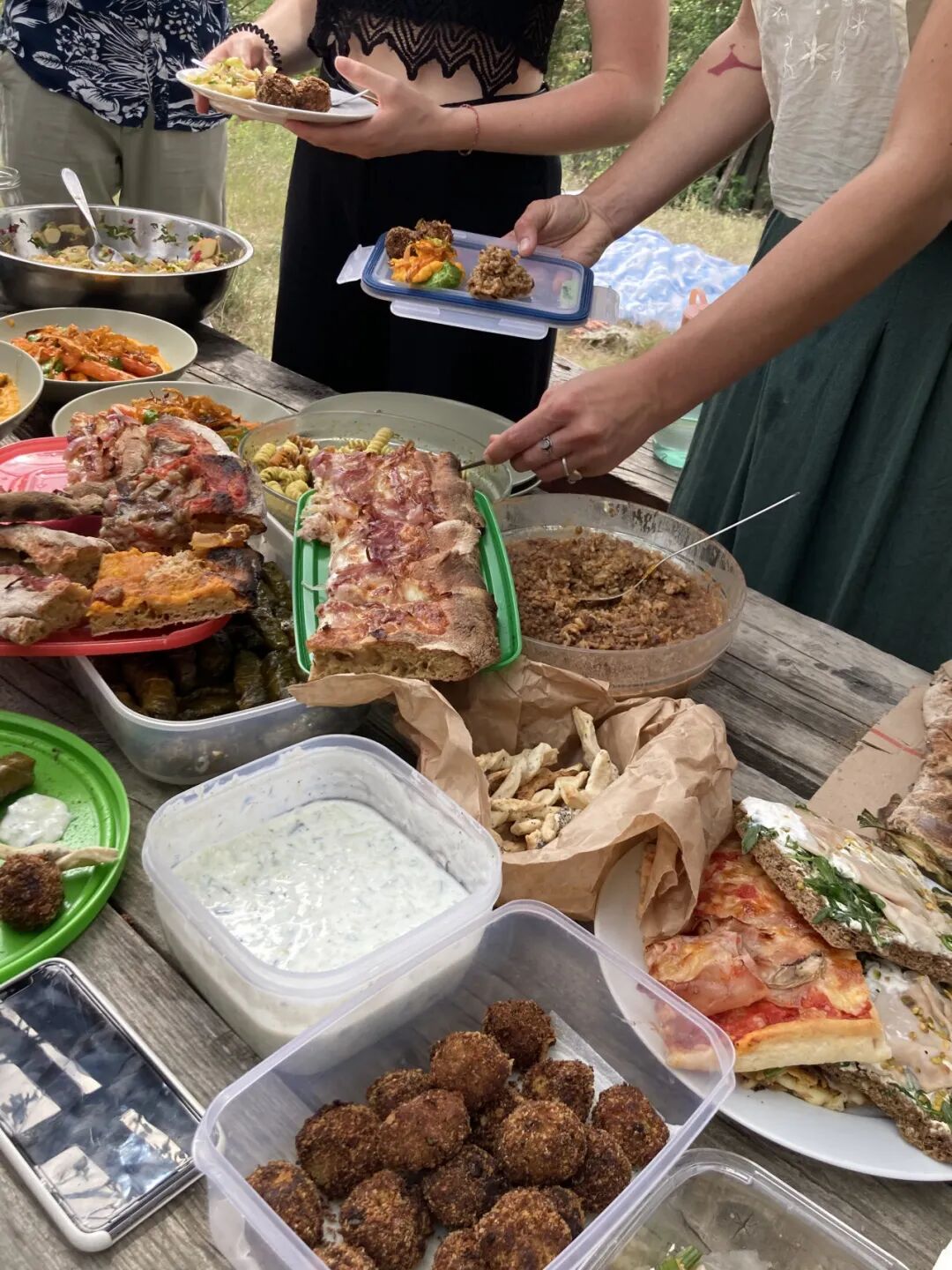
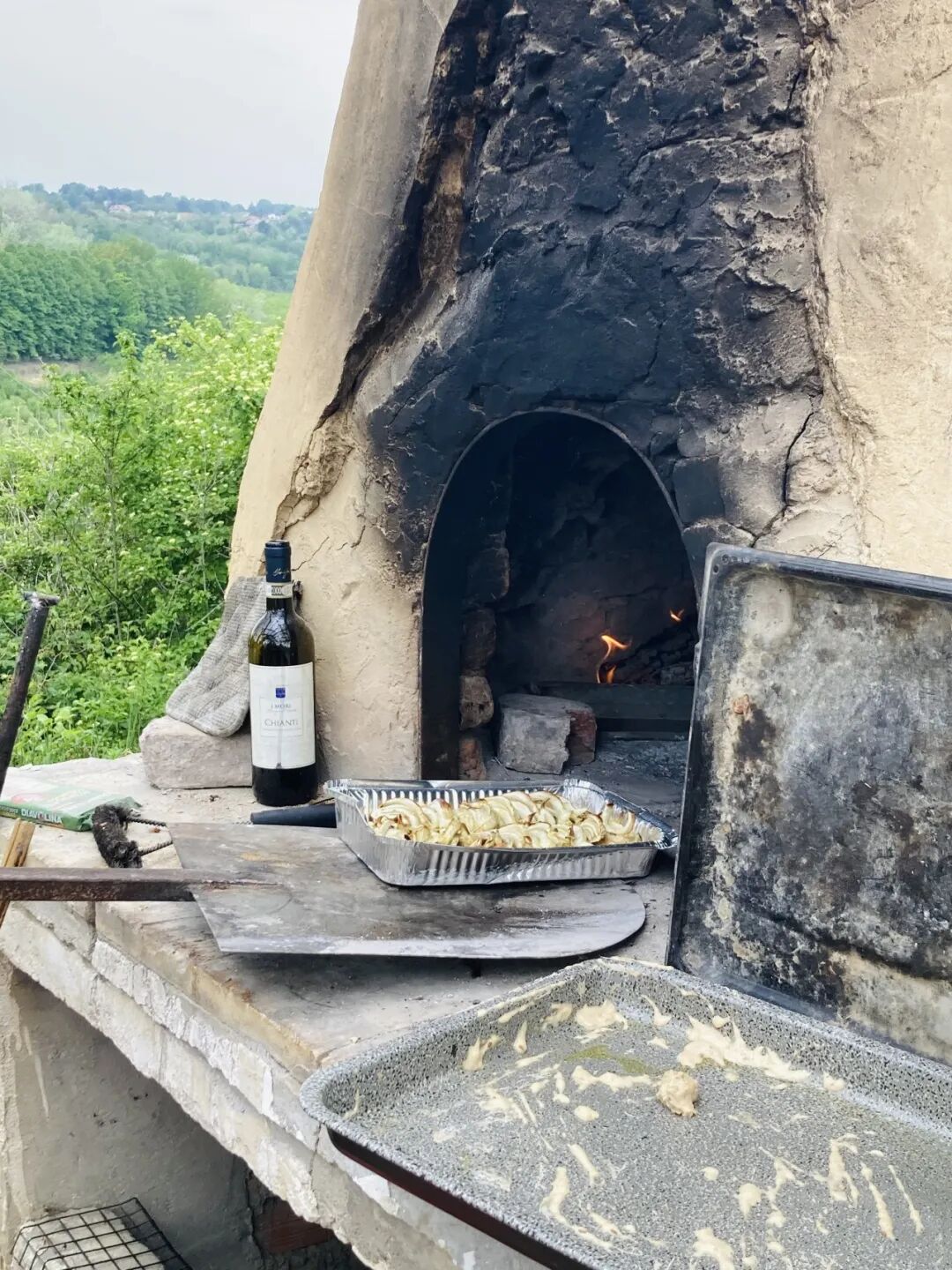
◉ Everyone brings the leftover ingredients together and has a group picnic at the abandoned pizza oven on the hill near the school.
The school also organised study tours to the countryside across Europe, where we would see how local organisations protect seeds, talk to farmers, and learn about their small worries.
Looking back on these moments, I came to feel that the ideals of the Slow Food movement Carlin championed were not as idealistic as they sound. They were rooted in the realities of life: one savoury meal after another, and happiness shining on everyone’s faces.
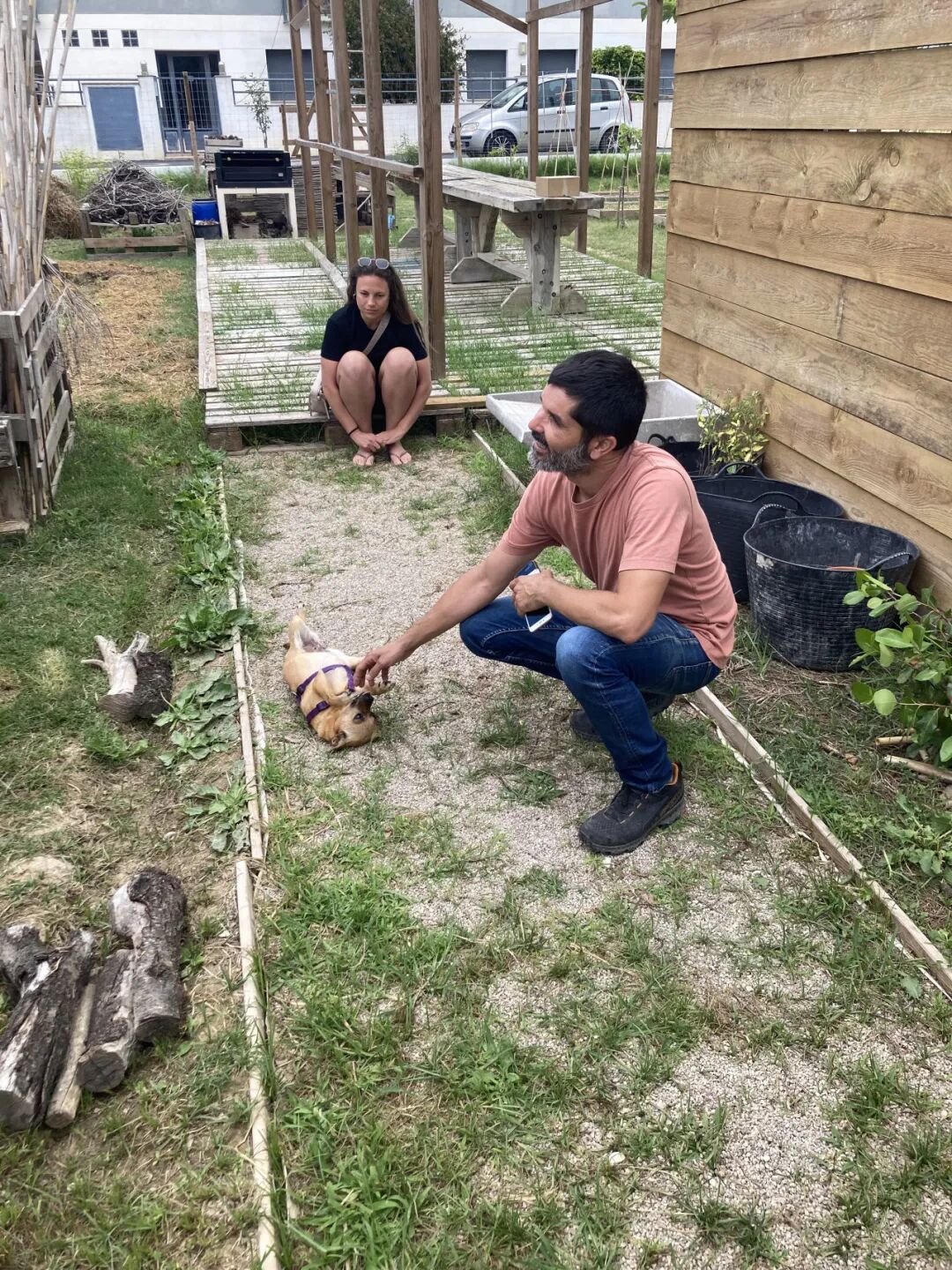
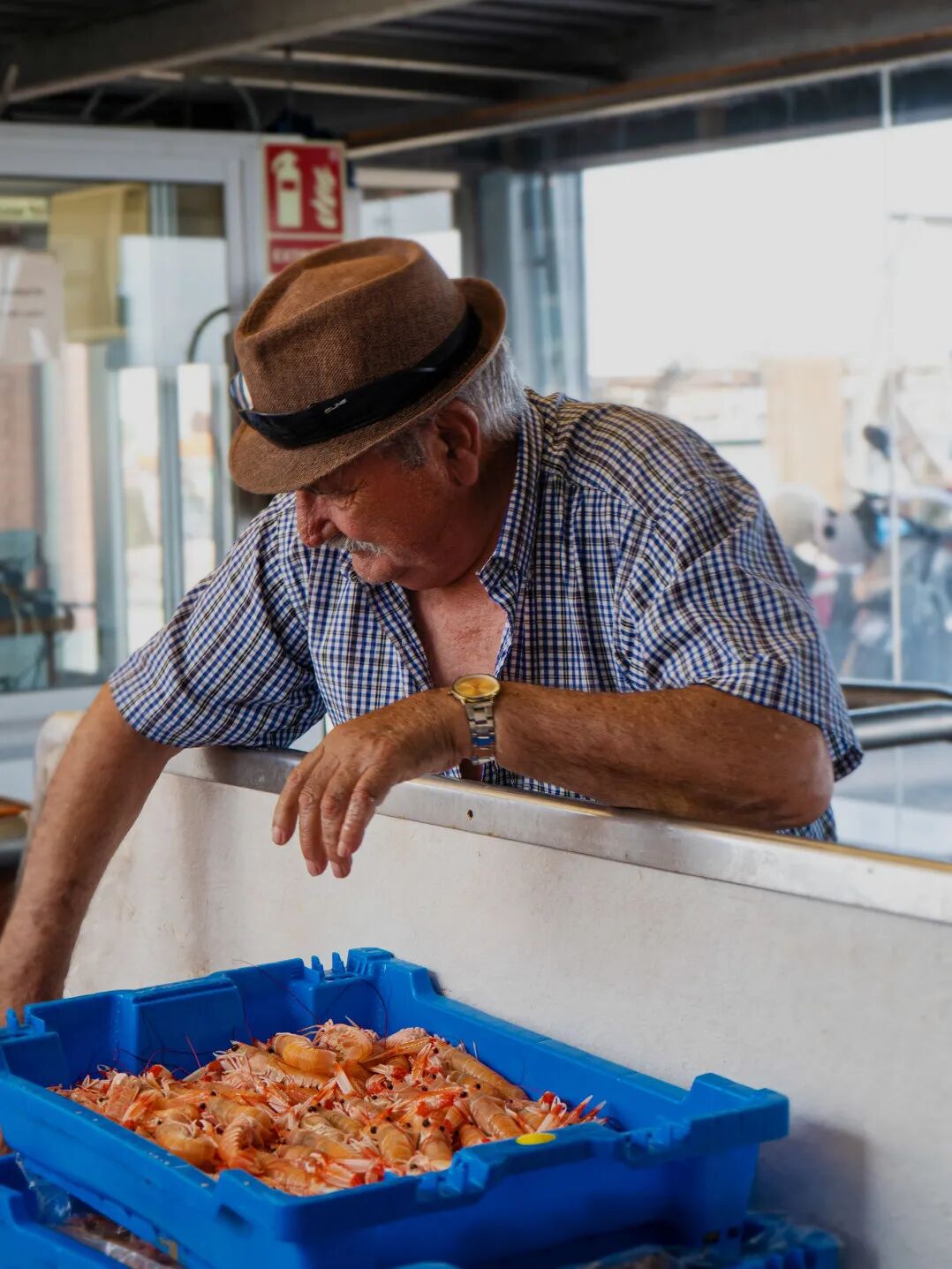
◉ On a study tour in Spain, talking with a small-scale farmer (left) and a fisher at a fishery (right).
“Eating Is an Agricultural Act”
For me, Carlin’s greatest influence has been his emphasis on the importance of agriculture in the food system. He greatly admired a line by the American writer Wendell Berry: “Eating is an agricultural act.” Through their food choices, consumers shape the direction of agricultural markets and production, and, without realising it, they become part of the producer community. In the Slow Food system, they call consumers who hold values and act on them “co-producers”.
In autumn 2025, I attended Slow Cheese in Bra. It was a biennial event and the world’s largest raw-milk cheese festival. It was also thanks to this festival that I learned that just three ingredients (milk, rennet and salt) can produce more than 2,000 different cheeses, and that cheese is also a symbol of food diversity.
Carlin gave a street speech on “Why we need raw-milk cheese”. He said that pasteurisation is a form of industrial logic—standardisation, replicability and the elimination of variables. But the diversity of raw milk cheese stems from different regional landscapes, pastures, livestock breeds and the skill of herders and cheese-makers. Raw milk, a living food, retains its original characteristics—nutrients, vitamins, enzymes and lactic acid bacteria—and retains all the flavours and aromas of the forage and hay that the livestock eat. Most farmers who produce raw milk cheese work on a small scale. They are important in protecting grasslands, pastures and animal breed diversity.
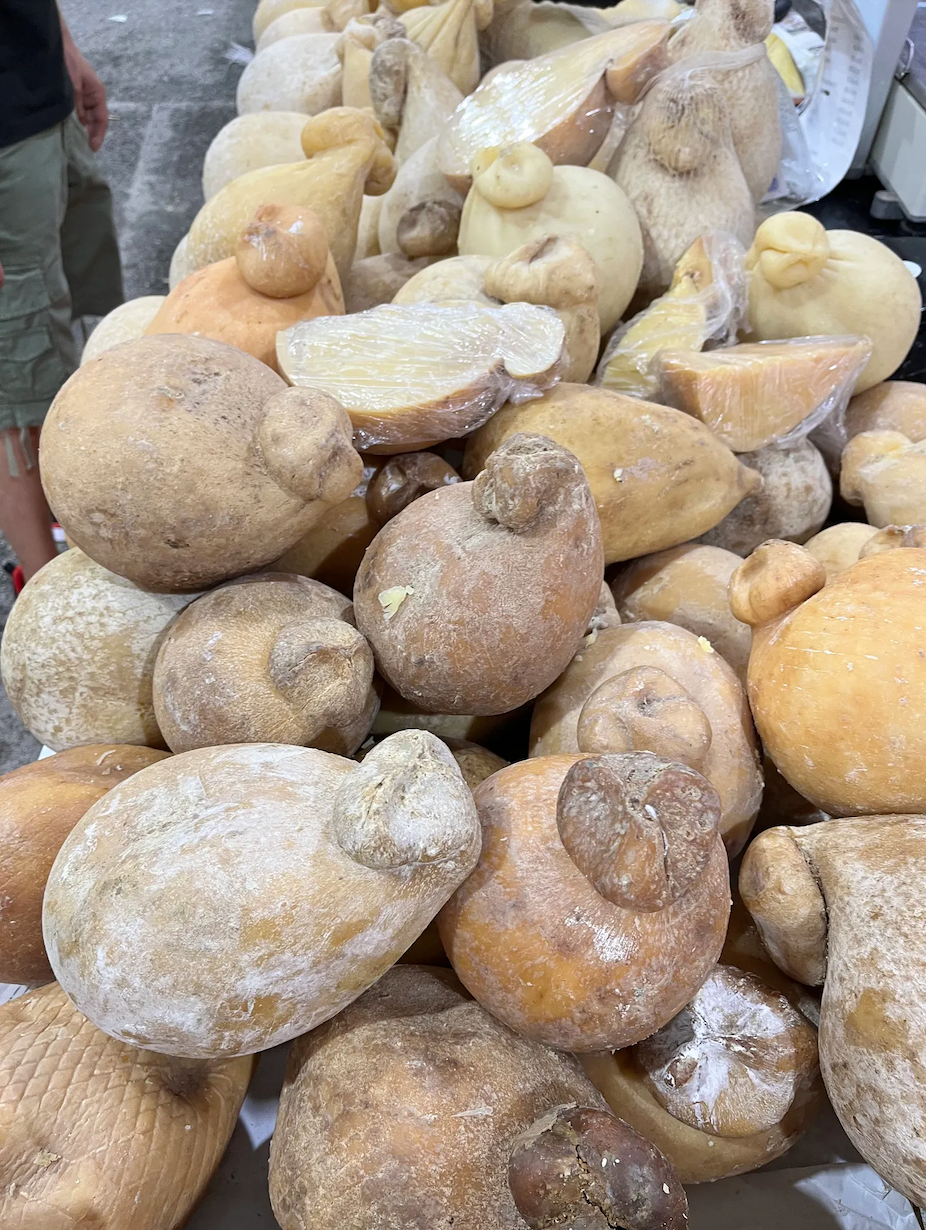
◉ Various cheeses at the cheese festival.
During those days of the cheese festival, the streets and squares of Bra became cheese markets. Behind each stall stood producers from different countries. The air was filled with a blend of milky and herbal scents, a smell that belonged only to this place and could never be found in any supermarket.
I liked that year’s cheese festival theme, “C’è un mondo interno”—the world is right beside you. The joy of being absorbed in learning about food lies here: from a single small bite of food, countless topics extend outward. An old man from Sardinia was explaining why his sheep only eat a certain kind of wild grass, and a student stood beside him taking notes. Walking through the market, it felt more like an open classroom than a market.
And yet, this was not the kind of classroom we usually see. After giving a speech, Carlin would take students and visitors from different places to sing and dance. A man in his seventies was dancing merrily to joyful Italian folk songs in the crowd. That joy and energy were given without reservation, and in that moment I could understand why so many people had been inspired by him.
Is Slow Food Really Just Elitism?
At that year’s cheese festival, I attended several forums. It ought to have been a place where diverse voices came together—with producers, researchers and activists from more than a dozen countries in the audience—but over and over, the sessions were taken up by long monologues from a few Italian men. Up on stage, they cued each other, their voices growing louder and more self-indulgent.
It was not until the event was nearly over that the host passed the microphone to a shepherdess from Macedonia. She had about five minutes. She showed a few photographs: a flock of sheep on the hillside, a stone-built hut, and her making cheese with her children. She spoke in halting English—her words concise and poetic—with a quietness that only those who have truly lived on the land possess. Those five minutes were the most rewarding moment of my days there. But as I walked out, I was left with a mixture of feelings.
After that, I kept wondering: how could Slow Food give me these two starkly different experiences in the same place?
Criticism of the Slow Food movement has never gone away: it seems to carry a kind of Italian-centrism, the arrogance of treating the food traditions of a particular region as the standard. Genuinely good, clean and fair food often means a higher price in real life, and not everyone can afford this “fairness”.
Carlin himself was far from unaware of the criticism of elitism. In interviews, he repeatedly stressed that Slow Food is not about turning food into a luxury, but about changing society’s overall prioritisation of food. His intention was never to cater to the wealthy. But how does one put this into practice and reflect on one’s own class position and cultural biases? Perhaps that is the part he leaves for us to continue thinking about.
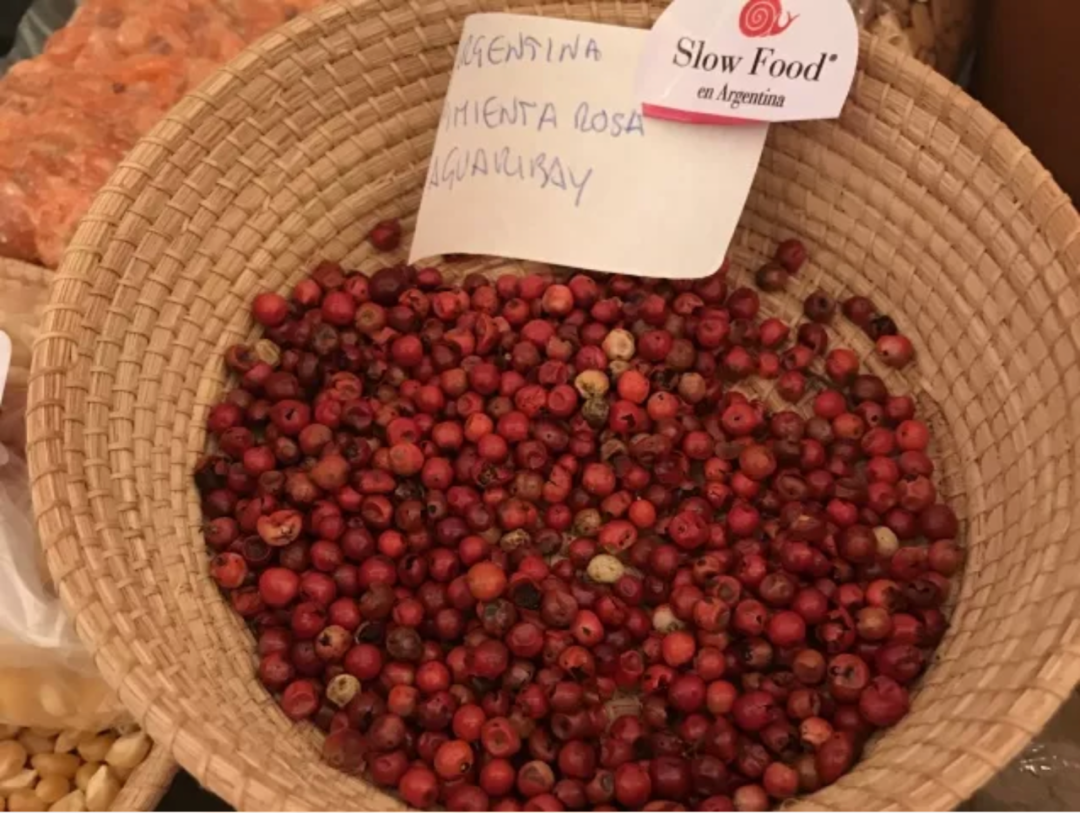
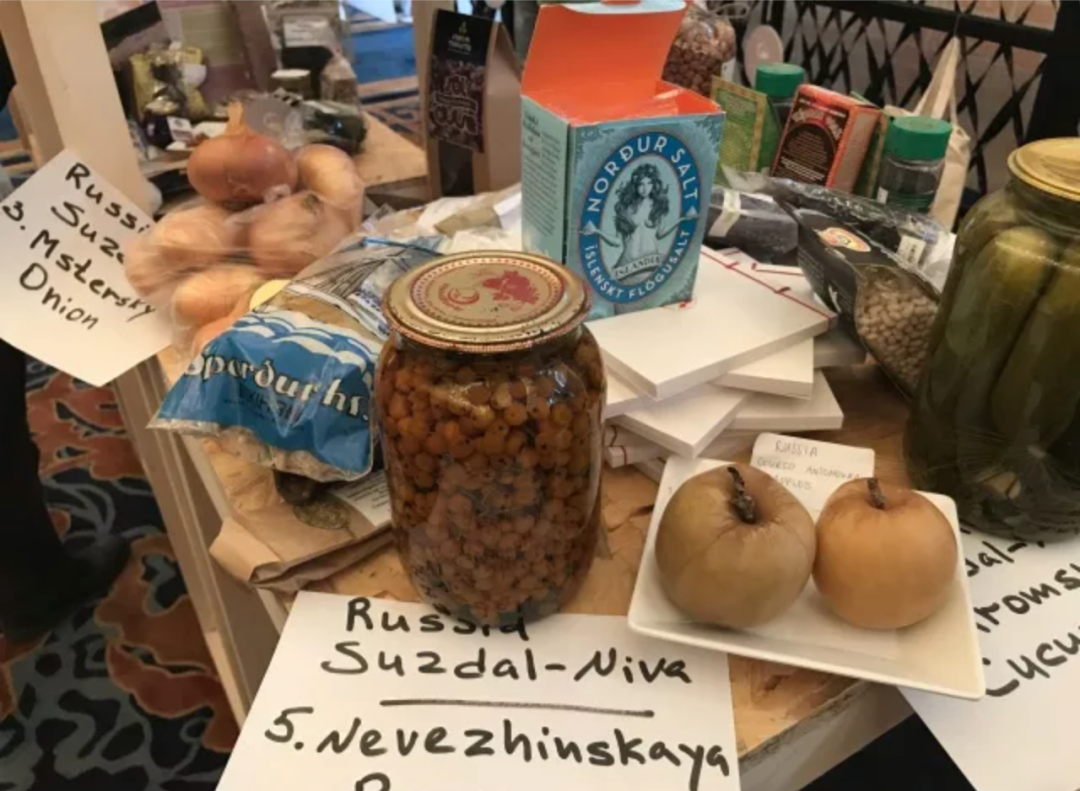
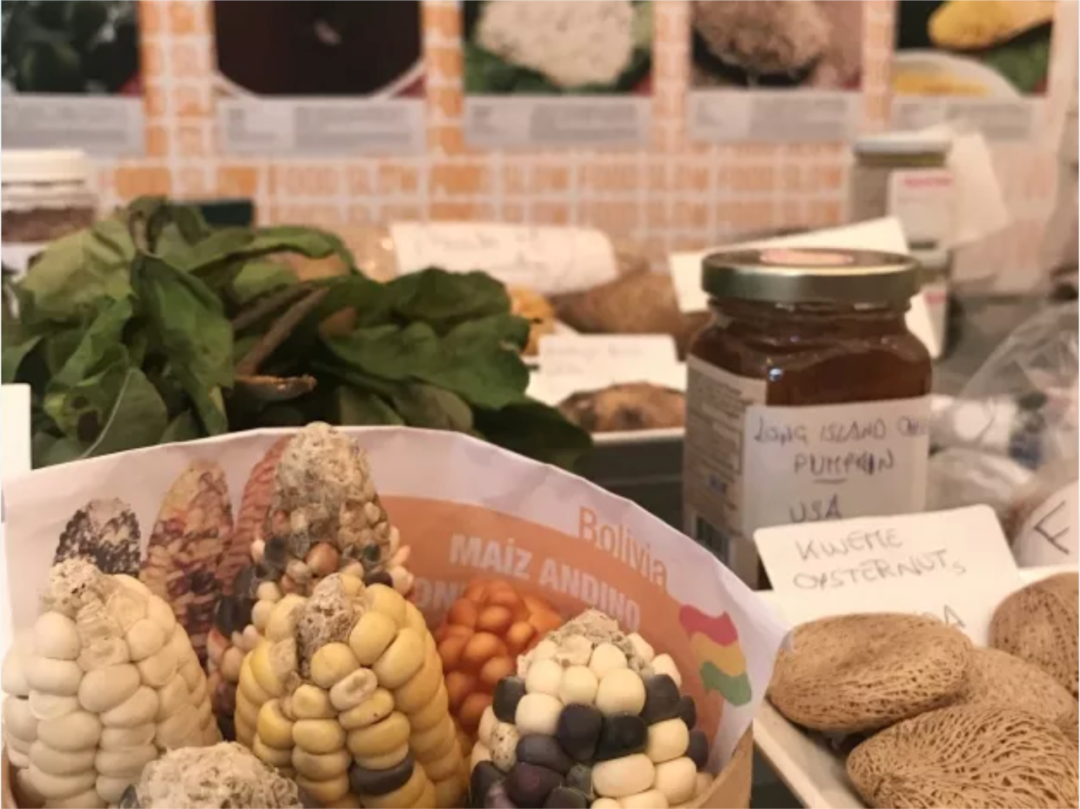
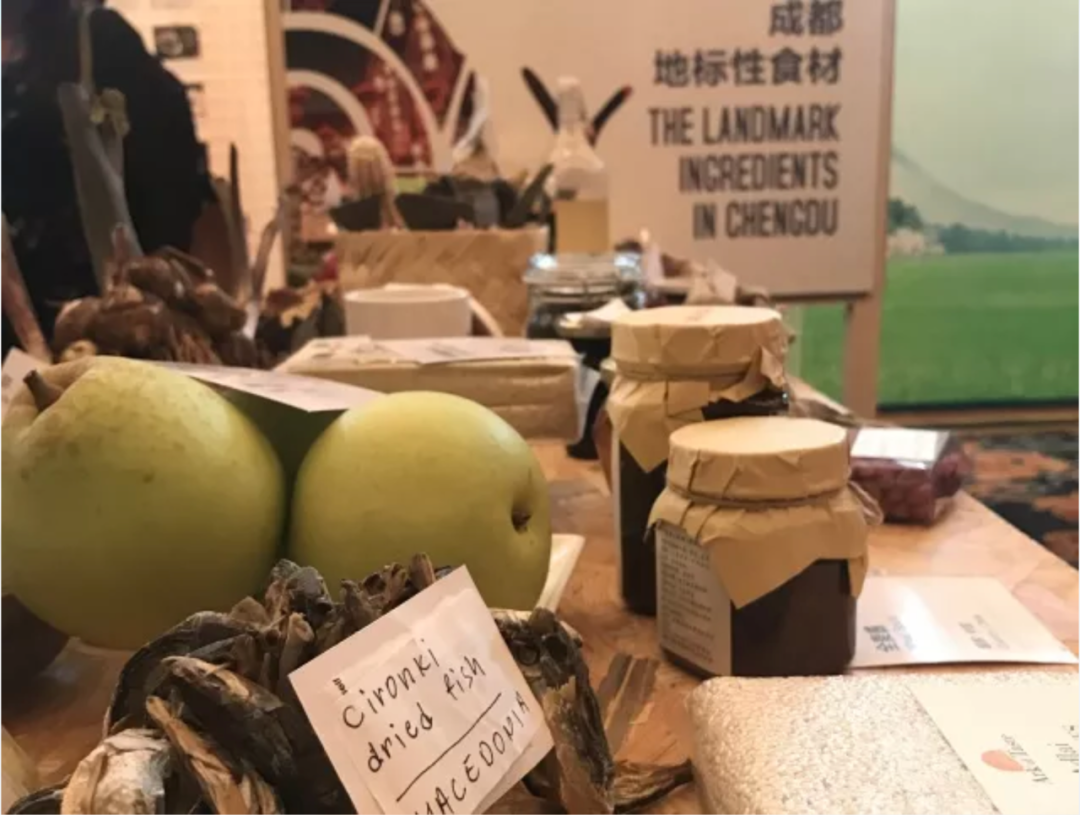
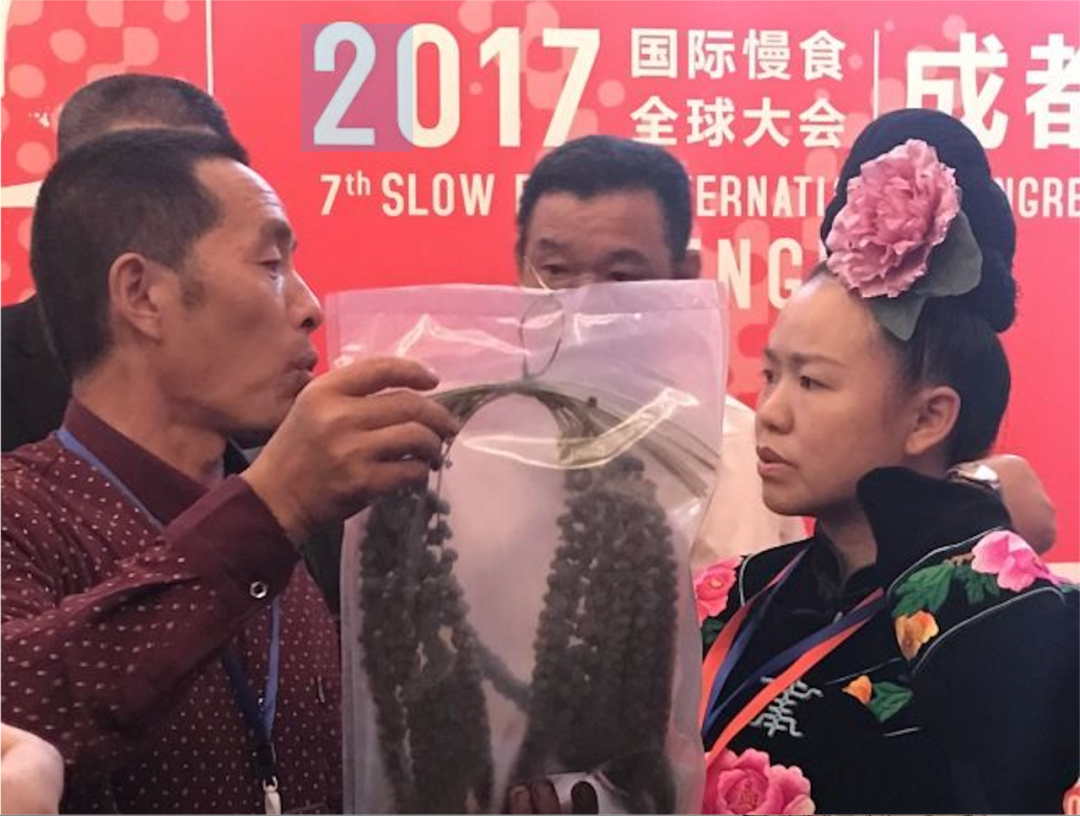
◉ In 2017, Foodthink took part in the Slow Food movement’s event in Chengdu. At the Ark of Taste stand in the exhibition area outside the opening ceremony venue, there were nearly 100 time-honoured foods and ingredients unique to different parts of the world and different peoples. If these foods and ingredients, each with its own national, regional and ethnic character, are not properly promoted or strictly protected, they are very likely to fade away—either through the depletion of natural resources or the loss of diversity in local ways of life. Swipe left and right to see more photos.
The Piano’s Lingering Echo Drifts,
The Movement Still Awaits Completion
Bra is a small city; it takes no more than 20 minutes to walk anywhere, which means that people live close to one another. My classmates and I often ran into Carlin in town, and although he could not speak English, that did not stop him from communicating with students from all over the world, because he communicated through food. As soon as you said you were a student at the school, he would stop and, using Italian and gestures, ask, “What have you been eating lately? What did you buy at the market? What have you been up to lately?” He was as warm as a neighbour.
One winter, during a heavy snowstorm, a group of us students gathered under a covered walkway in central Bra, waiting for the snow to stop. Carlin passed by, saw us, waved cheerfully and said, “Come to my place for a drink.” And so a group of students went into his house, opened his wine cabinet, and gathered to drink and chat, while the snow outside the window fell quietly.
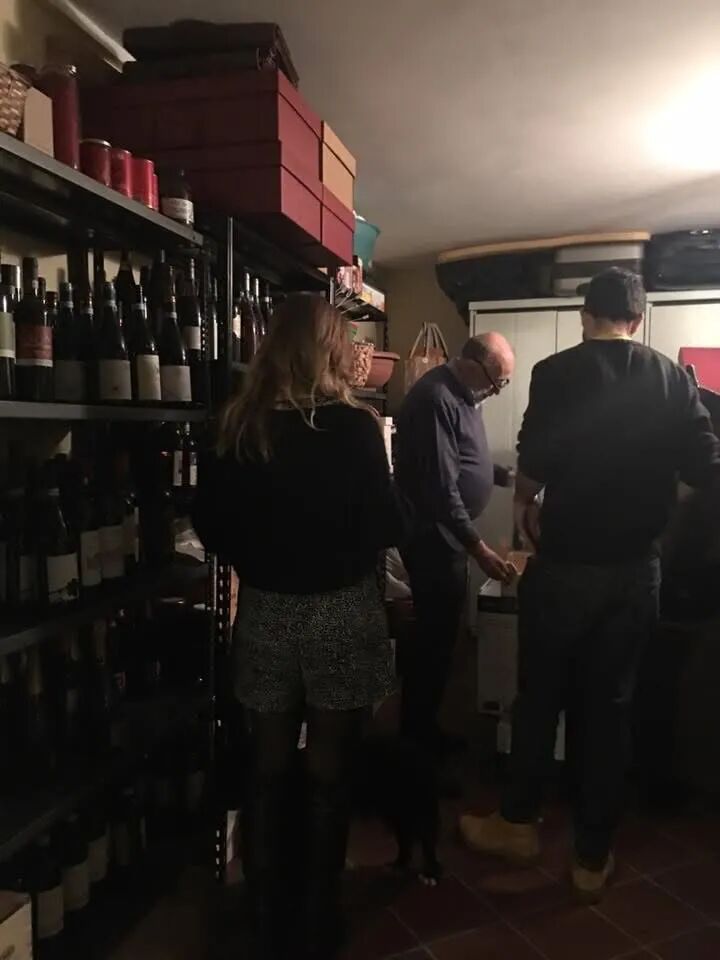
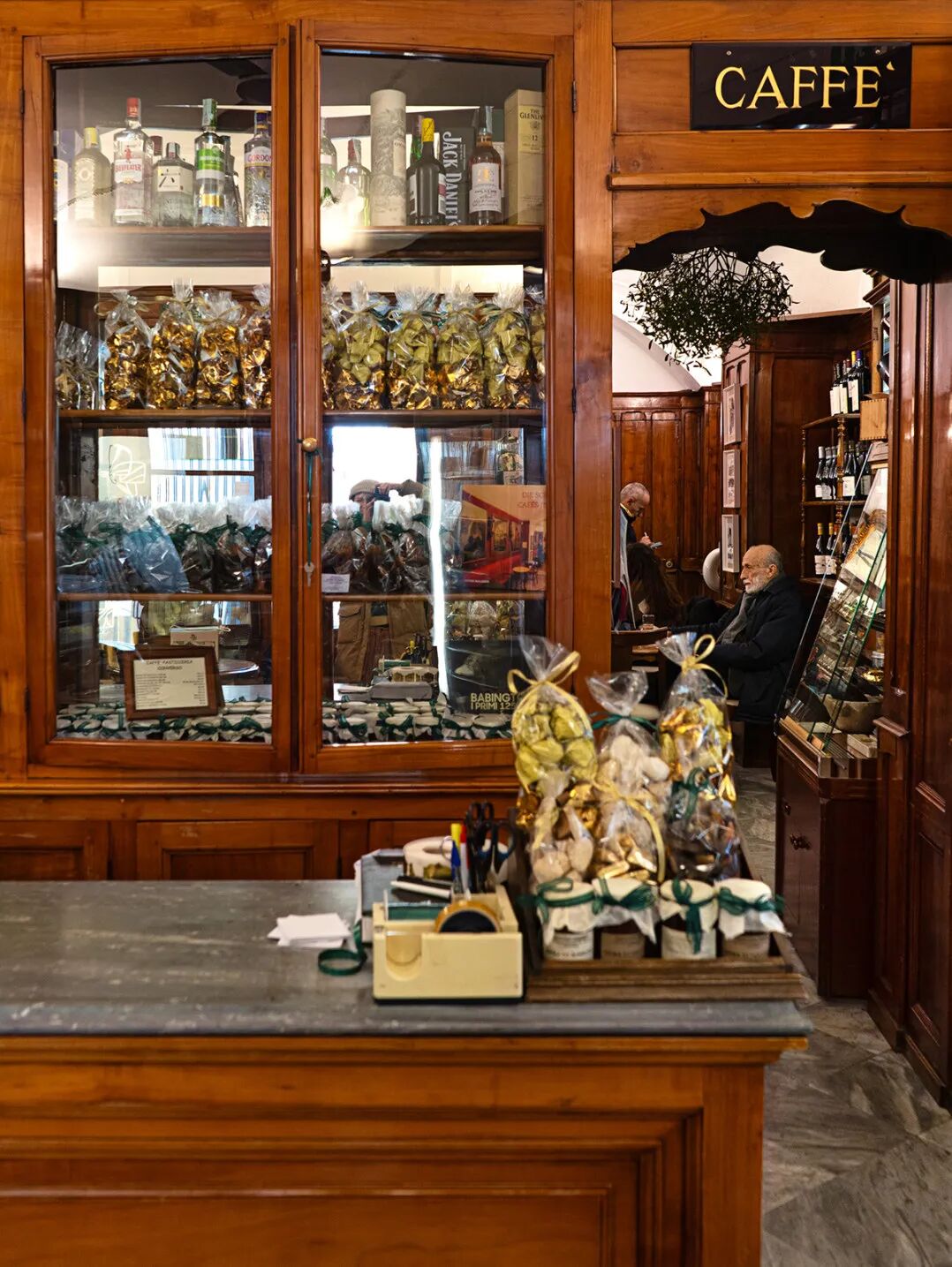
◉ Left: a heavy snowstorm brought students together at Carlin’s house for drinks; right: the café where we met Carlin.
The last time I saw him was a year ago in a café in central Bra. I joked with him: “In Italy, if you order a cappuccino in the afternoon, do people really glare at you?” He burst out laughing, got up, went to the counter and ordered me one, and when he came back, he said, “If you want one, have one!” At that moment, hearing his hearty laugh, I thought: this little city of Bra is really like a time capsule—the cafés are no different from those depicted in 19th-century posters, and in the street you would often run into the shopkeepers and teachers we knew well.
Carlin often said, after a talk or a class, “Now it is your turn to step forward.” At the time, I was very confused about what I could do.
After finishing school, I drifted for two years across different countries and regions—learning about soil on an organic farm, working in a café, cooking in kitchens, and, for a while, delivering food. This experience of learning through work felt like a practical extension of “Slow Food”. Perhaps I am still not quite up to the task of inheriting a “Slow Food spirit”, but at least I am on my way.
But I believe that the Macedonian shepherdess’s five minutes should also become part of Slow Food’s transformation. The voices that were given too little time, the people who were not on stage, the practitioners excluded in the name of “tradition”—what the Slow Food movement leaves us is not only what it has already accomplished, but also what is still unfinished, and even what it has avoided.
For once the piano pedal is pressed, the lingering echo will go on drifting.
Ciao Carlin, buon viaggio! Goodbye, and may your next journey be smooth.
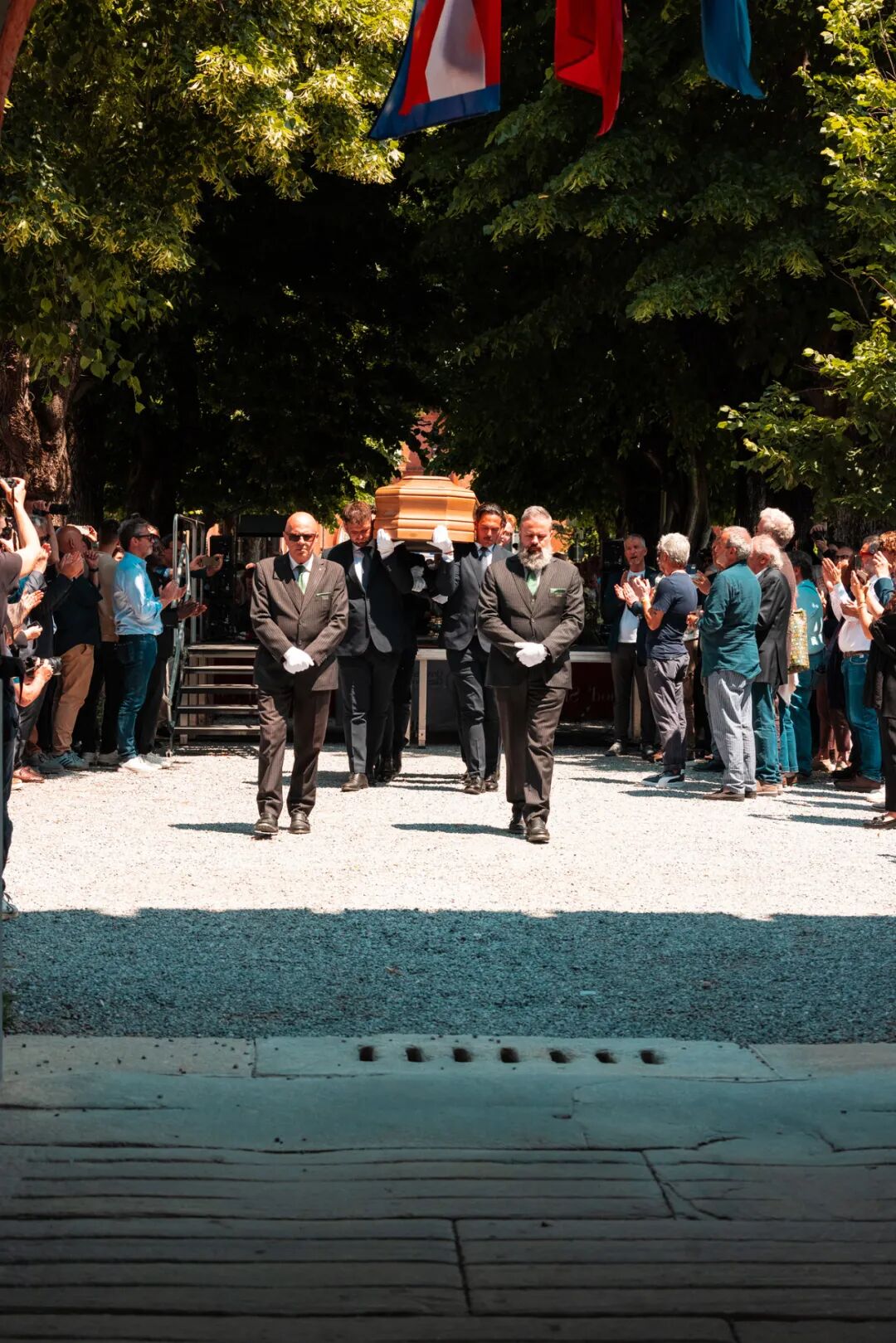
◉ The school commemorates Carlin’s passing. Image source: @slowfoodinternational
– This is Foodthink’s 810 th original article –
Foodthink
Author
Renso
A South-East Asian “Sanhe god”, full of curiosity about food I haven’t tried.
Unless otherwise noted, all photographs were taken by the author.
Editor: Pei Dan
Layout: Xiao Shu
▼
Click the images to read related articles.