The world’s table begins with China’s small pulses 10 February 2025 marks the seventh World Pulses Day. This year’s theme is “Pulses: Bringing Diversity to Agrifood Systems”. Grow pulses, eat pulses; diverse farming, healthy living. Soya beans, edamame, and black beans are common staples on the dining table, yet all…
Three months interning at Guixinyuan Farm in Huizhou — weeding, feeding chickens, studying weeds — then touring farms in Guangdong, Guangxi, and Beijing, Zejun found ecological agriculture offers no single right answer: only a spectrum, and a way of thinking.
I. Returning to 2011 The reserve’s shuttle stopped by the side of a narrow concrete road, flanked by karst limestone mountains that seemed strangely familiar. We passed through a sugarcane grove; in fact, countless bare stone peaks in the area are surrounded by sugarcane. Unlike the black-purple skin of fruit…
In this episode, Food Talk host Tianle joins Sijia from “100 Ways of Living” for a special crossover conversation. This marks the first time Tianle discusses her journey on the podcast—how she transitioned from a media professional with a degree in international journalism to a public interest worker dedicated to…
Foodthink Says How many people can commit to a single endeavour for a decade? The Nanning Urban Farmers’ Market is one such example. Since its inception in 2013, it has now entered its eleventh year. Held every two months, each market attracts dozens of vendors selling ecological produce from Guangxi—the…
Eighty years ago, Albert Howard warned that chemical fertilisers would sever the mycorrhizal network sustaining the soil; Swiss research later confirmed no mycorrhizal keystone species could be found on conventionally managed farmland. Under chemical fertilisers and pesticides, can ancient underground symbiotic relationships open another path for agriculture?
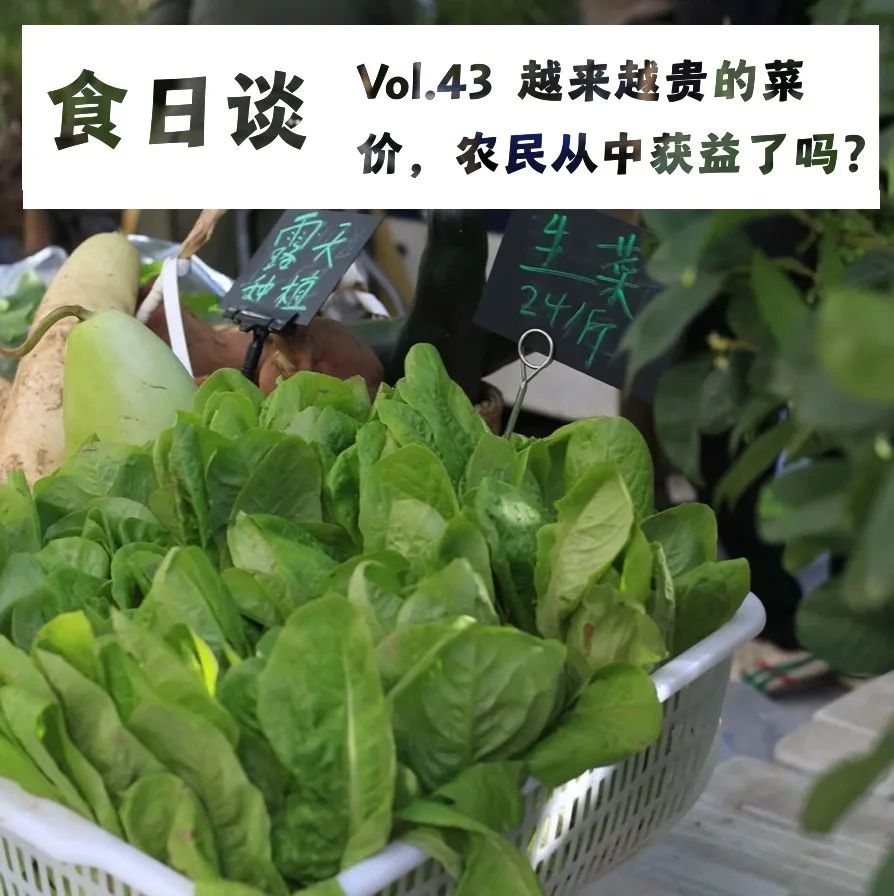
This year, whether in the city or the countryside, the rising cost of vegetables is on everyone’s lips. Yet, while we complain about inflation, the farmers in the fields are facing unprecedented challenges. Few stop to ask: why are prices rising like this, and are the farmers actually making…
Beijing University of Agriculture graduate Wu Longlong, back in Gansu’s Ning County since 2015, free-ranges black pigs beside Ziwuling Reserve at half a jin maize each daily. This spring, the Beijing Organic Farmers’ Market headed up to see mountain-roaming pigs sharing a ridge with the North China leopard.
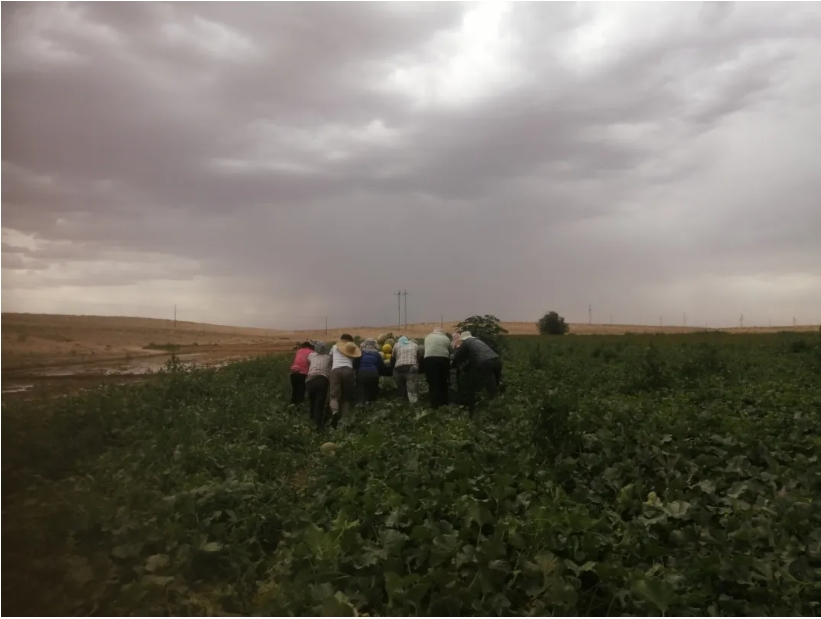
In the desert fields beneath the Helan Mountains, one rainstorm cracks the honeydew melons, and a dozen or so shared meals and quarters test an introvert’s endurance. Yet the silver glow of Russian olive trees and the Milky Way overhead give a reason to stay and farm.
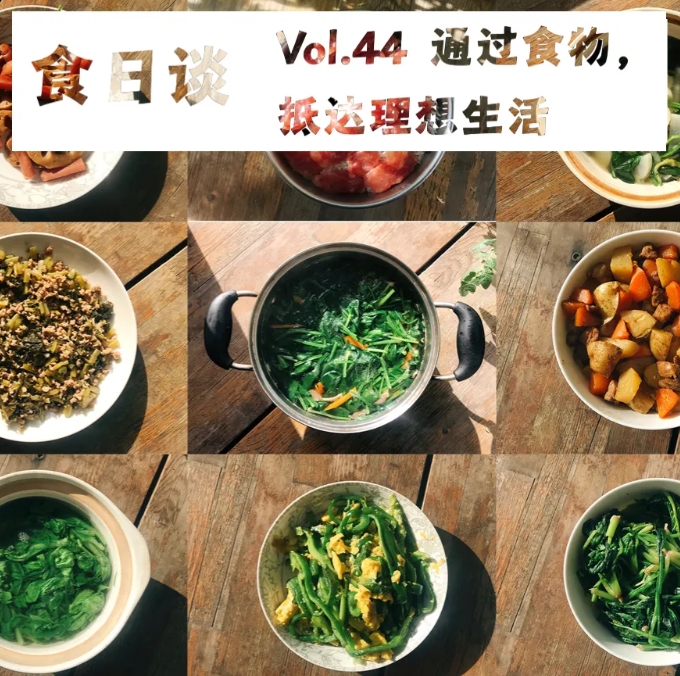
From the short crop at Hu Xuemei’s farm on Chengdu’s outskirts to radish greens at the Longquan Green Vegetable Shop, Chengdu freelancer Xia Lili’s ecological Little Dining Table and the community vegetable shop show how everyday vegetable shopping becomes a healing space for residents.