
Rising vegetable prices: have farmers benefited? | Food Talk Vol. 43

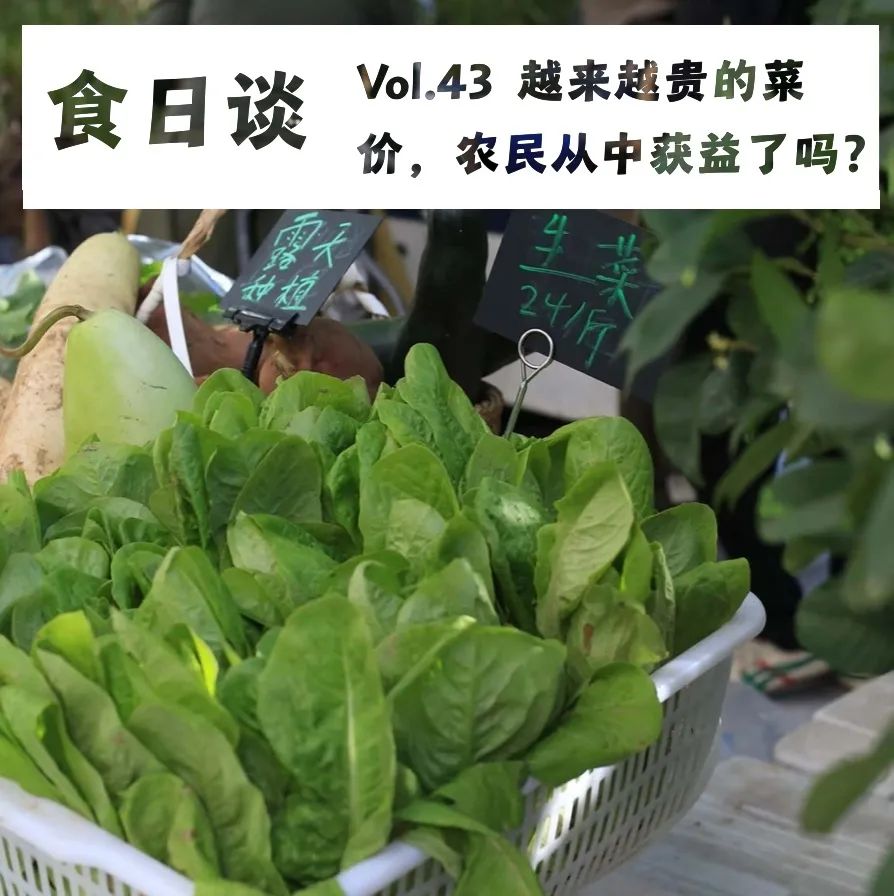
Yet, while we complain about inflation, the farmers in the fields are facing unprecedented challenges. Few stop to ask: why are prices rising like this, and are the farmers actually making more money—or losing more?
In truth, behind the rising cost of produce may lie a story about climate change.
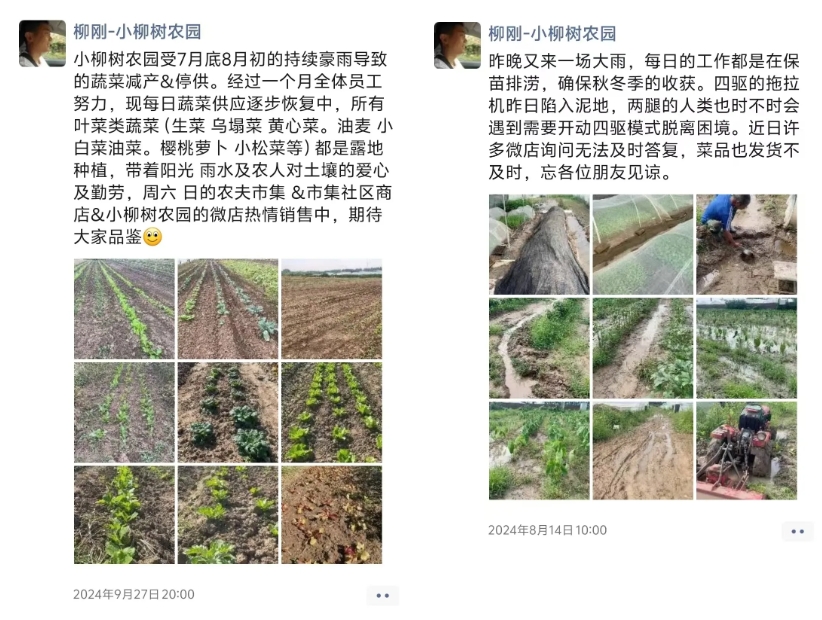
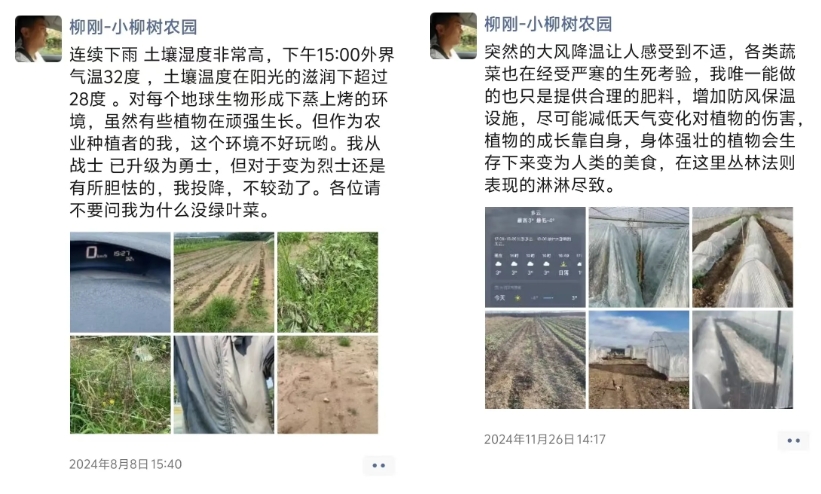
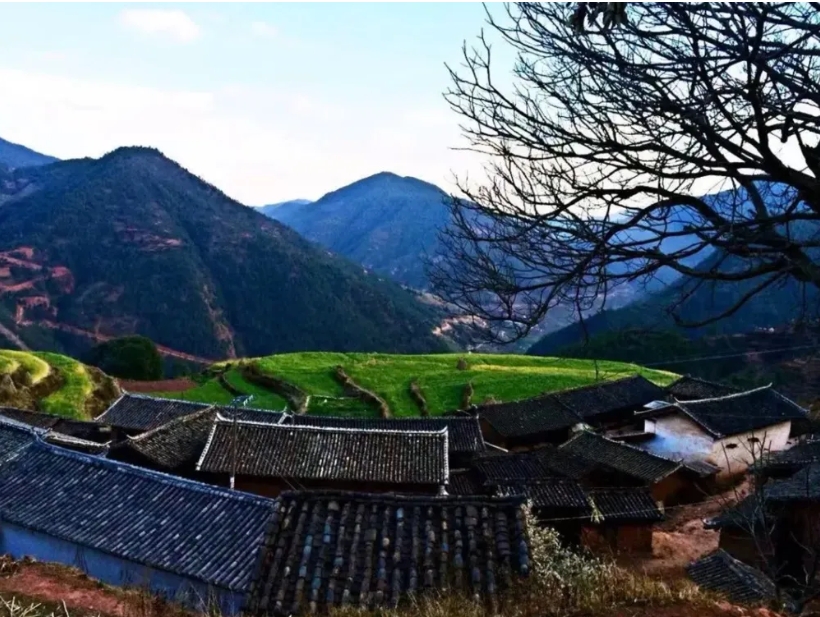
In this episode of the Food Talk podcast, we have invited three farmers from Beijing and Yunnan: Wen Zizi, a nature educator in Beijing living a “semi-farmer” lifestyle; Liu Gang, who farms on the outskirts of Beijing; and Kang Li, a young woman who returned to her roots in Yunnan. Together, they bring us a deep conversation about farmland, vegetable prices, and extreme weather.
We discovered that as climate change moves from the news headlines into our shopping baskets, farmers have become the front-line chroniclers:
■ From torrential rains stripping apricot trees bare to droughts cracking reservoirs, their stories reveal how agriculture seeks a way to survive under the shock of climate change;
■ Liu Gang shares how he mitigates climate impacts by planting taro and digging drainage ditches;
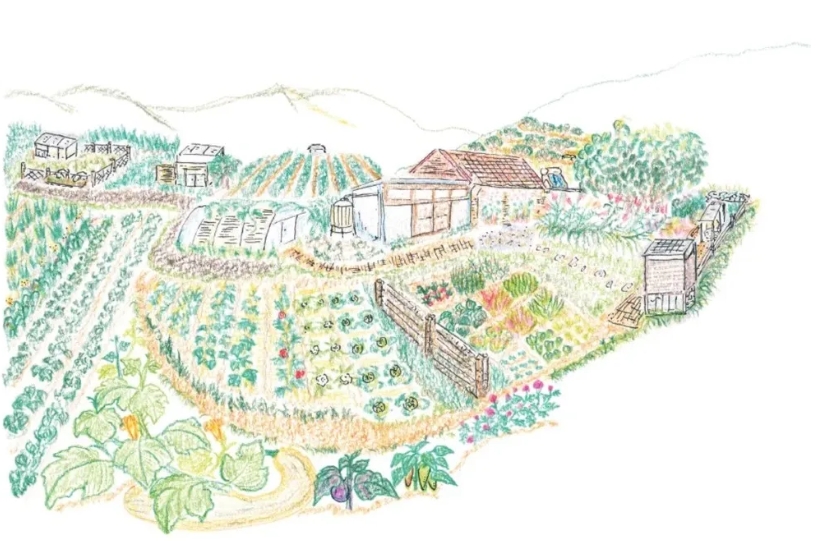
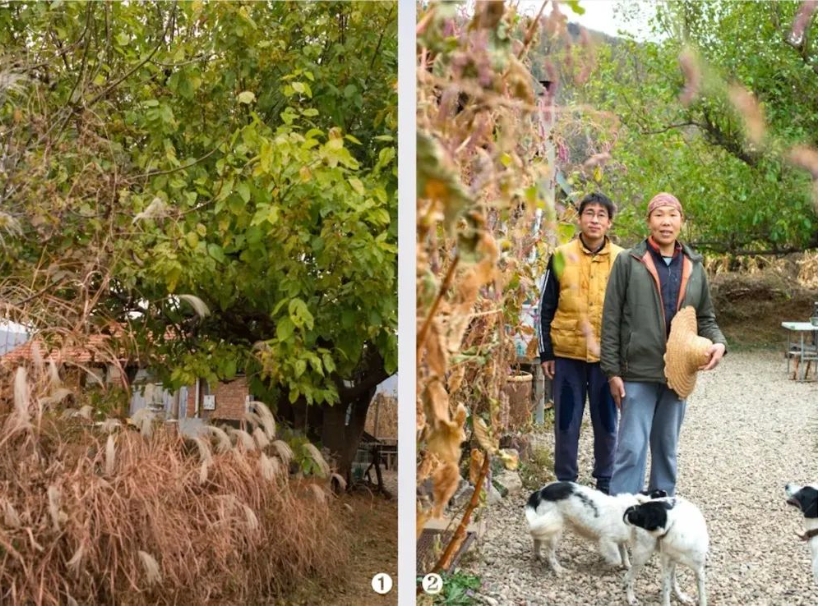
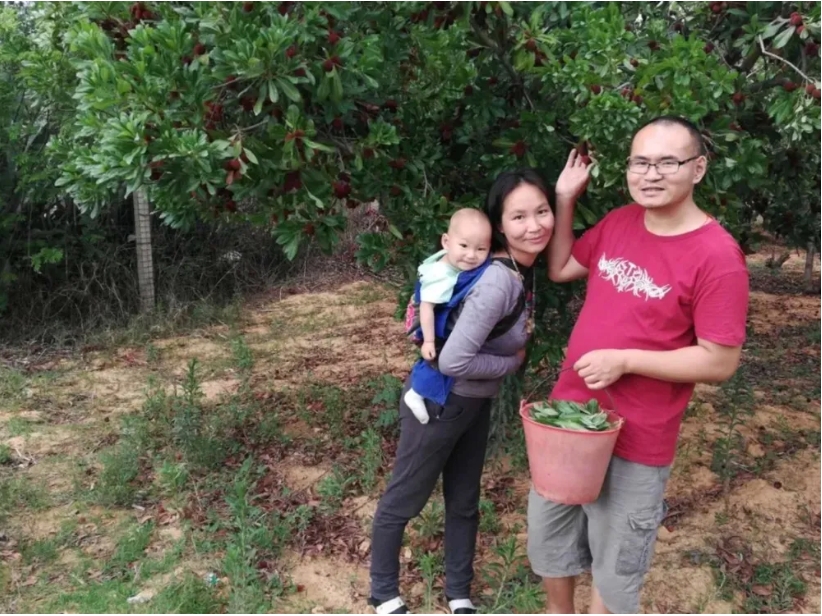
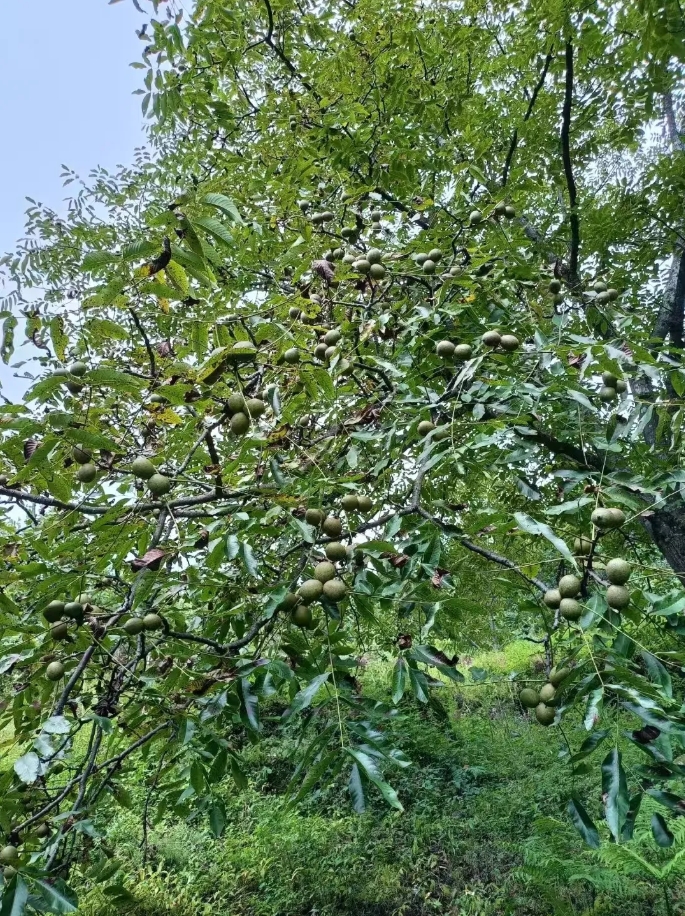
■ Kang Li takes us into an ecological orchard in Yunnan to explore how grass cover protects the health of fruit trees;
■ Wen Zizi uses the wit of a traditional cross-talk performance to explain the science behind why “bean pods won’t bloom”.
This episode also gets to the heart of the truth behind “price fluctuations”:
■ Why do farmers struggle to make a profit while consumers feel that vegetables are becoming increasingly expensive?
■ Can ecological agriculture provide a possible answer to climate change?
■ Will the price of vegetables keep rising?
Through this programme, we hope readers can understand how climate change affects our food baskets and agriculture, recognise the effort and resilience of our farming friends, and rethink how we, as consumers, can support a healthier, more sustainable agricultural future.
Join us and listen to this fascinating conversation about the land, the garden, and the future!
Guest/s of/this/episode
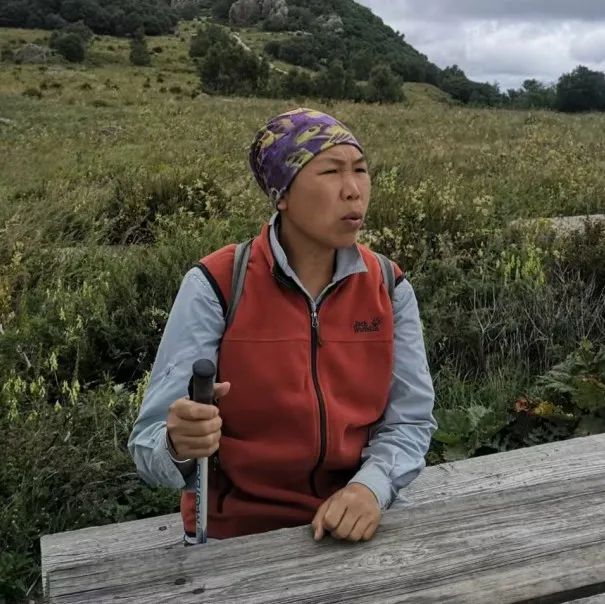 Zhang Hehe (Nature name: Wen Zizi)
Principal of the Gaia Nature School (Friends of Nature) and co-author of “Rooted yet Refined”. A graduate of the Biology Department at Capital Normal University, she later earned a Master’s in Environment and Development in Norway. With twenty years of experience in environmental education, she has won the admiration of children through her extensive biological knowledge and her ability to explain complex concepts simply. She currently manages the Gaia Worth Garden, combining ecological agricultural production with conservation to rebuild the connection between humans, nature, and the land through environmental education.
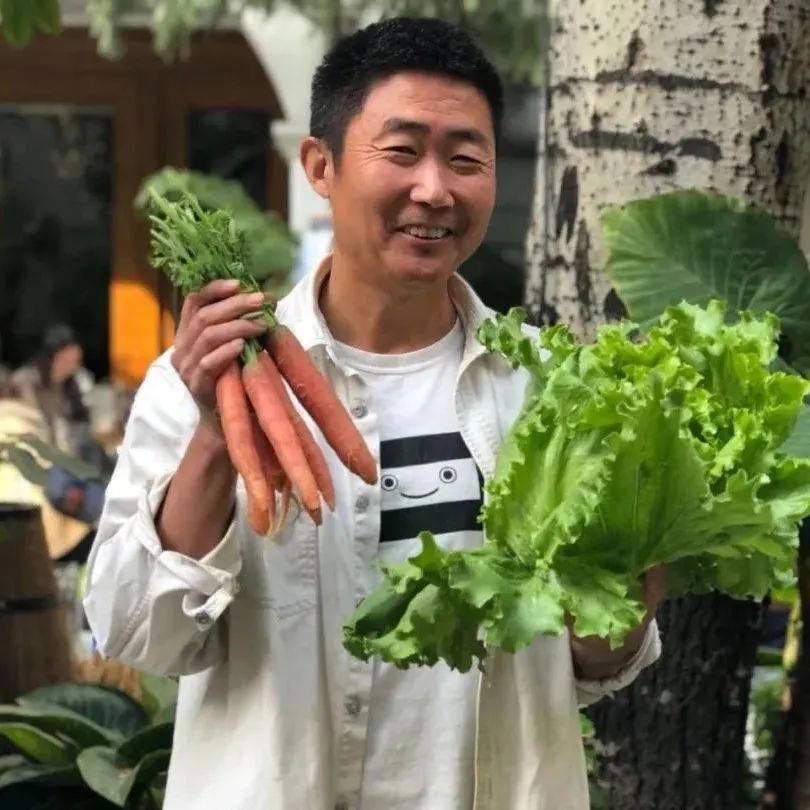 Liu Gang
Born in the mid-60s, Liu worked for many years in a Japanese company. Seeking a career without a “glass ceiling”, where he wouldn’t fear unemployment and could continue working until he was 80, he spent years self-studying organic agriculture. In 2013, he founded “Xiao Liushu Farm” in Shunyi, Beijing, dedicated to producing safe, reliable, delicious, and environmentally friendly organic vegetables and farm produce.
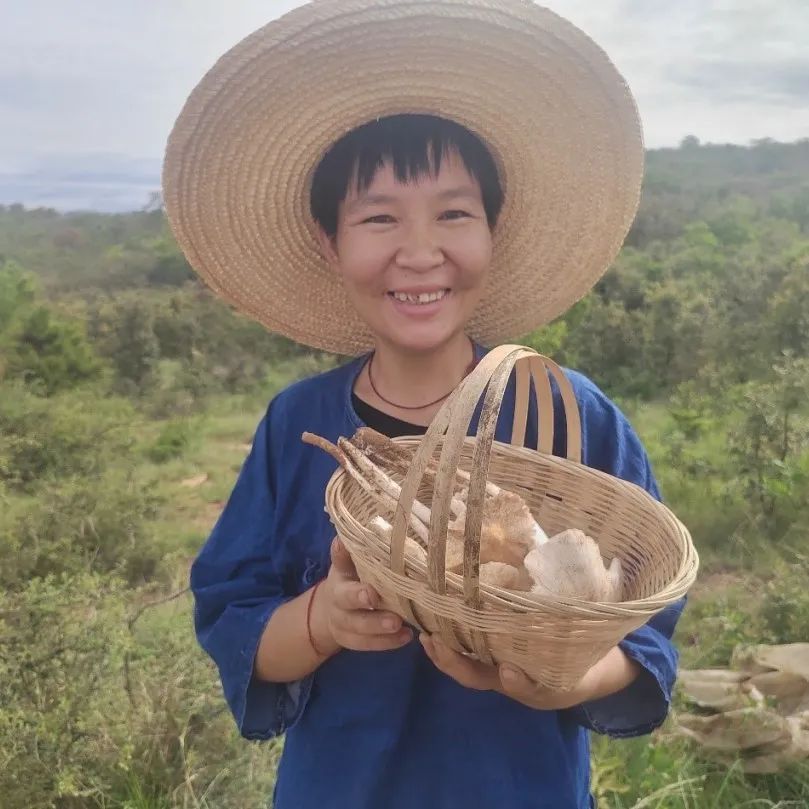 Kang Li
A young woman of the Yi people born in 1992, she returned to her hometown in Chuxiong, Yunnan, to found the “Kaixin Jiayuan” (Happy Home) farm and cooperative. At the end of 2015, she and her husband moved from Beijing back to Chuxiong to start their venture. Driven by a love for agriculture and rural life, she decided to root her life in the soil. Over the past nine years, she has organised local cooperatives, established a Yi embroidery association for local women, coordinated the sustainable harvesting of wild mountain produce by smallholders, and developed sales channels and platforms for local specialties. She also advocates for the reduction of pesticides, chemical fertilisers, and herbicides in the countryside, striving to preserve as many local seed varieties as possible.
Host/of/this/episode
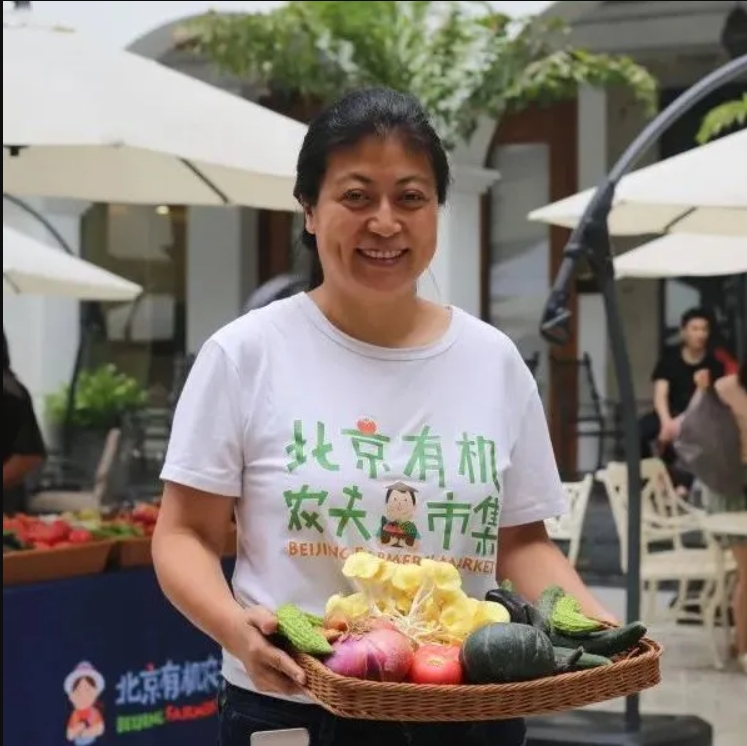 Tianle
Founding Editor of Foodthink and organiser of the Beijing Organic Farmers Market.
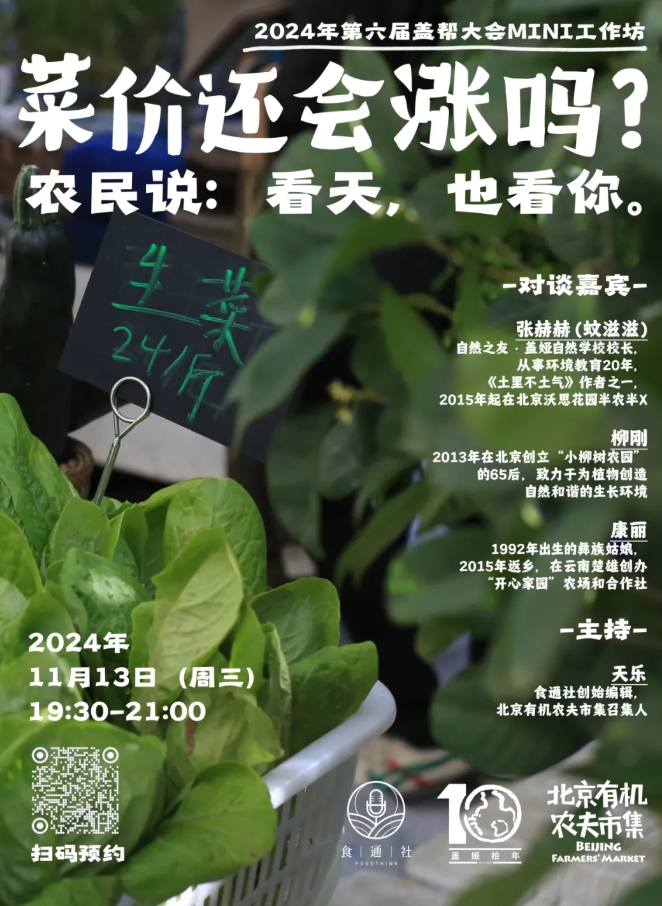
Timeline
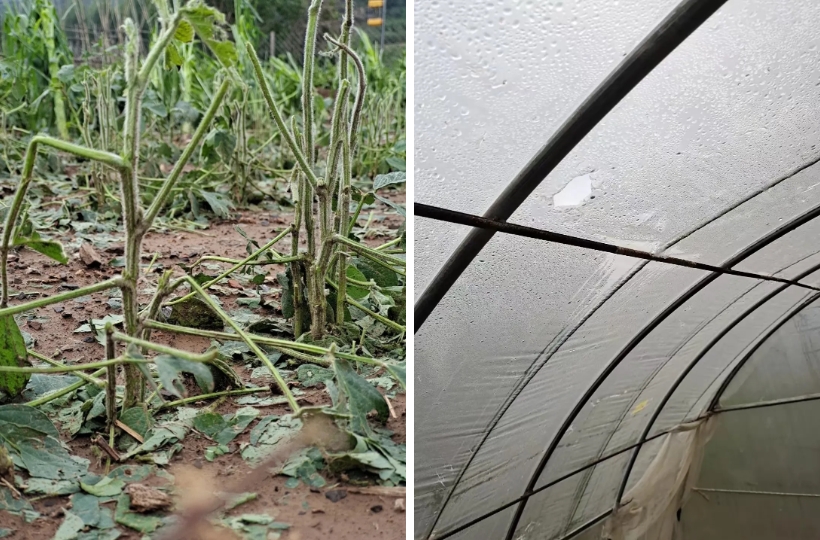
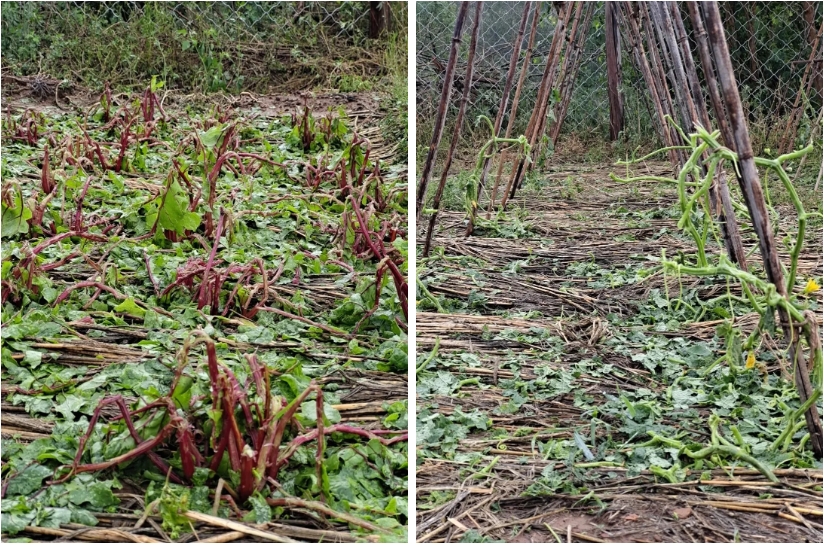
02:28 The power of the climate: How extreme weather affects crops—true stories of hail, torrential rain, and drought.
15:16 Discussing the impact of extreme weather on production costs: From investments in planting equipment to improving soil resilience. How much money and effort are farmers pouring into this?
20:40 Despite the severe impact of extreme climate, why haven’t the prices of vegetables from many small-scale ecological farms risen?
24:08 The vegetable price myth: Prices are up, but farmers aren’t making money? Listen to the frustrations and the perseverance of the farmers.
29:20 Opportunities for ecological agriculture: The “unbeatable” nature of ecological farming—how healthy soil and crop diversity reduce climate-related losses.
45:16 The power of consumption: It sounds good in theory, but would you buy “ugly” land vegetables? How do consumer choices shape the future of agriculture?
53:14 Will vegetable prices continue to rise? Facing climate challenges, the farmers discuss the pricing and future of ecological produce.
Scan the QR code below
On Xiaoyuzhou | Ximalaya | Lizhi | Apple Podcasts
Subscribe to the 「Food Talk」 podcast

You are welcome to leave a message in the comments section of any podcast platform; we will reply periodically.
Scan the QR code below to add Foodthink’s secondary WeChat account, and please include the note “Food Talk” to join the podcast listener community group.

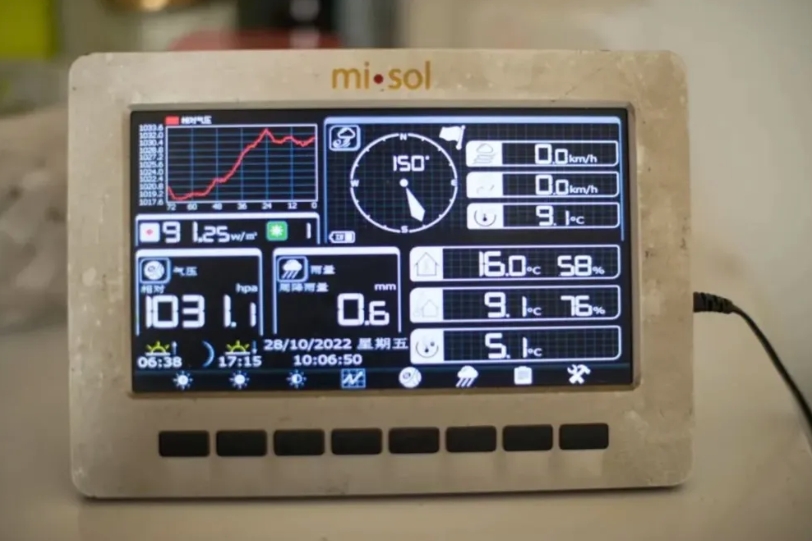
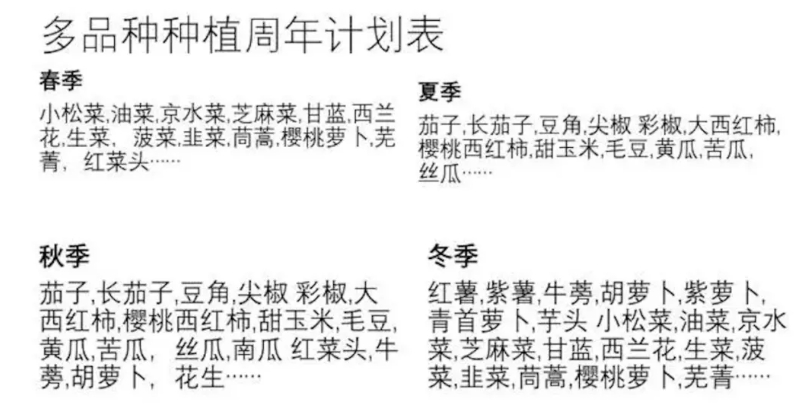
Images in this article provided by the guests
Podcast Creative Team
Programme Music: Ba Nong
Production: Xiao Jing
Planning: Tianle
Editing: ZX, Tianle
Contact Email: [email protected]