
Learning to Grow Paddy Rice in the Village: 2.6 mu of Ecological Rice and a Loss of Nearly 5,000 Yuan
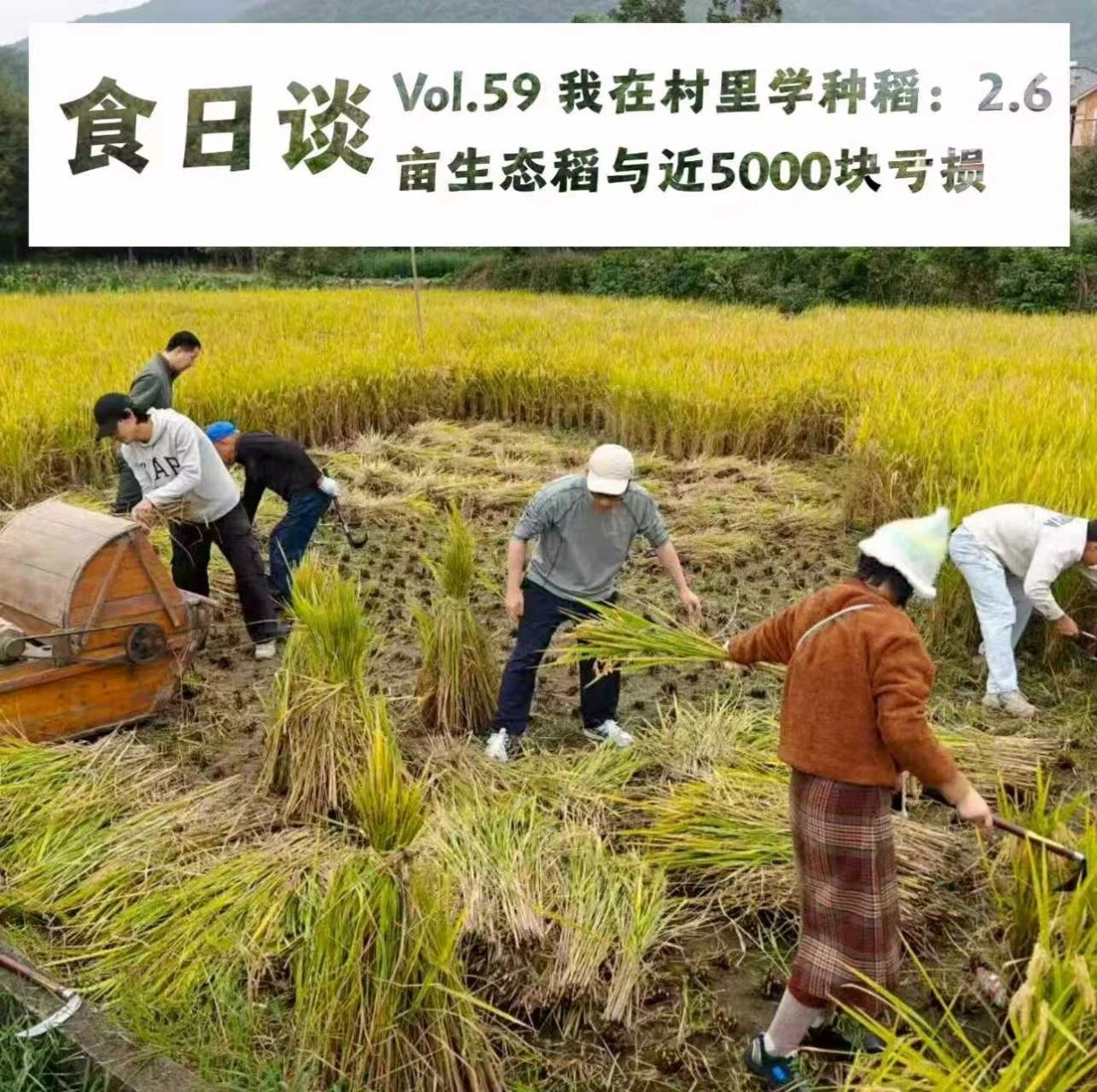
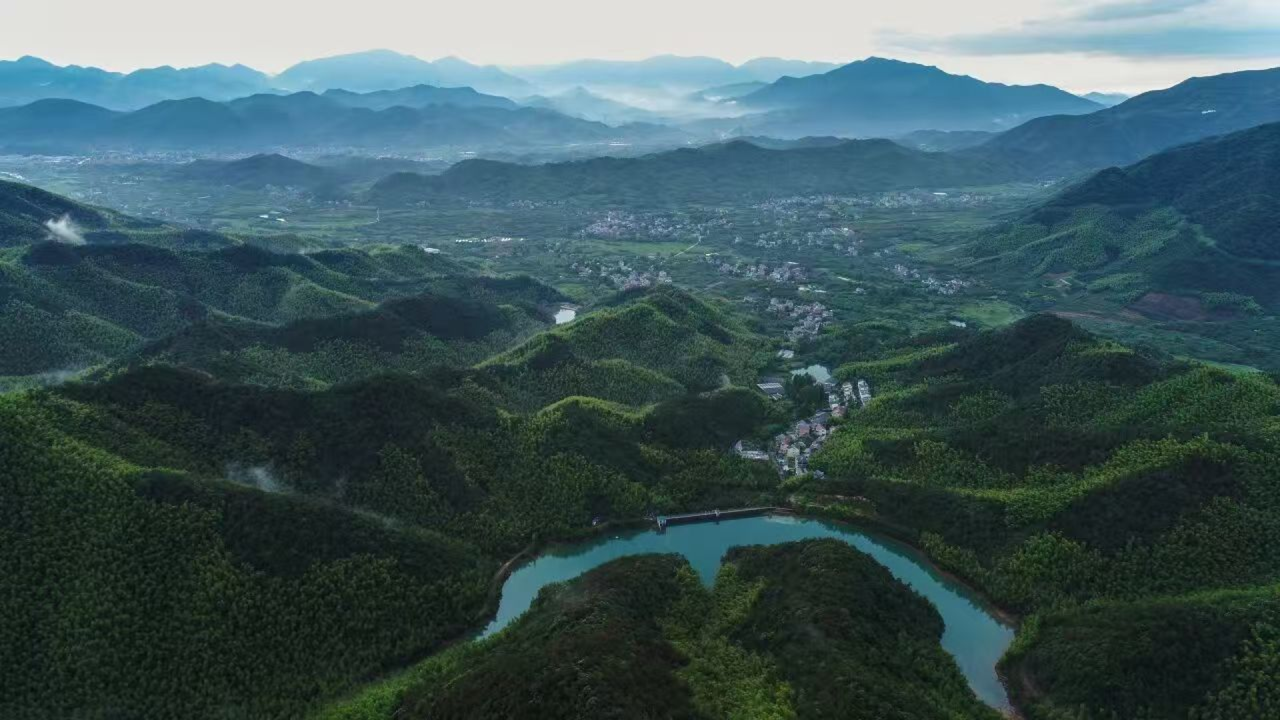
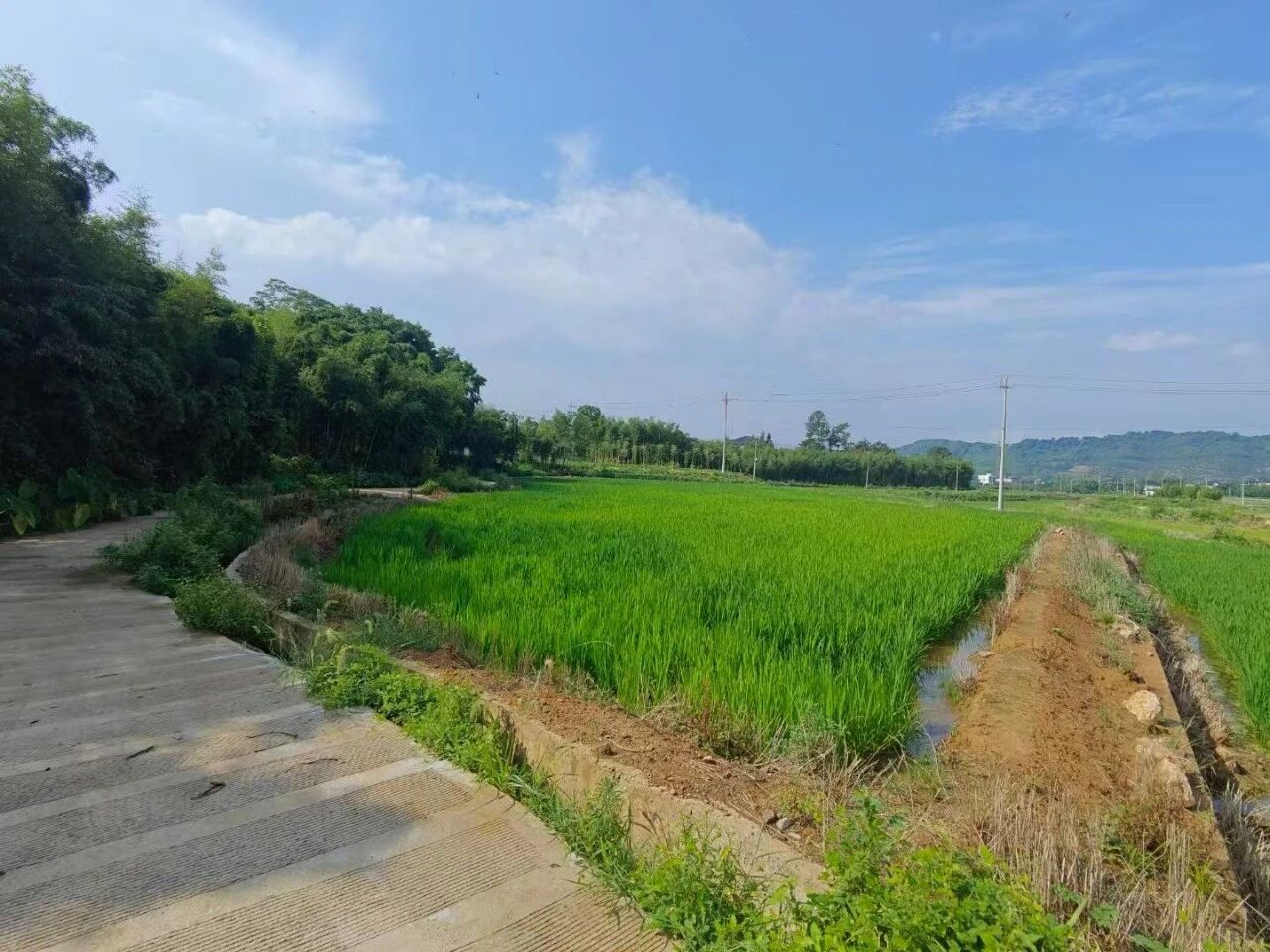
Chen Jingjing, who has received formal training at an agricultural university and has long been engaged in rural construction research, made a “counterintuitive” decision this year: to put down roots in Qingshan Village, Hangzhou, and take on a full season of genuine ecological paddy rice growing.
This is by no means a superficial conceptual experiment; it is a head-on confrontation between ideal and reality.
Chen Jingjing is not entirely unfamiliar with growing paddy rice. He has spent almost his whole life working with the countryside. Born in a small mountain village in central Zhejiang, he grew up in a family that practised sericulture, grew paddy rice, and processed honeyed jujubes. But actually working in the field to grow paddy rice was the first time in his life.
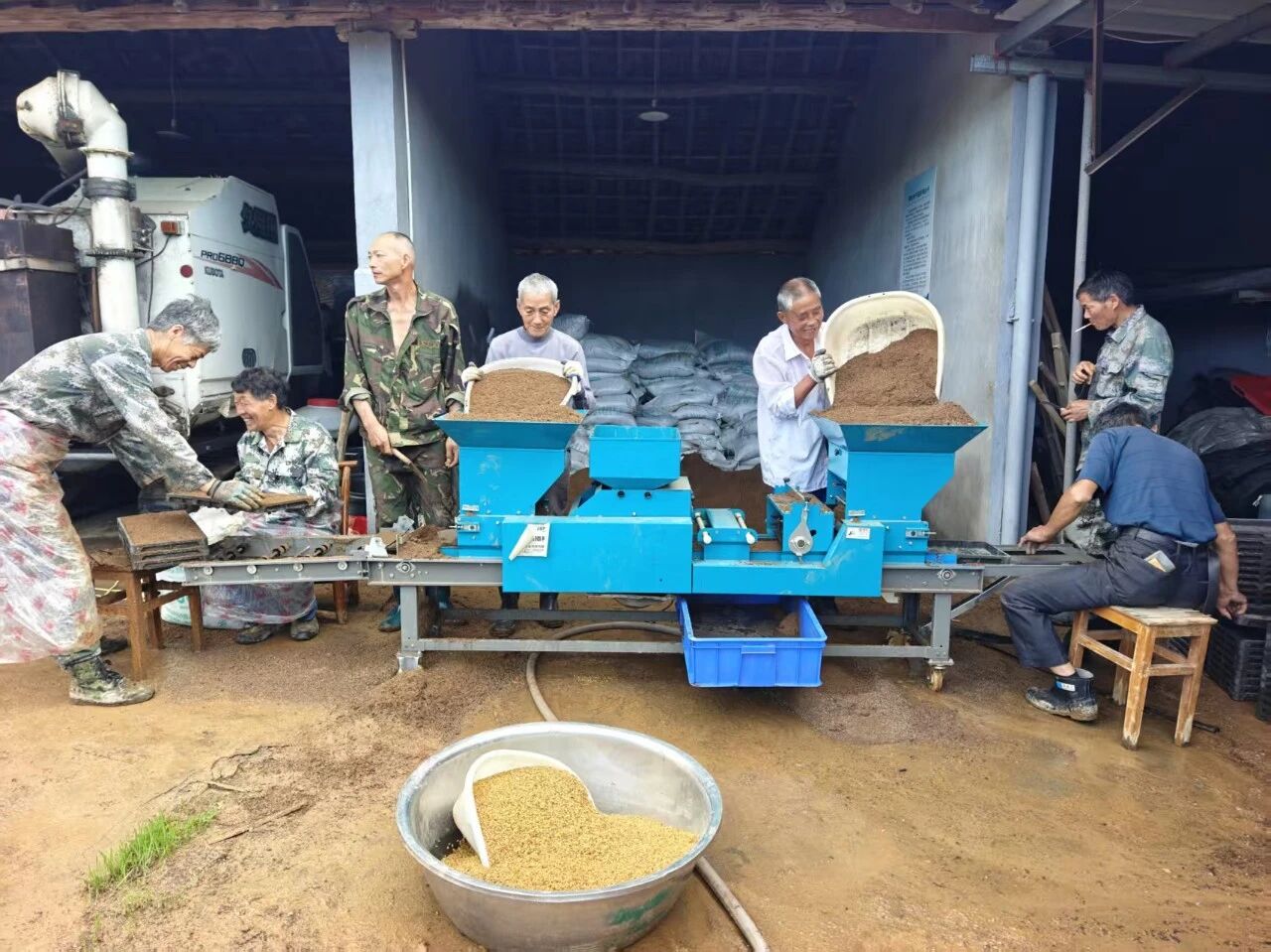
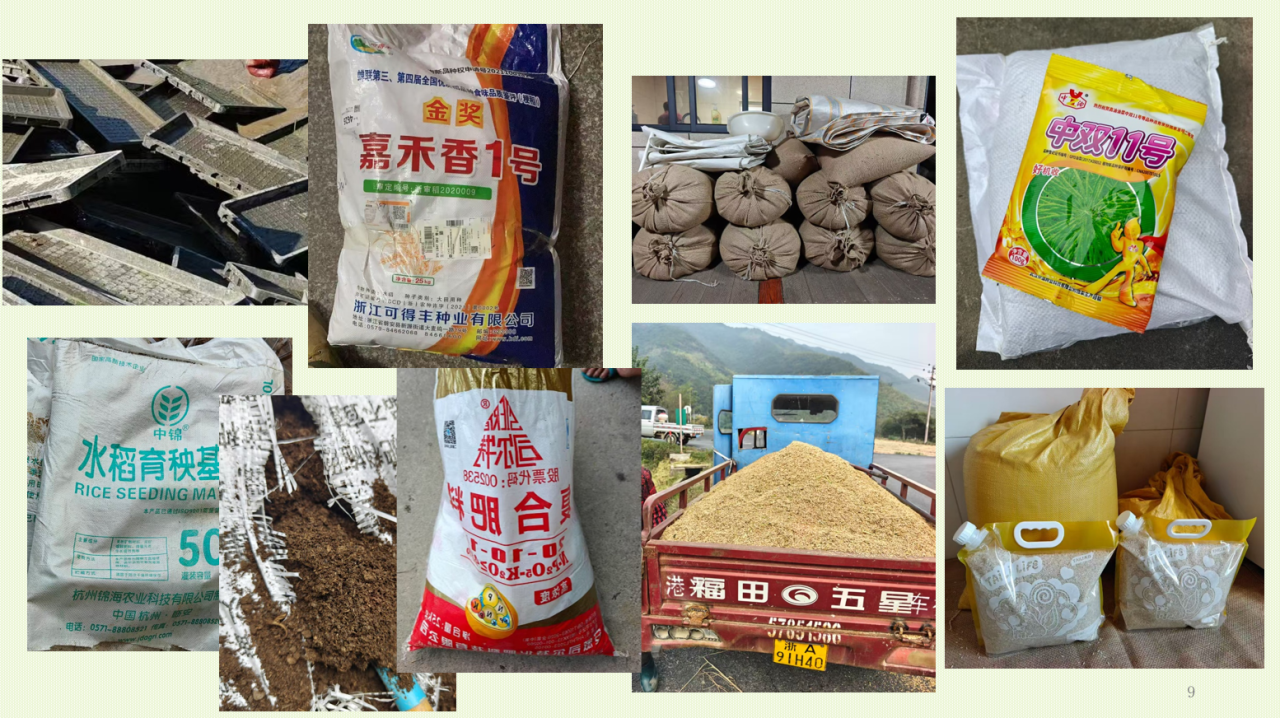
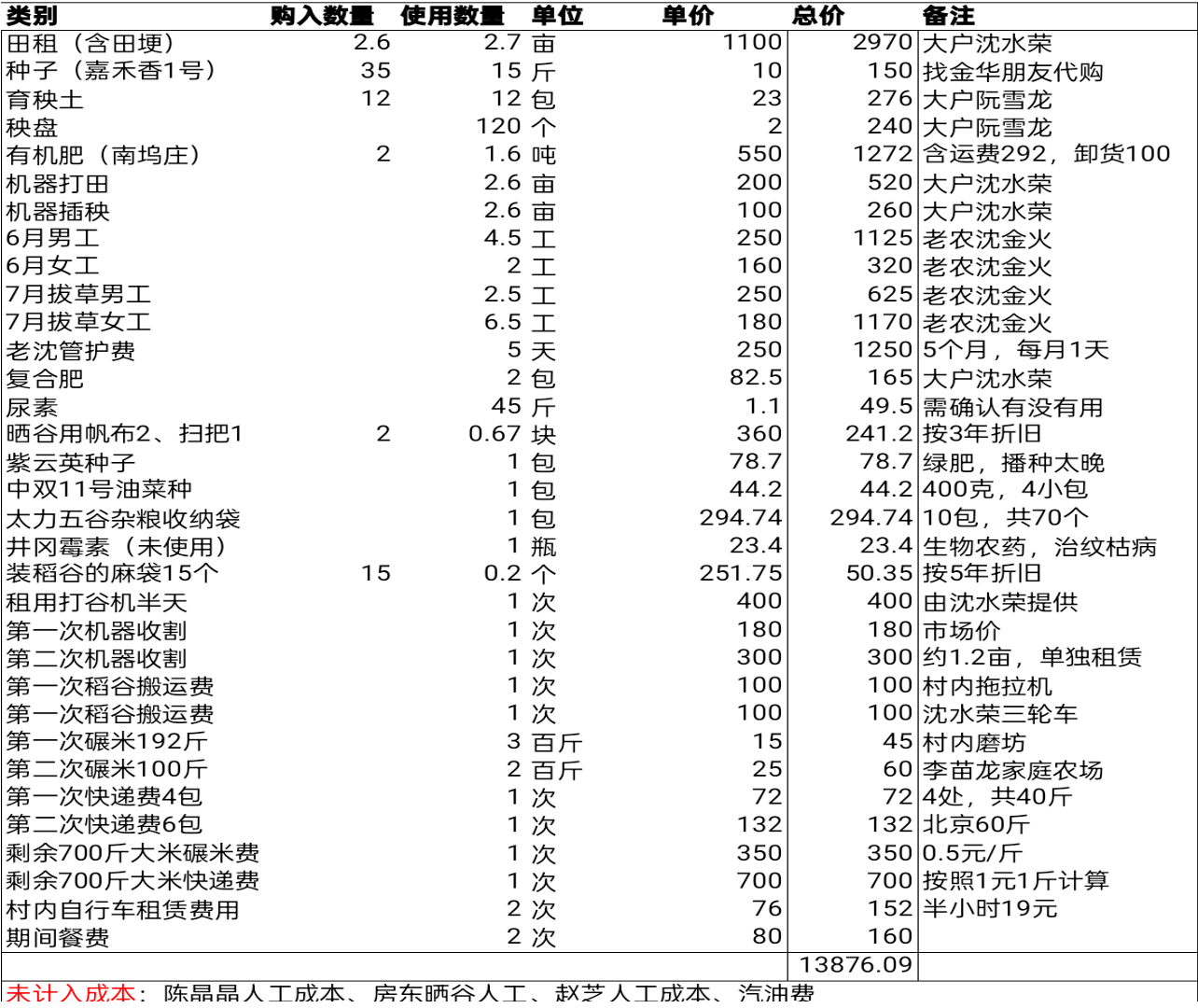
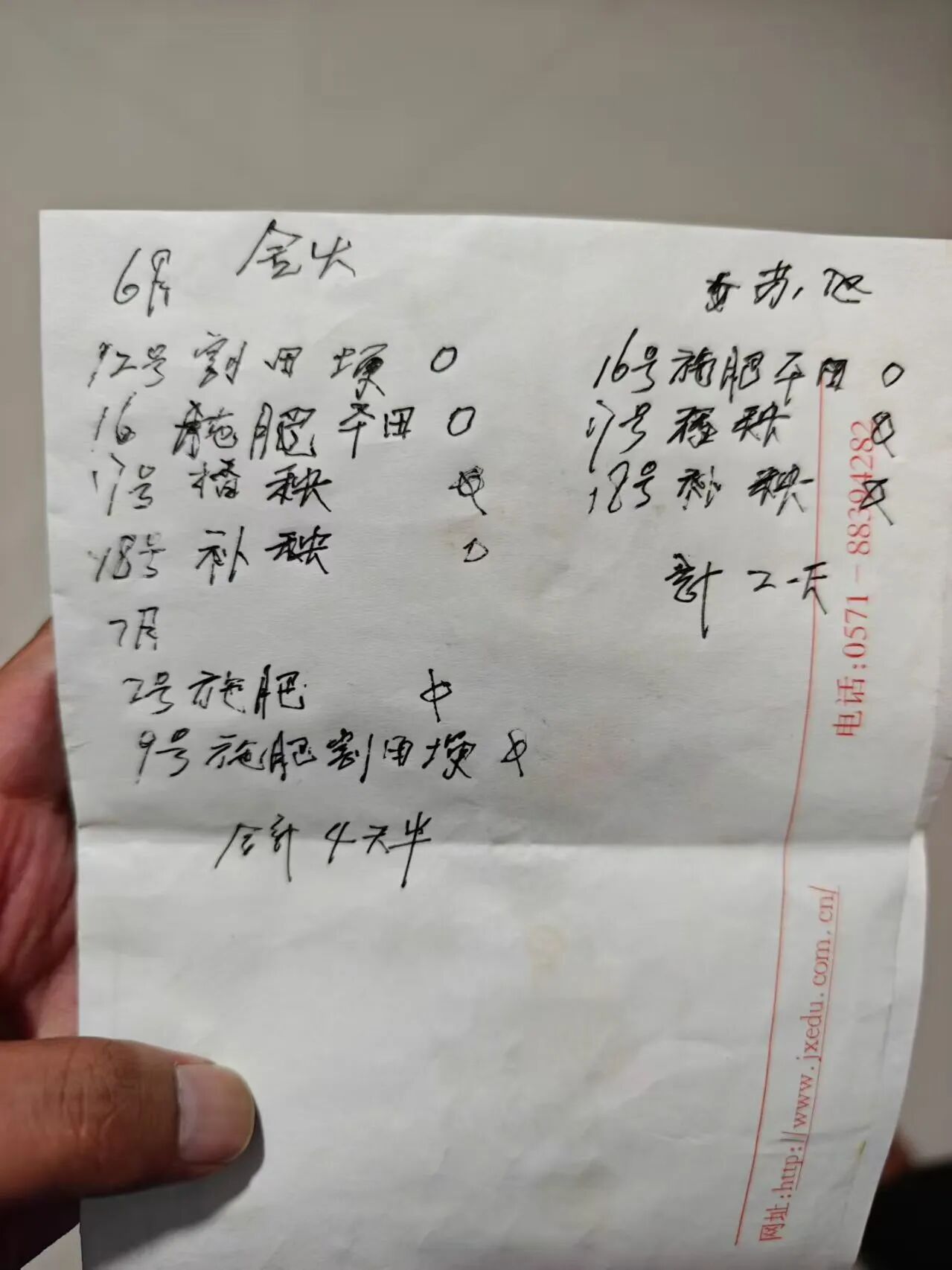
From choosing the land and raising seedlings to processing and logistics, every stage gave this “veteran expert” a brutal reality check. To insist on not using herbicide, he paid astonishing labour costs. To pursue a better taste, he chose sun drying, only to be tormented by complicated labour organisation. At the same time, seeds, organic fertiliser, chemical fertiliser, combine harvester costs, hired labour, transport, drying, and packaging… the invoices piled up one by one.
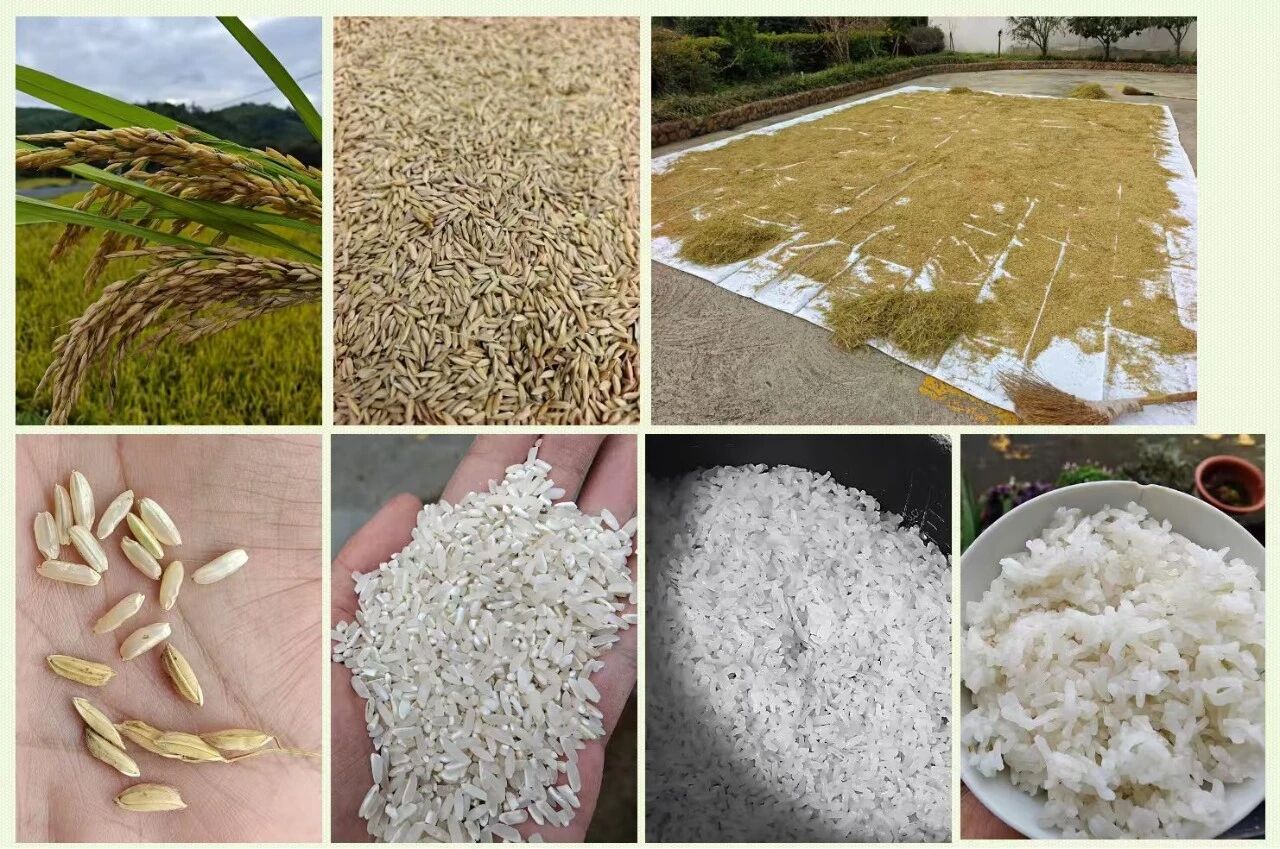
At the end of last October, the paddy rice was finally harvested, and Chen Jingjing ate the milled rice he had grown. But once calculated, the production cost of each catty of milled rice was a staggering 30-something yuan, and the entire season resulted in a loss of nearly 5,000 yuan.
What exactly happened in the meantime? This podcast episode comes from an in-person sharing session, in which Chen Jingjing candidly unpacked this heavy but real “farming ledger” for everyone. It is much more like an extremely honest lesson in contemporary Chinese agriculture:
- Ideal versus reality: Why does “no chemical fertiliser or pesticide” make no headway in a real agricultural system?
- The power of structure: How do the logic of land rent, grain subsidy, and the division of labour in modern agriculture step by step “teach a lesson” to idealists?
- The restructuring of relationships: What structural changes are taking place in the relationship between modern farmers and the land?
- Questions of value: In a society where “loneliness and acceleration” coexist, what exactly does it mean for one person to grow grain personally?
Guest of This Episode
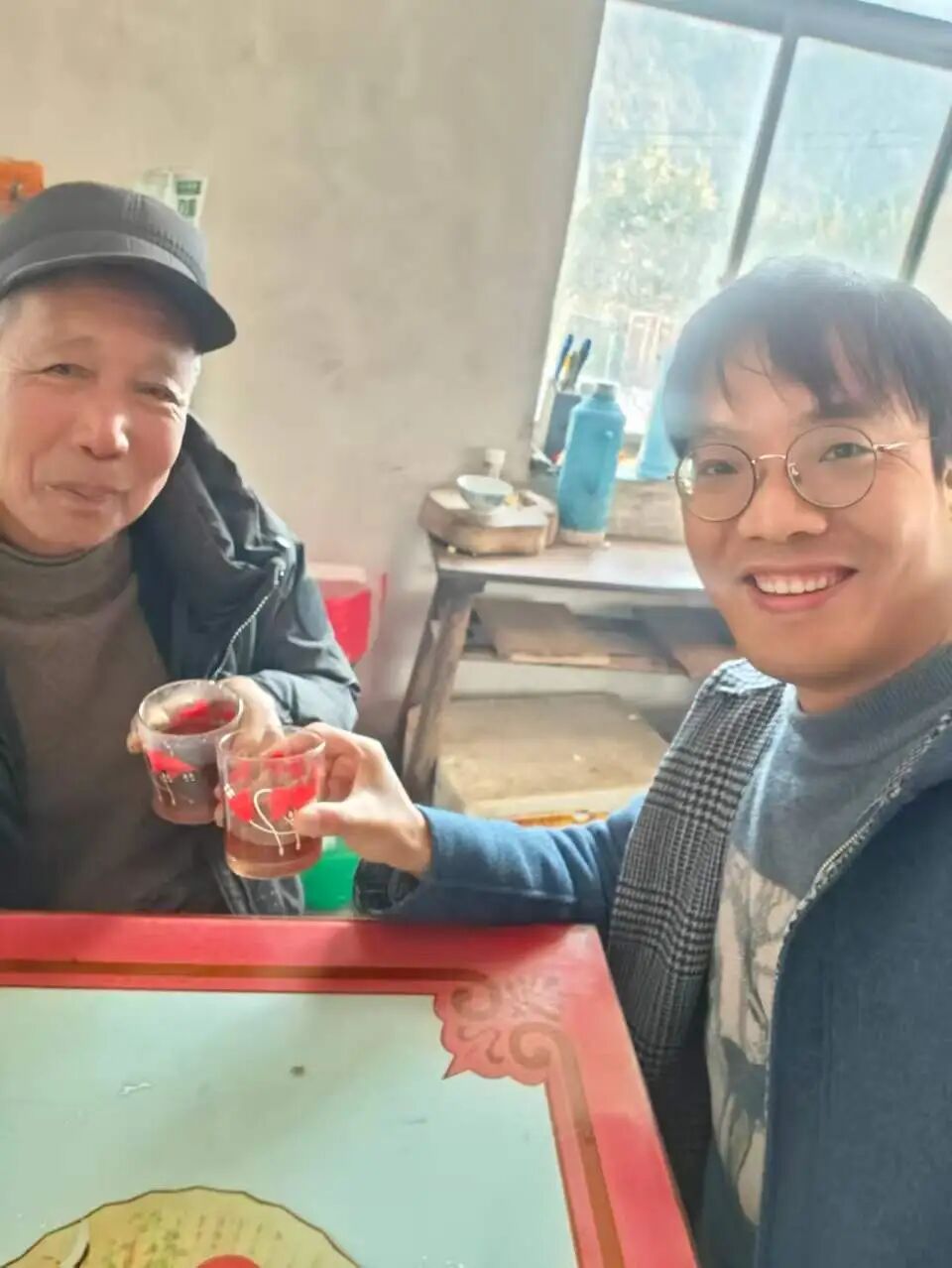
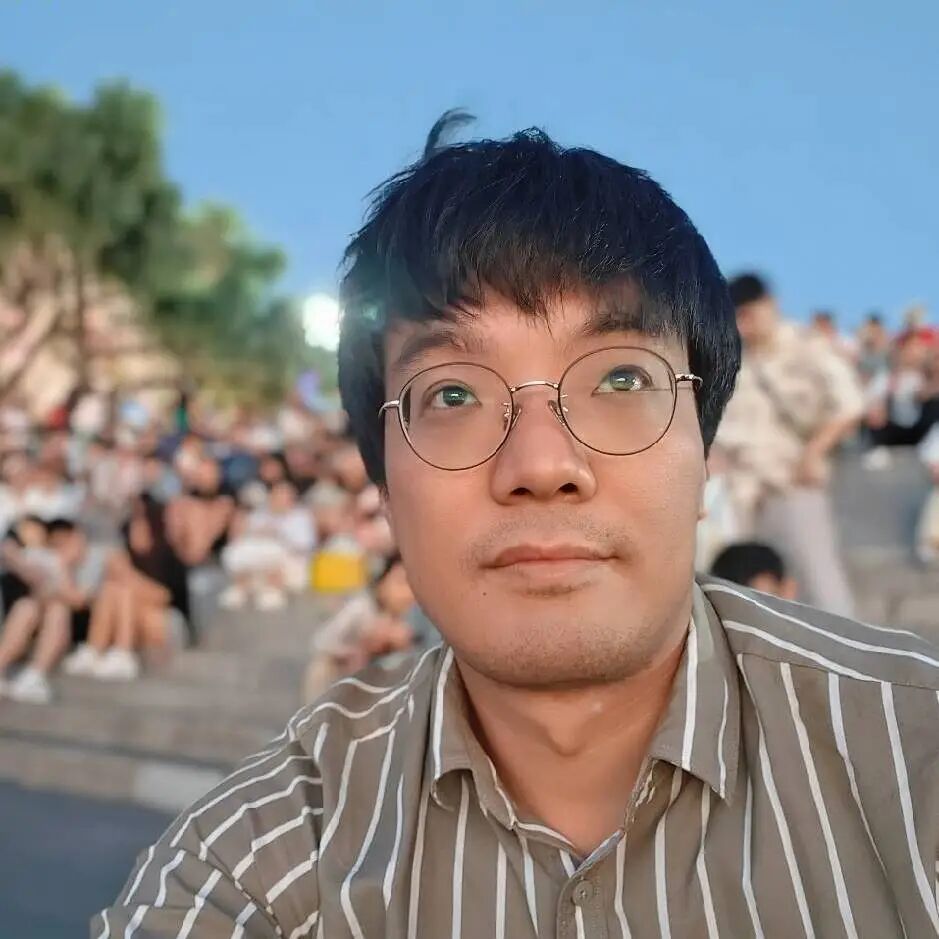 Chen Jingjing
Graduated from China Agricultural University, a practitioner with 20 years of rural construction experience, he has worked for years in villages across different regions, and is dedicated to research on agricultural and rural reform and the practice of rural revitalisation.
Host of This Episode
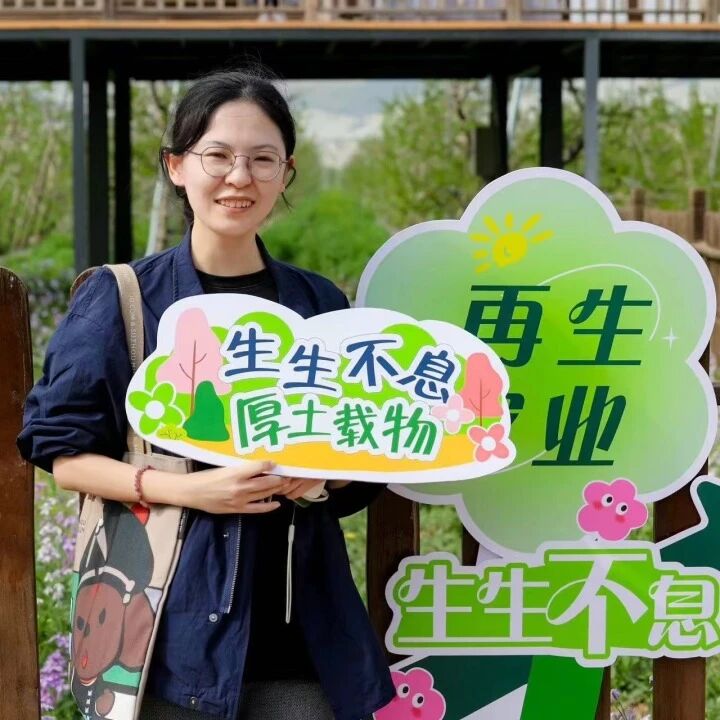 Xiaodan
Former agricultural journalist; in 2026, has 20 square metres of land to farm.
04:28 An “art village” filled with designers, environmental organisations, and new villagers—can it still grow grain seriously?
11:15 A person who has worked in rural construction for 20 years—why, when growing paddy rice himself for the first time, did he decide “not to follow convention”?
11:41 Of all the possible things to try, why did he choose the hardest, most exhausting, and least profitable option—paddy rice?
15:47 Chinese agriculture is shifting from “smallholder imagination” toward a real-world structure of large-scale farmers, mechanisation, and subsidy-driven practice.
19:22 Contemporary new tenant farmer: why do good fields never get around to “people who want to farm seriously”, and exactly where does land transfer get stuck?
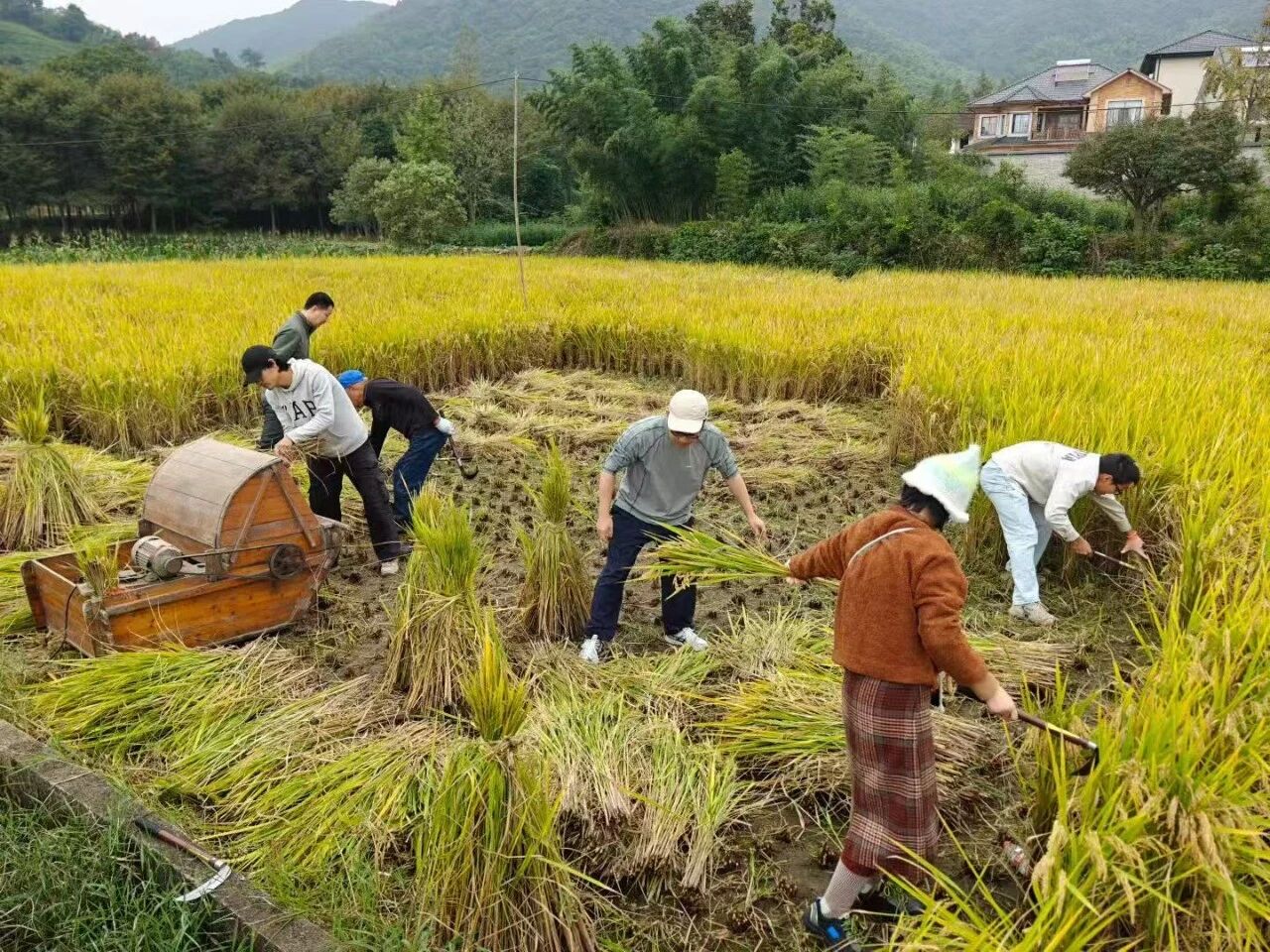
22:52 From raising seedlings and rice transplanting to harvesting, a 2.6 mu paddy field is backed by an entire division-of-labour network.
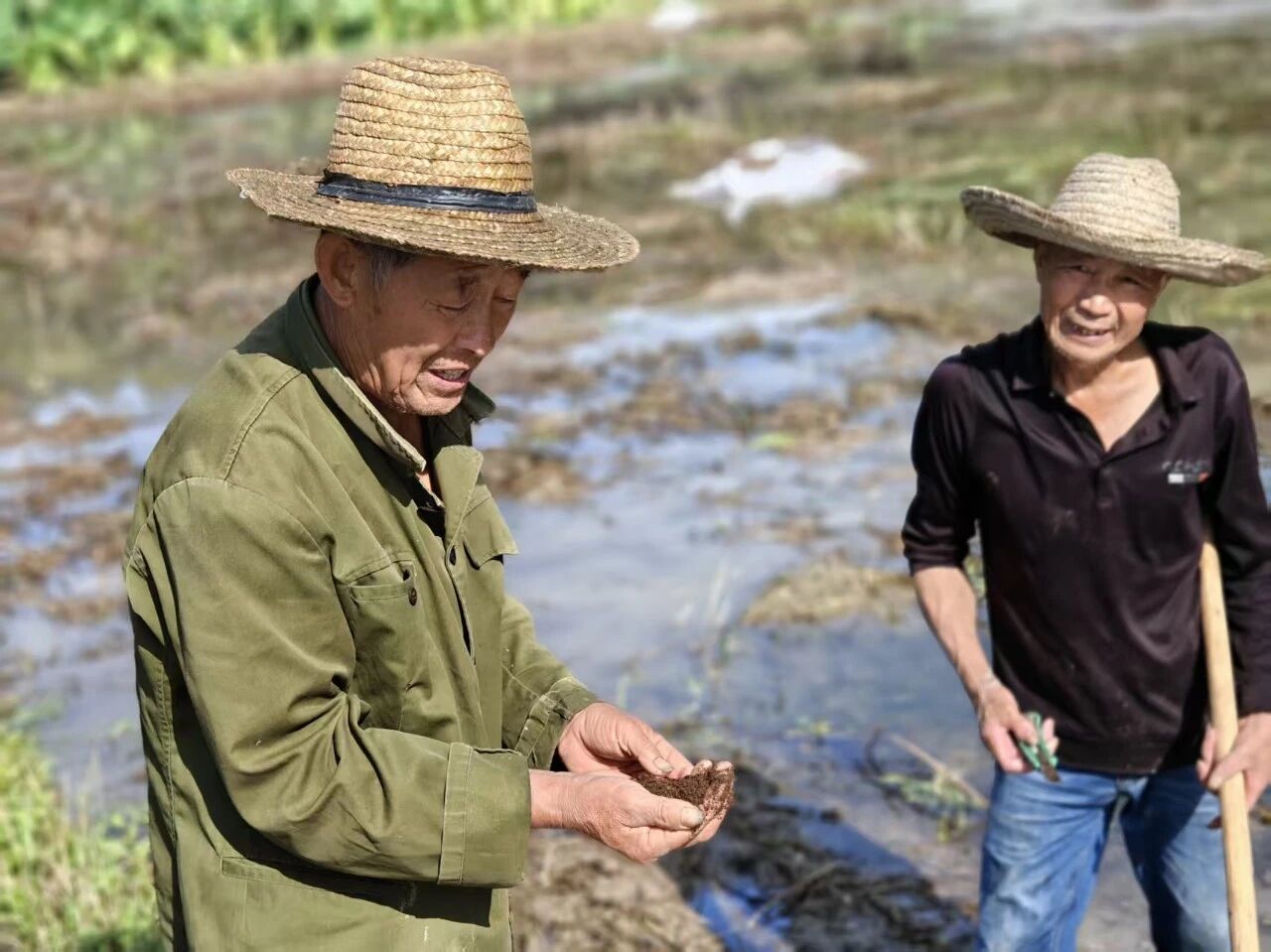
30:54 When organic fertiliser was really delivered to the field, had idealism taken its first direct lesson from reality?
32:00 Using no chemical fertiliser and no pesticide—is that holding to principle, or avoiding responsibility for yield?
32:32 Manual harvesting, paddy rice carried on the shoulder—the body’s limits arrive faster than principles.
32:41 After a hard year of producing “good rice”, why did nine people come to “collect rice straw” but only two wanted to buy rice?
35:04 From paddy drying to rice milling, every step in turning paddy into milled rice quietly swallows costs.
36:34 Once the true cost of a catty of milled rice is worked out, can “ecology”, “ideal”, and “persistence” still hold up?
45:37 Is this a failed agricultural experiment, or a necessary act of firsthand engagement?
46:22 Once you have really grown a season of paddy rice, your relationship with the land, the villagers, and the village will be completely transformed.
53:07 After putting in so much and losing so much, will you still farm next year?
Related reading ▼
Three months of farming, and my ecological farm dream has hit pause
A knowledge farmer’s seven years of mountain life | “Earthy but Not Provincial” book club sign-up
After ten years in Beijing, this girl from Shandong decided to go learn how to farm
Scan the QR code below
On Xiaoyuzhou | Ximalaya | Lizhi | Apple Podcasts
Subscribe to the “Food Talk” podcast
You are welcome to leave comments in the comment sections of each podcast platform; we will reply from time to time. Scan the QR code below to add Shitongjun’s secondary WeChat account, with the note “Food Talk“, to join the podcast listeners’ group.

Unless otherwise stated, all images were provided by the guest of this episode
Podcast music: Ba Nong
Produced this episode: Xiaojing
Edited this episode: Yuyang
Contact email: [email protected]