
Next to a Trendy Check-In Street, a “Slow” Business Stays Put in a Wenzhou Wet Market

In the face of rapid change, wet markets have fallen into difficulty for a variety of reasons. Some cannot avoid being shut down, while others have been preserved because of the convenience they offer. Wenzhou’s Shuangjingtou wet market is one such case. This naturally makes people wonder: in today’s world, with e-commerce, fresh-food supermarkets and other emerging retail formats, will those still doing business in a wet market embrace e-commerce, or will they stay put in the wet market’s own little world?
The Largest Dried Goods Shop in the Wet Market
In the early 1980s, Shuangjingtou New Village and the surrounding residential areas spontaneously gave rise to a market of mobile stalls, which eventually evolved into a roadside wet market. This east-west road is a long, narrow lane, 450 metres long and 6–8 metres wide. Normally, it can barely accommodate two people and an electric scooter side by side; on holidays, when packed with mobile stalls, only one person can pass at a time.
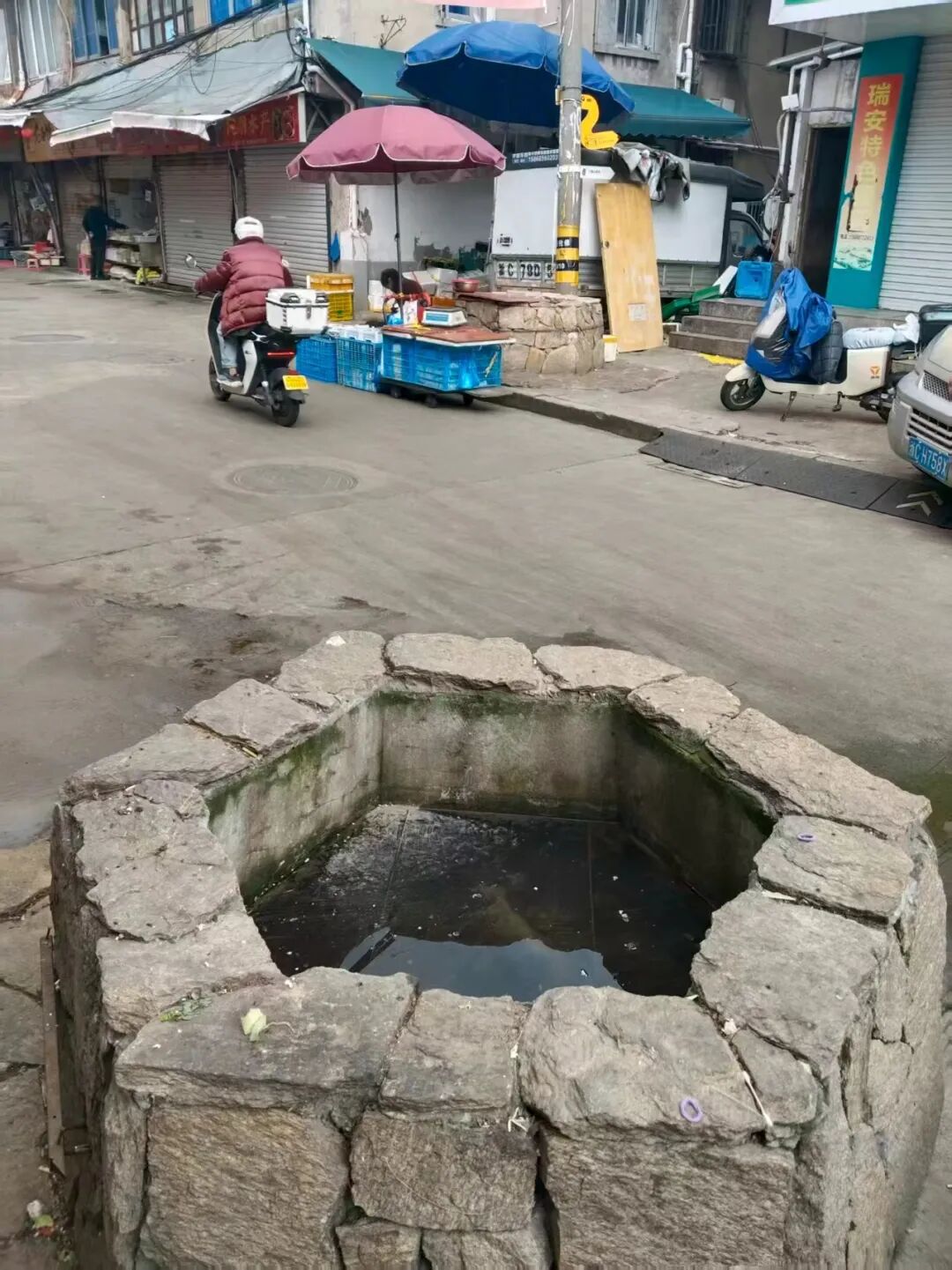
◉Shuangjingtou wet market is named after two wells. As a result, the renovated Shuangjingfang has even adopted the English name well well. Image source: Foodthink
Because there were many mobile vendors, the fixed stalls were fairly run-down, and the passageway was narrow, the district government had planned in 2017 and 2021 to demolish and relocate this open-air wet market as a whole. At the time, some shopkeepers, unable to withstand the lobbying pressure from the industry and commerce authorities and the sub-district office, moved to Puxieshi Agricultural Produce Market.
Puxieshi Agricultural Produce Market is an indoor wet market, separated from Shuangjingtou wet market by only a single road. The cheapest annual stall rent there is only a few thousand yuan, while stall rents at Shuangjingtou wet market generally range from 100,000 to 200,000 yuan a year, placing them on the high end for Wenzhou’s urban area (Lucheng District).
Although the rent is far lower than at Shuangjingtou wet market, vegetable prices there are sometimes higher. “Now there are hardly any customers over there, so stall owners charge more. The higher the price, the less it sells. If the purchase cost is 5 yuan and half the stock is lost, the cost becomes 10 yuan. So you may end up buying things that are neither fresh nor cheap,” said Xu Yunyan, who sells dried seafood (dried goods) at Shuangjingtou wet market.
Most of the mobile vendors and shopkeepers who wanted to stay put relied on “street smarts,” worked out the time patterns of urban management spot checks, and adopted “guerrilla tactics”: when the urban management came, they would quickly withdraw.
Fortunately, when the sub-district office conducted a resident opinion survey, most residents objected to demolishing the wet market. As a result, the plan to demolish Shuangjingtou wet market entirely was abandoned in 2022 and replaced with environmental and business-format upgrades only, so that the wet market format was preserved.
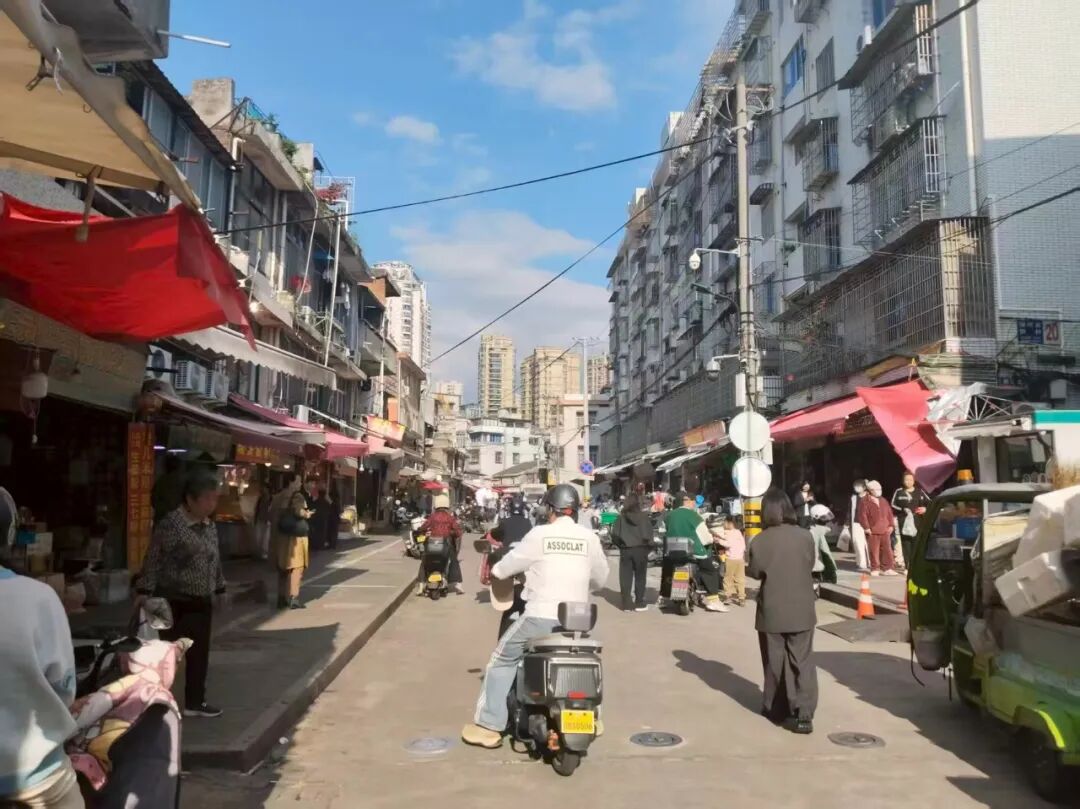
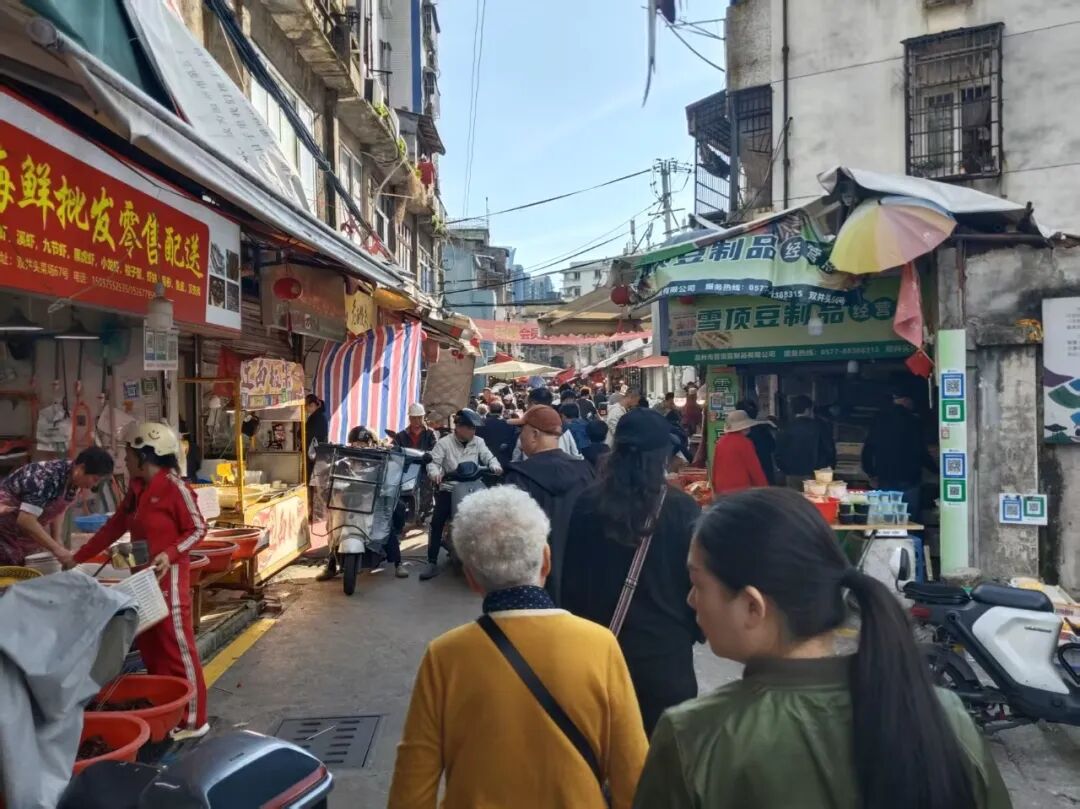
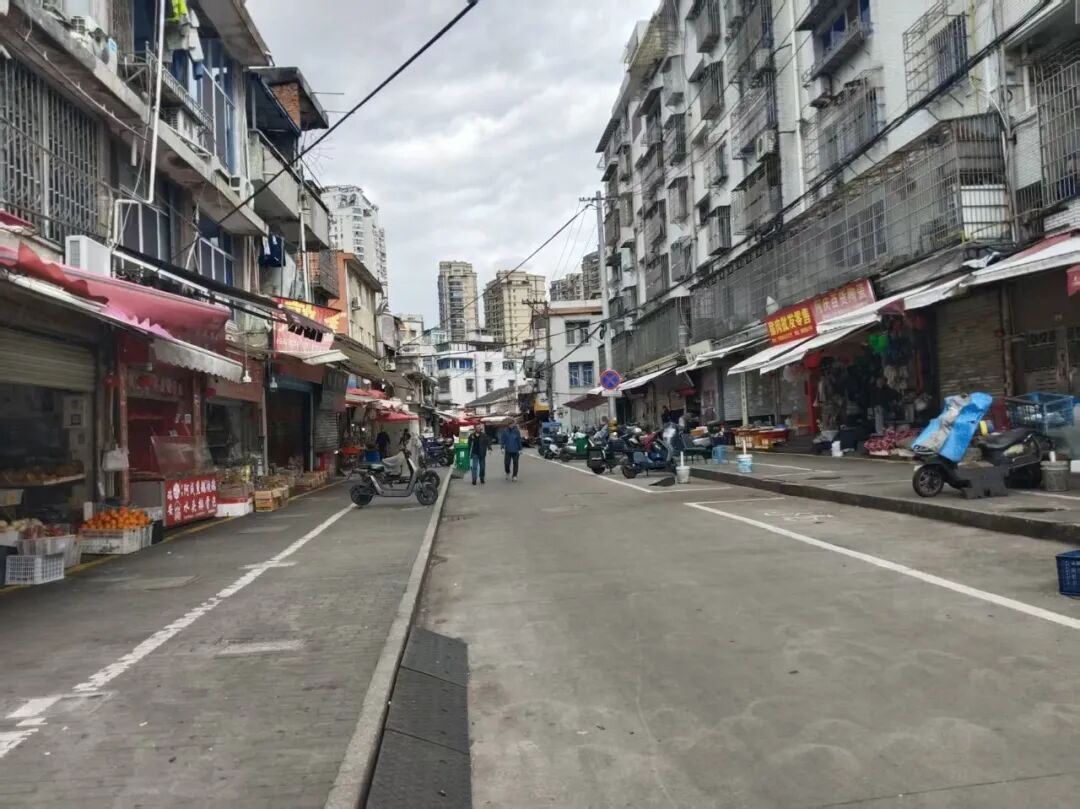
◉These three photos were taken at Shuangjingtou wet market during busy and relatively quiet periods, respectively. Image source: Foodthink
Today, the 50,000-square-metre Shuangjingfang has become a new check-in landmark for cultural tourism in Wenzhou’s Lucheng District. Many restaurants, coffee shops, and small comedy theatres have opened there, and popular stand-up comedians such as He Guangzhi have performed here several times, while Shuangjingtou wet market is part of the Shuangjingfang street-market culture district.
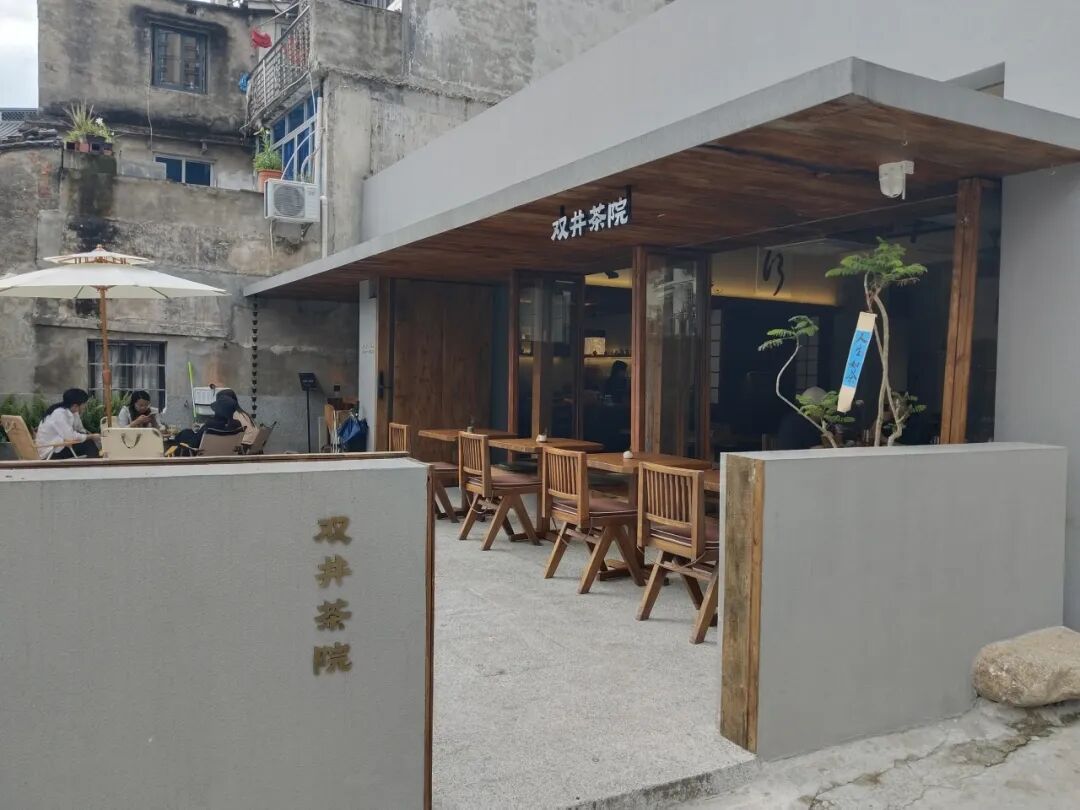
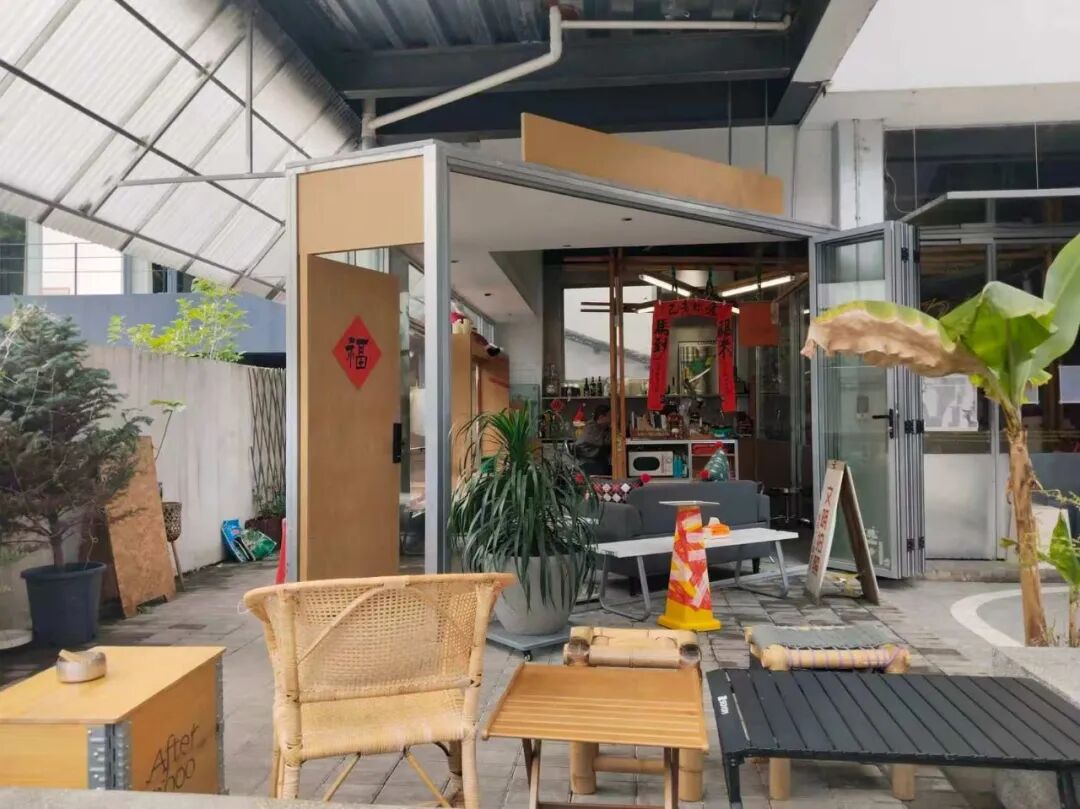
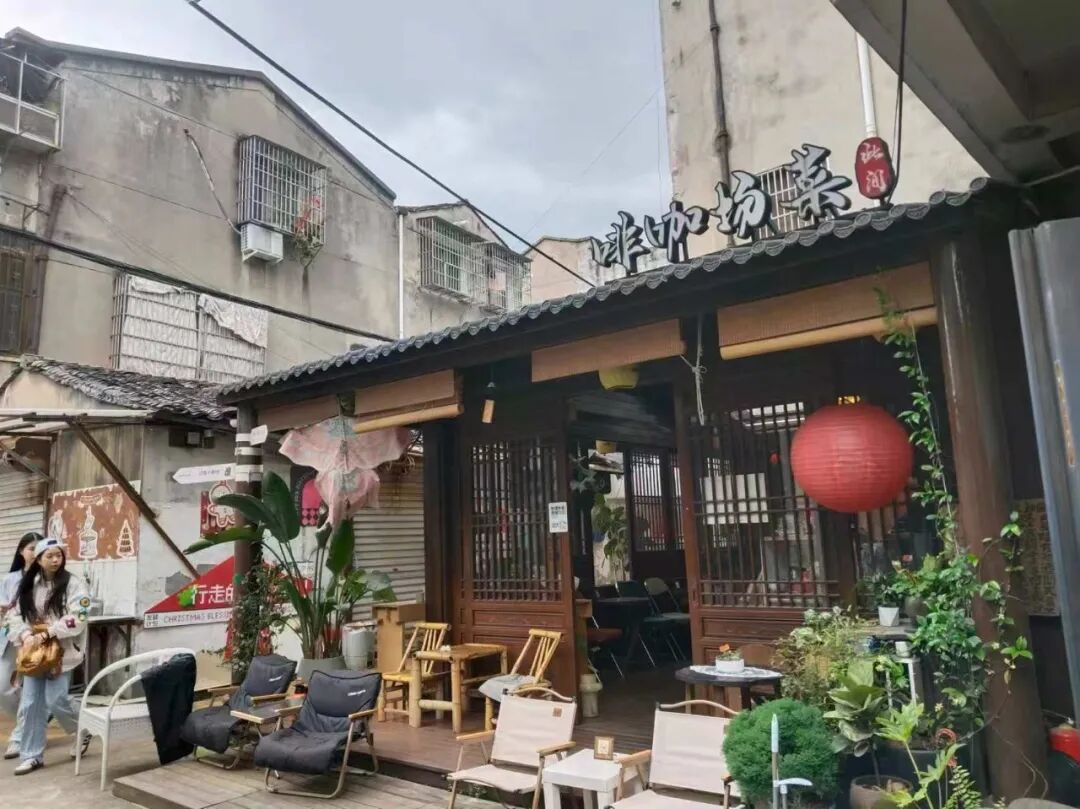
◉New business formats after renovation. Image source: Foodthink
But the two have not blended together; between them there seems to be an invisible wall. Occasionally, on holidays, a small wave of good-looking young visitors browsing Shuangjingfang may accidentally stumble into Shuangjingtou wet market, brimming with street-market atmosphere.
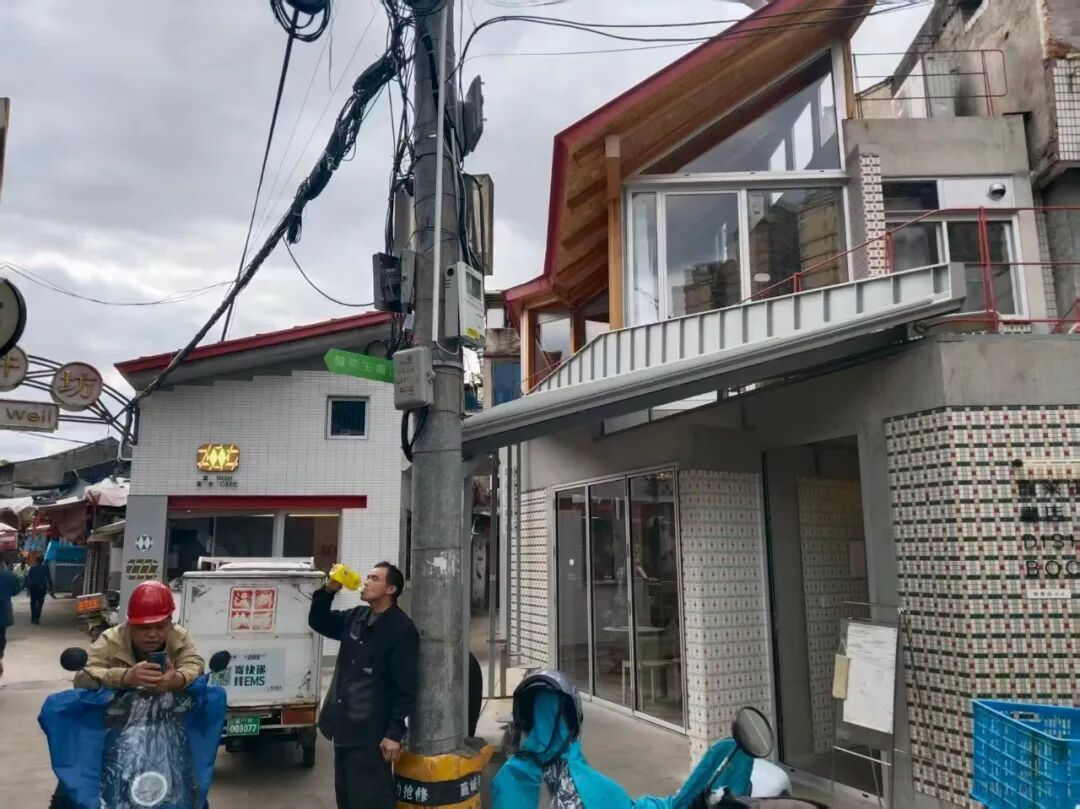
◉The whole district is essentially divided by the much-hyped Pancaisheng bookshop, with the lively, everyday wet market on one side and, on the other, new business formats that attract young people, such as coffee shops and stand-up comedy. There is little interaction between the two sides. Image source: Foodthink
“Shuangjingfang has not drawn in any foot traffic, and it has had almost no effect on our business,” Yunyan said. Right next to Wenzhou’s famous check-in spot, Xu Yunyan, who has stayed put at Shuangjingtou wet market, is also carrying on a traditional kind of business.

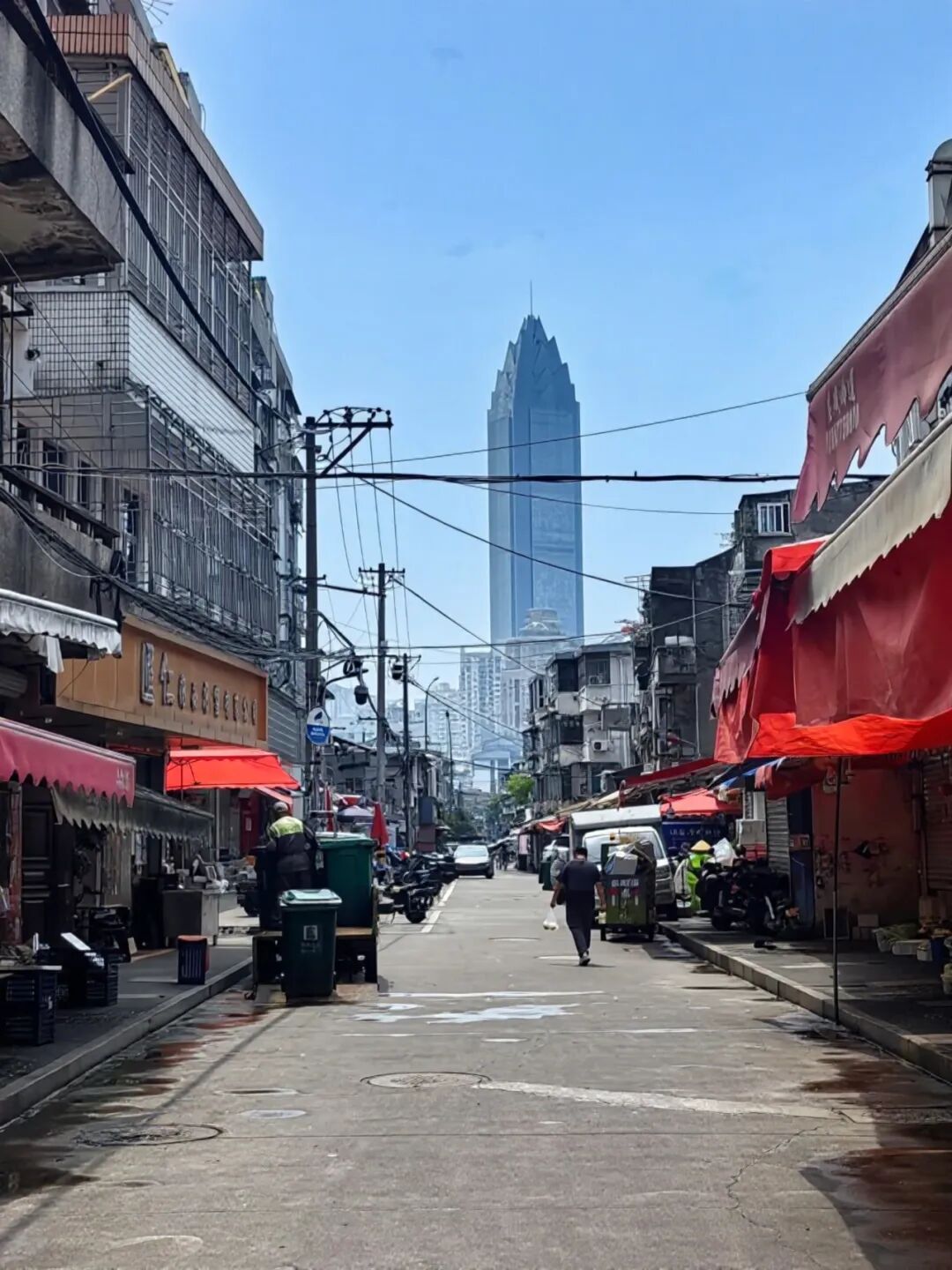
◉Shuangjingtou wet market.
Business Wisdom in the Wet Market
“Shuangjingtou Li Jian Ginseng and Deer Antler Dried Goods Shop”, jointly run by Yunyan and her husband Li Jian, is the largest dried goods shop in this wet market. At 50, Yunyan is the backbone of the shop: easygoing and outgoing, with a quick mind.
Before spicy, strong-flavoured tastes swept the country, people in Wenzhou craved freshness and preferred a saltier taste; the briny freshness of seafood was highly suited to Wenzhou palates. Wenzhou people, living off the sea, are just as dependent on pickled seafood side dishes such as Bai da sheng and mud snails as they are on substantial meals such as large yellow croaker in scallion oil and wine-braised yomeng fish.
You can find all of these at Yunyan’s shop. The dried goods shop sells many affordable dried seafood items priced at no more than 35 yuan per 500 g, such as dried shark, dried hairtail, Bai ding kou, small silverfish, Manila clam meat, Dongtou laver, and wakame.
She mainly buys stock from Wenzhou’s local Dongmen dried seafood (dried goods) wholesale market. Prices there are only a few jiao to one yuan higher than at source factories, a very small difference, so she does not need to deal directly with out-of-town factories, which saves time and effort.
But when it comes to stock, Yunyan has her own tricks. She is cautious in business; with trending dried goods such as Yunnan morels, she does not blindly follow the crowd and buy in bulk, avoiding losses from sharp price fluctuations. Morels have fallen from over a thousand yuan per 500 g for the so-called Yunnan special grade (the largest size) six or seven years ago to three or four hundred yuan per 500 g now.
“When they first started selling, the media hyped that eating them could greatly boost immune function, but later, as more people grew them, prices gradually came down. Trending dried goods actually do not have much demand; people buy only a little for novelty or as gifts, unlike everyday dried ingredients such as dried small shrimp that people want to eat every day. It is the common dried food ingredients that sell well.”
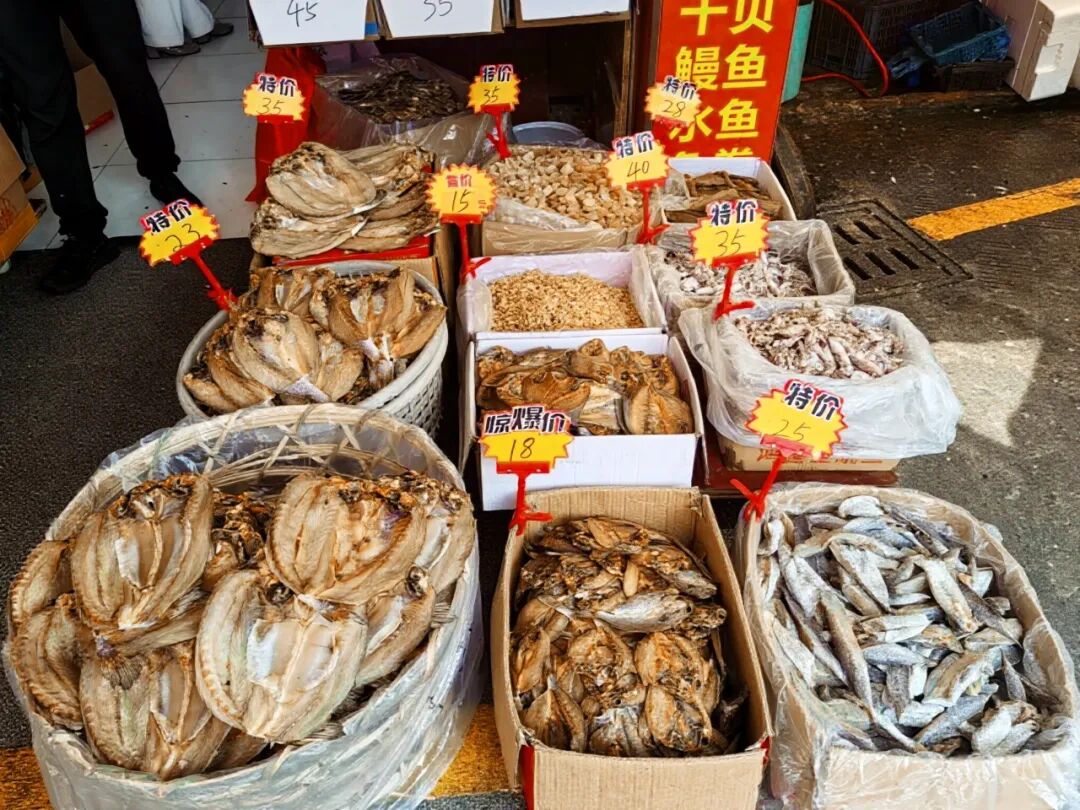
Dried seafood (dried goods) is a fast-moving product. During the annual fishing ban from May to August, dried salted fish, dried small shrimp, squid, small cuttlefish, and cuttlefish are relatively popular. Once the fishing ban is lifted, from October until Chinese New Year, dried eel (dried oil eel) comes on the market. The cheapest semi-moist, semi-dried oil eel is just over 30 yuan per 500 g; fully dried oil eel, at its best, could sell for 80 yuan per 500 g. But now dried oil eel does not command a high price and generally does not exceed 60 yuan per 500 g. Customers who like it will spend over 1,000 yuan in one go to stock enough to last a year.
In addition, among the shop’s best sellers are Wenzhou specialities such as duck tongues, dried cuttlefish, dried shrimp, and Tengqiao smoked chicken. The shop has long supplied Chinese medicinal tonics such as American ginseng, Korean ginseng, notoginseng, tianma, astragalus, and goji berries, as well as everyday soup ingredients such as white sugar, brown sugar, rock sugar, mung beans, adzuki beans, Job’s tears, red dates, purple Nan dates for soups, and golden silk honey dates. Those with higher unit prices include fish maw, sea cucumber, and cordyceps.
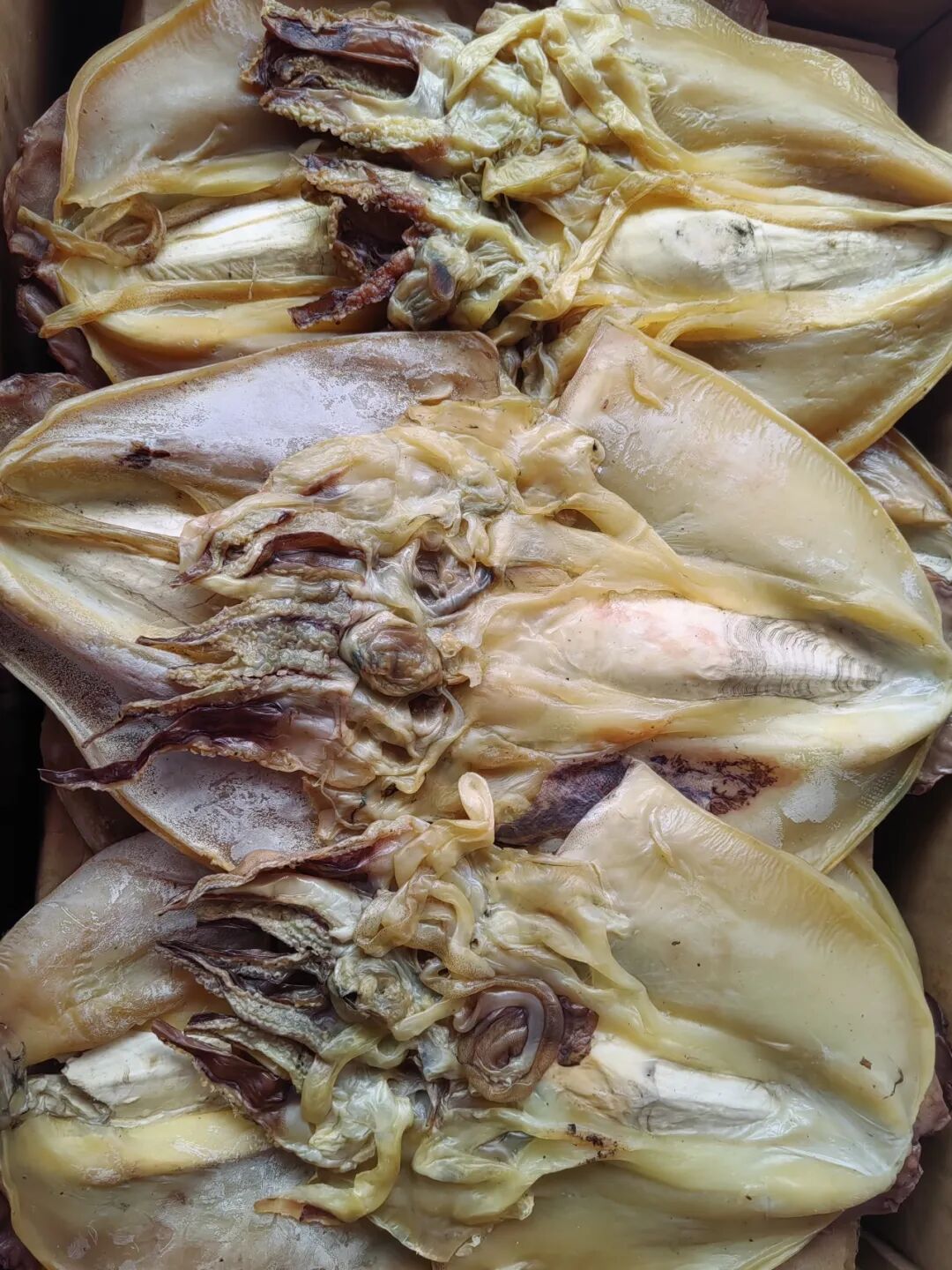
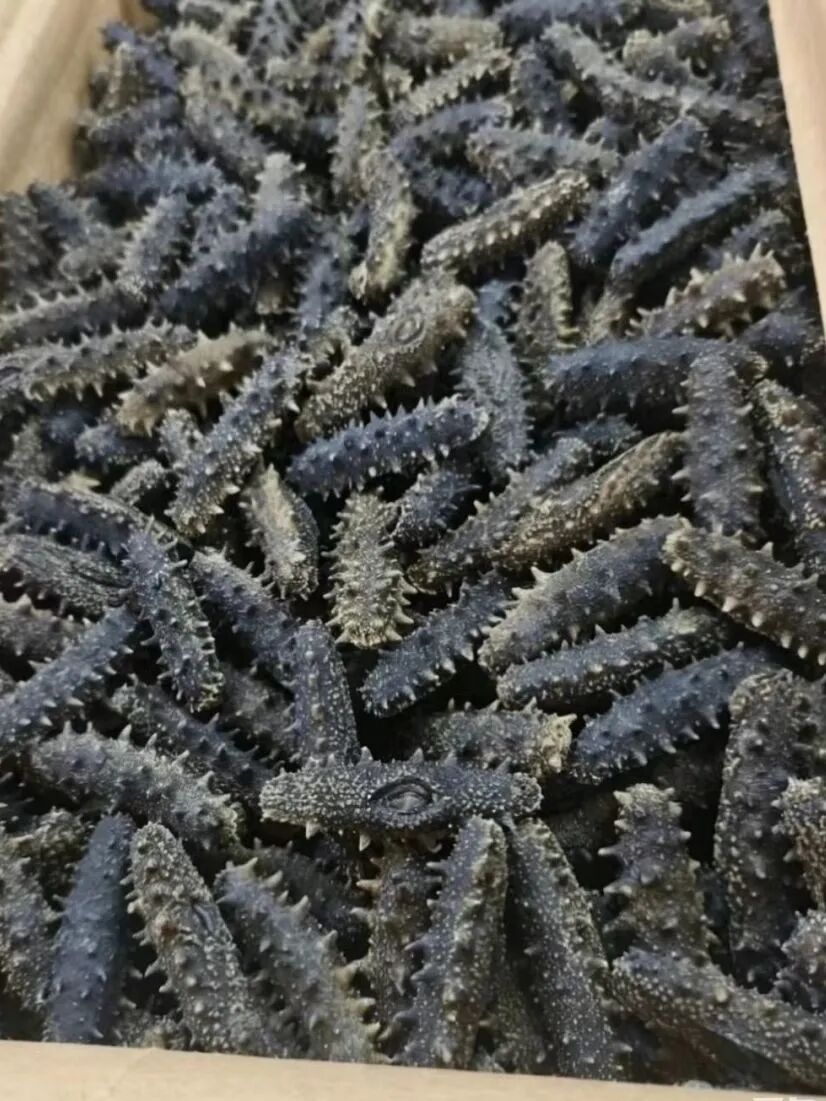
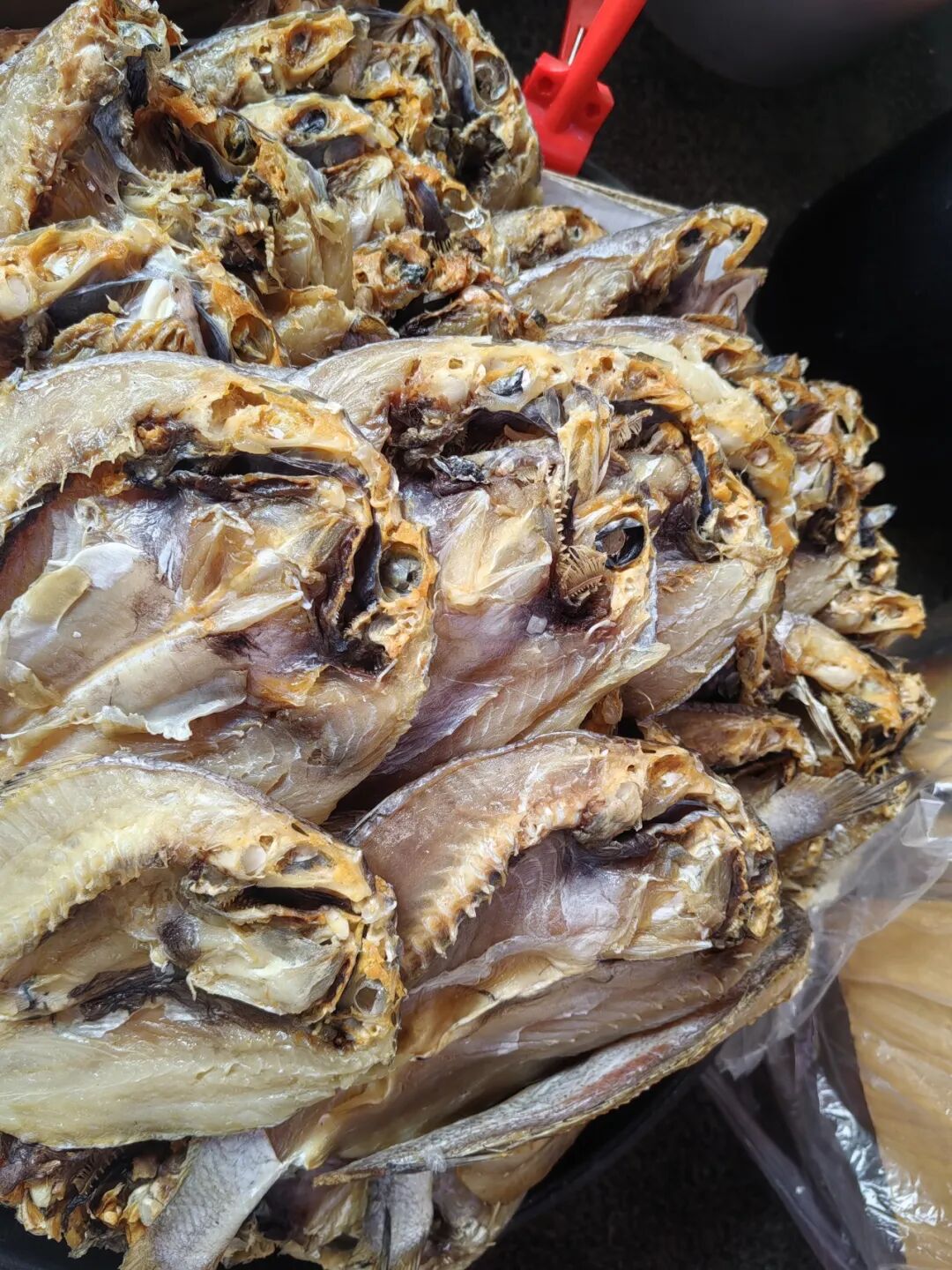
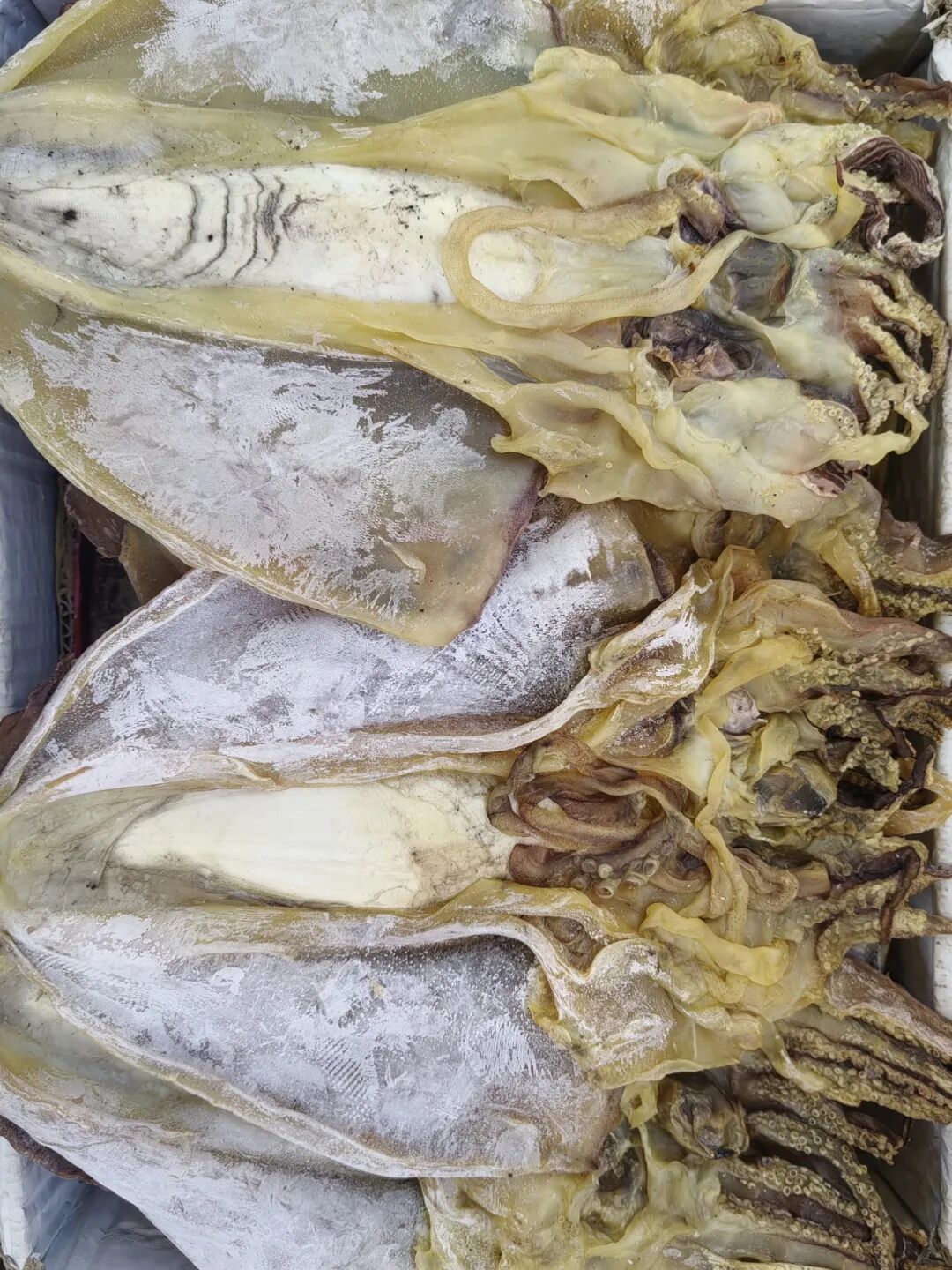
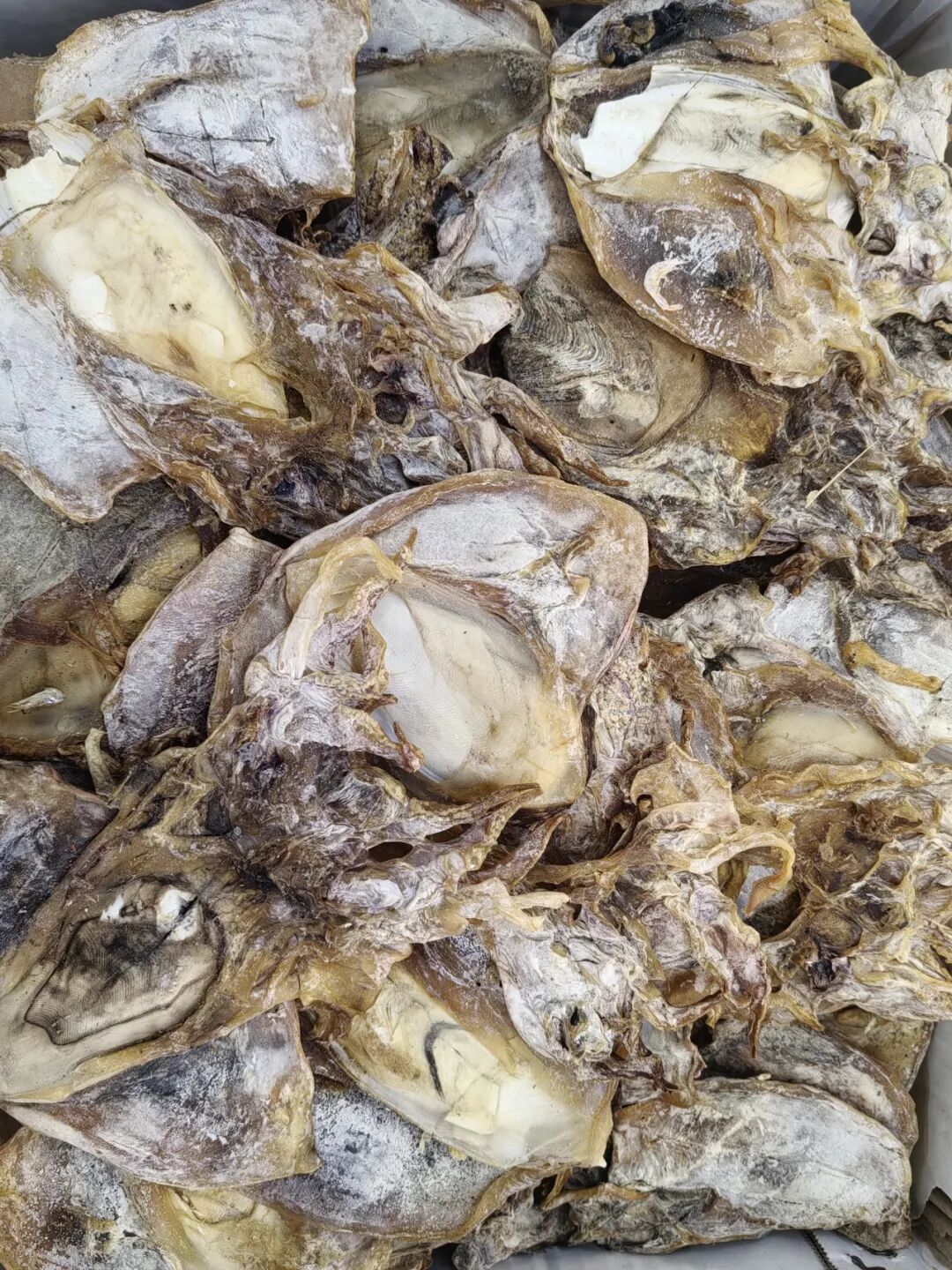
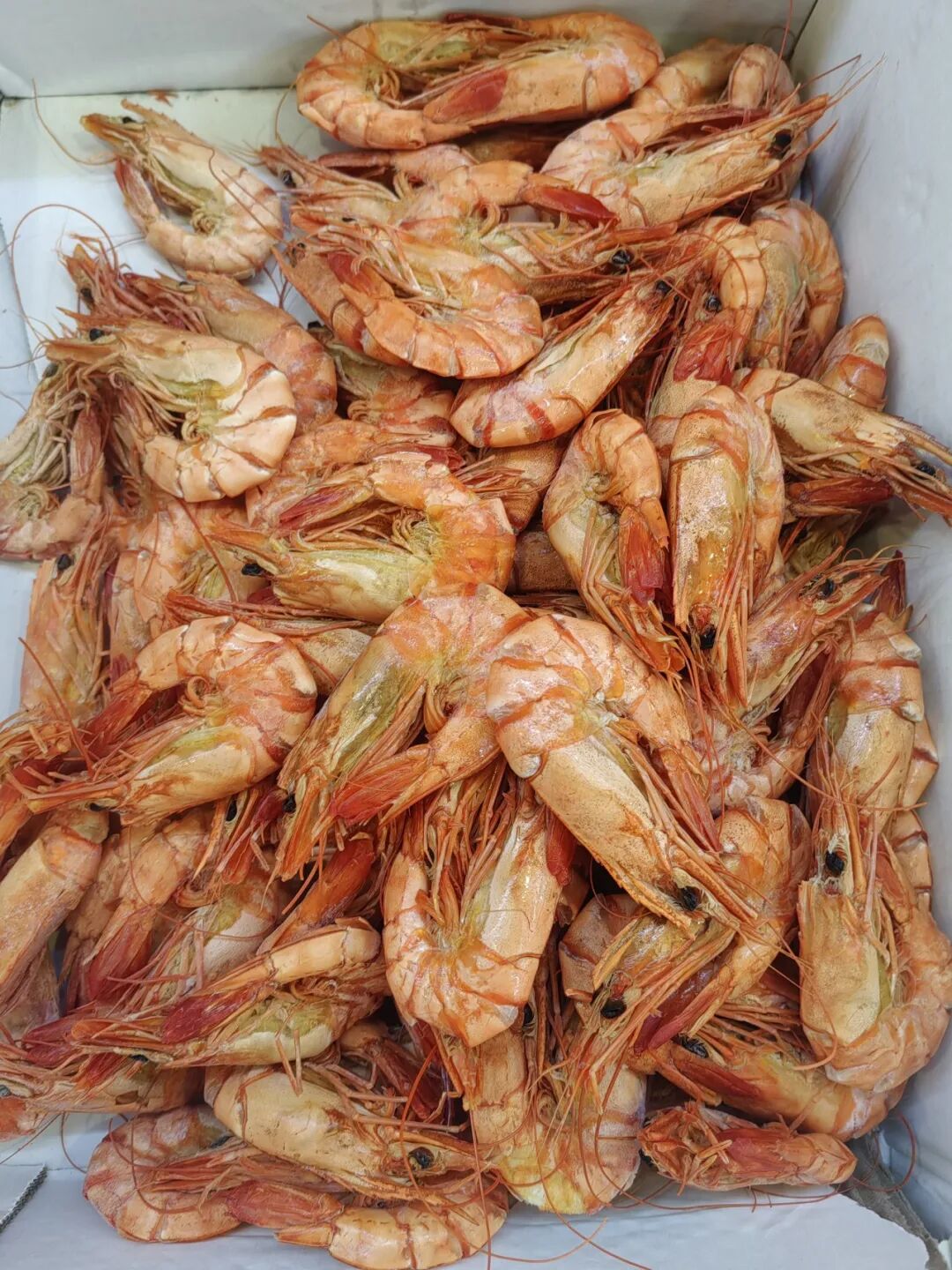
◉Some products in the dried goods shop.
All kinds of dried goods take up most of the shop, leaving only a long, narrow passage; one person can barely squeeze through.
Retreat to the Wet Market
Yunyan, who always greets people with a smile, has a varied work history: she has held a job and run all manner of businesses.
She is from Yongjia in Wenzhou. In 2000, she graduated from the medical assistant programme at Wenzhou City Health Cadre School with a secondary vocational qualification. After graduation, she worked as a contract worker at a health centre, and in 2001 married her husband, a local man from Wenzhou. Contract workers were not on the official establishment, and a salary of 800 yuan a month was nowhere near enough to support a family. Drawing on her professional background, Yunyan tried opening a pharmacy to sell Chinese medicinal tonics.
From the 1990s, many people from Yongjia left the mountains and went out to make their fortunes in business. Yunyan’s family followed her older brother and sister to the suburbs around Jiangsu and Shanghai to run a clothing supermarket. After they left, their eldest son was left behind in Wenzhou, in the care of his paternal grandparents.
After five years in the clothing business, when their son was old enough to start primary school, Yunyan and her husband concluded that educational resources in the Jiangsu suburbs were not as good as those in urban Wenzhou. To give their son a better education, they closed their business elsewhere and returned to Wenzhou.
After returning, the couple got into the daily-necessities and small-goods trade at Huanglong wholesale market in Lucheng District, Wenzhou, selling cosmetics, jewellery, slippers, umbrellas and other small household goods; they ran the business for ten years. While they were in the wholesale trade, Yunyan gave birth to their second son.
This small-goods wholesale market, built in the 1990s with 120 million yuan raised from private sources, began to fade from 2010. Around 2016, the rise of e-commerce dealt a huge blow to brick-and-mortar stores. Yunyan’s small-goods shop was also affected, and business kept sliding.
Later, Huanglong small-goods wholesale market began to undergo rectification and demolition. By 2019, the landmark that had been part of Wenzhou people’s memory for 26 years had disappeared, and Yunyan and her husband also left the market.
Yunyan spent a year at home “playing”, mulling over what business to run next to support the family. At the time, many businesses were hit by e-commerce platforms such as Taobao. She thought that perhaps the wet market was the only business that had been affected relatively little. “As long as people are alive, they have to eat and buy food. If even the business in the wet market is gone, then we really have no business to run.”
For most of 2020, Yunyan spent her time “strolling” around the various wet markets in urban Wenzhou, checking them out. In the end, she decided to set up in Shuangjingtou wet market, where vegetable prices are mid-range. Starting with tonics, and continuing up to now, the dried goods shop stocks tonics and dried goods in equal proportions.
“In a wet market, money is hard-earned, and our family of four depends entirely on this shop,” Yunyan said.
Over the three years of the pandemic, business at the dried goods shop was actually very good, and it counted as one of the thriving shops in the wet market. Customers, worried about cross-infection, did not want to go out frequently and would buy larger quantities in one go. Compared with seafood, which can only be kept for a short time, dried goods keep longer.
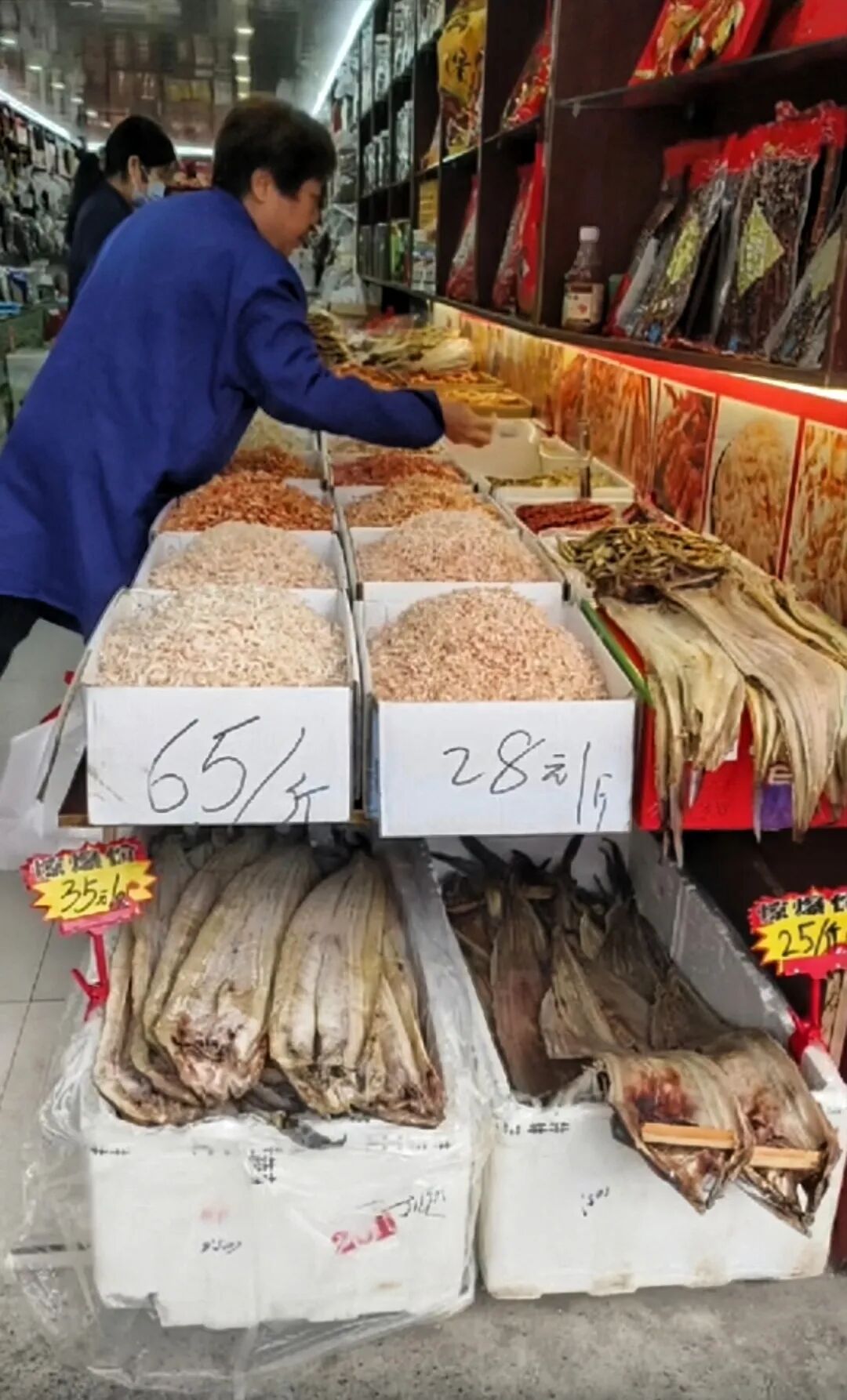
◉Customers selecting their own dried food ingredients in the dried goods shop.
Business Is Built by Patience
After seven years of hard work and trial and error, the couple, Li Jian and Yunyan, have established a firm foothold in Shuangjingtou wet market.
Wenzhou has an old saying: “Business is built by patience.” Her husband Li Jian and a hired worker start work at 5 a.m. every day, sorting out the stock stored in the cold-room freezers and bringing it out to display at the shop entrance.
Some older men and women in their sixties and seventies are accustomed to catching the early market; they are usually already at the shop before 6 a.m. to do their shopping.
Every day by midday, business along the entire open-air wet market slackens, and each shopfront is deserted. In summer in particular, under the glare of the sun, after six hours of hard work from dawn, the stallholders are a little tired and take a break. In the dried goods shop, Yunyan, her husband and a hired worker take turns resting for an hour. Customer numbers rise again around 3 p.m., and they trade until 8 p.m., when they pack up and close.
The dried goods shop’s main customer base is still walk-in customers from the wet market. A smaller proportion are business customers, and these private-company bosses usually buy dried goods to hand out to staff as festival benefits or to give to their own customers. Because most of the people who come to the shop are regulars, all the goods are clearly priced. When the three of them are fully stretched, regulars pick their own goods: “Customers pick things themselves, bag them and hand them over to us. We key in the price, and they just scan the code.”
The month around Chinese New Year is the best time of year for business. Average daily turnover is three times that of an ordinary month and accounts for nearly a third of annual turnover. At Chinese New Year, the shop’s narrow passage is crowded with customers; Li Jian is at the shop entrance with a loudspeaker in hand, hawking wares, while Yunyan coordinates. At the busiest times, Yunyan asks her own parents to come and help and temporarily hires seven or eight workers. Working hours over Chinese New Year are longer than usual, and after closing at 8 p.m. they are still busy packing orders. Taking dried eel as an example, during Chinese New Year they sell an average of three boxes a day, each weighing about 25 to 30 kg.
On the first day of Chinese New Year, some dried seafood stalls close, but Yunyan’s shop does not. Many customers rush out on the first and second days of the new year to visit relatives and friends and need to take gifts with them, so they come to the dried goods shop to choose. Some customers do not have enough room in their home fridges and leave items at the dried goods shop for safekeeping.
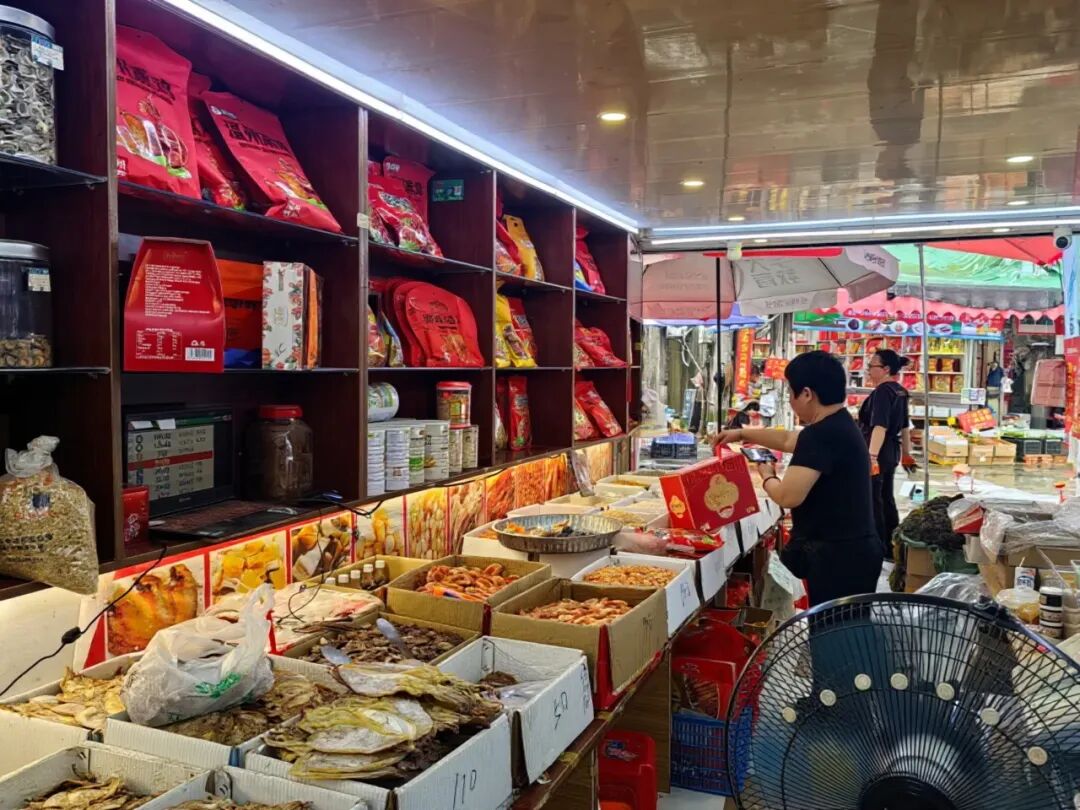
◉Yunyan, the shopkeeper, photographs gift-box packaging samples for customers.
Rejecting E-Commerce
Although hit by e-commerce, the couple once closed their small-goods shop. Yet Li Jian’s ginseng and deer-antler dried goods shop has not kept up with the times: it has not chosen to open an online store or run live streams, nor joined delivery platforms such as Meituan and Taobao Flash Purchase.
“Our shop is a retail shop, but it sells at wholesale prices, even cheaper than e-commerce. I looked into opening an online store: signing up to an e-commerce platform costs money, whereas we have no shop-rent pressure. We only earn a few yuan per jin of goods, and e-commerce platform commissions are far higher than our margins. When the shop first opened, Meituan, Taobao and others came round in person, urging us to join. A third-party operating company would run the online store for us, but the arrangement involved upfront fees and high commissions; once the fees and commissions were paid, there was basically no profit left.”
The dried goods shop has grown its customer base mainly through word of mouth, and Yunyan firmly believes that good products sell themselves, no matter how out of the way the shop is. Some friends who used to live in Wenzhou but have since left miss the taste of dried goods; they added Yunyan on WeChat and often place orders. When people from Wenzhou visit relatives and friends elsewhere, those relatives and friends also naturally become Yunyan’s customers after tasting Wenzhou specialities (especially duck tongues).
She is old-school and rarely orders food delivery; at midday she goes to the wet market herself to buy vegetables and asks the hired worker to cook lunch. She has not downloaded the grocery-delivery apps, Dingdong Maicai and Meituan Maicai. When customers contact her on WeChat to order goods, she finds it tricky if she has to call a courier, because the shop’s address lacks a precise location pin.
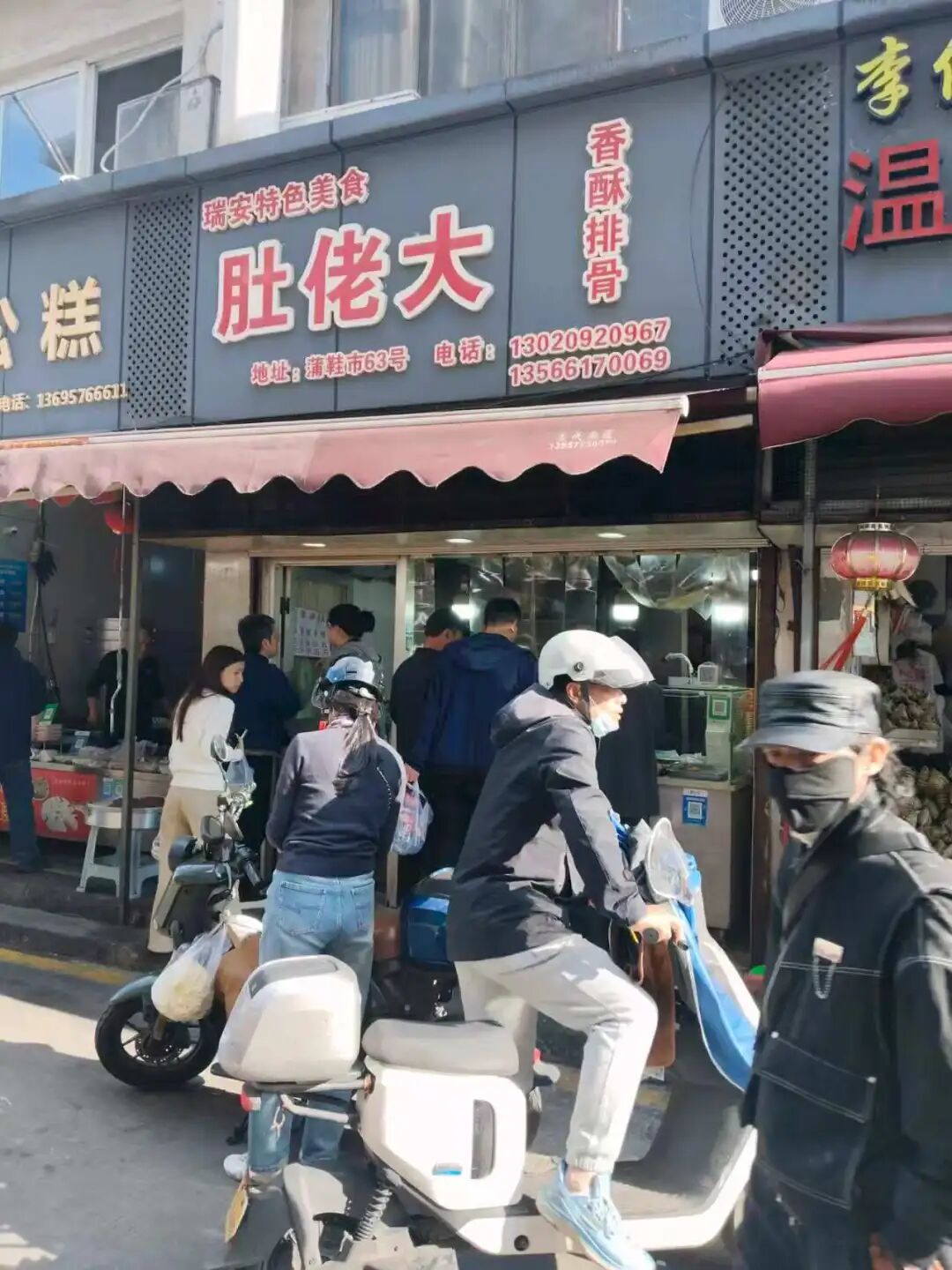
◉Some of the popular food stalls in the wet market are packed with people; every batch from the wok sells out at once, so online business is out of the question. Photo: Foodthink
In Shuangjingtou wet market, apart from one very small shop selling mung bean cakes, whose shopkeeper runs live-stream sales, none of the other traders have taken to live streaming. Yunyan feels that just looking after this shop is tiring enough, and she really has no energy to run live streams, “I am so busy that I don’t even have time to reply to WeChat messages.”
Fortunately, Yunyan’s customers as a whole are on the older side. The dried goods shop’s main customer base is older people who have retired, whose purchasing power is much stronger than that of young people. “Young people who come to buy dried small shrimp buy them in 10-yuan portions; if the scale shows even 1 yuan over, they won’t accept it. They only buy enough for a few meals at a time. Older people who find it difficult to get around, to make stocking up easier, buy dried small shrimp in half-jin and jin amounts. If we weigh out two jin for them, they don’t mind.”
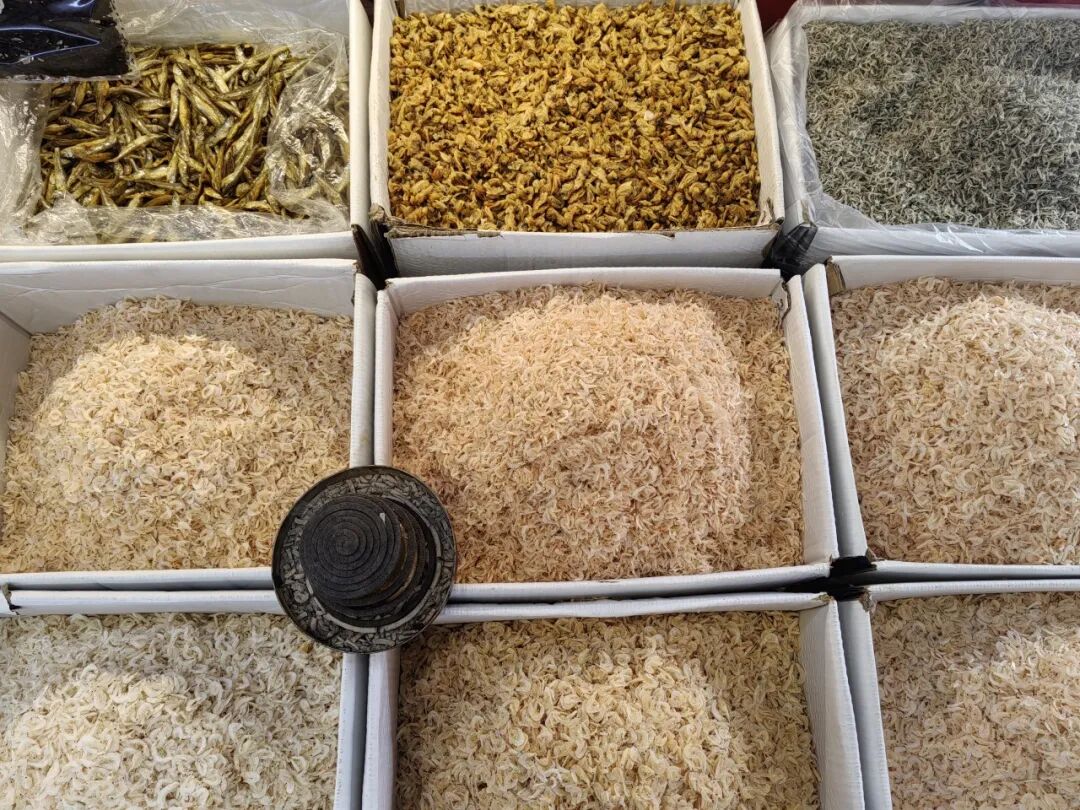
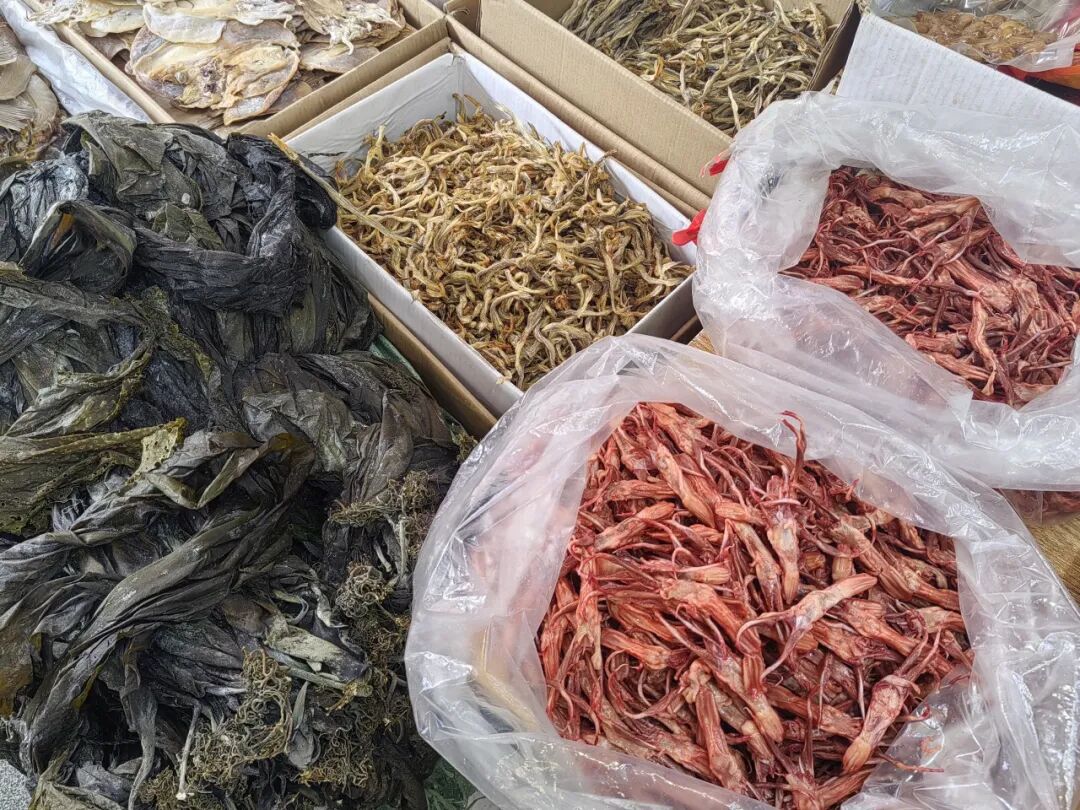
◉Assorted dried goods
Families Holding On in the Wet Market
Although Yunyan’s work is hard, she always tries, as far as possible, to set aside a few days during holidays, winter and summer breaks to take her younger son out. On her WeChat Moments, apart from sharing her work diary, most of the content records the growth of her two sons, whom she calls the elder young master and the younger young master.
Because the dried goods shop is open almost all year round, whenever there is something that means closing early or going out, Yunyan and her husband have to take turns looking after the shop. So even when they take their sons out, it is rare for the whole family to go out together.
In 2025, their eldest son came home after graduating from university. With a degree in electronic information engineering, he installed an anti-shoplifting gadget in the shop. “The installation originally cost over 2,000 yuan, but now it is only just over 1,000 yuan. Other people have to hire someone to come and install it. My eldest son knows how to install it, so we saved the cost of hiring an installer.” When the installation is brought up, a trace of pride instantly lights up in Yunyan’s eyes; she is beaming, her dimples showing.
Their younger son is now in Year 4 of primary school and has truly grown up in the wet market. It was in the wet market that he saw his first snow. The sleet fluttered down on his nose, a little ticklish, and he couldn’t resist reaching out to catch it. On Chinese New Year’s Eve, his parents took him to set off firecrackers in a little alley near the shop, and he wasn’t scared at all. Playful by nature, right up until Year 1 he would often bolt off without saying a word to his parents and go to play with children from other shops in the wet market.
Because of his naughty behaviour, Yunyan has received no shortage of complaints from teachers. Now her younger son lives the same kind of life as children of ordinary dual-income families: on weekdays he stays at an after-school care centre until 8 or 9 p.m. before going home, and on weekends he attends academic tuition. But unlike dual-income parents, Yunyan and her husband have to take turns accompanying him out to play badminton and basketball for exercise.
When it comes to her two sons’ futures, Yunyan now has different plans: her eldest son does well academically and is currently applying for public-sector jobs.
“At first I hoped my younger son would also do well at school, so that he wouldn’t have to earn a hard living later on. Now I’ve come to accept it: if he doesn’t do well in his studies, I’ll let him take over the business later. We have been in business for decades and have a stable customer base, resources and contacts.”
But Yunyan also has a private hope: “This shop is mainly retail. I hope my younger son can do wholesale. Previously, when I did wholesale at Huanglong small-goods market, it felt easier than running a shop in the wet market. Retail involves a lot of things and is tedious.”
– This is Foodthink’s 835th original article –
Foodthink
Author
Hongshu Lian
I shop for food and cook full time; I write part time. I love wandering around wet markets; there is no irritability, low mood or anxiety that can’t be eased by a wander through the wet market.
Unless otherwise stated, all images in the article are provided by the author.
Editor: Xiaodan
Layout: Xiaoshu
– New Book Recommendations and Event Previews –


Scan to tip and support original food insights
▼

▼
Click the image to read related articles

▼
Click a keyword to explore more article collections
Seeds | Agricultural Technology | Policy | Fermentation | Nutrition | Fruit | Fisheries | Events | Recruitment | Delivery | Wet Market | Animal Husbandry | Food Talk | Sharing Event | Book Club | Harvest Celebration | Smallholder Stories | Climate Change | Rural Development | Cooperative Economy | Urban Farmers | Food Safety | Digital Technology | Biodiversity | Pandemic and Food | False Solutions | Ecological Agriculture Internship Programme
Beijing | Hebei | Shanghai | Guangdong | Guangxi | Henan | Sichuan | Jiangxi | Xinjiang | Shaanxi | Hong Kong | Chongqing | Zhejiang | Jiangsu | Guizhou | Taiwan | Inner Mongolia | Philippines | Canada | Russia | Mexico | Italy | United States | United Kingdom | Germany | Netherlands | Thailand | Sweden | Japan