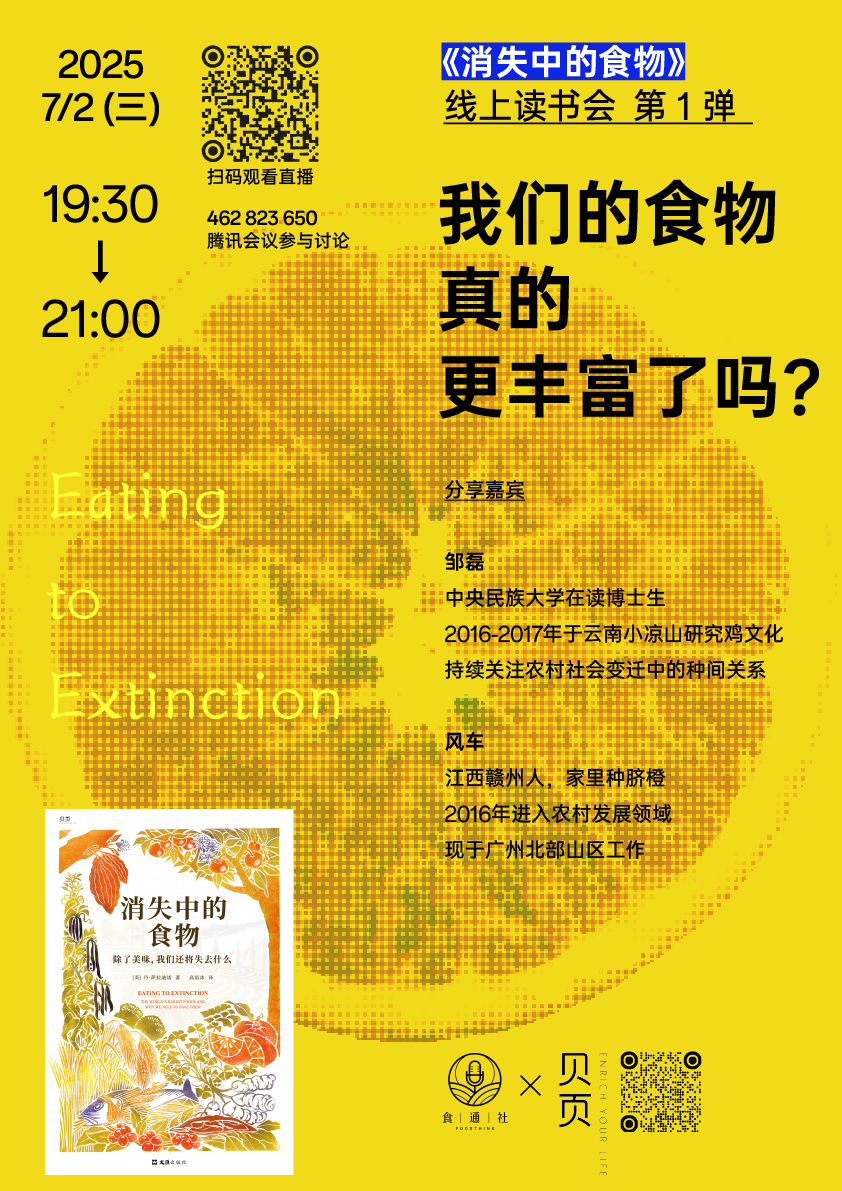
Veteran BBC journalist Dan Saladino has visited more than 30 countries, using endangered foods such as Sichuan Red-mouth glutinous rice, Britain’s Perry pear and Coffea stenophylla to show how food diversity is linked to everyday food, farmers and ecosystems.
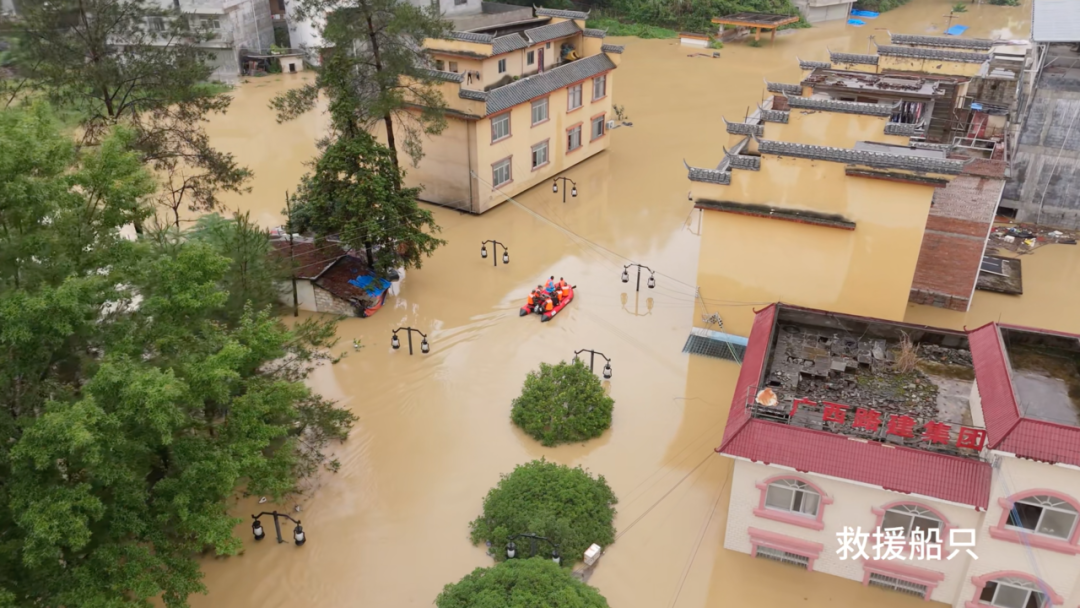
In heavy rain after the drought, rural residents in Sanjiang, Liuzhou; Lihu, Nandan; and Du’an, Hechi, faced water and power outages, washed-out roads or damaged crops. A mother and daughter in Lihu also moved Baiku Yao ceremonial dress to the fourth floor.
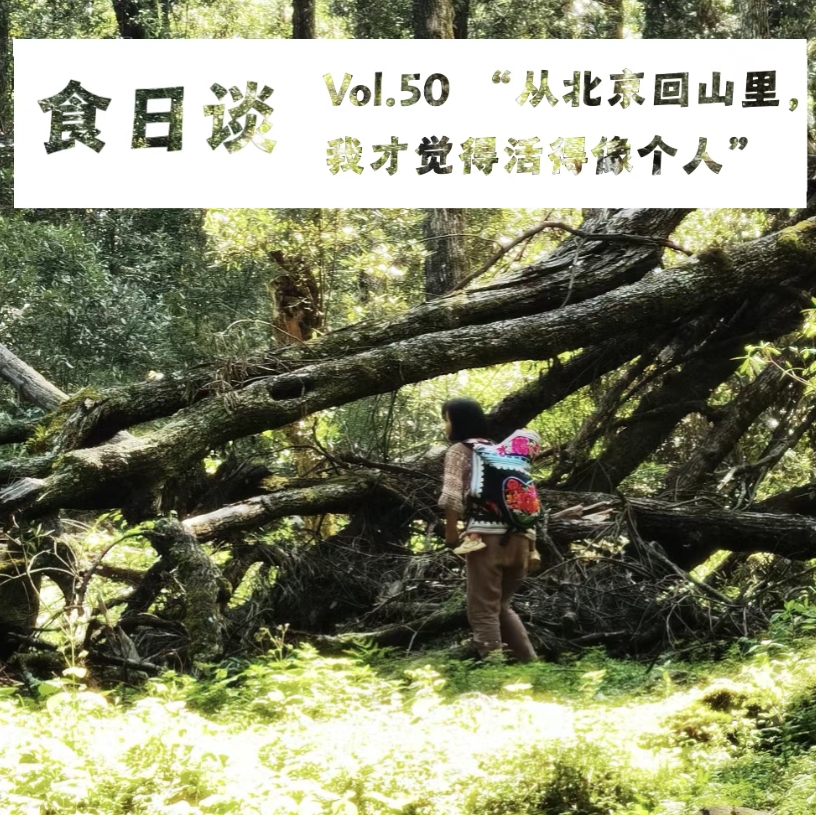
In a dialogue at the Beijing Organic Farmers’ Market, Kang Li, an Yi woman from Chuxiong, Yunnan, and Jin Peng, a Greater Khingan Mountains forager, describe returning to the mountains to pick mushrooms and selling wild mountain produce, discussing mountain village labour, climate change and pricing logic.
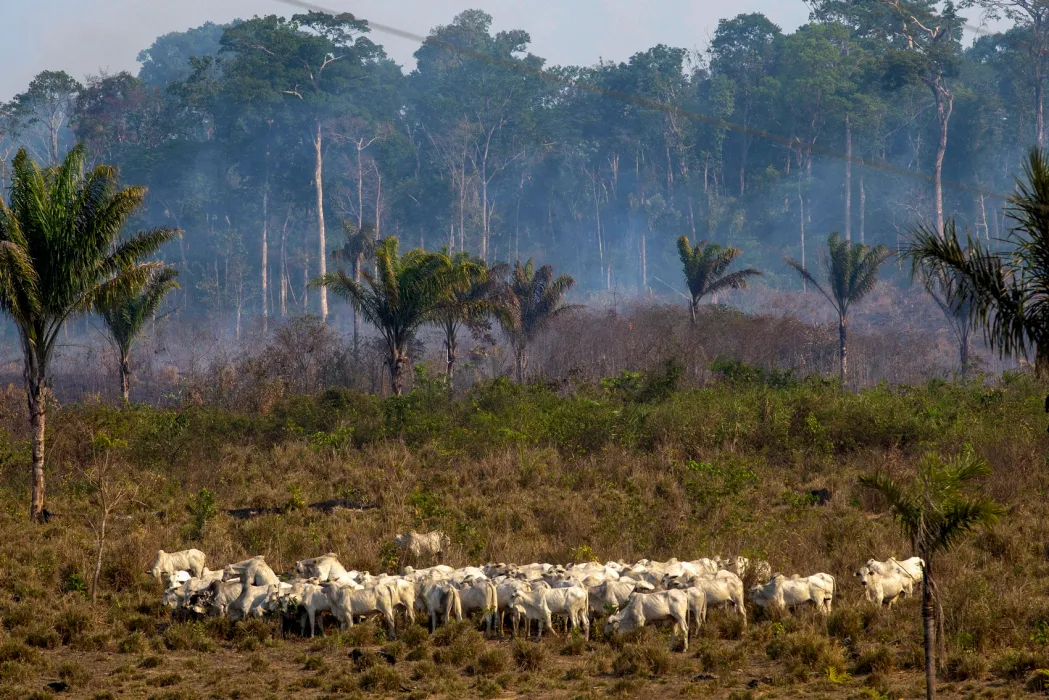
From the Qinghai-Tibet Plateau to the Amazon, imported Brazilian beef links herders’ livelihoods, price choices and rainforest deforestation. Chinese consumers argue over low prices and the environmental cost.
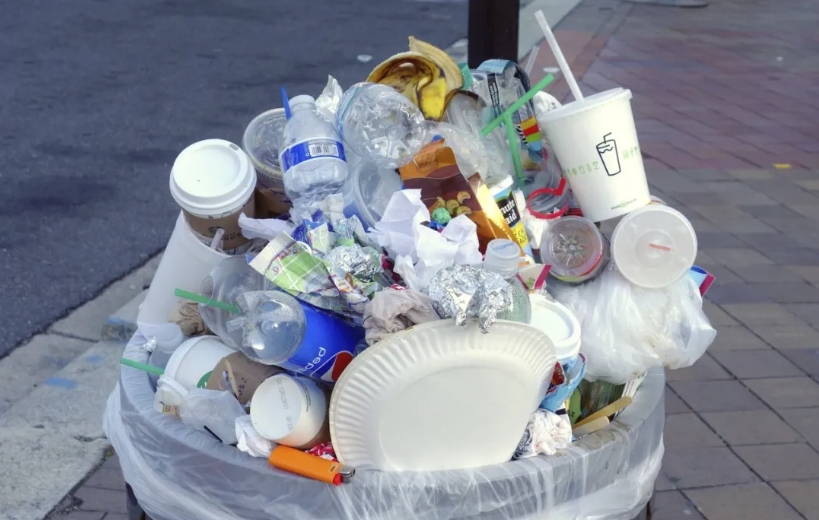
From takeaway containers and courier parcels to mooncake gift boxes, people document the layers of plastic wrapped around everyday life. They also share experiences of reducing plastic by reusing it, bringing their own containers, and finding recycling points.
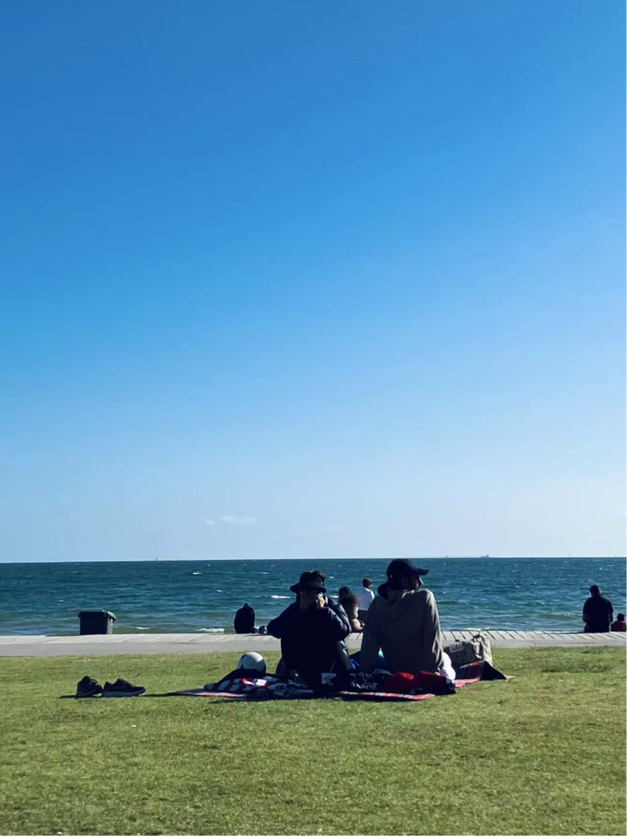
A Working Holiday Visa holder delivers food on foot for Uber Eats in Melbourne’s city centre. In their first month, over 80 orders earned them more than 1,200 Australian dollars; a cafe job covers rent, yet hourly pay falls below Australia’s legal minimum hourly wage.
From US military products to takeaway containers, plastic has penetrated everyday life through the oil industry and single-use consumption. Recycling and biodegradable solutions have limits; humanity must reconsider which products should be made from plastic and how to create less waste.
Supply chain data show four Hong Kong companies bought tripe and omasum from slaughterhouse “163 Beef”, which made repeated purchases from the family farms of Brazilian rancher Heller, who is accused of illegal deforestation in the Amazon. Supermarkets including Wellcome still sell Brazilian beef.
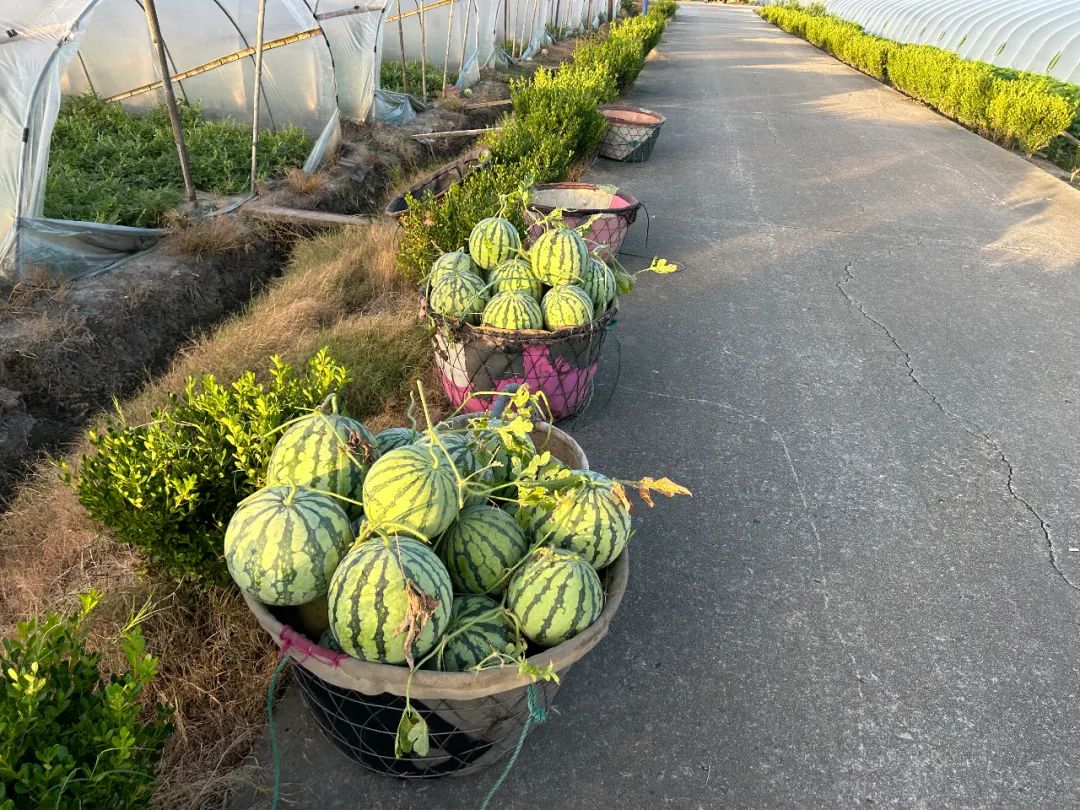
Summer arrives, and with it, another season for watermelon. Watermelons are inseparable from summer, just as the farmers behind the fruit evolve alongside their crop. Wherever there is land, you will find the watermelon farmers of Taizhou. Their history of enterprise dates back to the 1980s, forming another chapter in…
Foodthink Says Since this spring, Shaanxi has experienced its most severe drought since 1961. Combined with extreme weather such as high temperatures, strong winds, and sandstorms, these compound disasters have seriously threatened agricultural production and rural livelihoods. In May, with the support of the Oxfam Hong Kong Beijing office, Foodthink…