About 400 million Atlantic salmon are held in farming net pens along Norway’s coast, outnumbering the world’s wild population. Migration success has fallen from half to 3 per cent, and sea lice and escaped fish are making wild populations more vulnerable.
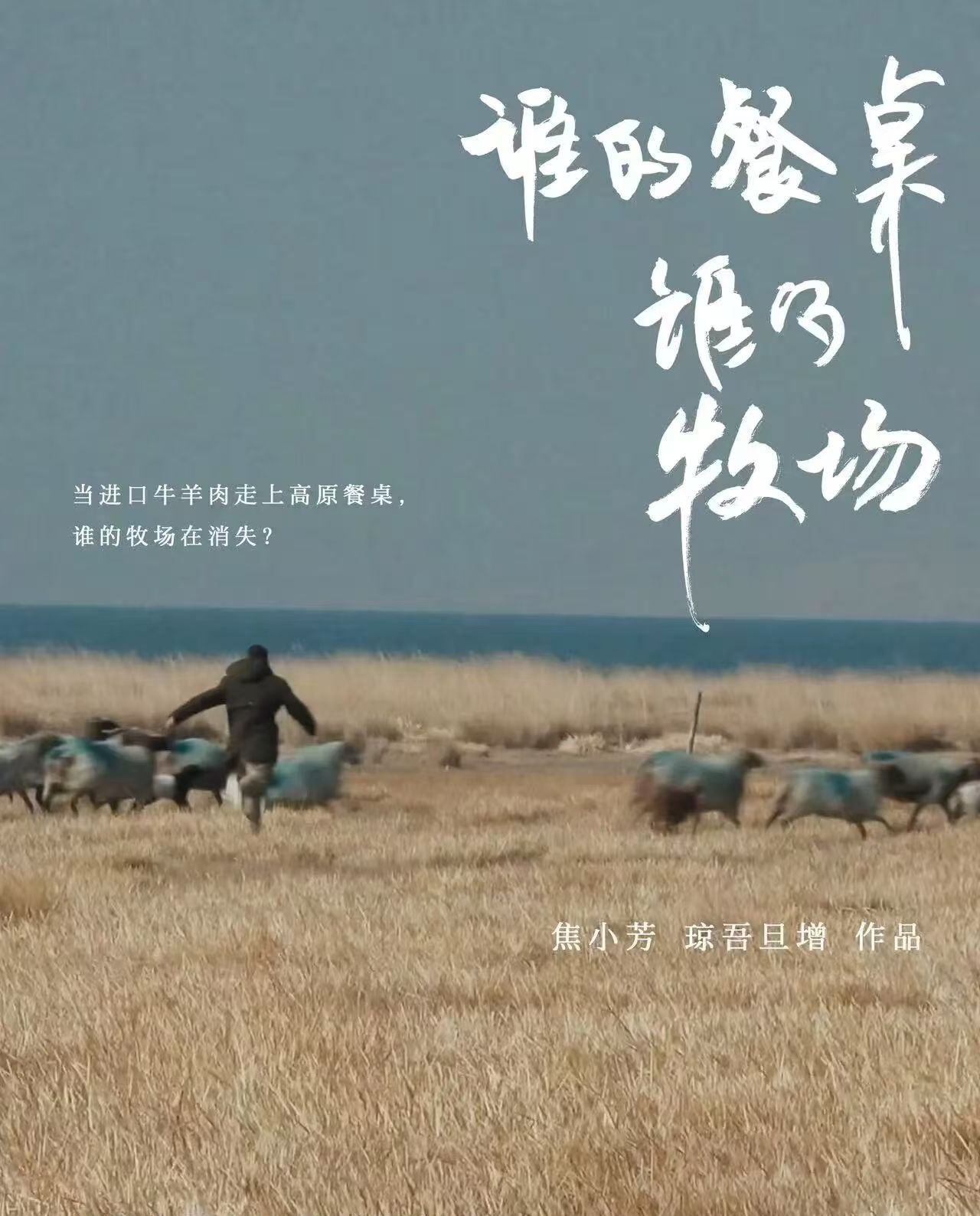
This year’s World Nomadic Film Festival was held in Jagdaqi in the Greater Khingan Mountains, and young directors from Qinghai, Inner Mongolia and elsewhere use films to show how fences, imported beef and mutton, and urban-rural movement affect herders’ livestock, livelihoods and identity.
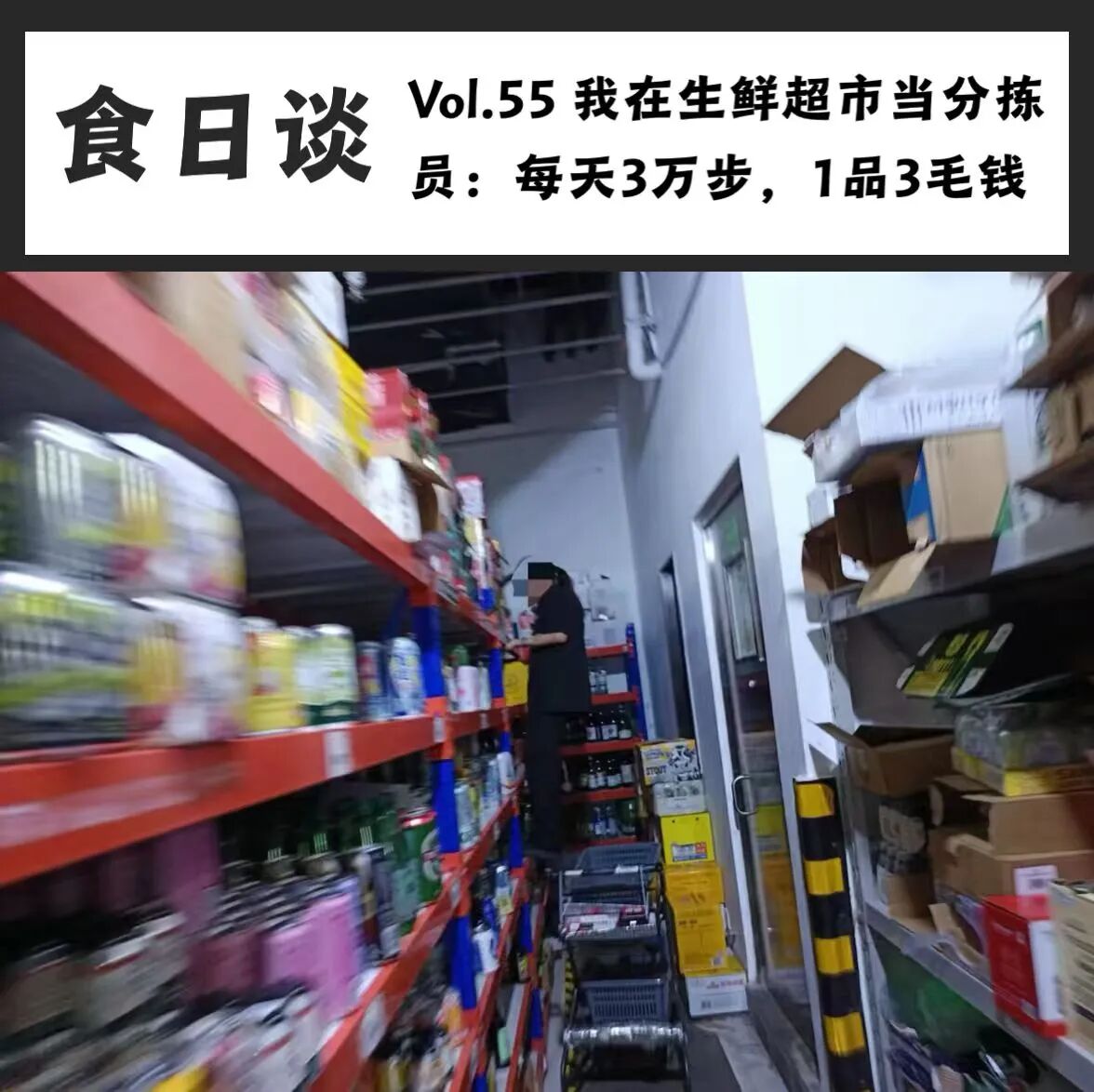
Social worker He Siqi, who focuses on workers’ rights, worked for a month as a picker in a JD 7Fresh dark store and experienced PDA countdowns, supervisors’ urging, fines for mistakes, and the algorithmic labour behind ’30-minute delivery’.
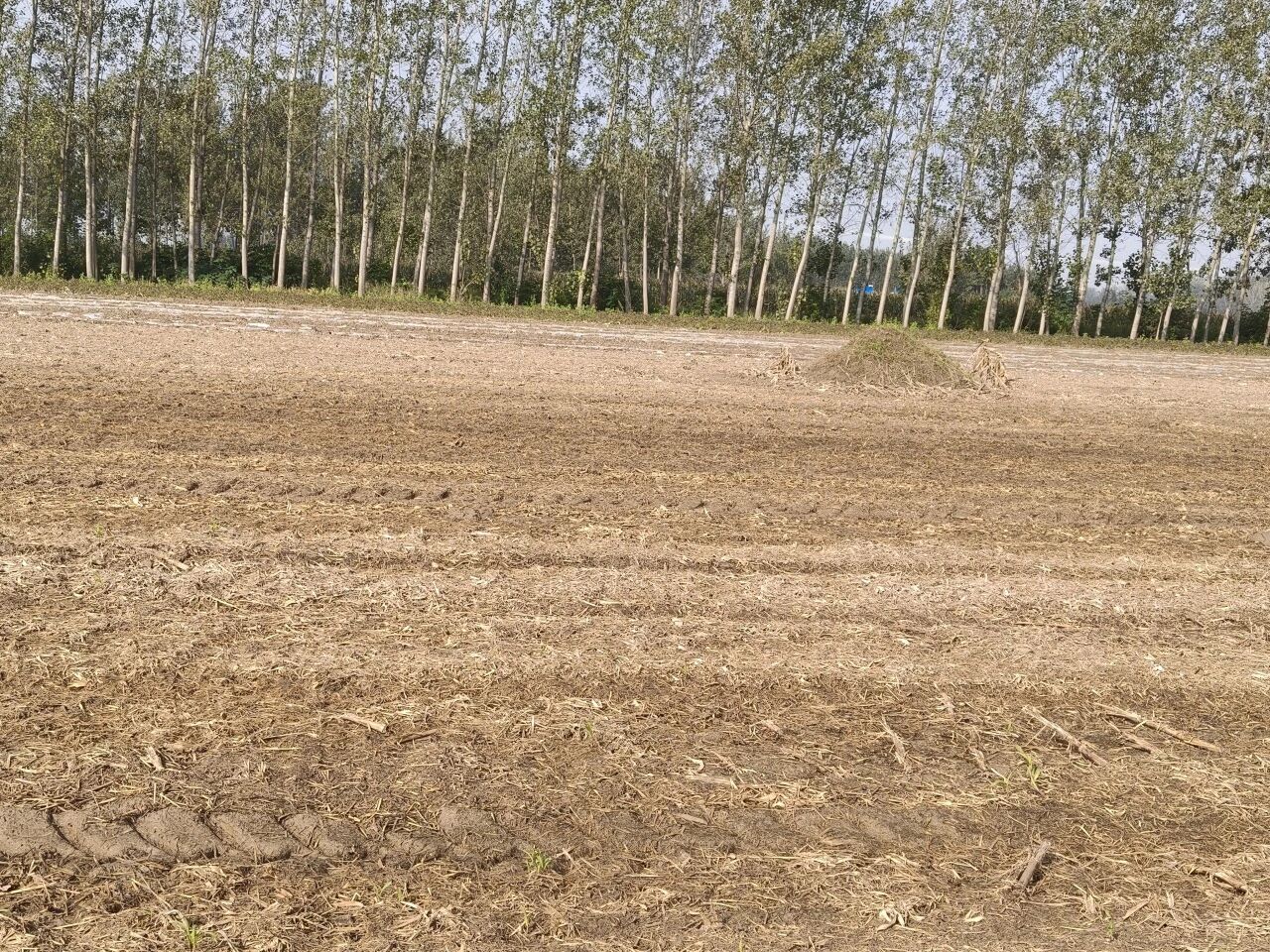
From Henan’s Shangqiu to Hebei’s Handan, persistent rain has repeatedly hindered maize harvesting, drying and kiln-drying. Harvesters have bogged down, maize cobs have moulded and sprouted; even with tracked harvesters and drying towers deployed, most growers still struggle to avoid reduced yields and low prices.
In downpours and scorching heat, delivery riders have no sick leave or circuit breaker mechanism. Delivery platforms shift more risk and pressure onto them with tiered rewards. With wet markets and small shops squeezed, consumers ask who pays for convenience and how to eat slowly.
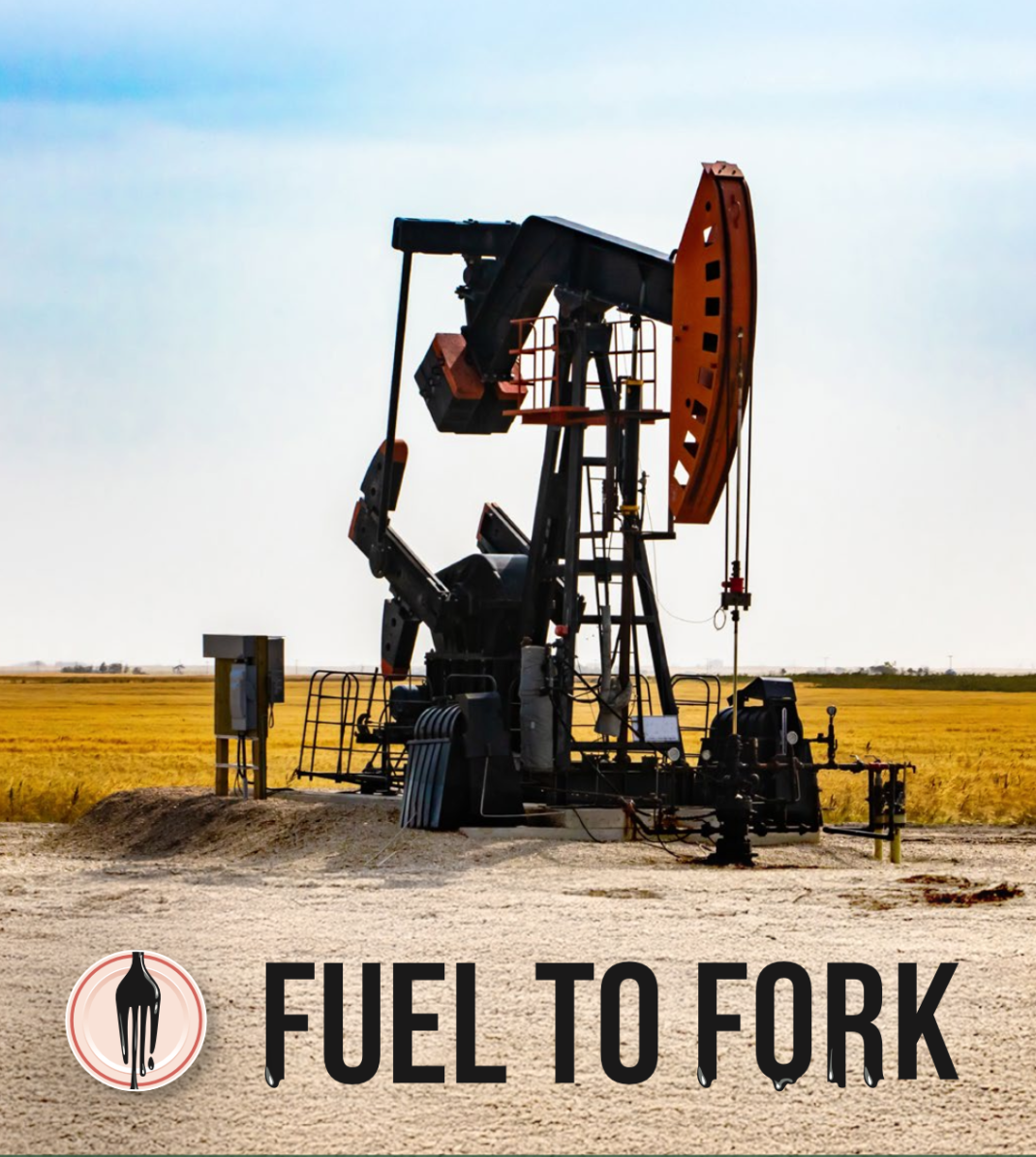
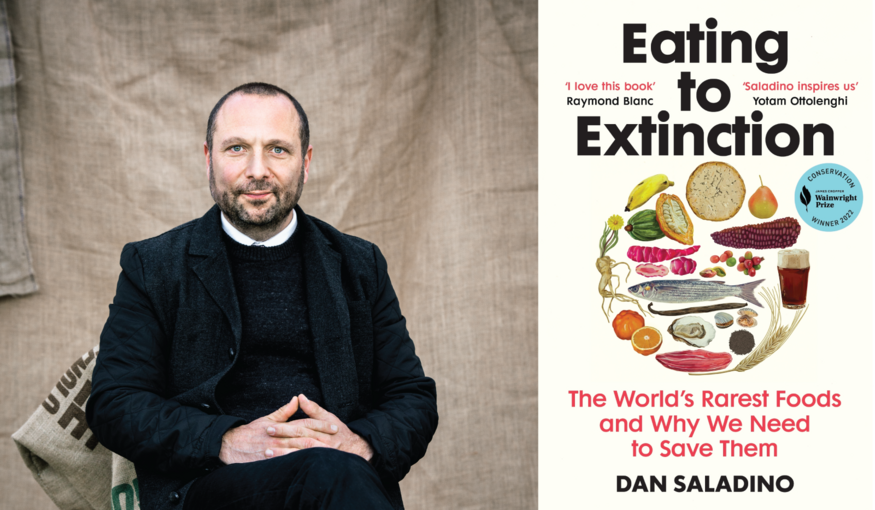
From farm nitrogen fertilisers, ultra-processed foods, plastic packaging, the cold chain and home cooking, the food system uses fossil fuels at every stage. The International Panel of Experts on Sustainable Food Systems recommends eight actions, including agroecology, local supply chains and cutting ultra-processed foods.
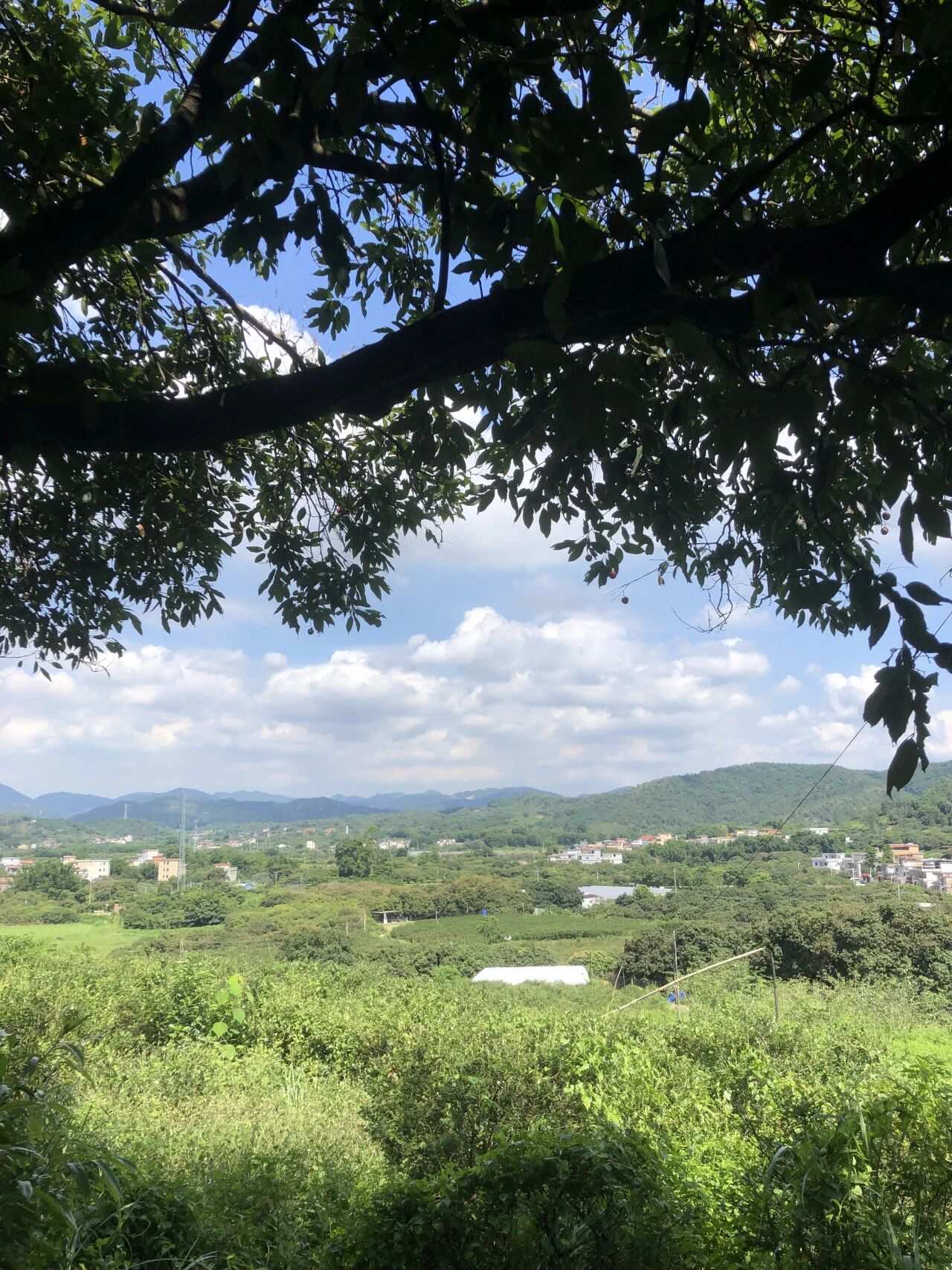
Jianing takes part in Foodthink’s Ecological Agriculture Internship Programme at Yinlin Farm in Conghua, Guangzhou, picking blueberries, corn and lychees, observing chickens, birds, black goats and villagers at work, and feeling the living connection between food and land.
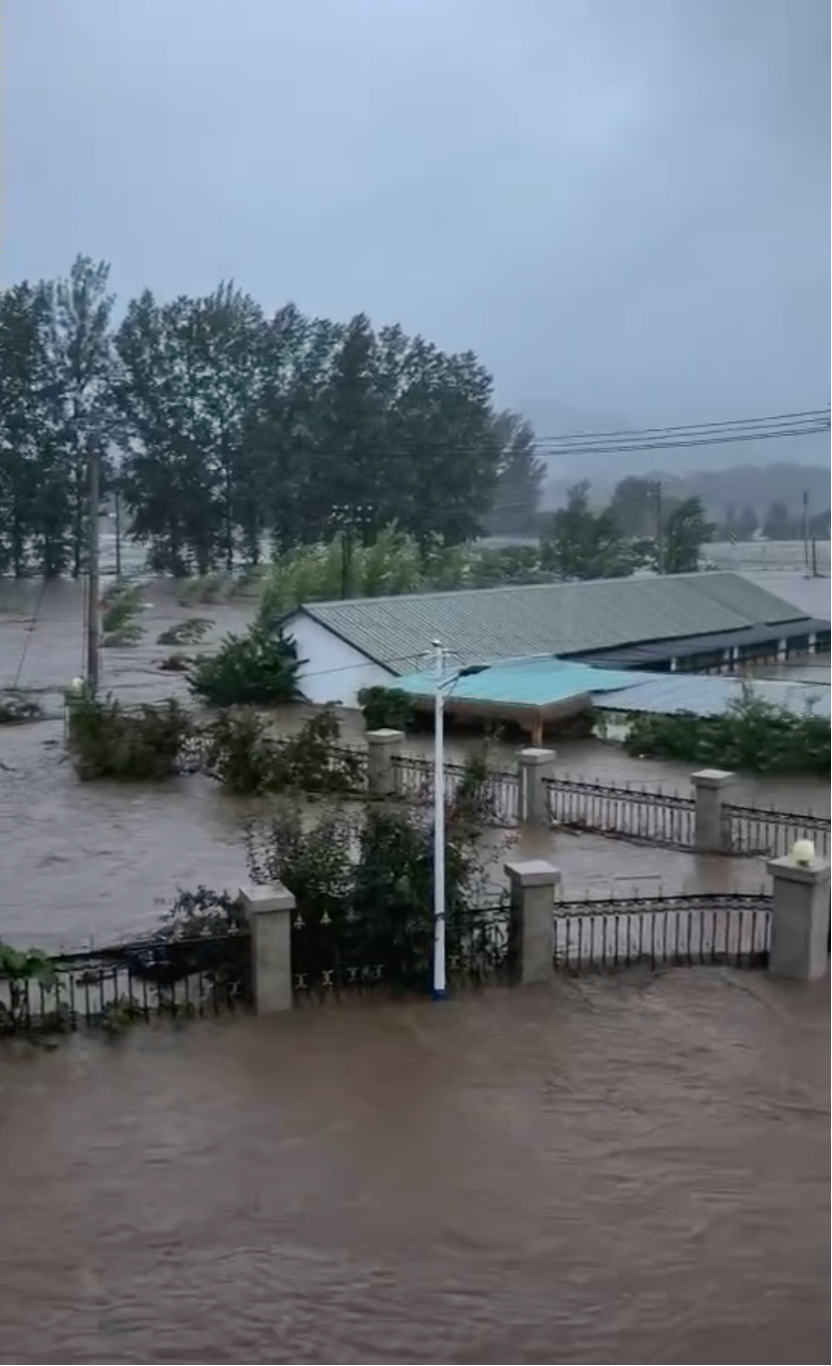
Disaster relief worker Hao Nan led disaster relief organisation Zhuoming’s team back to the Miyun and Xinglong disaster areas to reconstruct how abnormal mountain floods formed and how the grassroots judged evacuation timing. Grassroots disaster prevention and reduction still lack funding, staff and technical calculations.
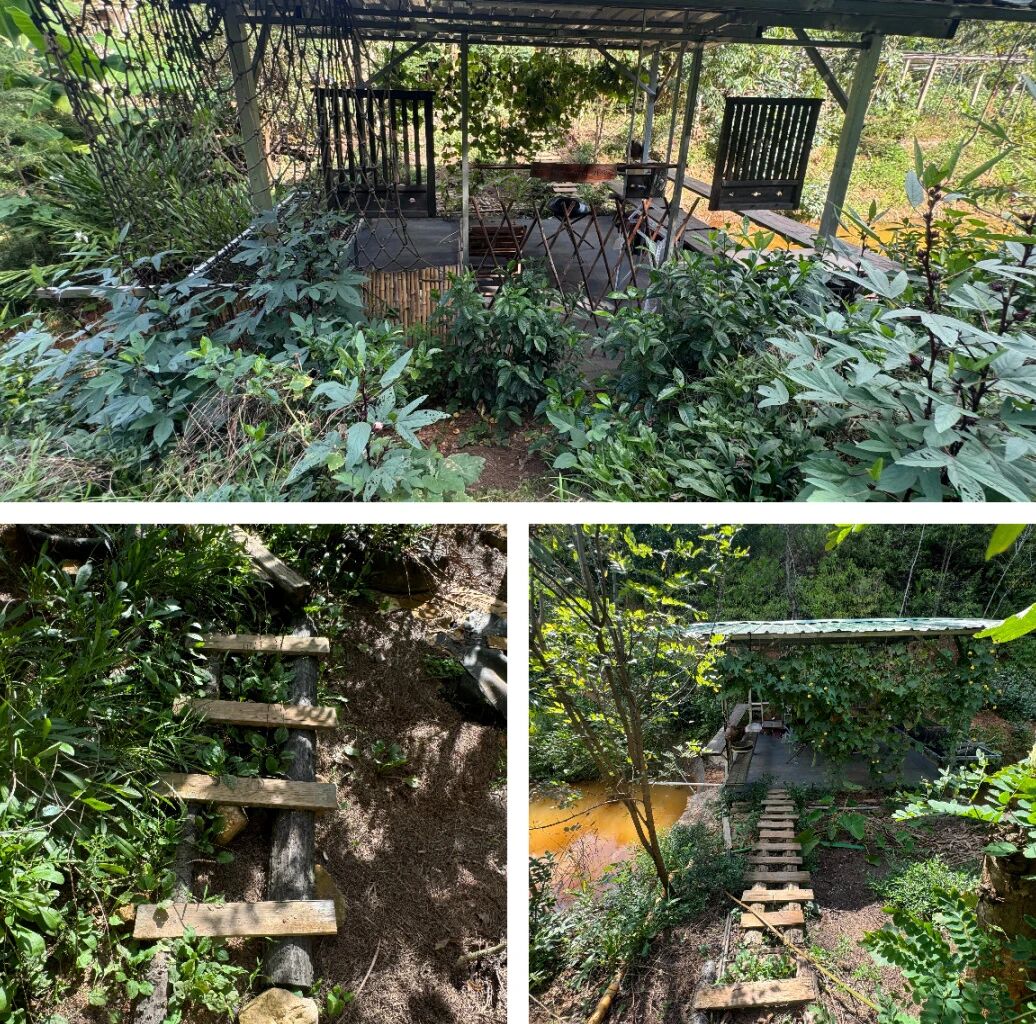
Grandma Kouzi saw that her own drainage was turning rice seedlings yellow in Shengou Village, Yilan, and in Villains’ Valley she used banana plants and water lilies to purify wastewater, rebuilding her relationship with the land through composting and managing the grass profile.
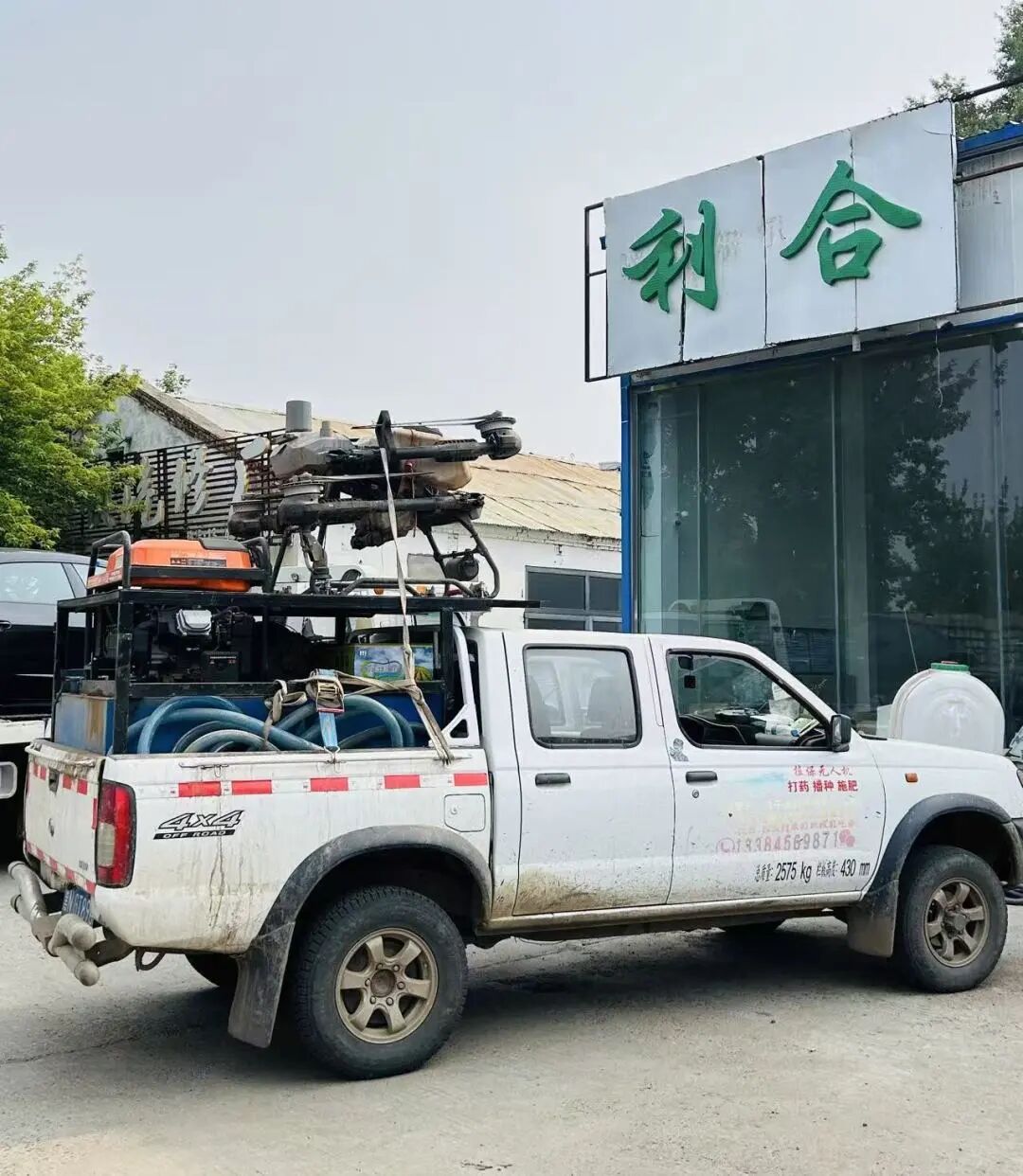
From the rice fields of the Northeast to Hainan’s orchards, cross-region drone pilot Brother Yang, drone-buying farmer Zhao Mingliang, and others are facing falling spray unit prices, pesticide damage disputes and occupational illness risks for which compensation is hard to claim.