
In Ecological Farms, People Are Like Weeds: The More They Grow, the Better
Every garden has a theory of beauty
and a moral outlook on happiness.
— Santiago Béruet, The Philosophy of the Garden
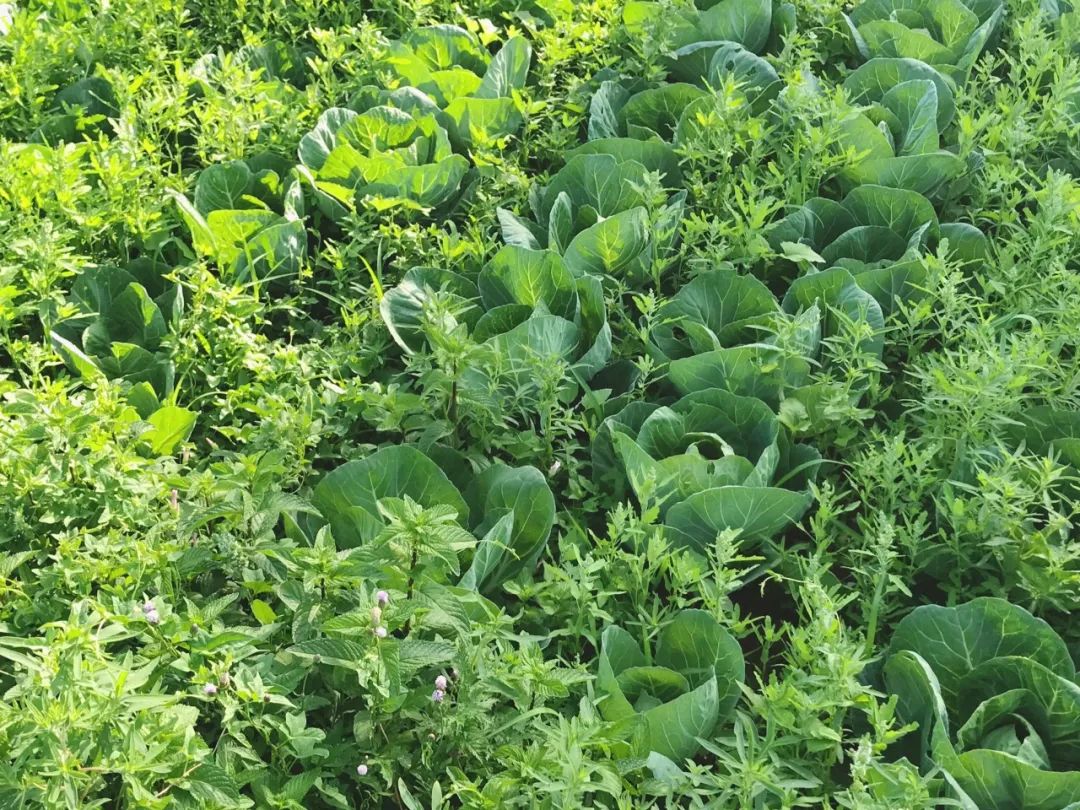
Second, weeds as a method. I have been an environmentalist since childhood, believing that “nature dislikes bare ground” — I would rather see hardened empty lots reclaimed by weeds.
Finally, weeds as a self. I am often drawn to the inclusive ideal of “beauty shared in common.” From another perspective, ecological agriculture is itself like a weed, challenging the boundaries of established thinking. And so am I — a weed in my own right.
By happy coincidence, during my internship at Foodthink, I visited more than a dozen ecological farms. Old doubts unravelled, and my mind and body were filled with new experiences and questions.
I. A Diverse “Ecosystem”
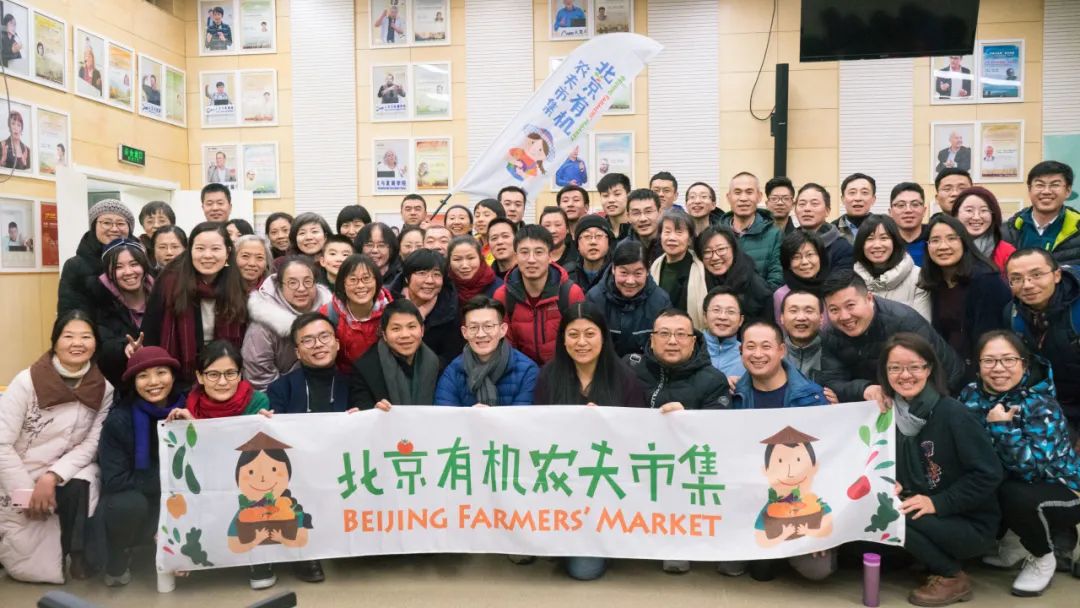
Drawing on a wide range of motivations — a life of cultivation and study, food safety, ecological protection, family, and even community building — each practises ecological agriculture according to their own understanding. This vision draws people from all corners of the country, transcending the geography of production, to build a shared ecosystem: a garden overgrown with weeds.
Compared with conventional agriculture, ecological farms enjoy considerable freedom in how they operate.
Conventional agriculture appears to offer many choices, yet in practice producers grow ever more dependent on pesticides and fertilisers while having access to fewer and fewer means of production and technologies of their own.
Ecological agriculture sets a floor: no chemical inputs or genetically modified seeds; only biological and physical methods are used to cultivate healthy soils and farmland ecology, boosting crop yields and stress tolerance. As for how to work in harmony with nature, there is no single formula. This freedom carries challenges, risks and responsibilities, yet it also nurtures creativity.
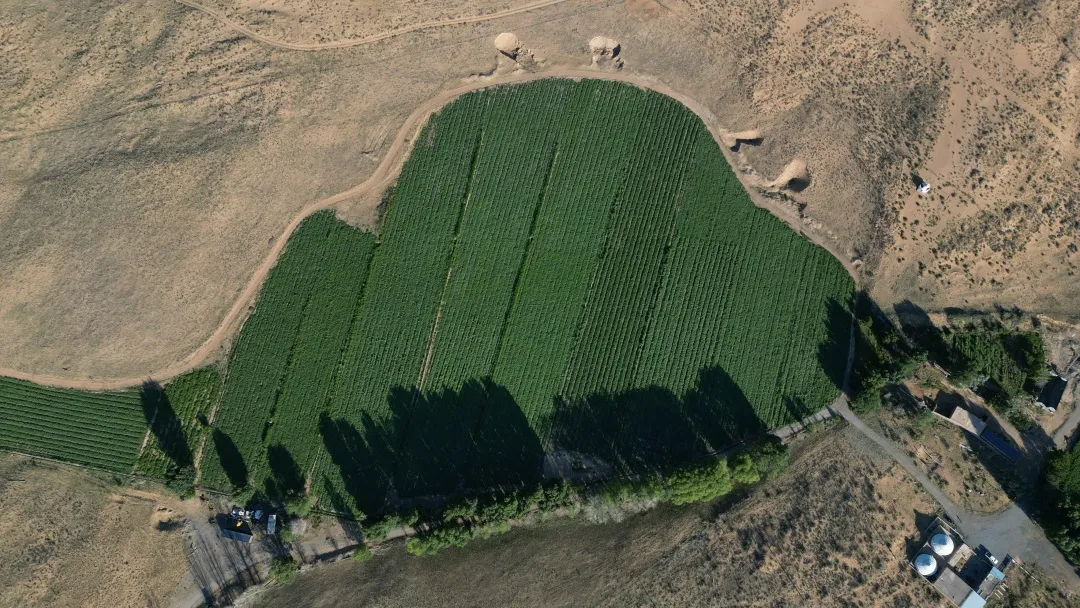
Starting on one’s own family land, if supported by understanding and encouragement from family, brings a sense of grounding in both production and daily life; choosing a location elsewhere opens up a wider field of possibility, a blank canvas on which to draw one’s vision.
II. Machinery or Manpower?
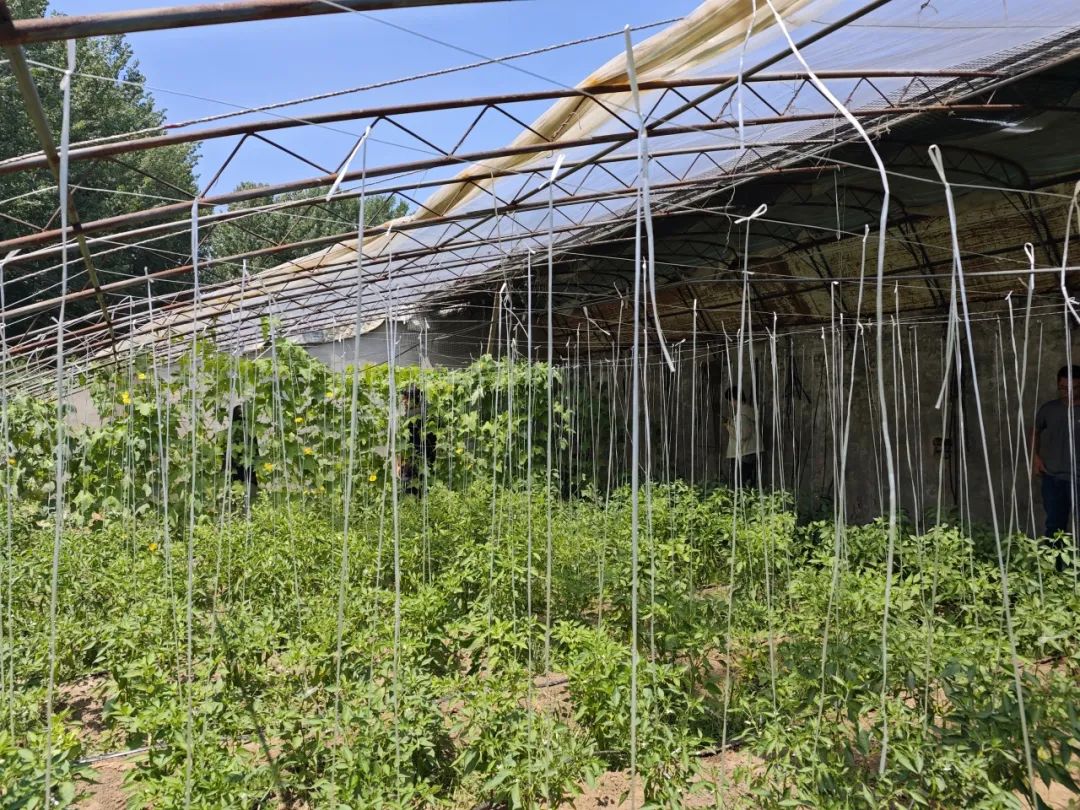
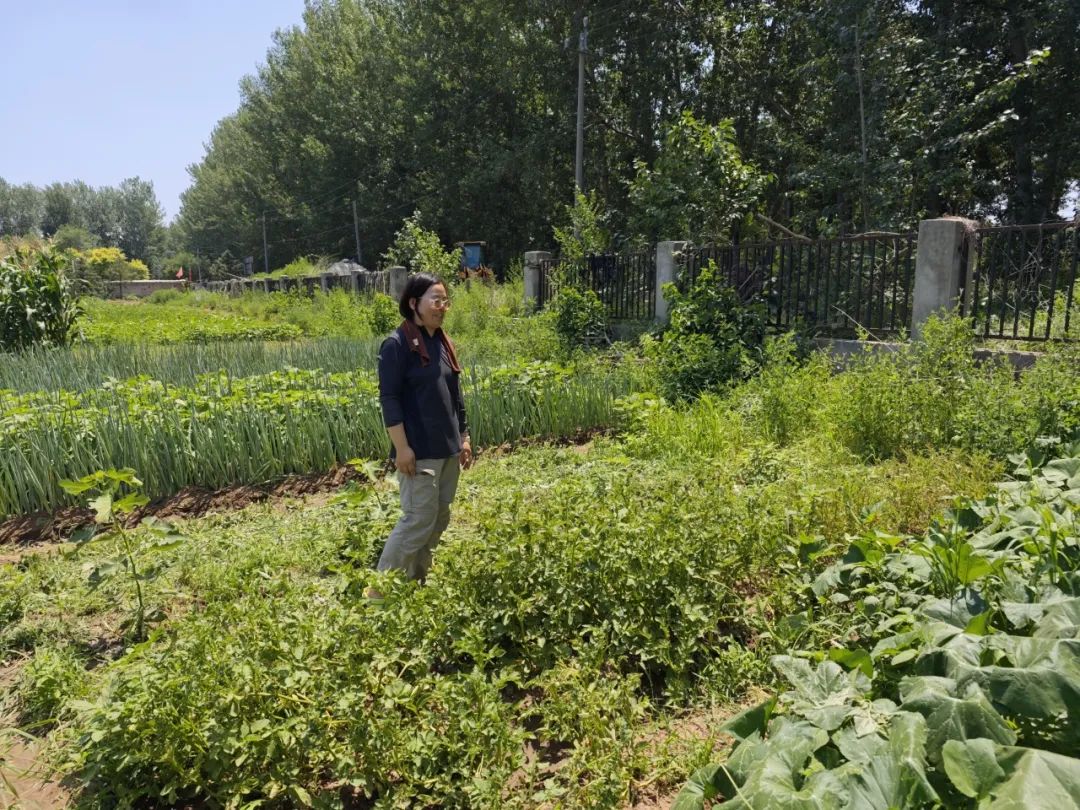
What impressed me most was that Xin-ge climbs to the top of the polytunnel every day to make adjustments. In summer the plastic tunnel film needs repositioning; in winter the thermal blankets must be put up and taken down. On days of heavy wind, rain or snow, even sturdy Xin-ge is left completely exhausted.
I found myself puzzled: why can’t the tunnel film be controlled entirely by machinery?
Intern Lü Lu explained that Xin-ge insists on finely tuning the micro-environment’s temperature and humidity, which is critical for preventing pests and diseases. The farmer must use keen perception and on-the-spot judgement to operate the equipment, so that every crop receives the light and moisture best suited to it.
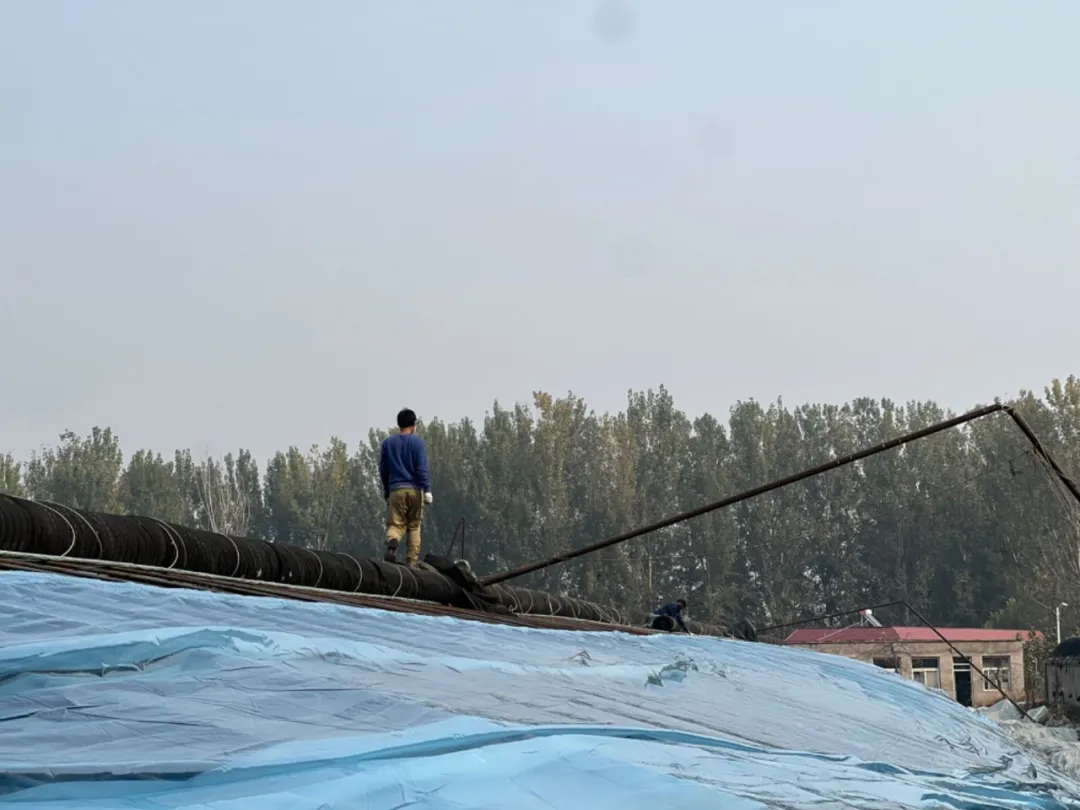
Xiaoliushu Farm, also focused mainly on vegetable growing, is a very different story.
Xiaoliushu’s eighty mu of land, apart from a small number of polytunnels, is grown entirely in open fields. The labour force consists of just Liu-ge and four workers, so the demand for machinery is naturally far greater.
The plots are divided into orderly beds along the access path, each bed planted with different seasonal vegetables; some plots lie fallow after the previous season’s harvest. In the height of summer, weeds seize the opportunity to spread. But Liu-ge has his own labour-saving approach: he sets wider row spacing than most farms, allowing a mini tiller to work the ground and shred weeds for use as compost.
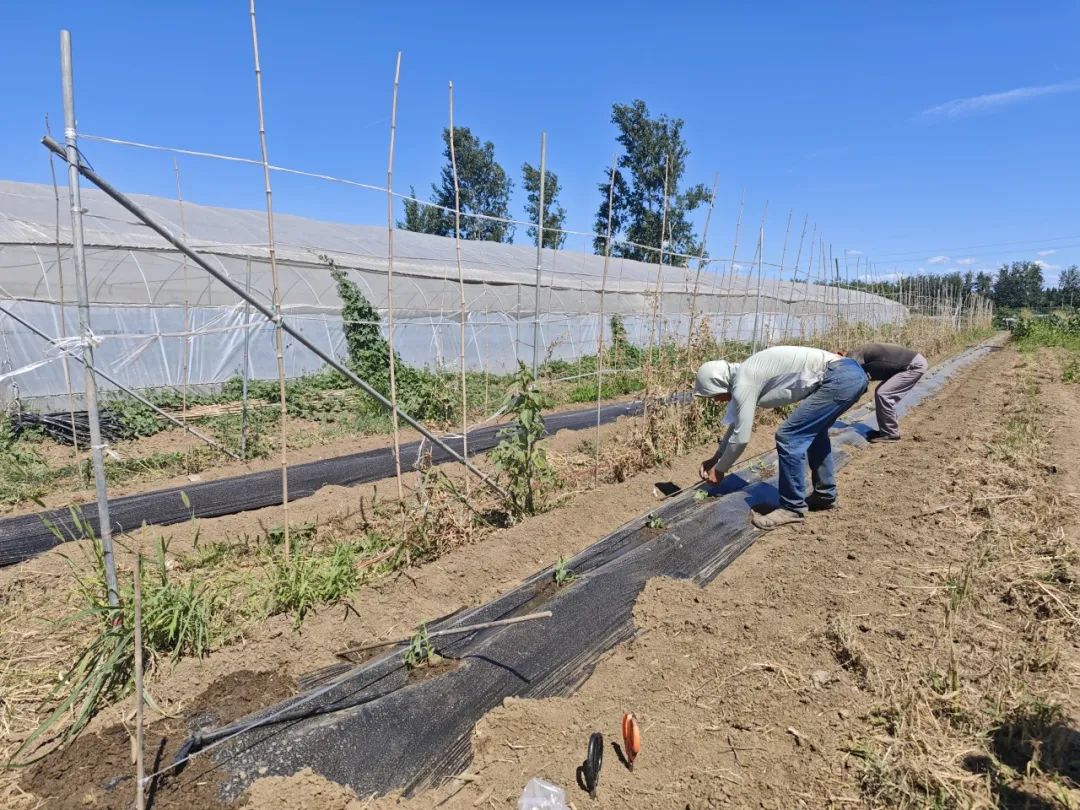
Xin-ge’s ideal is a world of small-scale, meticulous farming, where human labour carries a sensitivity and flexibility that machines simply lack. Liu-ge, on the other hand, believes people are the most unreliable factor and is always looking for ways to put “machines replacing people” into practice.
III. Production and Life
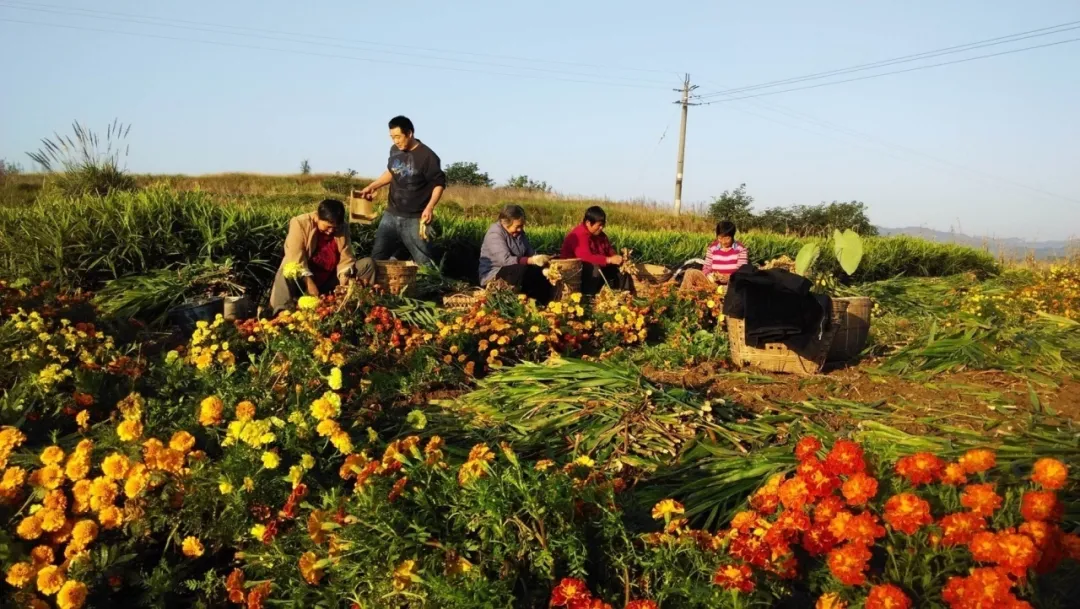
In March 2024, I attended my first in-person sharing session hosted by Foodthink. A photo of Tang Liang’s family working among the flowers, shown by the Sichuan peer, remains vivid in my memory. The “garden-style farm” reflects consideration for ecological improvement and pest control, but is also a lifestyle aesthetic — imperceptibly keeping spirits high in the course of daily work.
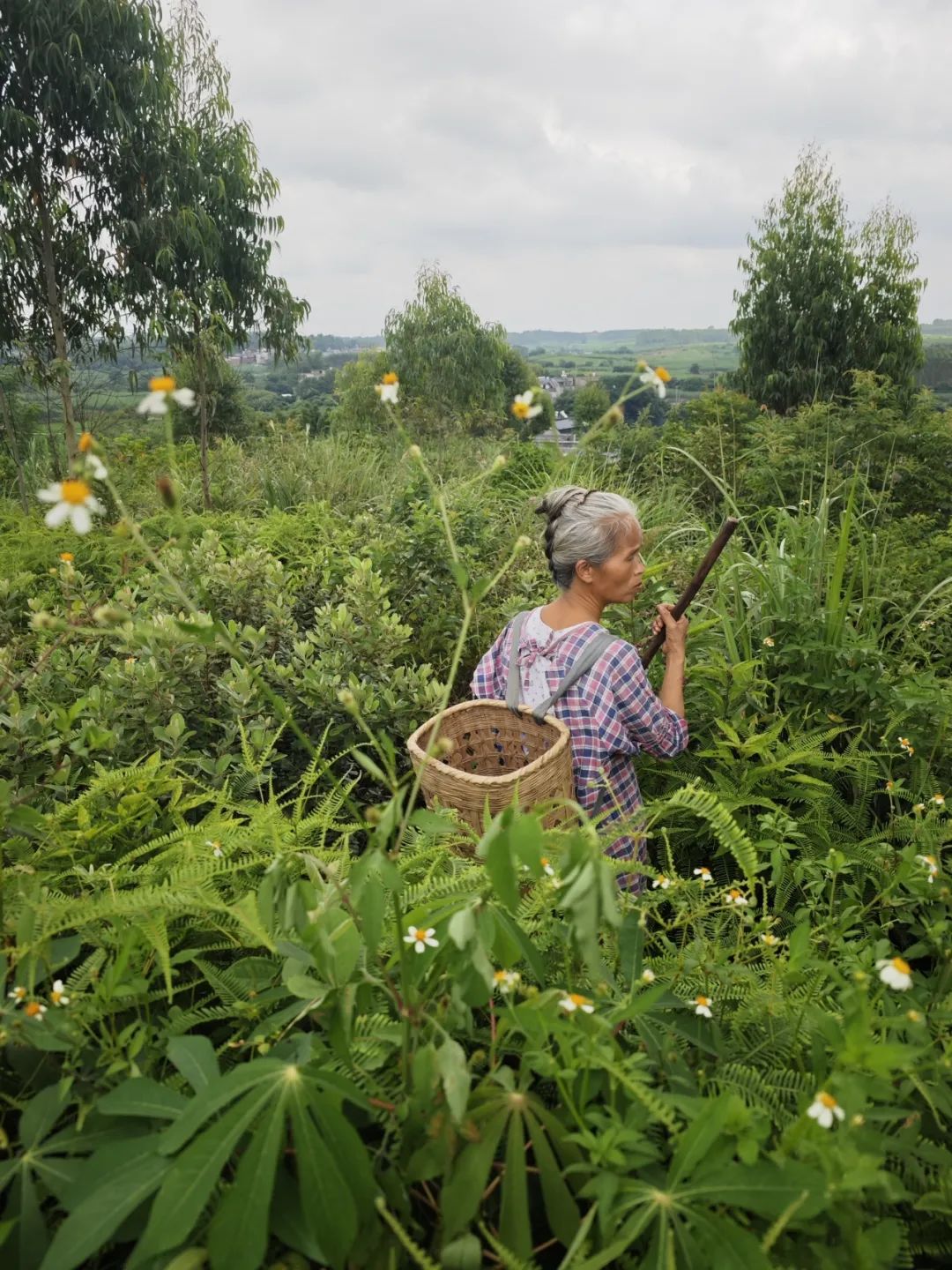
Sister Yan Ping’s Xingfuguo Baicaoyuan in Guangxi and Sister Yu Hu’s Guiling Farm in Yunnan have already taken on the character of a food forest.
Although the initial design and construction required great care, as the farm’s ecology matures, the need for human intervention grows ever smaller. A food forest substitutes diversity for scalability; facing the artfully layered vertical structure of canopy, shrubs, herbaceous plants and ground cover, there is very little scope for machinery.
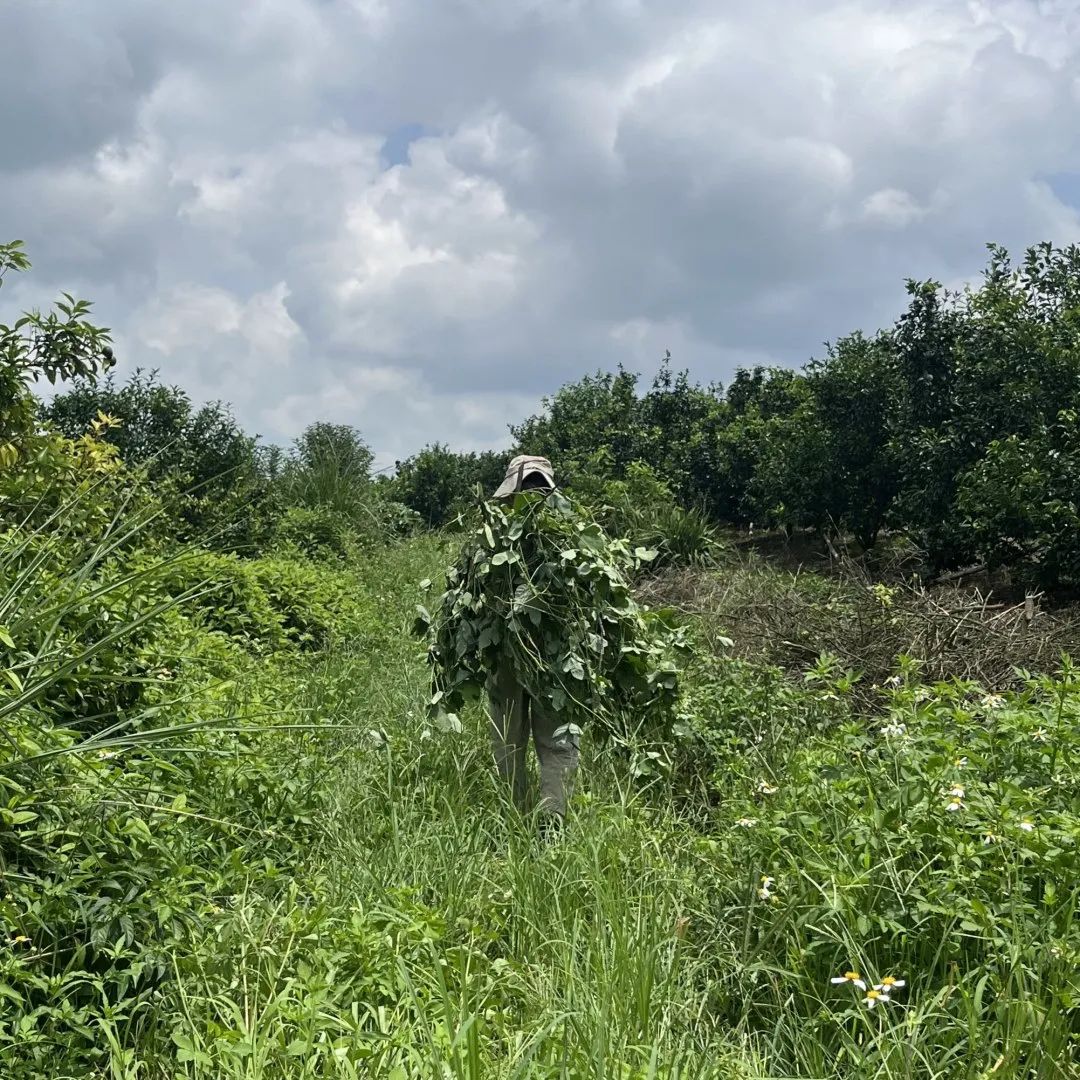
At Guiling Farm, only a lawn mower proves useful. At Baicaoyuan, the closest thing to a machine is an electric farm cart. Apart from the busy season, the usual routine is simply to wander around the farm, doing whatever tending is needed, gathering crops or wild greens in season for a meal — which also keeps a human presence in the landscape. Work and life merge almost seamlessly; it is at once recuperation and spiritual practice.
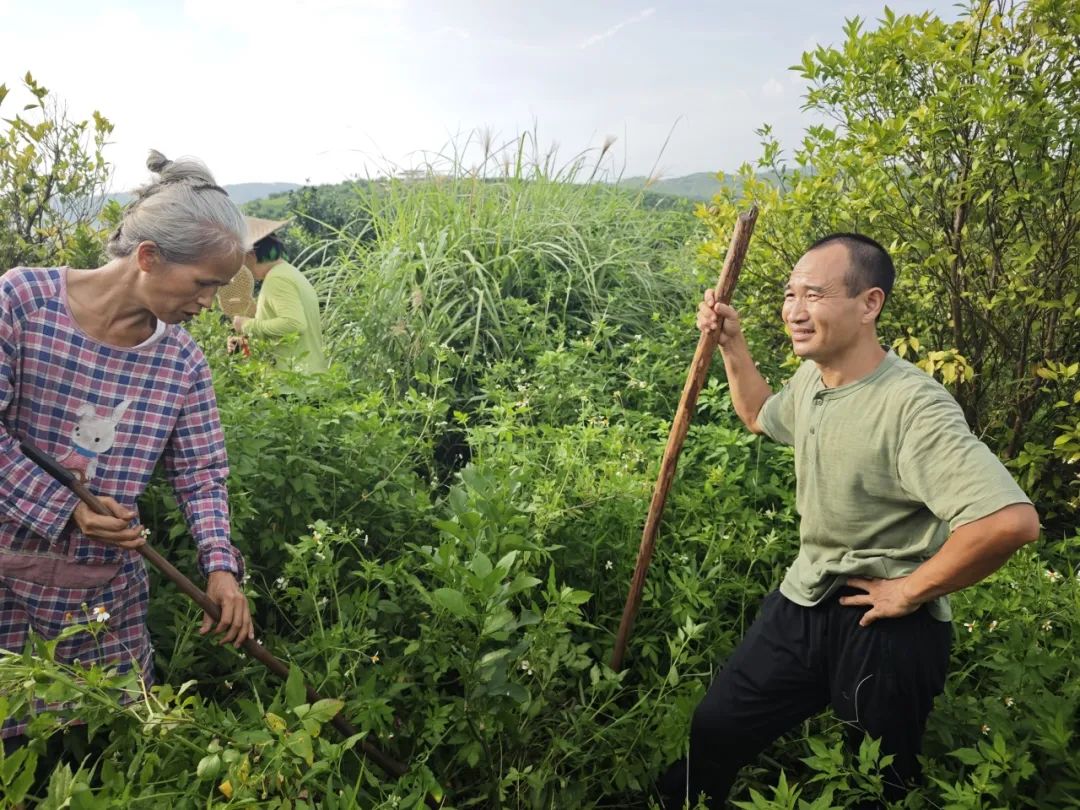
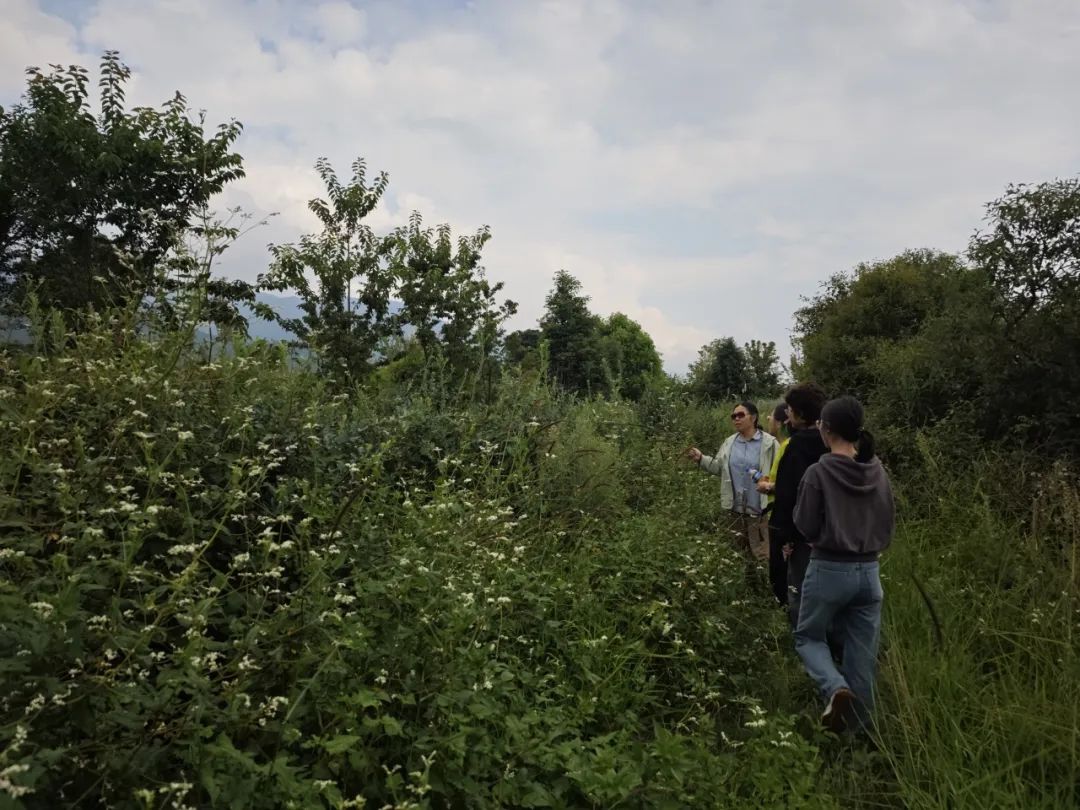
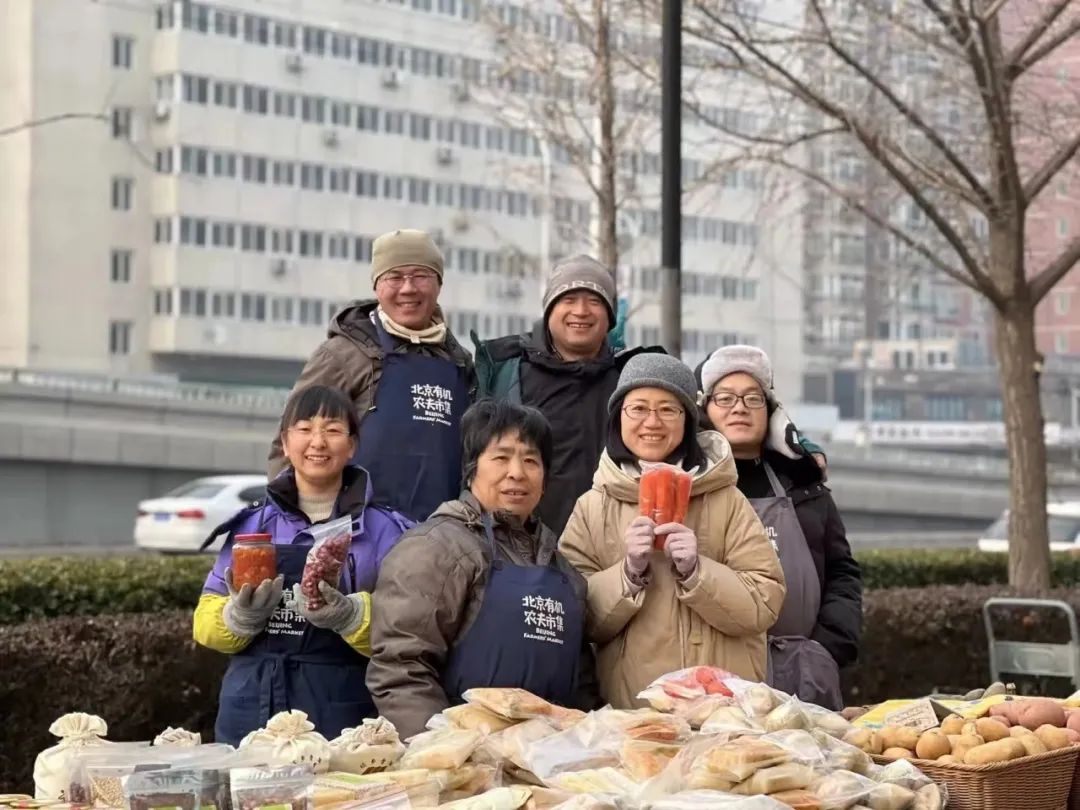
The ecological farms described above are mainly individually owned or family-run. Others have more complex functional zoning, staffing structures and catchment areas, such as Little Donkey Community Farm, Phoenix Commune, Yuefeng Island and Lexiangu Community Farm.
Beyond production areas, these farms also have food and lodging, indoor and outdoor activity spaces, rented plots for members, and more varied ecological landscapes. This also tests a farm’s operational philosophy.
The larger and more complex a farm becomes, the harder it is to maintain a family-run character, and the more it must redefine its relationship with society and with the market. Whether to move towards corporate, commercial and large-scale operations, or to preserve as much as possible the cooperative economy and social participation, is a choice every farm must face.
As one of the pioneers of ecological agriculture in China, Little Donkey Community Farm has the deepest historical roots. Stepping into Little Donkey, what first drew me in was its ecosystem: farmland, forest, wetland and eco-living interwoven, as though a miniature universe of pastoral ideals gathered in one place.
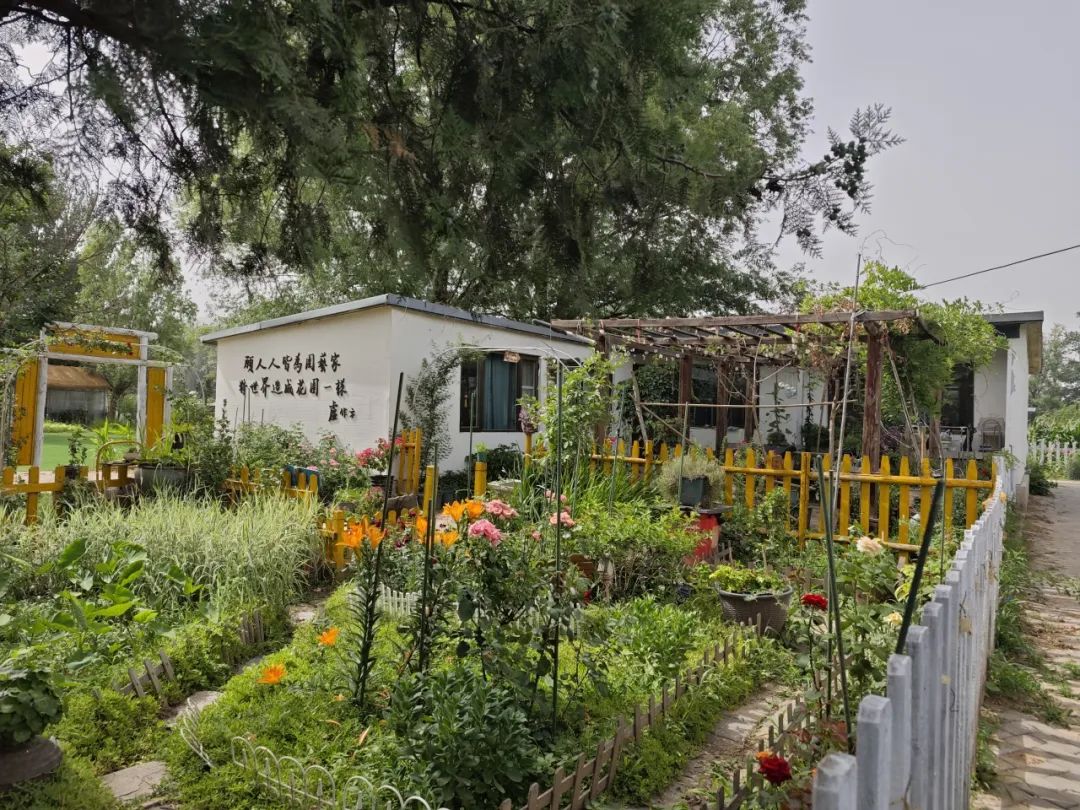
The garden-like landscape provides a rich array of ecological niches for both the natural world and the human community. The participation of local farmers, consumers, volunteers, entrepreneurs and other stakeholders in co-building the farm is itself a kind of weed-like force, causing Little Donkey to differentiate into a richly layered “garden within a garden.”
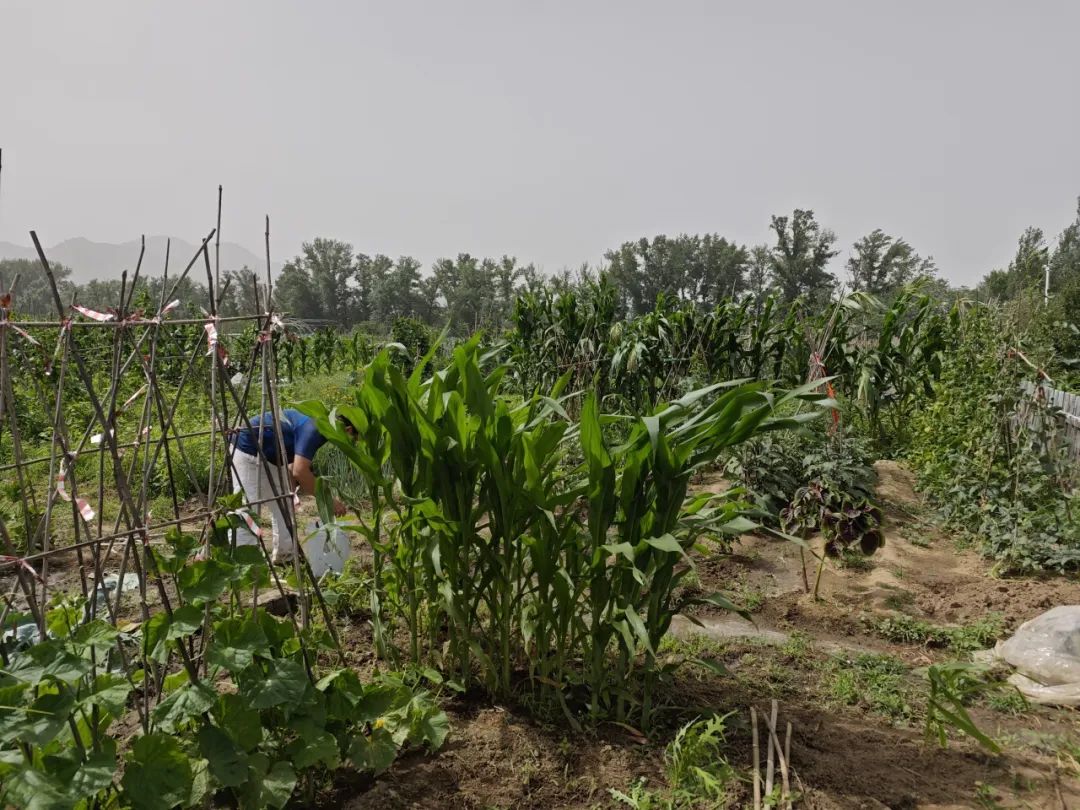
Members’ small vegetable plots are arranged in an organic jumble, and the farm also rents larger stretches of land to some clients, creating creative spaces that each have their own character: edible gardens, craft workshops, nature education and more.
It is hard to imagine that, at its founding, Little Donkey Community Farm relied on “two legs” — delivery shares and labour shares — with most of its plots still undeveloped. After two difficult transitions, it abandoned the home-delivery model and focused on building a community farm centred on agricultural experience and educational demonstration.
The other path it once tried — commercialisation — at one point shook the very philosophical foundations of community-supported agriculture (CSA).
If the aim is simply to offer standardised products and services to cater to ever more discerning consumers, the farm will inevitably pale in comparison to large fresh-food suppliers. More importantly, this sacrifices the deep engagement, communication, trust, emotional connection and values education between producers and consumers, and between people and the land.
Perhaps ecological agriculture can never, and should never, become a plantation; it is, and should remain, a garden overgrown with weeds.
IV
These experiences may leave a farm’s development somewhat wanting, but they also weave together more diverse trajectories of life, fostering a mindset of embracing all things and cultivating patiently. Through trial and error and gradual adjustment, the farmer helps more suitable species take root in this land; through what the land yields, producers build trust and connection with more consumers, drawing them from the dining table and the market back to the source that nourishes their lives.
People, like weeds and trees, grow alongside the garden.
Unless otherwise noted, all images are by the author
Editor: Zean