
Saving Up Waste Like Money, Meeting Microorganisms in the Compost
Last April, our Hangzhou studio moved to a ground-floor unit in an old residential estate with some character, and we had a little courtyard. There was a band of soil in the courtyard, in the first row facing south, with good sunlight. Although it was only a narrow strip of land of less than five square metres, at last I had touched some earth, and everything felt different.
When we first moved in, the greens and radishes planted by the previous tenant had all bolted and flowered, and the patch was still very lush. To re-sow, I pulled up the old plants. Only when I turned the soil did I find that it was pure red-brown clay with virtually no organic matter.
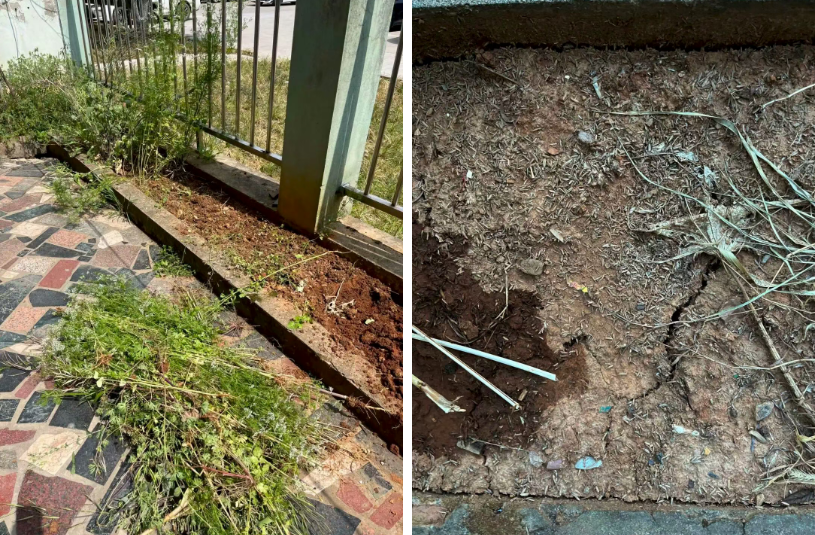
And the most important blackish organic matter in the soil — it contains hundreds of millions of organic molecules, each with its own colour, absorbing and reflecting light. In a mixture of molecules of different colours, no light can be reflected, so it ultimately looks black. It is not only the material basis for life; when combined with the inorganic particles in the soil, it can also form a stable pore structure, storing water and oxygen underground. To improve soil, you must start by increasing the organic matter in it.
With this small, barren patch of land in the courtyard, I also had an important reason to start taking composting seriously.
I. Starting to Compost from Everyday Waste
To make compost, I have asked for coffee grounds, which I simply kept piled up at home; I have built compost bins with the non group in the field; and once I even went out in the middle of the night to collect a large bag of fallen leaves that the street cleaners had swept up by the roadside and put it into the compost bin.
Over the past two years, while staying briefly in other places, I have also taken part in composting in different communities. From farmyard manure composted from livestock manure in villages, to professional, rotating compost bins on urban balconies, to composting at different scales and with different ingredients in eco-communities and farms, these varied composting methods have allowed me to see and learn quite a lot.
Now, I intend to start with daily life at home.
Ever since I started composting, I have been saving up the organic “waste” at home as carefully as if saving money. All the kitchen waste, leftovers, fruit given to me that started going off before I could finish it…… I used to feel guilty and at a loss when facing these leftovers. Now I treat them as a treasure, thinking that in the end they will become precious fertiliser for the land.
At home I do bokashi composting: each day I put in kitchen waste and cover it with EM powder. (Note: Effective Microorganisms is an active microbial preparation, usually made mainly from Bacillus, photosynthetic bacteria, lactic acid bacteria, yeast and actinomycetes, mixed with organic matter such as rice bran and fishmeal; it can suppress harmful microorganisms, especially the activity of pathogenic bacteria and putrefactive bacteria.)
My great composting helper is a well-worn pair of large scissors; while cutting vegetables I casually snip up the kitchen waste a little and put it into my small Bokashi bucket each day. In addition, used paper towels are also saved separately in a bin. As a result, there are boxes all over the house temporarily holding different kinds of “waste” — a box of coffee grounds, a cup of tea grounds, peanut shells first ground in the food processor. I keep coffee grounds with pour-over filter paper to one side and dry them on the balcony; I do not put them into the Bokashi bucket because I think they take up too much space. This composting has indeed become a bit fussy, but composting is like cooking in the kitchen: there is no right or wrong, and everyone’s method is different.
During the hottest part of summer, the 15-litre bucket at home filled up quickly. The compost leachate also had to be collected diligently every day; eating one watermelon could yield one or two litres of compost leachate. Whenever the Bokashi bucket was full, I went to a nearby café and asked for two more bags of coffee grounds, and carried them, in big and small bags, to the small courtyard of the studio and did hot composting in an insulated box.
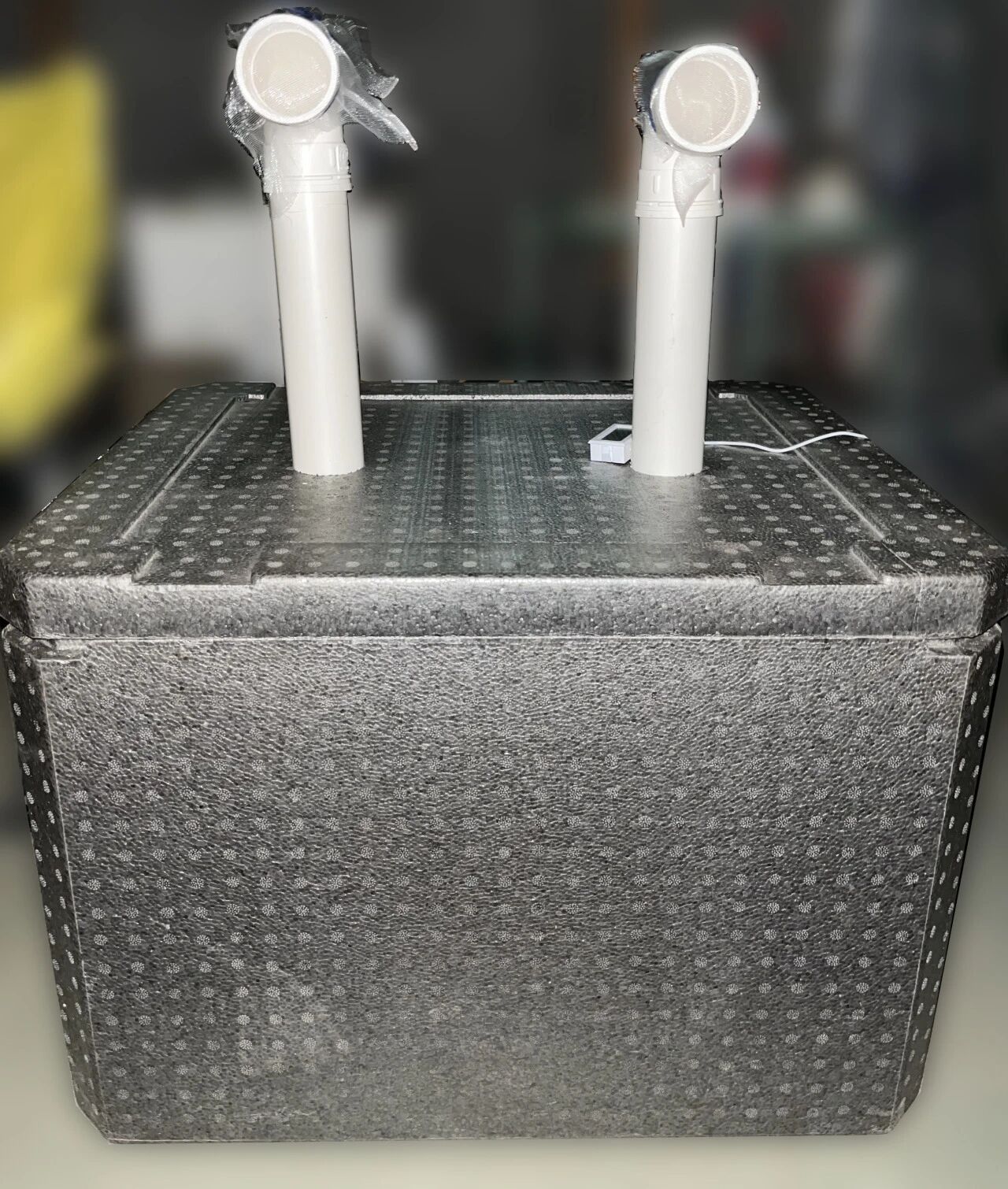
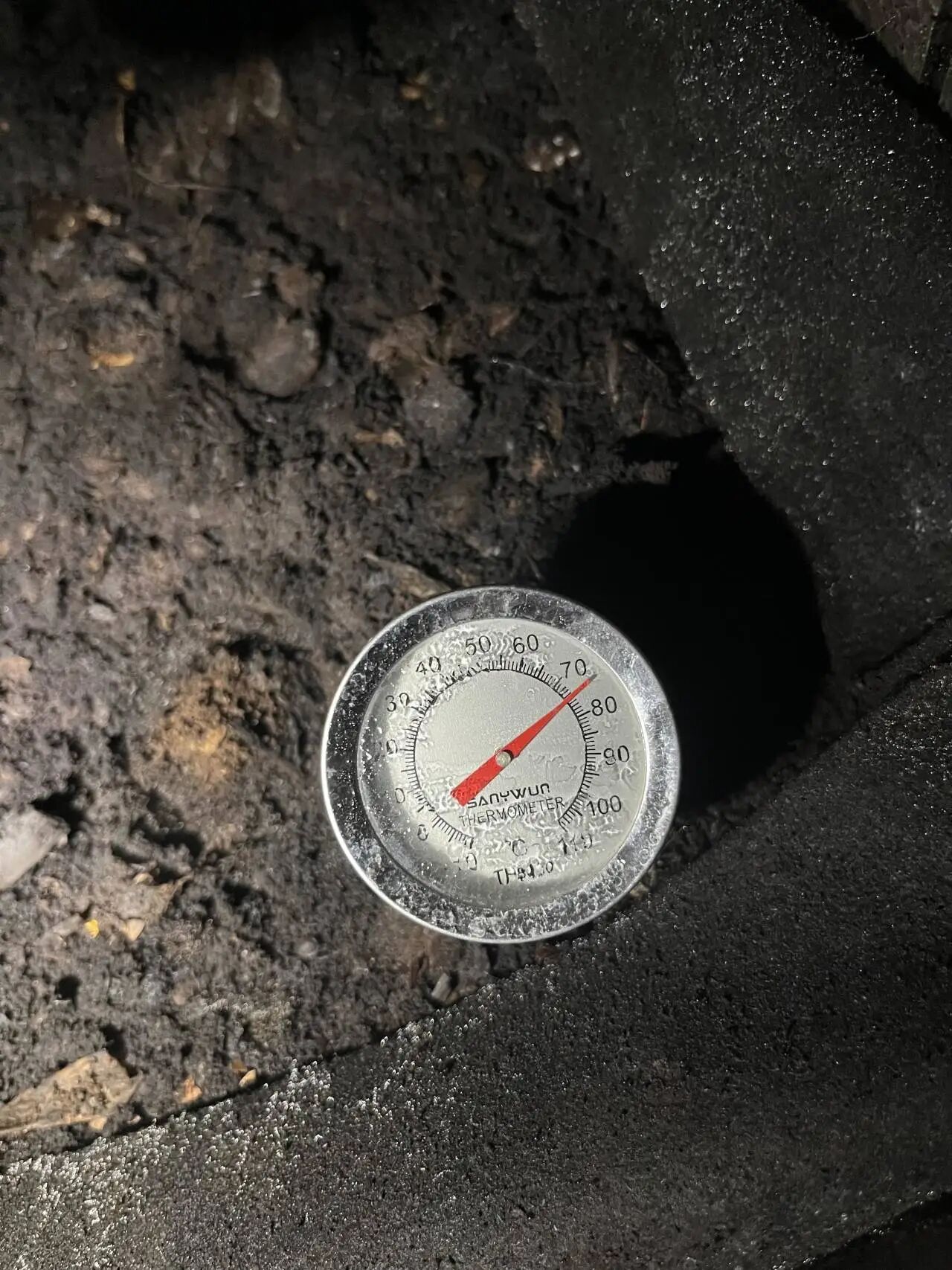
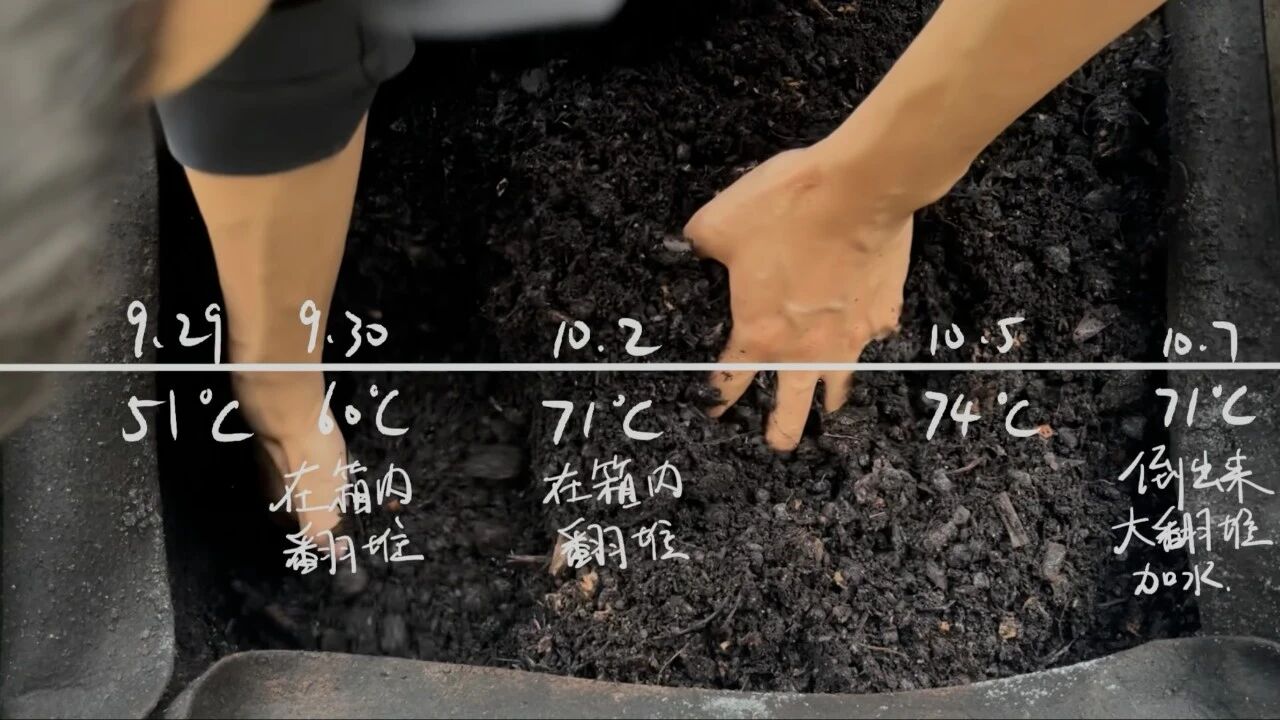
My hot composting box is made by converting a second-hand insulated food box, with a capacity of about 60 litres. Since the first pile on 10 May, I have already started my seventh pile in ten months. For each box of compost, I have carefully recorded temperature changes and details of turning. At first I had some difficulty mastering the conditions for raising the temperature, but now I have a fair feel for it.
Hot composting places emphasis on the carbon-to-nitrogen ratio, but my ingredients are usually roughly 1:1 coffee grounds and kitchen waste from my Bokashi bucket at home, plus a bag of paper towels, with no strong ingredients such as fish offal. If you keep the moisture and oxygen right, the carbon-to-nitrogen ratio becomes the least important factor.
More importantly, I have started to understand composting from the perspective of microorganisms, thinking about what foods are easy for them to digest and what conditions make a comfortable living environment for them.
In hot compost, many different bacteria and fungi are active. Some are active in the mesophilic range (25-45°C), others in the thermophilic range (45-70°C). Among the mesophilic bacteria, one kind produces a lot of white, fluffy mycelium; thermophilic actinomycetes appear as tiny, greyish-white specks visible to the naked eye. But the vast majority of the microorganisms here are invisible to the naked eye. They are feverishly digesting the food residues that we humans have failed to digest. Through digestion, we meet one another.
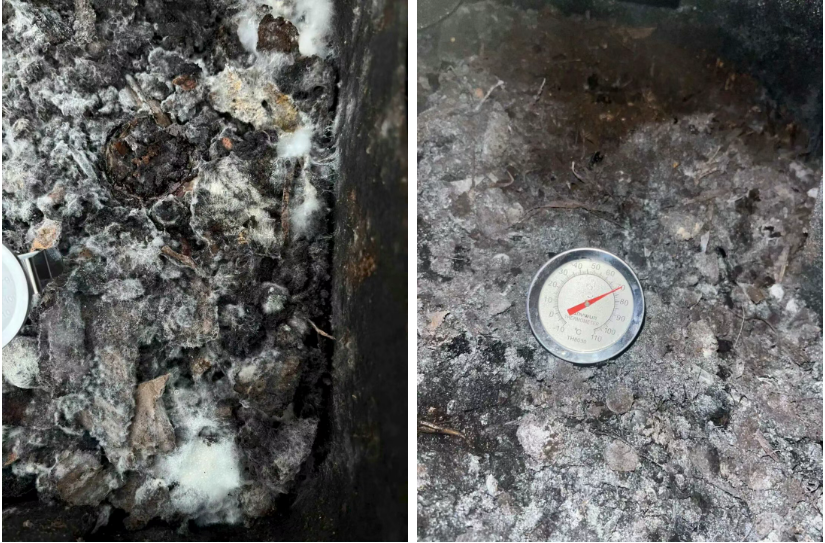
For the aerobic microorganisms in hot compost, the finer the food, the easier it is for them to digest. Suitable moisture and oxygen are important conditions for their comfortable life and reproduction. If the moisture is too high, it easily turns into anaerobic fermentation, leaving little living space for these aerobic microorganisms.
The most important role of compost for soil is not only to increase soil organic matter, but also to return the rich microbial community in the compost to the soil, promoting the symbiotic relationship between microorganisms and plants. As in cooking, I create living conditions for the various microorganisms active in the compost, and they in turn bring vitality to the land.
II. Caring for the Land
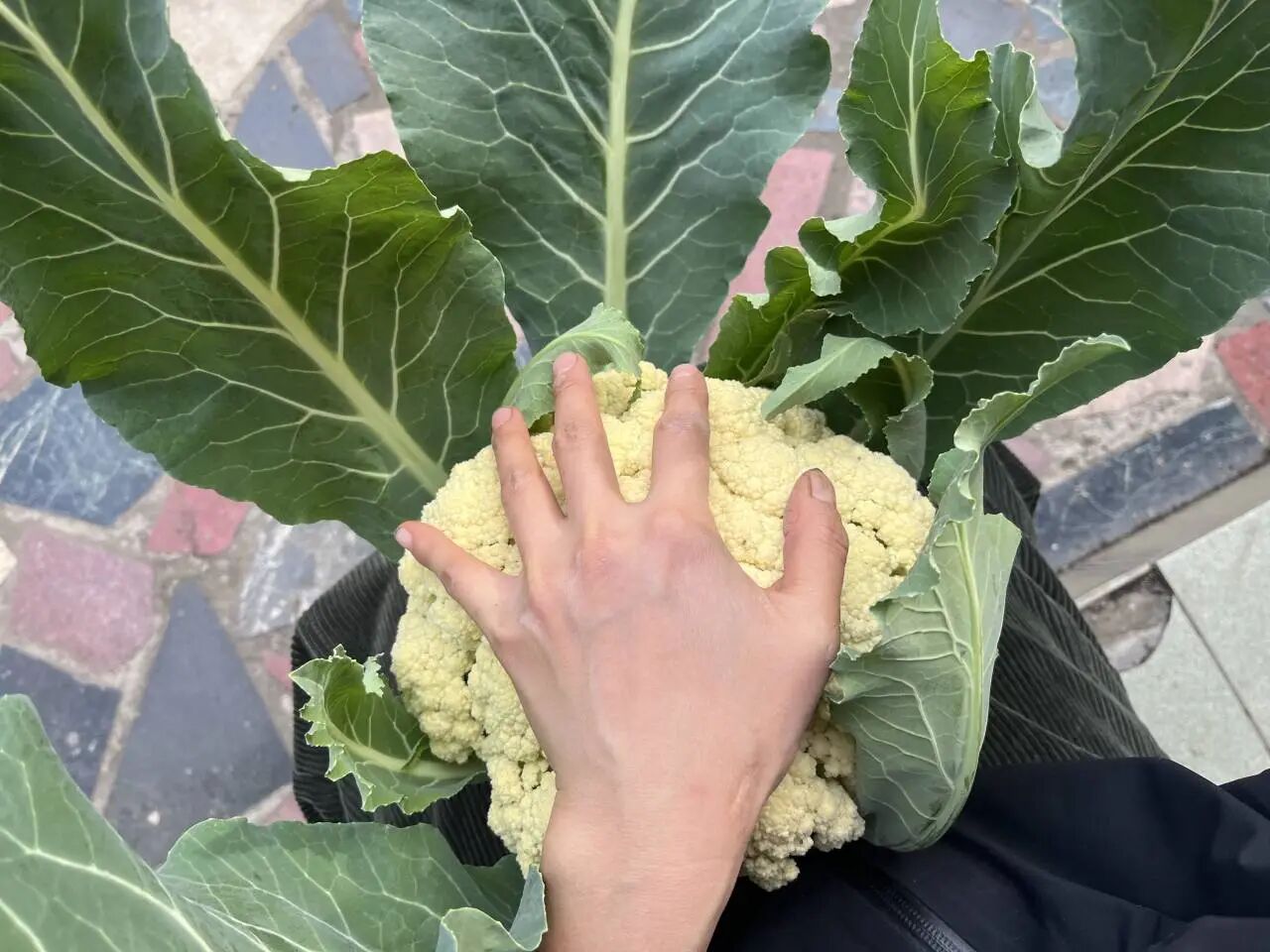
At least the vegetables I have planted, fed by compost, are all very vigorous. And my primary aim for now remains to break down the organic residues from my daily life and return them to the land.
If I had not started composting from daily life, I probably would not have truly understood that composting, like keeping a crock of pickles or a bread yeast starter going, requires continuous daily care. Separating paper towels by habit, snipping up kitchen waste by habit, these hand movements have become an unremarkable part of my daily life at home. Some people, seeing this, exclaim that it is a hassle, but I enjoy it. These habits have also greatly saved me the time of going out to take the rubbish out; now the real bin at home takes a long time to fill.
It is also because I started growing vegetables a few years ago that I began reading about ethics of care and ecofeminism. Academic discourse interprets the world through theory, while the body responds to life in concrete actions. When Tronto and Fisher wrote about ethics of care in 1990, they proposed that care is “a species activity that encompasses all that we do to maintain, continue and repair our “world” so that we can live in it better. This world includes our bodies, our selves and our environment, which we seek to weave into a complex, life-sustaining network.” In the process of caring, we invest our emotions and form an emotional bond with the one cared for. But care is often regarded as reproduction within the domestic sphere rather than production, and therefore is undervalued.
But caring for the land is the most fundamental form of production. Bellakasa writes in the chapter “Soil Time” of “Matters of Care”: “Knowing the life in the soil through looking and touching also reveals the forging of a connection, in intimacy and care, with the soil’s dark otherworld.” Composting is like this: hands soaked in humus, touching and turning in it intimately—it is both digesting residues and producing nutrients for the land.
Caring for hot composting is not actually easy. In summer, in the 40-degree heat, pouring out the bokashi compost with its fermented sour smell and mixing it evenly by hand with coffee grounds is probably not something everyone would be willing to do.
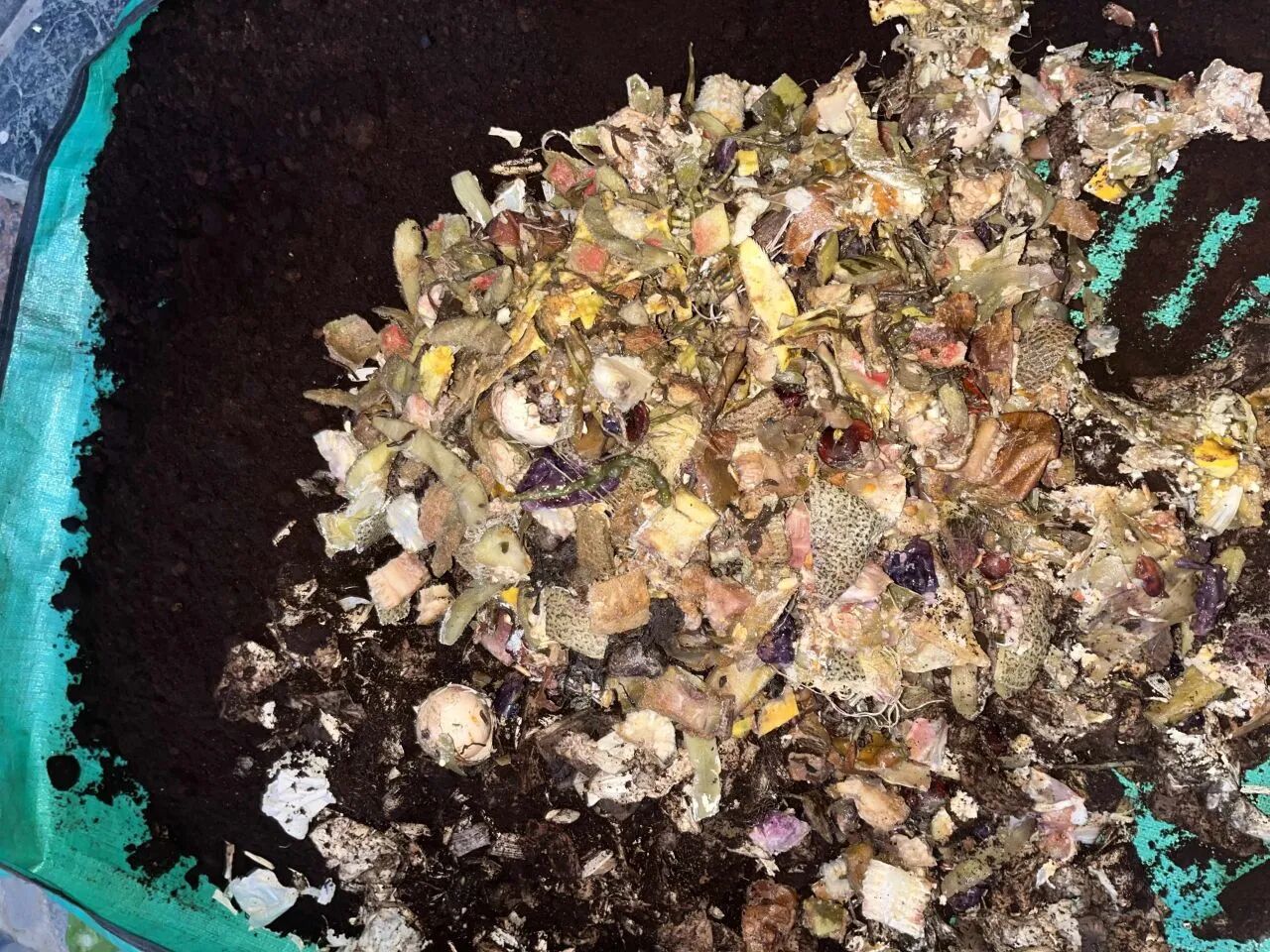
At first, I also found it a little hard to get started, but after spending a long time with it, I began to accustom myself to the smell of compost. I do not find the fermented smell of bokashi compost stinking; once the high temperature has passed and transformation occurs, the smell is a complex, fertile light fragrance, carrying a sense of the earth’s solidity and warmth.
After the high temperature of the compost has dropped a little, I use my bare hands to turn it directly, crushing as I turn the things that have retained large pieces. By then most of the kitchen waste has already been transformed; a few things like corn cobs or grapefruit peels can still be recognised by shape, but they can already be pinched apart or torn to pieces directly by hand. In fact, this step is not necessary; I simply like the feel of them in my hands, I suppose.
After turning, the smell of compost lingers on the hands, black organic matter is embedded under the fingernails, and their marks remain on the clothes. And in this process I have gradually become familiar with the habits of thermophilic microorganisms. There is no absolute ratio; one can only keep observing temperature and humidity, then turn and adjust. Perhaps because I often turn the compost and, together with the microorganisms in it, create high temperatures, my hands have gradually become able to perceive the conditions needed for high temperatures. It is a very subtle sensitivity, like beginning to get a feel for a skilled craft. In this intimate relationship of care, the microorganisms in the compost are also changing and influencing my body.
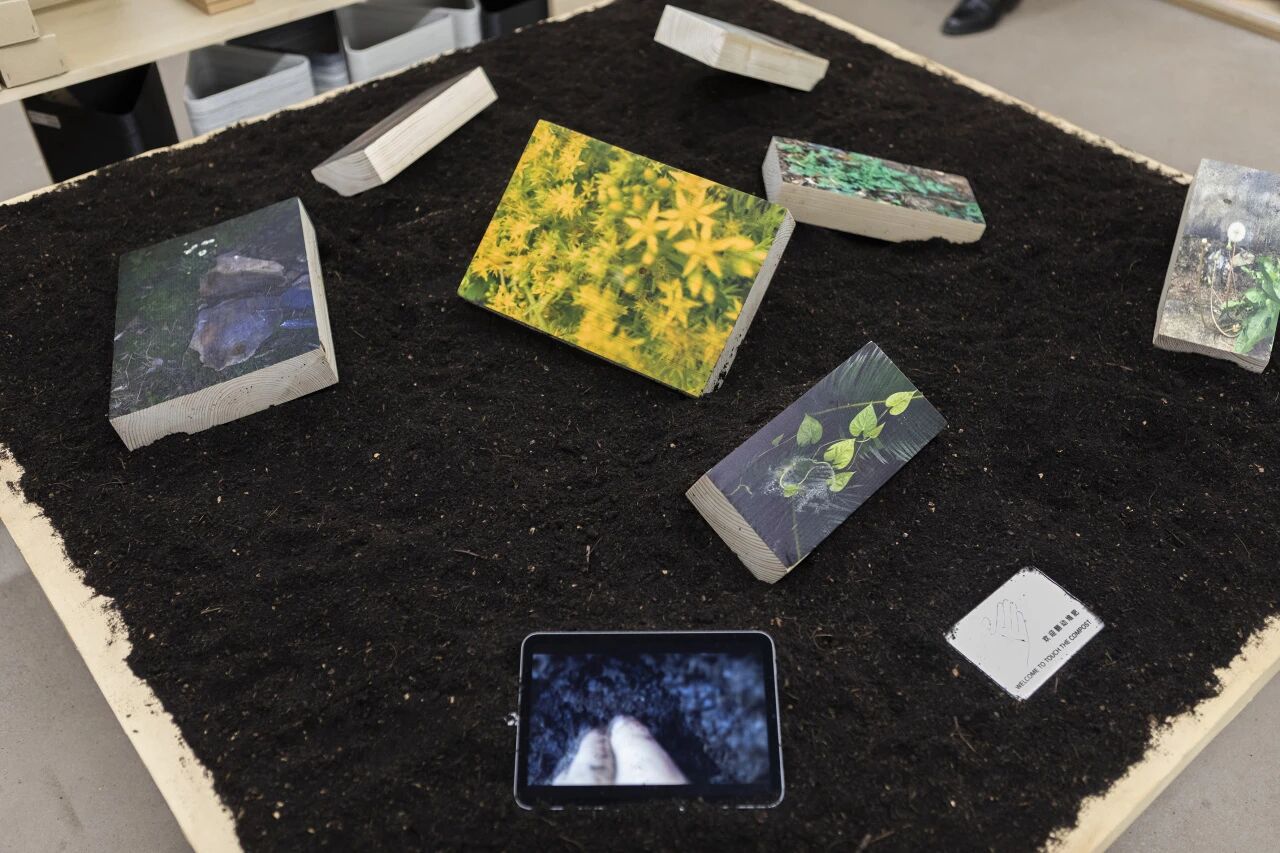
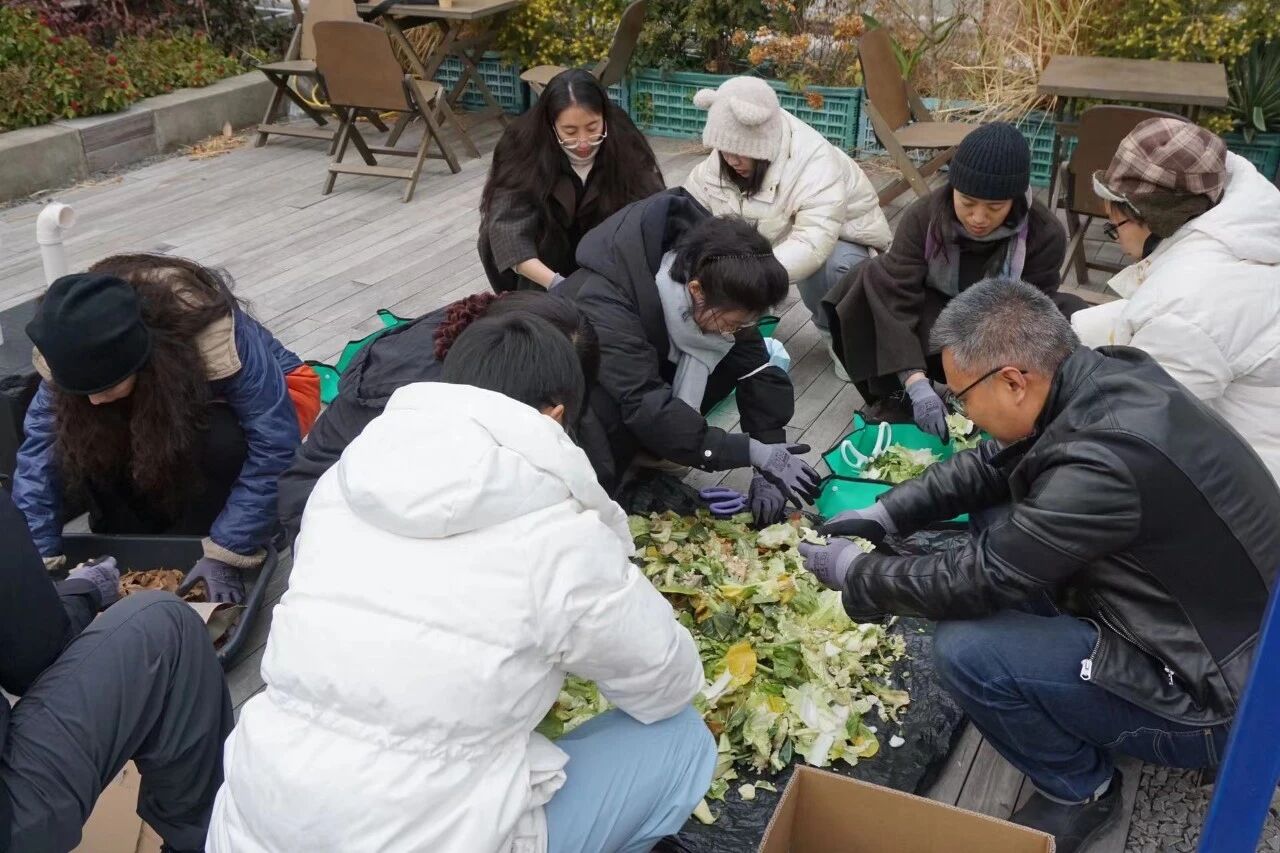
Not long ago, I brought a box of compost to the non group’s exhibition; the kitchen waste accumulated at home had already turned into loose, lightly scented humus. We spread it in the shop at Shanghai Shangsheng Xin Suo klee klee & friends, inviting visitors to turn it by hand and feel this compost, which has been digested by microorganisms, through touch. A composting workshop was also arranged during the exhibition, taking everyone through hot composting together.
III. The Bodily Connection from Eating to Planting
Another designer friend who lives nearby, Monkey, also got a bucket. So we exchange materials for fertiliser. Recently I started a new bin of compost, and she brought her Bokashi bucket from home. On her way out, I asked her to take a bag of finished compost with her, to fertilise her potted blueberries at home.
However, this time, the partition in Monkey’s bucket had a problem, and the liquid did not drain properly. The result of fermentation was a sticky, stinking solid-liquid mixture.
Composting is like that; if the compost leachate is not collected in time, it gives off a smell that puts many people off. But this cannot really be called a failure, because these organic materials can ultimately become nutrients in the land. I mixed the pile she had brought with coffee grounds, paper towels and wood chips, adjusted it to the right moisture level, and put it into the compost bin. A few days later, the compost temperature continued to rise to 65°C, and the smell turned into a smell of active digestion.
Another friend in Shanghai has recently moved to a studio with a courtyard, and I persuaded her to get into composting as well. Now, of the two roses in her courtyard, the one that is regularly fed with bokashi liquid has clearly become much more vigorous in growth and flowering.
Composting has opened a bodily connection from eating to planting. This seems like a very concrete bodily practice, even if only on this extremely limited patch of urban land. The practice of composting has also made me rethink the source of food, the land beneath it, and the process of its production. How can we, in the city, eat better and grow things better?
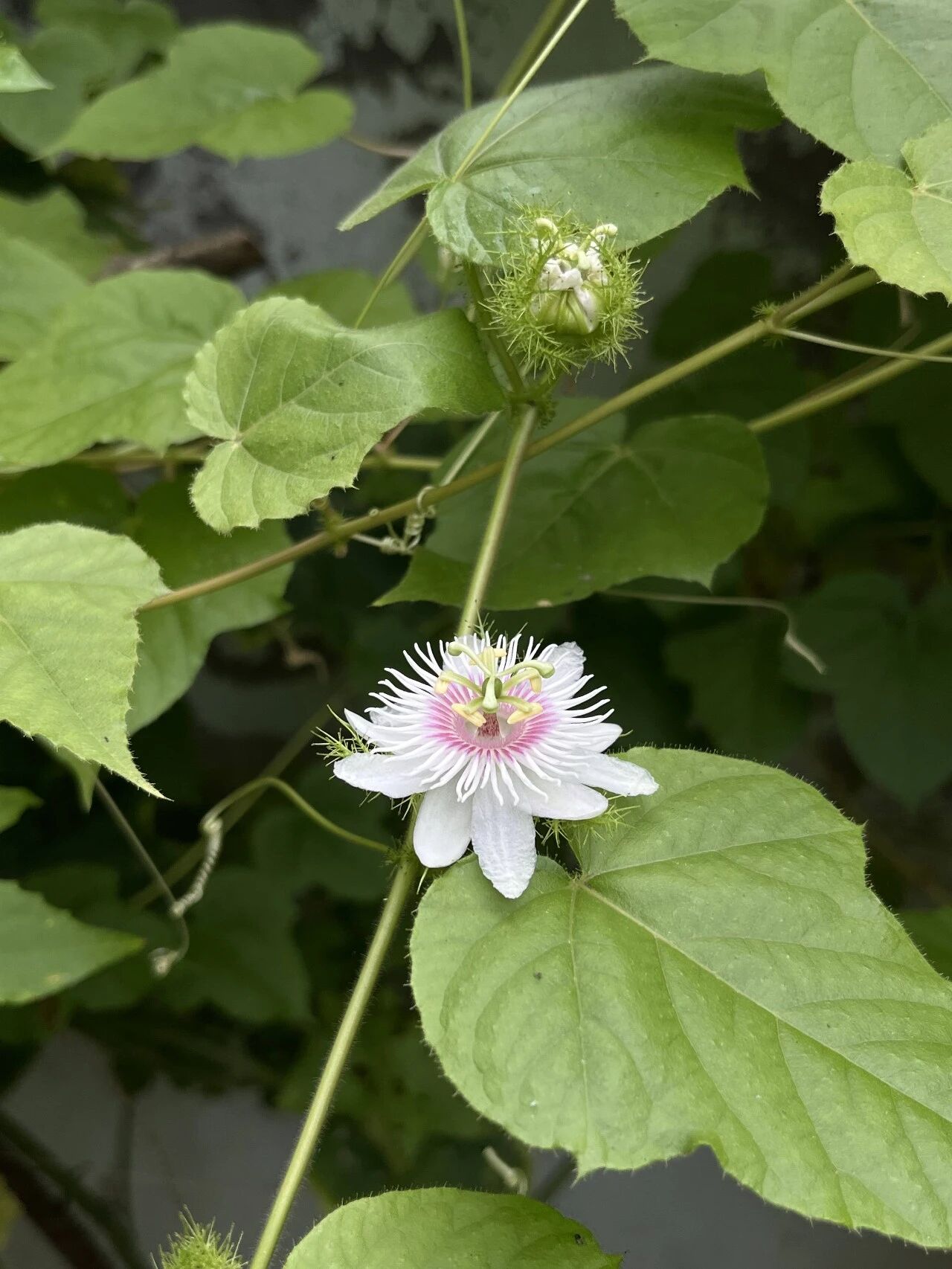
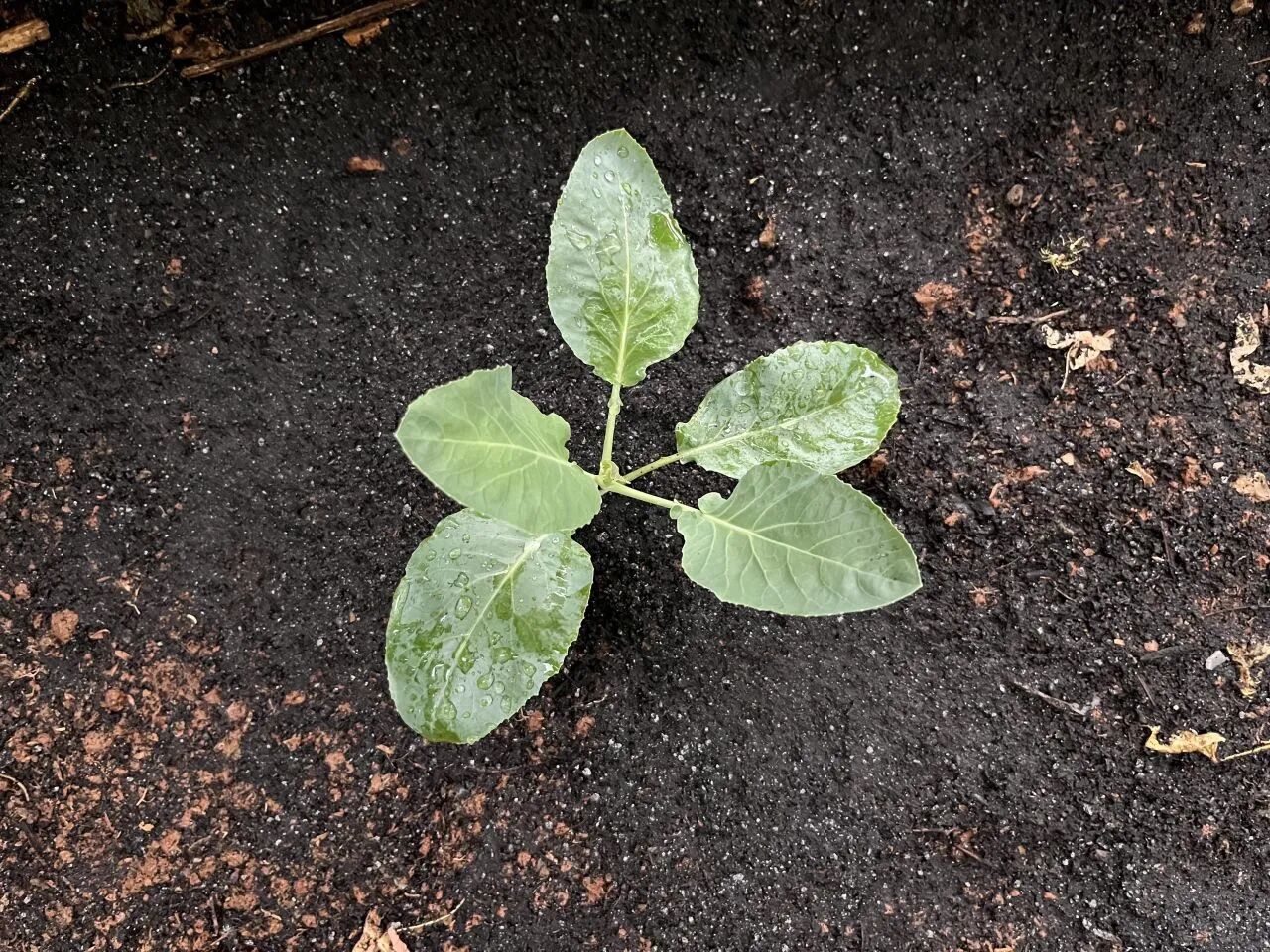
In the studio courtyard, dark compost was mixed into red-brown clay. Slowly, the soil began to loosen, its colour changed, and moisture no longer drained away so quickly. Last summer, the ground was lush with sponge gourd, okra, chilli, and longzhu fruit (the tomatoes did not survive Hangzhou’s high temperatures), and in autumn I sowed cauliflower and peas.
I dilute the compost leachate collected from bokashi composting with water and apply it; the finished product of hot composting is sprinkled directly on the surface as fertiliser. When I sowed peas in autumn, I noticed that the places where I had mixed in compost during summer loosened with just a light dig, while the places where no compost had been spread were still hard as rammed-earth bricks.
Usually, a bin of compost can be used to fertilise plants in the ground after more than 20 days, once the temperature has dropped completely. But this winter only a few cauliflowers and peas are planted in the courtyard, so not much fertiliser is needed yet. So after sieving the finished compost, I piled it in another insulated box to continue curing (stored with a certain level of moisture), keeping it for this year’s spring sowing.
In February, at Lichun, the beginning of spring, I began germination for the spring sowing. At the same time, on the part of the courtyard land under the eaves, I built a small greenhouse using spare acrylic sheets from the studio. In the soil of the greenhouse, I first laid a layer of last year’s dead leaves and branches from the sponge gourd, then a thick layer of compost; this raised, nutrient-rich layer of humus becomes the warm bed for seed raising.
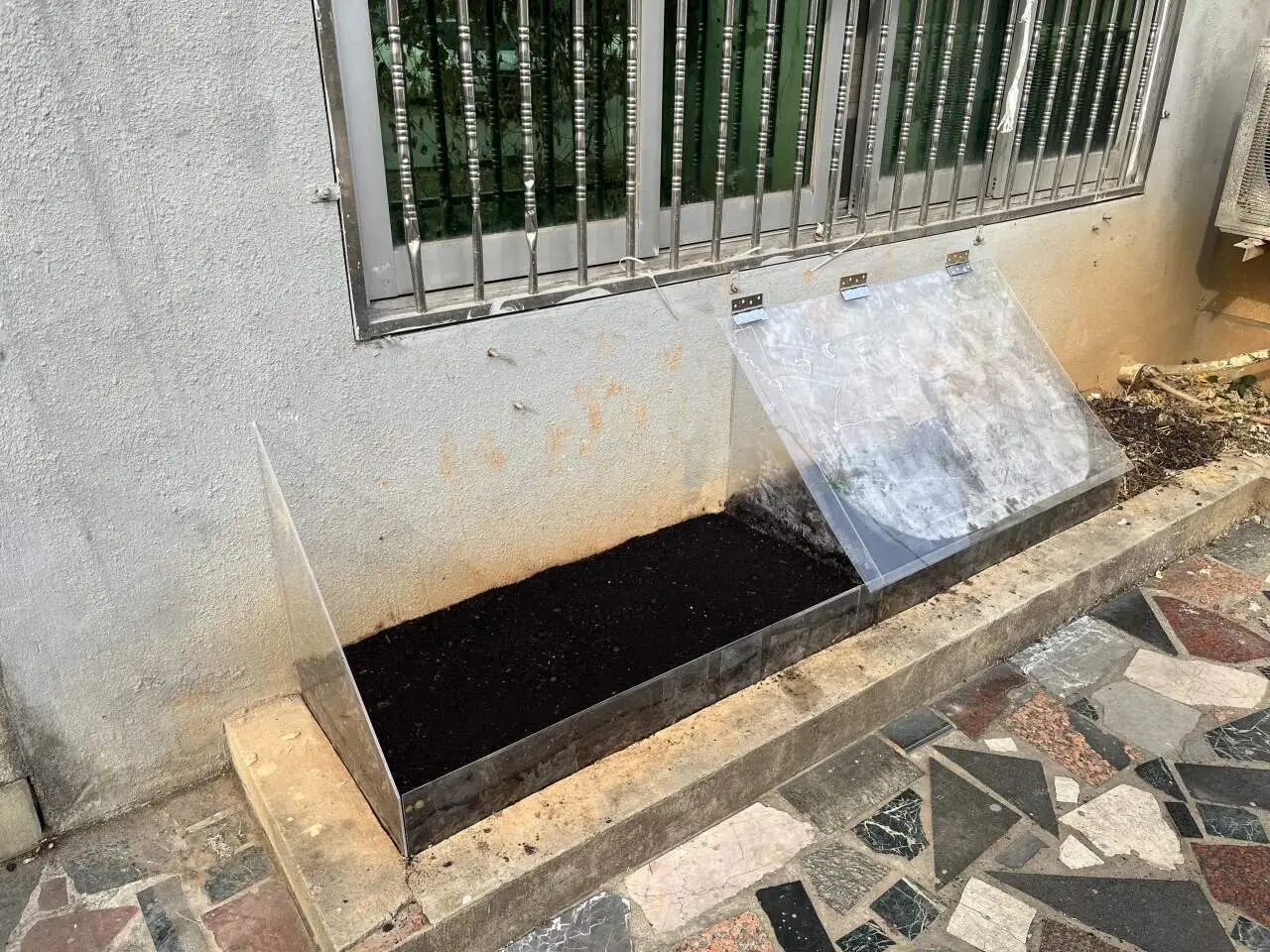
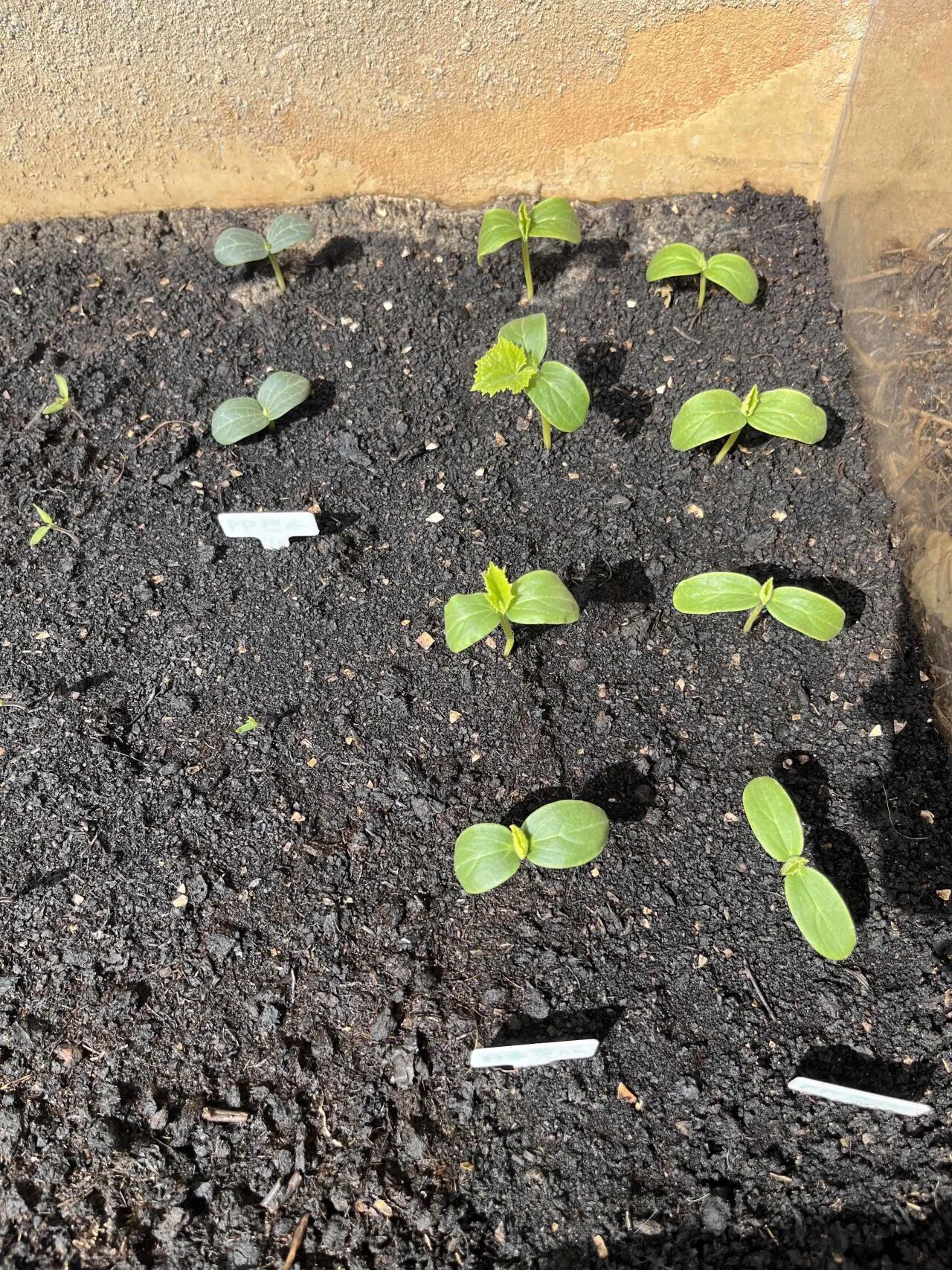
At this moment, with a large box of sieved compost at hand, I feel very well off, my heart full of anticipation for spring.
[2] Tronto, Joan C. 1998. “An Ethic of Care.” Generations: Journal of the American Society on Aging, vol. 22, no. 3, pp. 15–20.
[3] Bellacasa, María Puig. 2017. Matters of Care: Speculative Ethics in More than Human Worlds. Minneapolis: University of Minnesota Press.
All images, except for captions, are provided by the author.
Editor: Xiao Dan