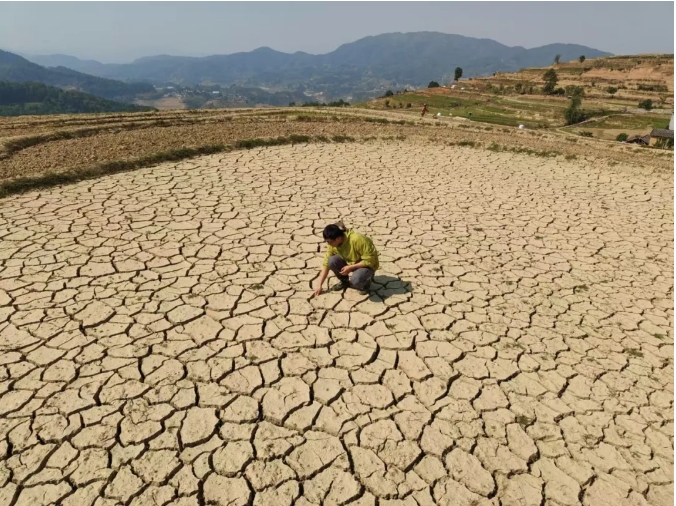
Liu Juan, associate professor at China Agricultural University, uses fieldwork in Chongqing, Hebei and elsewhere to show how droughts, windstorms and other shocks hit smallholder farmers facing labour outflow and low grain returns — arguing that climate adaptation must first address these fundamental questions in the agrarian transition.
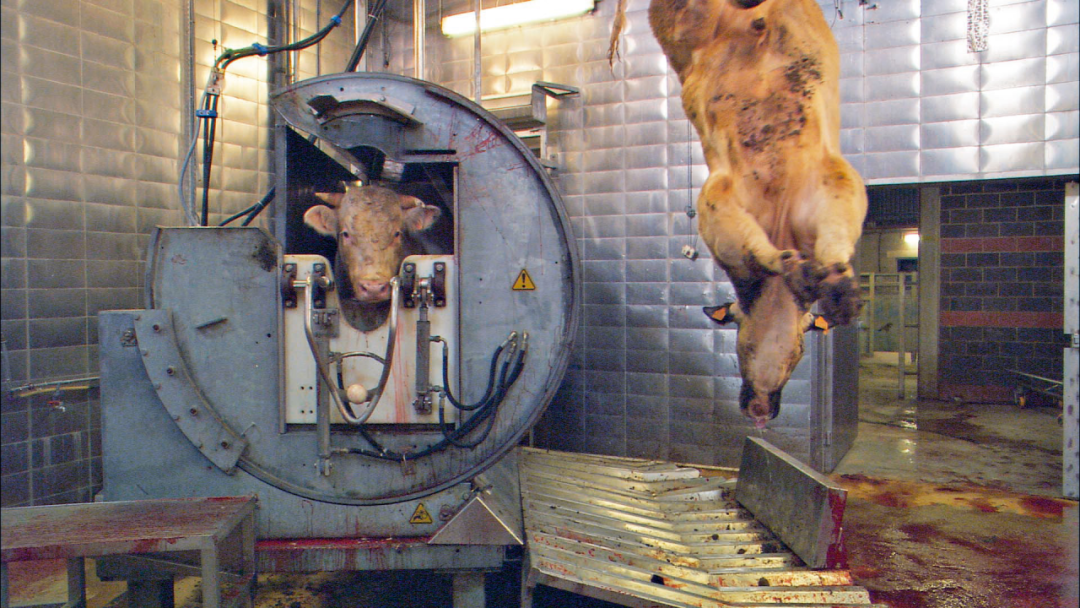
Since farming in Virginia in the 1970s, Salatin has consistently pointed out that in the United States, slaughtering one’s own livestock on-site, selling the meat to neighbours, and even opening a farm to visitors are all illegal.
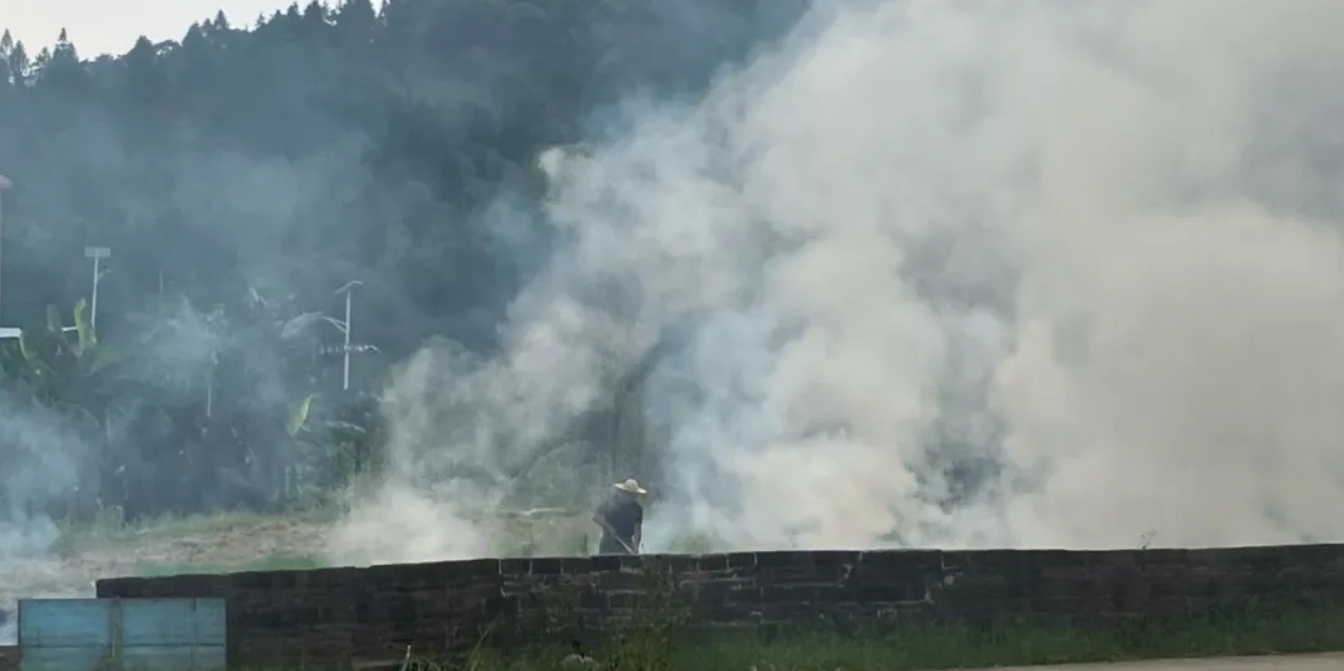
Under the “no-burning” ban, smallholders on small plots, with no machinery and subsidies out of reach, still simply set the straw alight. Yet over twenty years of Sichuan technician Yuan Yong’s no-till mulching work, echoed by fieldwork nationwide, point to a clear conclusion: straw incorporation must fit smallholders’ own ledgers.
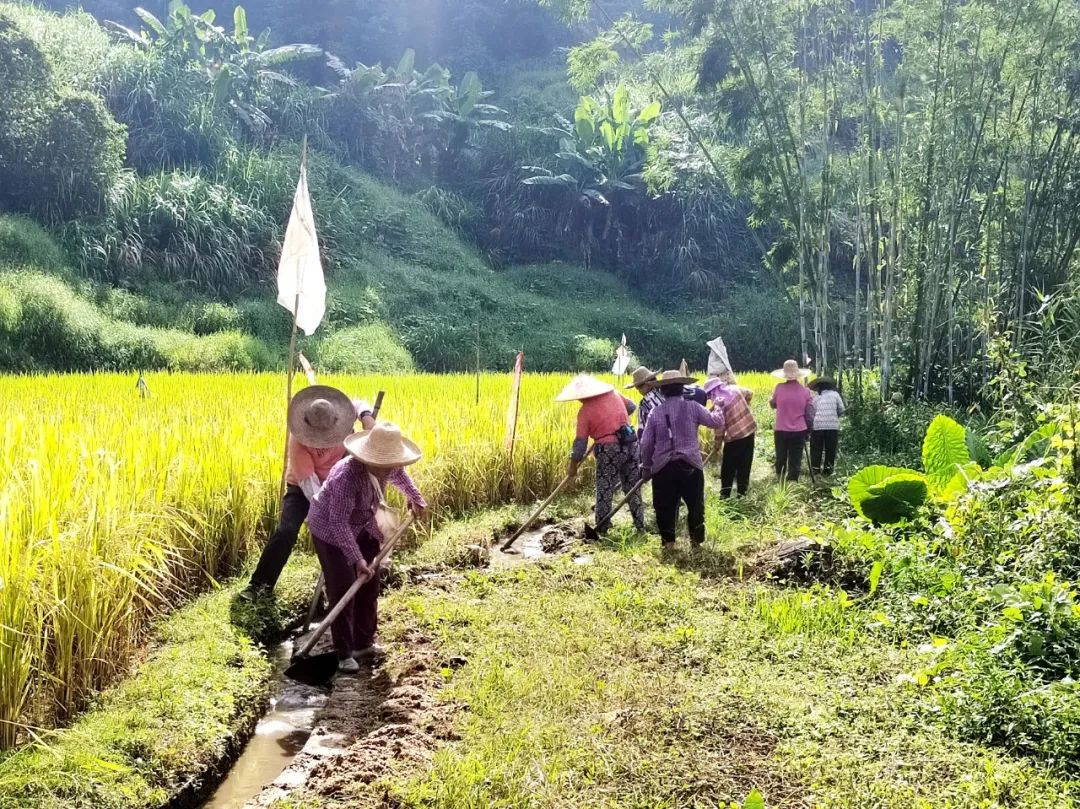
Sichuan pepper trees climb from valley to summit; a Shanxi village loses a week’s power to a cold wave — climate change hits rural life in every tree, every unit of electricity. Foodthink and Oxfam (Hong Kong) Beijing Office invite rural social organisations to document on-the-ground climate adaptation experience.
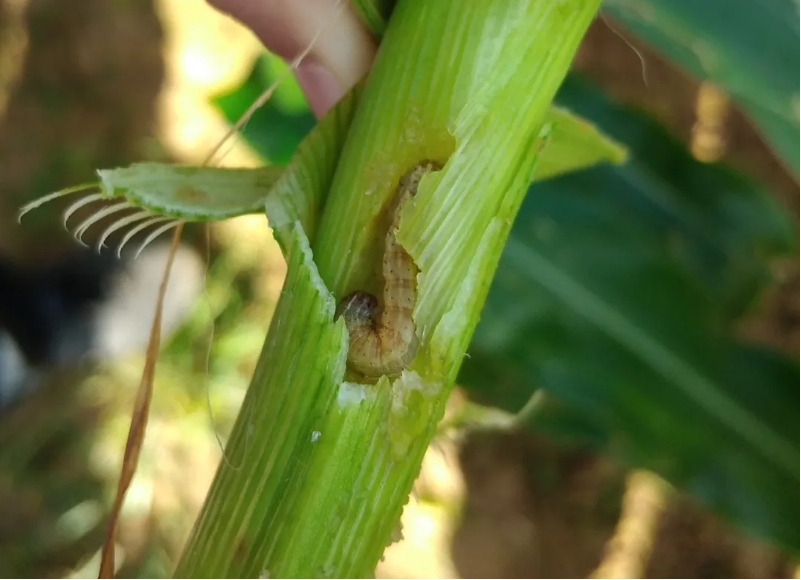
In 2019, the fall armyworm swept into Ji County on the North China Plain, leaving farmers to queue anxiously for drone spraying. Once technology extension passed from farmers’ own hands to full takeover by agricultural technology companies, smallholders gradually lost their field skills and grip on production.
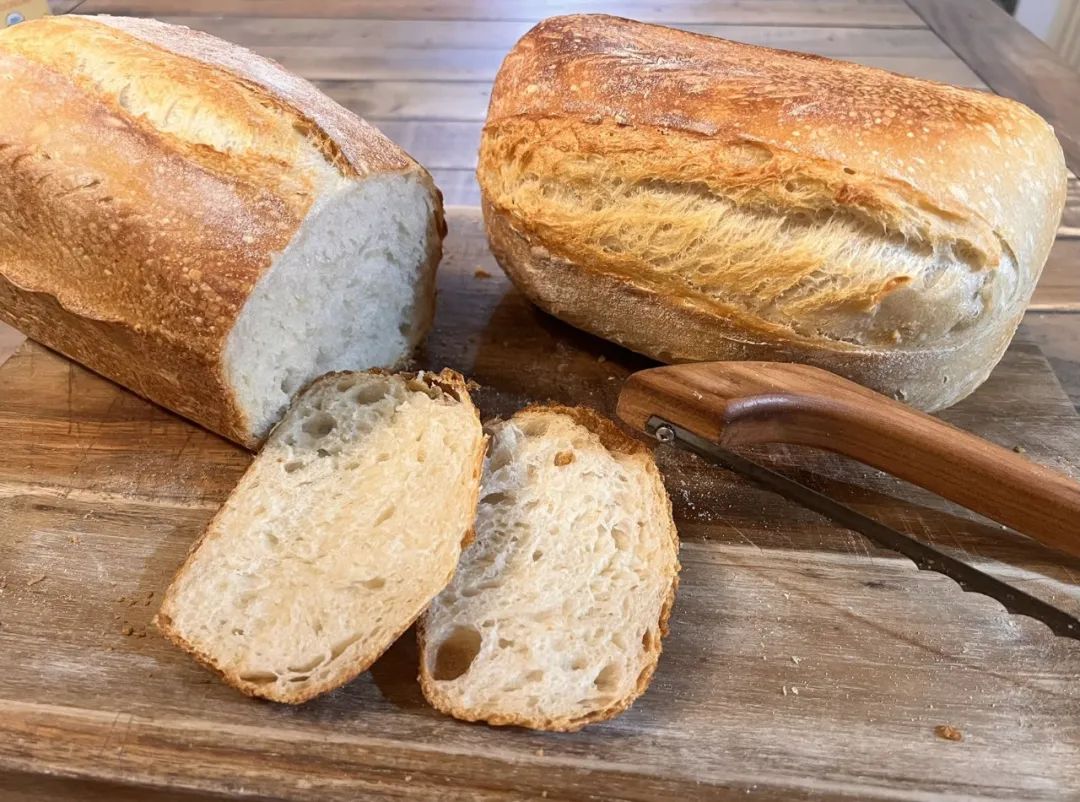
Starting an organic sourdough bakery was not a whim. In order to provide my family with quality carbs, I spent several years learning how to make sourdough using a natural wild yeast starter. Over those years, I often gave loaves to friends or brought them along to potluck dinners, where…
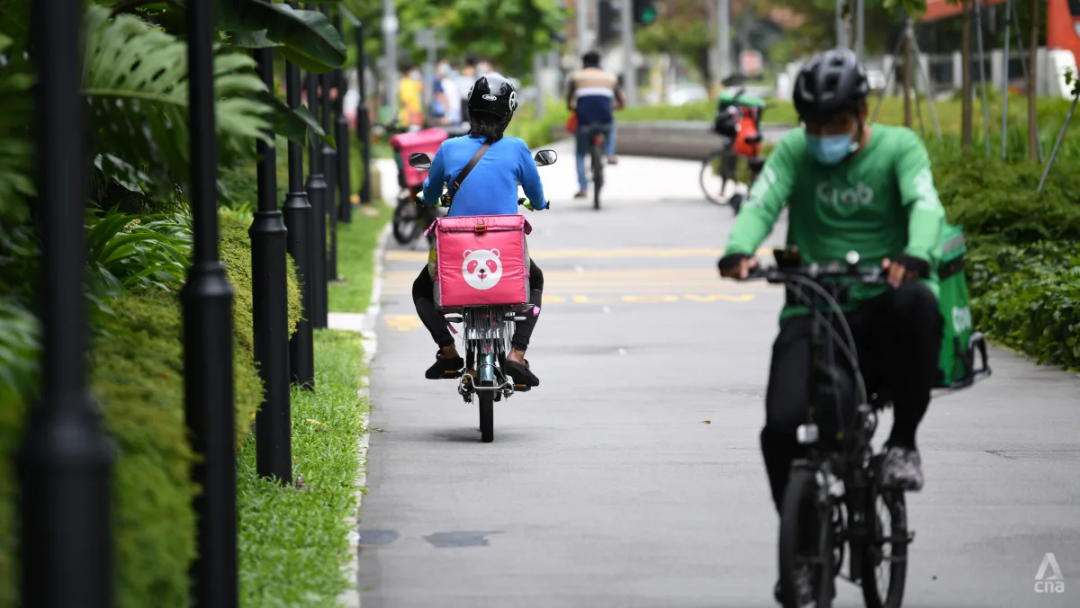
From 1 January 2025, platform workers in Singapore—including those in food delivery, courier services, and ride-hailing—will receive more comprehensive social protections covering work injuries, retirement, healthcare, and housing. They will also be able to form “Platform Work Associations” to strengthen their collective bargaining power. This is the result of the…
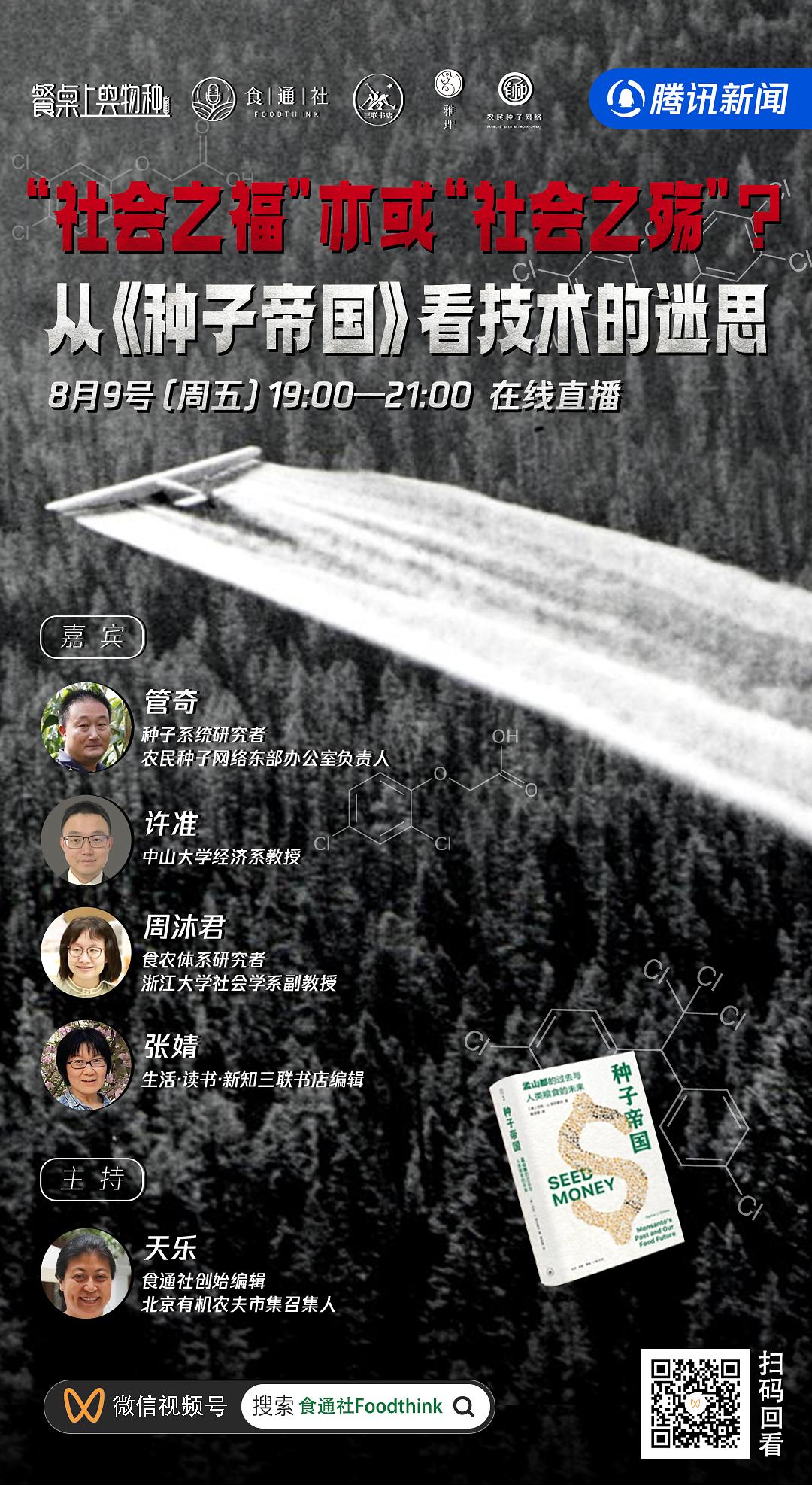
From saccharin and Agent Orange to Roundup and genetically modified seeds, its 115-year history shows how new agribusiness products created fresh problems while US regulation arrived only after harm.
As a foodie, I don’t eat meat, but I cannot live without beans—soybeans, mung beans, red beans, black beans, and chickpeas. Although I avoid buying from shops as much as possible and try to eat what I grow myself, the consumption of soy products at Evil Person Valley has always…
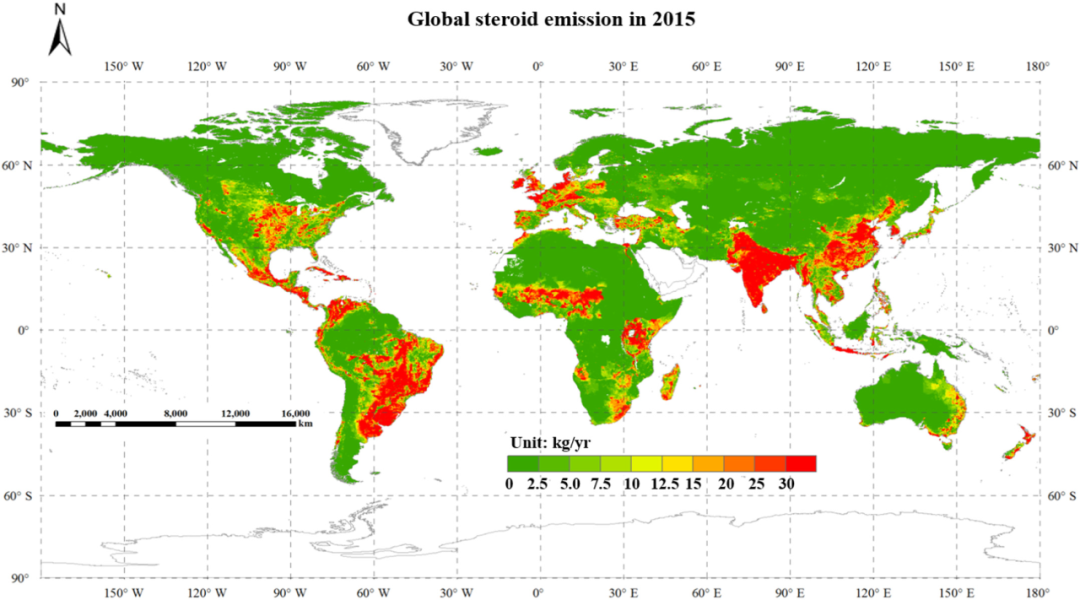
The Paris Olympics closed last week, but the dust has yet to settle on the doping controversies. The turmoil involved at least three incidents related to food safety: Ultimately, all three incidents were determined to be caused by the consumption of meat products “contaminated” with doping agents, rather than the…