Beyond the Textbook: How to Run a “Teaching by Word and Example” Agricultural Training?
From Foodthink
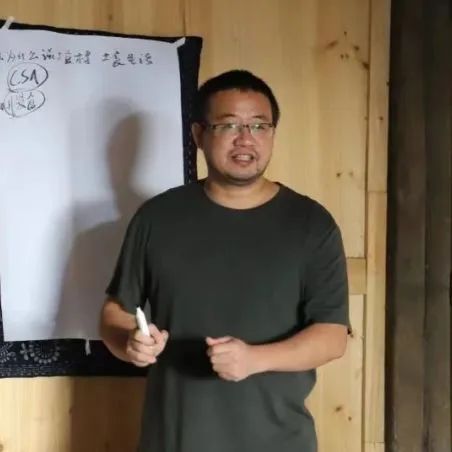
To put “teaching by word and example” into practice, Lao Liu has made many attempts over the years. Previously, he and his partner, senior agricultural technician Luo Lishuang, worked together in Guangxi to run a number of ecological agriculture training sessions, building up a group of fellow farmer-students in the ecological farming community.
After walking alongside Guangxi’s fellow ecological farmers for many years, what observations does Lao Liu have of them? And what advice does he have for newcomers joining the world of ecological agriculture?
This article is compiled from an episode of the “Food Talk” podcast and has been lightly edited. Readers who are interested can also click the image below to listen to the full podcast episode.
– Scan the code to listen –

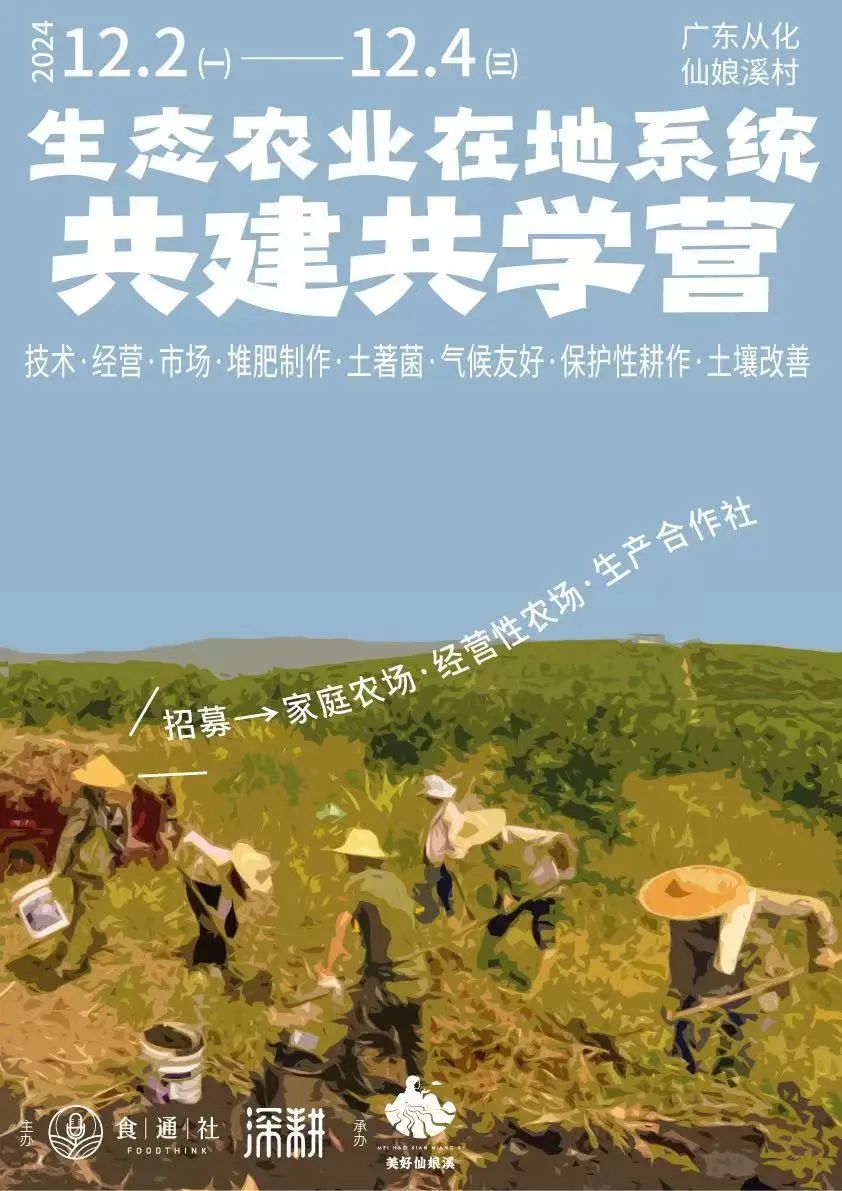
Foodthink will also invite Lao Liu, Luo Lishuang and two fellow ecological farmer “junior instructors” to hold a three-day Co-Building and Co-Learning Camp for Place-Based Ecological Agriculture in the outskirts of Guangzhou this December 2–4. Registration and scholarship applications close on Sunday, 24 November. Interested readers can click the poster for details.
I. The Dialogue Between Two Knowledge Systems
Indigenous experience and wisdom that are not transmitted through writing can be passed down through non-textual systems, and in very complete form. Why do some ethnic minorities today still retain a greater wealth of indigenous wisdom? Precisely because the workings of non-textual systems are less influenced by the textual system. But once the real-life foundations of this tradition disappear, talking about cultural preservation or trying to revive tradition becomes extremely difficult.
The logic behind the modern scientific system is specialisation, growing ever more granular: you study a particular discipline and then do a particular job. It is designed to produce cogs, not whole people. A while ago I came across a video in which a master’s student said that his senior colleague, working in a laboratory, was unable to properly classify all the microorganisms in the soil, and so he questioned whether the microbial fertiliser made by local farmers was even valid. Clearly, the mode of thinking produced by this system is extremely narrow. Ecological agriculture, by contrast, calls for comprehensive knowledge. The many situations that can arise in farming simply cannot be captured by any single set of specific data.
This does not mean the textual system is no longer needed; rather, it means seeking a way to connect the two systems.
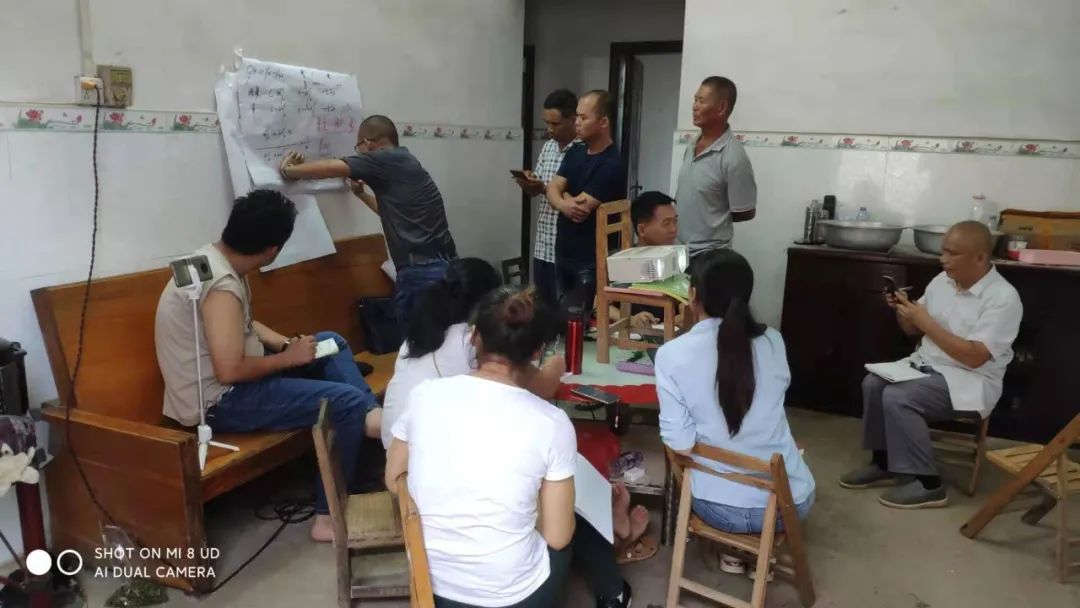
So we later adjusted our approach to ecological agriculture training. We wanted to try building up experience through “teaching by word and example,” to walk a different road — to incubate a system of knowledge transfer within a small group of people. Once this first step is done well, we can then gradually consider how to bring local experience together with the written word.
II. Ecological Agriculture and Conventional Agriculture
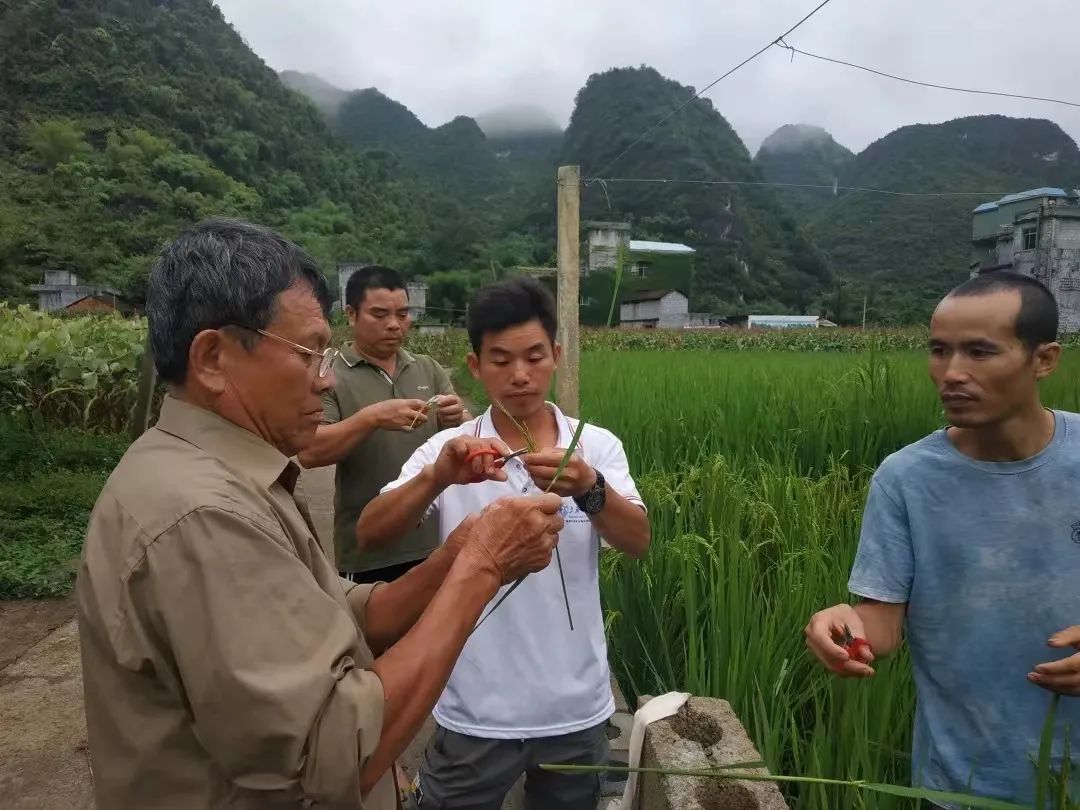
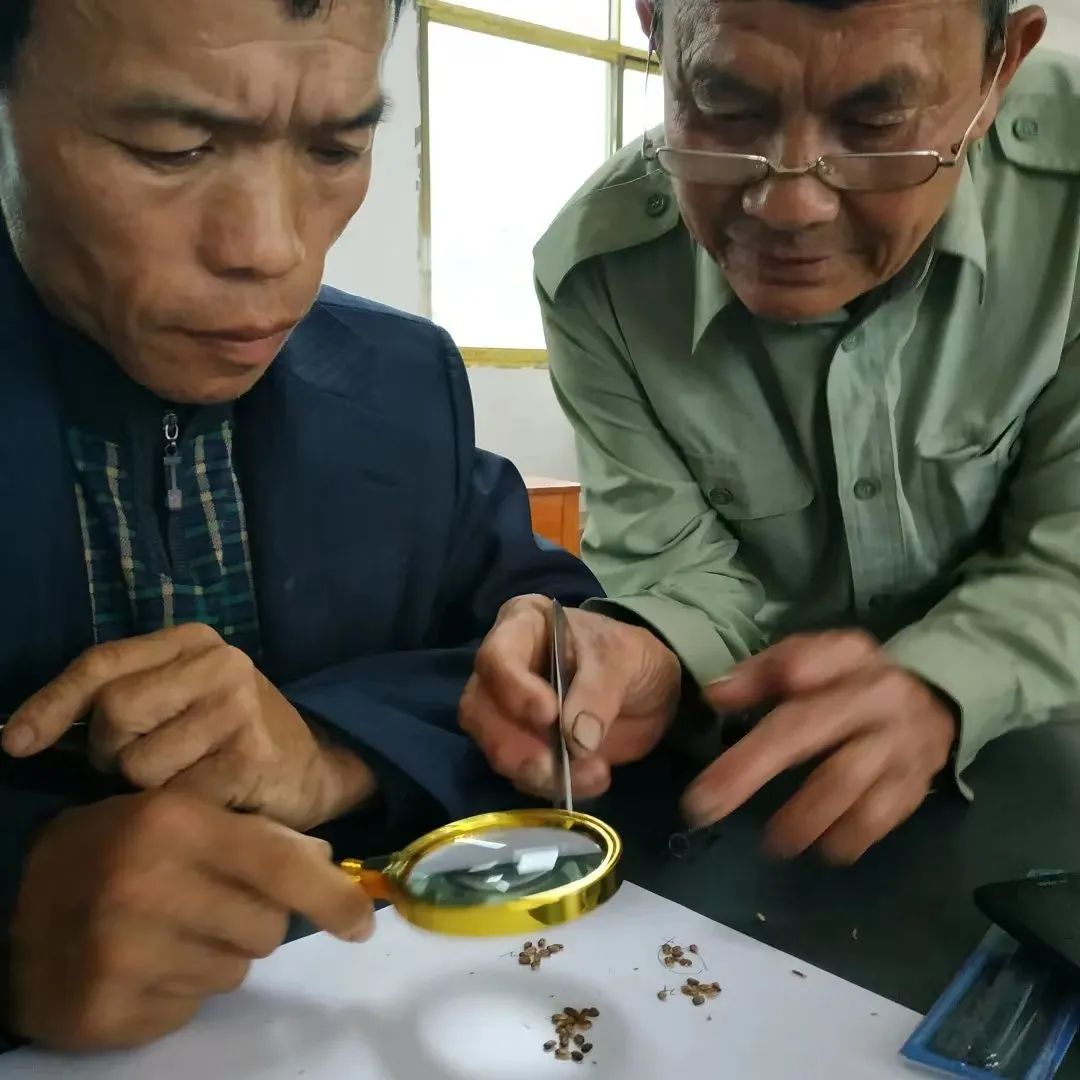
All of this requires earning the farmers’ trust — making them feel that what the instructor says is reliable and that they can put it into practice themselves. Only then are they likely to hear the next sentence. It is only after that trust is established that we aim for the training to have the effect of stretching one’s thinking.
Of course, once training ends, not everyone can stick with ecological agriculture — real-life difficulties remain. The first of these is the market.
How much should ecological farm produce cost? Who are the buyers? From what I’ve seen, many people assume that ecological farm produce should mean high costs and high prices — this is the prevailing view. Nowadays, the moment ecological farm produce is mentioned, everyone starts talking about urban consumers’ spending power.
But if the methods are right, the costs of ecological agriculture are manageable, and the prices can be competitive. For instance, some farmers in Guangxi have tried selling their produce in their own local county towns. They don’t necessarily have to sell to big cities or charge a premium; the price is just a little higher than comparable products, yet they already hold a competitive edge locally.
As my partner Luo Lishuang puts it: we choose ecological agriculture because it is a more advantageous way of producing.
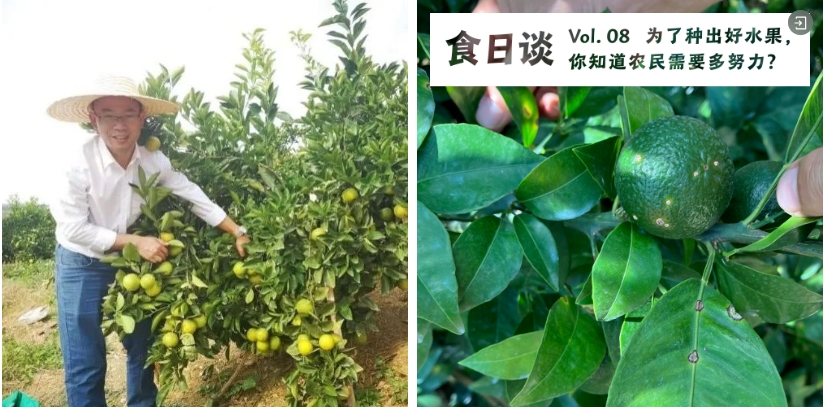
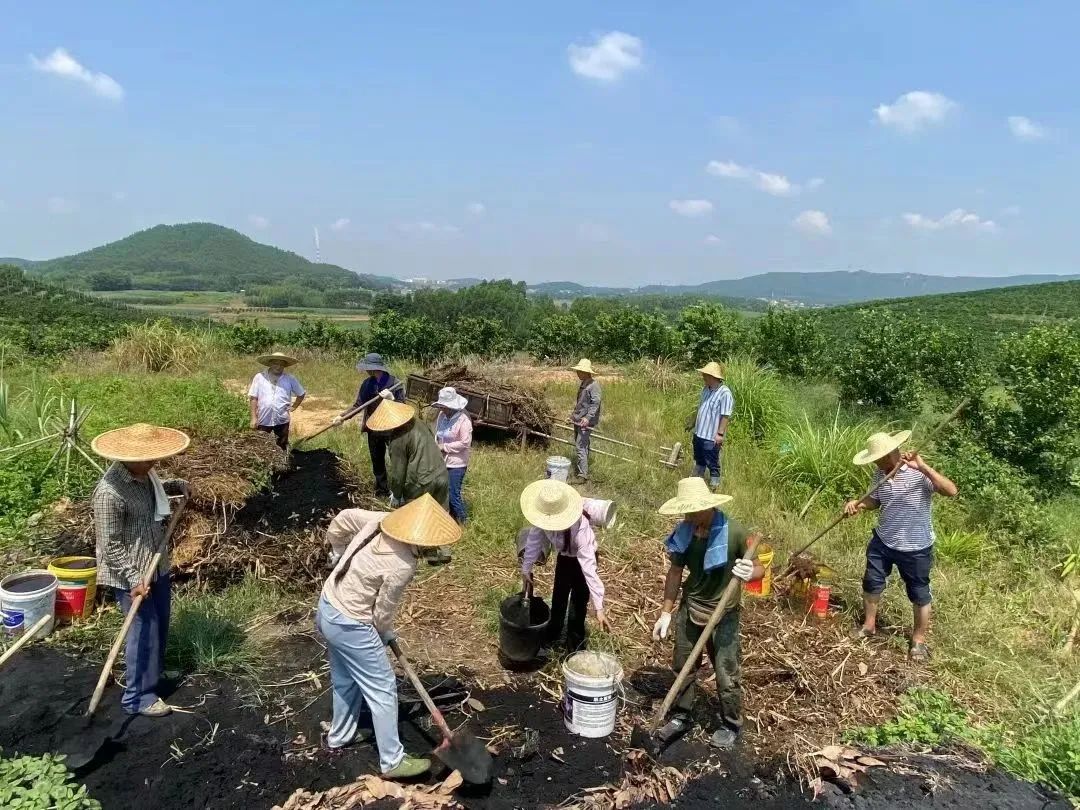
When I first started working in ecological agriculture, I had a very strong sense of mission — I believed this was the future of farming. Over the years, chatting with fellow farmers, I’ve noticed that many of them carry a similar deep conviction. But now I feel that holding on too tightly to that conviction isn’t healthy. Ecological agriculture and conventional agriculture should not be locked in an irreconcilable, life-or-death struggle. The principles behind farming are the same. Whether you practise ecological agriculture or conventional agriculture, you need to pay attention to soil conditions, the traits of living organisms, and the mechanisms and conditions that give rise to pests and diseases. Farmers on both paths need to learn these things — it is not simply a matter of declaring, “I don’t use pesticides, chemical fertilisers or herbicides,” and then ignoring everything else.
Farming calls for more than labour input; it calls for people to learn, to think, to reason critically, and to build up understanding over time.
Many people run into a problem and never dig deeper. For example, at a training session they learn about making compost or fermented solutions, so they go home and follow the recipe. But why make compost? Why make fermented solutions? When should you apply them? Some farmers simply go through the motions without really reflecting. They haven’t internalised the underlying principles, nor have they examined their own situation — what is the condition of their crops? What is the state of their soil? What balance do they want to achieve over the next few years of production?
So in our earlier training sessions, we wanted to convey one idea to the farmers: you come to learn so that you can achieve a breakthrough in farming technique on your own terms — it is not just about attending a class and going home to copy what you were told. You need to return to your own farm and keep observing, thinking, and learning.
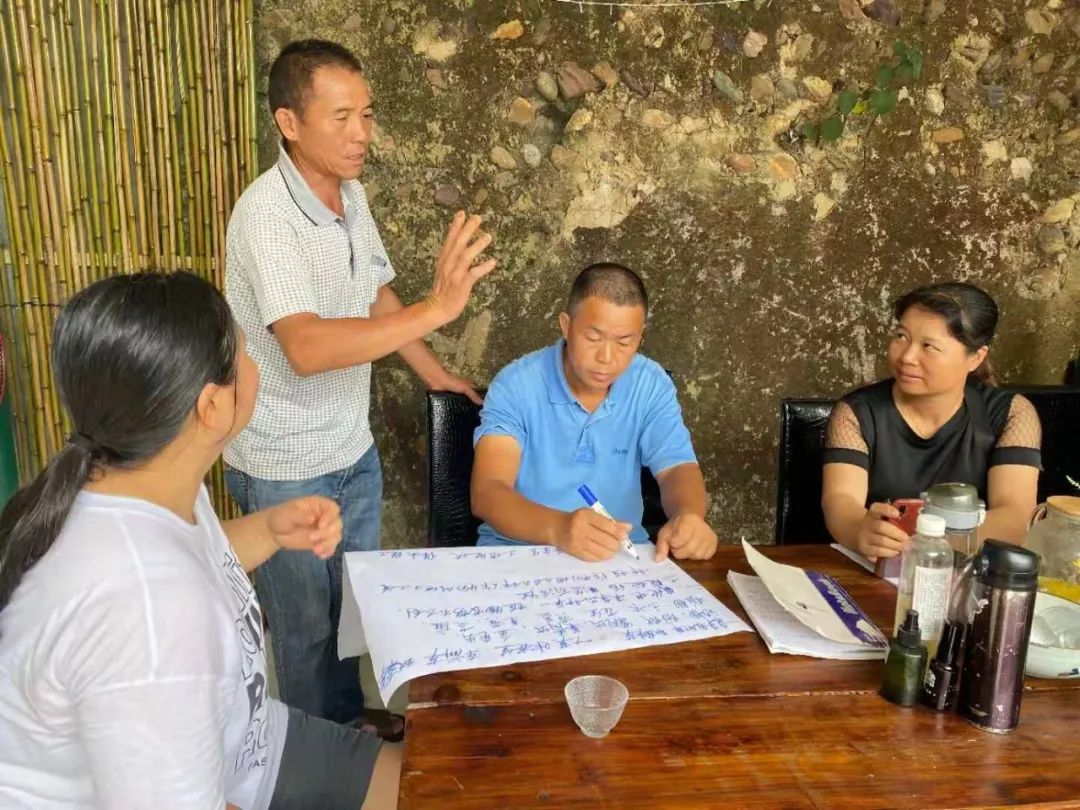
III. New-Generation Farmers: Can Both Body and Spirit Return to the Countryside?
When “new-generation farmers” return to the countryside to farm, do they have a clear sense of their own position and a plan? Or are they always ready to abandon agriculture and switch industries to make money? In other words: their body has “returned to the countryside”, but has their heart come back too? This is a very subtle state, and thoughts lurking in the subconscious shape our decisions.
If the heart has returned, the way you measure the value of agriculture is different. Some farmers have very clear goals — for instance, farming on the outskirts of a small county town or in a village, where a surplus of 40,000 yuan a year would be enough. Planning production around that goal — deciding what varieties the farm will grow and how much — means there is no great pressure.
But if the heart has not returned, your image of your own future is still one of “fame and success”. Someone once told me they hoped to earn 8,000 yuan a month and expected to make all 8,000 yuan from just half a mu of land on their farm. You set your own price using the logic of capital, and then you must use that same logic to plan the farm’s production — but the land may not meet your income expectations.
Back in 2012, when I was running the Da Ping Huo Community Canteen in Chongqing, I discussed with the farmers we worked with: ecological agriculture is a form of production woven into daily life, not factory production. On a farm, how much money do you need? How much can you earn? You plan production on that basis — it is a comprehensive arrangement.
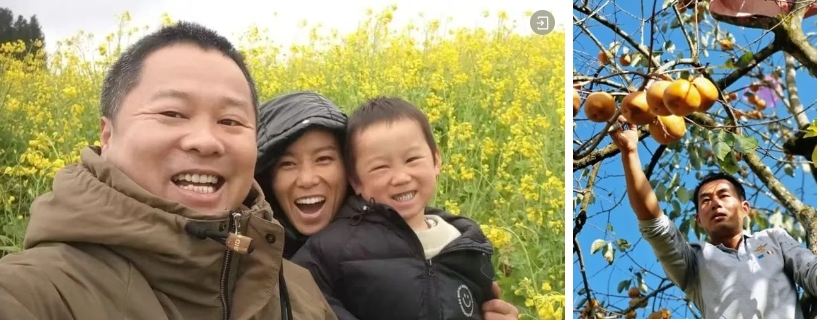
New-generation farmers now also face the “new three mountains”: elderly care, childcare, and healthcare. But the problems of agriculture and rural areas have never been solvable within agriculture and rural areas alone. Placing these pressures solely on farmers’ shoulders is deeply unfair. Expecting ecological agriculture to solve the problem of children’s schooling simply transfers the pressure onto production, and production itself then becomes a burden.
Will rural development go forward or fall behind? I am not an economist, and I cannot make predictions.
This past summer I also visited Zhejiang and Shanghai, and saw a very different kind of countryside from Guangxi’s. Guangxi too is seeing early signs of new villagers or makers moving into villages. These new trends are all possible, but they need a long time to develop. Urban dwellers want to change the trajectory of their lives, yet they do not know how to farm in the countryside. At that point, new needs emerge in the village, new spaces for collaboration appear, and the vitality of the village may well be reignited.
Our exploration of ecological agriculture should not be about discussing technology alone, but should involve more reflection — at the personal, the familial, and the societal level. Although most farmers are still working to meet their basic survival needs, that does not stop us from thinking further ahead, sowing the seeds of change.
The ecological smallholders who have a clear sense of their own place are doing well now, proving that this path works. They are also beginning to consider how, step by step, to draw more people to the countryside and onto the path of ecological agriculture.
I often tell my former colleagues that our work is for the future, even if we cannot yet see any results. Just as in the past, when we talked to people about protecting traditional varieties, they seemed to have no real concept of it — but these issues will become ever more important, and the seeds we have planted may take root and sprout in twenty or thirty years’ time.