
An Lingrong’s Hometown New Year’s Eve Dinner: Long Awaited Since Winter Began
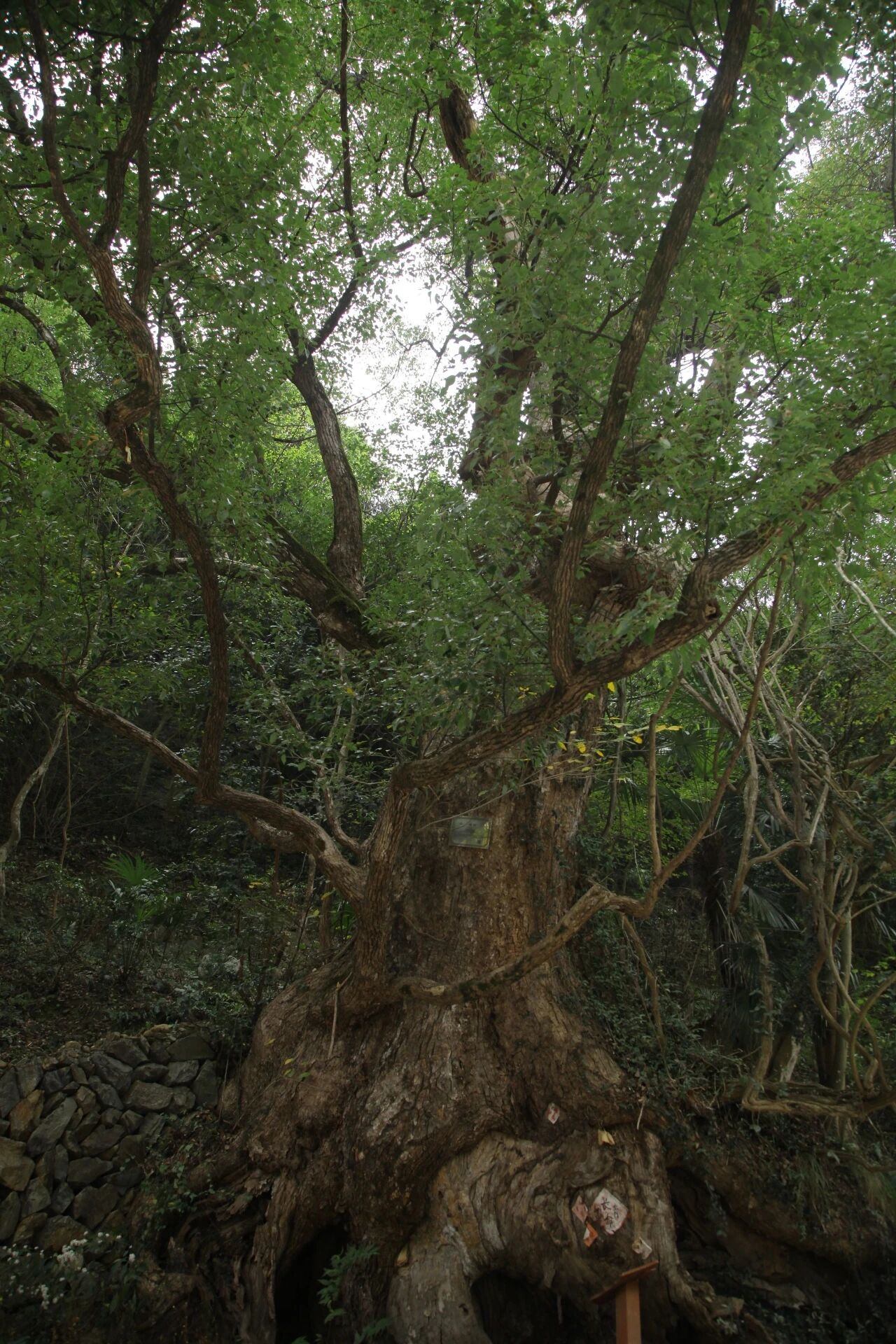
I. Sunning the White, Hanging the Gold; Fragrant Wine, Curling Smoke
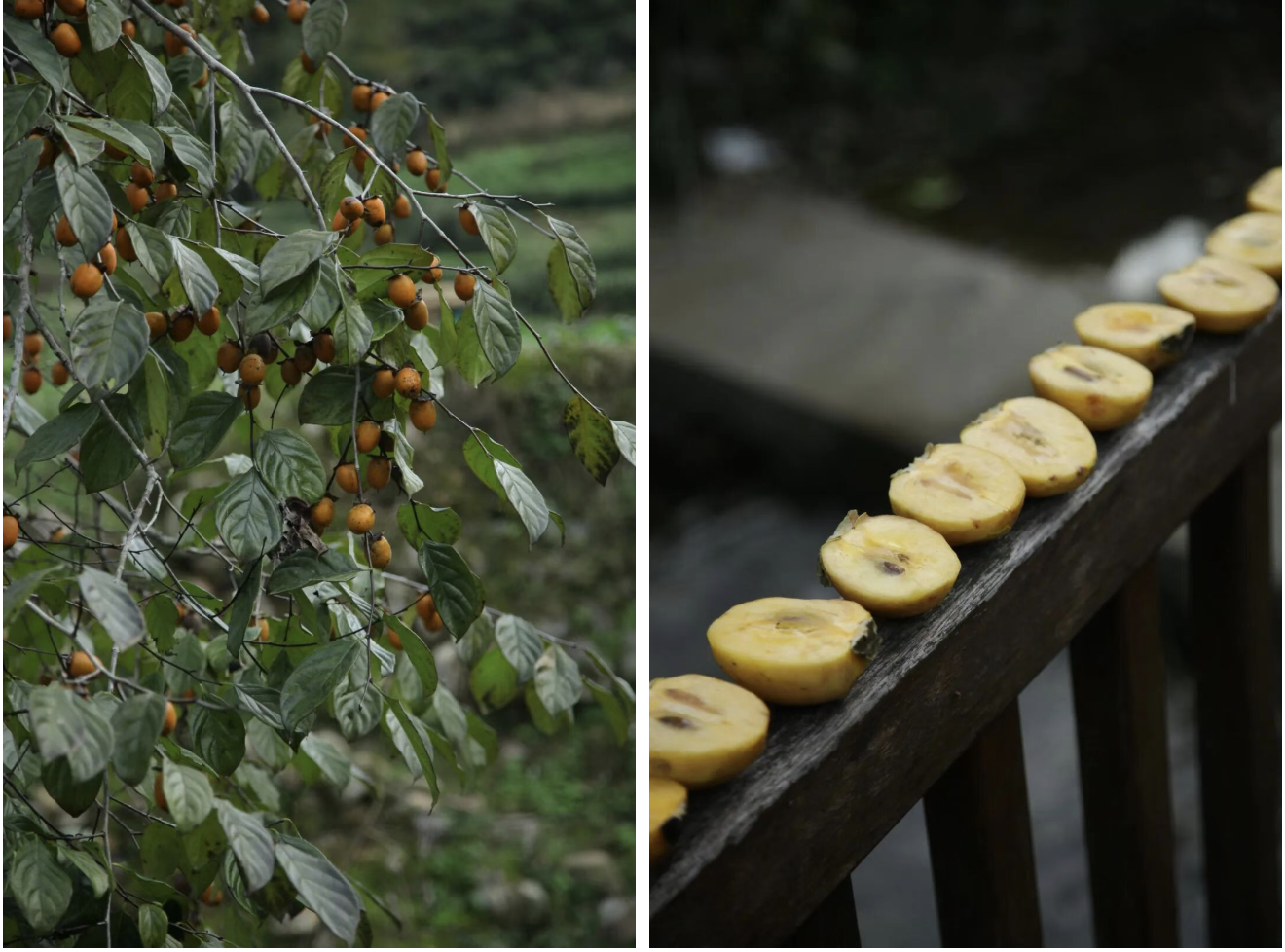
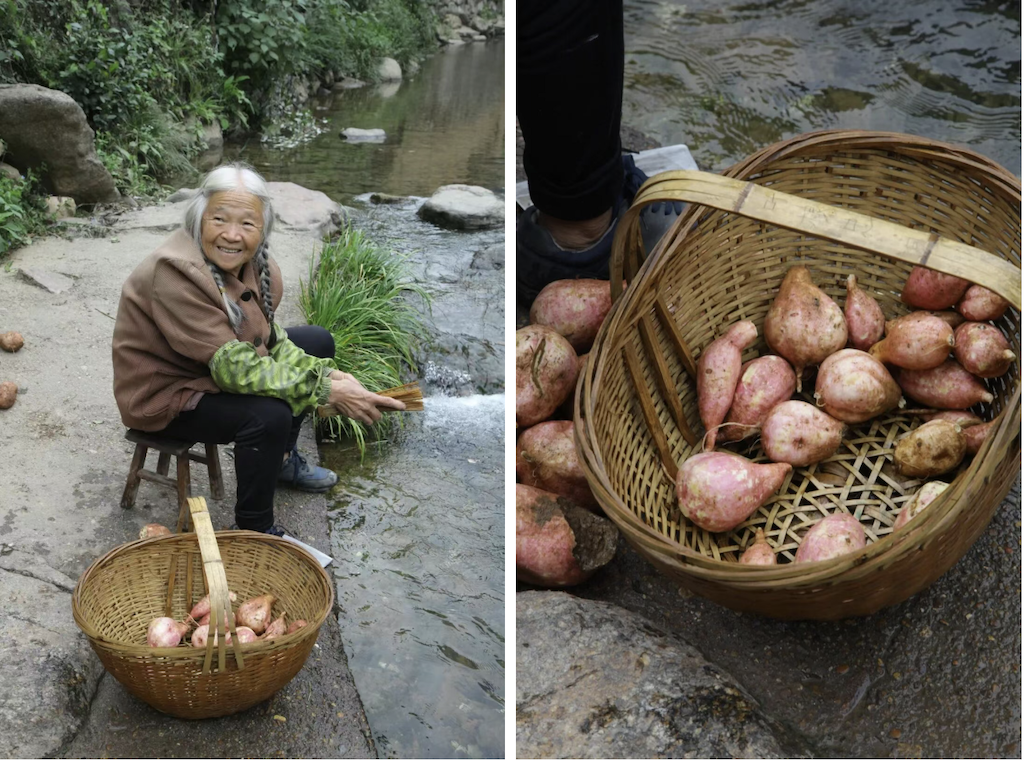
In households by the streams and hills, sweet potatoes have only just been dug from the mountain fields, large and small, still wearing fresh mud. They are carried to the streamside in large bamboo shoulder baskets, rinsed clean, and scraped free of blemishes on their skins, each sweet potato starchy and unassuming. They are then cut into small pieces, squeezed with water, set in a wooden tub, and left to stand for half a day or overnight, by which time the starch has settled to the bottom. The muddy water is poured away, the snow-white clumps of starch are washed out, and the starch is spread evenly to dry on bamboo slats—like snow dried in the sun that does not melt, downy white as cold moonlight. There are also red-gold persimmons, half tended and half wild, at field edges and village entrances; knocked down with bamboo poles, scalded in boiling water, peeled, threaded on string, and hung to dry under the eaves at the front of the house—like strings of little suns.
In addition, wine is brewed and distilled, cured meat is smoked, and mazi and mi guo are steamed and pounded… Before the New Year in Songyang, this scene of sunning the white and hanging the gold, fragrant wine and curling smoke, and the hammer beating in steady pulses is almost to be found in every village and every household.

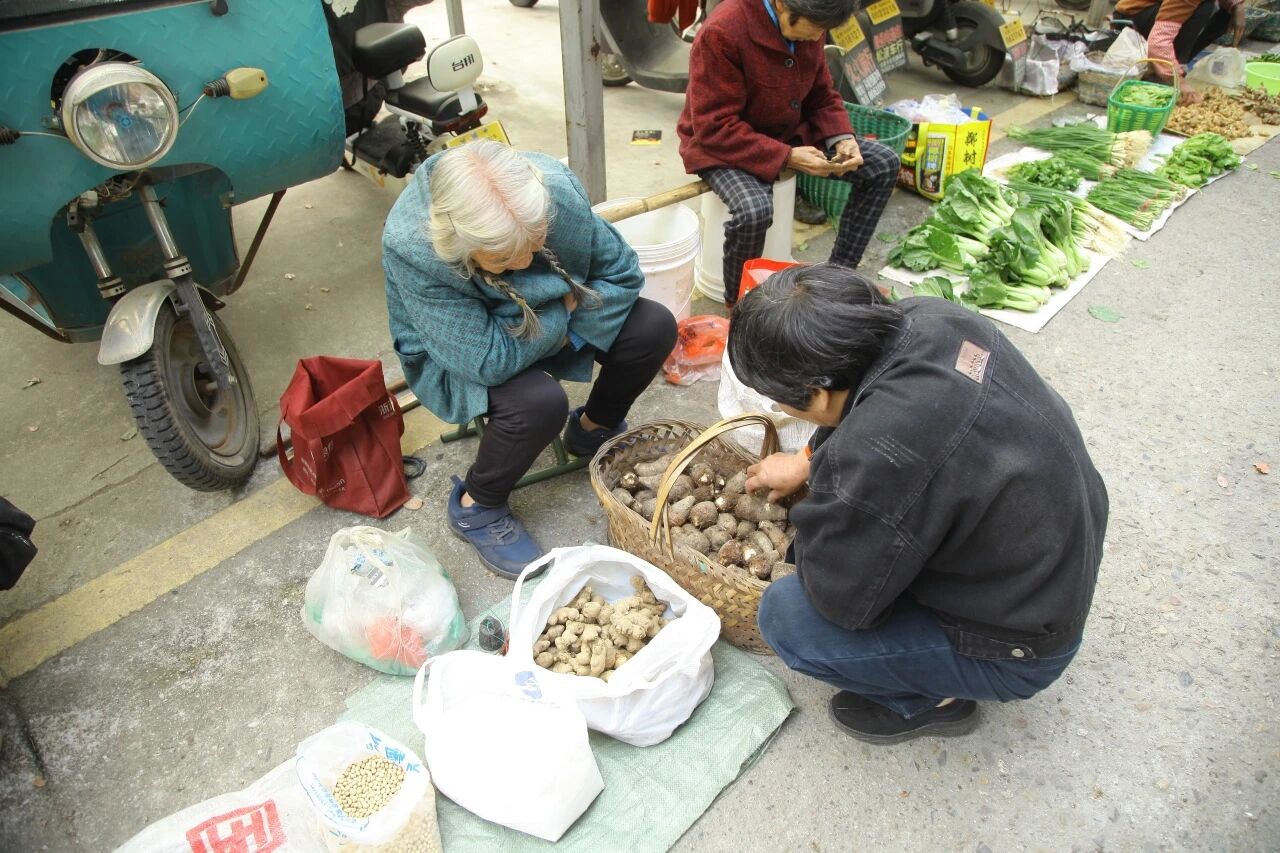
Songyang county town holds markets on the first and sixth days. Bianzi Nainai of Songzhuang Village in Sandu Township goes down to the county town “to go to market.” At home, her spouse carries sacks and bamboo baskets on a shoulder pole, earnestly seeing her off to the village entrance. The morning bus rocks and sways, passing many villages along the way and picking up many people, some carrying empty baskets, some shouldering heavy bags; going to market is both buying and selling. At Bianzi Nainai’s feet, a plastic woven sack contains more than half a bag of sun-dried sweet potato starch, and the bamboo basket contains freshly dug hairy taro.
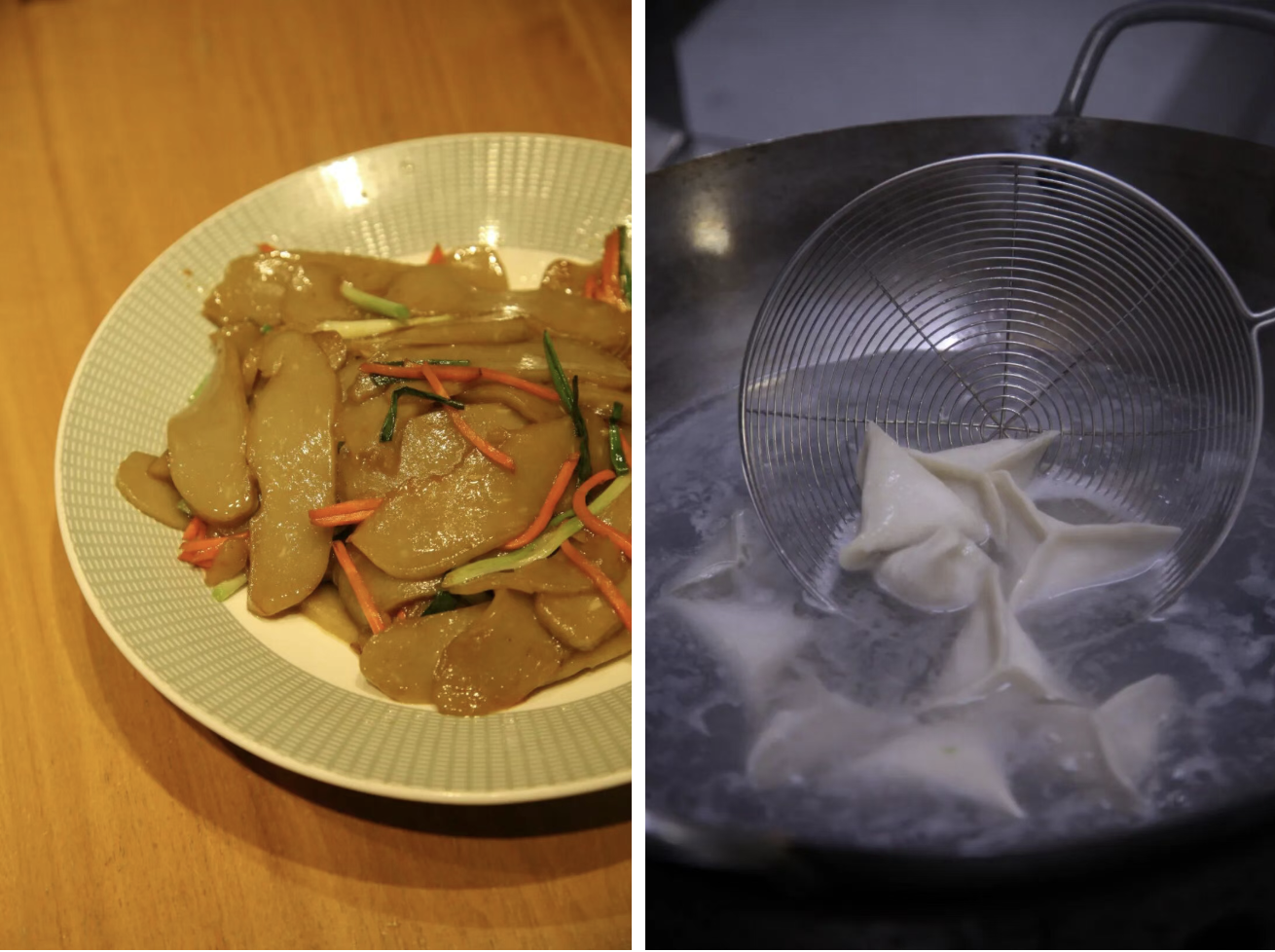
Sweet potato starch and hairy taro together are the ingredients for Songyang “shanfen yuan.” This is a seasonal flavour of Songyang in autumn and winter, and an indispensable taste of “reunion” at the New Year’s Eve dinner. The steamed hairy taro is pounded into a paste, mixed with sweet potato starch, the ratio of the liang being about two to one, then stock is poured in and it is stirred into a paste (some households also add diced shrimp, minced meat, and diced bamboo shoots). It is then kneaded into a ball and steamed until it becomes translucent and gel-like. At this point it can be eaten directly, silky and springy, fragrant and tasty. It can also be sliced or cut into pieces, stir-fried plainly with vegetables, braised with meat, pan-fried, deep-fried, added to soup, used in hot pot, or roasted; the ways of eating it are flexible. When sweet potato starch forms the outer skin and encloses a filling, there are triangular shanfen jiao and half-moon-shaped shanfen guo.
II. “Snowflakes Flutter, Grandma Fries Cakes”
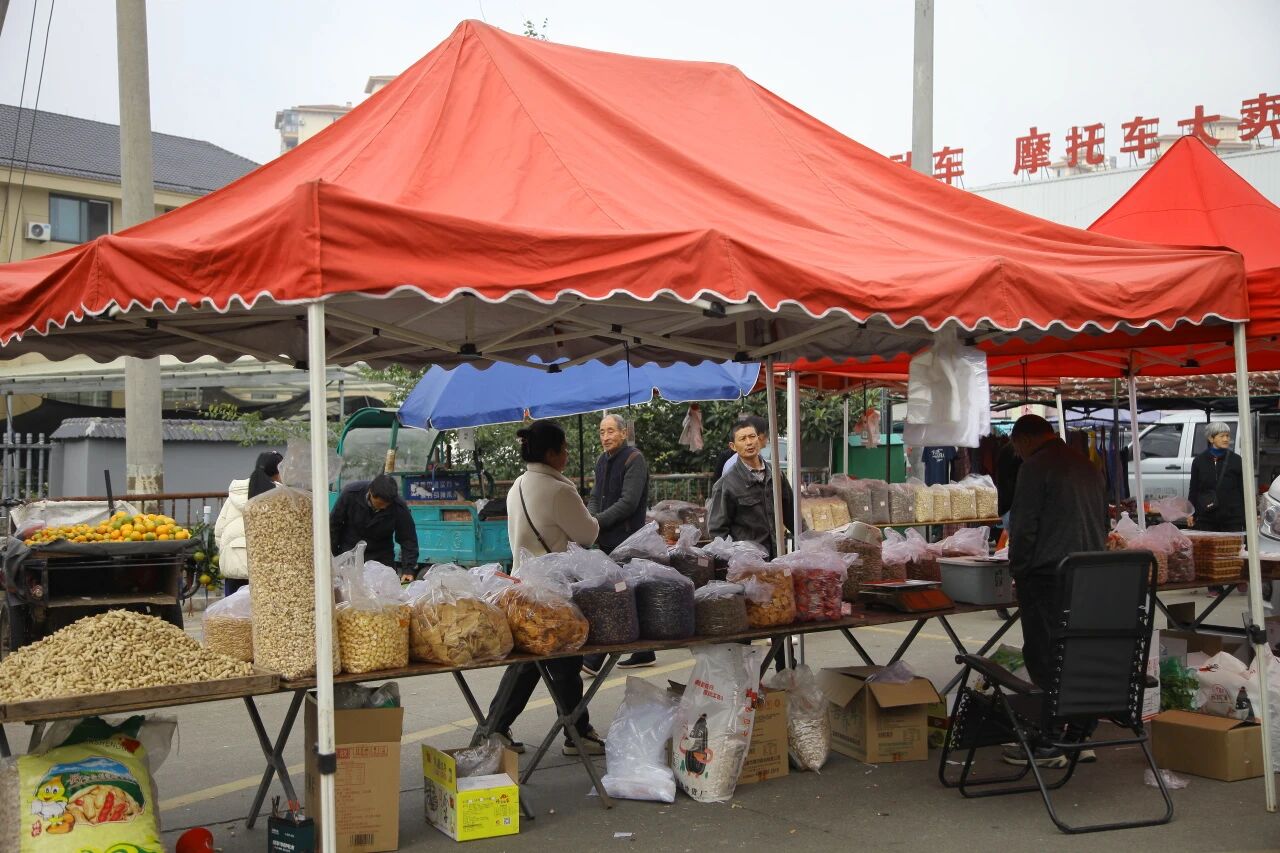
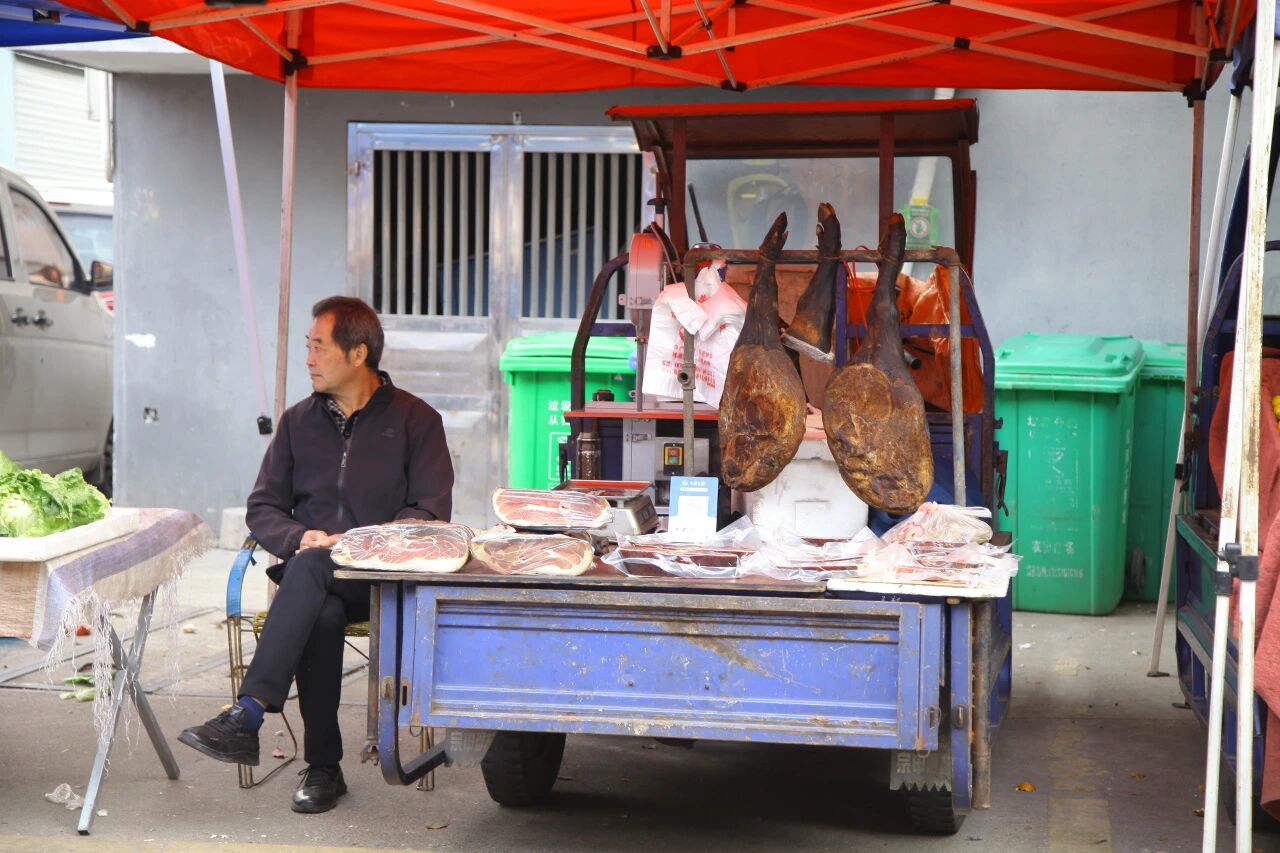
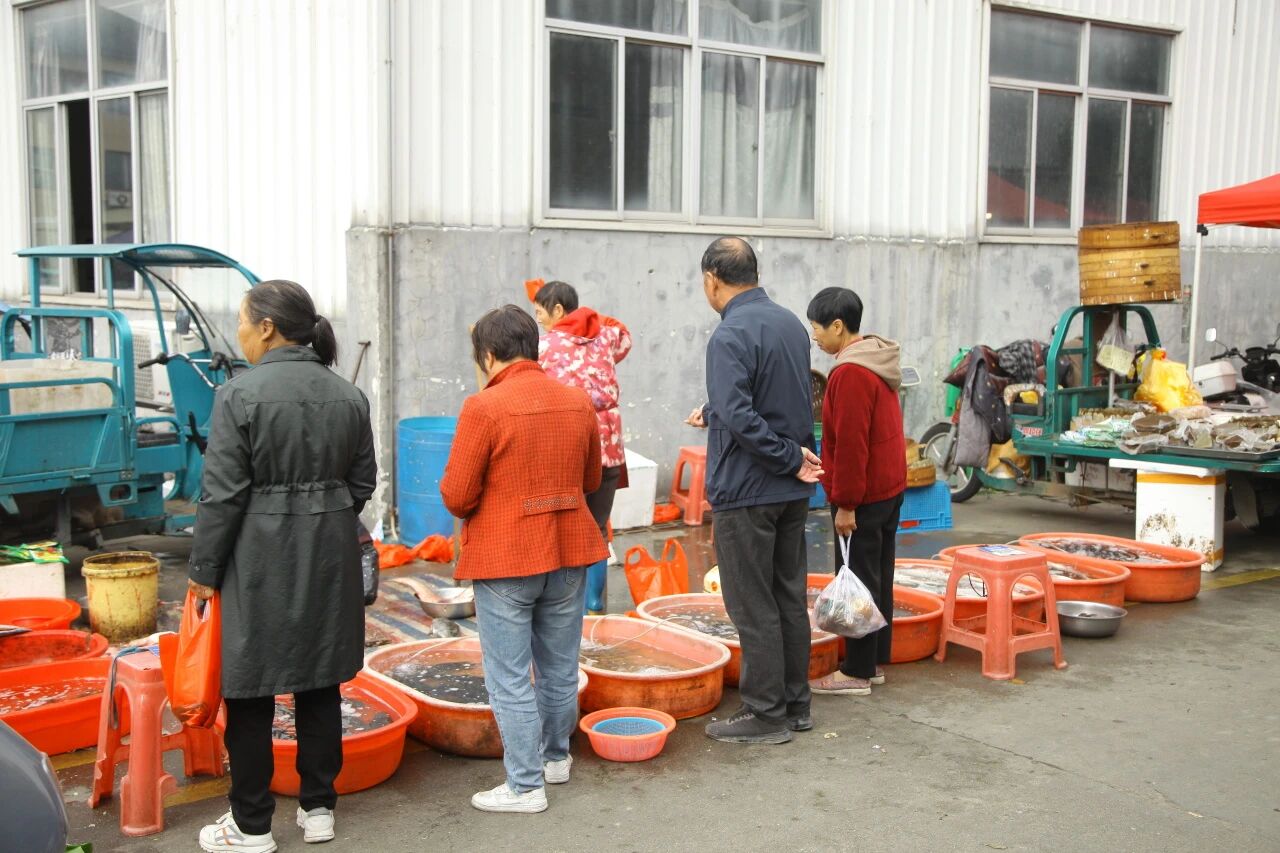
After the 24th day of the twelfth lunar month, there is almost a market every day. The atmosphere and flavour of the festival have already gathered in the displays: dried and fresh goods from sea and land, cakes, pastries, sugar cakes and glutinous rice cakes, nuts and roasted snacks, qu, wine lees and sweet fermented rice, ham and salted pork, fragrant herbs and medicinal herbs… All that is needed is there; none is lacking. Pressing through the market, one silently runs the New Year’s Eve dinner menu over in one’s head, filling any gaps, and makes sure that everything for visits in the first lunar month is ready in advance.
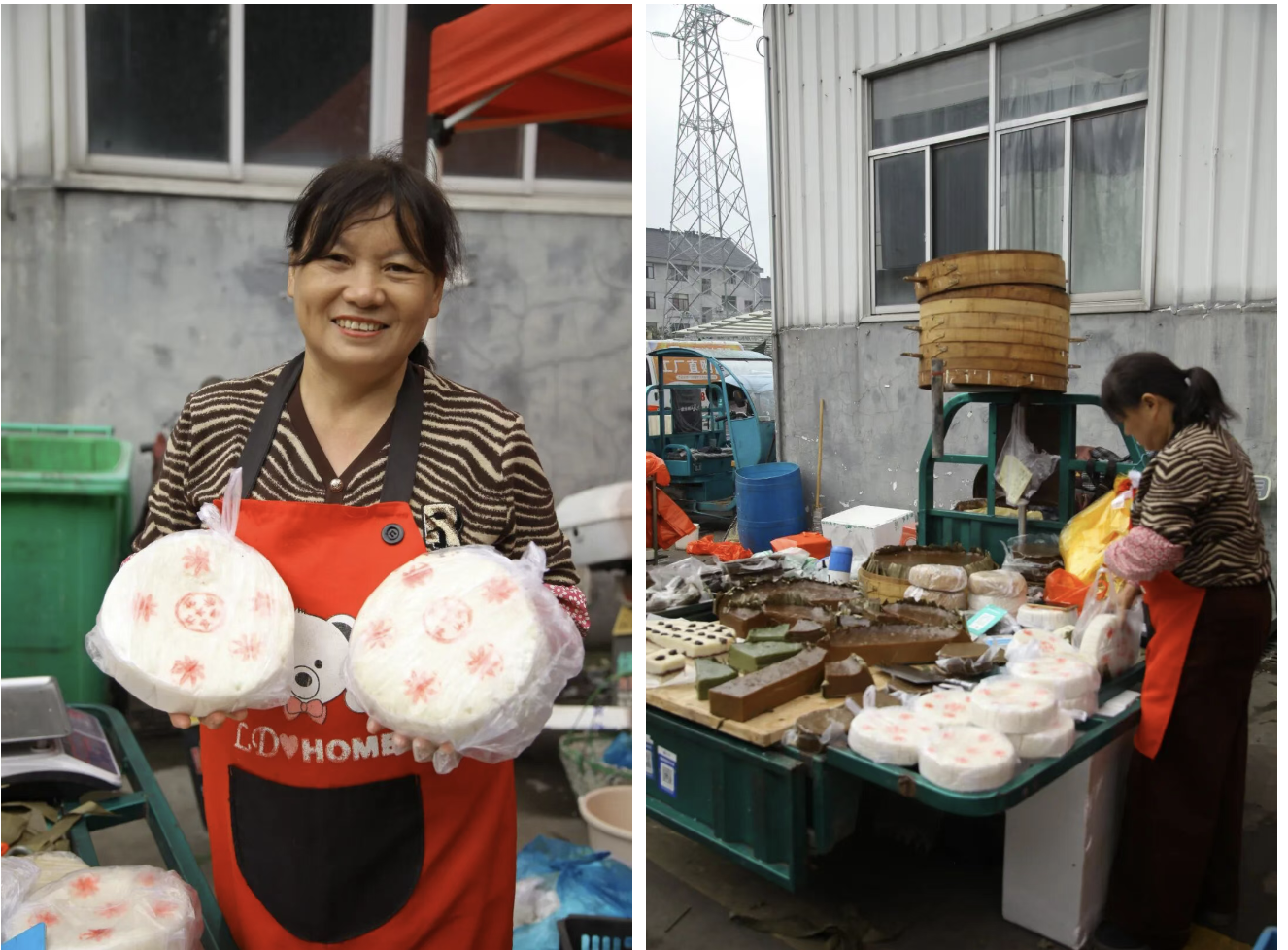
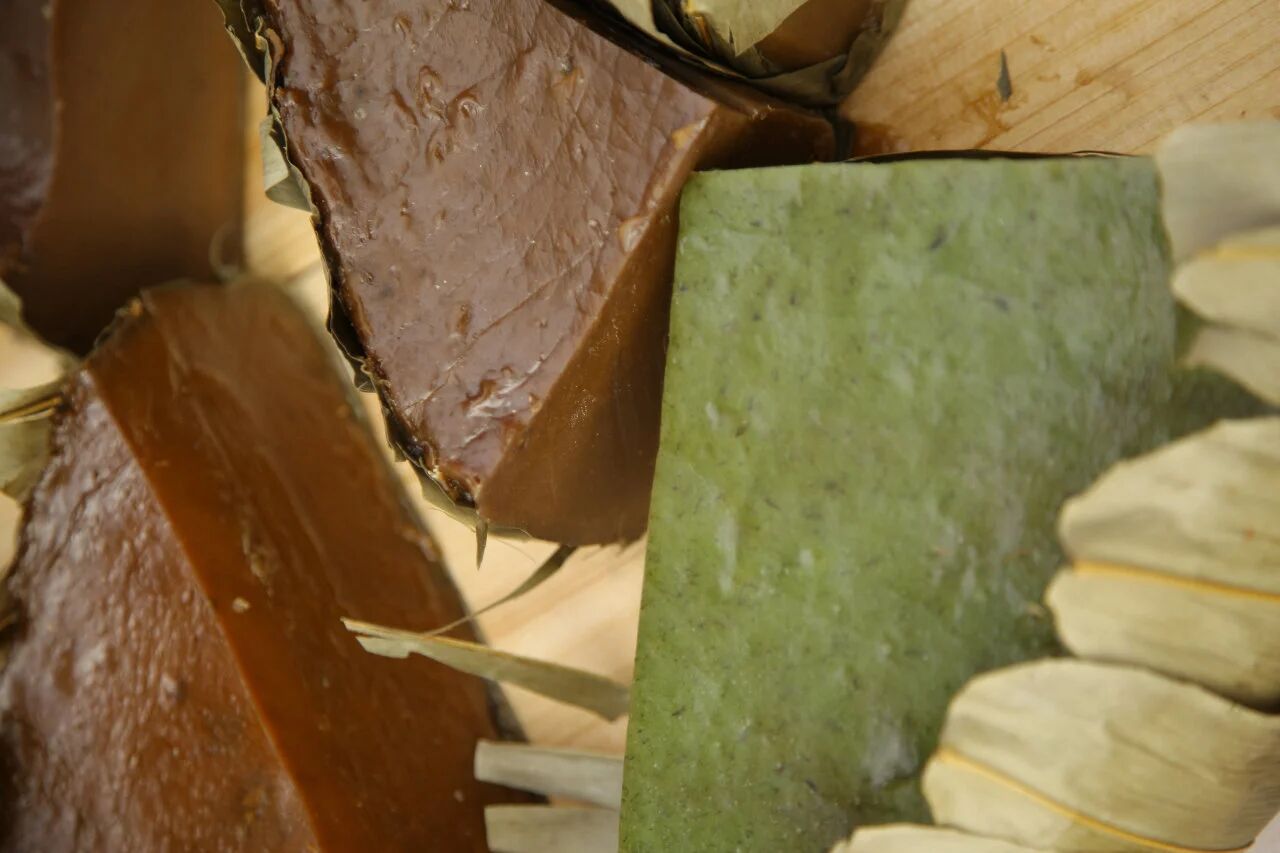
“Snowflakes flutter, Grandma fries cakes; the snow grows thick, Grandma fries sugar.” So goes a Songyang nursery rhyme. Step by step, “cake” rises; how could the New Year pass without cake? A crowd has already gathered around Zhuhua Jie’s vendor cart. Wearing a bright red apron, she holds a white, moist steamed sponge cake in her hands, bright with festive cheer. The bamboo steamer is lined with bamboo leaves at the bottom, the leaves arranged closely in a round tray; the prepared rice batter is poured in and steamed slowly, the steam rising in a haze. If the green juice of mugwort is added to the rice batter, it becomes “green cake”; if a syrup boiled from local brown sugar is added, it becomes “red cake”, also called “tang gao”.
Zhuhua Jie, from Xiping Town, has been making cakes for nearly thirty years, patiently turning a craft into a business. After his son finished university, he returned home to carry on his mother’s trade. He set up a cooperative and expanded beyond the workshop, supplying many restaurants and street shops in Songyang. In the twelfth lunar month, demand for tang gao is at its peak; the people of Songyang need it for offerings and for entertaining guests, and at times, dozens of people work overtime in the workshop. Yet Zhuhua Jie still likes going to market to call out her wares, moving through the market streets as unhurried as of old.
III. People Warm the Wine, Wine Warms People
In old local custom, brewing wine also required choosing a day with due care. Now, as long as the season is right, there is no need to observe a specific date; it is more flexible and free. In town and countryside, earthen stoves and large cauldrons have become rarer, and conditions for home brewing are limited. So, gradually, there have appeared mobile wine-steaming carts, carrying equipment and going from street to village to provide door-to-door service. One is for steaming rice: the glutinous rice is steamed, cooled, and then further mixed with qu to make wine; the other is for steaming wine: rice wine that has already been brewed can be further distilled into baijiu. Each household has its own rules for the proportions of rice, qu and water, and so each household has its own flavour. In spring, rice is planted; in summer, qu is made; in autumn and winter, wine is brewed; a cup of wine has the four seasons.
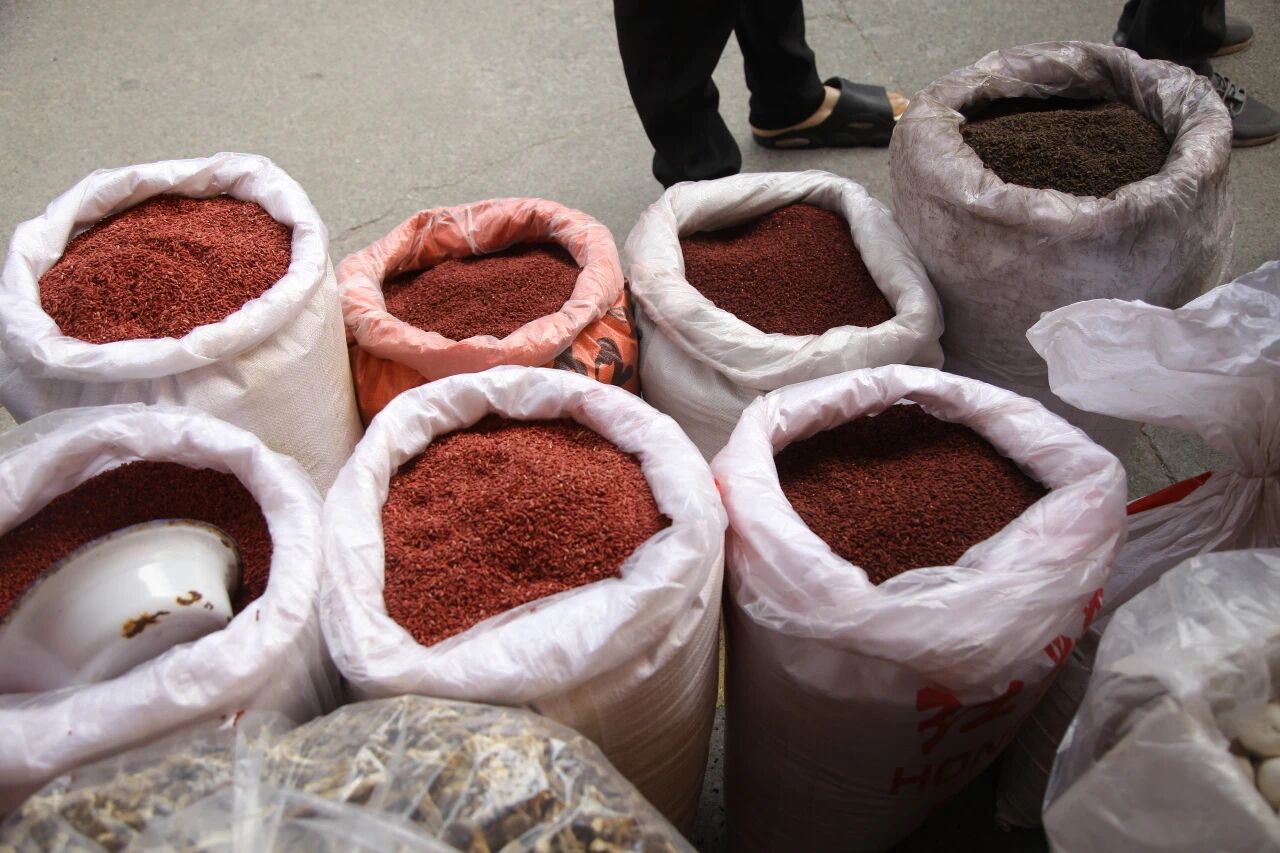
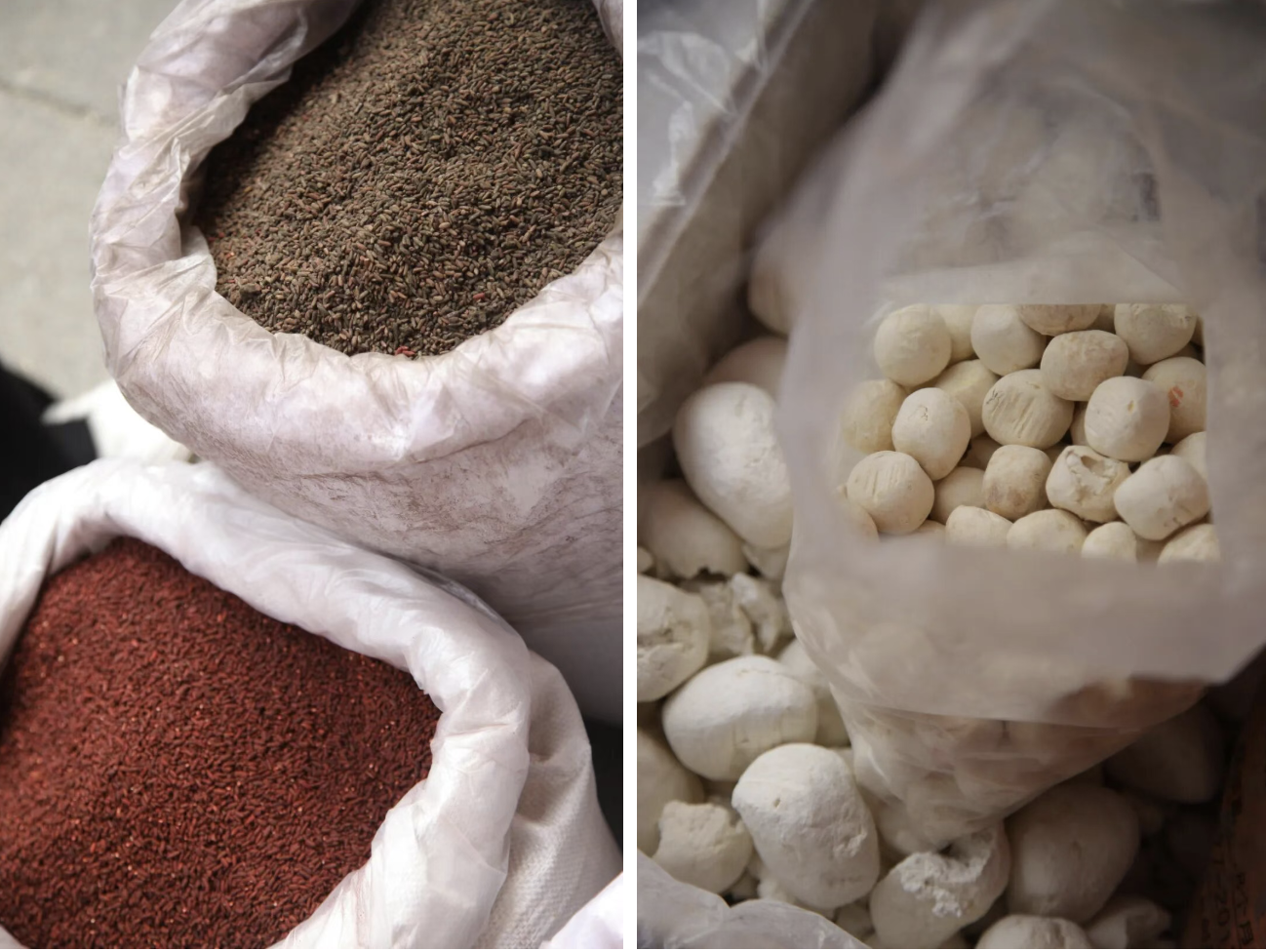
The mobile wine-steaming cart has already passed through Maoyuan Village. At Xu Yeyin’s home, the new wine has been put into the vat. This year they have steamed a full 100 jin of glutinous rice. The white glutinous rice mixed with red yeast, fluffy, has just begun to float up at the rim of the vat. Bending down and tilting one’s ear, one can hear the soft popping of fermentation bubbles; it is as if the microorganisms are frolicking, full of vitality. In the first few days, it needs frequent, attentive care. Each day, the glutinous rice and red yeast that float up must be broken up with a spatula and pressed down to the bottom of the vat to help them blend. If the temperature is high, the wine is likely to turn sour; as the weather grows colder, one must also prevent the vat from freezing. People add quilts, and the wine must be given quilts too; the care is indeed like that for a close relative.
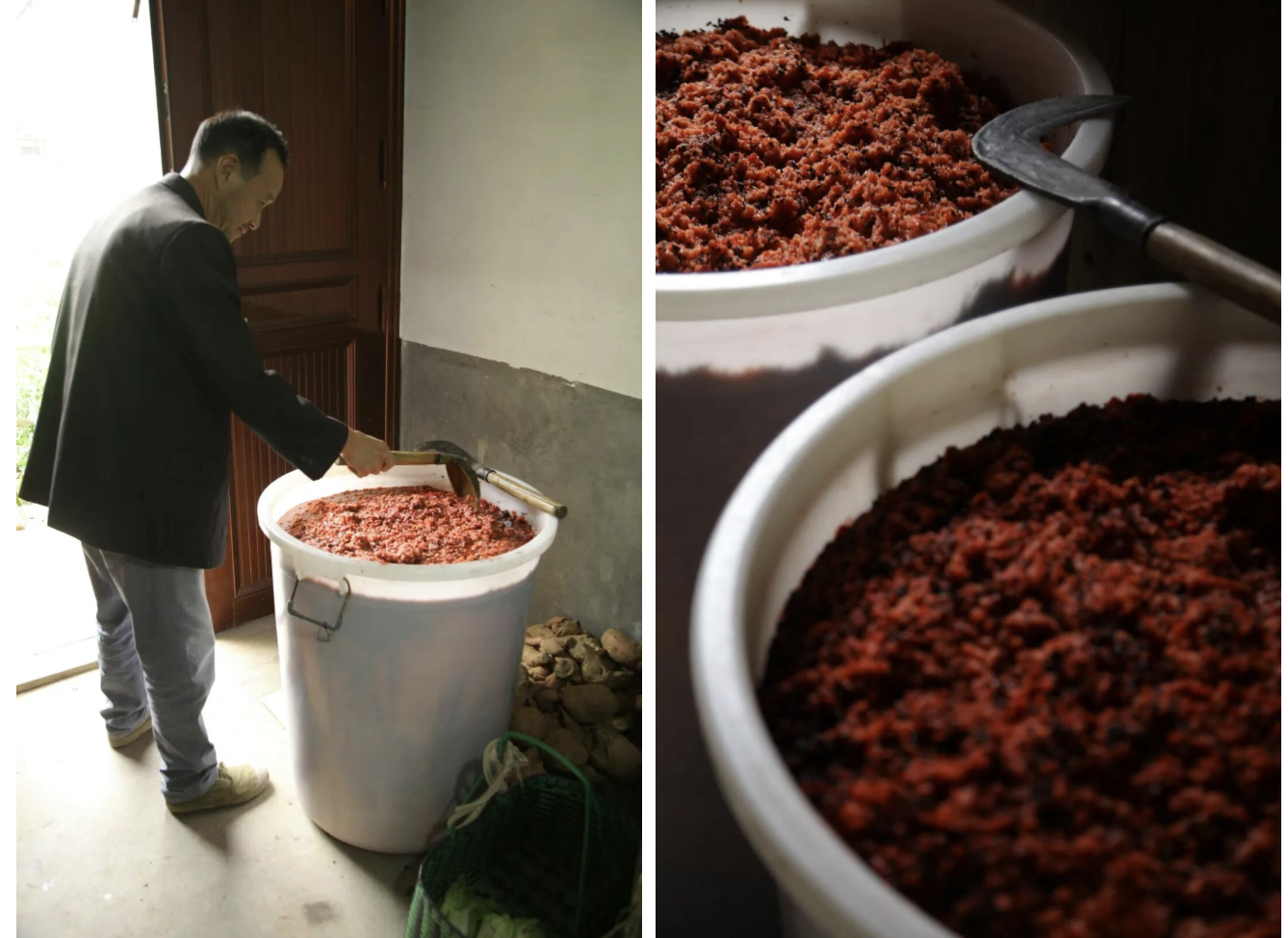
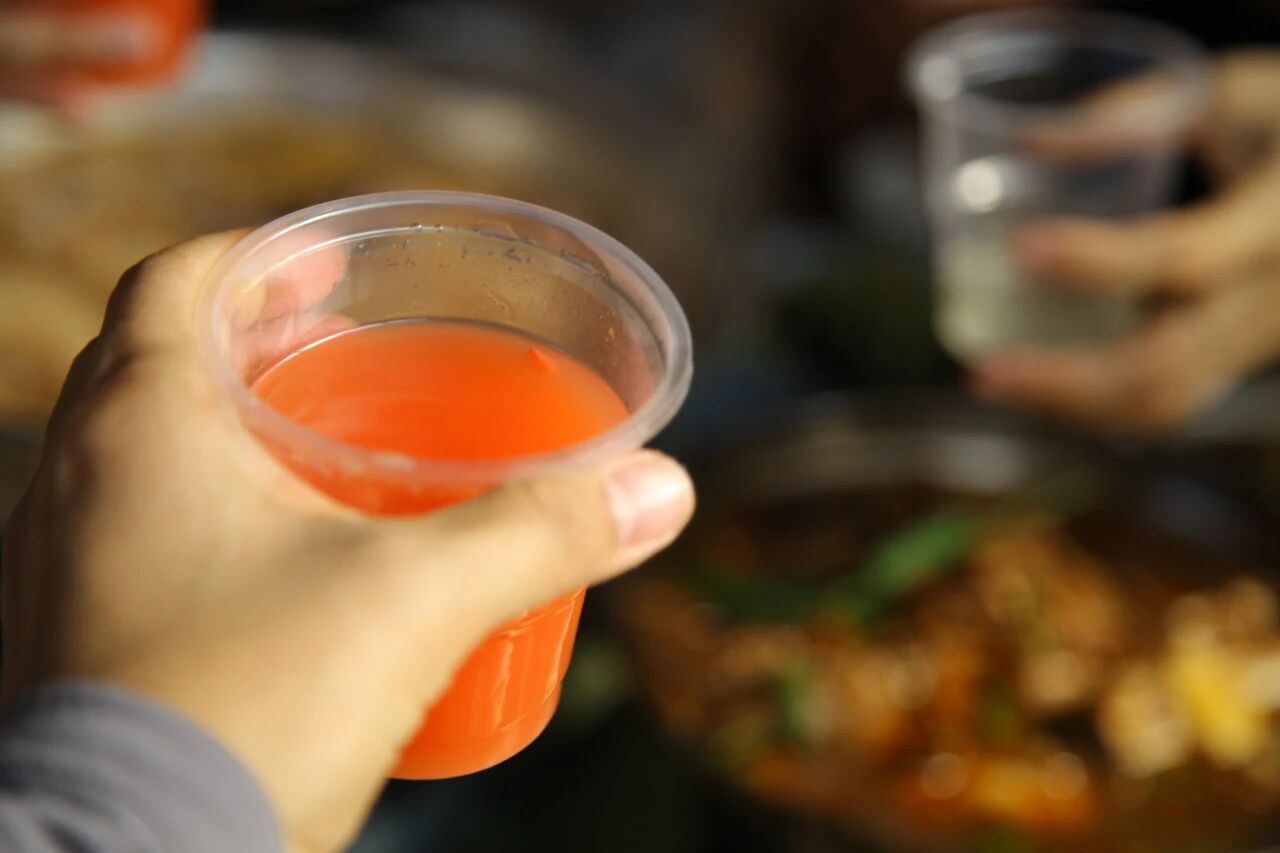
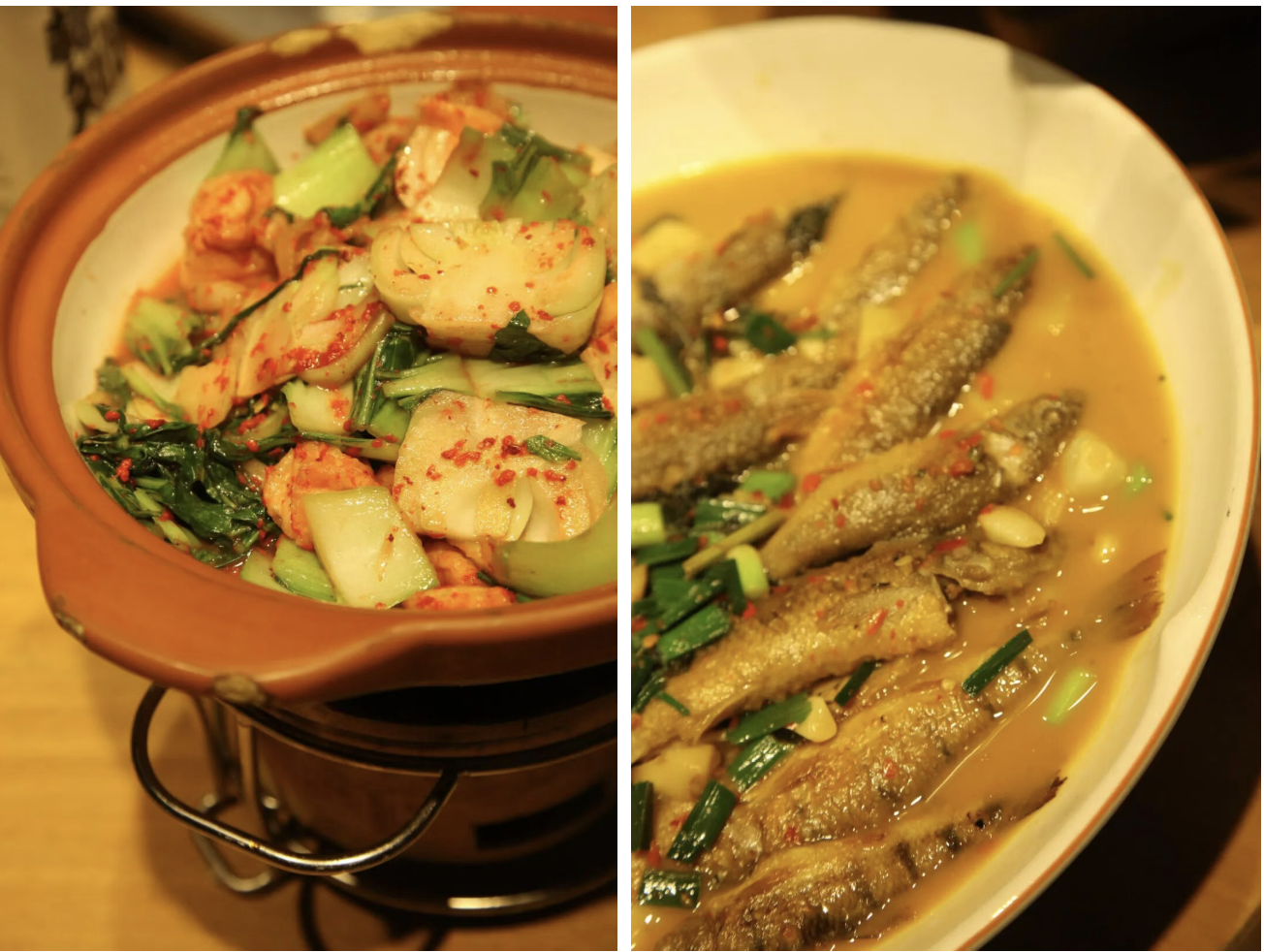
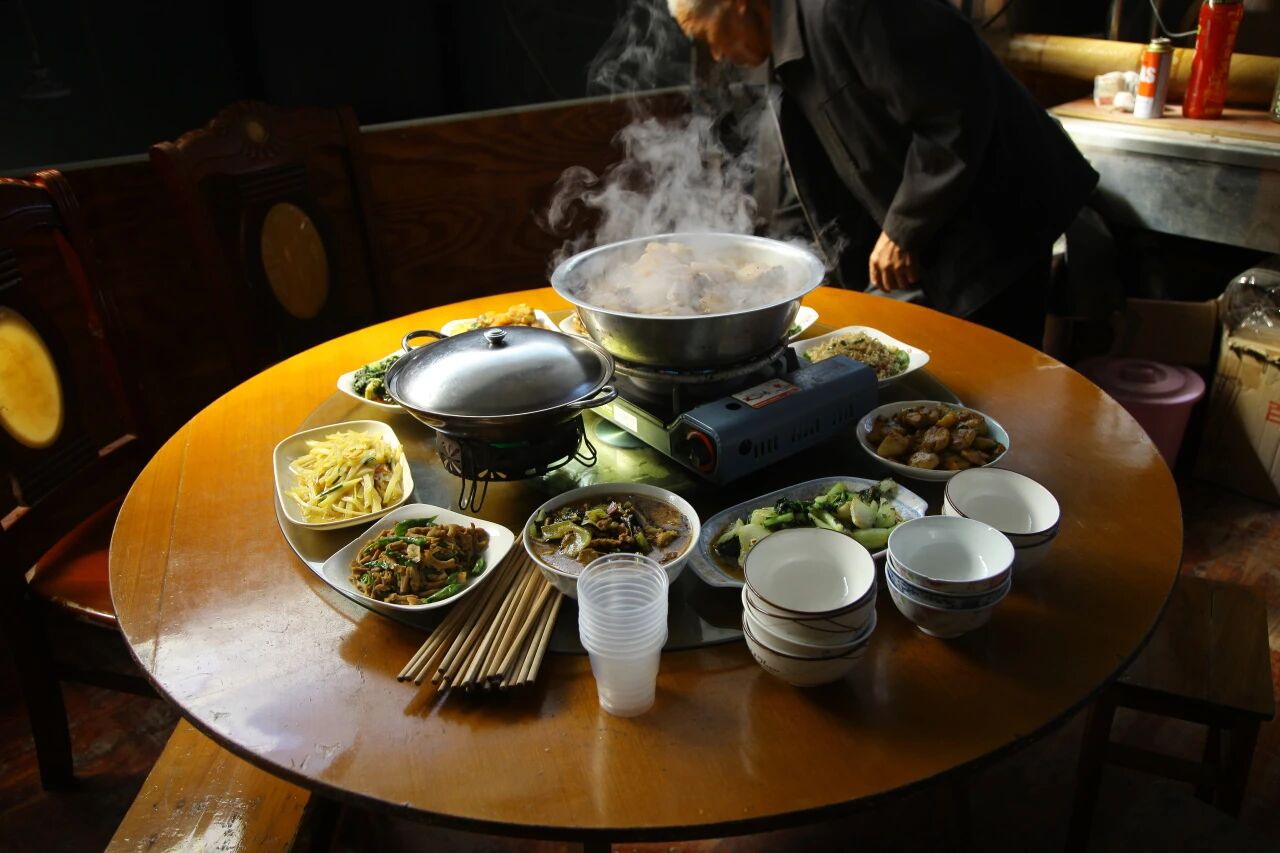
By the time the New Year’s Eve dinner table is set, a few liang of the fresh brew, pleasingly rosy red, are warmed; for old and young alike, it warms the body and livens the room. People warm the wine, and the wine warms people in return. And the red yeast lees filtered out after draining the wine are a good aid in removing fishy smells and enhancing flavour; the people of Songyang all make skillful use of it, cycling it back to the table. At Xu Yeyin’s New Year’s Eve dinner, there is always a dish of either large intestine cooked in wine lees or hairtail cooked in wine lees.
IV. “How Can You Still Eat ‘Bitter’ for the New Year?”
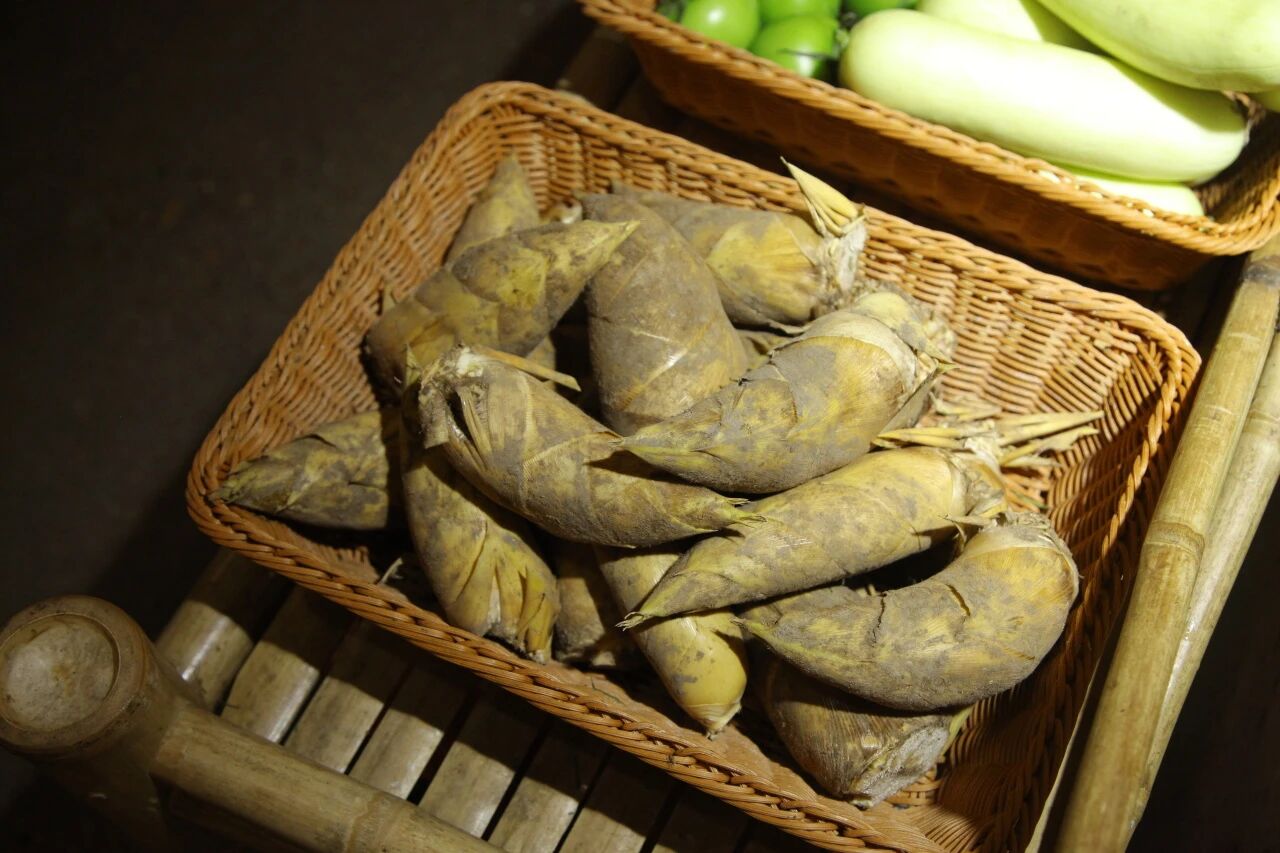
Xu Yeyin makes wine by soaking wild fruit-tree roots from the mountains. In spring and summer, the bitter greens under the forest are especially tender, and one is never tired of eating them; they are also blanched and frozen or made into dried greens, so that at home they can be taken and eaten whenever wanted. But when the New Year comes, even if there is still stock left, no matter how tempting, they are not eaten. As Xu Yeyin says: “How can you still eat ‘bitter’ for the New Year?” Likewise, the people of Songyang are fond of preserved mustard greens, but they too are kept off the New Year’s Eve dinner table. Yet there is one mountain speciality that only appears in winter; it must never be missing from the New Year’s Eve dinner, and it goes well with almost any ingredient. Naturally, it is winter bamboo shoots. The first taste of winter bamboo shoots of the year, from the tip of the tongue, proclaims the true arrival of winter.
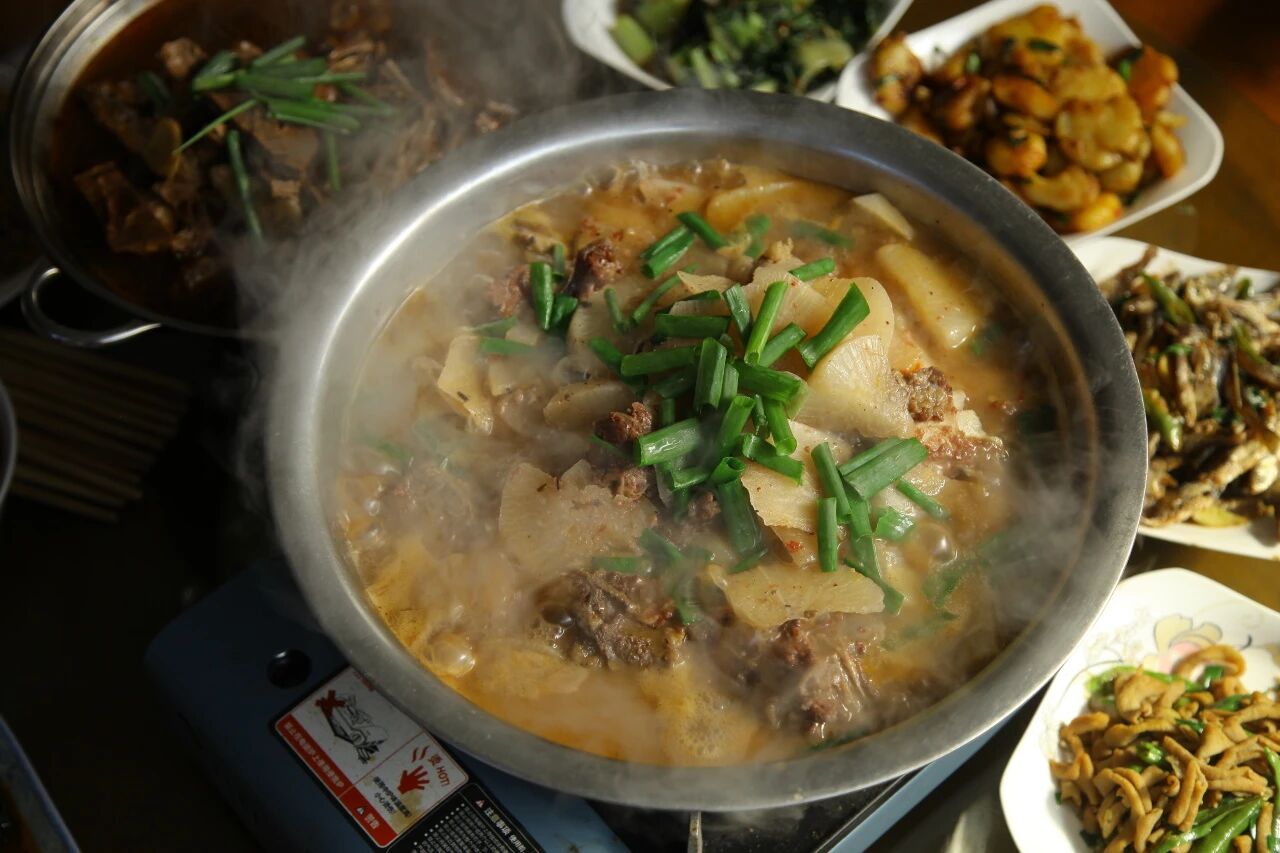
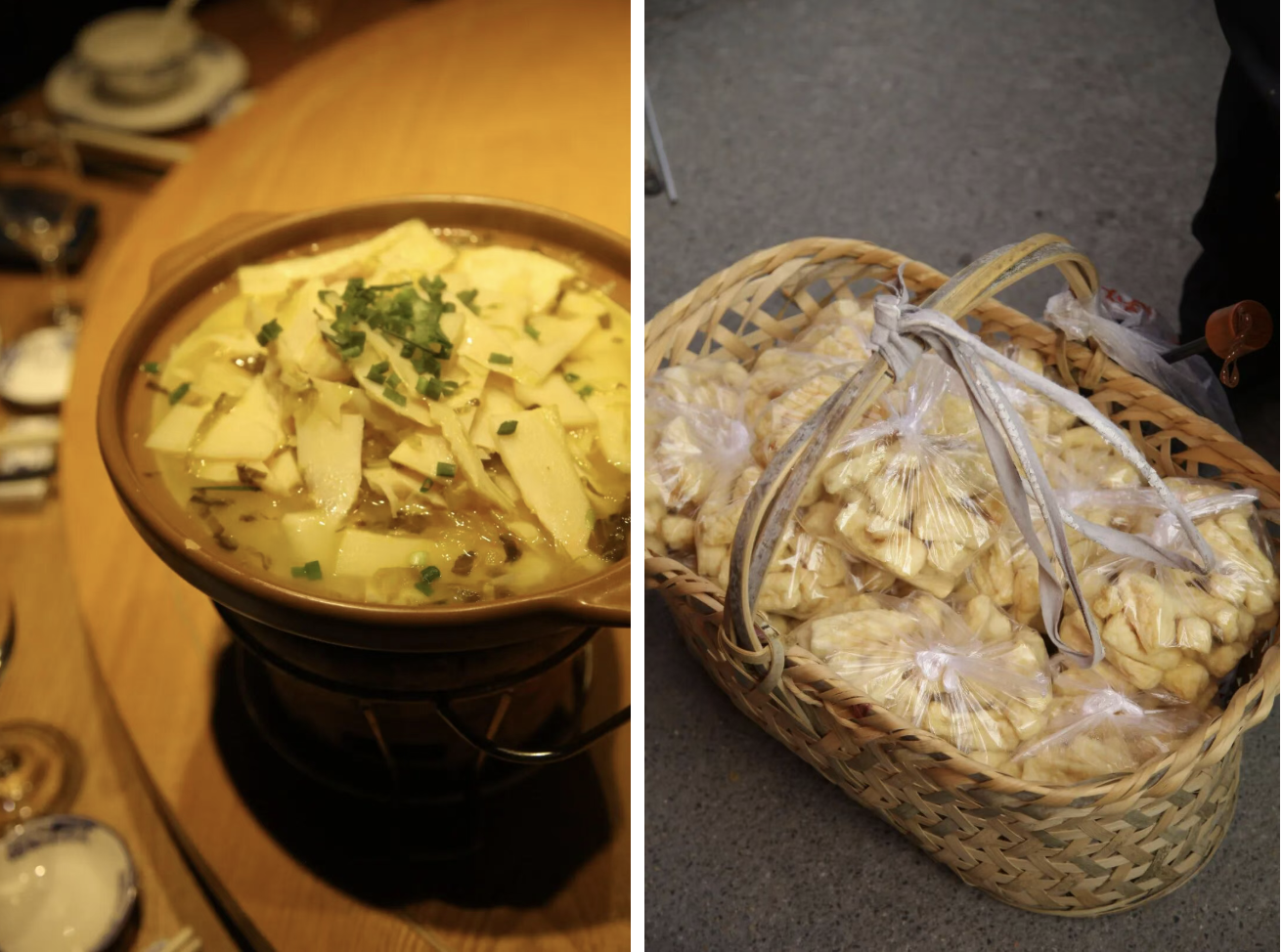
At the New Year’s Eve dinner, one can see many ways of eating winter bamboo shoots. Winter bamboo shoots are shredded or sliced and can be plainly stir-fried with pickled greens; sweet potato starch balls (shanfen wan) and huangmi guo can both be sliced and quickly stir-fried with shredded bamboo shoots, while diced bamboo shoots as a filling make sweet potato starch dumplings (shanfen jiao). The eight-treasure dish is also a household essential, for its auspicious meaning of “treasure comes from all directions”, and it adds a sour, crisp, refreshing note to a New Year’s Eve table laden with fish and meat. It is usually made of shredded red and white radish, shredded pickled greens, mingfu strips, kelp strips, cabbage strips and so on, the various strips being stir-fried or dressed cold; of course, one of the treasures must be “winter bamboo shoot strips”. In a wind-stove wok pot, fresh, tender winter bamboo shoots are cut into large chunks and boiled with salted pork, the broth milky white; then some Shichang oil-fried pao tofu is poached in, fresh, sweet, salty and fragrant, truly soothing as it settles in the stomach. When fresh bamboo shoots are not enough, they are also made into dried bamboo shoots and salted bamboo shoots, to be eaten until the new shoots come up again.
V. Not Just Palatable, but Also Pleasant
Cai Zhanggui plans the menu. While preserving Songyang’s flavours and Hakka customs, he also makes small adjustments to accommodate guests’ tastes. For example, the ham is always local Songyang ham, whose traditional smoked flavour at once distinguishes it from ham from other parts of the province; as for drinks, he mainly promotes the aged baijiu of the Shichang Hakka, a rice wine made from white ball-shaped qu, naturally different from the rice wine made from red yeast rice that is more widespread in Songyang. Outsiders who travel far to spend the New Year in Songyang naturally want to experience some of the local food culture, but tastes also need to be looked after, and other cuisines are not excluded. In the great New Year, eating should be both palatable and pleasant.
Shichang is a cluster of ancient Hakka villages, in the “Shichangyuan” (the valley of the Shichang stream) about 25 kilometres south of Songyang. Besides white aged rice wine, Shichang fried tofu puffs, also known as Hakka pao tofu, are highly renowned, known even beyond Songyang county.
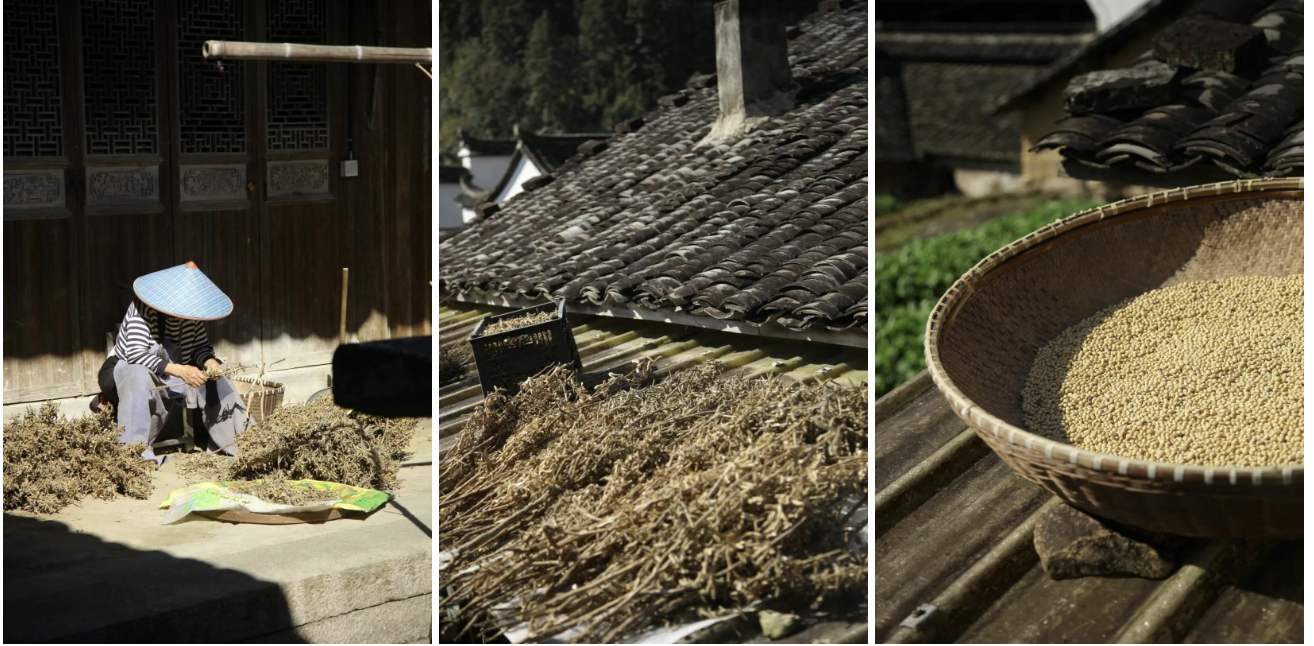
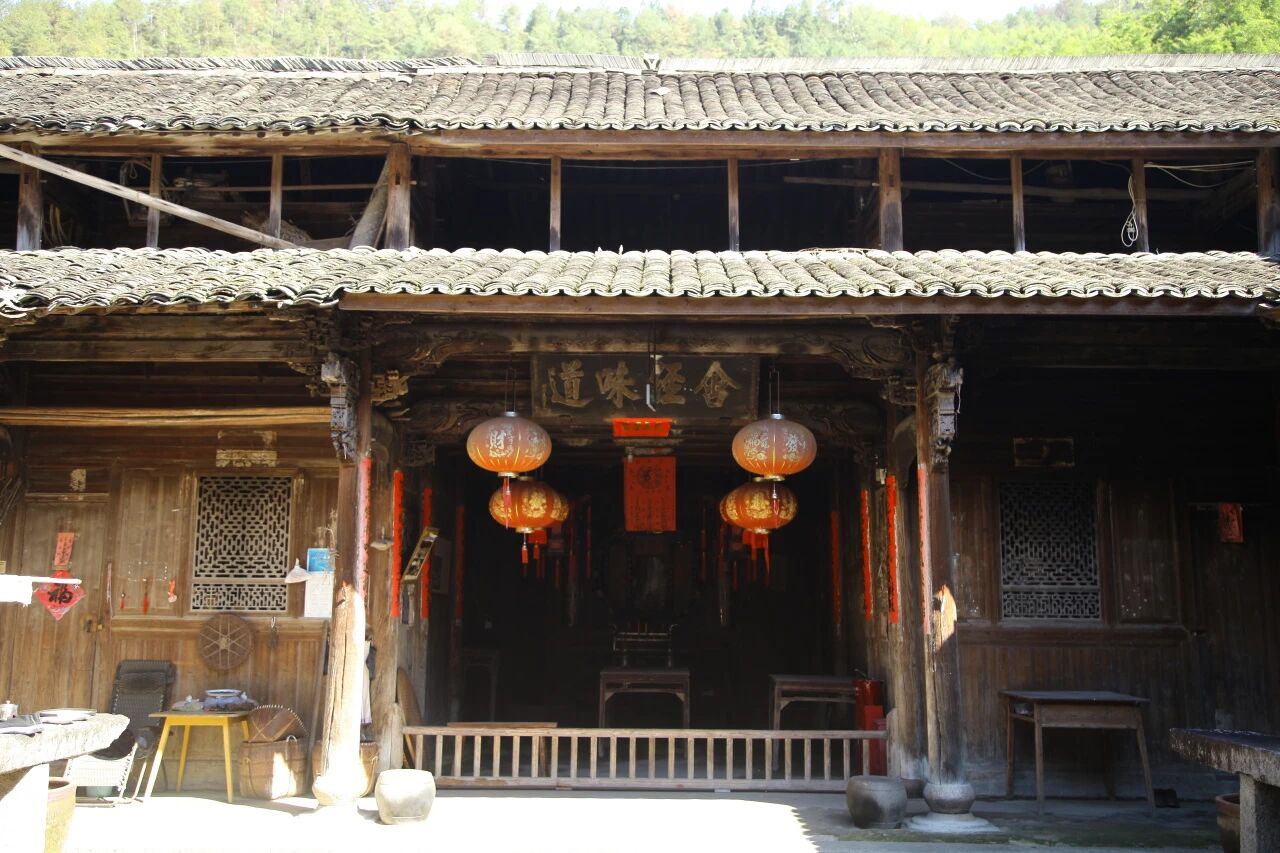
The quality of Shichang tofu comes down to nothing but the raw materials and the craft: locally saved old-variety soybeans passed down through generations, together with the clear, cool spring water of Shichangyuan. The veteran tofu makers are patient and dependable: washing the beans, soaking the beans, grinding the slurry, boiling the slurry, filtering, curdling, setting, cutting into blocks, deep-frying… the process is handed down, no step omitted. Freshly fried tofu puffs, dipped in a little fine salt, are crisp outside and smooth inside, the bean fragrance filling the air. Fried tofu puffs can be stir-fried with greens, braised with meat, or, in all sorts of soup pots, dropped in first to let them “drink” the soup full, then stewed until chewy outside and soft inside; with each bite one better senses the freshness of the soup. They can even be placed on the offering table when making New Year offerings to ancestors and gods.
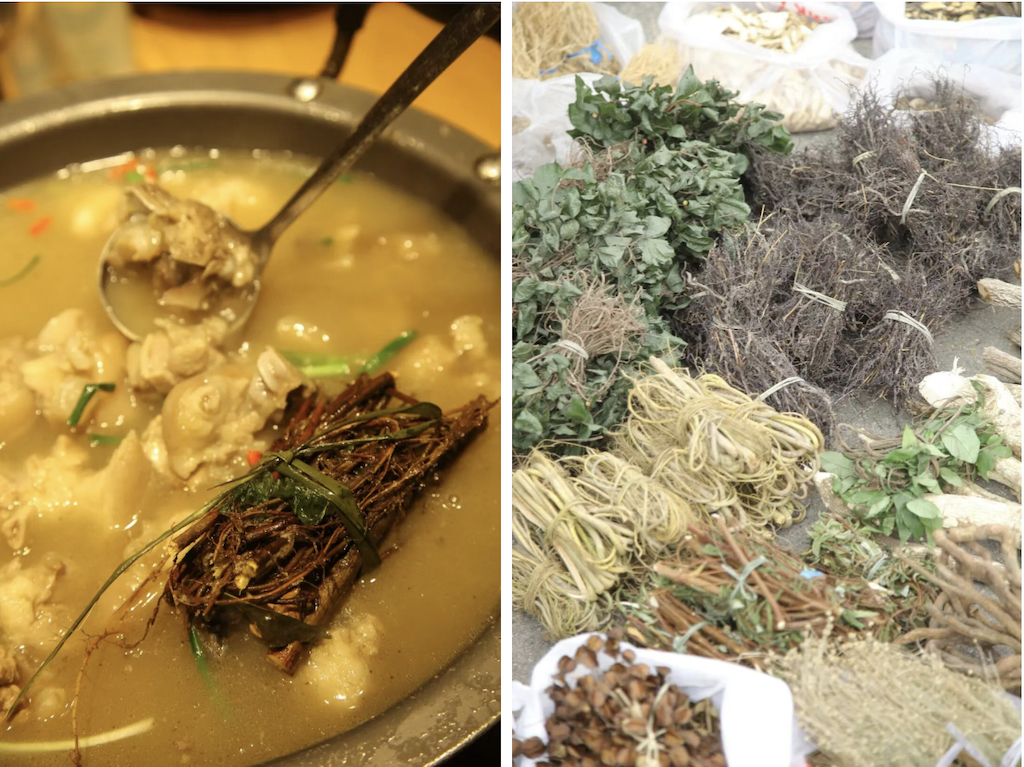
On the offering table, the modest, homely item is tofu, and nothing is more eye-catching and ceremonial than a whole pig’s head. In difficult old times, meat and fish were seldom seen in everyday life; pigs were slaughtered only for the New Year, and the slaughter was for the New Year. Later, as life gradually became more prosperous and buying and selling more convenient, fewer households kept pigs; people often bought or ordered at the market. Li Agong, born in 1947, still remembers that as a child every household had pigs. By the twelfth lunar month, almost every day in the village someone slaughtered a pig; each morning he was woken by the pigs. Children found it bustling and joyful, knowing there would be meat to eat. On the day of the slaughter, the fresh, hot offal is boiled in a large pot of clean water, the steam rising; neighbours gather to reward a year of hard work. The hind legs can be smoked into ham; pork belly and pork ribs are good materials for air-dried cured pork; pork skin is boiled into jelly; large intestine can be cooked in wine lees; pork trotters are stewed in soup with xieli tea……
VI. Song Momo and Li Agong
By year’s end, on New Year’s Eve, after taking down the projector, he shouldered his load again to the village god temple and the ancestral hall. Pork, chicken, and duck or fish formed the “three sacrifices”, together with dried goods such as cakes and rice cakes, tofu and wine, arranged as offerings. A year had passed, and the year had turned out well; offered to the ancestors and the village god, it was both gratitude for the year gone and a blessing for the year to come. And when the ceremony ended, what came down from the offering table went up to the dining table: cold-dressed pork head, yan jiu ji, white-cut duck… Songyang’s New Year’s Eve dinner is people sharing drink and food with the ancestors and gods, the old and the new both present, heaven and earth and the human world enduring.
Li Agong and Song Momo, whether in daily life or on New Year’s Eve, cook together. Momo washes the vegetables, Agong cuts them. When Momo wants to stir-fry, Agong has already poured oil into the hot wok. Together they take up chopsticks, together they clear the table. And Songzhuang Village’s New Year’s Eve dinner is, of all things, breakfast! Truly rare. Li Agong says it is because the ancestors who founded Songzhuang were long-term hired labourers; on the 30th of the twelfth lunar month, after finishing the New Year’s Eve dinner early, they still had to continue to the landlord’s house to work, and so it became a habit. The advantage of eating the New Year’s Eve dinner early is that the son and daughter-in-law can come early for reunion; after eating, they can go down the mountain and have another meal at the parents-in-law’s house, so it was a win-win method.
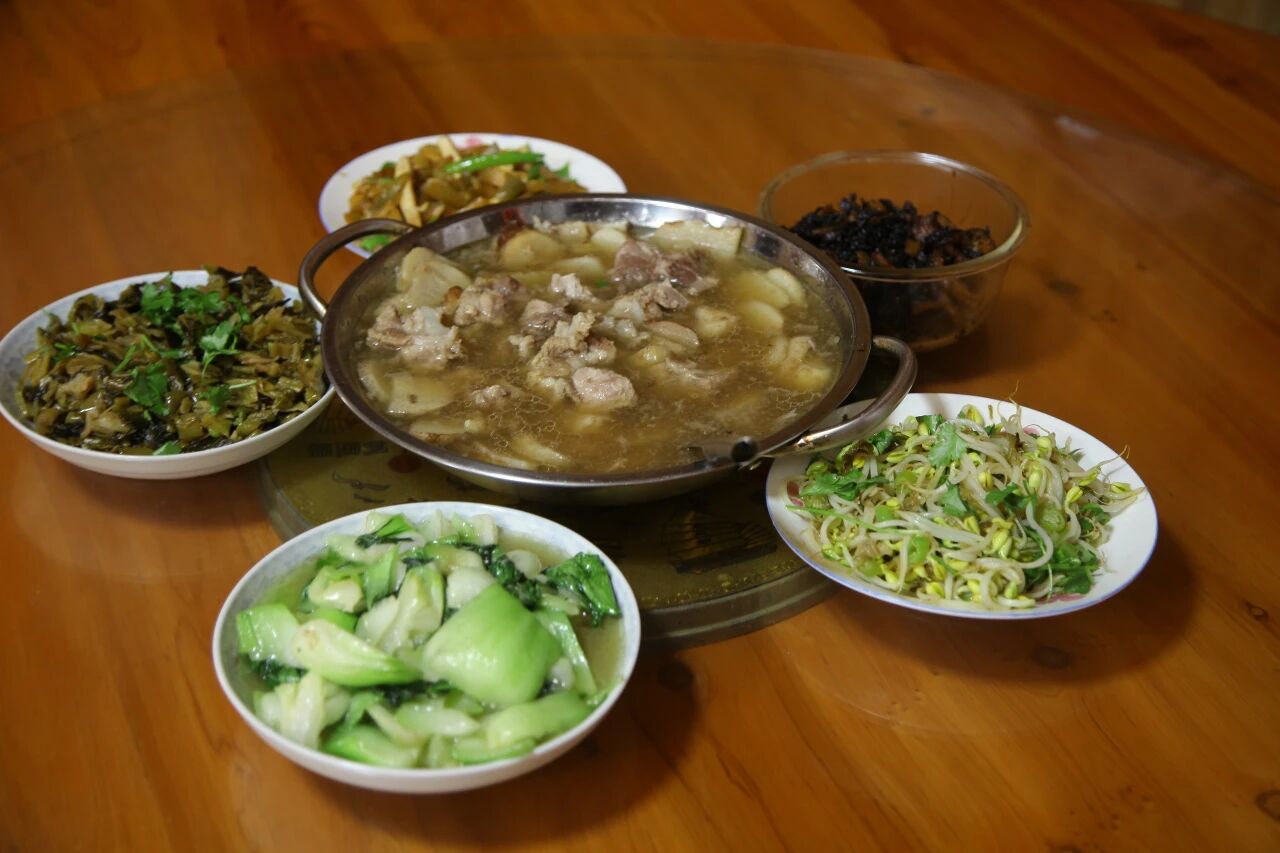
After Agong and Momo had washed the bowls and dishes, they shut the door and kept the midnight vigil; before the door the stream trickled gently. They had watched the Spring Festival Gala together for many years, and never found it boring. Married young, they grew old and gently leaned on one another; the years were peaceful, the heart simple and quiet, and life went on long.
Once past midnight, the New Year had arrived; open the door to a crash of sound! Fireworks and firecrackers rang across the sky and shook the earth; celebrating the great New Year must have this kind of commotion and grandeur, and the joy of common people is to be known also to heaven, earth and all things. When they rose early, there was the air of the New Year. On the first day of the first lunar month, some places in Songyang “have soup”: the leftover mi guo and tang gao from the New Year’s Eve dinner are mixed with broth and boiled into a soft, glutinous pot. This may be the old year’s “root of fortune”, and it is also remembering to “cherish food”. Cherish food and cherish time; the year truly has passed. But there is no time to be sad; the first lunar month is full of bustle.
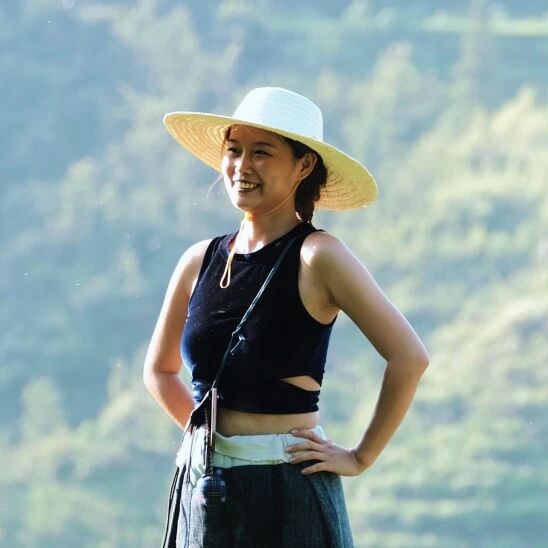
The fieldwork was short, and my writing is shallow and clumsy. As an outsider who came to Songyang to see the new and the familiar, if there are any errors or omissions, I respectfully ask friends in Songyang to point them out and fill in the gaps.
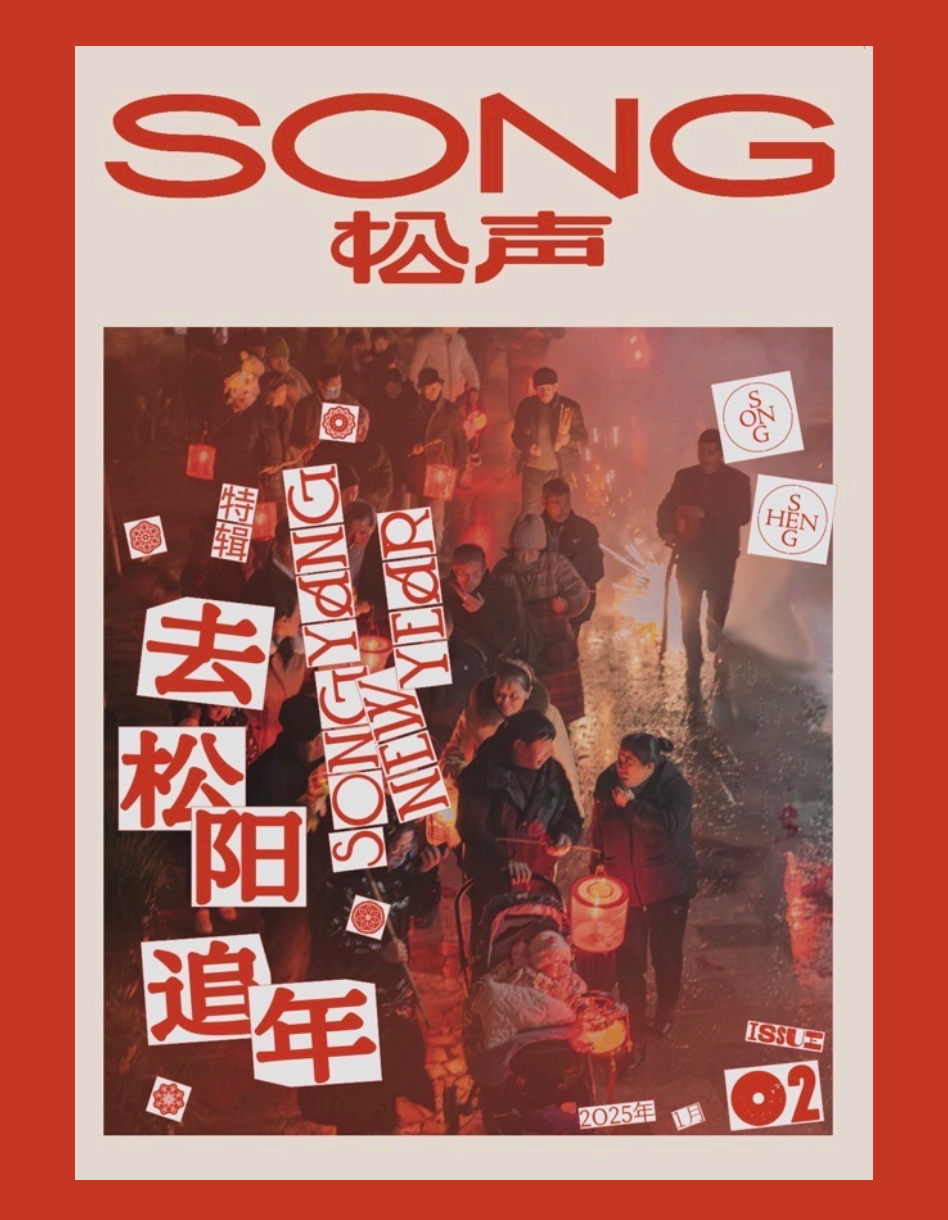
All images in this article were taken by the author
Editor: Yuyang