
Coffee Prices Skyrocket — Why Are Yunnan’s Coffee Farmers Still So Worried?
If you had visited Puer in Yunnan this spring, you would have found every coffee farmer in high spirits — green coffee bean prices have risen for a year running. From 38 yuan per kilogram at the start of 2024, they had climbed to 66 yuan per kilogram by May this year, a rise steeper than gold’s.
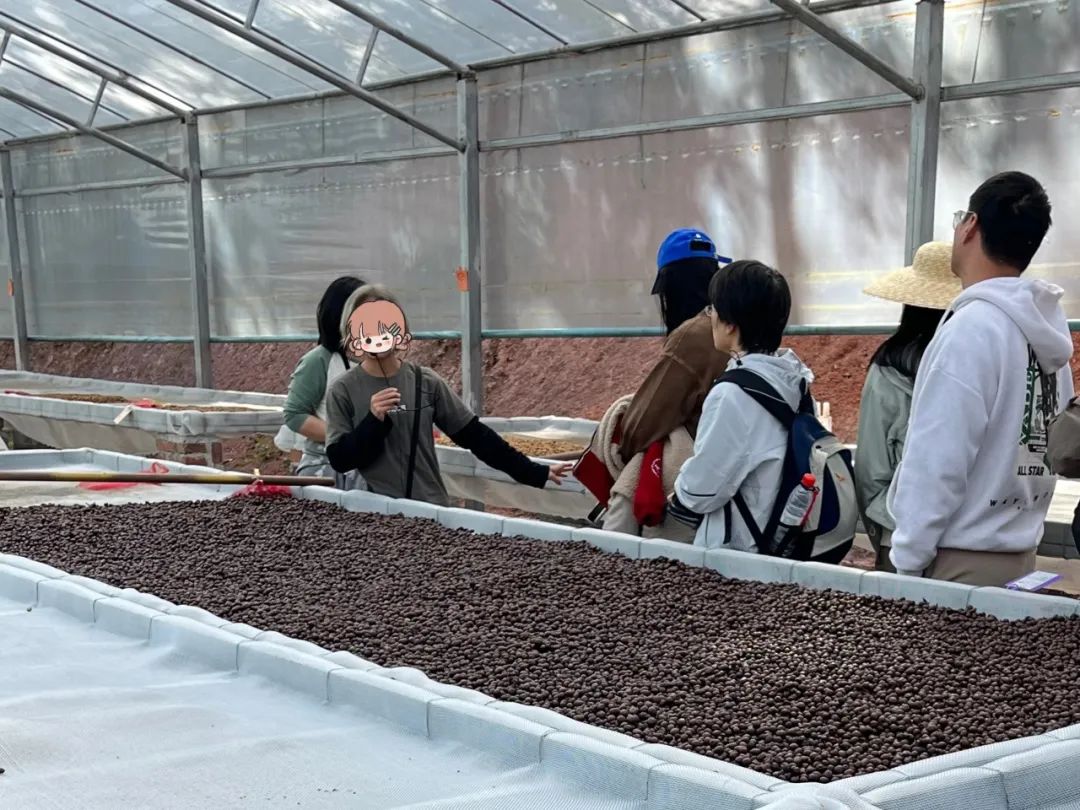
Yunnan’s coffee has been “passively” subjected to roller-coaster price swings. In 2018, green coffee hit an all-time low of just 13 yuan per kilogram; seven years later, by May this year, prices had climbed to 66 yuan per kilogram, a new record high.
For an ordinary coffee farmer living in Puer, Yunnan, the ups and downs in the price of this primary agricultural product are hard to fathom. Who would have thought that just five or six years ago, coffee was still a money-losing cash crop — worth even less than rubber or rice.
I. Yunnan Coffee Escapes Its Low-Price Past
At one point, prices for Yunnan’s fresh coffee cherries were so low that they often failed to cover the actual labour costs of planting and harvesting. To offset the economic loss from being bought at such low prices, some coffee farmers would secretly use improper means to add weight — for instance, mixing stones or sand into the fresh cherries, or soaking them prematurely, even injecting them with water.
Shifting domestic and international market demand, combined with an unstable climate, affect both the quality and yield of coffee, leading to frequent fluctuations in the purchase price of Yunnan’s fresh coffee cherries — sometimes resulting in “a different price every day.” When prices are good, farmers at the fresh cherry market jack up their asking prices on the spot. On the one hand, this is a form of resistance by farmers who have no bargaining power; on the other, it adds to the disorder in the trading market.
Because coffee prices had been depressed for so long, farmers’ motivation to plant took a serious hit. In many villages around Puer, young people have abandoned their family coffee plots to work in Puer’s city centre or the provincial capital, Kunming, to help supplement family income. When the cherries ripen, there are not enough hands in the village, and the fruit goes unpicked. Chen Si, a coffee farmer from Laoxu Zhai in Manlian Village, Nanping Town, Simao District, Puer, recalls: “When coffee prices were low, hiring pickers would mean a loss; it was better to just let the beans rot in the field.”
In 2010, driven by international futures prices, the purchase price of Yunnan green coffee skyrocketed to 41 yuan per kilogram, with profit margins exceeding 200% — an all-time record. This fuelled the coffee boom in Puer: that same year, the planted area in the Puer region broke through 20,000 hectares, and output leapt to first place in Yunnan.
Chen Si remembers that when coffee prices were first low, local farmers cut down their coffee trees to plant tea. Later, when prices rose, everyone frantically switched back to coffee. Those who had been working away came home, and even real estate tycoons sold off their buildings to grow coffee.

II. Taking the Initiative on Price Fluctuations
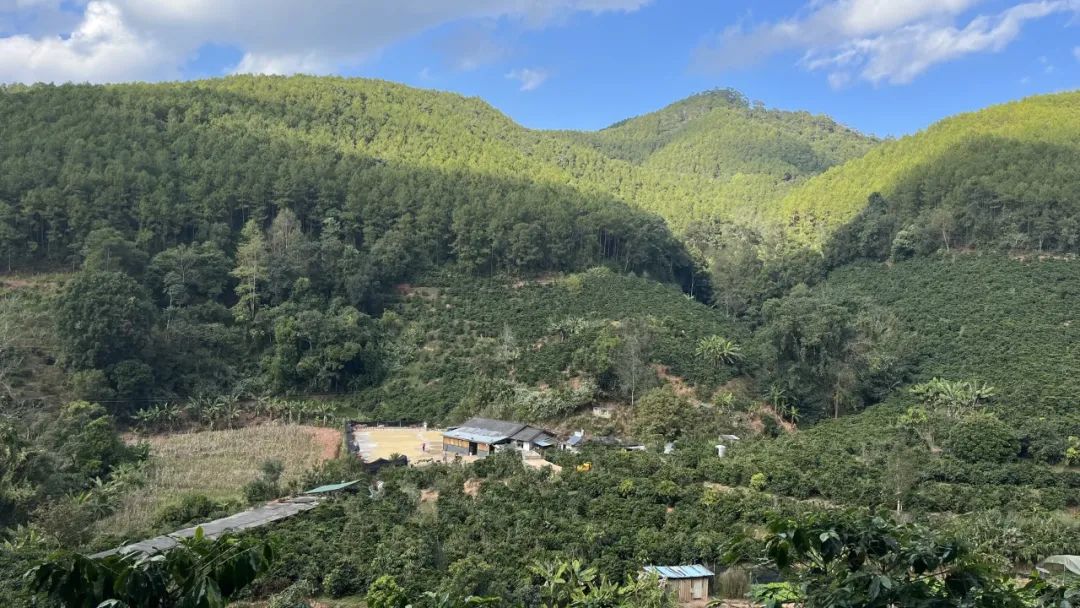
Brother He knew the mountain terrain and climate well. He found a river valley in Manxieba Village, Nanping Town, Simao District. The mountaintop was a collectively managed forest with a water-retention function; the Qingshui River followed the slope down into the valley, and even under the blazing sun the valley kept a cool air. In one stroke, he leased more than 3 hectares from the mid-slope all the way down to the valley floor, signing a 50-year lease. He built a house in the valley and grew vegetables, relying on solar power for his day-to-day needs. Alongside growing coffee, he kept chickens and geese under the trees and built a pigsty. Today, the whole place functions as a self-sufficient ecosystem. Nurtured by the valley’s microclimate and farmyard manure, Brother He’s coffee trees have always thrived.
But unstable coffee prices meant Brother He’s plans could never keep up with the changes. Starting in 2018, coffee prices plunged again. Yunnan green coffee bean prices hovered between 13 and 15 yuan per kilogram, even falling below the cost of planting and harvesting. Farmers felled their coffee trees en masse to switch to tea or fruit trees, or simply abandoned the land altogether, causing a sharp contraction in Yunnan’s coffee-growing area. At the same time, speculative investment capital withdrew, and young people went back to working in the cities, leaving the coffee fields back home behind with almost no management.
It was not until 2021, when coffee demand recovered, that prices finally began to turn around. At the same time, Brazil, Vietnam, and other major global coffee-producing regions were hit by drought, frost, and pest and disease outbreaks, which cut output and pushed prices higher. The average price of Yunnan green coffee rose from 15 yuan per kilogram in 2018 to 29 yuan per kilogram by the end of 2021. With the impact of extreme weather, coffee bean price swings grew even more volatile in 2024. By this year, Yunnan green coffee prices have broken through 60 yuan per kilogram.
Coffee farmers in Puer, too, have been taking the initiative. Everyone is trying all sorts of methods to raise both the quality and the price of their own coffee.
One approach is to do deep processing of their own coffee.
Brother He and his wife have, over the past few years, started processing their own washed-process beans. He has been working with coffee for over a decade and can now judge the drying stage of the beans by tongue and tooth.
The same batch of coffee cherries: if Brother He simply sold them fresh, the purchase price would be only 8 to 10 yuan per kilogram. When he processes them himself through the natural and washed processes, the resulting green beans can fetch 40 to 50 yuan per kilogram.
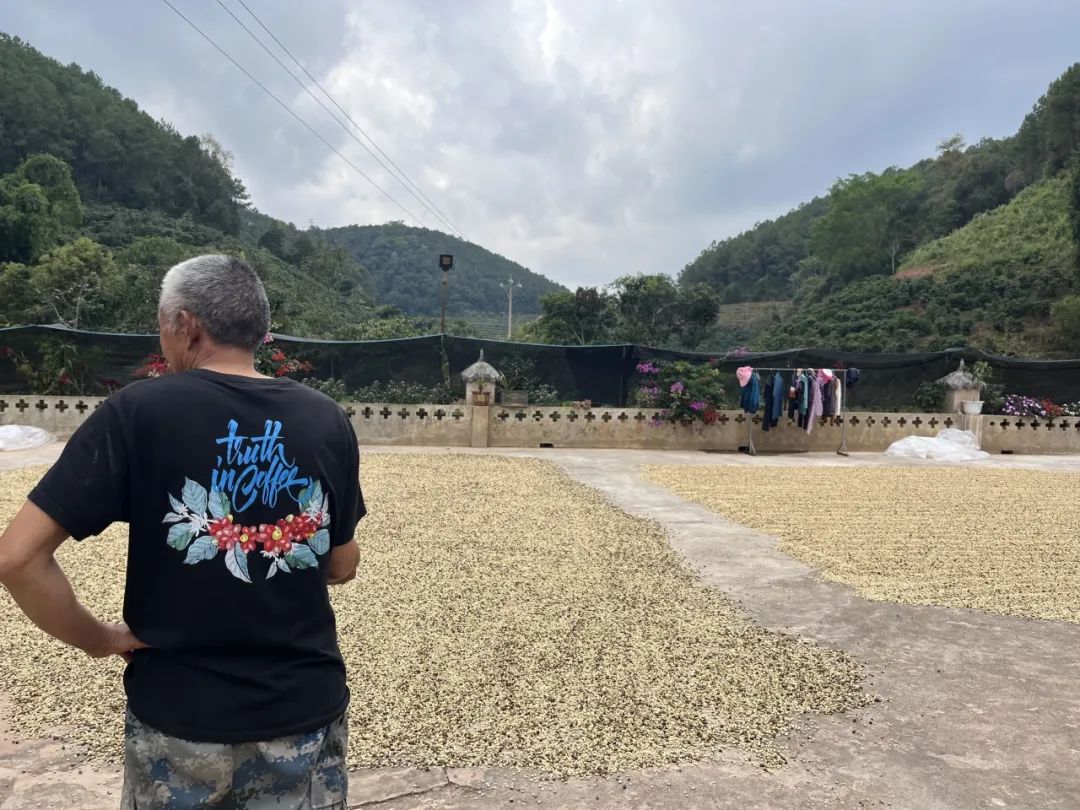
The washed-process beans from Brother He’s estate are now being purchased directly by coffee trading companies and community coffee shops in Shanghai. Owners of other coffee estates also buy washed-process beans from him in bulk, to carry out further processing and the final roast. “Coffee markets are good right now, and they plan to send my coffee to the United States,” Brother He says.
The era of low prices for Yunnan coffee has, for now, drawn to a close. But like growing regions abroad, Yunnan’s have also been struck by natural disasters more than once. In the face of such challenges, what can Yunnan’s coffee farmers do in advance?
III. Exploring an Ecological Transition
Three years ago, Zi Ling and Little Monkey, the founders of the LOHAS Community Lab, came to Puer, and climate change became a thorny challenge on their hands.
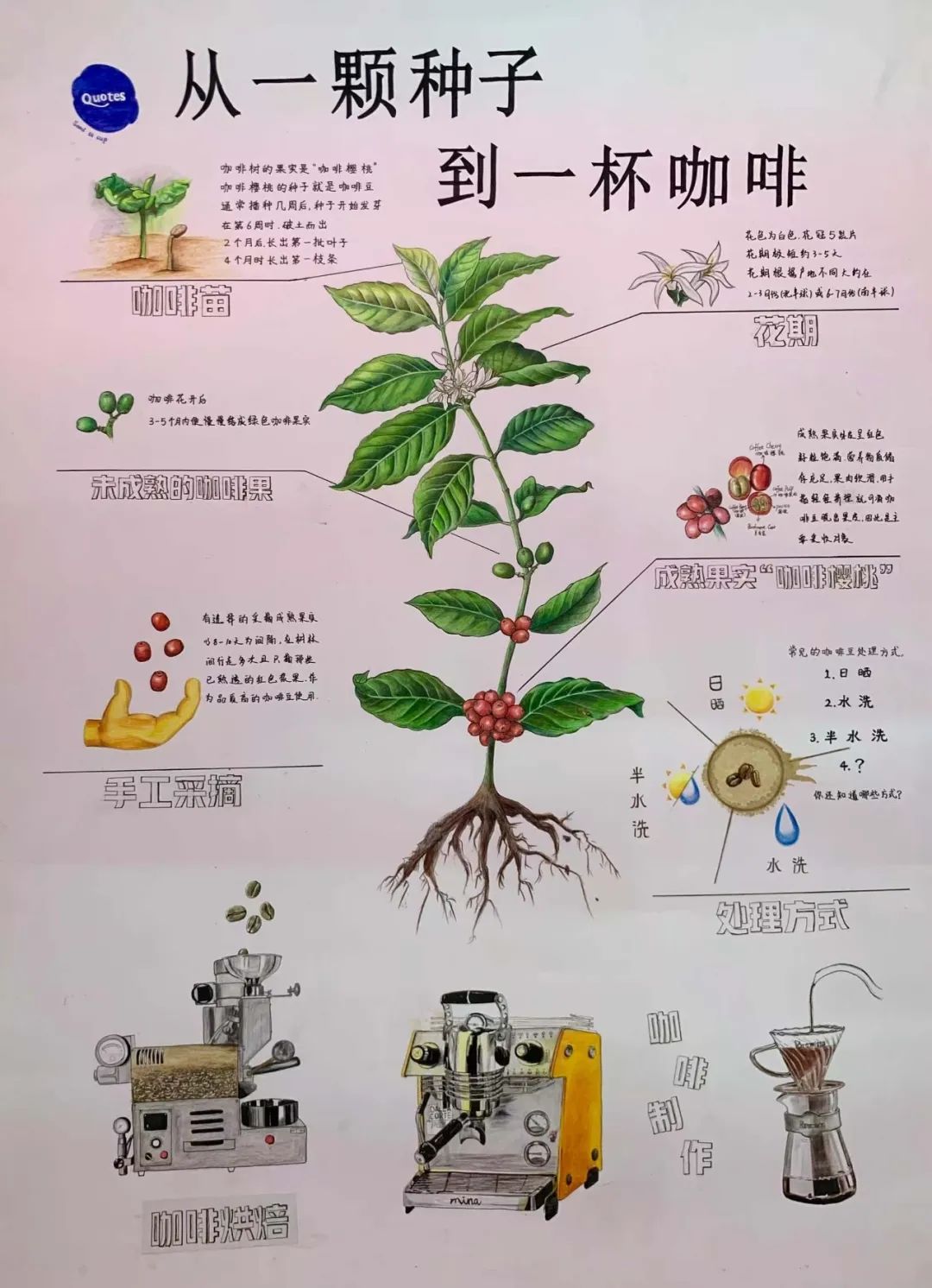
Coffee trees bloom when the rainy season arrives. The flowering period is short, typically lasting only two to three days. Once the blossoms fall, the trees begin to set fruit, and when the rainy season ends, the fruit reaches ripeness and is ready for harvest.
They have noticed that in recent years, Puer’s climate has become unpredictable, with extreme weather appearing more frequently. Coffee’s growing cycle is also highly sensitive to rainfall. Over the past three years, the first rain of each year in Puer has arrived earlier and earlier. Last year it moved from March–May to February–March, causing the coffee trees to bloom ahead of schedule. But the rain came in sporadic bursts, and the early-set flower buds were prone to drying out in March and April, severely reducing the fruiting rate. This year, once the rainy season properly set in in late May, the heavy, prolonged rainfall brought a different problem: the lateral branches of some coffee trees could not bear the weight of the fruit and had to be propped up with poles to keep them from snapping.
At the LOHAS Community Lab, Zi Ling and Little Monkey have been experimenting in the trial plots of the coffee estate, planting comfrey, mung beans, marigolds, ryegrass, Sudan grass, October green beans, bamboo beans, and couch grass. They sow these plants during the rainy season, then cut them down in the dry season to use as green manure, covering the soil and adding fertility for the coffee trees. This green manure can replace chemical fertiliser, improving soil quality and making the coffee trees stronger and more resilient in the face of climate change.
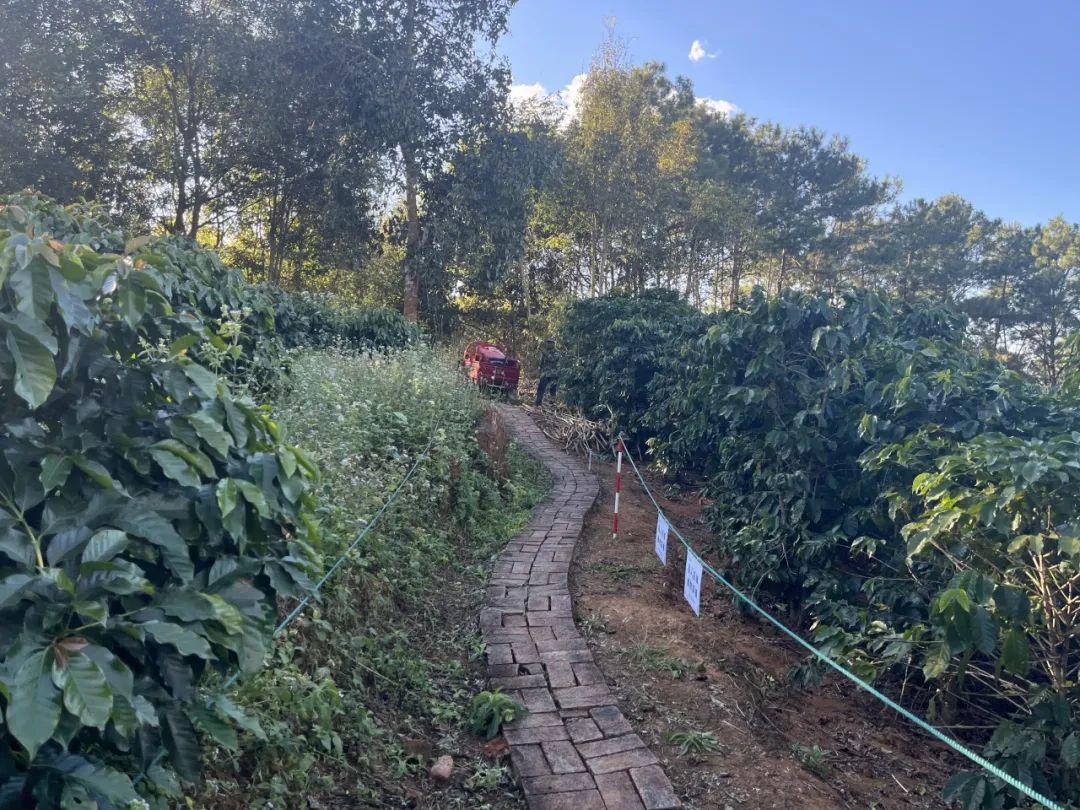
However, the shift in Puer’s rainfall pattern has also affected their green manure planting. In May 2023, the rainy season was delayed, and what awaited the green manure was more than a month of drought. By the time rain finally came at the end of June, the green manure was wiped out entirely. The first year’s green manure plan was declared a failure. Fortunately, weeds had grown in the plot and could be cut and used as cover, though the fertility was far short of what had been expected.
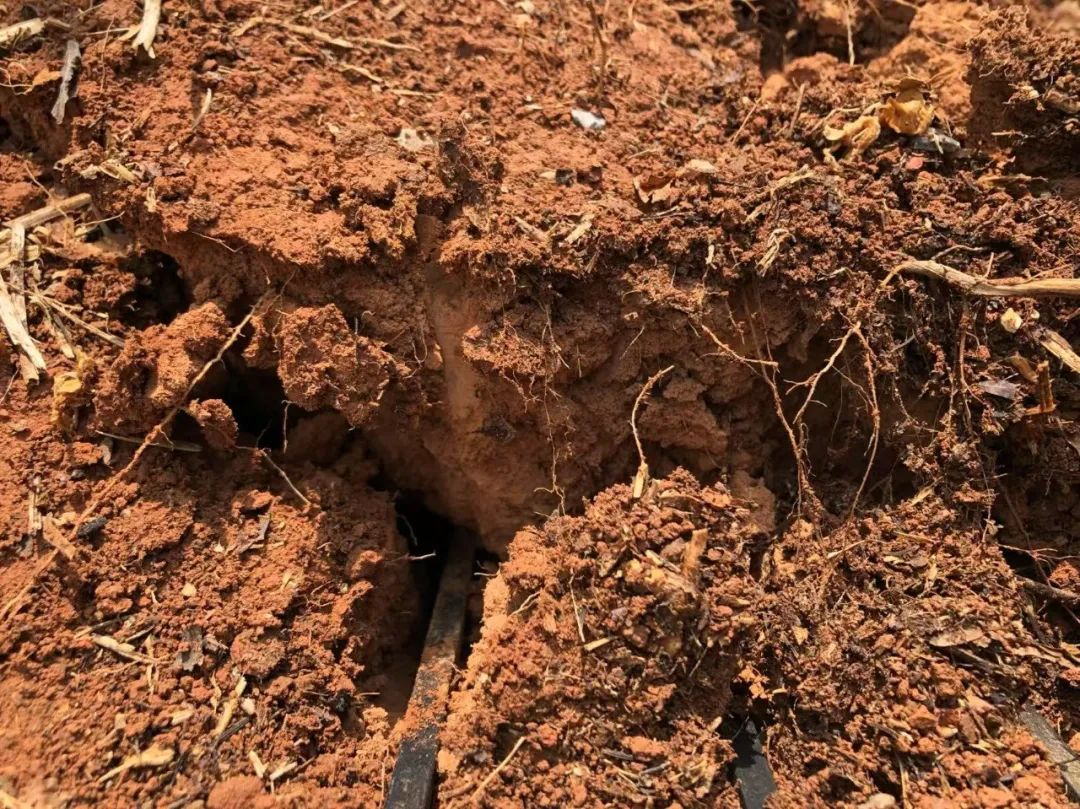
Climate change brings farmers more than just changes in rainfall. High temperatures and drought can also cause massive coffee crop losses. Starting a few years ago, Chen Si began intercropping and strip-planting fruit trees among the coffee as shade trees. During drought and heat waves, these shade trees can lower the field temperature and protect the coffee trees from scorching. It is an extra layer of insurance against disease and disaster, and it also boosts the biodiversity of the field. Besides coffee, the plot also has over ten mu of terrace tea bushes.
Liao Xiugui, in his 80s, was a former agricultural technician who has been guiding farmers in Puer to grow coffee since the 1980s. He founded the Xiaoaozi Estate. He believes that a stable microclimate and ecologically sound growing methods can also elevate coffee quality. On the estate’s higher ground he plants shade trees; in the low-lying areas he leaves grass to cover the soil, while also returning coffee cherry pulp to the ground as fertiliser. He improves the soil through deep ploughing. “For over 20 years the estate has never used chemical herbicides, and pest control is done by hand — we pick the insects off ourselves. Walking around the estate, you can hear insects chirping and birds singing everywhere. The past two years have been dry, but we’re not afraid. A well-built ecosystem means the land holds water better and resists drought. The flavour of the coffee beans has actually become even more distinct.”
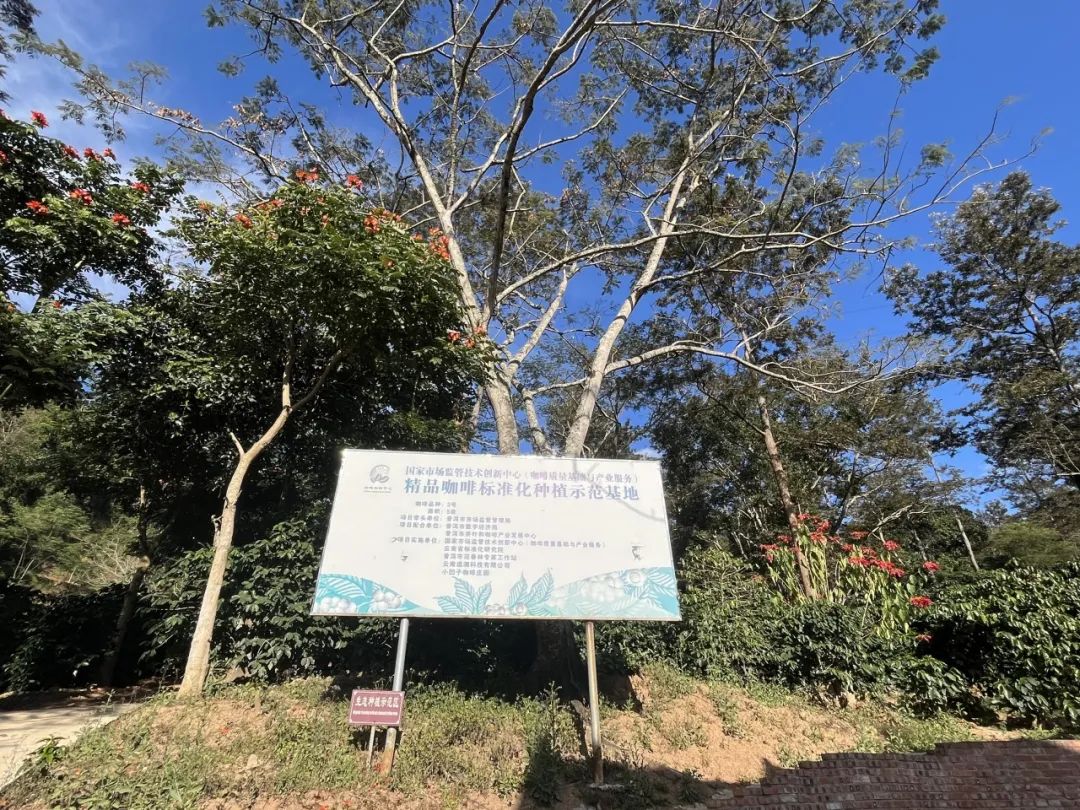
Of course, there are simpler methods. Many farmers use plastic mulch film to retain soil moisture during dry spells. But Zi Ling argues that this does not solve the problem of soil and water erosion, and it brings plastic pollution on top of that — hardly a long-term solution.
Large-scale monoculture, bare-soil planting, heavy use of chemical fertilisers, pesticides, and herbicides, and plastic mulch film — these are the conventional growing methods that currently look the most “cost-effective.” Yet experience has already shown that, as a perennial woody crop with high demands on flavour, the coffee tree may not thrive long-term under such short-term measures. Some experts, NGOs, and farmers have begun experimenting with more environmentally friendly, more ecological ways of growing coffee.
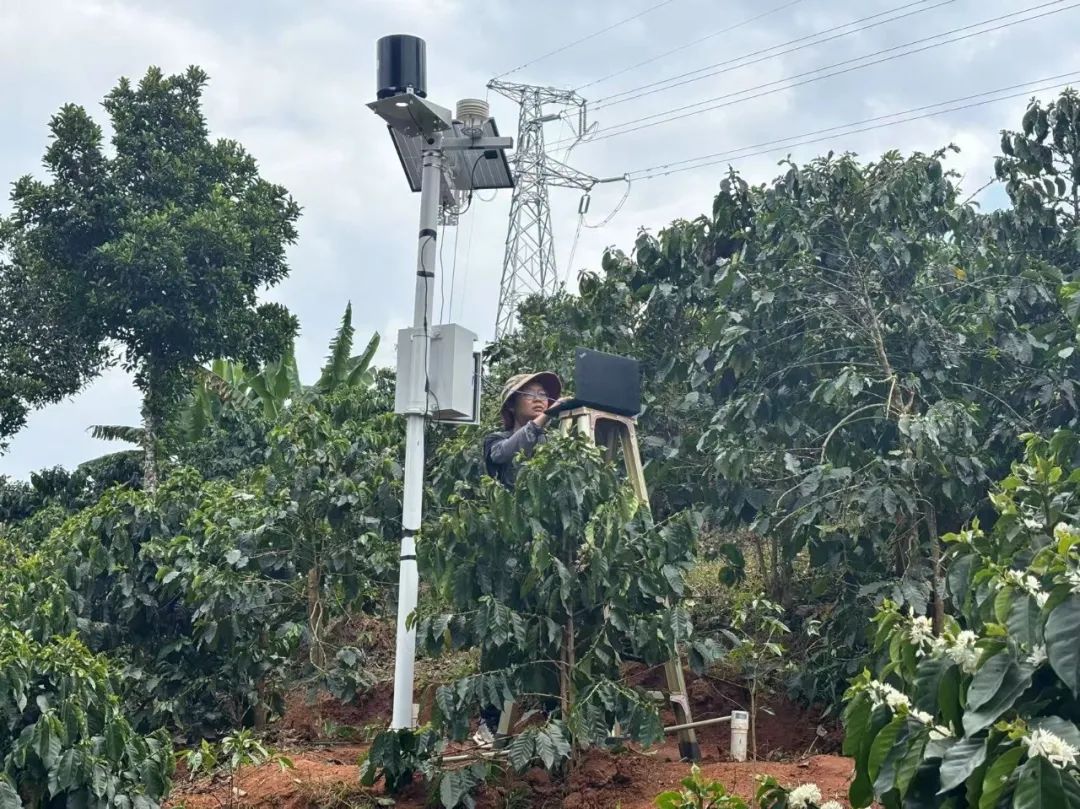
After three consecutive years of setbacks and exploration, Zi Ling feels that there is no controlled technique or fixed timeline for coffee growing as it stands — every attempt is like blind men feeling an elephant. They plan to install weather stations in both the trial and control plots of the coffee estate to monitor rainfall, air humidity, temperature, and soil moisture. At the same time, they will sow green manure seed a month before the rainy season arrives, observing whether the morning-and-evening swings in temperature and humidity help the seeds germinate earlier. In addition, they are adjusting the timing and type of fertiliser application to strengthen nutrient supply during the critical flowering and fruiting stages.
IV. Who Will Walk the Specialty Coffee Journey with Yunnan’s Coffee Farmers?
How can research, markets, and policy help coffee farmers better navigate the challenges posed by climate and market forces? Foodthink will continue to follow Yunnan’s coffee industry and the stories of its farmers.

All photographs, unless otherwise credited, are by the author.
Edited by: Auntie Xiong, Xiao Dan