
Vegetables “Steamed Above, Drowned Below”: How Do Farmers Weather a Hot, Rainy Summer?
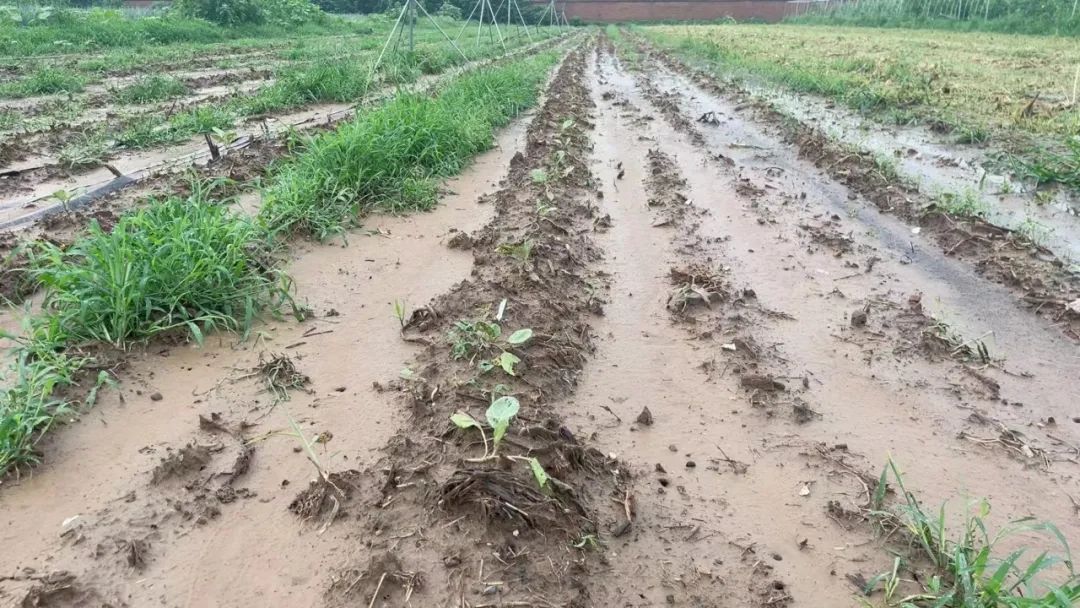
People living in Beijing feel the summer stretching on, with hotter, more humid mornings and evenings. The steaming, sweltering air makes it feel as though one has been transported to the south. Netizens joke, ‘Beijing’s climate is becoming Shanghai’s, and Shenzhen’s is becoming India’s.’ A recent study has indeed predicted that by the end of this century, Beijing’s climate will resemble that of today’s Xinxiang in Henan, Shanghai will rival Pakistan, and Shenzhen will become as hot as northern India.
According to the Beijing Municipal Climate Centre, this year Beijing’s highest temperature reached 38 °C. Although this peak does not match last year’s 41.1 °C, the city experienced an unusually high number of hot days, totalling 18 in all. The last hot day did not come until 22 August, later than in previous years. Combined with elevated daytime and nighttime temperatures, the overall impression is that this summer has been persistently hot.
Rainfall has also increased markedly. According to China Weather Net, from June to 26 August this year the Beijing Southern Suburbs Observatory recorded 37 days of rain, with cumulative rainfall of 740.9 mm – roughly double the average for the same period. During 7 to 26 August alone, the Observatory recorded 9 rainy days, slightly above the usual 6.87, with a total of 325.1 mm – almost 4.6 times the average for that period.
With the relentless heat steaming from above and the waterlogging soaking from below, even people struggle to cope – let alone the crops in the field.
I. This Year Is Not Like Last Year
Liu Gang had experienced something similar last year.
It was late July 2023, when Typhoon Doksuri unleashed a once-in-60-years extreme downpour on the Beijing–Tianjin–Hebei region. In ten years of farming, it was the first time Liu Gang had faced such severe rain damage. He was in a constant race against the sky – the moment the rain stopped, he and his workers rushed into the seedling nursery to save the vegetables. But many crops were still drowned; open-field cultivation was almost entirely wiped out.
Liu Gang recalled that last year’s rainfall, though intense, had been brief. Xiaoliushu Farm had received advance notice from Shunyi’s agricultural authorities and made preparations early. But this August, although the intensity was not as extreme as last year’s, it rained almost every single day. ‘Last year our seedlings survived fine. This year they are all drowned,’ Liu Gang said.
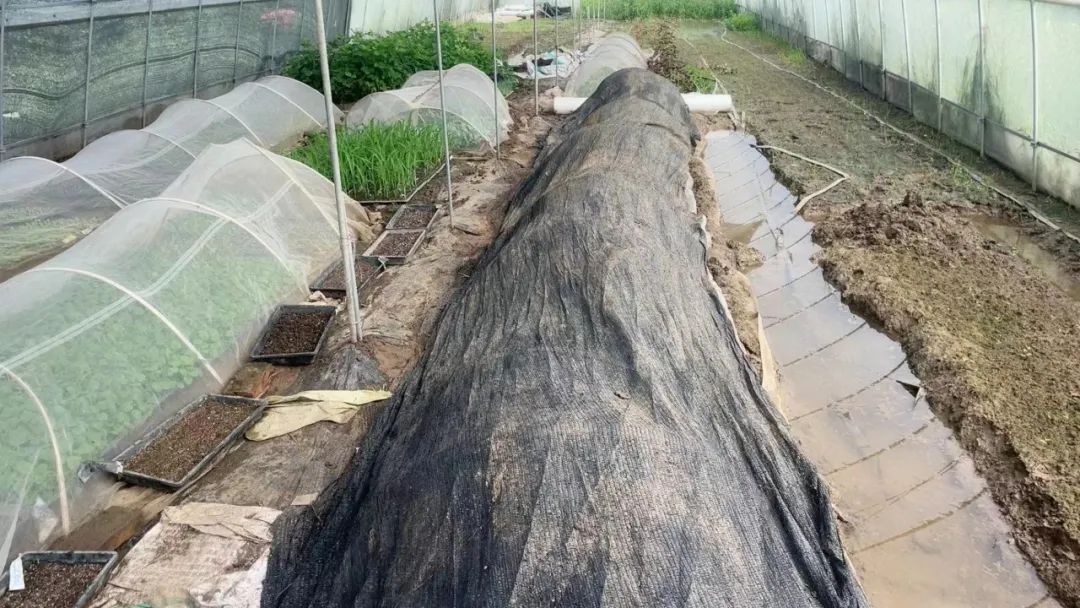
This summer, Xiaoliushu Farm’s harvest of leafy vegetables was scant; even those that matured were far inferior in taste and quality.
At the Beijing Organic Farmers’ Market, ‘fans’ of Xiaoliushu Farm came specifically to buy potatoes. ‘There are no potatoes – they all rotted in the water,’ Liu Gang told them helplessly. ‘All we have is sweet potato.’
In previous years, Xiaoliushu Farm could supply 200 vegetable boxes a week to the Beijing Organic Farmers’ Market during the summer. This summer it can manage no more than 40. ‘Only some okra and sweet peppers and the like survived. This year our losses exceed half,’ Liu Gang said.
II. Drainage, Drainage, Drainage
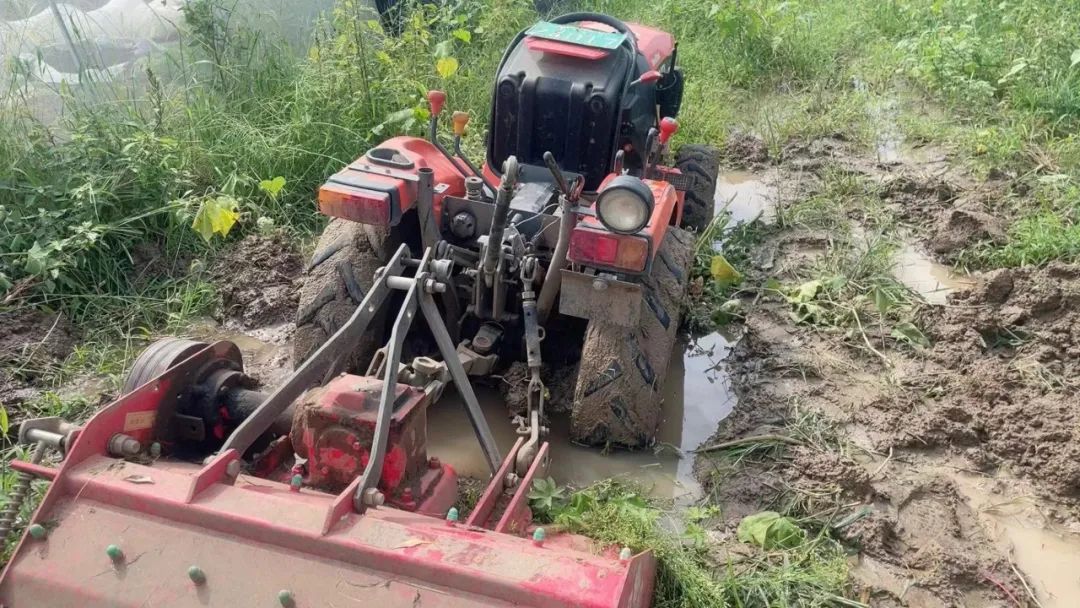
When asked about emergency measures, affected farmers all said the same thing: drainage, and more drainage. But the rainfall was so excessive that the groundwater was saturated – there was nowhere for the water to go.
Lianxiang Farm in Chengde, Hebei Province, was also flooded.
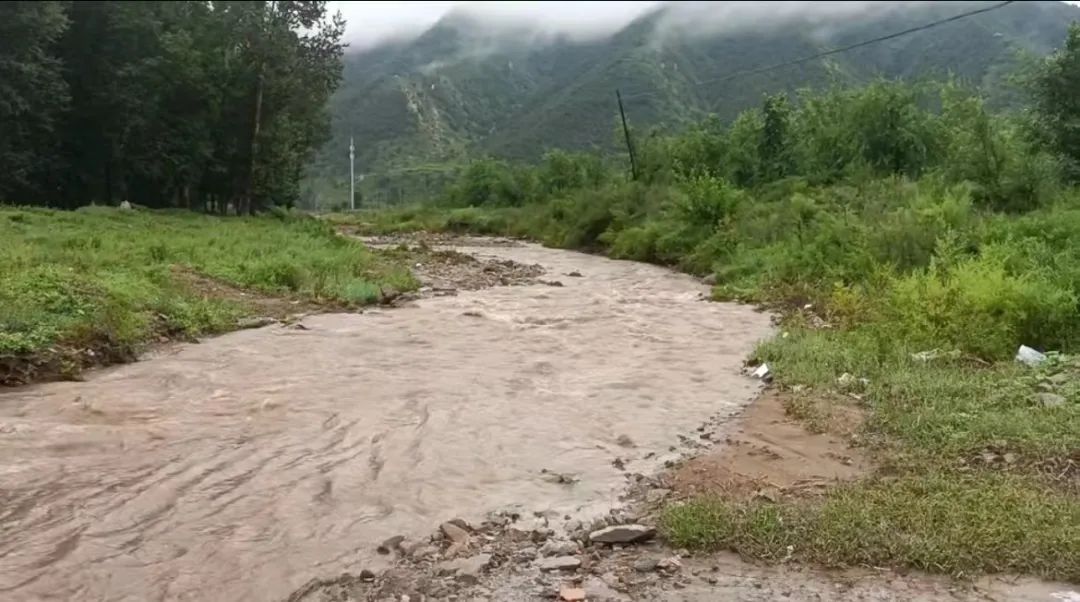
Around 19 August, Huludao City in Liaoning Province experienced historically rare, sustained heavy rainfall. The volume, intensity and extent all far exceeded forecasts, making it the heaviest rainfall since 1951 and killing 10 people while leaving 14 missing. Lianxiang Farm lay right in the path of this downpour, suffering the most severe rainfall since the farm first broke ground. The rainwater formed a churning, yellow river of mud, washing away the nearby road. Neither vehicles nor people could pass.
III. “No Countermeasure Against a Natural Disaster”
While it is said that farmers live at the mercy of the weather, with extreme weather now so frequent, they can no longer rely on past experience to cope with the damage wrought by climate change. In a normal year, farms in North China might experience localized drought over the summer or encounter some pests and diseases. Experienced farmers would water heavily at the right moment, take preventive measures against pests and diseases in advance, or carry out some after-the-fact remedial action.
‘All you can do with rain is drain it. A natural disaster has no countermeasure,’ said Kongkonggu farm owner Xiankong in conversation with Foodthink.
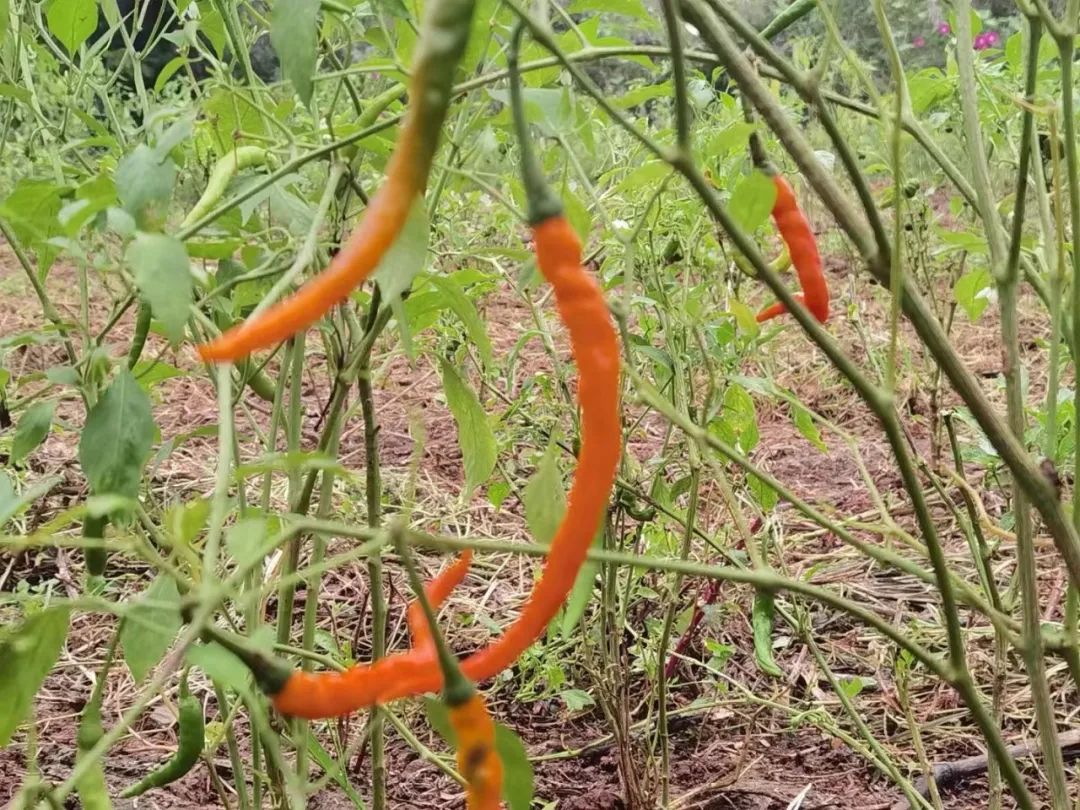
Kongkonggu Farm is located in Pinggu, Beijing. Affected by this round of rainfall, fruiting vegetables were largely damaged, particularly aubergines, chilli peppers and tomatoes. Due to poor drainage, the cabbage, cauliflower and broccoli planted recently were also drowned.
Although Kongkonggu had experienced downpours in previous years, Xiankong considers the full two months of rain in Beijing this year to be a climatic anomaly, with no comparison to normal years. ‘This year’s weather is the result of climate change as a whole. Farmers simply have no capacity to respond to natural disasters.’
Misfortunes never come singly. Since June this year, extreme weather disasters have struck across the country. In late June, persistent extreme heavy rainfall hit the middle and lower reaches of the Yangtze River, Guangxi, Guizhou and other regions. Yet at the same time, the provinces of Hebei, Henan, Shandong and Sichuan were suffering severe drought.
By July, the drought-stricken North China was immediately hit by intense rainfall. The farmers’ anxiety about drought was swiftly doused by the rain, and crops they had struggled so hard to preserve were quickly drowned again. After the rain stopped, temperatures did not cool as before but remained persistently high. Experts predict that climate change will increase the frequency of rapid shifts between drought and flooding, severely threatening food security.
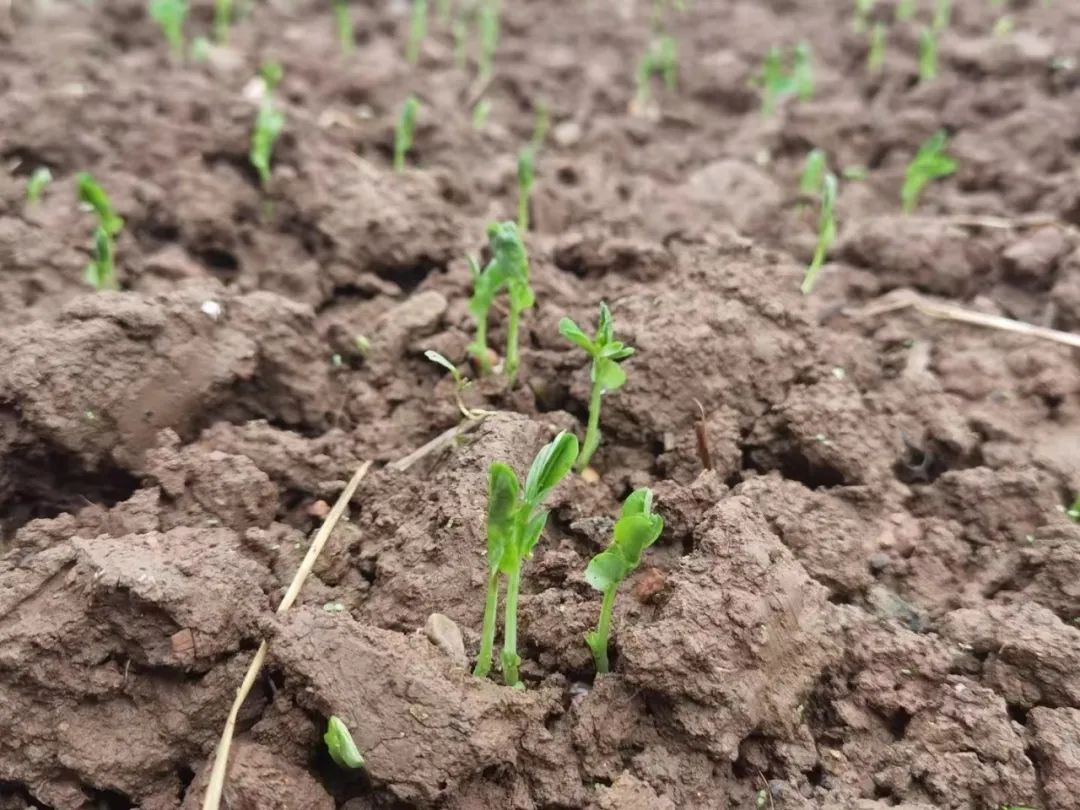
This weather has also slashed summer fruit and vegetable yields. Worse is yet to come. Early August should have been autumn vegetable-planting season in North China, but the waterlogged, muddy fields were impossible to sow. ‘We simply could not get the Chinese cabbage and radish planted. We tried over and over, and after great effort, the seedlings finally came up,’ said Xiankong.
IV. Farmers Run at a Loss, Consumers Can’t Afford Vegetables
According to national wholesale price data for 28 key vegetables monitored by the Ministry of Agriculture and Rural Affairs, the national daily vegetable price rose from ¥4.27/kg to ¥6.01/kg between 16 June and 15 August – an increase of 40.7%. During the period of 22 to 28 July, the price reached ¥4.91/kg, the highest for the same period in nearly a decade.
This year’s rain delayed autumn planting across much of North China by about a month, meaning the harvest will also come a month late. Out of twelve months in a year, losing a month’s harvest means losing a month’s income.
Farmers practising ecological farming suffer even greater losses. Compared with conventional farming, ecological farming follows a “limited supply, premium quality at a premium price” model. The relentless rain not only wiped out many crops entirely but also badly diminished their taste and quality – all of which are direct losses.
Moreover, ecological farming incurs higher disaster-related costs than conventional farming. Abundant rainfall, for instance, sends weeds growing unchecked. Conventional farmers simply spray more herbicide and call it a day. Ecological farmers, by contrast, rely far more on mechanical or manual weeding. More weeds inevitably mean higher labour and energy costs. Yingying of Lianxiang Farm said that this year one of her plots became so overrun with weeds that she simply could not pull them all out and had to give up, leaving them to grow wild.
At Kongkonggu, the apples rot the moment it rains. Conventional orchards nearby would spray fungicide to help the apples survive the downpour. But Kongkonggu practises ecological farming and cannot follow conventional methods, so the apples could not be saved.
When asked what improvements they plan to make in response to ever more unpredictable extreme weather, Liu Gang said he intends to connect Xiaoliushu Farm’s drainage to the centralised drainage system the government has built for farms in the surrounding area.
Liu Gang explained that the system had existed for some time, but not many farmers used it, and parts of the drainage channels had become blocked, nearly abandoned. Farmers in North China are accustomed to a relatively arid climate; for many years they had no need for this drainage system and paid little attention to blockages. But after this summer’s relentless rain, farmers reported their drainage problems to the government. Most recently, the government relaid the drainage pipes in public areas. Once the autumn harvest is done, Liu Gang will be busy again with drainage construction on the farm itself. He hopes that with improved drainage both inside and outside the farm, should such weather strike again next year, the farm will be able to weather it.
Xiankong said all one can do is prepare drainage in advance and choose crop varieties according to the terrain – planting more waterlogging-tolerant vegetables such as taro in areas prone to waterlogging, or digging deep drainage channels.
“But when a truly devastating disaster strikes again, no measure will help.”
“Experts Explain Four Key Questions About Temperature: How Hot Was Beijing’s Summer This Year?”
https://baijiahao.baidu.com/s?id=1809313354020679257&wfr=spider&for=pc
“How Hot Was Beijing’s Summer This Year?”
https://hqtime.huanqiu.com/article/4JJambizGEo
“Why Are Vegetable Prices Rising?”
http://www.scs.moa.gov.cn/gzdt/202408/t20240826_6461298.htm
Unless otherwise stated, all images are courtesy of the interviewees
Editor: Lingyu