
World Bee Day | Drones Fly Overhead, Honey Bees Die on the Ground: Can We Still Enjoy Fruit?

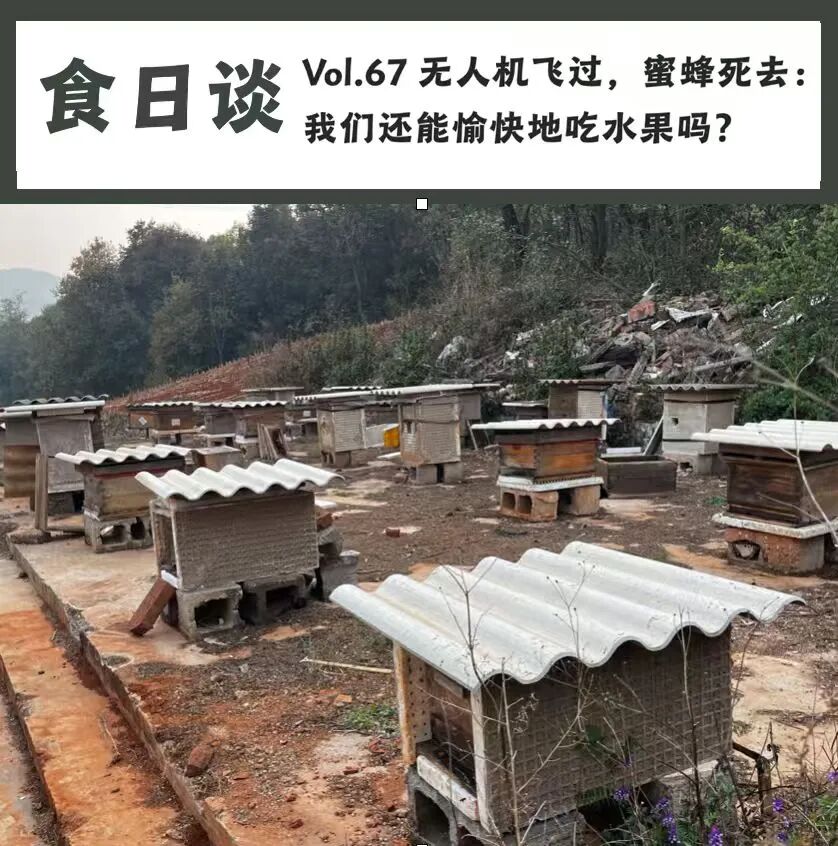
20 May is “World Bee Day”. Silkworms and honey bees are the only two insects that humans have domesticated; when drones fly over, their bodies are strewn everywhere. Having talked about silkworms, we now return to the honey bee, this important pollinating insect.
Chinese agriculture is twice as dependent on pollinating insects as the global average, because the share of insect-pollinated crops is higher and the variety of food ingredients is wider — without them, the average yield of fruit crops in China would fall by 40%, and that of vegetables by 30%. The economic value of the yield gains after pollination reaches as high as 700 billion yuan, accounting for 19% of the total agricultural output value nationwide.
As the cost of pesticide spraying is continuously driven down by drone technology and government support, whether to carry out pesticide spraying, and how much to spray, has become a calculation balancing pest-damage risk and farmland ecology. Who gives notice, who coordinates, who relocates — the relationship between beekeepers and farmers has also, under the influence of technology, become a strategic game.
This episode of “Food Talk” has invited two guests who have long focused on agricultural ecology and insect research to talk about:
Why do farmers find that the more pesticide spraying they do, the more pests there are? Why are smallholder farmers more wary of drones than large farms? Why do beekeepers increasingly resemble the “nomads of agriculture”? And who should pay for the ecosystem services provided by honey bees?
And what would happen in a world without honey bees? This is about agriculture, ecology and benefit — and also about the sounds of spring that are slowly disappearing.
Recap
March, the season when oilseed rape is in full bloom, is normally the busiest and most hopeful time for beekeepers. Yet this year, after drones flew over, honey bees in many areas were almost “wiped out”.
At the time, it was the critical moment for the honey bees, who had been hungry through a winter, to gather honey. Beekeepers said they had not been notified; even the owners of the oilseed rape fields did not know what was happening. “Zhongyang Nongguang Zhi Sheng” explained that this was to avoid a possible outbreak of Sclerotinia this year. On how to carry out “scientific pesticide spraying” during flowering, Yangguang Zhisheng offered several suggestions.
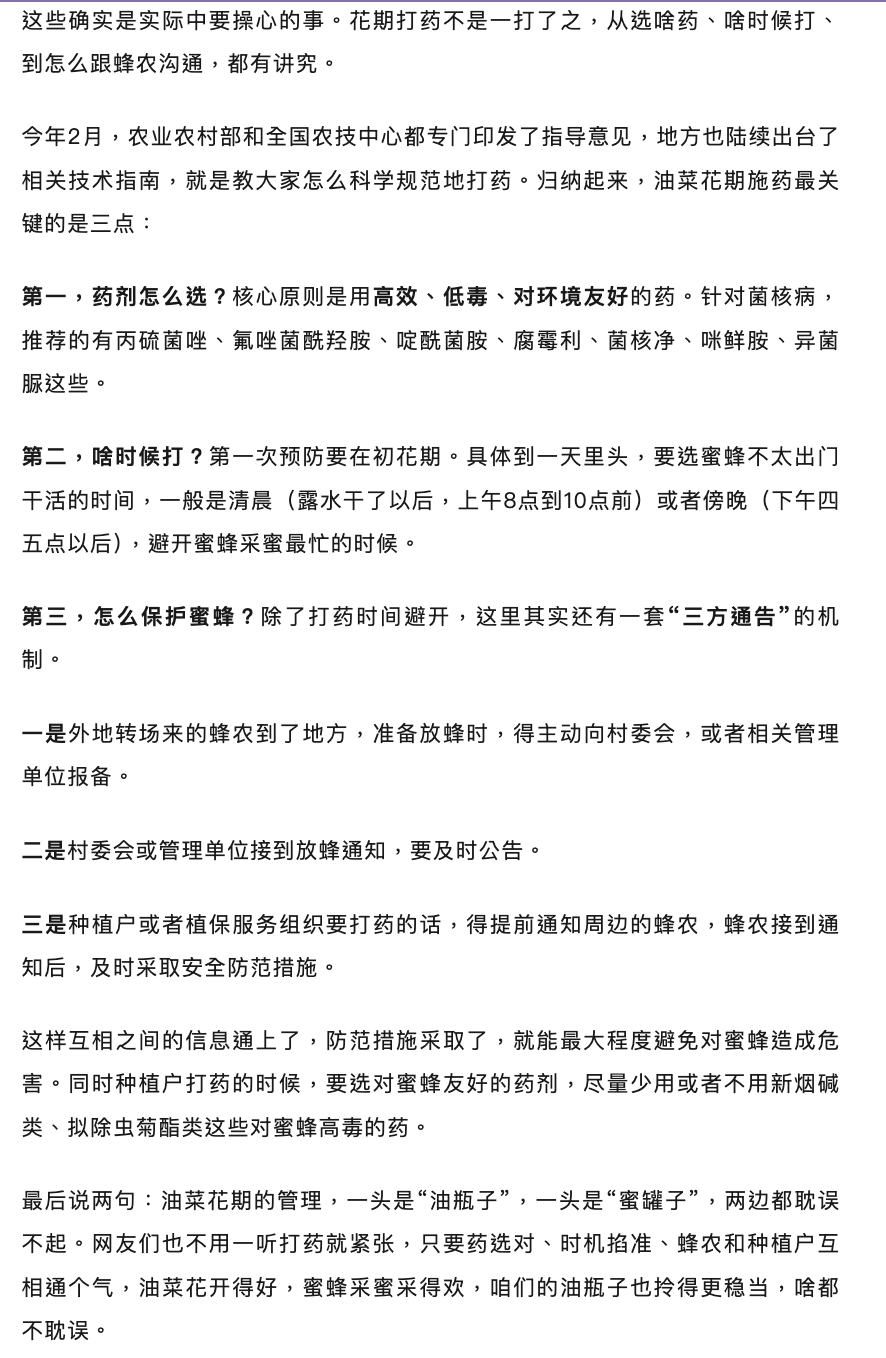
“‘Zhongyang Nongguang Zhi Sheng’ netizens are in an uproar! ‘Can pesticide spraying really be done when oilseed rape is flowering?’” Article screenshot
A tripartite notification system between beekeepers, village collectives, and growers/plant protection organisations was specifically introduced. But how is this system implemented in practice? Beekeepers who drive across the country, moving from place to place across fields and field margins, face drone formations that can spray hundreds of mu in a day and advance with overwhelming force. How can they avoid being put in a passive position?

Guests of This Episode
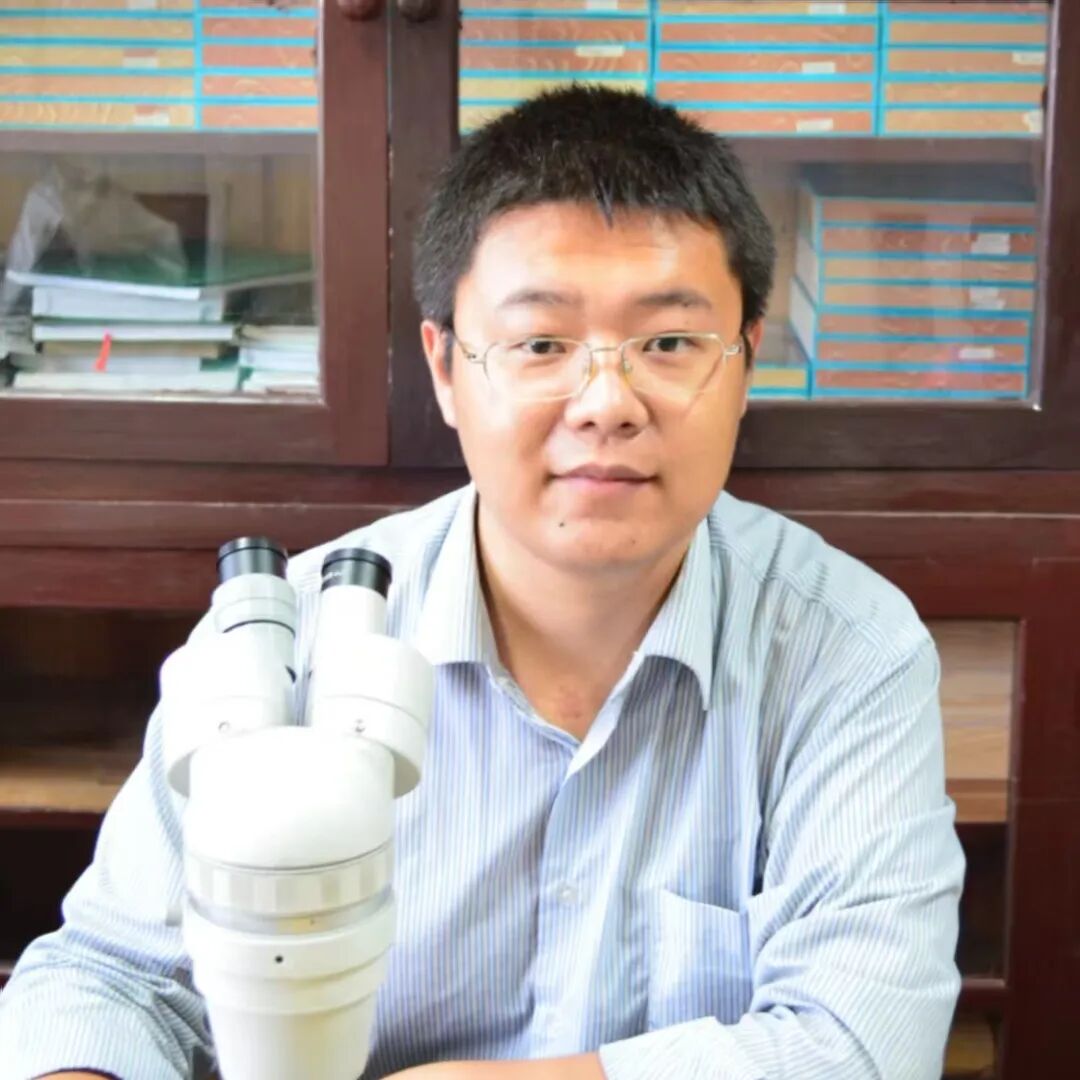
Li Chunliang | From Yunnan, he has long been involved in work related to conservation tillage, soil conservation and farmland biodiversity. He studied conservation biology at Yunnan University and also maintains an ecological orchard.

Zou Yi | Senior Associate Professor and doctoral supervisor in the Department of Health and Environmental Science, Xi’an Jiaotong-Liverpool University; holds a PhD from University College London, UK, and completed a postdoctoral fellowship at Wageningen University, the Netherlands; main research areas include landscape ecology, biodiversity, pollinator protection (pollinating insects) and pollination service assessment.
Host of This Episode

Pei Dan | Foodthink editor and writer, focused on the real people affected by climate change and environmental change
Timeline
02:44 What does it mean to add 20,000 new drones in a year?
03:46 Beekeepers have always known the dangers of pesticides.
12:03 Honey bees pollinate loquats; honey bees get lost and lose their memory.
16:11 After the drones have flown over, it is not only insects that are accidentally harmed.
19:30 At a flight height of 7 metres, does pesticide spraying by drones use less pesticide than pesticide sprayers?
25:02 Some people see drones as lifesaving tools, while others think they are ruining the land.
31:26 Those complex ecosystems that could once support “biological control” are being killed off together.
35:49 When an entire village completes pesticide spraying in a single day, how are beekeepers supposed to flee? Should the ones doing the spraying avoid the honey bees, or should beekeepers avoid pesticide spraying?
45:31 The harder things get for beekeepers, the more sugar water they feed the little honey bees.
56:06 With 2.5 million insect species, how do you survey their numbers? Is the “silent spring” becoming more “silent”?
1:03:17 Is there a possibility of not using pesticides? Zou Yi’s “supply” for Jiangxi farmers: a farmland trial for rearing insects.
1:10:49 Overseas, farmers are subsidised to plant wildflower strips; at home, they have grown by themselves along the field edges of smallholder farms. The key is whether we can keep them.
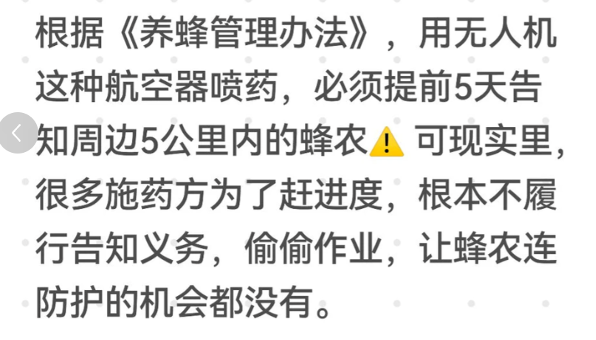
Discussion on social media about whether beekeepers are notified before pesticide spraying by agricultural drones. Image source: Xiaohongshu
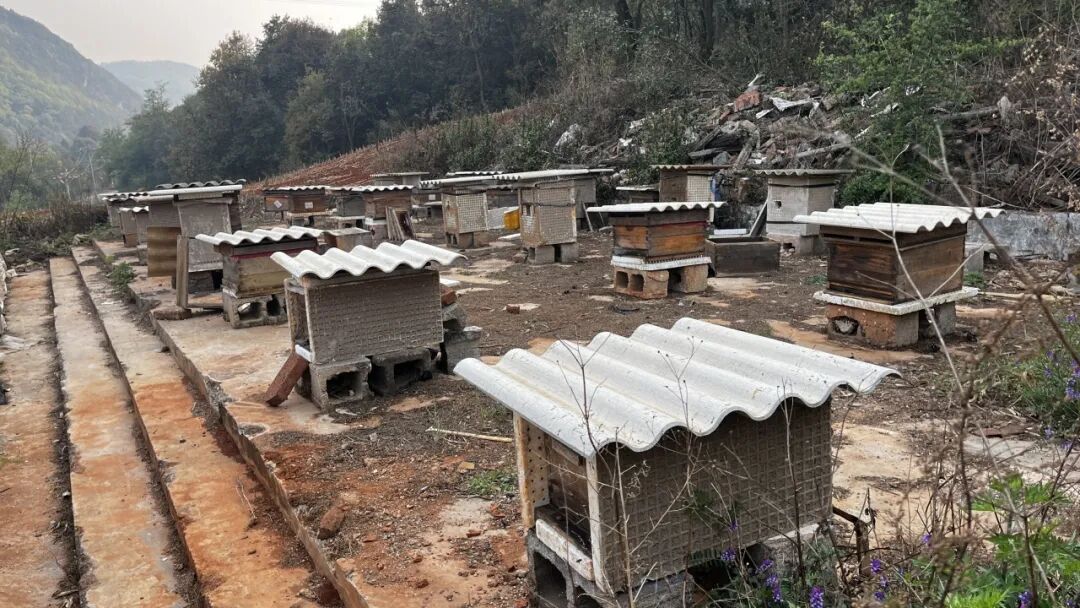
An apiary belonging to a beekeeper in Shilin, with around 160 hives. An orchard is right next to the apiary. Image source: Li Chunliang
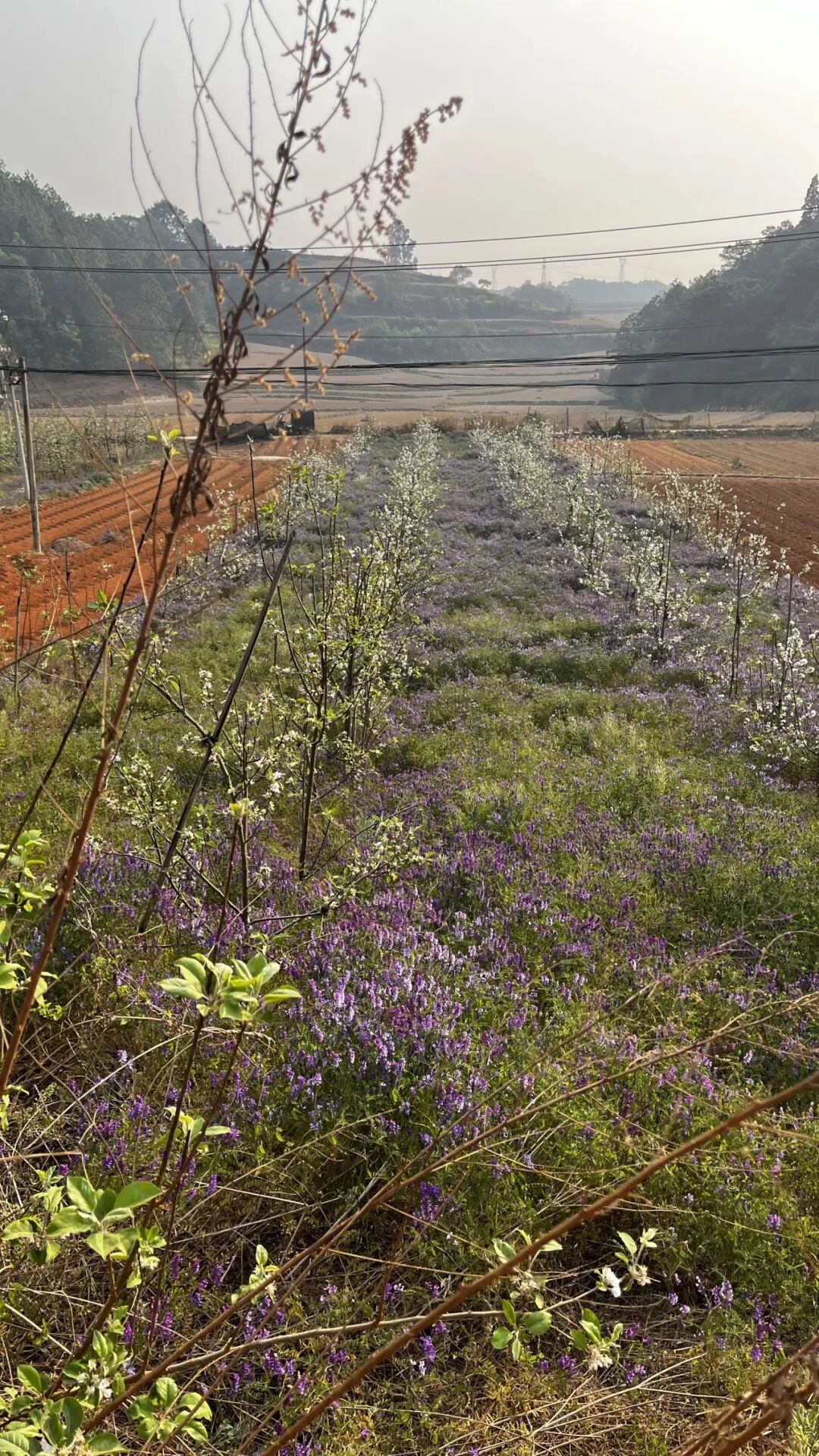
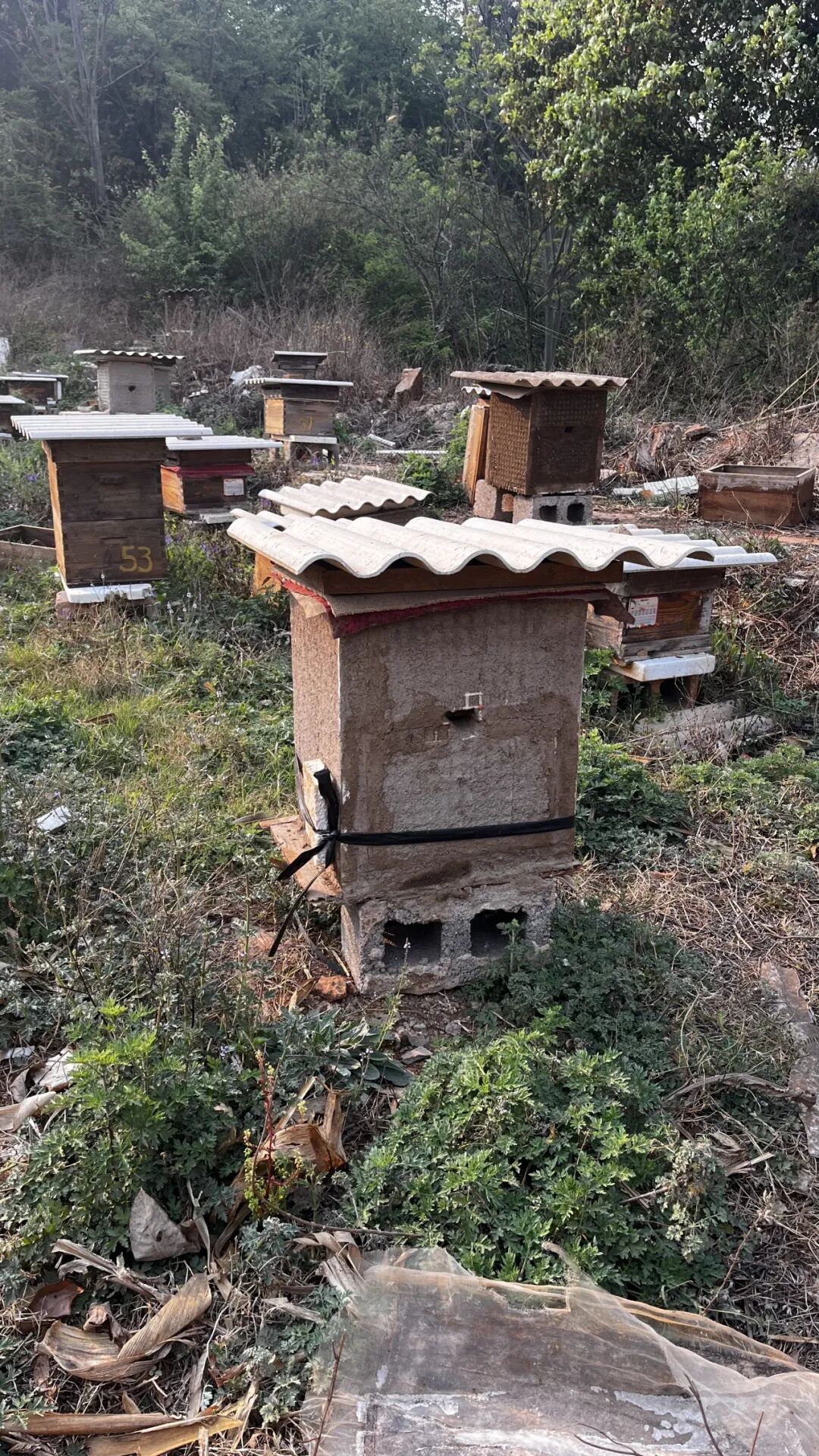
Beekeepers were concerned that pesticide spraying in the apple orchard would affect honey bees. Li Chunliang’s organisation spoke with the orchard and suggested planting green manure (vetch, the purple-flowering plant in the image) to improve the orchard’s ecological environment. Image source: Li Chunliang
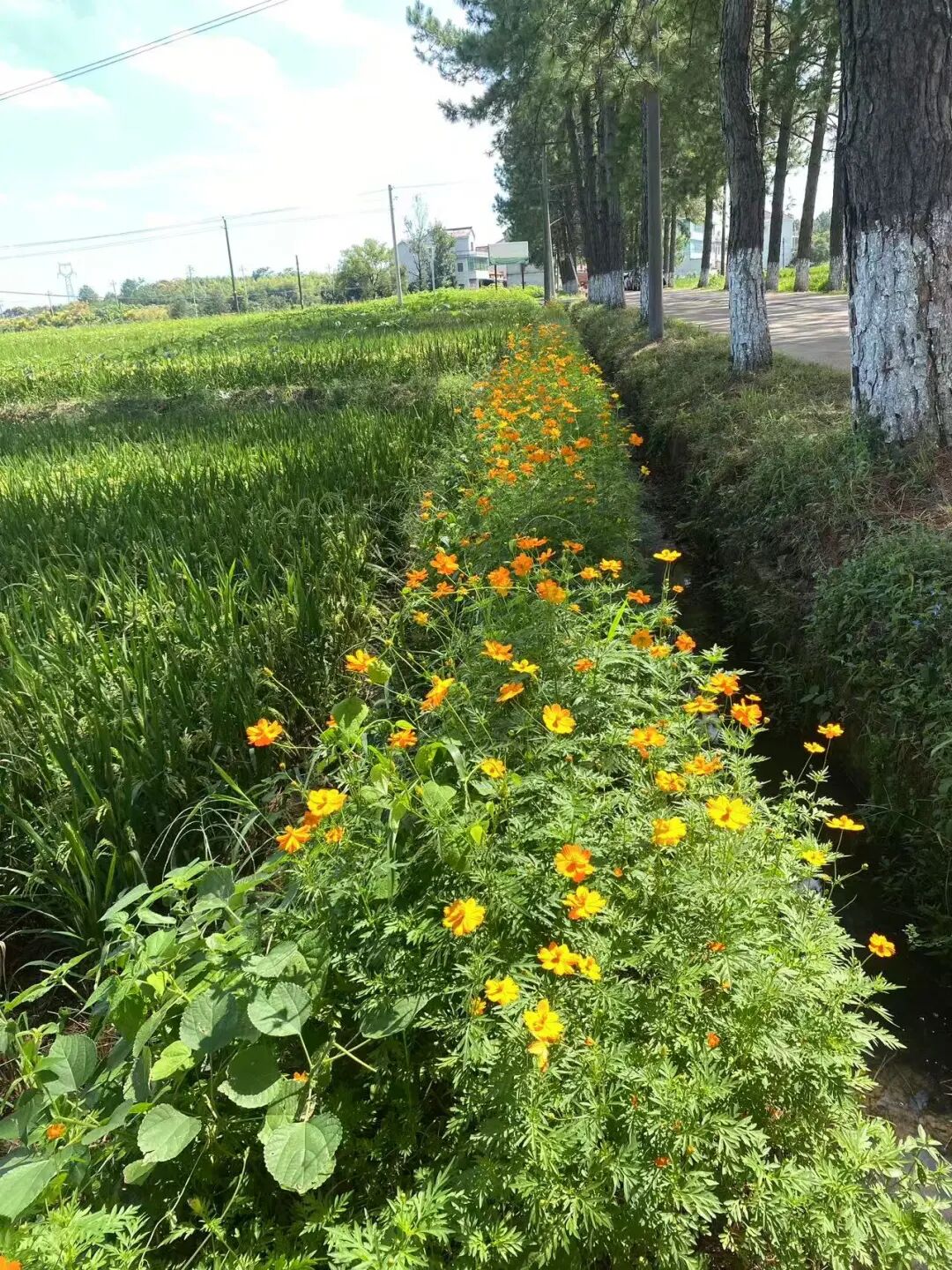
An ecological project involving wildflower strips in Jinhua, Zhejiang. Image source: Zou Yi
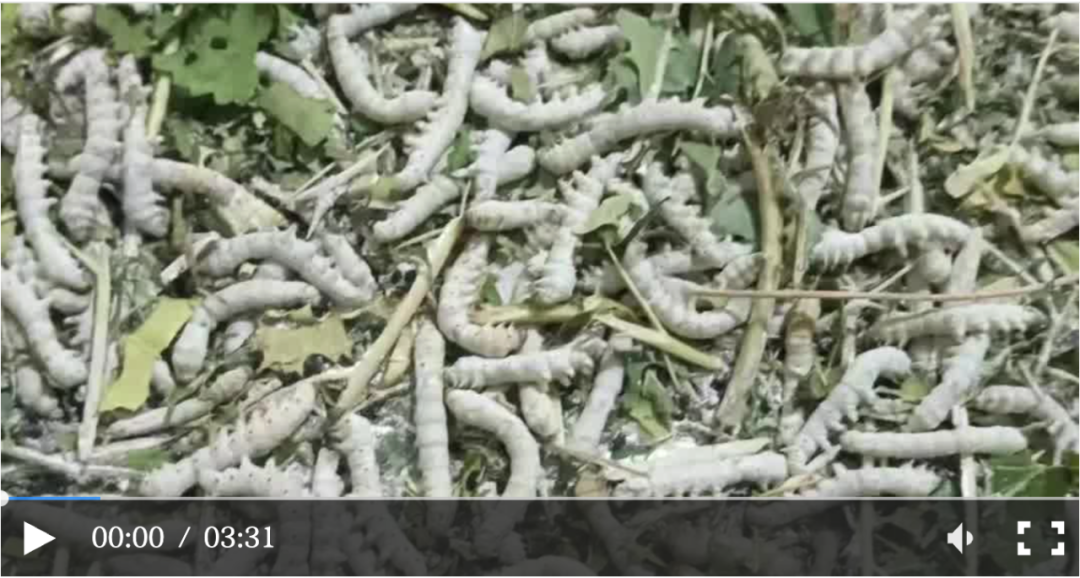
Yugang, a guest on the previous podcast episode, did not release photos of silkworms dying in dense clusters, thinking they were too frightening; the editor found one for everyone — in November 2025, hundreds of thousands of silkworms in Hunan died after pesticide spraying by drones. Image source: Xin Hunan Hao Jizhe Xingdong
Related reading ▼
Scan the QR code below
On Xiaoyuzhou | Ximalaya | Lizhi | Apple Podcasts
Subscribe to the “Food Talk” podcast

Feel free to leave comments in the comment sections on various podcast platforms; we will reply from time to time. Scan the QR code below to add Shitongjun’s secondary WeChat account, with the note “Food Talk”, to join the podcast listeners’ discussion group.

Unless otherwise stated, all images are provided by the guests on this episode.
Podcast music: Ba Nong
Produced by: Xiaojing
Edited by: Pei Dan
Article layout: Ming Lin
Contact email