
A Grain of Foxtail Millet Took Root and Sprouted in My Ear Canal
Foodthink Says
When Xiao Zha was a child, a grain of foxtail millet fell into her ear canal. She thought it was a louse that would jump out on its own. By the time she and her father had walked from the village to the county-town hospital, the doctor told her the seed had already taken root and sprouted. The barrier between village children and the natural world is as thin as the eardrum between ear and millet. In the village, people struggle against the untamed growth of all things, protecting the farmland, homes, and bodies they have carved out for themselves. Survival is mechanical. Xiao Zha translates the stretching and contracting of muscles during labour, the life and death of cells, and the image of “straining” into words.
Foodthink has selected a few excerpts from the chapters on thanking the rice paddy, endless farm work, and the many kinds of weather. Whether in the city or the countryside, sustaining life is eternal. And thank you, writing, for making it feel as if we have briefly stepped back from our endless physical struggle. Thanks to Shanghai Translation Publishing House for the right to publish this article.
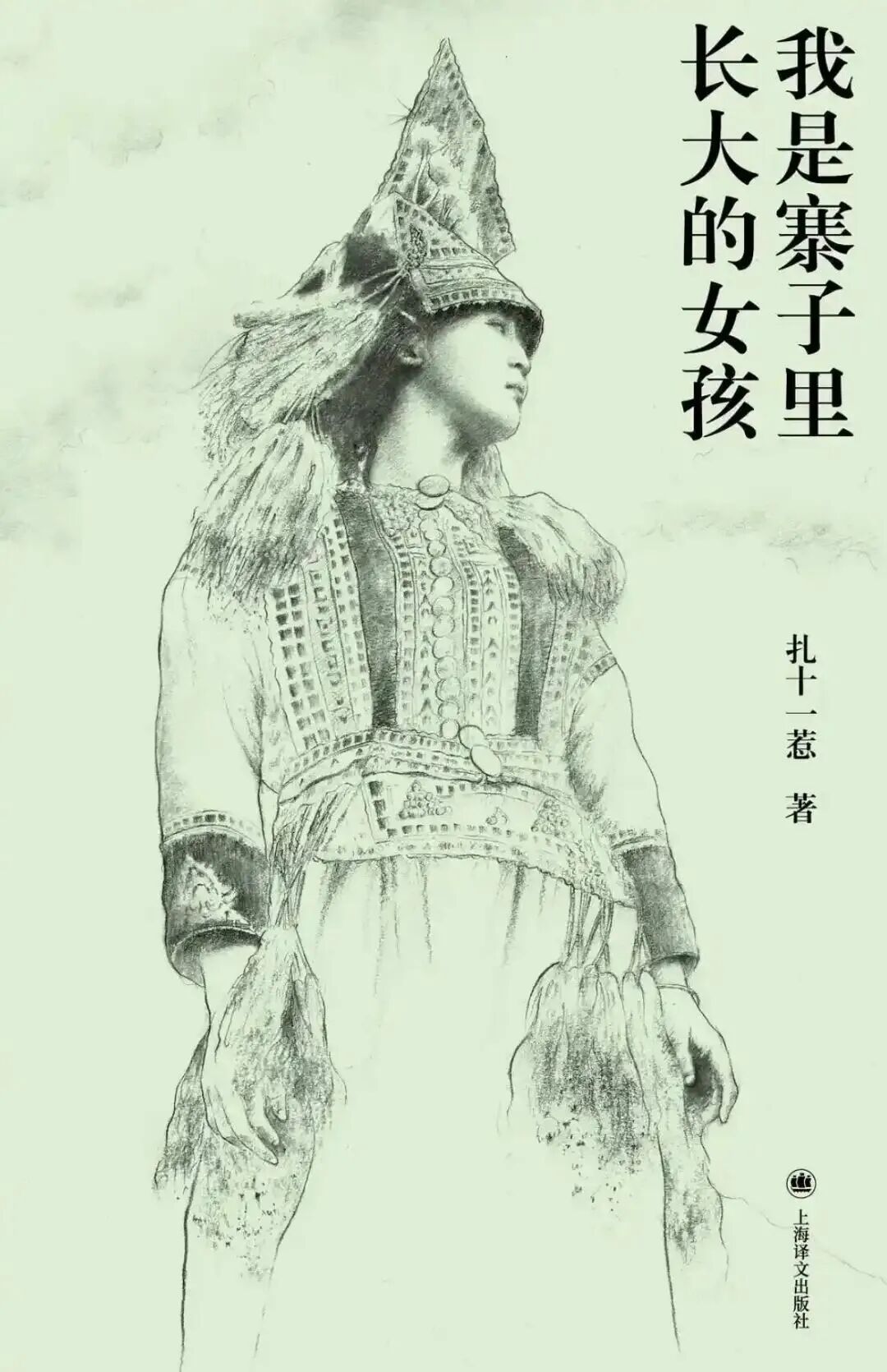
I. Thanking the Rice Paddy
After the spring rain, the village was misty; the layered mountains were shrouded in a thin veil; the air had a grassy smell, with a slightly astringent fragrance. Mama was going to transplant the rice seedlings.
The rice paddy had been ploughed, the soil loosened, and new water let in. Some small aquatic green leaves could not wait and had already pushed up; the water shimmered; dragonflies occasionally tapped the water; frogs croaked by the field bunds; now and then a few little tadpoles could be seen swimming past in groups—the rice paddy was ready to receive the rice seedlings.
That year Dad had already passed the exam to become a private schoolteacher, and could only come home on holidays. Mama also disliked hiring help; if she hired help, she would have to repay the favour afterwards, so rice transplanting often took a whole day.
At dawn, when the sky was just brightening, Mama set out. First she had to go to another family’s field to pull out the fostered rice seedlings, then carry them back to the paddy to start the real work.
By about half past eight, my older sister and I lit the fire and put the rice on to cook. We shaped some of the cooked rice into rice balls and toasted them over the charcoal until the surfaces were crisp. We left the zengzi (a cooking vessel widely used in areas such as Guizhou, Sichuan, and Yunnan, mainly for steaming rice) steaming the rice, then took some rice balls to Mama and went to the paddy to help.
Transplanting rice seedlings was really tiring, especially for adults, because one had to stay bent over all the time, so Mama had to get up every so often to pound her lower back. I was small; transplanting did not feel tiring to me, but my hands were too small. I could not plant them firmly, the rice seedlings leaned in all directions, and before long some had floated back up. My older sister, angry, scolded me as stupid and, following behind me, straightened my rice seedlings one by one. Mama said, “Little sister, stop working and go eat a rice ball first!”
I walked back to the field bund, washed the mud from my hands, and was about to break off a small piece of a rice ball to eat. Suddenly, I saw two leeches attached to my lower leg. They were sucking my blood.
“Mama, Mama!”
“What?” Mama asked.
“Leeches have latched on.”
Mama casually stuck a handful of rice seedlings in the mud to one side and came toward me. “Wait a moment, go and ask Adu to lend you some matches.” (Adu is a form of address that means “nephew”; the person in question is already forty, and our family is senior in generation.)
Mama came back with matches, lit a stick, and blew it out. Then she gently held the hot stick to the leech’s head. It writhed violently. Mama caught her moment and pulled it clean off in one go. She did the same to the other.
“Thank goodness, it did not get inside. Amai (my sister’s pet name), you stop too, and come up to eat a rice ball.”
The three of us, mother and daughters, sat on the ground, each breaking off a small piece of a rice ball and eating it slowly. In the distance came laughter and singing from another family that had hired help to transplant rice; in Yi they sang this spring song: “The water is silver water, the bird in the field has come again; it has picked up a silver ribbon and gone up to the sky to weave rain…”
The rice grew quietly. When the mushroom-picking season was over and the clouds on the horizon grew redder and redder, it was time to cut the rice.
Cutting the rice was usually done on a day when the whole family was free, because Dad, who taught at the village primary school, and Fifth Uncle, who was studying in town, had to come home together to treadle the threshing machine. Fifth Uncle was only five or six years older than my older sister, but all the work he did was an adult’s work.
The threshing machines of that time were not only inefficient but very strenuous. The worst thing was that they sent rice flying everywhere—the fine needles on the rice husks splattered on the skin and left it aching and itching terribly.
It was on the day of threshing rice that a grain of foxtail millet flew into my ear. But I did not notice at all. I was busy patrolling the paddy, checking whether any quails had been left behind; the whole family had to be moved away, otherwise they might be accidentally cut by the sickles.
That foxtail millet that had fallen into my ear canal simply slid slowly downward, until I felt my ear hurting unbearably, until one day in class I felt the aching ear suddenly heat up and a trickle of blood ran down from it.
The teacher contacted Dad. Dad took me by the hand, and we went to a town far from home to have my ear examined.
I was very afraid of doctors. I always felt they were stern and fierce, and I did not understand all the Chinese, so I could not help feeling embarrassed and nervous. The doctor was a man of about fifty, with very little hair but a great deal of beard. With the help of instruments, he removed a black foxtail millet from my ear. “It had been soaked until it was almost sprouting. What on earth have you been doing, bringing it in only now? The eardrum looks damaged. We cannot patch it here, nor can they in the county; you will have to take the child to Yuxi to get it patched.” The doctor spoke fiercely and quickly; at the time I understood only a little. Dad, his eyes red, nodded, and took me to collect the medicine.
By the time we came out of that hospital it was already after six in the afternoon; the afterglow of the setting sun lay faintly over the rice paddies on either side of the road. Most of the paddies had already been cut, leaving only rice roots and quail nests, reflecting a shimmering red-orange light on the water.
We had to take an inter-rural bus back to Huxiang first, then walk back to the village from the mountains. It was after six, too late; there were no more scheduled buses heading towards Huxiang, so my father and I had no choice but to walk along the highway, hoping to meet a private car willing to give us a lift.
Dad carried in his left hand the notebook he had bought for my older sister and his shoulder bag, and held my hand with his right. That day I was wearing white knitted socks with frayed edges, blue plastic sandals, and ginger-yellow knitted trousers.
After we had walked for about an hour, Dad asked, “Little sister, can you still walk?”
“I can.”
“Does your ear hurt?”
“It doesn’t.”
Dad squeezed the notebook and the medicine into his bag, freed his hand, bent down, and picked me up.
“Dad, don’t carry me; I can still walk for a minute.”
“Haha, how long is a minute?”
“My older sister says a minute is an hour.”
Dad laughed and patted my back with a smile. Just then, yellow medicine began to flow out of my ear. Dad lifted me and put me on a length of field bund by the roadside, and hurriedly pulled his own clothes over to wipe it.
“Does it hurt?”
“It doesn’t.”
He crouched in front of me, his hands on my knees, his head bowed. His tears pattered down onto my ginger-yellow trousers, spreading into a brown circle. Before long, a small patch of my trousers had gone brown.
“Dad, please don’t cry. Little sister really isn’t in pain, really.”
Dad never lifted his head until the fading light in the rice paddies had gradually receded and the “caw” of birds began to come from the deep forest.
We walked a very, very long time that day, and we did not get a lift until we reached the village at ten at night.
From that year on, I never went to thresh rice again. Every year afterwards, on the day of threshing the rice, I always stayed at home drying manure or chopping pig feed.
Later still, around 2003, we no longer had to hand in grain at the grain station. Rice in town had also become very cheap, and many households no longer grew rice. The rice paddy had finally completed its task.
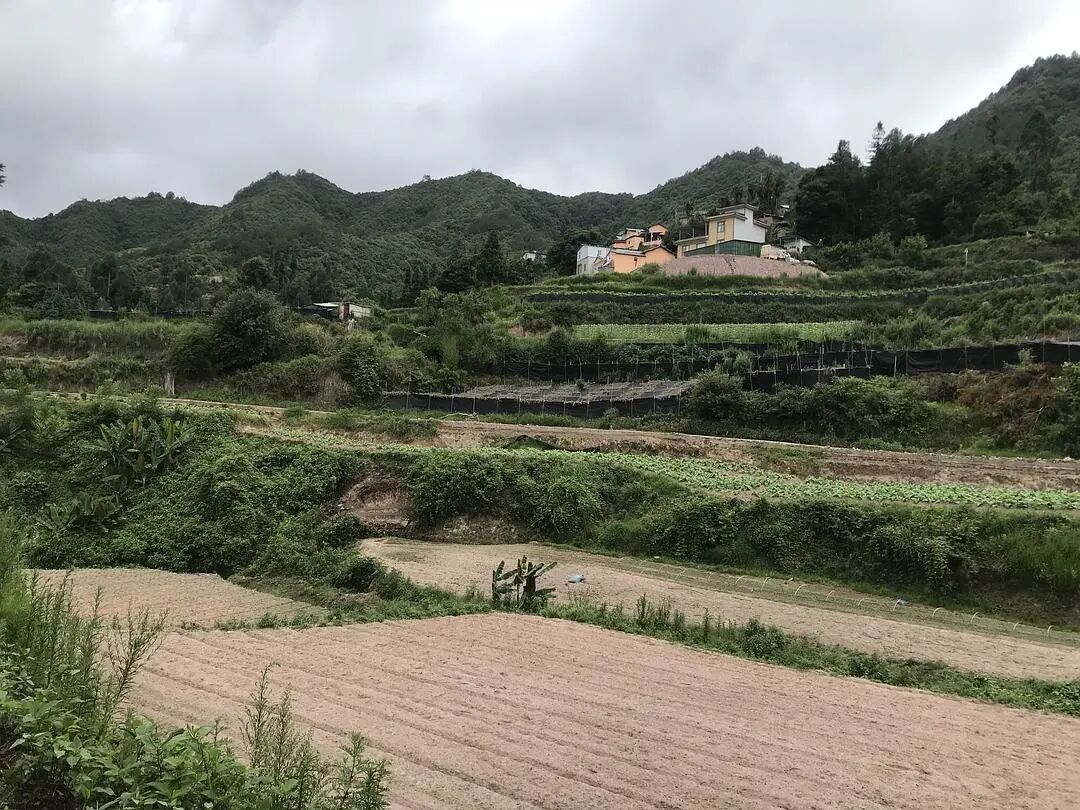
II. The Many Kinds of Weather
“It is going to rain tomorrow, so there must be no pesticide spraying today.” So she would change the plan to weeding, cutting away the wild grass around the field bunds and clearing the water channels. “If the water cannot drain away, the ground becomes too wet, and the tobacco will get sick.”
I picked up a few rudiments from watching her. If dark clouds appeared a few hills away, it did not necessarily mean it would rain. The key lay in what was above you. If the sky above you was bright and the clouds were scarce, the rain would probably not come over; if thin clouds were gathering above and the light had changed ever so slightly, then the rain would come.
Fair weather was easy to judge, too. There is a smell of fair weather in the air; if that smell is strong, then the next few days will surely be sunny. Likewise, rain has a smell before it comes; once that smell is caught, no matter how fierce the sun, it will certainly rain.
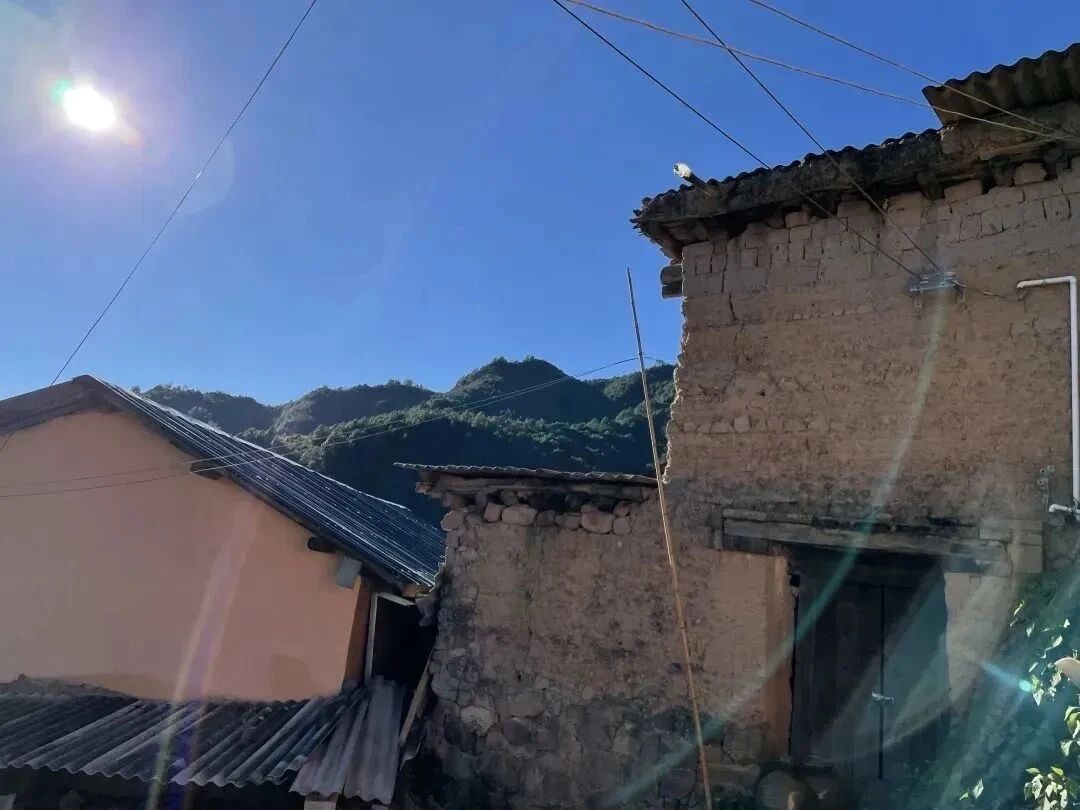
This method rarely went wrong. Even in the changeable midsummer, it still worked.
What was hard to sense was hail. Hail gave us no chance to prepare, and sometimes it even arrived before the rain. There were times when, to protect the tobacco leaf from being broken by hail, my older sister and I hurriedly covered the tobacco leaves with tarpaulins. Hail left many bruises on our bodies; the pain came with a great crackling roar, and every recollection left a lingering dread. Such last-minute rescues usually saved only a very small part of the loss.
There used to be no agricultural insurance; if the tobacco leaves were broken by hail, the whole growing season was wasted. Hail was the weather we feared most. Thank goodness hail was not often.
Wind was a very important thing; many farm tasks needed its help. When drying radish strips and shredded radish, one had to rely on the wind to blow them dry; when threshing wheat and rapeseed, one needed the wind to help blow away the dust and the plant husks. But in the hot late summer and early autumn, the wind grew miserly: it seldom came, and even when it did, it lasted only an instant, not enough to blow away even a single piece of wheat chaff.
Mama had learned from her grandmother a way of summoning the wind.
When she needed wind, she would tie her headscarf tightly, plant her hands on her hips, stand at the end of a field bund, and whistle into the empty valley.
It was a whistle with a melody, and Mama said the melody was so that the wind could understand the direction. Because the wind came every time, the melody felt like magic to me, and I learned it quickly.
The next time we asked the wind to come, Mama and I would whistle together.
The wind was sometimes strong, sometimes weak, but it always came.
At this point in the writing, I looked up some material to find out what was actually happening in the world around us when Mama and I blew that melody together.
“Whistling does not really ‘call in’ the wind. Whistling only causes the surrounding air to move through the vibration of sound, thereby producing wind. When you whistle, the high-speed airflow produced by your mouth and tongue disturbs the surrounding air, causing small-scale air movement. This moving air carries some of the surrounding air along with it, thereby producing a relatively weak breeze.” That is what was said online.
So it was not magic after all. I felt a little disappointed, then laughed at the computer screen and decided on the spot to forget the scientific principle and hold fast to the belief that it was magic. It was one of the few pleasures I shared with Mama, and I would rather keep it stored in my memory as Mama’s superpower.
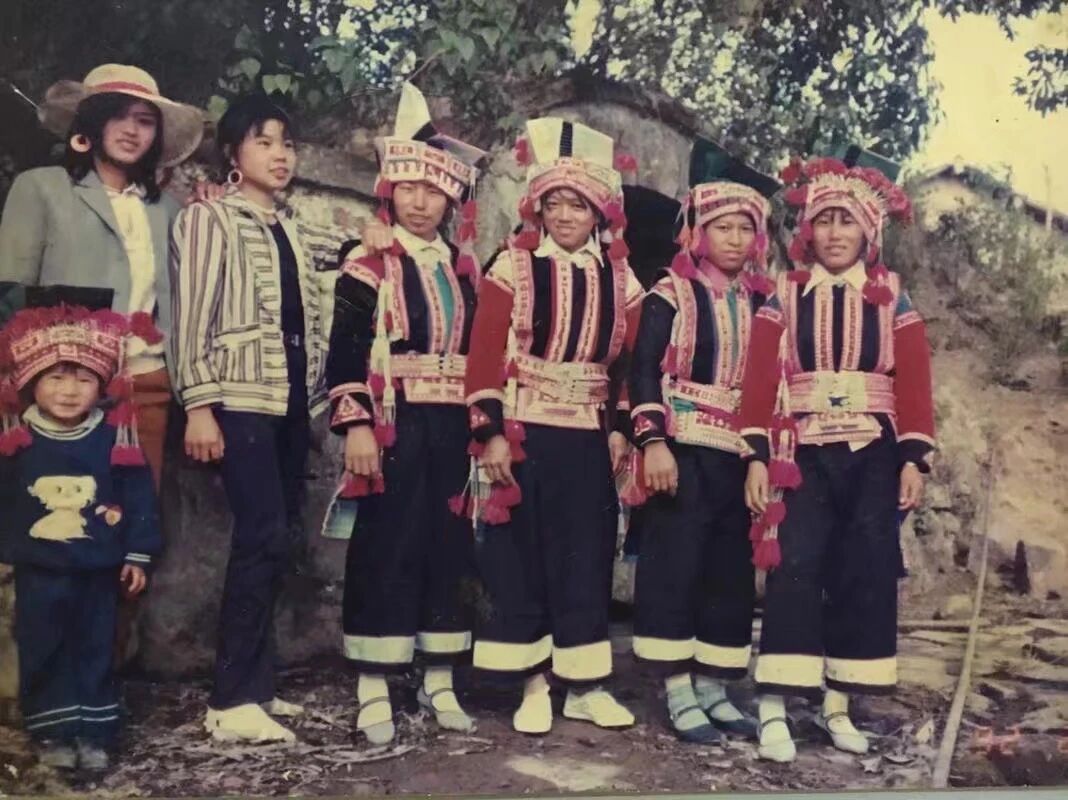
Neither my older sister nor I knew. Seeing our puzzled faces, she suddenly became confident again: “Shangzhai area, thunderstorms, ten thousand millimetres.”
Sometimes her gestures were too exaggerated, and my older sister and I could not help laughing. My older sister said her appearance had nothing at all to do with the weather forecasters on television, but she still liked to coax Mama into performing. Mama was wiping her sweat, her sagging breasts swaying under the loose old clothes. Like all the women in the village, she had never worn a bra, which made her look more relaxed and free. When Mama performed at the edge of the field, she looked different from every one of her usual selves. She looked happy, unbound. The valley was her backdrop, her hand sweeping through the dry wind, and even the dust she raised became vivid.
Her performance would not last long, because once she too became immersed in the happiness, she would suddenly force herself to stop, put on a stern face and return to work. But in those few minutes when she was the weather forecaster, we all felt a very definite happiness.
III. Endless Farm Work
By the time I realised this, it was already too late; I had grown to an age when I could do farm work. Tending the fields was no longer a game between me and the world; it had become a livelihood.
Every year, when the weather was coldest, we thought that once the radish had been dried, we could have a proper rest over the New Year. But in fact, on the second day of Lunar New Year, we had to hurry and work the land: turning, ploughing, harrowing. Once the ground had been dealt with, we had to cut the grass on the field bunds, while at the same time sowing tobacco seed and raising tobacco seedlings. We thought we could then quietly wait for the tobacco seedlings to grow, but in fact we had to prepare the ground for planting tobacco as quickly and as well as possible during this time, forming earth beds, spreading manure over them to condition them, and after some time working the beds into ridges. After the tobacco seedlings had been planted, there was a long and meticulous process of management: covering with plastic film, pesticide spraying, controlling pests and disease, removing the film, weeding, topping… Every one of these steps took a great deal of time, and every plant had to be looked after. Then multiply that unit of labour by thousands, even tens of thousands, and only then was the planting process finished.
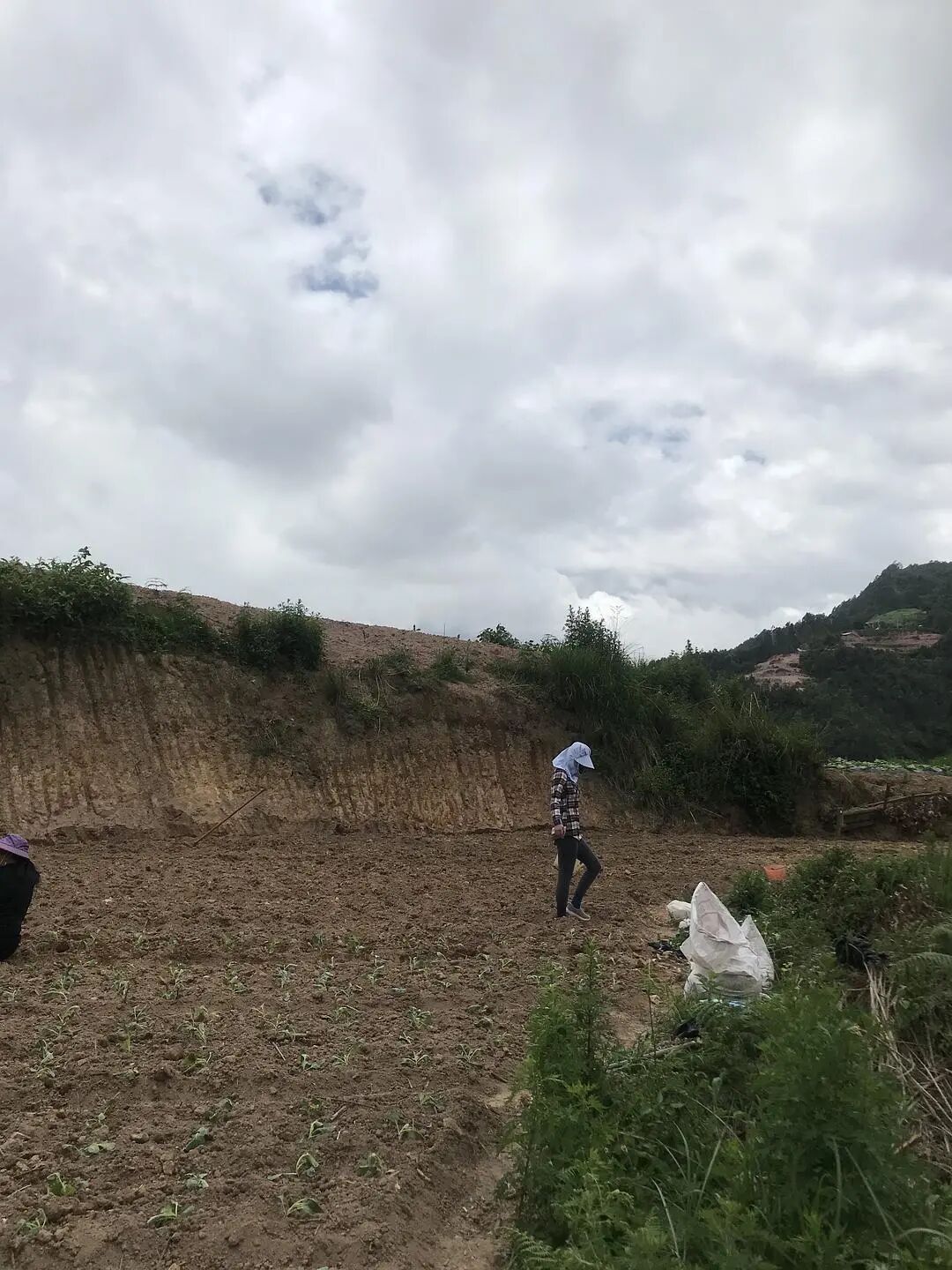
The work after that was heavier: going up the mountain to find wood for flue-cured tobacco, carrying it home, tending the flue-curing barn, picking the tobacco leaves and weaving them neatly onto the flue-curing poles, then sending them into the flue-curing barn strand by strand. Day and night, without rest, we kept watch over the stove in the flue-curing barn, tended the flame, and controlled the temperature. After several days of curing, we carefully took out the cured tobacco leaves, stored them strand by strand in the loft, then took them down leaf by leaf, stretched them flat one by one, sorted them by grade, tied them into bundles, and kept them in a cool, dry place. Afterwards, they were all taken together to the tobacco station.
Land that had grown tobacco was much more troublesome to deal with than land that had grown radish; even just digging the roots out of the earth took a great deal of effort. Plants as tall as a person were pulled up one by one, and then there was another round of turning the land over, ploughing, and harrowing.
In rural Yunnan, growing tobacco was considered a fairly important farming task, so whenever we had finished tending the ground, our whole family felt a great sense of relief. This relief did not last long; it was time to plant the cabbage.
Again the earth was shaped into beds, small holes were dug, sheep manure and urea were sprinkled in, and the cabbage seedlings—bought or raised by ourselves—were put in one by one. Then the soil was firmed around them, and they were watered…
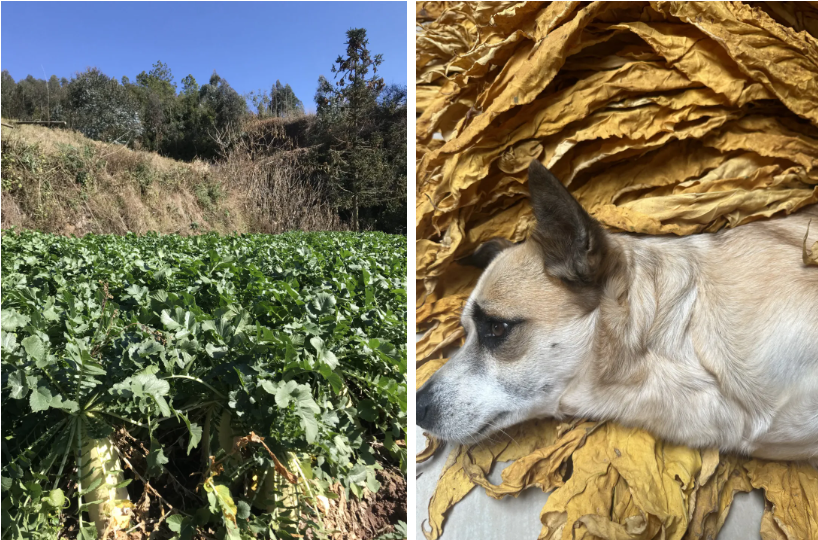
Thankfully, cabbage was not too fussy and did not need the kind of careful tending tobacco demanded—though that was only if heaven was generous and the seasons ran smoothly. Without rain, we had to go and water it every few days.
While the cabbage was growing on one side, on the other it was time to plant pea shoots or French beans, or else snow peas. The process was much the same: ridging, planting. Legumes had one extra step—building the trellis—so we had to go up the mountain to find suitable bamboo poles or wooden stakes, which was quite a hassle.
Once this crop was in, the land got little rest, and neither did we—on with turning the land, ploughing, harrowing… Growing radishes was not as simple as scattering seed. Before that, we had to dry the manure.
Sheep manure was the best, mixed with cattle manure and poultry manure, with a little nitrogen fertiliser added. Some families simply added compound fertiliser. After several days of drying in the sun, it was broken up, put into bags, and carried to the field.
Then three people had to work together: one dug the furrow, one scattered the manure, one scattered the radish seed. The distance between each radish pit had to be even, the manure neither too much nor too little, the radish seed no more than three per pit, and it could not touch the manure directly—it would be burnt to death.
To avoid burning the radish seed, some families waited until the radishes had come up before top-dressing. There were thousands upon thousands of radish seedlings, and one had to bend over and fertilise them one by one. It was good for the radishes, but terribly exhausting.
Before the radishes grew big, there was weeding and thinning; without rain, we had to water them, and with too much rain, we had to dig drainage channels. After the Mid-Autumn Festival, the radishes had grown large, and every household carried out all kinds of stakes, which were driven into the field bunds in sequence, with nylon rope stretched between them to make a drying rack. Then we could begin cutting the radish strips.
Radishes as tall as a child were pulled out, their tops and tails cut off, the mud washed off, and they were placed in bamboo baskets and carried to the foot of the drying rack. With a simple tool, each radish was sliced in two crosses, then hung whole on the nylon rope, and the slices were carefully separated one by one so they would not stick together, making it easier for the wind to dry them.
Once the radish strips were hung up, everyone was praying for no rain. If it rained, the radishes would turn red or even mould and go black, and all the work would be wasted. Most of the time, everyone watched the weather closely; about a fifth of the radish strips would be caught in the rain, but the rest could be taken down piece by piece without trouble, sorted by grade, and tied into bundles, each bundle about the thickness of an adult man’s ankle. Only then could they finally be packaged and sold.
The land was back to the old three: turning, ploughing, harrowing. Spring came, and the Bema led everyone in a ritual to honour the earth. During the dragon ceremony, there was a brief day of celebration, and after that, it was time to plant tobacco again.
The farm work described above is only what we did where I grew up, or rather, the main few kinds of farm work in my family. The rest was so much that it could not be counted one by one in a few words. On the whole, a farmer’s life is complicated and tense; there is not much pastoral, idyllic beauty in it, only a constant state of anxious watchfulness.
Apart from tobacco, which generally had a set purchase price, the other crops were a gamble. Perhaps when the cabbage was still small, the price was two yuan a kilo, but by the time it was ready to harvest, it had fallen to fifteen fen a kilo. Radishes were the same: brought to the trading market in the morning at ten yuan a kilo, by noon it was seven; perhaps the next morning twelve again, and the day after, six.
As for snow peas, French beans, pea shoots… these are things that depend on fate. If luck was good, they were all sold in one go; if not, they could only rot in the field.
It was not only prices that kept us on edge, but the weather. Hail was the worst; next came days of severe drought or days of heavy flooding, either of which could wipe out a whole year’s work.
Good harvest or bad, being a farmer is always hard, and so I was so, so afraid of being a farmer for my whole life.
Farm work never, ever ends.
Apart from when I was at school, all the rest of the time I had to follow the adults and do farm work. Everything had to be done by hand. Mama herded the ox at the front, harrowing the land, and my older sister and I followed behind, picking up roots and stems from the soil, using hoes and rakes to break up the clods. When we saw a cutworm (a kind of pest), we would pinch it out one by one and crush it to death.
Of all the farm work, planting tobacco was the hardest. The tobacco seedlings were expensive and fragile; every one had to be planted with great care, and then the soil carefully firmed around it. The seedlings did not keep well, and there was always a season to catch. In planting time, we were always in the field before dawn and did not come home until dark. The sun was so fierce it made one’s head swell with heat; one’s back burned, and every late summer the skin on my ears would start to peel, like a snake’s, layer after layer.
Our fingers dug back and forth through the dry soil. A layer of callus formed on our finger-tips, the inside of our nails was black all year round, and the hangnails looked like little open velvet flowers, curling around the edges of our nails.
Weeding the tobacco was also a trying task. In the heat of the day, the cicadas were shrilling, and my older sister and I crouched under the tobacco, left hand holding a tobacco leaf, right hand quickly pulling out the weeds. “Ah!” My older sister cried out. I looked up and saw her holding a snake in her hand, throwing it down over the field bund, and then she broke into sobs.
Mama comforted her for a while, but only a while, and then my older sister crouched down again and carried on working.
It was not only snakes; when we were weeding, we had also caught toads, skinks—and by comparison, grasshoppers, snails and slugs were already very gentle visitors.
Topping the tobacco was uncomfortable, too. We were much shorter than the plants and had to hold our arms raised all the time; the topping spray would run down our arms and into our clothes. By night, our armpits ached with a burning pain.
There was a sticky layer on the tobacco leaf, so after tying the tobacco, that layer remained on our hands and turned black once it came into contact with air. Our fingers were always black—not a tan from the sun, but stained black—and they smelled bad, as if we had never washed our hands. During those years at the Han school, because of my black hands, I lost many chances to play with my classmates. Fortunately, I was not the only pupil in our family who worked in tobacco planting. As soon as school was out, I would run off to be with the older pupils with black fingers, take our rice pots to the canteen to fill them, and we would automatically queue behind the pupils with white fingers, wait until they had been served, and then move up.
Farm work was so tiring; spring, summer, autumn and winter, round and round, as if it would never end. But in this day after day of labour, our whole family only just kept our stomachs full. Then I could not help thinking: if we did not do farm work, would we starve to death? Could we not rest for a while? How many people in the world were like me, following our parents, working and working, with no time to stop?
The books praised farmers as great. Where was the greatness? Wasn’t “great” a good word? Why did great people have to live such hard lives?
Life gave me no answer. I felt vaguely that only by studying hard at the Han school might I have any chance of escaping a fate of doing farm work all my life. Unfortunately my marks were not good, and the farm work did not become less because I went to school; the farm work in the winter and summer holidays grew more and more. One evening after a thunderstorm, I carried a bamboo basket on my back and a sickle in my hand to gather pig feed. The stones on either side of the river were too slippery, and I tumbled face-first onto them. The pig feed in the basket spilled out, fell into the river, and was carried away by the rushing water. A few minutes later it had disappeared.
That day, alone by the river, I lay face down and began to cry. My vague hopes for the future went far away in an instant along with the pig feed. I felt I would be doing farm work all my life, like every farmer in the village, like my Mama, like my grandmother, working until my body dried up and my eyes turned cloudy, until death.
Of course, as a farmer, there were one or two jobs I enjoyed. The first was digging medicinal herbs. Strictly speaking, digging medicinal herbs could not be counted as farm work. It was not as time-bound as farm work; you did not have to hurry against time and weather to keep up with the pace of the work. Whether you dug it or not, the herbs would simply stay there.
Whenever we were herding the cattle, my older sister and I would take a small hoe, put on the shoulder bags Mama had made for us from woven sacks, with two rice balls inside, and go up to the hills where there were medicinal herbs. The cattle knew for themselves where to graze, so we would slip into the scrub and begin digging medicinal herbs.
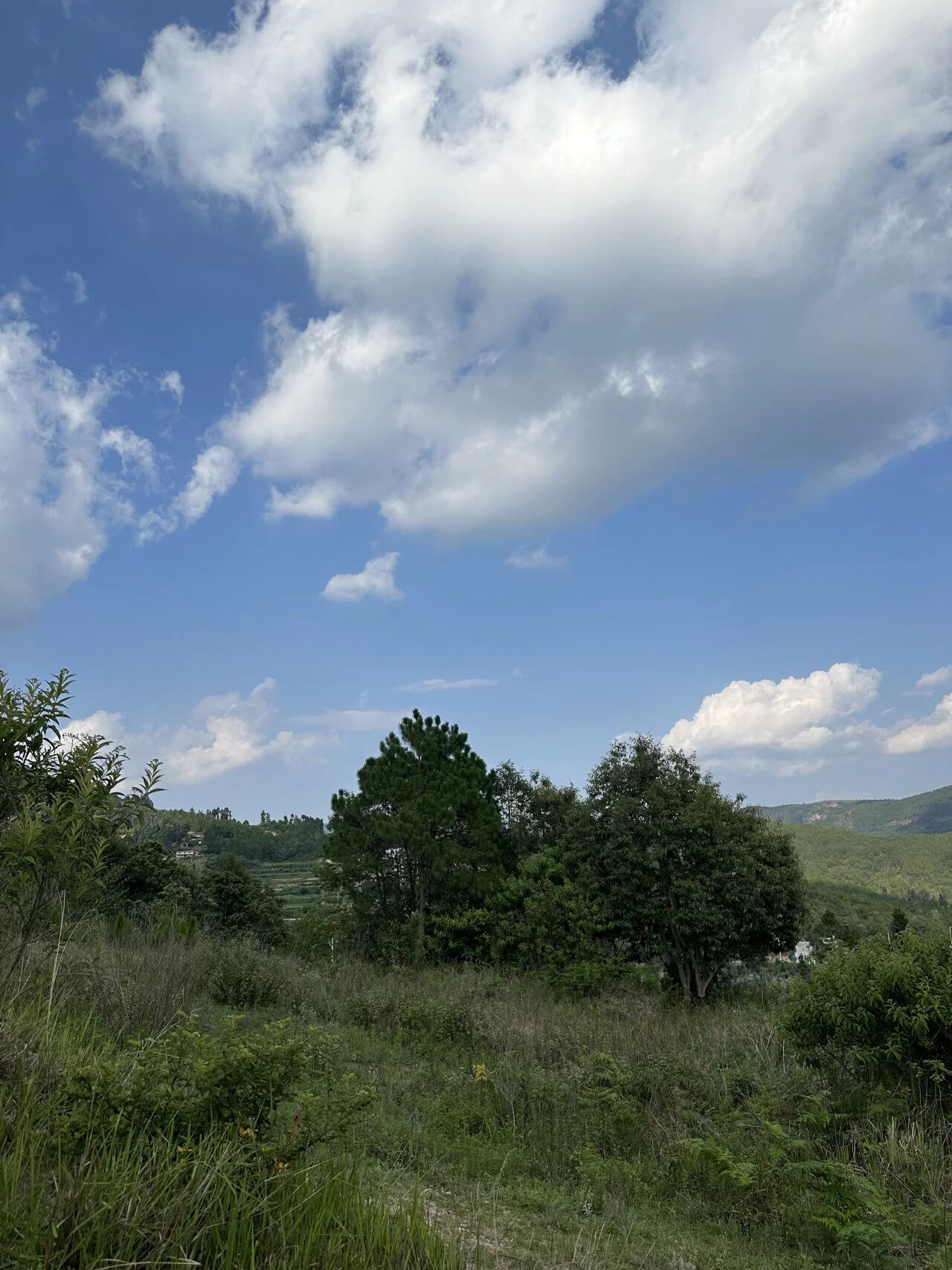
Digging medicinal herbs was tiring in itself; one had to keep bent over, searching, and after a while one’s back ached. The pleasure in it was that mountain berries and yun mei always grew alongside the herbs, sweet and fresh. Picking berries while digging herbs was much more pleasant than digging in the soil under the fierce sun.
As a rule, by the time the oxen were full, our cross-body bags were full too, and we could just about herd the oxen home. The herbs we dug would be dried for a few days, and before school we would carry them up to the Han village to sell. A weekend’s work usually brought in about two or three yuan. The woman who bought the herbs would pour ours into her own large woven bag, sit down on it, and press down hard before she would pay us….
Picking mushrooms was also a good task.
We set out at first light, with a small bamboo basket, and halfway there we would pick a handy stick and slip into the dense forest. In the hills near our home, the easiest mushrooms to find were ceps, saffron milk caps, and coral mushrooms. All of these were non-toxic wild mushrooms and delicious stir-fried, and they were not worth much money, so even if we brought them home, our parents would not sell them. We would take the initiative to wash the mushrooms clean, hoping that Dad would put a little more of the precious lard in when he stir-fried them, so we could have a fragrant, hearty meal.
After I was a bit more grown up, I looked forward more to finding mushrooms that could be sold, like termite mushrooms, ganba jun, yellow boletes, blue-staining boletes, and qingtou jun. The first time I learned that a single palm-sized ganba jun was enough to cover a whole year of digging medicinal herbs, I was truly stunned. I could not understand why people in the city were willing to pay such a high price for it; ganba jun is certainly delicious, but the worthless coral mushrooms taste pretty good too. Still, it was a good thing that someone was willing to pay for mushrooms; it gave us a channel to get what we needed to survive. Every time before we went into the hills, a great field of ganba jun would first appear in my mind, to encourage me to keep searching in the post-rain forest for hours. But termite mushrooms and ganba jun were not that easy for children to find. Compared to people who devoted themselves entirely to mushroom picking during the rainy season, we were still too amateur. They would go to every length to protect their “mushroom nests,” and we had no chance of finding any that slipped through.
In my memory, there was one year when the rain was particularly good, and the right amount of moisture and sunlight made the mushrooms more abundant. My older sister and I picked a good number of yellow boletes and sold them for over eighty yuan. That term, when we got our food at the canteen, there was at last some meat in our bowls.
I never liked farm work, but I could not hate it either. At least in my poverty-stricken childhood, there was farm work to sustain my wavering sense of self, to make me feel I was doing something “useful,” and to give me something to look forward to—”Even if I am no good at school, at least I can fill my belly with farm work.” Thank goodness there was that something to look forward to; otherwise, how would I have gotten through those days of discouragement, confusion, and worry when I could not get the books into my head?
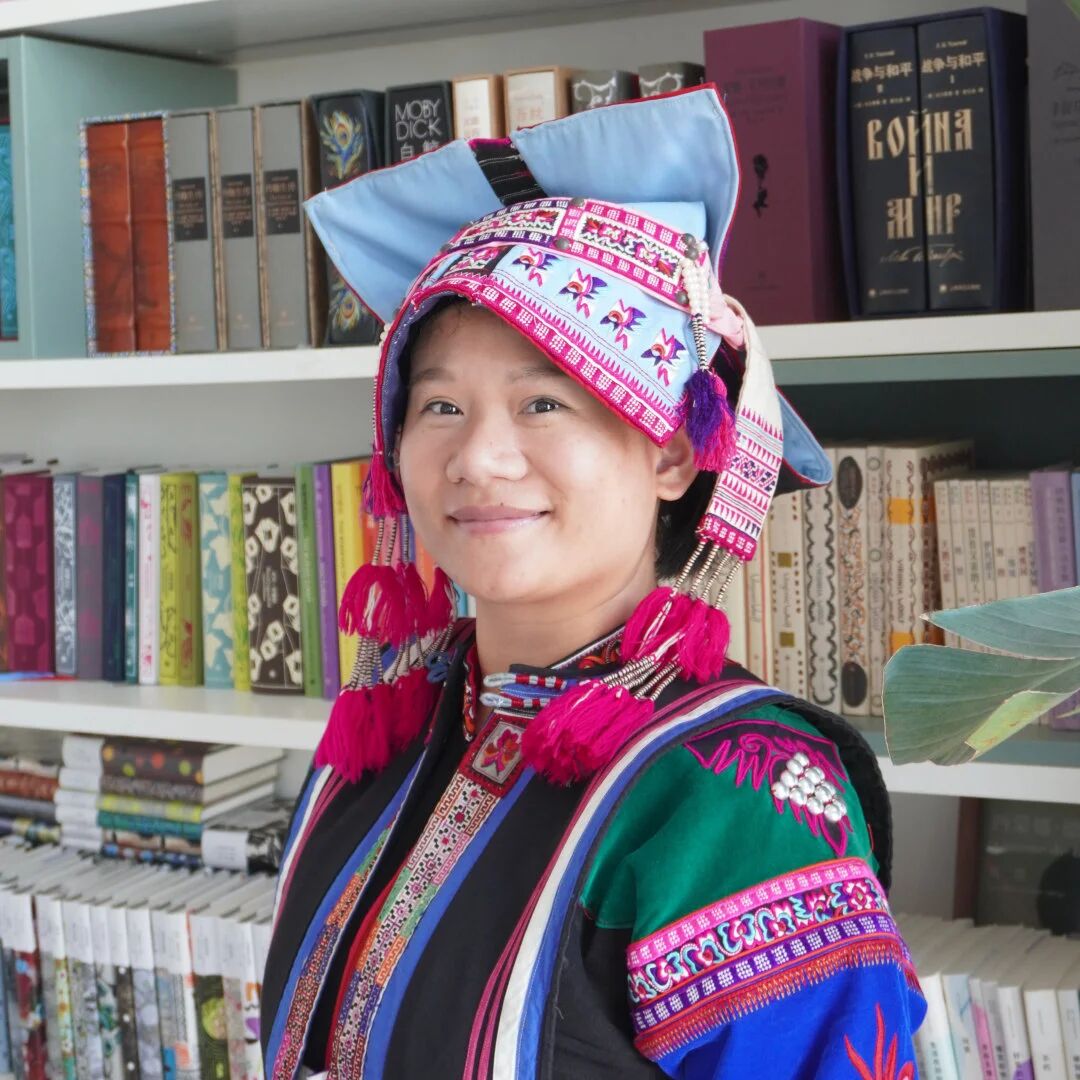
All images in this article are provided by the author