
Under Commercial Hybridisation, Why Do Farmers Still Need Seed?
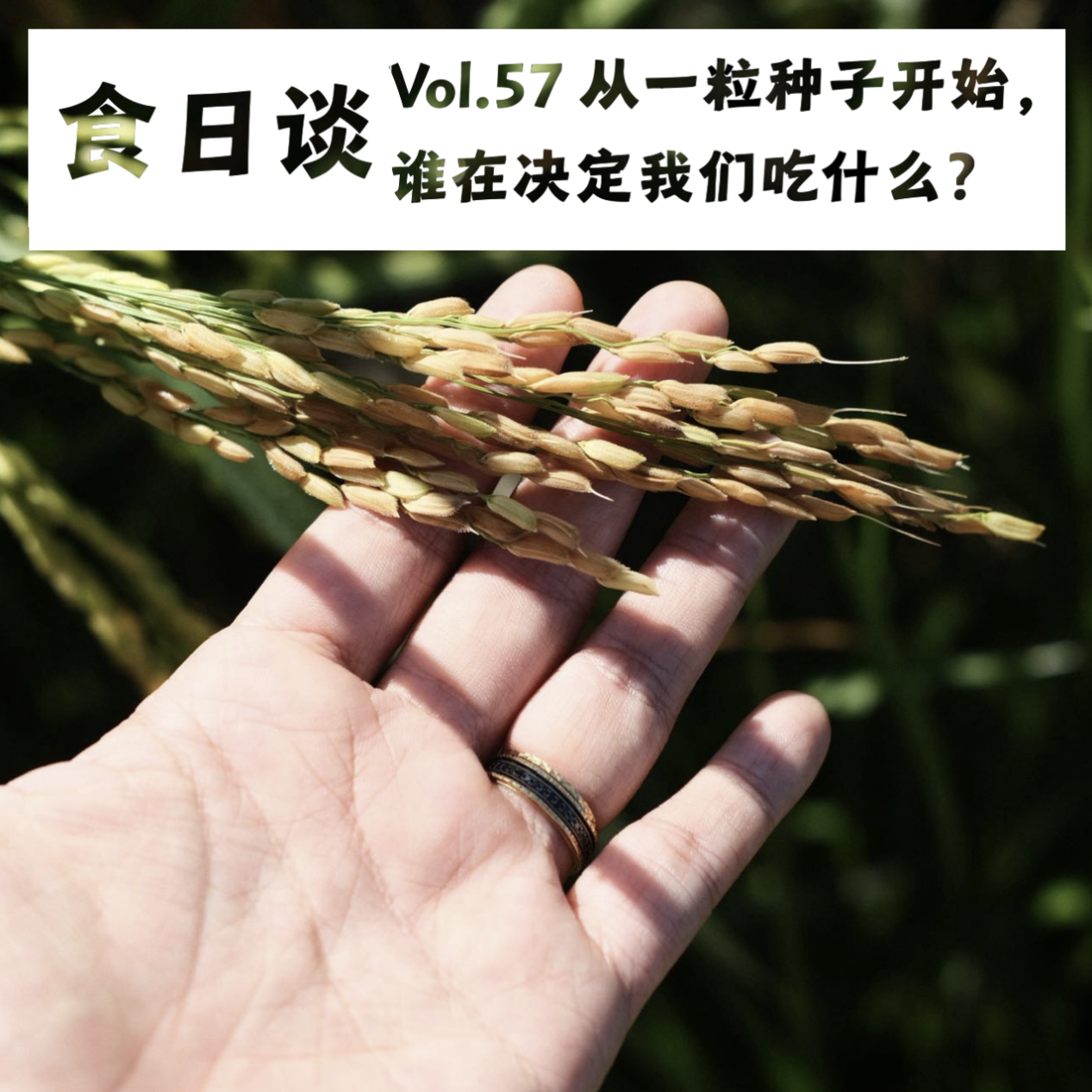
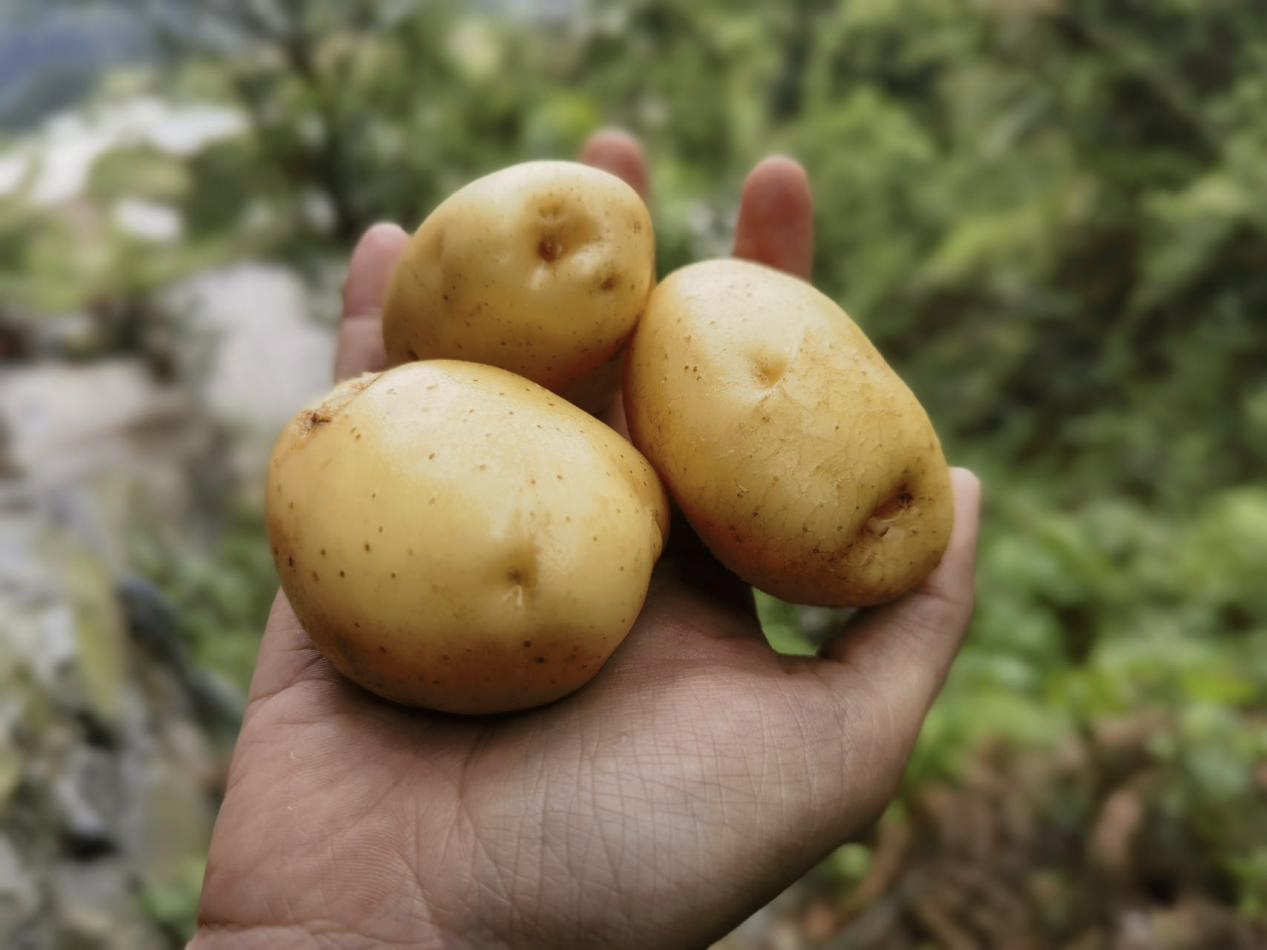
Seeds are the essential vehicle through which plant species endure. Human survival and flourishing, too, are inseparable from seeds. Every kind of food we eat, from grain and oil to vegetables and fruit, begins with a tiny seed. Different seeds produce food with distinct flavours. In today’s maize, watermelons and tomatoes, we can no longer taste the “vanished flavours of childhood”. This is perhaps the result of seeds being replaced, generation after generation. The old varieties once rooted in local landscapes, shaped over long periods by natural or human selection, actually tasted better.
So why have these old varieties gradually disappeared? When it comes to the seeds on which human life depends, perhaps we do not know nearly as much as we think.
In the second half of the twentieth century, as population growth and food pressures intensified, an agricultural transformation centred on “high yield” unfolded across the globe. New varieties, exemplified by hybrid rice and hybrid maize, were rapidly promoted. In yield per unit area, uniformity, and disease resistance, they far surpassed traditional local varieties. In China, the widespread adoption of hybrid rice once brought a near “doubling” of output, seen as a key technological breakthrough in alleviating hunger. For farmers, choosing high-yielding, stable, and easy-to-manage varieties meant increased income within a short period; for the state, it was an important safeguard for food security.
But the logic of high yield has quietly reshaped the fate of seeds. Hybrid seed often has to be repurchased every year, making seed saving difficult. Adaptability has been standardised, and local terroir has gradually receded into the background. In a system where yield is the primary measure, old varieties that grow a little slower, produce a little less, yet offer unique flavour and adapt well to local conditions, began to be deemed “uneconomical” and “outdated”, and within just a few decades withdrew from fields and tables. We eat more now, but without quite realising it, we are also eating more and more alike.
As a vital means of agricultural production for humanity, seeds touch on food security, legal frameworks, biodiversity, farmers’ livelihoods, and food safety, among many other dimensions. From a single grain of rice to complex genetic engineering, seeds are far from as simple as we might imagine.
This episode is a podcast recorded remotely with friends from all corners of the country. Through sound, we hope to take you on a journey following seeds from Thailand to Qiandongnan, from Baoding in Hebei to the Philippines. Whoever decides what we grow decides what we eat. Come experience the story of seeds. It is the history of agriculture, and a choice for the future.
When it comes to seeds, we actually have a great many questions:
-
Why did old varieties disappear so rapidly within just a few decades?
-
How has commercial hybrid seed changed farmers’ choices of food, and how has it shaped our everyday diet?
-
Why did Filipino farmers take the new variety “Golden Rice” to court?
-
Why do some people say: “Protecting old varieties is protecting the human race”?
-
Within today’s food system, is there still a possibility of revival for old seeds?
If you are interested in this as well, we invite you to listen to this candid conversation about land, food, diversity, and “who owns the means of production.” May every seed be seen, and may the freedom to choose what to grow and what to eat be preserved.

This Episode’s Guests
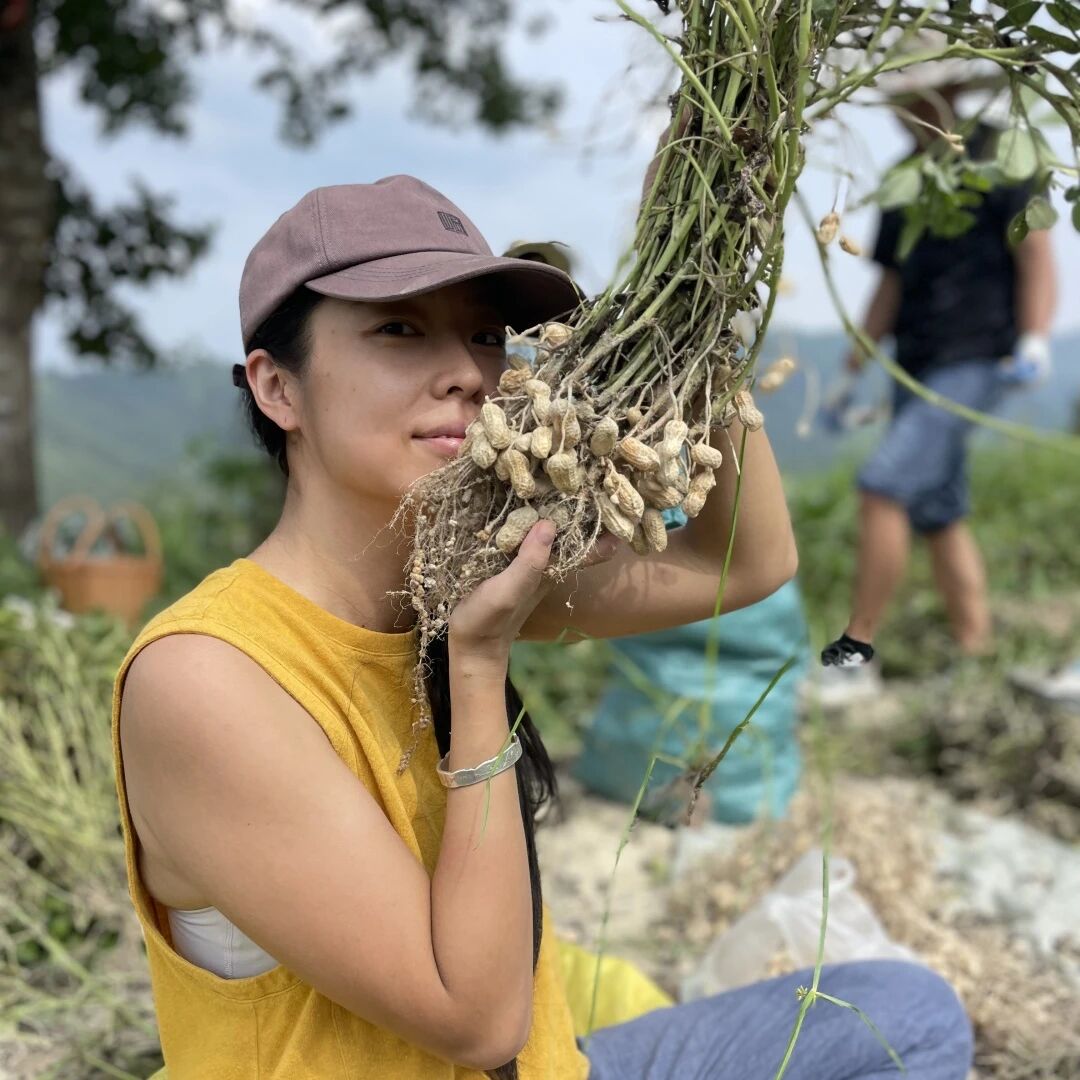 Chen Xi
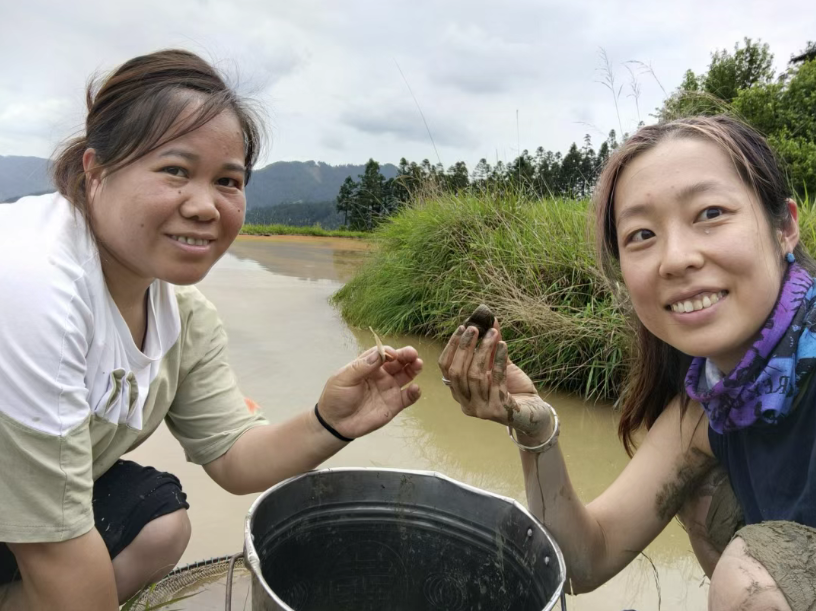
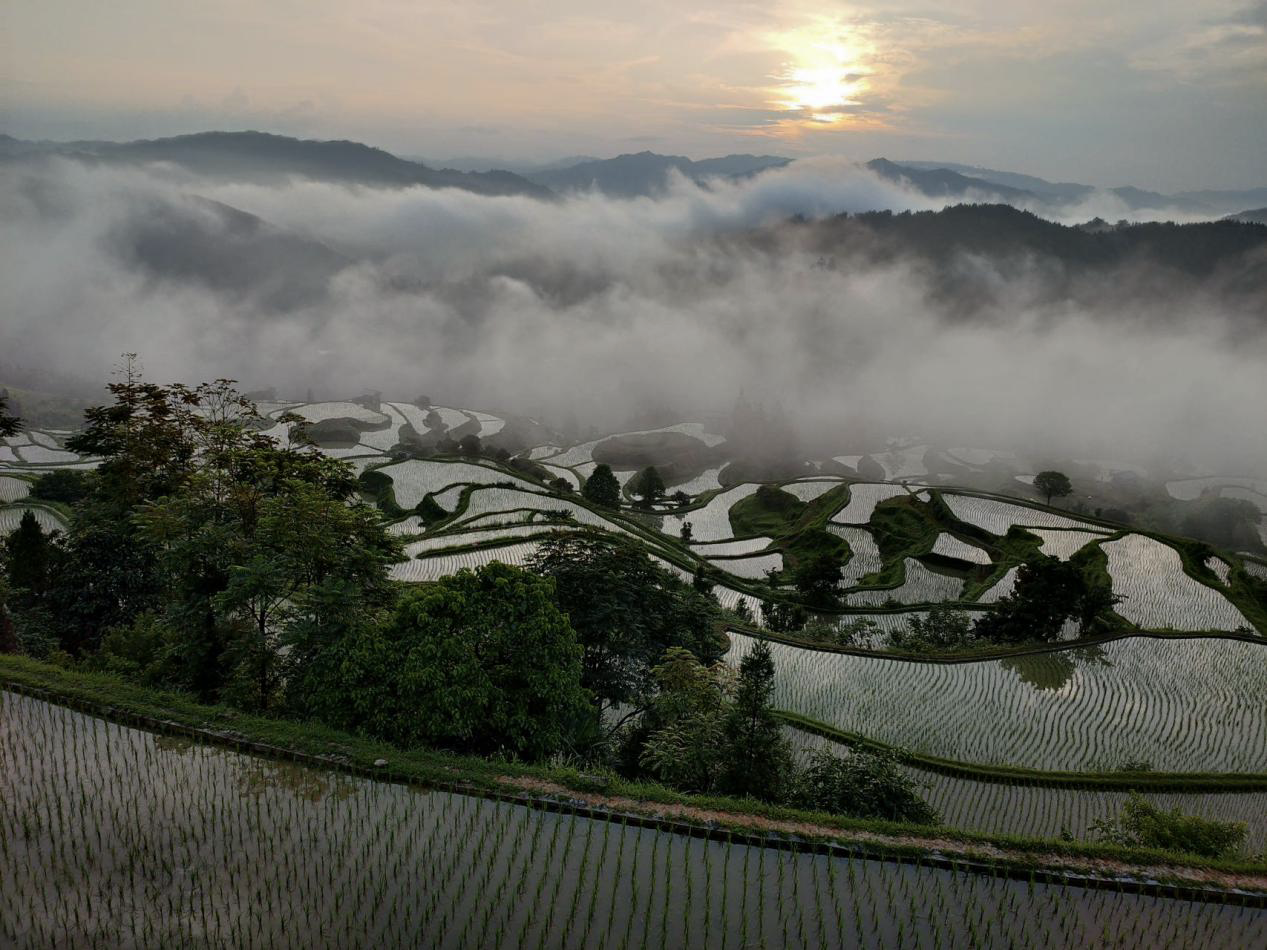
From Zhaoxi She, Qiandongnan, Guizhou. Works in ecological agriculture and rural development in Yangdong Village. Self-saves over 20 local rice and mixed grain varieties, and runs the Yangdong Children’s Public Library.
 Li Guanqi
Farmer Seed Network · Head of the Eastern Office. Has long been involved in the in situ conservation and advocacy of farmer-managed seed varieties across the country.
 Chen Ziyu
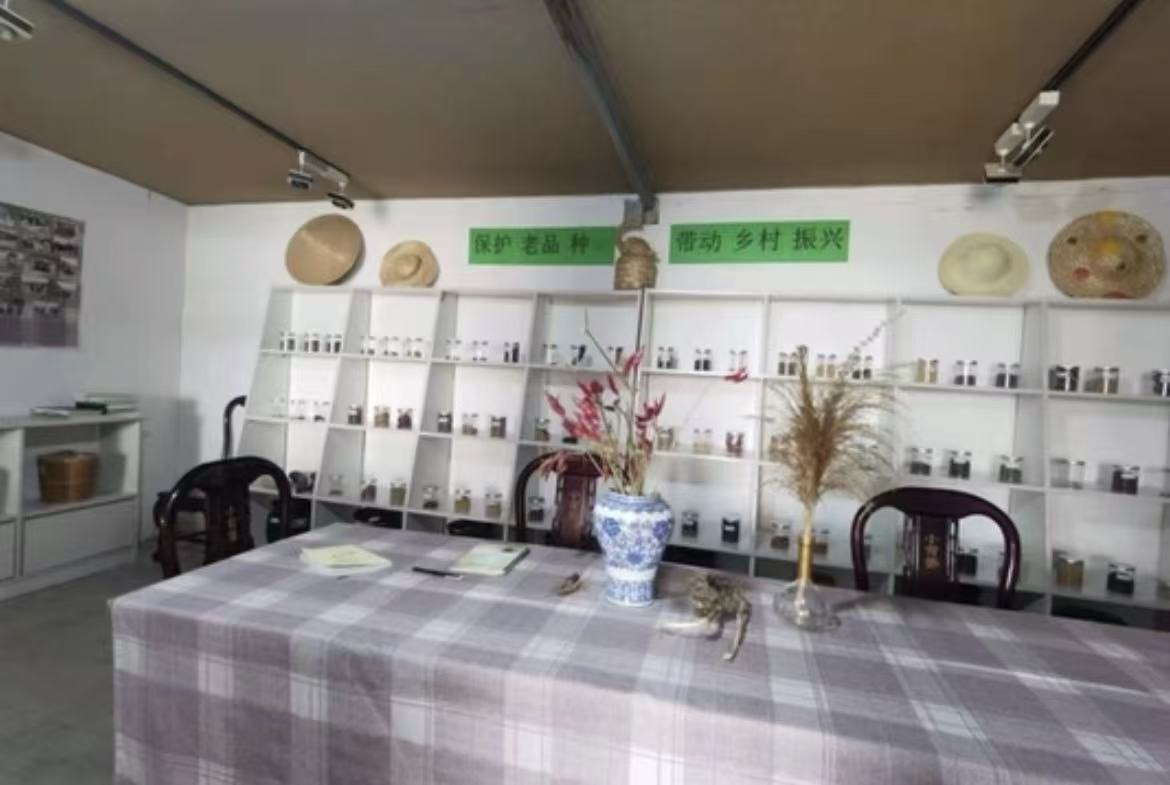
From Wocuiyuan Family Farm in Baoding, Hebei. Together with his family, manages a 147 mu farm. Following his father’s example, has saved 63 old varieties and conserved 183 varieties for the Baoding Seed Station.
This Episode’s Host
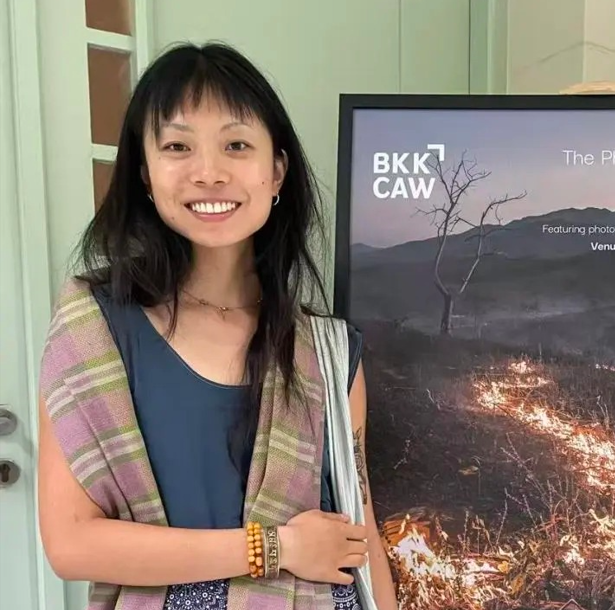 Jieni
Jieni
Loves eating old maize; interested in society and the environment.
Timeline
07:57 Why do old seeds need to be protected? When the new arrives, must the old be discarded?
09:54 The old varieties that are disappearing: red sorghum in Baoding, the large, thick-skinned, intensely flavoured watermelons native to Qiandongnan…
18:58 Is growing old varieties more or less costly than growing commercial varieties?
26:32 What kind of production and daily life do commercial hybrid seeds, which can no longer be saved, bring to farmers?
31:52 How did commercial hybrid seed come about? A rapid walkthrough of the 100-year history of the seed industry.
48:57 Why did Filipino farmers take genetically modified rice, “Golden Rice”, to court? A resistance campaign by Southeast Asian farming communities.
57:50 The revelation from Thailand’s “low-yielding rice” experimental plots: content local farmers — so it turns out conserving old varieties can be done this way too.
61:57 How do old varieties show resilience in the face of climate change? The great significance of small farms
64:08 Why should we care about seeds? It concerns the flavour, memory, and future of all food.
100 people who feed us
Behind the rice in your bowl, the vegetables on your plate, and every meal ordered on your phone lies a vast and complex real world. To trace the true patterns of this world, Foodthink’s podcast, Food Talk, has launched a series — 100 people who feed us. By following the vivid experiences of 100 practitioners, we map out a professional landscape of “food” and “farming”, revealing the most authentic lived experiences behind food.

Podcast music: Banong
Produced by: Xiaojing
Edited by: Jieni and Yuyang
Contact email: [email protected]