
Smallholder Dairy Farms vs. Large Dairy Farms: Whose Milk Is Safer and More Nutritious?
Foodthink Says
This question bears not only on consumers’ health but also on the development path of China’s dairy farming industry, and it is the issue this article wants to explore. This week, Foodthink will also publish an article analysing the overall benefits of smallholder dairy farms and the reasons they have been marginalised. The main material for the two articles comes from field research conducted by Feng Xiaoqun and colleagues at China Agricultural University in 2023 in a county in Shandong with large-scale dairy farming.
I. Raw Milk Safety: Smallholder Dairy Farms vs. Large Dairy Farms
Viewpoint 1: Smallholder dairy farms were the chief culprits of the melamine incident.
Rebuttal: No.
According to the official characterisation, it was milk brokers who added melamine to raw milk. Why add melamine to raw milk in the first place? At the time, national consumption of dairy products was strong, large amounts of capital poured into raw milk processing, raw milk became scarce, and milk prices soared. Raw milk is sold by weight. How could they sell more milk? Adding water alone would not work, because it would lower the protein content, and dairy factories test protein content in milk by measuring nitrogen levels. At that point, some people thought of melamine (C3H6N6), which has an extremely high nitrogen content, is white, dissolves in water, and has no taste; on the surface, it seemed a perfect additive.
Then who would know these properties of melamine? The milk brokers who dealt with dairy farmers were mostly farmers themselves. In the research area, dairy farmers generally believed that the milk brokers did not know these properties of melamine, let alone the dairy farmers. The impression that small milk farmers caused the melamine incident does not match the official characterisation of the incident, nor the facts.
Viewpoint 2: In raw milk production, large dairy farms are safer.
Rebuttal: Not so.
First, let us consider feed safety (roughage such as straw and concentrate feed). Feed safety means the feed is harmless. If cows eat mouldy feed, the milk they produce may contain harmful substances. Feed safety is not the same as the nutritional level of feed.
Small milk farmers’ feed comes in part from home-grown straw and maize, and mostly from market purchases. Large dairy farms rely mostly on market purchases. Once straw is bought, it is fermented to make silage and yellow silage.
Because small milk farmers use the feed themselves, they personally handle both purchasing straw and making the feed. Since their demand is small, they mostly buy from nearby areas, know their suppliers well, and the quality is guaranteed. The small scale also makes it easier to inspect carefully when buying and to work carefully when making it.
Large dairy farms rely on hired workers to purchase and make feed. Compared with small milk farmers, hired workers are paid to do the job, so their care and loyalty may be compromised. Because demand is large, purchases are made over longer distances and with suppliers in a purely market relationship, lacking the quality assurance that local acquaintances can provide. The large scale itself also makes it harder to be careful in purchasing and making feed. Once feed moulds, aflatoxin in raw milk can easily exceed limits, and aflatoxin is carcinogenic; incidents in which dairy products from well-known dairy companies have been found to exceed aflatoxin limits are not rare.
Next, veterinary medicines. When cows become ill, medication is needed. Whether cows become ill has a lot to do with the environment. Small milk farmers practise small-scale, dispersed farming, while large dairy farms concentrate thousands or even 10,000 dairy cows on site. In the research area, a veterinarian who had served both large dairy farms and small milk farmers said: the incidence of disease in dairy cows is related to stocking density; when density is high, cows become uncomfortable and fall ill more often; on small farms, one person looks after ten or twenty cows and can monitor them closely; on large farms, it is hard to keep up, so metritis, mastitis, and foot inflammation are more common; large dairy farms are willing to use concentrate, which can cause elevated body acidity and also lead to foot inflammation; large dairy farms do well with disease prevention, while small holders are reluctant to spend money.
However, because small holders farm in a dispersed way, the need for disease prevention is inherently smaller than on large dairy farms. So, is the milk from healthier cows on small milk farms safer, or is the milk from cows on large dairy farms that are ill more often and medicated more often safer?
Some people may say that small milk farmers, chasing cheapness, use cheap illegal veterinary medicines or start selling milk before the withdrawal period has ended. First, large dairy farms also have a strong incentive to cut costs, especially since many are now listed companies. Second, even small milk farmers must carry out sample retention when selling milk, and if illegal use of veterinary medicines is found, they will be held responsible. Third, what is needed most in this area is for the relevant regulatory authorities to take action to prevent illegal veterinary medicines from entering the market.
Viewpoint 3: In raw milk distribution and processing, large dairy farms + major dairy companies can guarantee safety.
Rebuttal: No.
The condition and management of milking equipment are related to the somatic cells and bacterial colony counts in milk. After milking, the condition and management of refrigeration equipment, and whether anything has been deliberately added, affect raw milk safety.
In the context of small holders being strongly pushed into centralised dairy farming settlements, the key to whether small holders’ milk distribution is safe lies with the milk collection centre. The added step of a milk collection centre does not necessarily mean it is unsafe. In the case of Sanlu in the melamine incident, no accident of the melamine kind occurred at the stage when it had built its own milk collection centres. Problems only emerged after Sanlu allowed outsiders to the company to operate the milk collection centres.
Before 2008, China had little regulation of milk collection centres and mobile milk brokers. After 2008, state regulation of such intermediaries increased. When dairy farmers sell milk, the milk collection centre carries out sample retention. If the milk sold is found not to meet standards, the milk collection centre checks the samples, identifies the source, and then imposes penalties.
As for the processing stage, consumers of dairy products interviewed in the research area generally said that, regarding the dairy companies’ milk on supermarket shelves, they “do not know what has been added to it”.
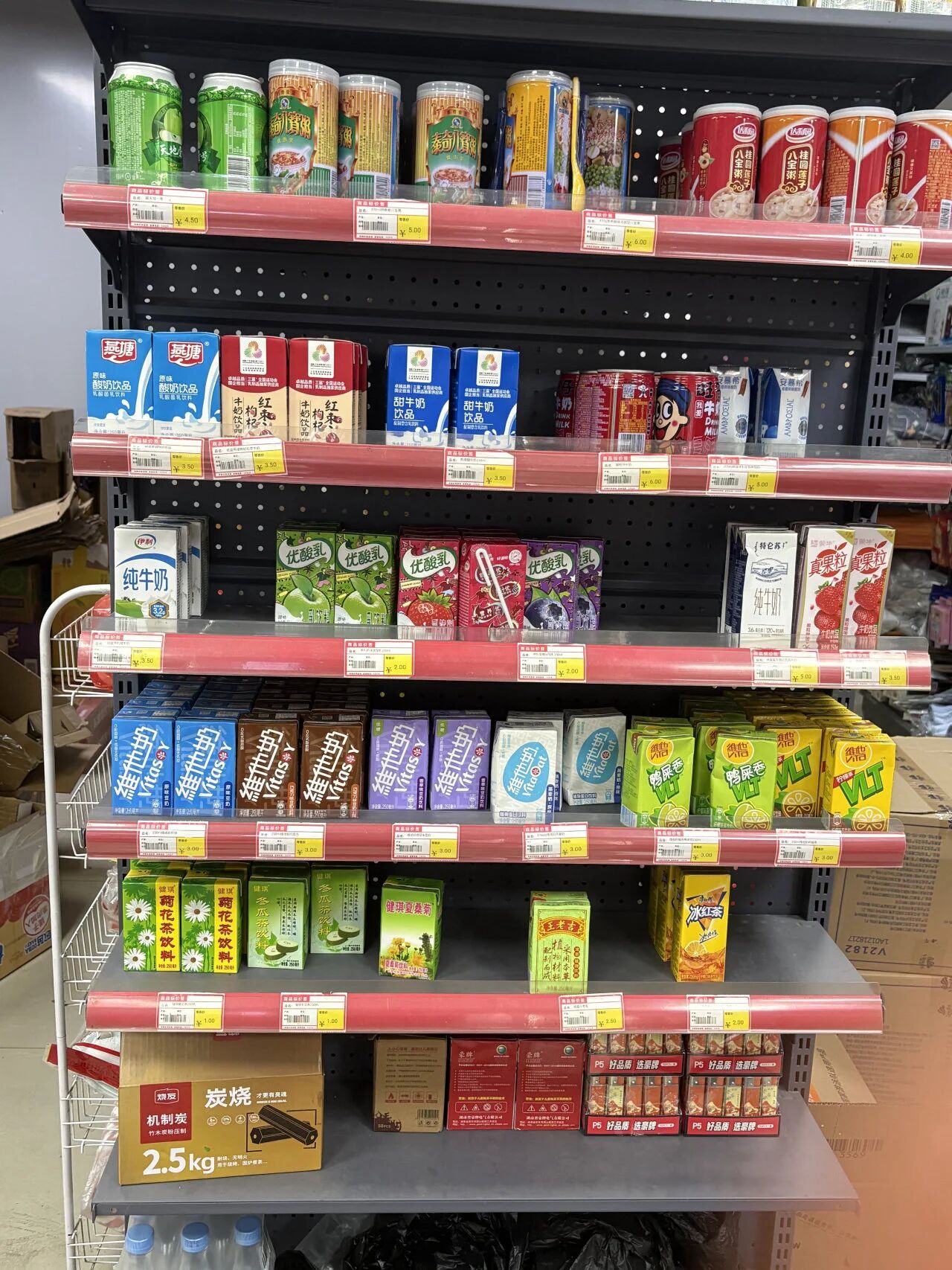
For ordinary consumers, the processing stage of dairy products from dairy companies is opaque. Whether consumers can obtain safe dairy products depends entirely on corporate brand reputation and state oversight. Under current strict state oversight of dairy products, does that mean dairy products from major brands are safe? Not so.
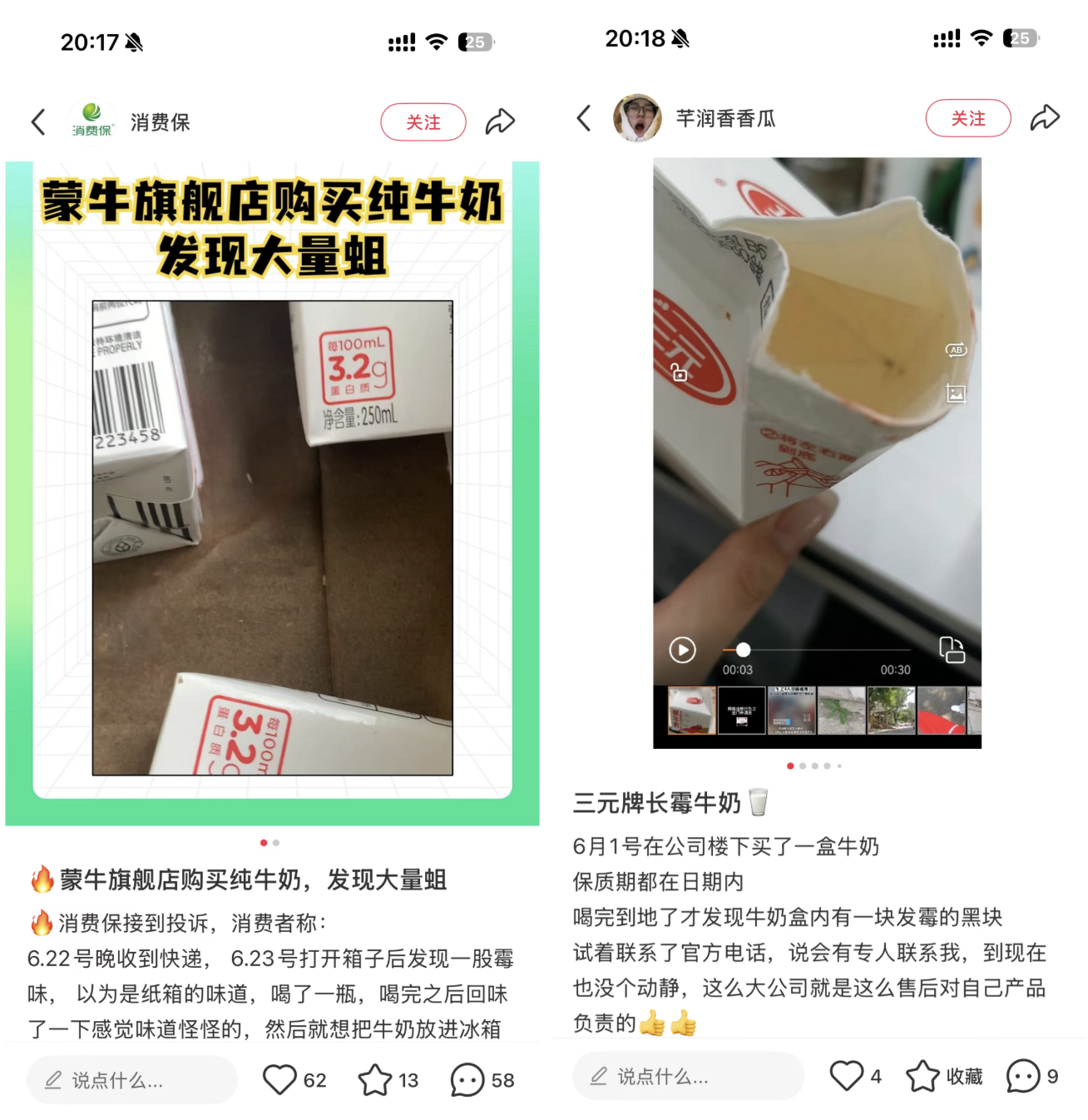
As shown in Figures 1 and 2, the milk with maggots and the mouldy milk were both from well-known major brands. Because dairy companies process milk on a large scale, if a safety problem arises in the processing stage, the scale of the milk products affected is also likely to be large.
This situation shows that relying on top-down state oversight cannot guarantee the safety of the processing stage. Against the background of frequent food safety problems in China, even when there is no quality problem visible at a glance and the ingredient list is completely clean, many consumers still feel uncertain about whether the product is actually safe.
Viewpoint 4: Small milk farmers produce in a dispersed way, are hard to supervise, and should therefore be eliminated.
Rebuttal:
First, why is regulation needed? This involves the structure of the industry chain and the openness of the market.
Second, this involves different approaches to regulation, and the other approach is not necessarily better.
Suppose that good milk commands a high price: would the dairy farming side fail to keep cows well? No. But if they use the best feed, the best veterinary medicines, and the most careful and meticulous care, and produce the best milk, yet cannot control the milk price themselves, or it is even deliberately suppressed, who would be willing to keep cows well? A natural incentive to cut corners will arise.
This is precisely the situation facing China’s dairy farming side, even more so for small milk farmers. Raw milk is difficult to store, and the dairy farming side is naturally weaker than the processing side. The disparity in power between the dairy farming side and dairy companies is even greater for small milk farmers. This power imbalance gives dairy companies a strong ability to suppress prices relative to dairy farmers.
At the same time, China’s raw milk also faces competition from imported dairy products. Compared with pasture-grazing cow-rearing, China’s barn-based cow-rearing model has a natural cost disadvantage. However, China is one of the countries in the world with the greatest openness in its dairy products market, and the average tariff on imported dairy products is only one-fifth of the international average. New Zealand is the world’s largest exporter of dairy products, and China has a free trade agreement with New Zealand. At present, New Zealand dairy products can enter China tariff-free. The influx of cheap imported milk has helped China’s dairy companies suppress prices paid to the dairy farming side.
Given that good quality cannot guarantee a good price and investment may be lost entirely, farmers are naturally unwilling to invest, and regulatory problems naturally arise. This is not a problem with the smallholder mode of production organization, but with the structure of the dairy industry chain and China’s dairy opening-up policy.
Second, large dairy farms + major dairy companies + top-down state oversight is the main model for overseeing China’s dairy products. The formation of this model is linked to the melamine incident. The unprecedented emphasis on dairy product safety created by the incident, and the government-level mindset that linked food safety with large-scale production, led the government to push strongly for the scaling-up of both the dairy farming side and the processing side.
But as Figures 1 and 2 show, this oversight model has not brought genuine food safety. On the contrary, this model has strengthened the power of major dairy companies. As a source of local tax revenue, corporate power can distort government behaviour, which is not conducive to food safety oversight.
The dairy companies’ strategy of favouring large operators and pushing out small ones has also increased the power imbalance between small milk farmers and dairy companies, allowing the companies to squeeze small milk farmers, because small milk farmers have fewer dairy companies to choose from.
At the same time, this model increases the distance between production and consumption, exacerbates the opacity of processing, and weakens consumers’ oversight of the production process. Therefore, this top-down food oversight model of favouring large operators and pushing out small ones does not necessarily guarantee food safety.
Small milk farmers’ production and processing represent another model of food safety oversight. Besides selling milk to dairy companies through intermediaries, smallholders may also sell raw milk and yoghurt directly to consumers themselves. This model emphasises localised production and consumption, making it easier for consumers to oversee producers; it is a bottom-up oversight model.
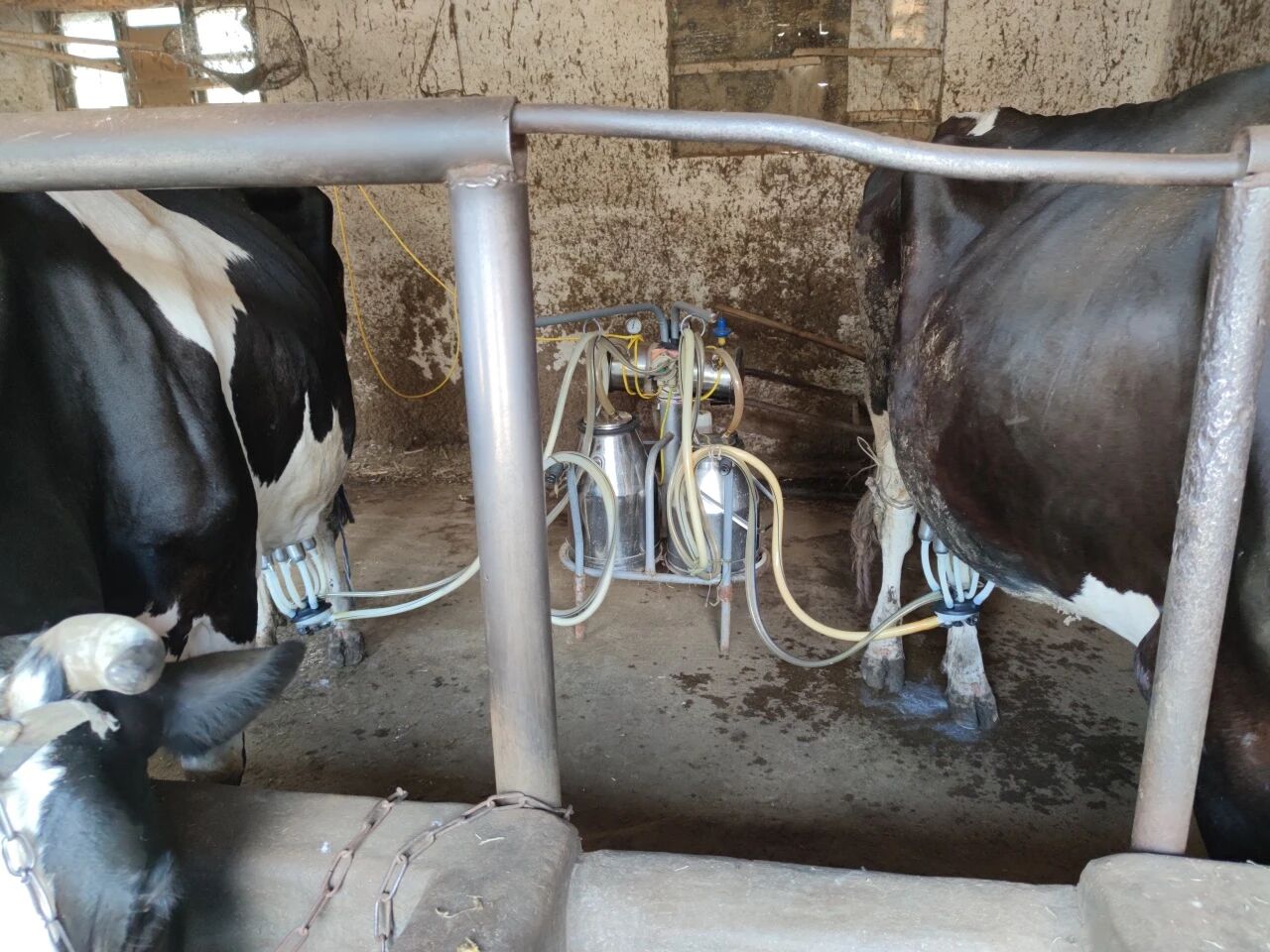
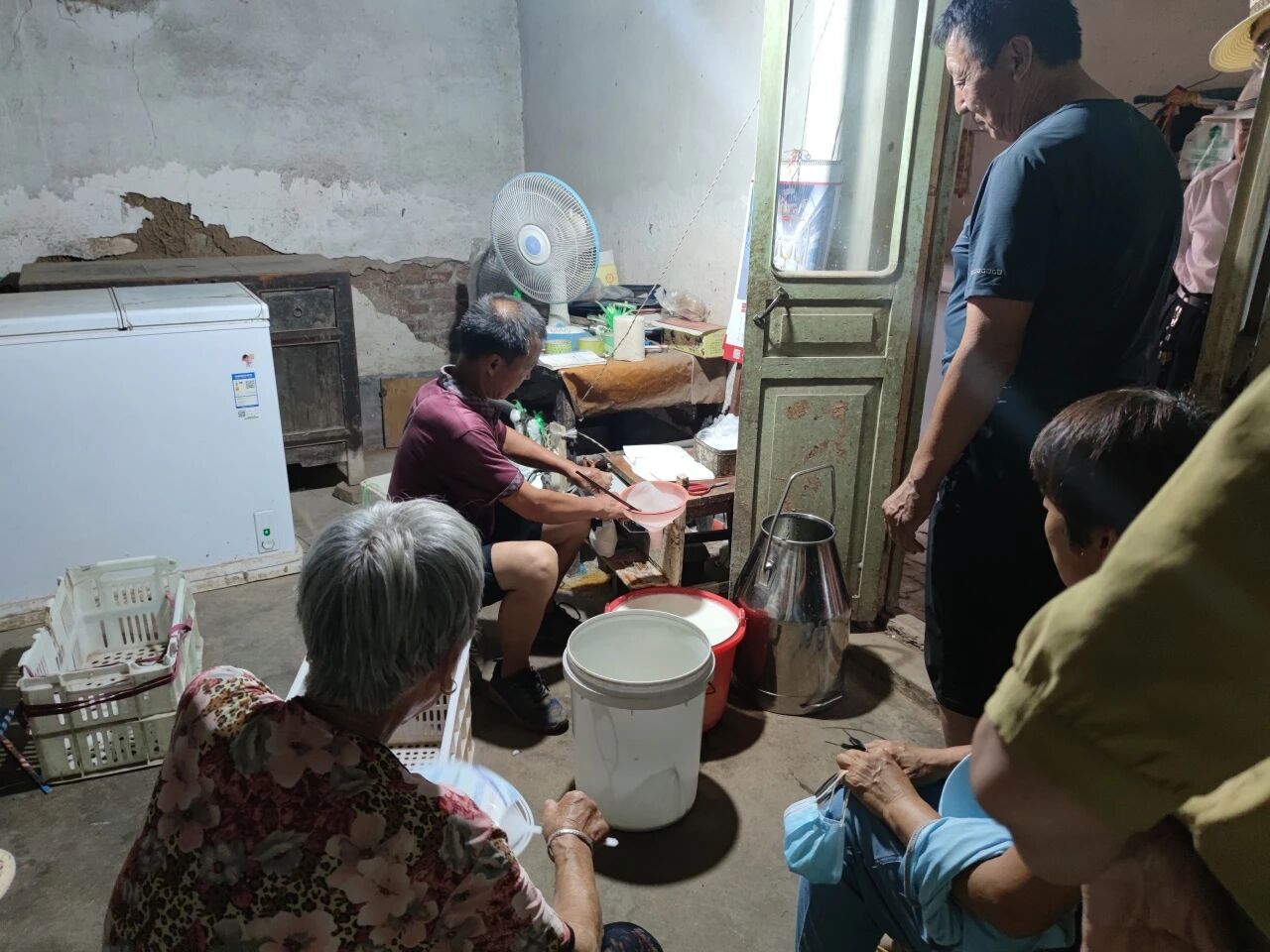
As Figures 3 and 4 show, small milk farmers produce and sell their own milk. Consumers come to the farmers’ homes and can see whether the cows are healthy, what feed they eat, whether the cowshed is clean, what the milking process is like, and how the milk is filtered and packaged.
The way milk sold in supermarkets is produced and processed is opaque, whereas for small milk farmers’ milk these processes are transparent; this is itself a form of oversight. Moreover, localised production and sales bring producers and consumers closer together, making them acquaintances, and this relationship further becomes a safeguard for food safety.
Under this model, the production-and-sales relationship is also more balanced, which is beneficial for food safety. Not to mention the cost savings from local production and sales, and the benefits they bring to the local economy.
II. Raw Milk Nutrition: Smallholder Dairy Farms vs. Large Dairy Farms
First, in terms of nutritional composition, the milk from small milk farmers is indeed less nutritious overall than that from large dairy farms.
For example, among 30,351 raw milk samples collected by the National Centre for Food Safety Risk Assessment from 18 dairy companies in 17 provinces between January 2014 and February 2015, the protein content was (3.18±0.14)% for large-scale dairy farms, (3.07±0.12)% for centralised dairy farming settlements, and (3.00±0.14)% for smallholders.
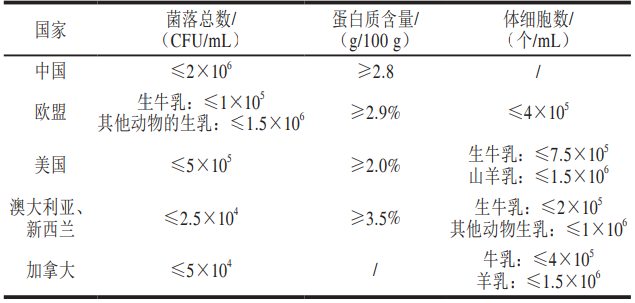
Second, do we really need the more nutritious milk from large dairy farms?
The 2016 edition of the “Chinese Dietary Guidelines”, formulated by the Chinese Nutrition Society, recommends that each person consume no less than 300 g of milk and dairy products per day; its 2022 edition is more explicit, recommending 300–500 g per person per day.
Per 100 g of milk, smallholders’ milk has about 0.2 g less protein than large dairy farm milk. If each person consumes 500 g of milk per day, the cumulative daily difference is only about 1 g of protein, which is negligible relative to the body’s daily protein requirement. As for other trace elements, the difference is even more slight.
Moreover, Chinese residents are not lacking in protein. In 2015, a survey covering 15 provinces and municipalities across China showed that among residents aged 18–64, the median protein intake was 68.5 g/day for men and 57.9 g/day for women, already above the Chinese Nutrition Society’s recommended intake.
The “Report on the Nutrition and Chronic Disease Status of Chinese Residents”, published in 2020, monitored the chronic disease and nutritional status of Chinese residents from 2015 to 2019, covering 31 provinces and municipalities nationwide, a population of nearly 600 million, with more than 600,000 people interviewed on site. The report points out that at present urban and rural residents in China have adequate intake of protein, fat, and carbohydrates.
Therefore, given the current nutritional status of Chinese residents, it is not necessary to pursue the milk from large dairy farms for such slight nutritional improvement.
Third, the nutritional level of raw milk is unrelated to the scale of the farm where it is produced.
So, why is the nutritional level of small milk farmers’ milk in China lower? This is related to dairy companies. Dairy companies pay higher raw milk prices to large dairy farms than to small milk farmers. Dairy companies also rate large-scale dairy farms, with the rating tied on the one hand to feed and on the other hand to milk prices. This encourages large-scale dairy farms to use high-quality feed, such as imported lucerne. Meanwhile, low milk prices affect smallholders’ feed investment.
III. Summary
In terms of the nutritional value of raw milk, China’s large dairy farms outperform smallholder dairy farms, but the milk from smallholder dairy farms as a whole meets the national standard. Chinese residents are currently well nourished, so there is no need to pursue the milk from large dairy farms for slight nutritional improvement. The nutritional level of raw milk also has nothing to do with the scale of the producing farm; small farms can likewise produce highly nutritious raw milk. The key is to uphold the principle that good quality earns a good price.
[2] “A History of China’s Dairy Industry (Special History Volume)”, 2013, China Agricultural Publishing House, p. 336.
[3] “National Dairy Industry Development Plan (2016–2020)”, 2017, http://www.moa.gov.cn/nybgb/2017/dyiq/201712/t20171227_6129544.htm
[4] Yuting Zhong, Jun Wang. 2016. An Investigation into the Current Status and Influencing Factors of Protein Content in Raw Milk in China. “Chinese Journal of Food Hygiene”.
[5] “A Comparative Analysis of Milk and Dairy Product Regulations and Main Testing Indicators in China and Abroad”. 2021. https://www.cabidigitallibrary.org/doi/pdf/10.5555/20210528103
[6] “Chinese People Do Not Lack Protein”. 2022. https://www.cdstm.cn/gallery/media/mkjx/xgbnysdw_6453/202205/t20220515_1069139.html
[7] “Chinese Dietary Guidelines 2022: Why Has the Recommended Intake of Milk and Dairy Products Been Increased?” https://www.news.cn/food/20220528/18cbfc0edd074ac2863e6b39f7e98af7/c.html
[8] “Chinese People Do Not Lack Protein”. 2022. https://www.cdstm.cn/gallery/media/mkjx/xgbnysdw_6453/202205/t20220515_1069139.html
Editor: Xiaodan