
Who Has Dragged Down the “High-Standard Farmland” Standard?
In November 2025, Meishan farmer Zhao Lishun shook his head in heartache as he looked at the village’s rice fields, left unharvested. But these fields were not his, nor the villagers’ any longer; they belonged to the “boss” — a large-scale land tenant from outside the area who took the land through land transfer. At the end of 2024, hundreds of mu of land across several teams in the village were uniformly transferred and converted into high-standard farmland (abbreviated below as “high-standard farmland”).
In the villagers’ eyes, these neglected fields were hard to call “high standard”. It was not until after the Spring Equinox that the boss hastily sowed the paddy rice seeds. Zhao Lishun described the sowing scene in his memory: without raising seedlings, handfuls of seed were thrown into dry fields far too densely, as if they were free, for direct seeding. He wondered: what on earth could grow from this?
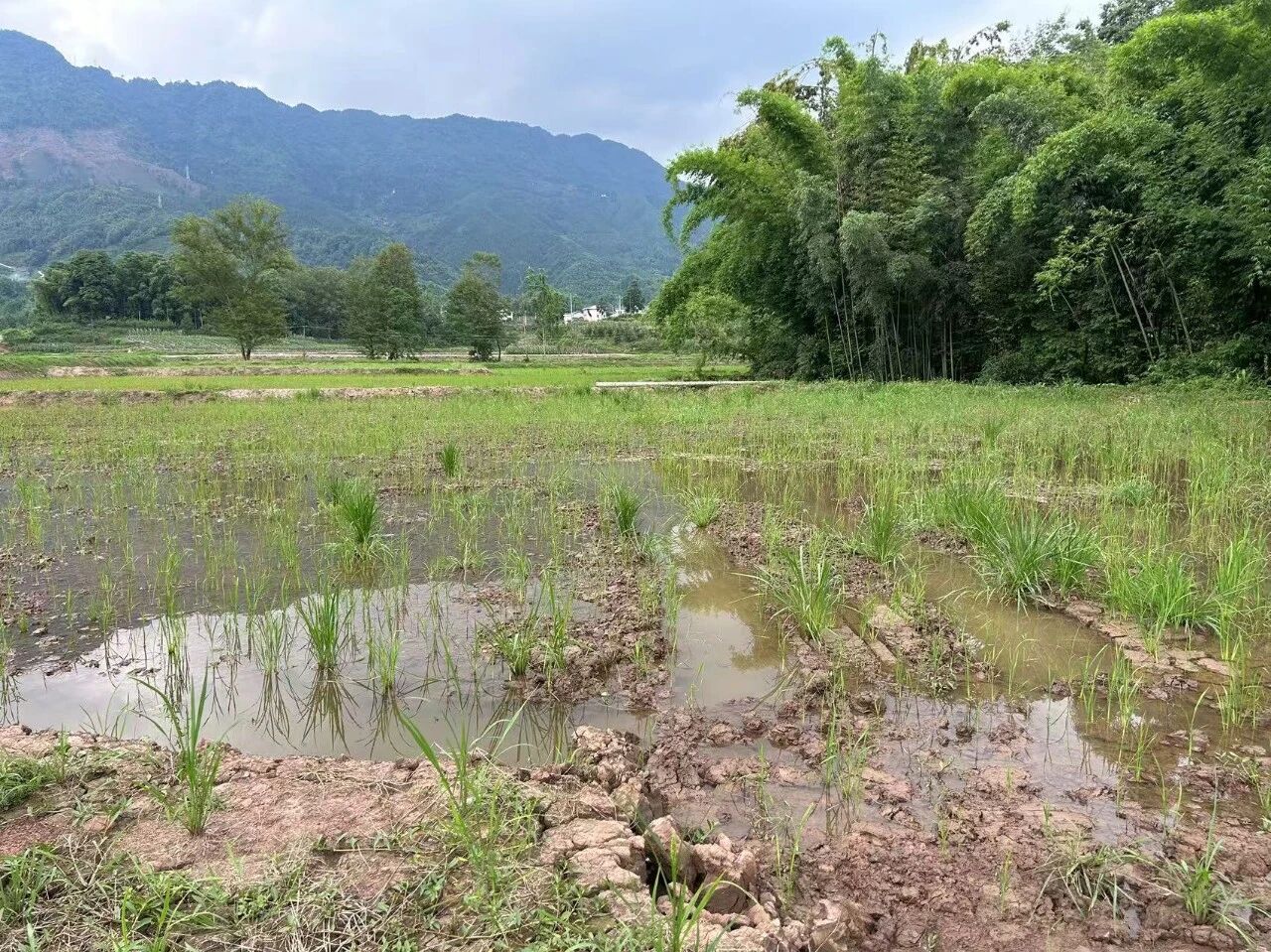
By autumn, the harvest had actually turned out better than the villagers had expected. They guessed that the boss might have chosen a good variety, but more likely he had used too much chemical fertiliser and herbicide. “Drones were flying right overhead.” A villager gestured.
Unfortunately, in October the rain kept falling without a break, delaying the harvest. The boss did not seem to worry about the harvest as much as smallholder farmers. With much of the paddy rice already mouldy, it was not until 8 November that tracked tractors from outside the area rumbled into the soft, waterlogged, rain-soaked rice fields. Some of the lodged, head-drooping rice could no longer be harvested. Several fields had not been harvested at all in time. The boss left word: whatever you cannot harvest, feel free to pick up for yourselves.
Many people only dared to use the paddy rice they picked up to feed their chickens.
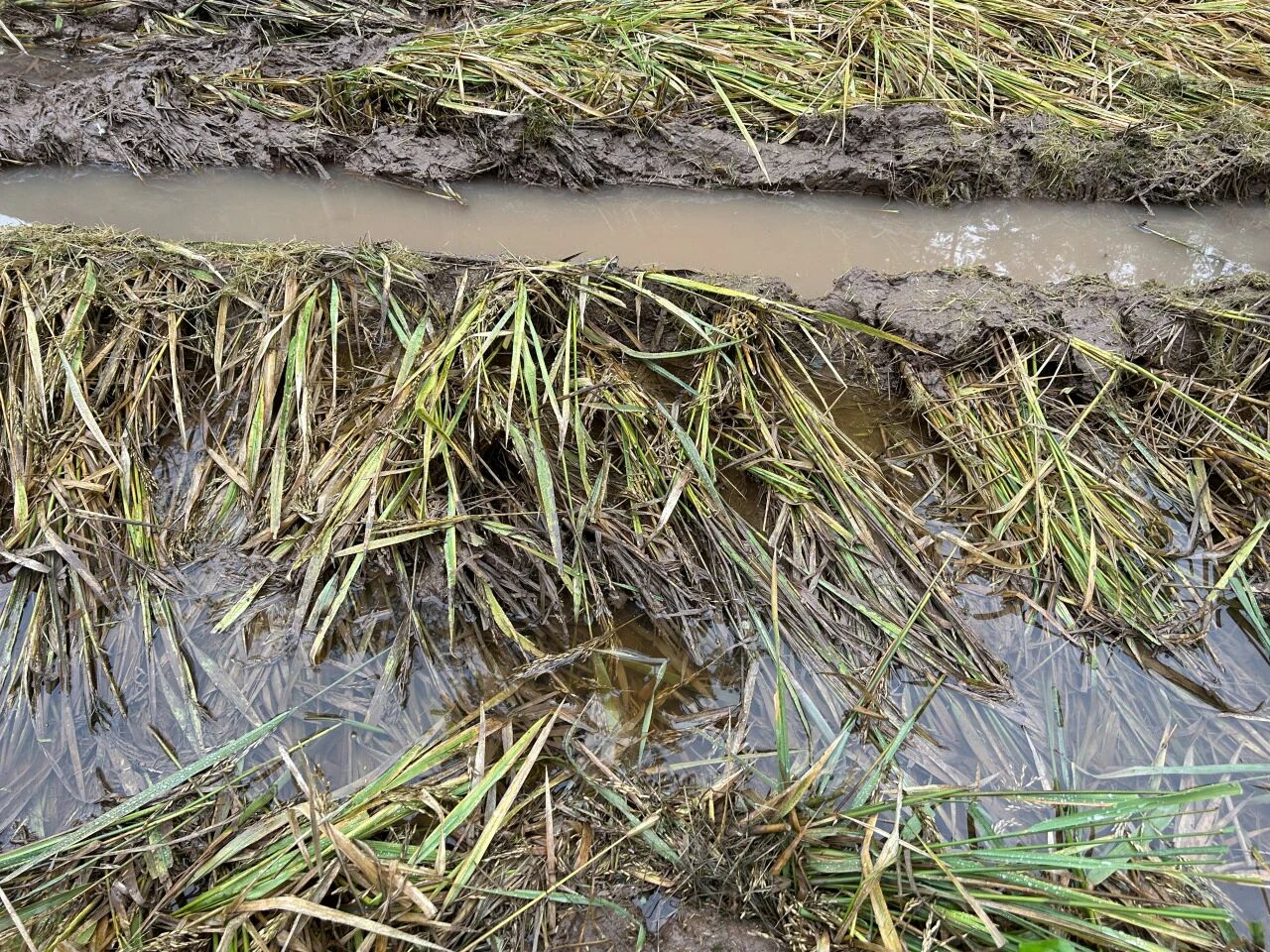
In addition to the casual management, Zhao Lishun also felt that the field ridges had been raised too high. He had once pointed, with heartache, at a cracked, waterlogged field. In official language, high-standard farmland is “consolidated in contiguous plots, with complete facilities”, but because this field had accumulated too much water, the high field ridges had already been washed away. “It’s no longer a field!” He wanted to know: the people who came to operate the excavators had never farmed themselves — how should the fields be remodelled, and why not ask the local veteran farmers?
His observations were clearly far from the goals of high-standard farmland — “land levelling, consolidated in contiguous plots, complete facilities, farm supporting facilities, fertile soil, a good ecological environment, strong disaster-resistance capacity, and drought- and flood-safe high and stable yields, in line with modern agricultural production and management practices”.
Over the years, the Central No. 1 document has repeatedly called for accelerating the construction of high-standard farmland, regarding it as an essential requirement for ensuring food security. This guarantee is reflected in two aspects: first, by improving the quality of cultivated land to increase grain output; second, by promoting large-scale operations through land transfer, so as to address the problem of “who will farm the land in the future”.
At present, China has built 1 billion mu of high-standard farmland, reaching two-thirds of the country’s 1.546 billion mu of permanent basic farmland. In April 2025, the General Office of the CPC Central Committee issued a document aiming to turn all permanent basic farmland that meets the conditions into high-standard farmland by 2035.
However, the “high standard” in red-header documents has degenerated into “low standard” in the fields. The remodelled soil and water conservancy facilities do not necessarily meet actual needs, and have even become a reason for farmers to abandon their fields — a farcical scenario playing out in many places.
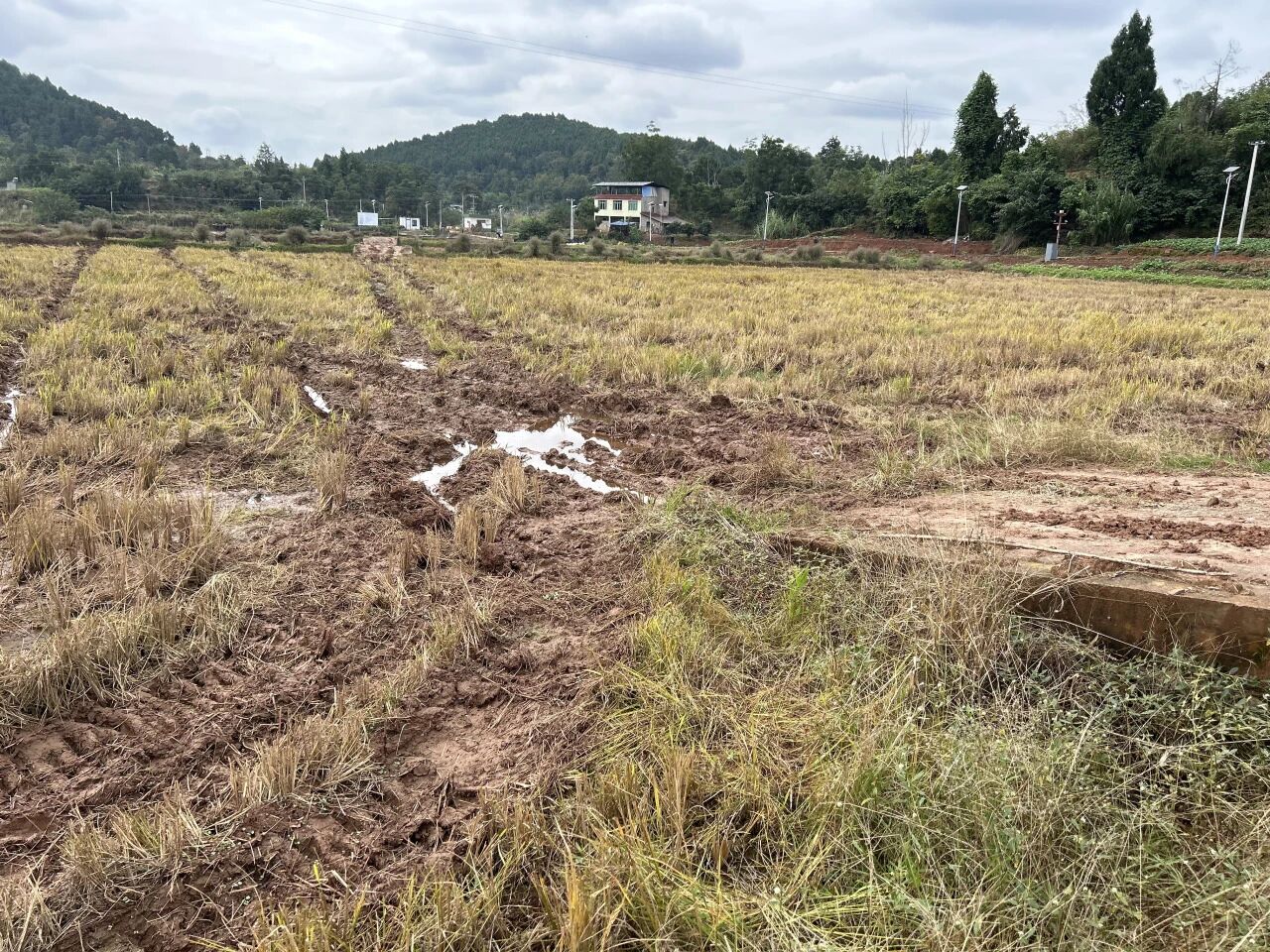
The land transfer carried out alongside the renovation has also left villagers increasingly estranged from the land. In several villages around Chengdu, village committees called on each brigade to take in villagers’ land, then use village collective cooperatives to transfer the fields in a unified way to a “leading company” — the leading company pays land transfer fees to villagers while looking for suitable entities to take on the fields. Some are heartbroken to see their own fields transformed beyond recognition after the land transfer, while others comfortably embrace the change because of the land rent of 600 to 800 yuan per mu.
But consolidating small fields into large ones does not necessarily mean higher yields or greater efficiency. Whoever operates the large fields, if they find farming neither easy nor profitable and then leave, the cost of breaking the large fields up again and returning them to smallholder farmers is high — so who will take responsibility for the land and food security, and to what extent has the renovation achieved the “high-standard” objective of cultivation?
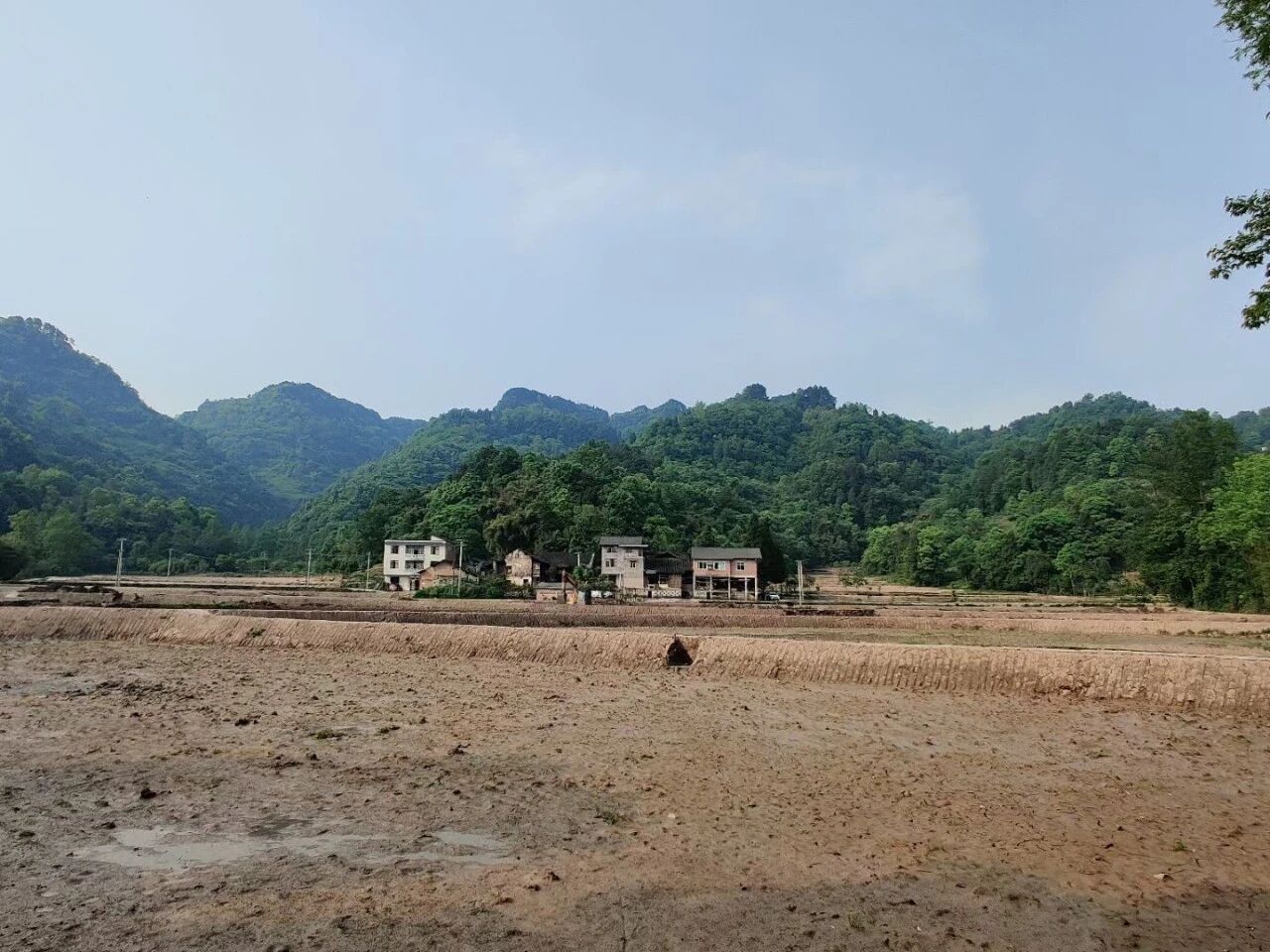
I. Consolidating Small Fields into Large Fields, Turning Good Soil into Poor Soil
Four years after the high-standard farmland was built, in 2025, the village collective in Village B around Chengdu had to hire people to redo the land preparation — for more than 300 mu of rice fields, costing more than 300 yuan per mu. This cost close to 100,000 yuan in one go and also delayed spring sowing. The village secretary said this was already the second renovation after the high-standard farmland renovation. “Before the (second) renovation it was even more exasperating — one little puddle (small waterhole) here, another there.”
Xu Runtian has long been engaged in agricultural extension in Sichuan. He thinks that, unlike the sandy loam of the plains, the hilly areas of Sichuan are mostly clay, with smaller soil pores, and levelling is more laborious; only through years of careful tending by farmers had the land formed into a patchwork of well-ordered, level surfaces, but high-standard farmland is so large that for excavator operators to push out such a surface relying only on “a feel” is far from realistic.
In Village A, where pears are grown, more than 30 mu of sloping land out of the 1,000 mu fields had long been in this state, where water could not drain away. Zhang Xiaoqin, who works in the pear orchard, said that in summer the waterlogging was even worse; the boss had many more ditches dug, and the workers tried all kinds of ways to drain it, but in this small patch the pear trees still drowned, and machinery could not get in. Before the renovation, this had been the best place in the village for growing rice.
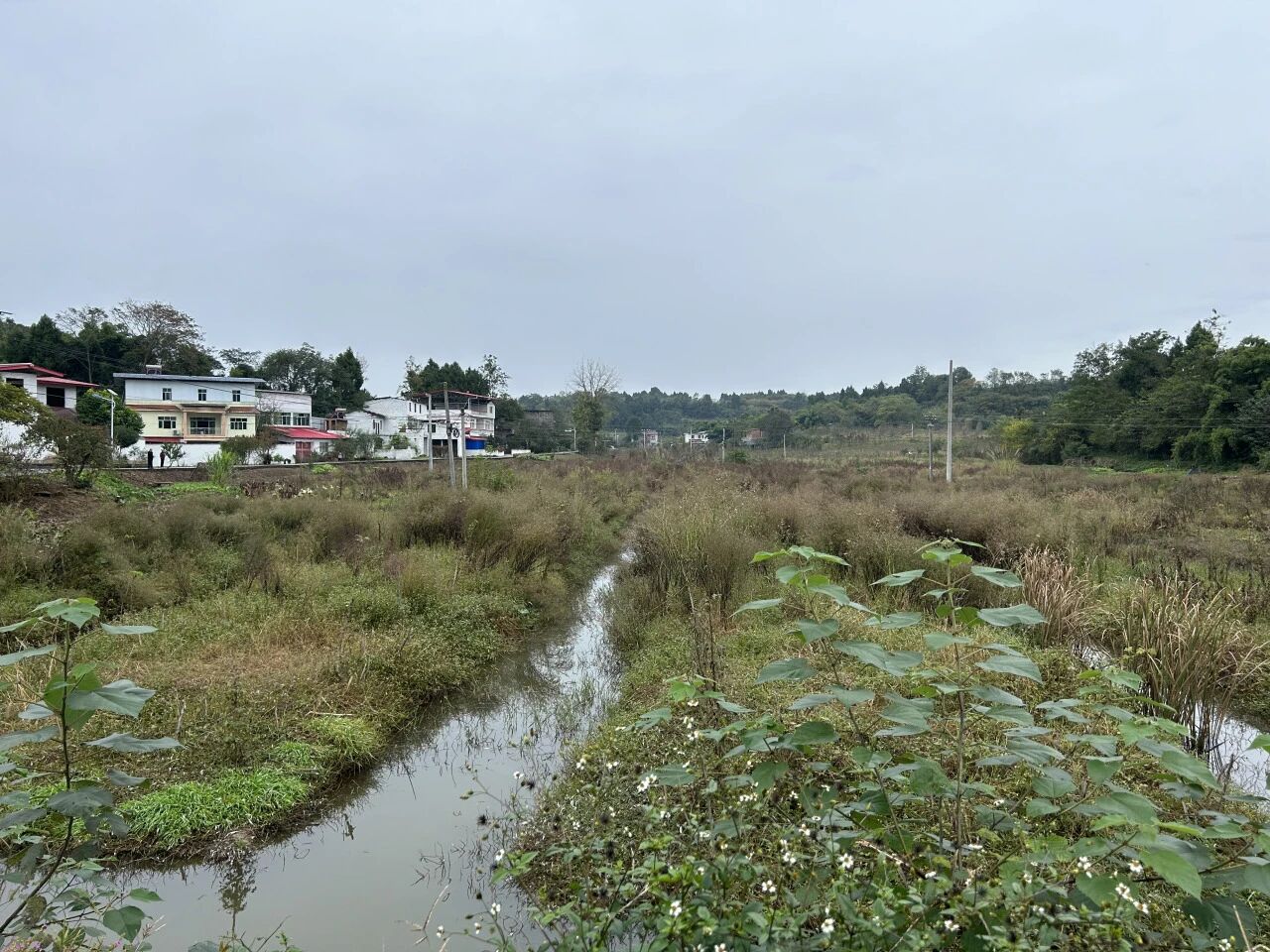
Visiting several villages in Sichuan, Xu Runtian found that, now that small fields have been consolidated into large ones, anyone who wants to farm the land must re-dig ditches after high-standard farmland renovation, otherwise water cannot be drained away. If the company that takes on the farmland does not dig the ditches, the work has to be borne by the village collectives or individual villagers.
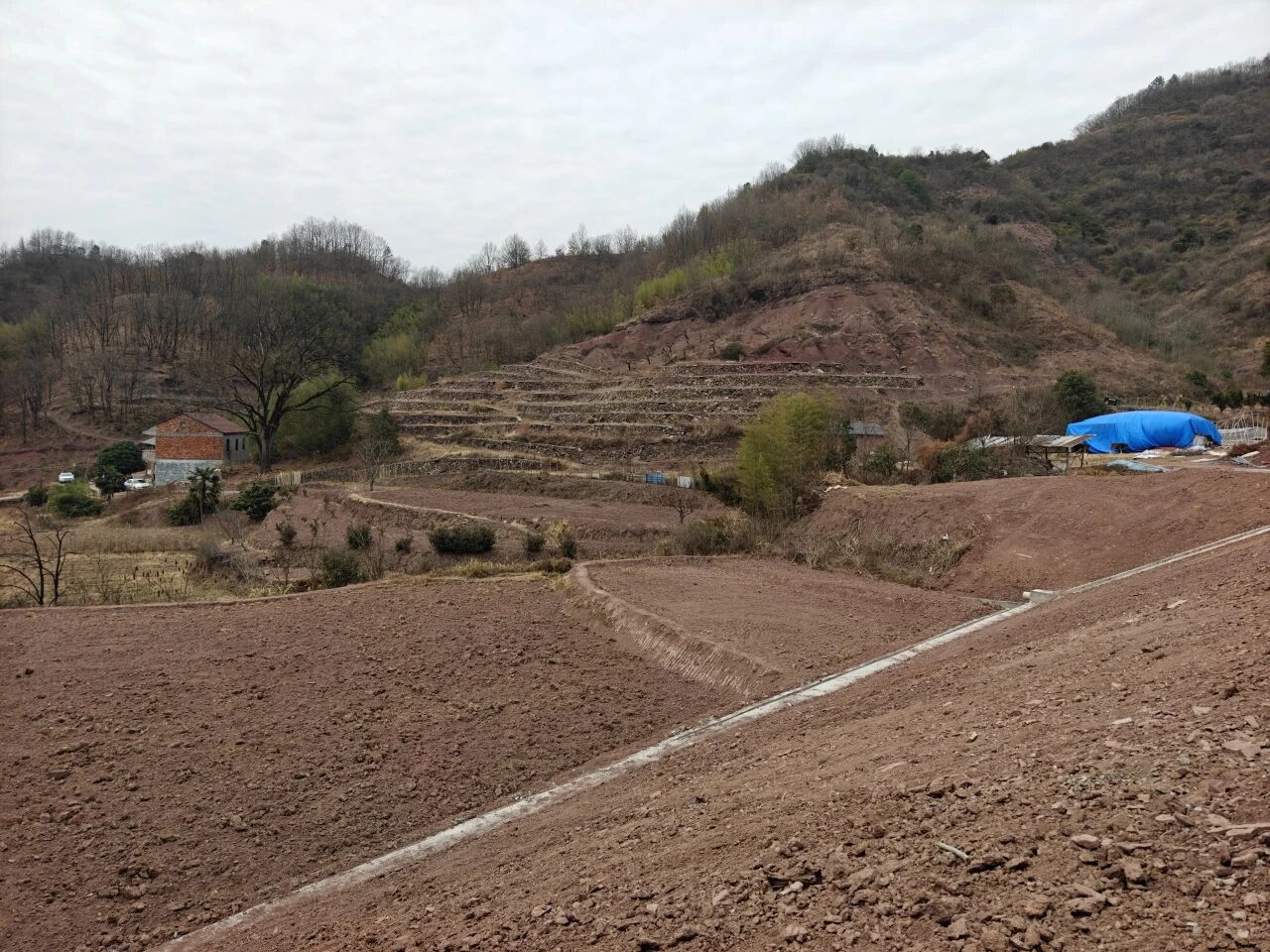
Field consolidation is often accompanied by soil renovation. According to the 2013 National Overall Plan for the Construction of High-Standard Farmland, when tidying up plots, the first priority is to protect soil fertility: the fertile topsoil needs to be stripped and backfilled, the effective soil layer thickness of farmland needs to reach more than 50 cm, and the plough layer thickness needs to reach more than 20 cm. “Effective soil layer thickness” has also long been a basic evaluation indicator for the acceptance of high-standard farmland. In practice, meeting this standard is difficult.
Several village Party branch secretaries and large-scale farmers in Zhijin County, Guizhou, had told Foodthink that during high-standard farmland renovation, excavators turned the good soil down and brought the subsoil up, and the 3,000 jin per mu of organic matter required by regulations to be spread was nowhere to be seen. “They have destroyed the only bit of good soil the ordinary people had. Rice cannot be grown, and maize cannot be grown either. All that is left is to abandon it and wait for grass to grow,” one village Party branch secretary said with sorrow. They felt the policy’s original intention was good, but implementation had distorted it.
II. Engineering Thinking Hits a Wall in Agriculture, More Technology or More Corruption?
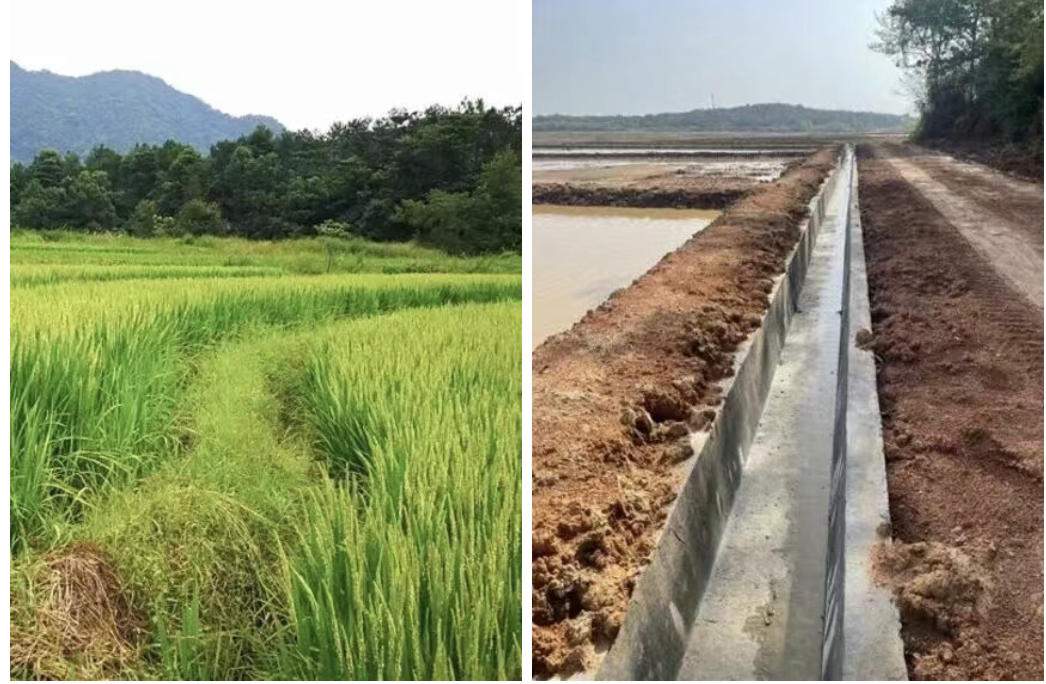
In Meishan, two lift irrigation stations were also built in Zhao Lishun’s village last spring. But he had never seen water come out. When the spring drought was severe, villagers still had to pump water from the river themselves, and one electric pump burned out.
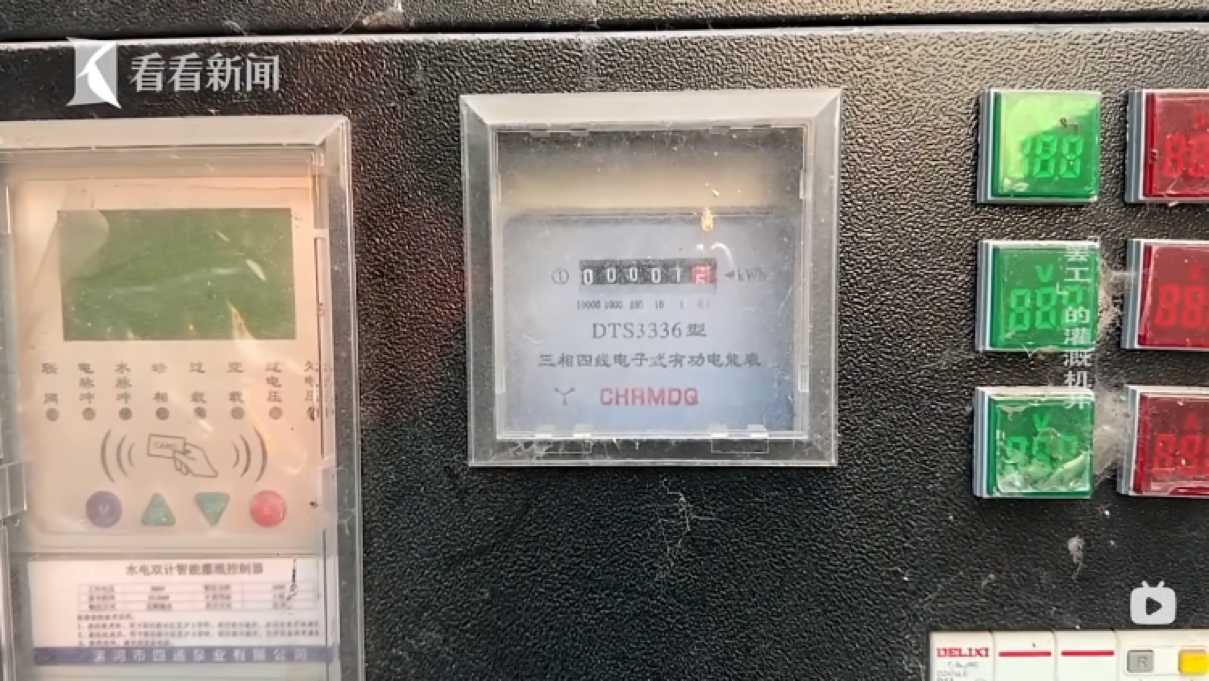
In mid-June 2024, Henan suffered a severe drought. Media randomly visited 10 villages in Xiayi County, only to find that the pumped wells in the high-standard farmland generally produced no water. Some were because of a lack of electricity, while others were because the pipes had not been buried properly. In urgent need of water, farmers had to dismantle the smart irrigation equipment installed on the pumped wells and use the old method of pumping water to irrigate the fields; some even used electric tricycles to provide power to the pumped wells, and in two days they could irrigate only four mu. After more than ten days of continuous drought, a heavy rain finally eased the crisis.
A Shaanxi grower’s kiwifruit orchard was also fitted with drip irrigation facilities as a result of high-standard farmland renovation. This was the third time the orchard’s canal irrigation had been renovated since the water resources bureau’s “water-saving irrigation project” and the National Development and Reform Commission’s “ecological park project”. “We jokingly said, ‘Hurry up and install it; once it is installed, the ordinary people will quickly take it down, and you can take your money.'” He told Foodthink that the key to drip irrigation is pressurising and filtering the water source, while the contractor only concerned itself with laying pipes to draw water from the canal, “just like wanting to inflate a car tyre, but having no air compressor.” These armchair pipelines could only be scrapped in the end.
One of the goals of high-standard farmland renovation is drought- and flood-safe harvests, but in reality, shoddy construction may make farmers more vulnerable when facing weather disasters.
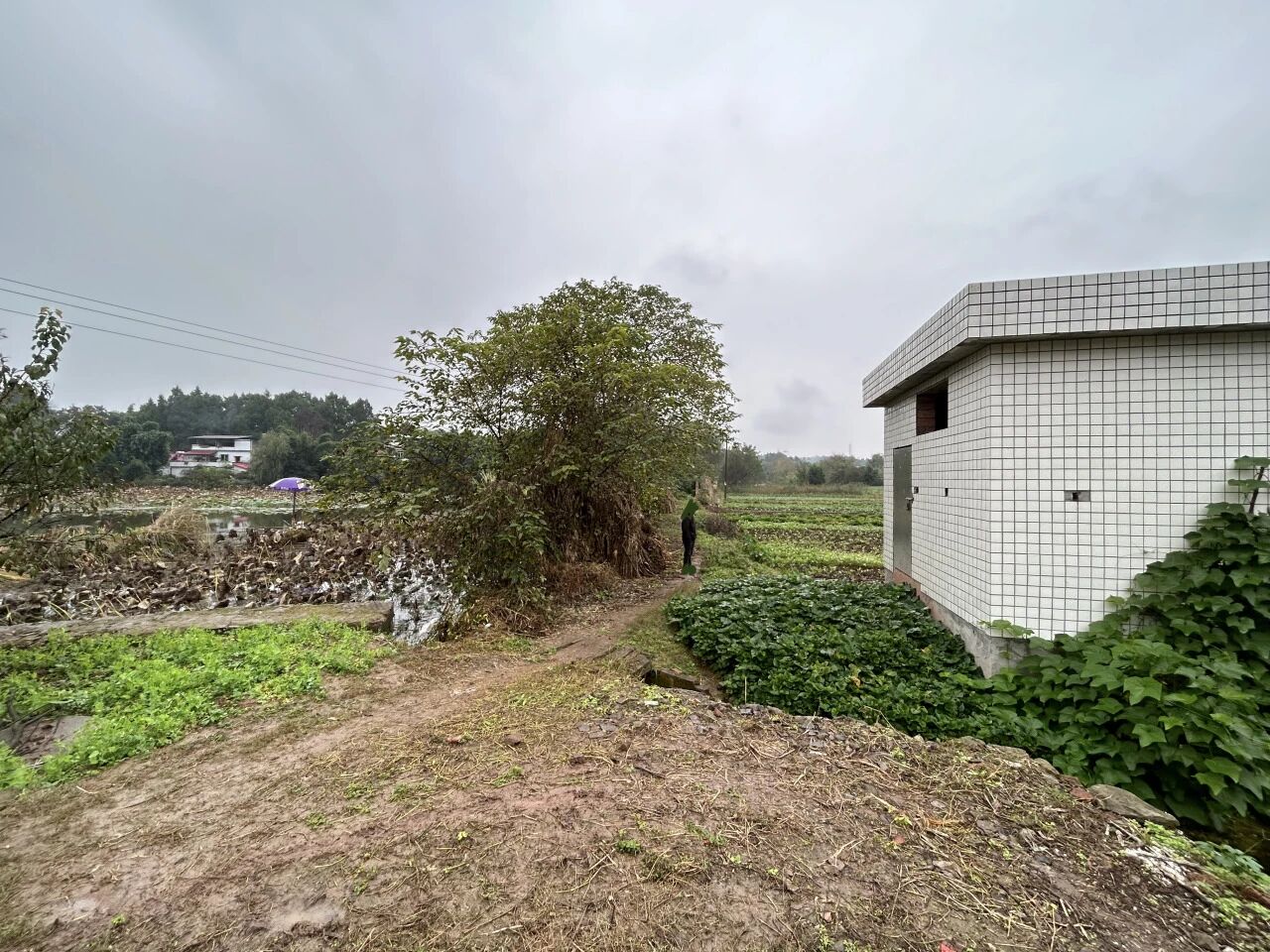
In recent years, cases have repeatedly emerged in various places of high-standard farmland being built with cutting corners, abandoned and left overgrown with grass. Together with the examples discussed above, they point to one possibility: the space for corruption inherent in top-down, layer-by-layer subcontracted project systems.
According to survey data from relevant departments disclosed by the People’s CPPCC Daily, in 2020 the national average construction cost for high-standard farmland was 3,046 yuan per mu, and in some hilly and mountainous areas it could reach more than 5,000 yuan. In the memories of Xu Runtian and the old village secretary of Village A, the funding for high-standard farmland renovation revealed by township leaders was even higher.
In 2022, the construction of 115,000 mu of high-standard farmland in Binhai County, Yancheng City, Jiangsu Province, involved a total investment of 349 million yuan. The following year, CCTV’s 315 Gala reported that the concrete irrigation pipes used for water diversion in local high-standard farmland had widespread problems such as exposed reinforcement and damage, and did not meet the national standard. The reason was that, to save money, the contractors chose cheap, poor-quality non-standard pipe, and then bought a few sections of national-standard pipe for the supervising party to inspect.
In 2024, Yicai reporters found, after reviewing the available reports, that reports from at least 12 provinces had pointed out irregularities in the construction of high-standard farmland, including high-standard farmland being planned within forest and grassland, tender documents setting conditions that restrict potential bidders, agricultural wells being constructed without a hydrological survey beforehand, falsely reporting work to defraud fiscal funds, and idling and land abandonment.
These construction problems have been passed from one side to another and have ultimately become a dilemma in grassroots governance. In Village A, the old village secretary, who had already stepped down, said that it had taken several years for the high-standard farmland construction to be signed off for acceptance. “The handover was being arranged, but it would not go through; the (contractors) had not been paid in full, and all over the village people were clamouring that it was an unfinished project — this had not been done right, that had not been done right, and the government seemed unwilling to take it over either.” Afterwards, the contractors came back to the village to patch things up.
According to a study by Guo Xiaoming and other scholars, a disconnect between the entities responsible for construction, use and maintenance is common in high-standard farmland across the country, and after the contractors leave, the responsibility for management and maintenance is often “stranded” at the village committee.
According to this study, after high-standard farmland is built, it is generally accepted by county-level agriculture and rural affairs departments. The assets created, such as farmland roads and water conservancy facilities, need to be handed over to township governments, and, on the basis of the project’s actual construction, transferred to village collectives after rights confirmation. The study also cites a set of data from a State Council audit report: In 2023, in 46 counties, townships and villages across 16 provinces, 2,761 agricultural infrastructure projects built with an investment of 6.929 billion yuan were left idle because of missing supporting facilities, an emphasis on construction over maintenance and other problems.
The person mentioned earlier, from a central province and familiar with the land administration system, also told Foodthink that construction payments for many high-standard farmland projects in the province were still outstanding, and that many officials and contractors involved in the projects had already been taken away by relevant departments for investigation.
After observing the operating mechanisms of high-standard farmland in several places, Chen Jingjing, a researcher in agriculture, rural areas and farmers, concluded that everything may look as though there are standards, procedures and supervision, but in reality it is all performative: everyone is “performing” in order to meet this set of correct, modern requirements. During its visits, Foodthink found that, at the grassroots level, there was no way for village Party branch secretaries, brigade captains or ordinary villagers to correct this engineered “performance”.
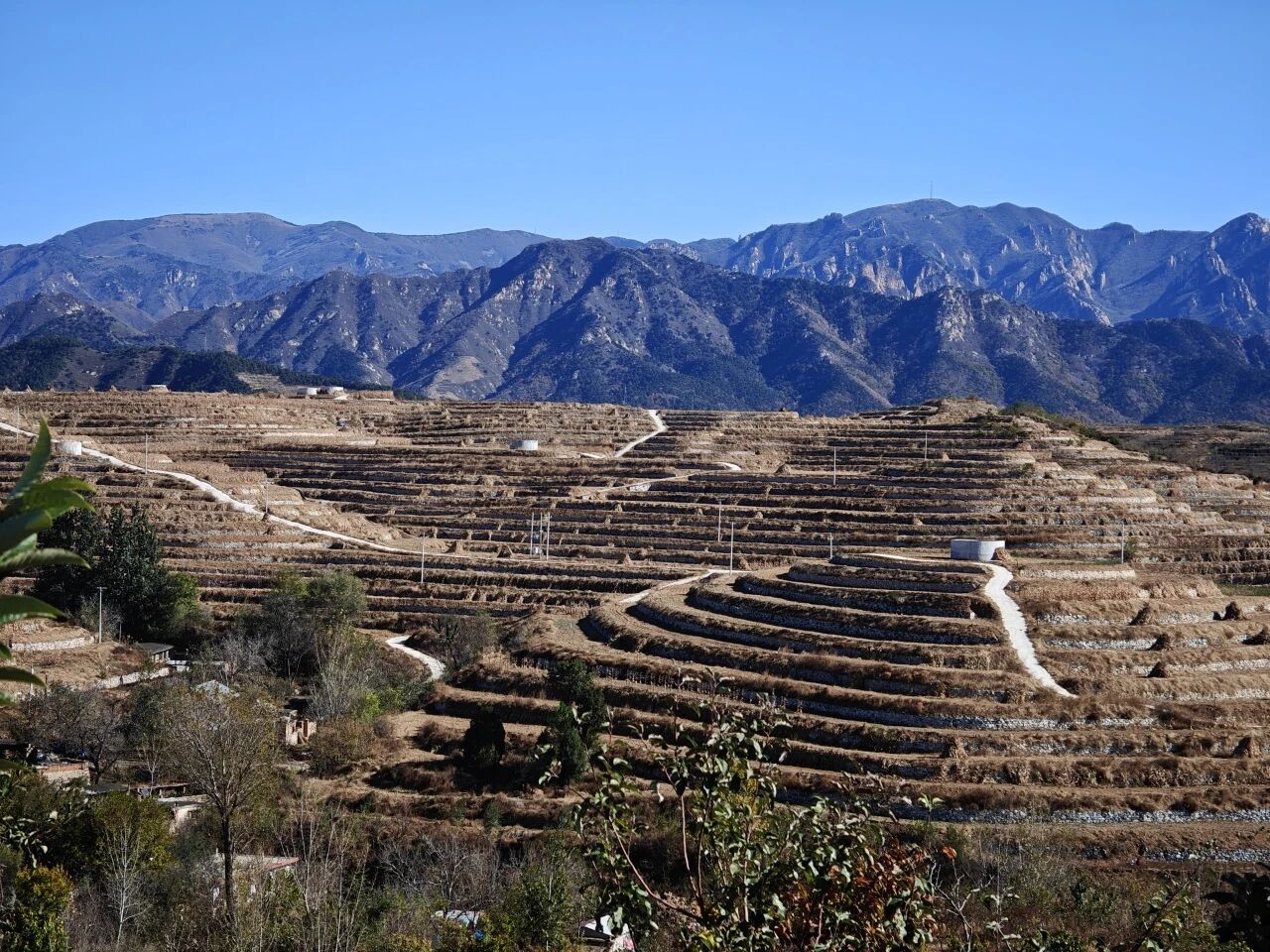
III. Is Scale the Key to Agricultural Efficiency?
But large-scale operations do not necessarily raise overall agricultural efficiency.
Among the several villages Foodthink researched, Village B is the only one that, after high-standard farmland renovation, is still farmed and operated by the village collective as the principal economic entity. The village has a lot of land — more than 5,000 mu — and six or seven hundred farm workers have stayed in the village; the village secretary has also worked in the village for 12 years straight. Four years into the collective economy, the village secretary has tallied the crop accounts since the high-standard farmland renovation.
At the end of 2021, the village reported 800 mu of high-standard farmland for renovation, and grows two grain crops a year. “With the plots made larger, we thought mechanised planting would save money and labour, and make it easier to find people,” the village secretary explained.
But once the land is no longer “contracted to the household”, less labour is required, yet it demands more of the growers’ crop management skills. In 2021, the 550 mu of soya bean under collective management was planted over such a large area that supervision was inadequate; the first crop of soya bean was hit by pests, and none of it was harvested.
In addition, because, as described earlier, excavators stripped away the fertile topsoil, the 350 mu of rice were all at a loss, with a yield per mu of only about 200 jin. Under the same drought conditions, because the topsoil had not been destroyed by high-standard farmland renovation and management was more attentive, rice grown by villagers themselves had a yield per mu of 800 jin.
Complex agricultural production tests management and experience. In fact, in the four years before 2021, Village B had also brought in outside bosses to take the land on to grow lotus-root ponds, but after three or four years the bosses’ returns from running the operation were no longer worth the 600 yuan per mu land rent — they “ran off”.
From 2023, the village collective adjusted its management model — returning crop management to the production team, with the team leader organising and managing it, and being paid 30 yuan per mu as a management fee plus a commission on yields. That autumn, rice achieved a yield per mu of 800–900 jin.
The scale of planting has increased year by year, but the secretary has admitted that, even in the best season, a planting operation of a thousand mu can earn at most just over 300,000 yuan. It is easy to imagine that, for outsiders holding several million yuan in capital and coming to the countryside to look for business opportunities, the rate of return on capital under the logic of agriculture is by no means as good as in industry or services.
Notably, Village B also applied for large-scale planting subsidies for nearly 2,000 mu — 200 yuan per mu for rice, 350 yuan for relay cropping of maize and soya bean, and 200 to 300 yuan per mu for wheat. These subsidies accounted for the other half of the profits from grain planting.
“I just like earning national subsidies,” the village secretary told us pointedly.
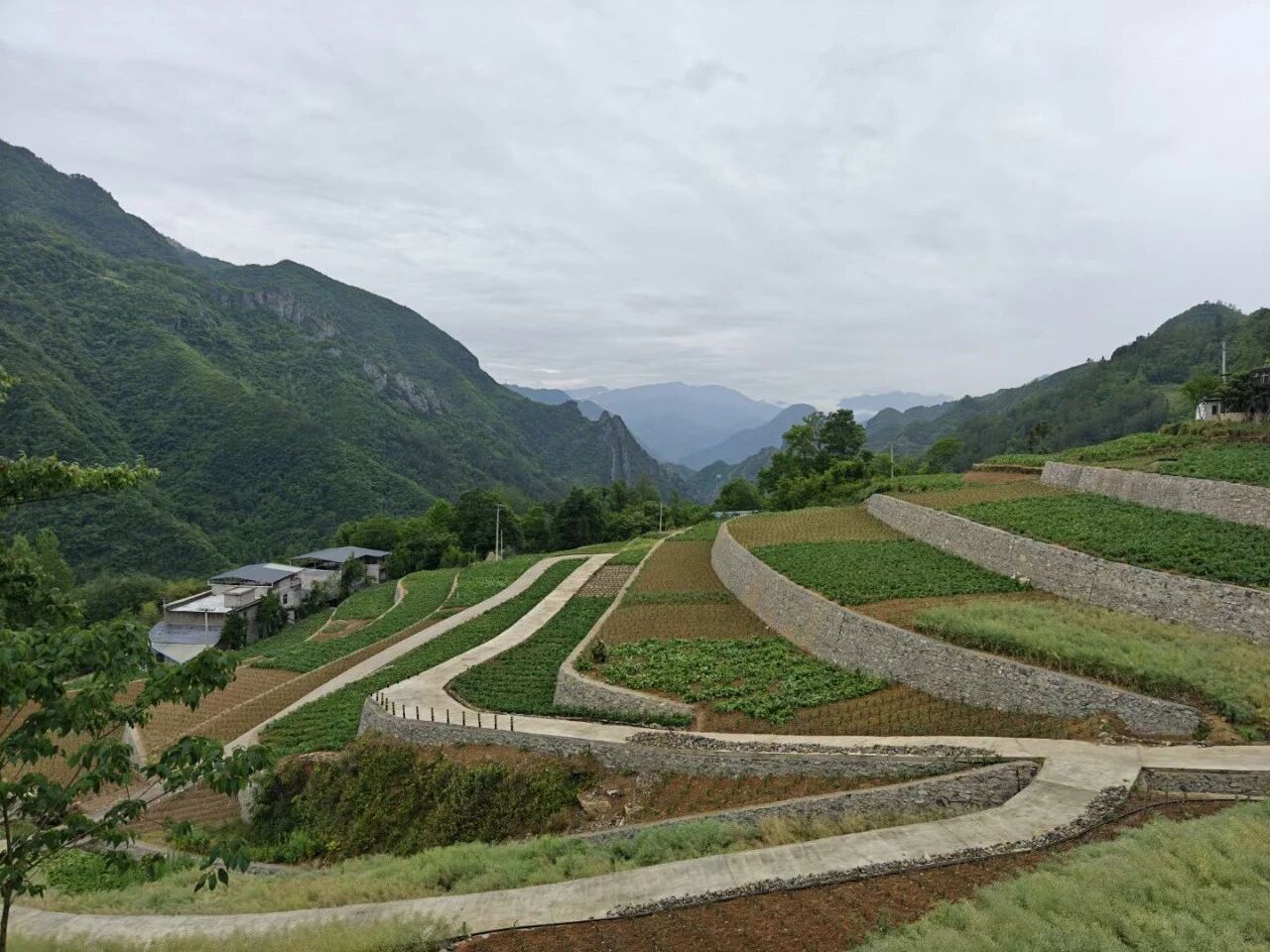
IV. In the End, Who Is Left Holding the Bag: the Boss, Villagers, or Others?
More than one villager said that, whenever year end came, several bosses of the fruit tree company were always “quarrelling” (arguing), even requiring shareholders to advance money to pay wages. It is hard to say they are making money.
When no suitable boss is willing to come and take the land on, the leading company still has to continue paying villagers their land transfer fee.
In Village C, according to Xu Runtian, within about one or two years of the high-standard farmland renovation being completed, the land was returned to the village committee. Now the leading company is still paying, but payments have become increasingly late — “I don’t even know now whether I can get it,” an elderly man joked. “At the start (when the land was taken on), there was no delay; it was paid in that year. In the second year, it was paid partway through. By now, it is simply ‘bluff’.”
As for the newly arrived boss in Meishan, who left after three days of harvesting, leaving many fields still empty and unplanted, Xu Runtian said he had also seen in other villages cases where seeds were sown and then left untended, and in the end the harvest was abandoned; he judged that this was often because the money from selling the paddy rice was not even enough to pay the wages for hiring people to harvest.
Along with the distortion of the high-standard farmland projects, the villages’ capacity for joint governance has also declined.
This is partly because “small fields turning into large fields” has broken up the original field ridge boundaries and the layout of plots, and some plots have already been occupied by roads and water conservancy facilities, making them hard to return to villagers — Xu Runtian has seen this scene in many places: after renovation, no one takes over the high-standard farmland, and unless there is a capable person in the village specifically organising and coordinating, villagers find it hard to carry out spontaneous recultivation.
Neighbouring Village D, because it lies close to the built-up area of the city, was notified in the year of the high-standard farmland renovation that land expropriation might take place. As a result, no company dared to come and take the land on; villagers never received a land transfer fee, yet the land lay fallow for more than three years.
A villager who later joined the Village D village committee recalled that, before recultivation, the fields were already overgrown with weeds, head-high. Under the national policy requirement against abandoning land, the village committee led everyone in removing weeds, used an excavator to dig new water channels in the middle of the whole large field, and in 2024 laid new drainage pipes. The re-renovation cost more than 100,000 yuan.
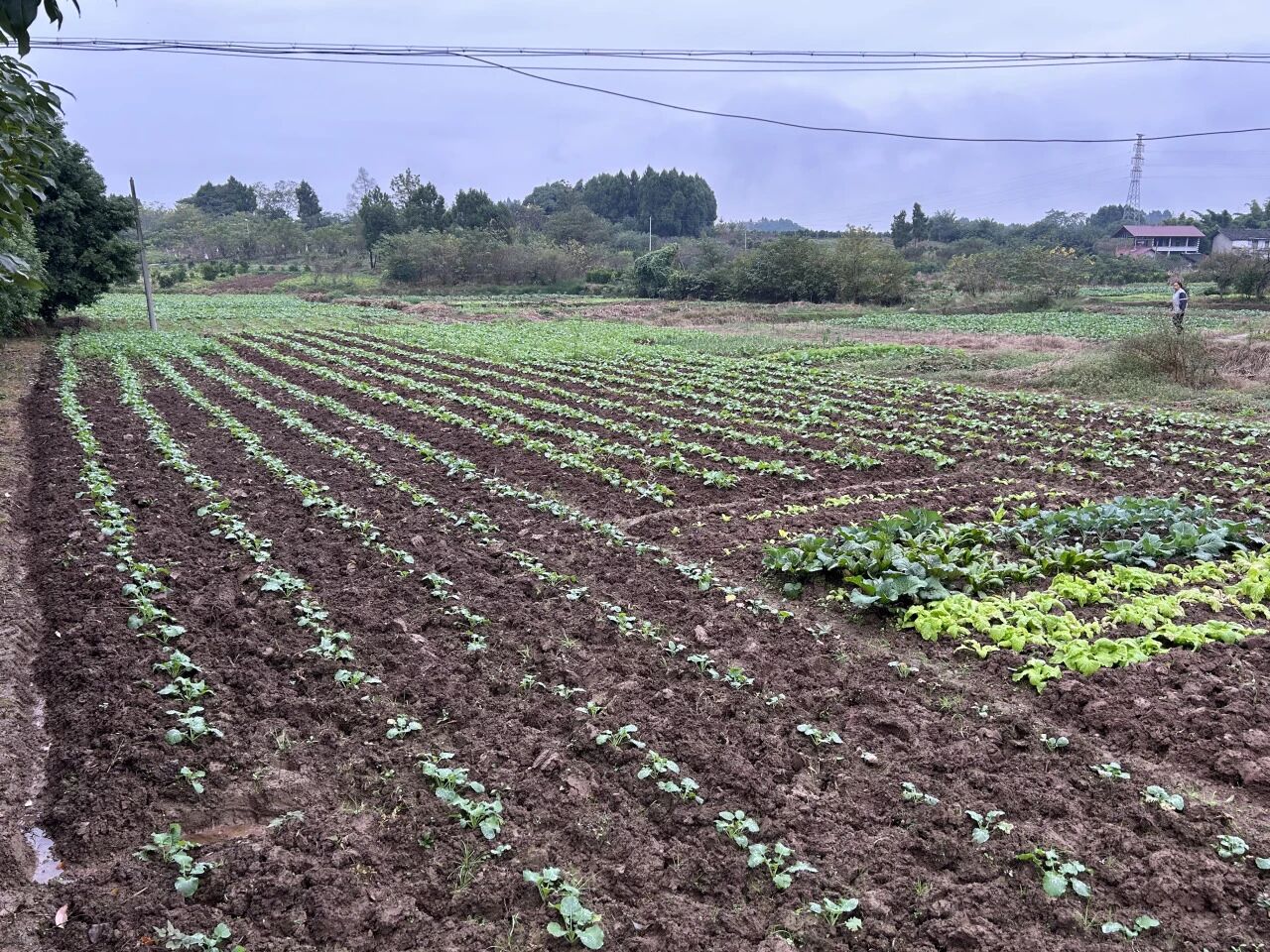
Meanwhile, in Village A, the pear orchard boss’s contract has three years left before it expires. Will the boss leave, and how will the land be divided back up? “They (the leading company) will surely have to find a way to give us an explanation,” Zhang Xiaoqin said.
On the other hand, when some villagers have grown accustomed to working away while “sitting back and collecting” land transfer fees, fissures and alienation have been growing among villagers across generations and different interest groups.
The three villages A, C and D visited around Chengdu issued tender documents as early as 2017 to 2018, and the area was one of the earliest in Sichuan to carry out high-standard farmland renovation. In Village A, when the newly built field ridges cracked, villagers no longer took the initiative to repair them. “After all, no one is farming the land anyway.” In Village C, after the leading company “gave up”, the village committee also lacked the capacity to organise large-scale production, and some neglected water conservancy facilities were forgotten by everyone.
Team 1 and Team 2 in Village A had once refused to take part in high-standard farmland renovation. Several elderly people took the land on and insisted on farming it themselves. But now they are old and can no longer farm. “Everyone has seen that the policy dividend has passed and no boss will come again.” “The young people just complain about them: why didn’t they take the land on and renovate it in the first place?” The old secretary laughed bitterly.
All the villagers see this: the village’s labour force is shrinking, and renovation and land transfer are irreversible directions. But once the operation of the “large field” project breaks down, readjusting it will require greater costs. Meanwhile, the owners of the “small fields” have gradually lost their local farming experience and identity. When faced with problems such as poorly done water and soil renovation, low returns from grain planting and poor management, it is easy for both bosses and farmers to choose “abandoning cultivation”.
Now that high-standard farmland, which should bear the heavy responsibility of food security, has entered complex agricultural reality, to what extent is it suitable for engineering management? In the long chain of operation, management and maintenance, how can one eliminate corruption, ensure production efficiency, and adapt to complex local conditions such as mountainous and hilly terrain? Has high-standard farmland ultimately become a guarantee for food security, or a cash machine for agricultural subsidies? As the high-standard farmland renovation process reaches the two-thirds mark, these questions still need to be addressed more properly.

Edited by: Ling Yu, Tian Le