Before We’re Forced to Eat Cockroaches, Let’s Ask Why
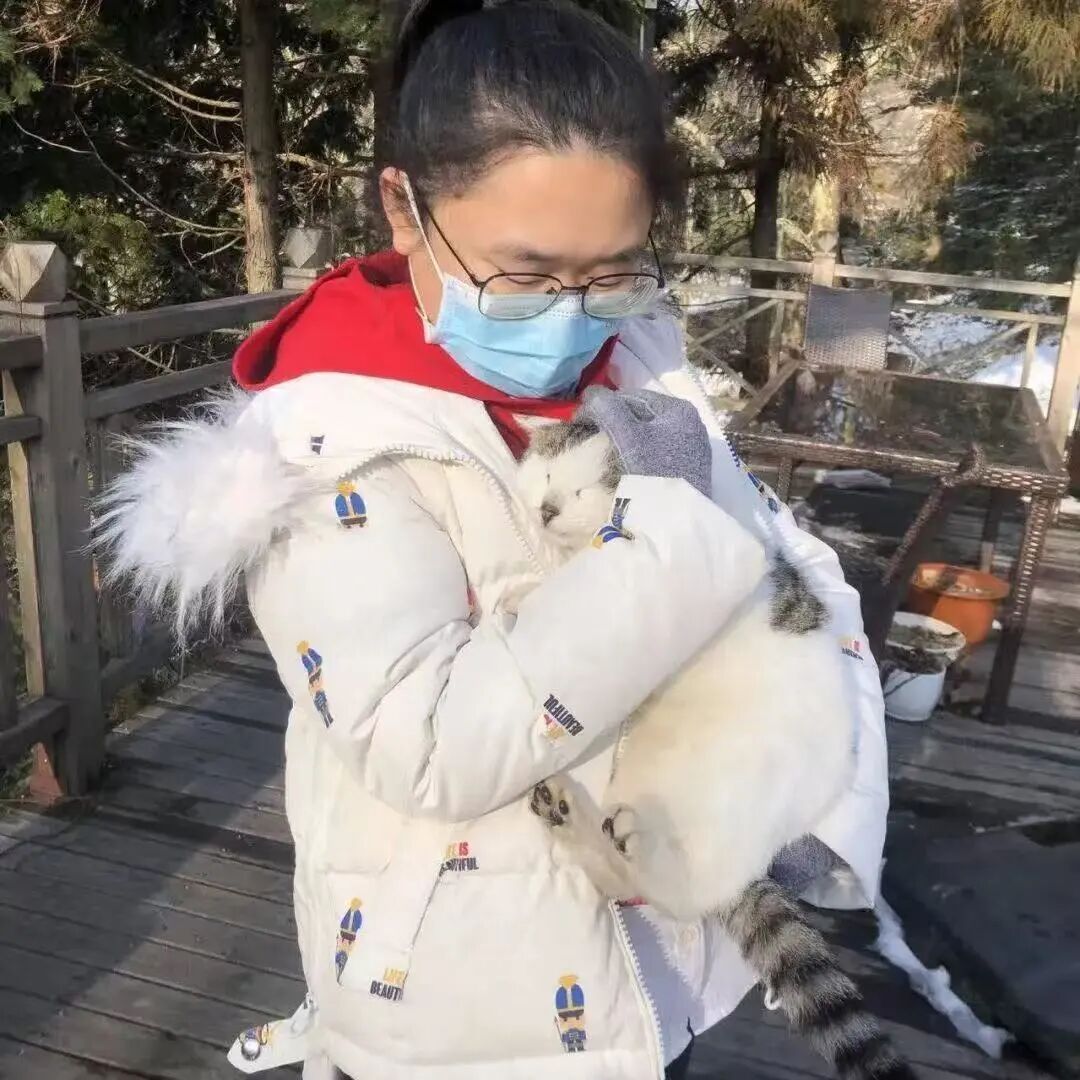
“Is there really nothing else left to eat?” “Snowpiercer is so ahead of its time!” – these are the kind of soul-searching questions that erupted online just yesterday, after netizens spotted a journalist visiting an American cockroach farm take a sip of crispy cockroach coffee.
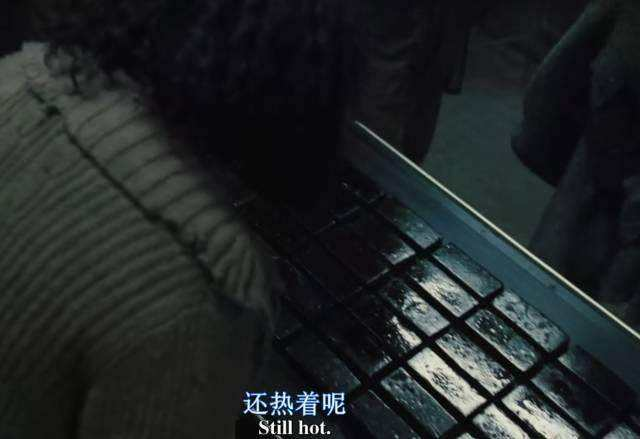
Imagine this: apart from the American cockroach, there are countless yellow mealworms and black soldier flies in this world, wriggling and growing even as humanity sleeps soundly, all so that one day they might find their way to your dinner table. It is easy to be reminded of the apocalyptic food in the film Snowpiercer – the insect protein blocks doled out exclusively to the lower-class passengers.
So what is that reason? Do we truly have to accept it? Will insects really make their way onto our dinner tables on a large scale in the future?
1. Insect Protein: A Noble Vision
Today, the aim of the new large-scale insect farming industry is more about extracting the animal protein from insects. This has fundamentally changed the nature of insect consumption – it is no longer a dietary habit that evolved naturally in a particular region, but a human contrivance.
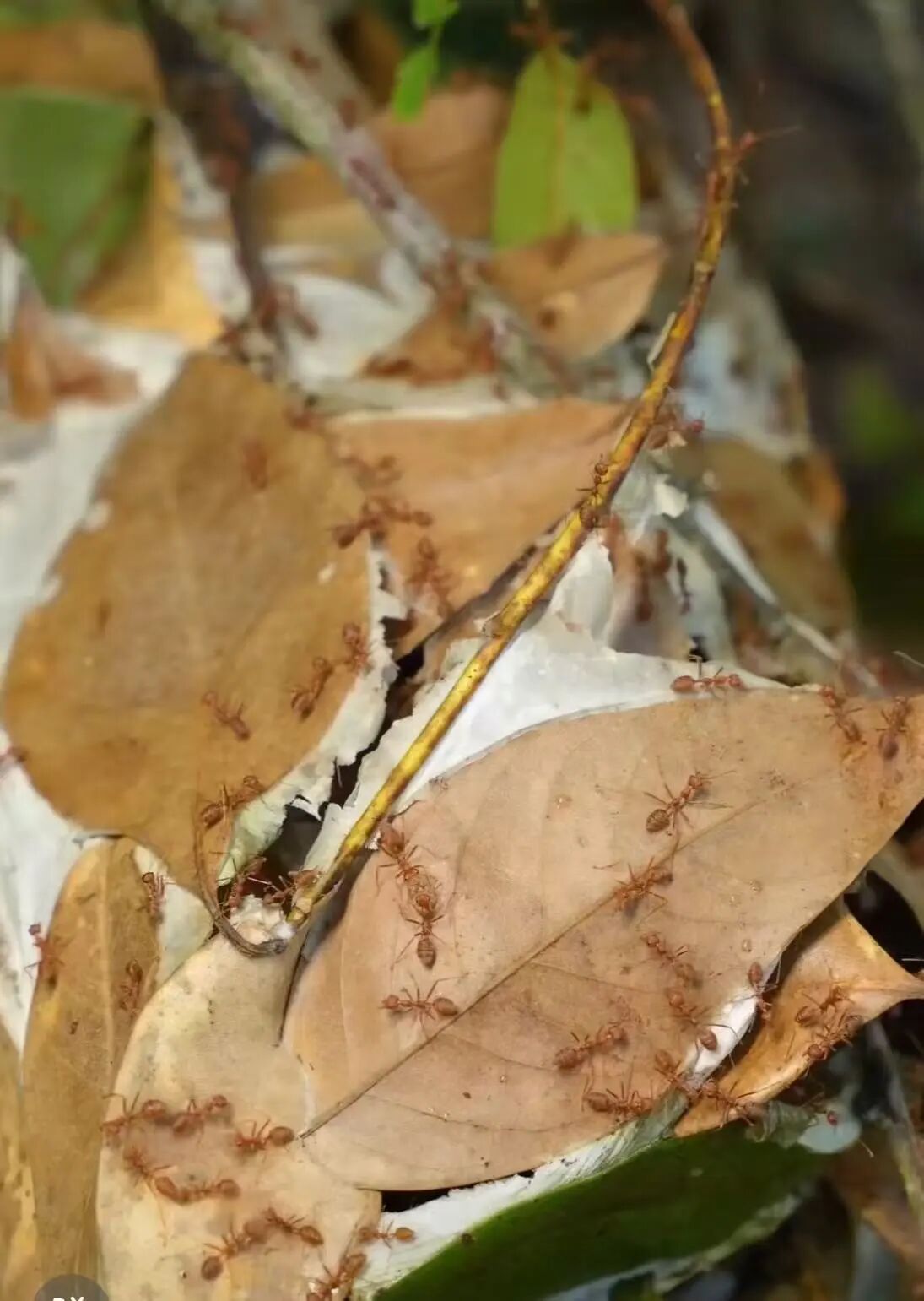
Actually, the term “insect protein” is what first raises eyebrows – after all, nobody calls beef “mammalian protein”. And yet it is a remarkably precise term, as it refers broadly to the insect meal produced through the intensive processing of edible insects. The raw material might be yellow mealworm or it might be black soldier fly; the product might be simply dried and ground, or it might have undergone complex enzymatic hydrolysis.
So what is the purpose of mass-producing insect protein in the first place?
The answer can be traced back to a report published in 2013 by the United Nations Food and Agriculture Organization (FAO) – Edible Insects: Future Prospects for Food and Feed Security. Since then, the various benefits of insect protein have been reiterated endlessly and can be summarised as follows:
1. As the planet’s climate and resource crises intensify, compared with traditional protein sources such as soya beans, fishmeal, and beef or mutton, insect farming requires far less water and farmland, and its greenhouse gas emissions are a fraction of those from livestock farming;
2. Insects can produce high-quality protein simply by eating food waste and poultry and livestock manure;
3. On the basis of these two assumptions of sustainability, in a future marked by ecological crisis compounded by population growth, insect protein is increasingly seen as an effective means of addressing food crises and global hunger.
But the real reason the industry has been so eager to enter this space – one the United Nations has not quite put on the table – is the long-standing predicament of industrial farming: feed scarcity and volatile prices. Conventional feed such as maize, soya beans, wheat, and fishmeal forms the material foundation on which livestock farming depends, accounting for roughly 60–70 per cent of the total cost of poultry and livestock rearing. The primary nutrient it provides is protein.
Yet in recent years, with the combined effects of the pandemic, geopolitical tensions, and extreme weather, and as international supply chains have grown unstable, soya bean meal prices have remained stubbornly high. In 2022 in particular, soya bean meal prices climbed from 3,580 yuan per tonne all the way up to 5,630 yuan per tonne. Under such circumstances, many countries, including China, have been striving to find more stable sources of feed protein. Insect farming, said to save arable land, has become a primary avenue through which various nations are exploring feed substitution.
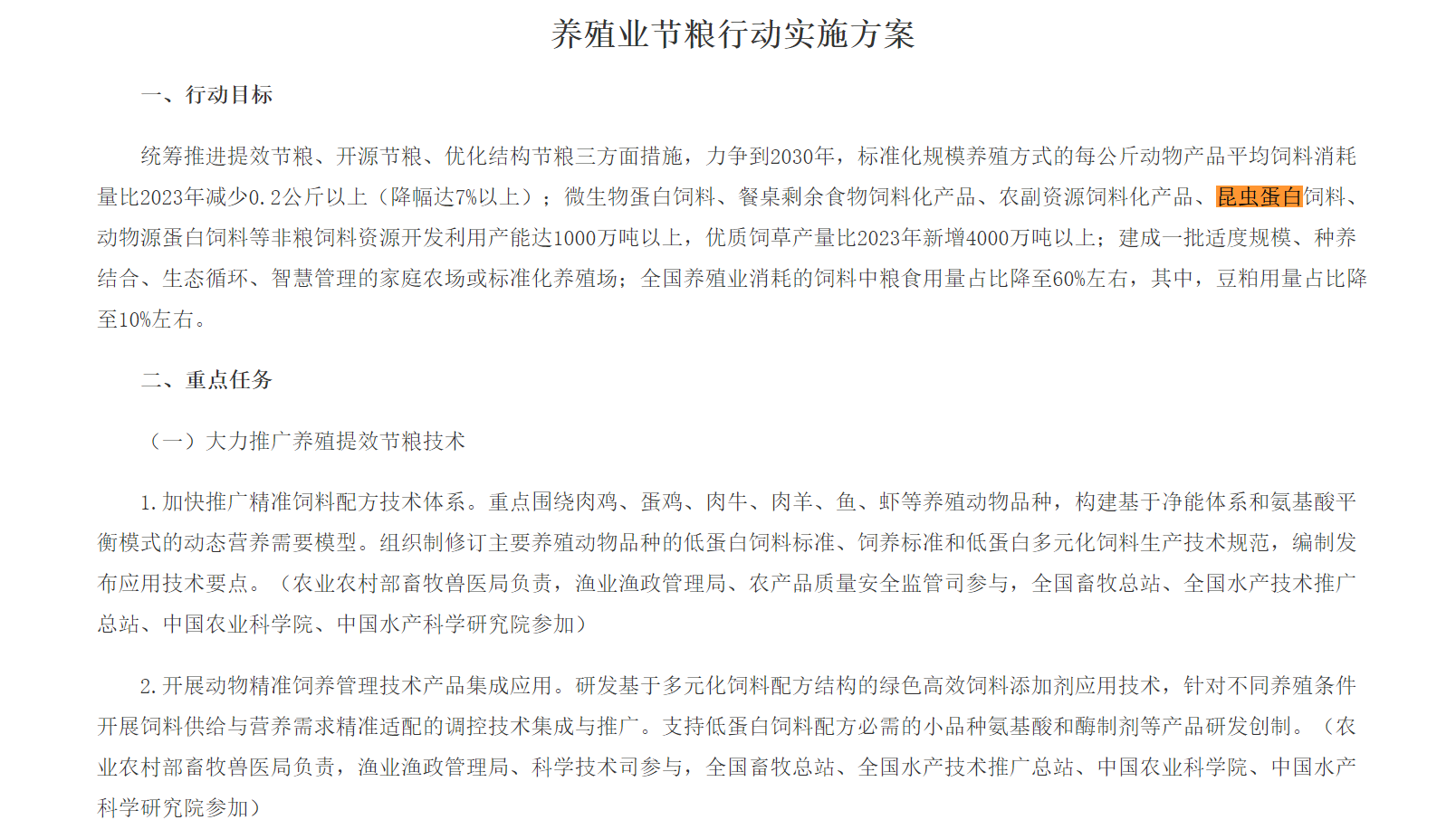
Industry research indicates that the global insect protein market reached $145 million in 2019 and is projected to grow to $366 million by 2023. China has gone so far as to write “expanding the production capacity of insect protein feed” into the action objectives of the Implementation Plan for the Grain-Saving Action in Livestock Farming. According to industry insiders, the export market for Chinese insect protein in 2025 has been exceptionally strong, driven primarily by feed-grade exports.
Insect farming is by no means a new concept. At least since 2001, research into artificial rearing techniques for yellow mealworm has been underway in China. But around the time the United Nations Food and Agriculture Organization published its relevant report in 2013, capital from all quarters began rushing into this emerging insect protein industry in droves.
According to incomplete statistics, by 2022, the 13 active insect protein companies on the market – including Chinese firms such as Nature Creation and Bru Pu Ting – had already raised a cumulative total of over 6 billion yuan.
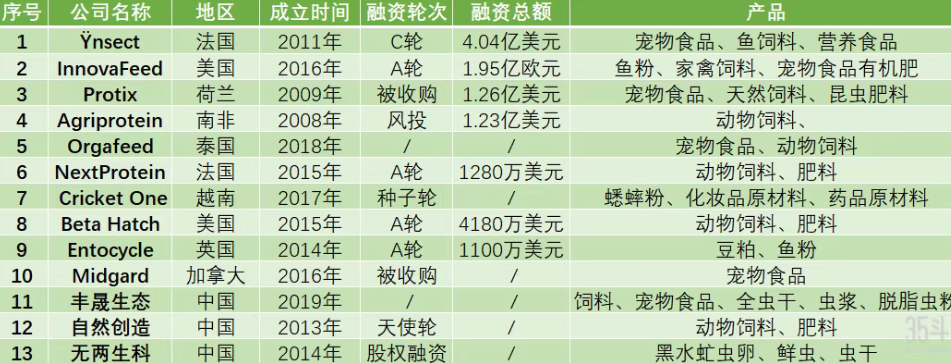
2. Ÿnsect’s Bankruptcy and Capital’s Food-and-Farming Fantasy
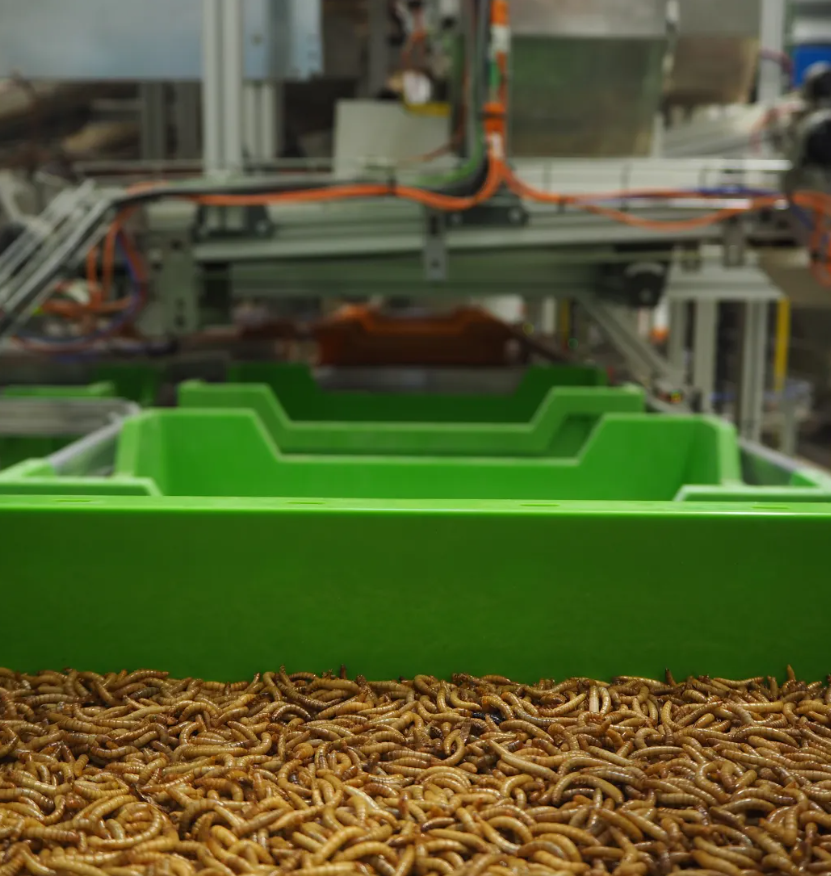
In fact, many companies in the alternative protein space are struggling in the quagmire of losses. In the insect protein predecessor – the plant-based meat market – Beyond Meat, the first listed artificial meat company that once trumpeted its mission to replace all meat, is now on the brink of bankruptcy. Impossible Foods has also, under revenue pressure, publicly stated it is considering adding real animal meat to its plant-based products. From an economic standpoint, whether in terms of growth trajectory or market demand, the prospect of alternative protein achieving stable profitability remains very dim.
Perhaps having learned the lesson from the plant-based meat pioneers, the main market that insect protein has targeted is animal feed.
Only a handful of the more daring have launched products such as cricket biscuits and insect meatballs – the kind of thing that assumes every consumer is a Bear Grylls. The market reception has been, predictably, underwhelming.
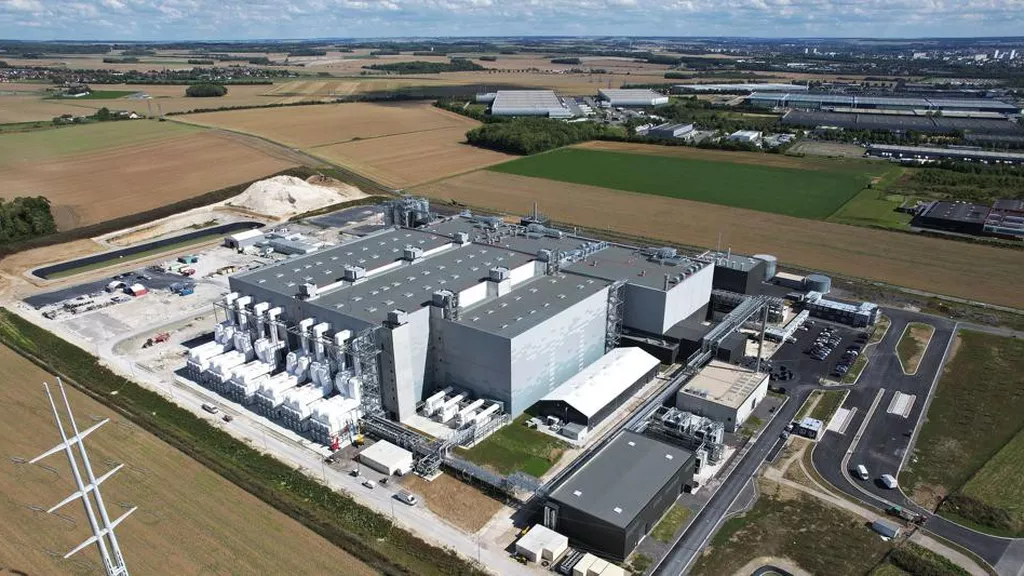
But the road to animal feed is no easy path either. Ÿnsect’s former slogan was “Create a more sustainable global food system”. This vision sounds highly idealistic, yet the very thing that brought it down was the reality that, in its actual operations, it ran counter to sustainability.
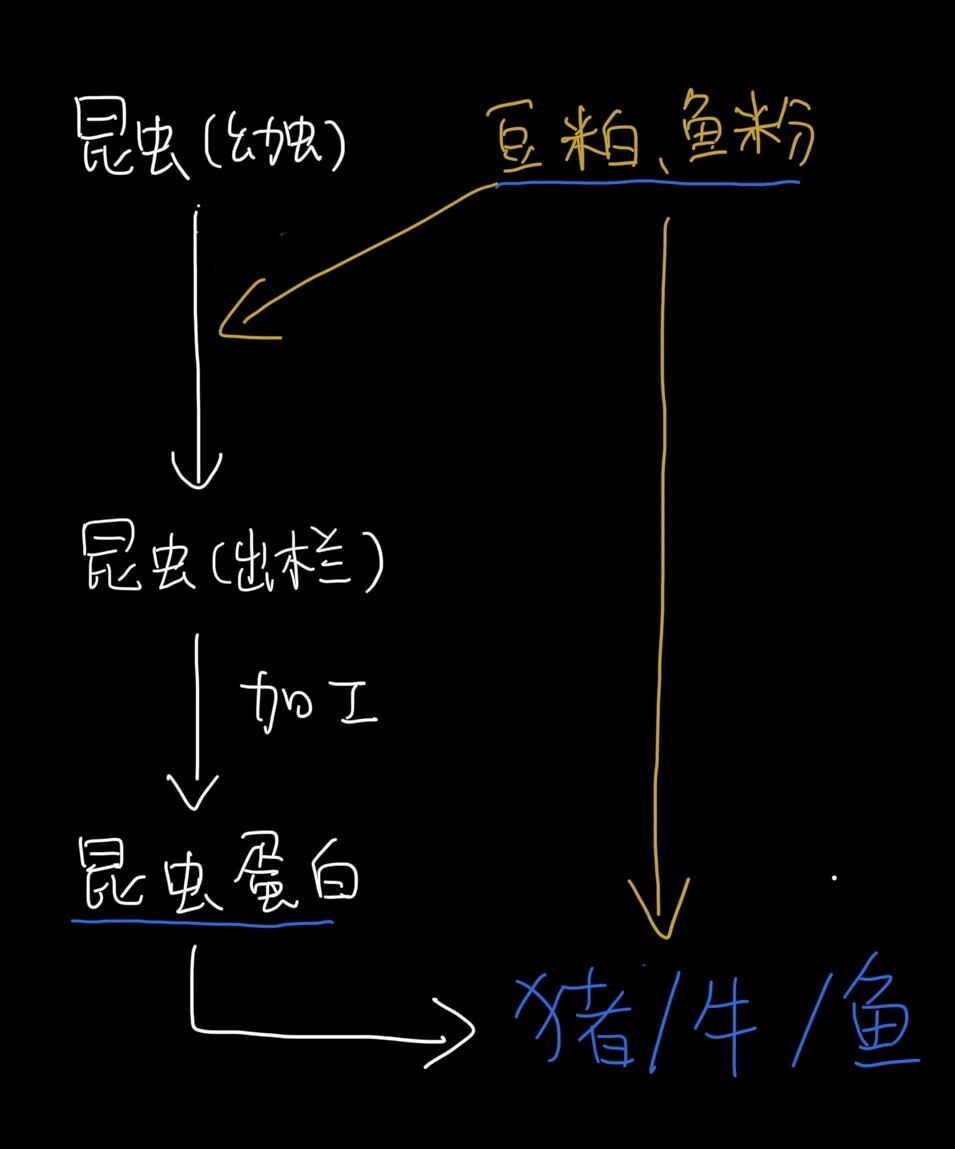
The first fact is that the idealised model of insect protein farming involves feeding insects food waste or animal manure, but in practice, because of bovine spongiform encephalopathy, Europe had already, as early as 2018, permitted insects to be fed only with plant-based feed or animal-based feed that does not contain ruminants. This shut off the food waste feeding route, and feeding with animal manure is fraught with difficulties, so Ÿnsect still had to rely on feed such as soya bean meal to feed its insects.
This sounds highly ironic: insect protein is itself an animal feed product, yet the feed supply for industrial insect farming also depends on grains that could be fed directly to animals. When discussing the reasons for Ÿnsect’s failed entry into the animal feed market, the international tech media outlet TechCrunch questioned whether this meant that “insect protein merely adds an expensive extra step”.
In an attempt to save itself, Ÿnsect tried to pivot to the higher-margin pet food market, but it did not succeed. It had previously invested hundreds of millions of dollars in building the “world’s most expensive insect farm”, and its heavy debts could not wait for the new business to grow and pay for itself.
This is the second fact that runs counter to sustainability: large-scale insect farming is heavily dependent on industrial and automated equipment, with upfront costs far higher than those of conventional feed, which is also a second reason why it failed to compete in the animal feed market.
III. Bursting the Low-Carbon Myth of Insect Protein
Of course, words alone are no proof; behind this kind of promotion there must be scientific data backing it up, which is why it is so convincing. Mainstream research findings are telling us that insect protein has strong environmental credentials. The Food and Agriculture Organization’s Edible Insects Report once noted that greenhouse gas emissions from insect farming are only 1/10 of those from livestock farming.
Other studies provide more specific data: one study found that for every tonne of organic waste eaten by black soldier flies, about 233 kg of organic fertiliser and 67 kg of insect protein can be obtained, achieving a total carbon emission reduction of 55.69 kg. A 2023 literature review found that the greenhouse gas emissions of fresh insect meat range from 0.3–3 kg carbon dioxide equivalent per kg, far lower than poultry (5.97 kg), pigs (6.95 kg) and cattle (35 kg).
What is worrying is that when we look closely at the background of these studies, capital’s presence can be found behind all of them. Either the research entity is itself a food company, or the researchers work for a company that produces insect pet food.
Fortunately, agricultural departments in different countries are also deeply concerned with this issue, as agriculture is one of the first sectors hit by the serious consequences of global warming. A research project commissioned by the UK government’s Department for Environment, Food and Rural Affairs, Life Cycle Assessment of Insect Protein Production Processes in the UK: Feed for Pigs and Poultry, compared the environmental impacts across their entire life cycles when black soldier fly larvae meal (hereafter insect meal), soya bean meal and fishmeal are used as feed. Insect meal was subdivided into three categories according to its feed material: conventional feed, poultry manure and food waste.
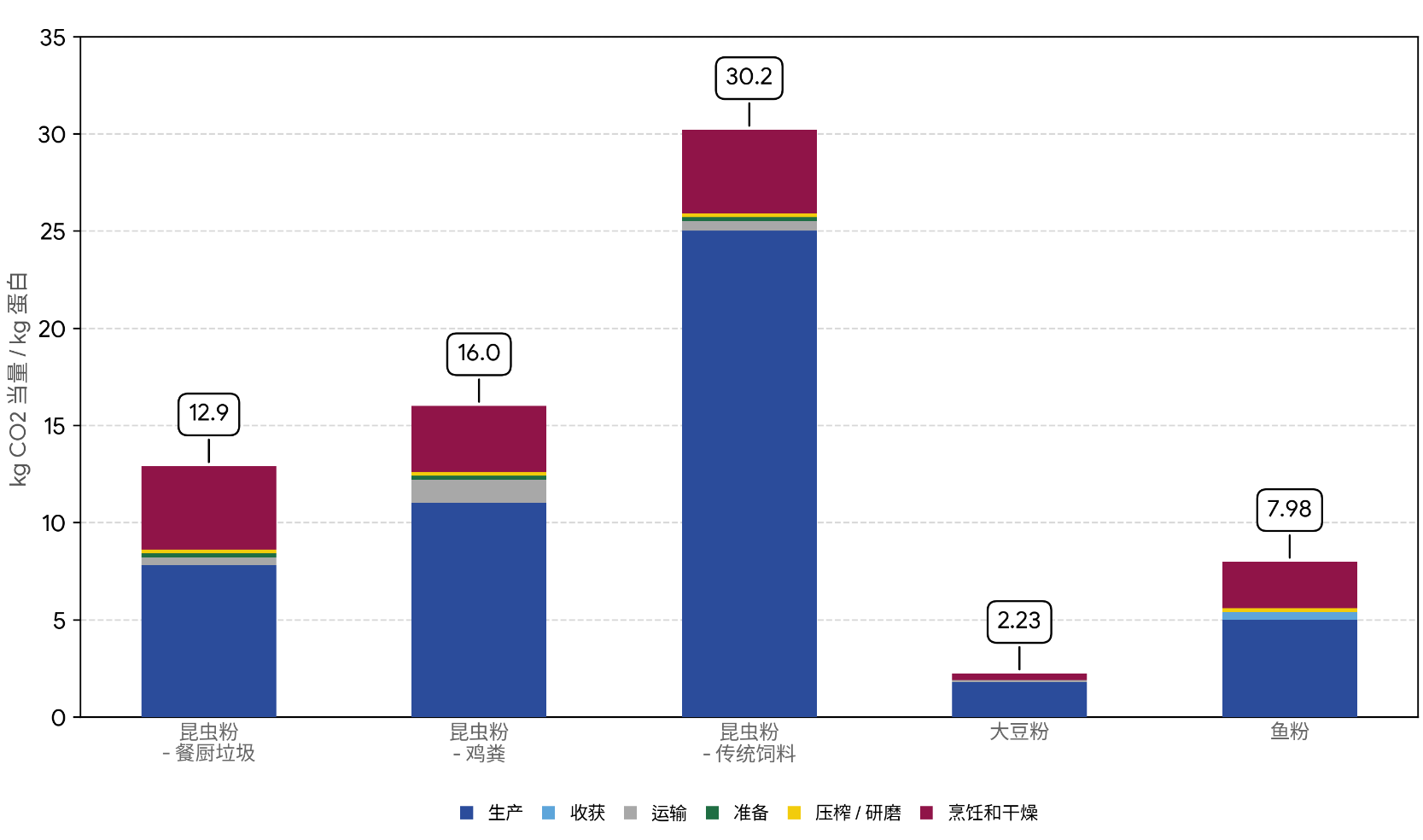
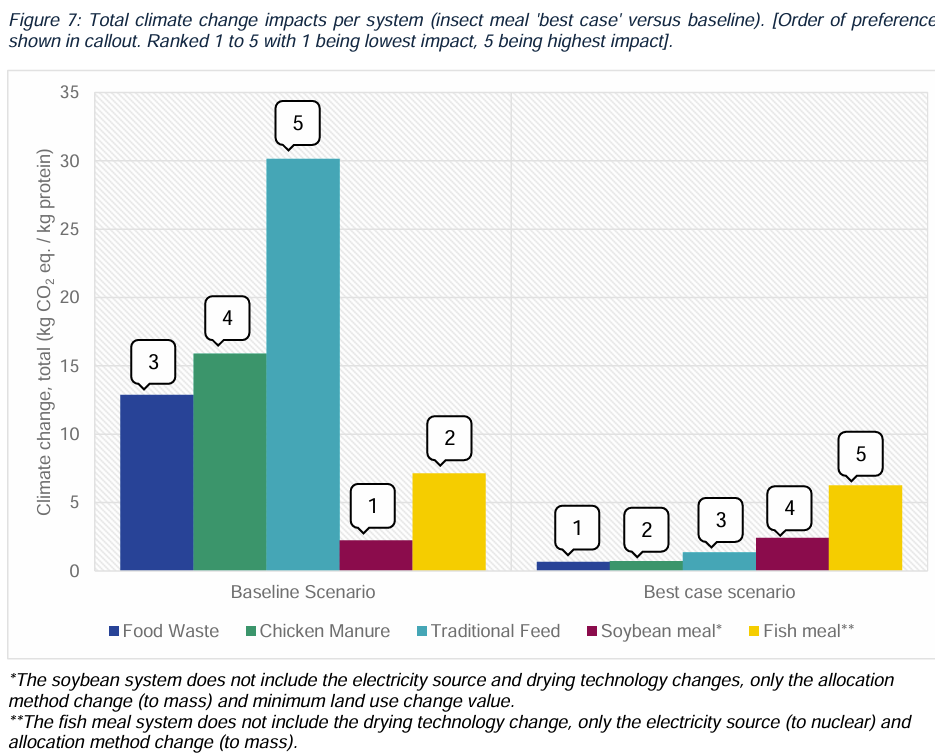
The research results were the exact opposite: the climate change impact value of insect meal was 12.9–30.1 kg carbon dioxide equivalent per kg, meaning that producing 1 kg of insect meal requires emitting approximately 12.9–30.1 kg of carbon dioxide equivalent into the atmosphere.
The reason results differ so much between studies is that, to date, there is still no unified standard in academia for measuring climate change impact. The data that existing technologies can collect are limited and insufficient, and are also constrained by research funding and the region concerned. The “climate change impact value” in this UK report not only tallies greenhouse gas emissions, but also incorporates factors such as acidification, water consumption, land use, and marine and freshwater eutrophication, converting them into “carbon dioxide equivalent”; it is natural that different conclusions are reached.
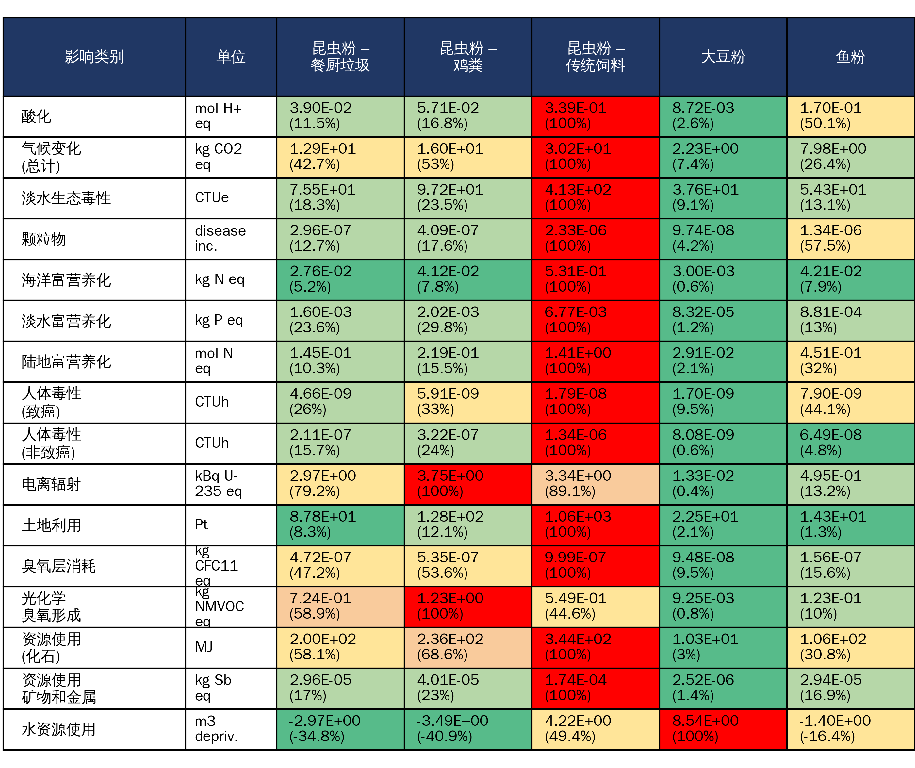
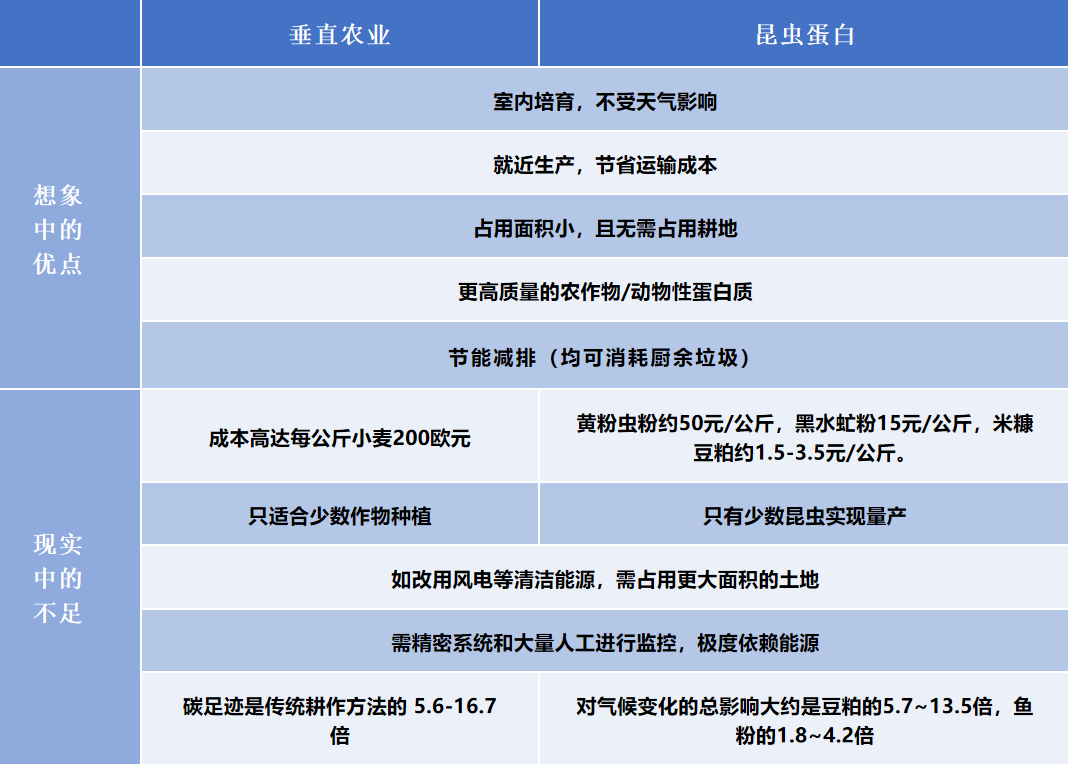
In terms of the overall data, the climate change impact value of food waste-fed insect meal (FW) is the smallest of the three insect meal types. Emissions for producing each kg of FW insect meal are 12.9 kg; poultry manure-fed insect meal (CM) comes next at 16.0 kg, while conventional feed-fed insect meal (TF) has a climate change impact value as high as 30.1 kg. All are much higher than the emissions for soya bean meal (2.23) and fishmeal (7.98), roughly 5.7–13.5 times that of soya bean meal and 1.8–4.2 times that of fishmeal.
To be more specific, these differences at the numerical level can be traced back to the production and processing process of insect protein. Many people instinctively think that insect farming is relatively natural, little realising that it involves a great deal of technology and rigorous know-how. Large-scale insect farms are not stacks of wooden rearing boxes, but a variety of automated rearing equipment with a metallic sheen. Compared with warm-blooded animals such as chickens and ducks, insects are far more sensitive to environmental factors such as temperature, humidity and bacteria, and their growth is calculated in weeks. Not only does it require around-the-clock maintenance of a stable environment, but temperature and humidity also have to be adjusted at all times according to their age in weeks.
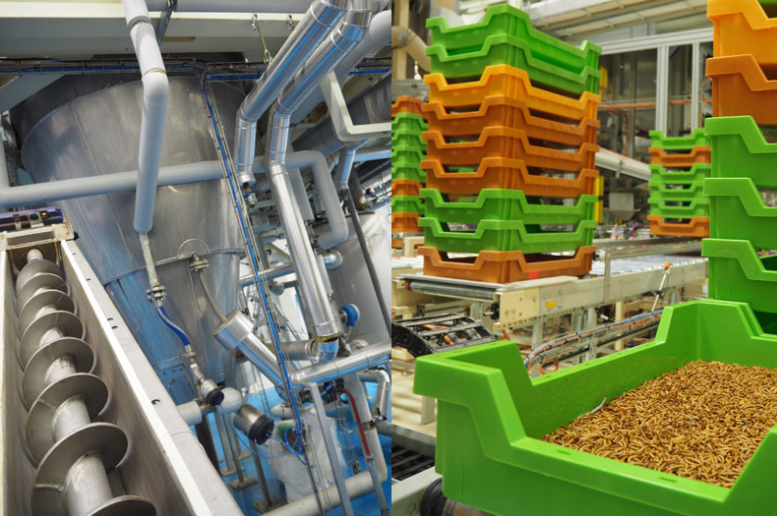
According to an executive at a Chinese insect protein company, given that each insect species has different environmental requirements, the equipment in each farm needs to be customised. In the farm, insect density is hundreds of times higher than in the natural environment. In such a dense environment, insects not only consume large amounts of oxygen through respiration and expel waste gas, but also produce large amounts of heat, excreta and water vapour. In the natural environment, flowing air, loose soil and rainfall help maintain the dynamic balance of the environment. The farm, by contrast, can only rely on air conditioning to control the temperature (black soldier flies, for example, feed only at 25–35°C), fresh-air equipment for ventilation, and machines or manual labour to collect manure and clean the rearing boxes regularly. His team devoted considerable effort to modifying the ducting structure of the fresh air system, adjusting the rearing locations of larvae of different ages in weeks, and so on, in order to maintain a suitable rearing environment and save on electricity costs.
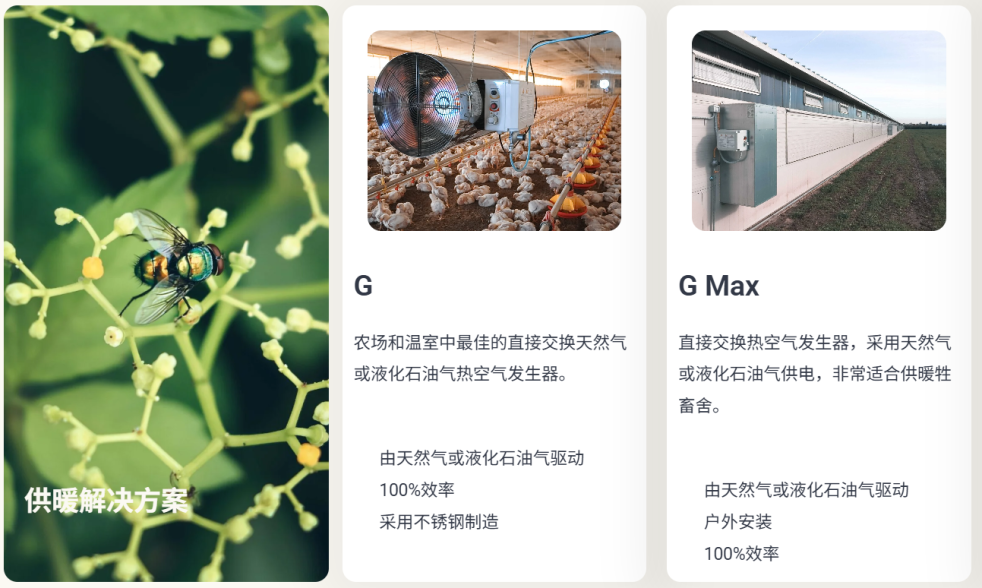
This is why, in the UK report, the carbon emissions from insect meal far exceed those of soya bean meal and fishmeal.
Since differences in the production stages have such a decisive effect on environmental impact, the UK Department of Agriculture also simulated changes to parts of the production process to determine whether insect meal has the potential to assist the decarbonisation of the UK’s livestock farming in the future. Examples include replacing conventional energy with nuclear power, switching petrol cars to electric cars, and filtering and recycling all water used within the system. Once these changes have been made, the carbon emissions from insect meal could even fall below those of soya bean meal and fishmeal, showing that insect meal is not without environmental potential.
In China, a practical obstacle to feeding insects with food waste is that food waste is currently mainly processed by incineration. An executive at a Chinese insect protein production company said that although his company is already a leading one, its scale is still too small compared with incineration plants, and food waste treatment companies are more willing to work with incineration plants. In other words, the idealised waste-cycling model of insect protein is fraught with difficulties in reality.
It is clear that neither research funded by insect protein companies nor government-funded research has completed the collection of primary data on climate change impact indicators across the entire chain. Setting aside the influence of conflicts of interest (even though this cannot be ignored), the conclusions drawn from insect protein-related research are theoretical and cannot be equated with real environmental impact.
Even among independent studies, different conclusions have emerged. An EU-funded study found that water consumption in insect farming is higher than that in poultry, pig, cattle and sheep farming, while the UK agricultural report found that insect meal uses far less water than soya bean meal. But both studies expressed concern about excessive optimism regarding the environmental credentials of insect protein.
4. Can Food-and-Farming Hi-Tech Save Humanity and the Earth?
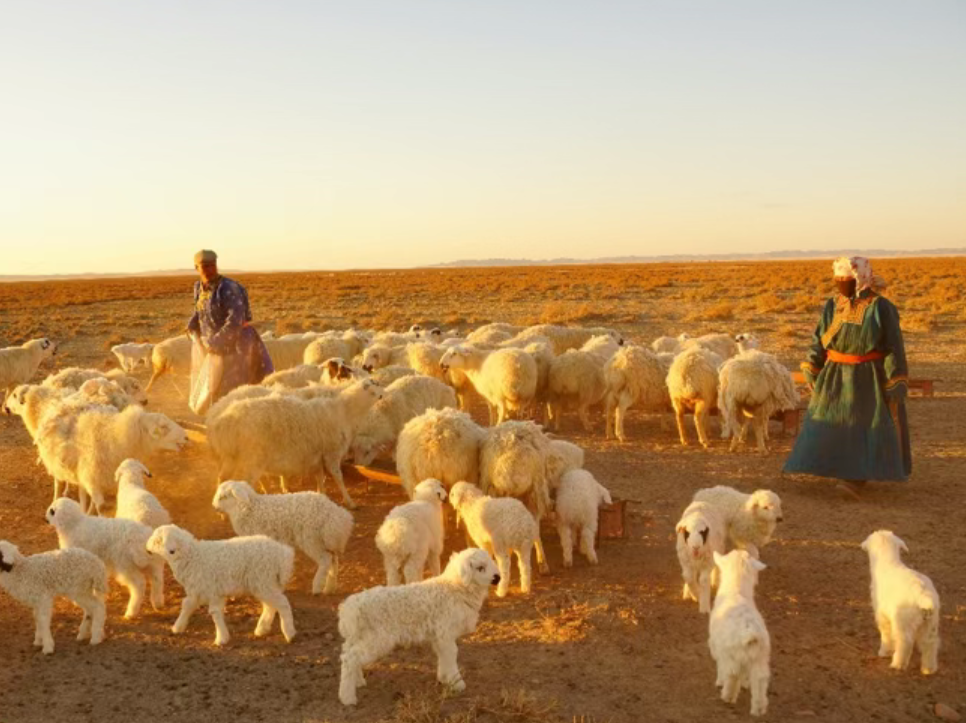
When some people loudly tout so-called alternative protein, they have not shown that insect protein or plant-based meat of this kind is actually replacing beef and lamb. Studies point out that the insect protein people eat is mainly in snack form (such as energy bars and crisps), not a staple food, and is therefore an addition rather than a substitute. Eco-friendly natural grazing livestock farming is often excluded from the picture because it is expensive and low-yielding, but perhaps it is precisely this kind of substitution on a smaller scale that is the direction of change to which we should devote resources and effort.
After all, hunger is not caused by scarcity, but by maldistribution.
When it comes to the claim that “insect protein can solve the food crisis”: first, evidence clearly shows that a global “protein gap” does not exist. For people suffering from hunger and malnutrition, protein is only one of many missing nutrients. Looking at data published by the International Food and Agriculture Organization, the overall tension between global food production and demand in recent years has not been great, but as late as 2024 there were still as many as 700 million hungry people, with causes including regional conflicts, extreme weather, economic downturns and so on, rather than insufficient supply.
One significant form of waste that cannot be ignored occurs off the dining table: large quantities of grain are used in the production of ultra-processed food, livestock feed and fuel. It is estimated that in 2022 about 15.5 per cent of Brazil’s population was in a state of hunger, while around 70 million tonnes of grain are converted into ethanol for fuel every year in Brazil.
At the same time, in 2022 about 1.05 billion tonnes of food were wasted globally at the household and retail level, equivalent to 1.3 meals a day for the world’s hungry population. Over the past two years, the sharp fall in beef prices in China has been driven by large imports of Brazilian beef, but the low import prices are genuinely baffling. If we set aside cost and think instead of destocking, would not “everything add up”? If I am honest, after buying cheap beef, my own meat consumption increased, and a friend, having stockpiled too much meat, was forced to throw away some of it a year later. This is essentially food-waste pressure being outsourced to consumers, with producers making a net profit. Although we cannot simplify the solution to “giving surplus food to hungry people”, we should also question the urgency of increasing income and output.

On issues of sustainability and ecology, setting up a binary opposition between emerging food-and-farming hi-tech such as insect farming and vertical farming, on one hand, and conventional industrial farming, on the other, and believing that the former can solve the problems created by the latter, may have been wrong from the start. What truly needs to be examined is the common foundation and logic shared by both: treating nature as something that can be arranged and modified at will. Insect farming artificially concentrates insects in a space that must be maintained with precision equipment, while industrial farming is likewise a typical example of humanity recklessly modifying a particular space for intensive farming and feed cultivation.
By now, the maldistribution of food exacerbated by intensive farming models, the transport emissions left in the air, faecal sludge pollution, and the destructive damage to surrounding ecology caused by excessive use of antibiotics are no longer a secret. Should we still believe that food-and-farming hi-tech following the same logic can save us?
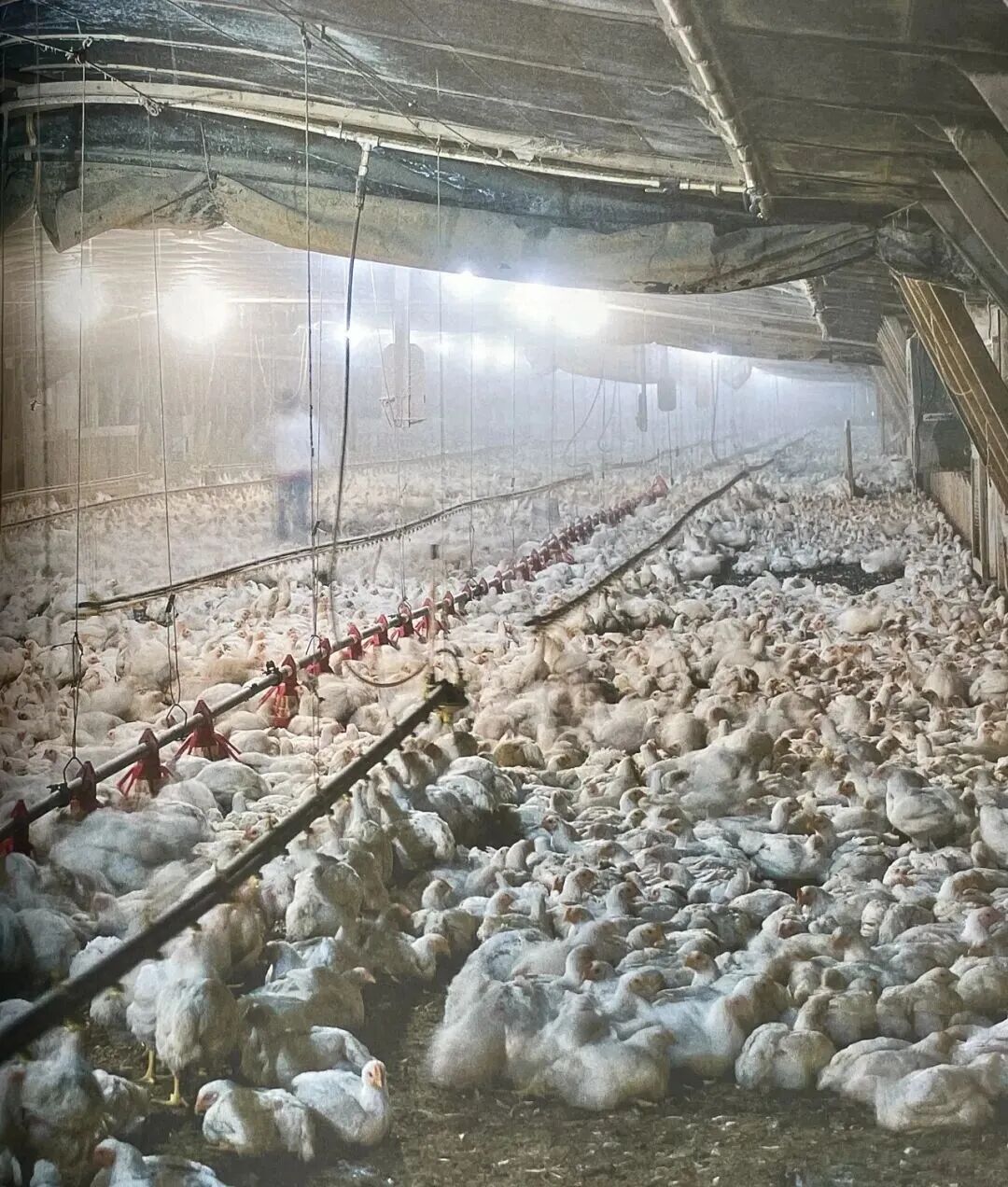
Of course, these food-and-farming hi-tech projects were initiated in the first place to attract investment, so it is no surprise that the means and ends have been reversed. Capital needs new stories and new growth points, and is prepared to alter human dietary habits to secure them. This is a story that constantly repeats itself in the modern food system, and it is we who end up bearing the costs, once the dust has settled, in terms of food safety, nutritional health and the ecological crisis.
This time, however, perhaps we can understand the changes under way a little earlier and more comprehensively, and perhaps we can even begin to imagine a genuinely sustainable model of insect farming a little sooner. The prerequisite is that we do not let ourselves be swept along by the various pitches used to attract investment and for marketing, and that we are able to face, in a realistic manner, the various flaws and shortcomings in the current model of insect farming that need to be changed.
History continues to move forward. On 20 January 2025, the European Commission approved that, from 10 February this year, whole yellow mealworm larvae powder that has undergone ultraviolet treatment may be placed on the market as a novel food. At present, many countries, including China, are gradually broadening the scope for adding insect protein, trying to use it as a supplement to and substitute for animal protein sources. In the future, will humans really “eat insects” on a large scale? As I write this, I have realised that this is absolutely no longer just a question out of a science-fiction film.
[3] FAO. 2024. Food Outlook – Biannual report on global food markets. Food Outlook, June 2024. Rome. https://doi.org/10.4060/cd1158en
[4] Zhang Bo, Yang Xiaowei, Kang Zhiyong, et al. Research progress on the development and application of alternative meal-based feed protein resources against the backdrop of reduced use of soya bean meal in feed [J]. China Feed, 2025, (09): 146-160. DOI: 10.15906/j.cnki.cn11-2975/s.2024070007-12.
[5] Gui Cong. Effects of low-protein feed and soya bean meal replacing fishmeal on growth performance, body composition and antioxidant capacity of largemouth bass [D]. Huazhong Agricultural University, 2022. DOI: 10.27158/d.cnki.ghznu.2022.000532.
[6] Zhou Xingyou, Ma Chong, Hu Bin, et al. Research progress on the application of black soldier fly in aquaculture [J]. Journal of Environmental Entomology, 2024, 46(05): 1076-1084.
[7] https://www.aafco.org/wp-content/uploads/2023/01/Ingredient_Definitions_Minutes_2021_Midyear.pdf
[8] https://en.wikipedia.org/wiki/Insect-based_pet_food
[9] Zhao Li, Zhang Yating. Why does “black-hearted” pet food keep reappearing despite bans? [J]. Journalist Observation, 2025, (04): 62-65.
[10] https://eur-lex.europa.eu/legal-content/EN/TXT/?uri=OJ:L_202500089
[11] Zhiyan Consulting. [Industry trends] Analysis of the development policies, competitive landscape and future prospects of China’s insect protein industry in 2023 [OL]. https://www.sohu.com/a/754398407_120950077, 2024-1-26. [12] Liu Fenghua, Xiao Fayi, Zhang Shuai, et al. Nutritional characteristics of insect protein and research on its application in dog and cat food [J]. China Feed, 2025, (07): 187-191. DOI: 10.15906/j.cnki.cn11-2975/s.2024020007-03.
[13] Song Xiaoyan, Yang Chaowu, Yu Chunlin, et al. Research progress on soya bean meal reduction and substitution technologies in livestock and poultry feed [J]. Heilongjiang Animal Husbandry and Veterinary Medicine, 2024, (17): 13-17. DOI: 10.13881/j.cnki.hljxmsy.2023.12.0163.
[14] Xiong Jie, Yan Yi, Luo Jie, et al. A brief discussion on the application of yellow mealworm and black soldier fly in ecological treatment [J]. Shandong Animal Husbandry and Veterinary Medicine, 2024, 45(12): 43-46.
[15] Xiong Jie, Yan Yi, Zhang Huaqi, et al. Research progress on the application of food waste bioconversion products in livestock and poultry feeding [J]. Shandong Animal Husbandry and Veterinary Medicine, 2025, 46(01): 101-104.
[16] Liu Mingkang. Effects of enzymatically hydrolysed black soldier fly meal on the feeding preference, blood indicators and intestinal microbiota of cats and dogs [D]. Wuhan Technology and Business University, 2024. DOI: 10.27776/d.cnki.gwhgy.2024.000524.
[17] Mo Yiming. Analysis of the farming benefits of yellow mealworm [J]. Rural New Technology, 2024, (10): 53-54.
[18] Liu Zhijun, Li Jianzhong, Ouyang Chuang. Effects of black soldier fly larvae meal replacing fishmeal on growth performance, physiological metabolism and muscle quality of hybrid mandarin fish [J/OL]. Journal of Shanghai Ocean University. https://link.cnki.net/urlid/31.2024.S.20250414.1309.004
[19] Zhao J, Pan J, Zhang Z, et al. Fishmeal protein replacement by defatted and full-fat black soldier fly larvae meal in juvenile turbot diet: Effects on the growth performance and intestinal microbiota [J]. Aquaculture Nutrition, 2023, 8128141.
[20] Chen Ling, Dong Xiaolin. The nutritional value of yellow mealworm and its application in animal farming [J]. Feed Research, 2025, 48(07): 170-173. DOI: 10.13557/j.cnki.issn1002-2813.2025.07.031.
[21] Bosch, Guido & Loureiro, Bruna & Schokker, Dirkjan & Kar, Soumya & Paul, Aman & Sluczanowski, Nicky. (2024). Black soldier fly larvae meal in an extruded food: effects on nutritional quality and health parameters in healthy adult cats. Journal of Insects as Food and Feed. 10. 10.1163/23524588-00001093.
[22] Alexander, P.; Berri, A.; Moran, D.; Reay, D.; Rounsevell, M.D.A. The Global Environmental Paw Print of Pet Food. Glob. Environ. Chang. 2020, 65, 102153. [CrossRef]
[25] Zhang Dong. Carbon emission analysis of different utilisation methods for the three-phase organic solid residue of food waste [J]. Environmental Sanitation Engineering, 2024 (1): 32.
[26] Ghina Kotob, Nicky Sluczanowski, Shahida Anusha Siddiqui, Nuria Martin Tome, Monika Dalim, Paul van der Raad, Kees Aarts, Aman Paul, Potential application of black soldier fly fats in canine and feline diet formulations: A review of literature, Journal of Asia-Pacific Entomology, Volume 25, Issue 4, 2022, 101994,
[27] https://www.wenxuecity.com/news/2025/03/02/socialnews-252660.html
[28] Rumbos, C.I.; Athanassiou, C.G. “Insects as Food and Feed: If You Can’t Beat Them, Eat Them!”—To the Magnificent Seven and Beyond. J. Insect Sci. 2021, 21, 9. [CrossRef] [PubMed]
[29] van Huis, A.; Oonincx, D.G.A.B. The Environmental Sustainability of Insects as Food and Feed. A Review. Agron. Sustain. Dev. 2017, 37, 43. [CrossRef]
[30] Li Guoqing. Breeding optimisation and economic benefit analysis based on self-supply of black soldier fly eggs [J]. Environmental Sanitation Engineering, 2024, 32(06): 50-56. DOI: 10.19841/j.cnki.hjwsgc.2024.06.007.
[31] FAO, IFAD, UNICEF, WFP and WHO. 2024. The State of Food Security and Nutrition in the World 2024 – Financing to end hunger, food insecurity and malnutrition in all its forms. Rome.
[32] United Nations Environment Programme (2024). Food Waste Index Report 2024. Think Eat Save: Tracking Progress to Halve Global Food Waste. https://wedocs.unep.org/20.500.11822/45230. [33] Luo Sunlin, Chen Yiqiang. Major mycotoxins in pet food: a complete analysis of toxicity, occurrence, detection and regulation [J]. Journal of Economic Animals, 2025, 29(01): 43-47. DOI: 10.13326/j.jea.2025.2039.
[34] ADDEO NF, SCIVICCO M, VOZZO S, et al. Mineral profile and heavy metals bioaccumulation in black soldier fly (Hermetia illu⁃ cens, L.) larvae and frass across diverse organic substrates [J]. Italian Journal of Animal Science, 2024, 23(1): 179-188.
[36] WWF. 2022. The future of feed: how low opportunity cost livestock feed could support a more regenerative UK food system. Available at: https://www.wwf.org.uk/sites/default/files/202206/future_of_feed_summary.pdf [Accessed 18 July 2024] WWF-UK.
[37] FAOSTAT, 2023. Crops and livestock products. [Online] Available at: https://www.fao.org/faostat/en/#data/QCL [Accessed 14 November 2023].
[38] https://news.cau.edu.cn/mtndnew/568ee5ee250747e596094eba8668f9a3.htm
[39] Aliang. Vertical farming: before it had even had a chance to save the Earth, why have they all gone bankrupt one after another? [OL]. https://mp.weixin.qq.com/s/lTLF0RLsF9NfBmWmvPp70A.2023-12-11. [40] T. Blom, A. Jenkins, R.M. Pulselli, A.A.J.F. van den Dobbelsteen, The embodied carbon emissions of lettuce production in vertical farming, greenhouse horticulture, and open-field farming in the Netherlands, Journal of Cleaner Production, Volume 377, 2022, 134443, ISSN 0959-6526, https://doi.org/10.1016/j.jclepro.2022.134443. [41] https://www.agritecture.com/blog/2022/5/9/a-holistic-look-at-vertical-farmings-carbon-footprint-and-land-use
[42] CCTV.com. Black soldier fly “waste glutton” projects launched in succession; the “not getting enough to eat” problem remains to be solved [OL]. https://tv.cctv.com/2023/05/30/VIDE0LCWqzKpVNDXMReN7aUD230530.shtml.2023-5-30. [43] Lin Fangzhou, Li Jiacheng. Not enough waste to burn? Ten doubts about waste [OL]. https://mp.weixin.qq.com/s/3dOeSOJrBUp9rJ_c755QeA.2025-06-18. [44] FAO, IFAD, UNICEF, WFP and WHO. 2025. The State of Food Security and Nutrition in the World 2025 – Addressing high food price inflation for food security and nutrition. Rome.
[45] Commission Implementing Regulation (EU) 2022/169 of 8 February 2022 authorising the placing on the market of frozen, dried and powder forms of yellow mealworm (Tenebrio molitor larva) as a novel food under Regulation (EU) 2015/2283 of the European Parliament and of the Council, and amending Commission Implementing Regulation (EU) 2017/2470 (Text with EEA relevance) [OL] https://ndls.org.cn/standard/detail/b4de4ca9c4645de50c2e3c5de1b21730.2022-02-08. [46] Liu Yusheng, Wang Fubin, Cui Junxia, et al. Current status and progress in the research on and utilisation of yellow mealworm resources [J]. Journal of Environmental Entomology, 2010, 32(01): 106-114. DOI: CNKI: SUN: KCTD.0.2010-01-019.
[47] Lu Jingzhi, Rongzhong Finance. Is the “first artificial meat listed company” going bankrupt? [OL]. https://mp.weixin.qq.com/s/JKGmlgFIFluCFzmzC1dscw,2025-08-28/2026-01-26. [48] Anna Heim, Yahoo/finance. How reality crushed Ÿnsect, the French start-up that had raised over $600M for insect farming [OL]. https://finance.yahoo.com/news/reality-crushed-nsect-french-startup-225208844.html?guccounter=1&guce_referrer=aHR0cHM6Ly93d3cuZ29vZ2xlLmNvbS8&guce_referrer_sig=AQAAAMWlhrc6pz9xXJCH-RKeUkKPexvPMj6QQJ8_qEiWSpMzrwxNpbbLVwsnwrBM3Ie6UwUd65gvTV4sFmiz5GIvEh8z_DPSdJdrmTfLZB1dA66BglxYzqi2BCNUUo5g9UFcCn7JTjewh9I6IILvrREOUf_8H3k0WZDQB5urVsO_WRJM,2025-12-27/2026-01-26. [50] Silicon Valley 101. The collapse of the “artificial meat” hundred-billion market: capital’s fantasy and the bubble of elitism [OL]. https://b23.tv/bJHDGOk.2025-11-26/2026-01-26. [51] (EU) 2018/1147 [I]. https://bureau-industrial-transformation.jrc.ec.europa.eu/sites/default/files/inline-files/WT_Chinese_ENV-2021-00873-00-00-ZH-TRA-00.pdf,2018-08-10
[52] Guokr.com. Sugar’s “tobacco moment”: How the US sugar industry once manipulated scientific results [OL]. https://m.guokr.com/article/441735/2016-09-21/2026-01-26. [53] Vanke Public Welfare Foundation, The Wonderful Black Soldier Fly [R]. 2022-05. https://www.vankefoundation.com/upload/file/2022-05-11/1a4ad683-3af8-438d-af52-3fc279e602df/%E3%80%8A%E7%A5%9E%E5%A5%87%E7%9A%84%E9%BB%91%E6%B0%B4%E8%99%BB%E3%80%8B.pdf
[54] Biological Reviews (2025) 000–000 © 2025 The Author(s). Biological Reviews published by John Wiley & Sons Ltd on behalf of Cambridge Philosophical Society.
[55] Quick look: in-depth reflections on the “supply chain” behind the cliff-like plunge in beef prices! [OL]. https://mp.weixin.qq.com/s/_Q9yLhsHZvzD9tvBRO7Z-Q,2023-06-09. [56] Sergiy Smetana, Anita Bhatia, Uday Batta, Nisrine Mouhrim, Alberto Tonda, “Environmental impact potential of the European food and feed insect production chain”, “Animal Frontiers”, Volume 13, Issue 4, August 2023, pp. 112-120, https://doi.org/10.1093/af/vfad033