
For McDonald’s to Endure, We Are Caught in an Endless Loop of High-Pressure 90-Second Service
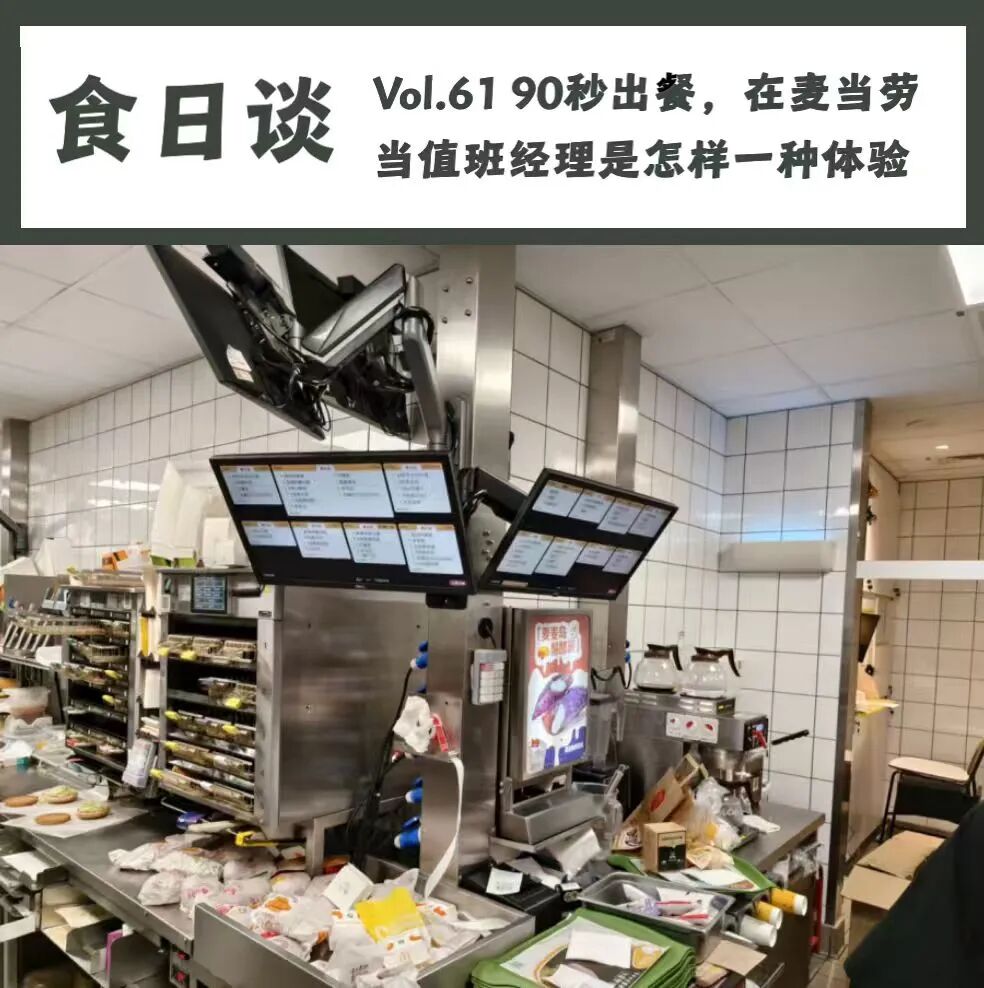
When we walk into a McDonald’s and, as a matter of course, stand at the counter waiting for a set meal, do you ever feel that, in the open kitchen, a highly precise “production battle” is unfolding? In the myth of the fast-food empire, everything is standardised: 90-second service, a fryer held at a steady 160 degrees, bags of vacuum-packed shredded lettuce, and the beeps that alert staff to their next move.
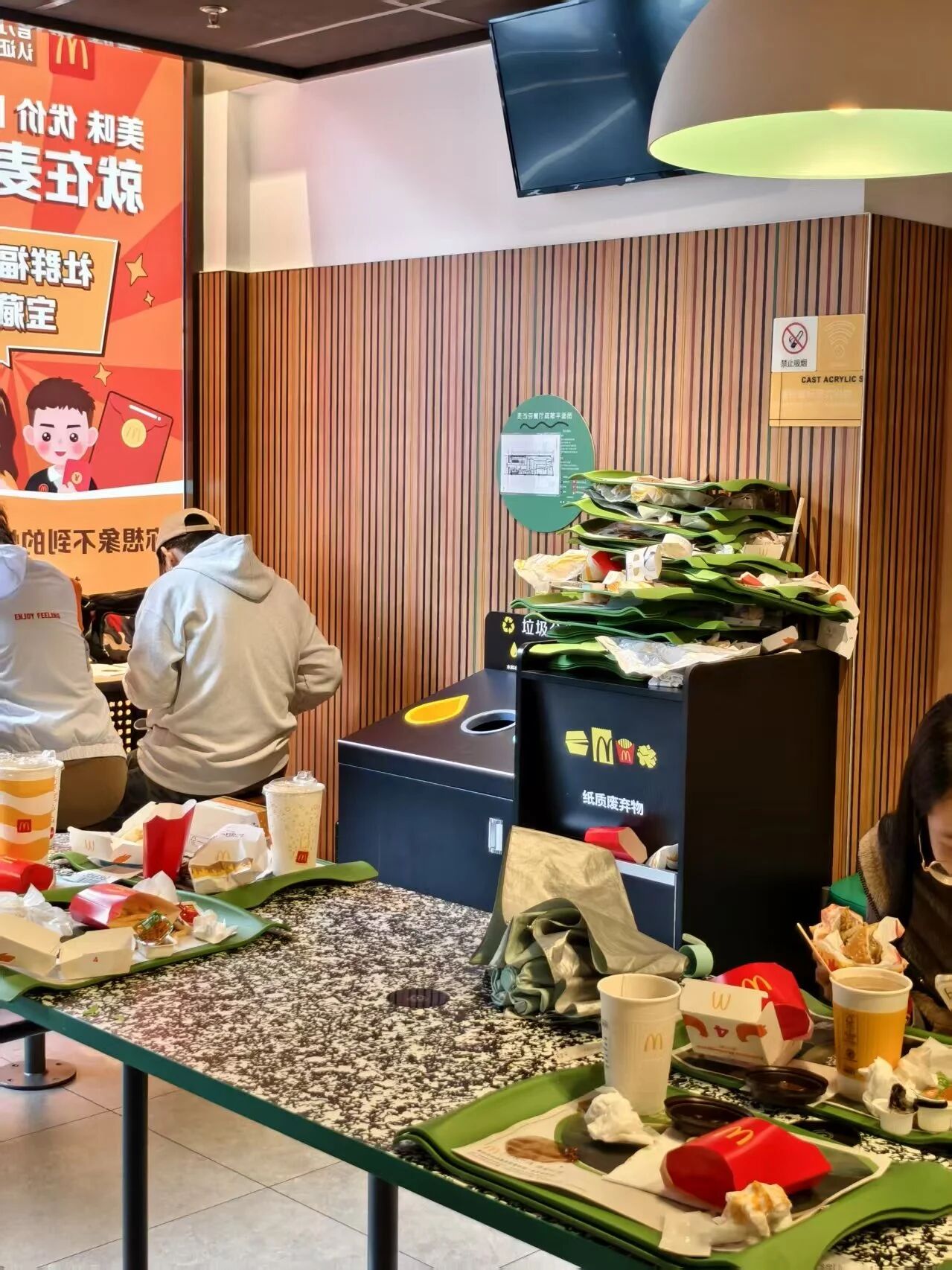
In fact, McDonald’s has two faces. It is both a consumer space and a miniature factory. As McDonald’s has changed, through the rose-tinted lens of childhood, from a joyful place full of balloons, clowns and happiness into an adult “workhorse canteen”, we have gained a chance to finally slow down and look at its other face.
This episode of Food Talk welcomes Jiang Ke, who spent seven months as a shift manager at McDonald’s. She joined with a passion for running restaurants and studying food and beverage operations, yet every day she feels the pressure of “human-machine unity” under the strict 90-second service target. When a “prospective management trainee” with a bachelor’s degree truly enters the back kitchen, she finds that this seemingly smart system is both advanced and fragile.
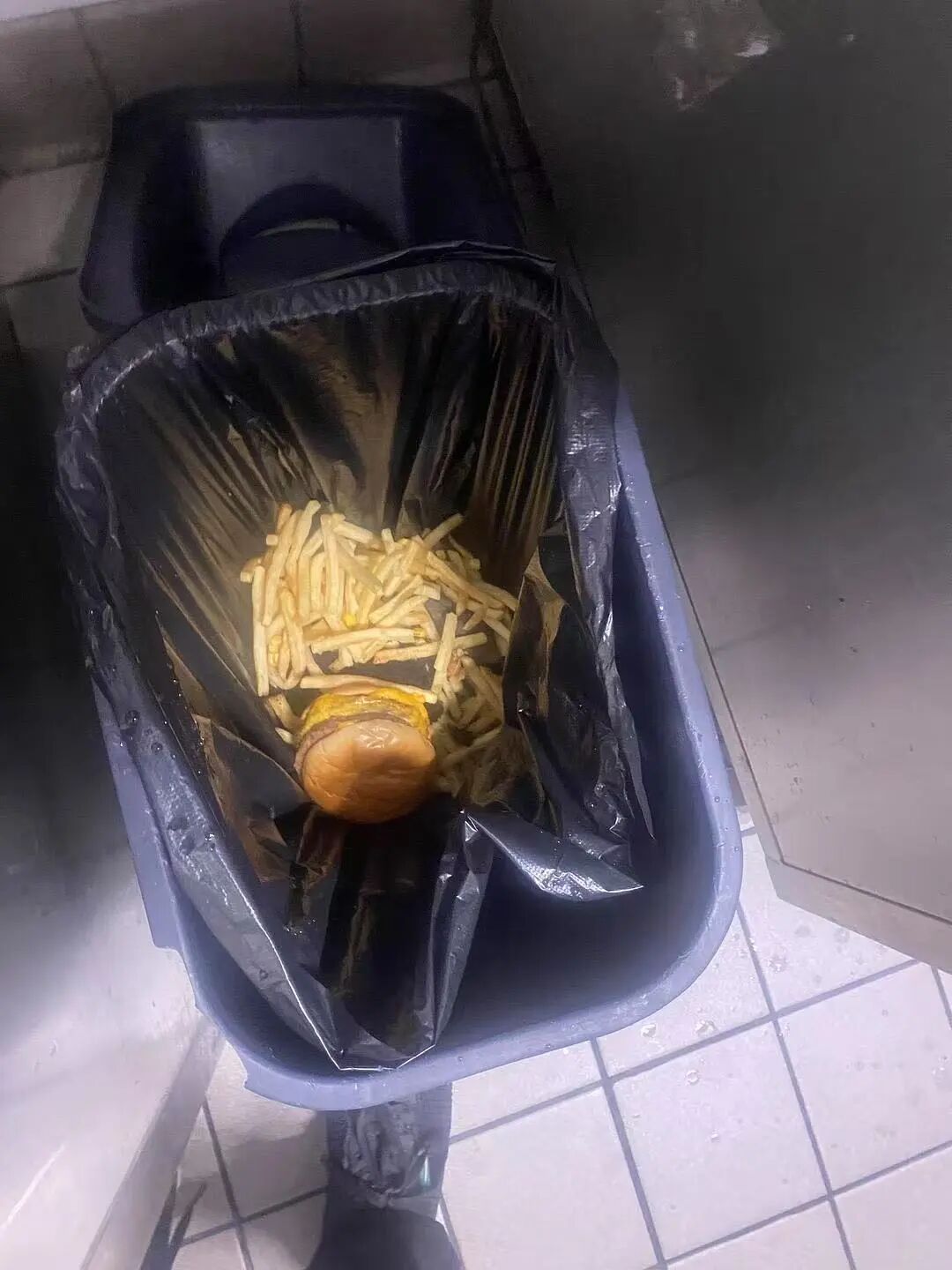
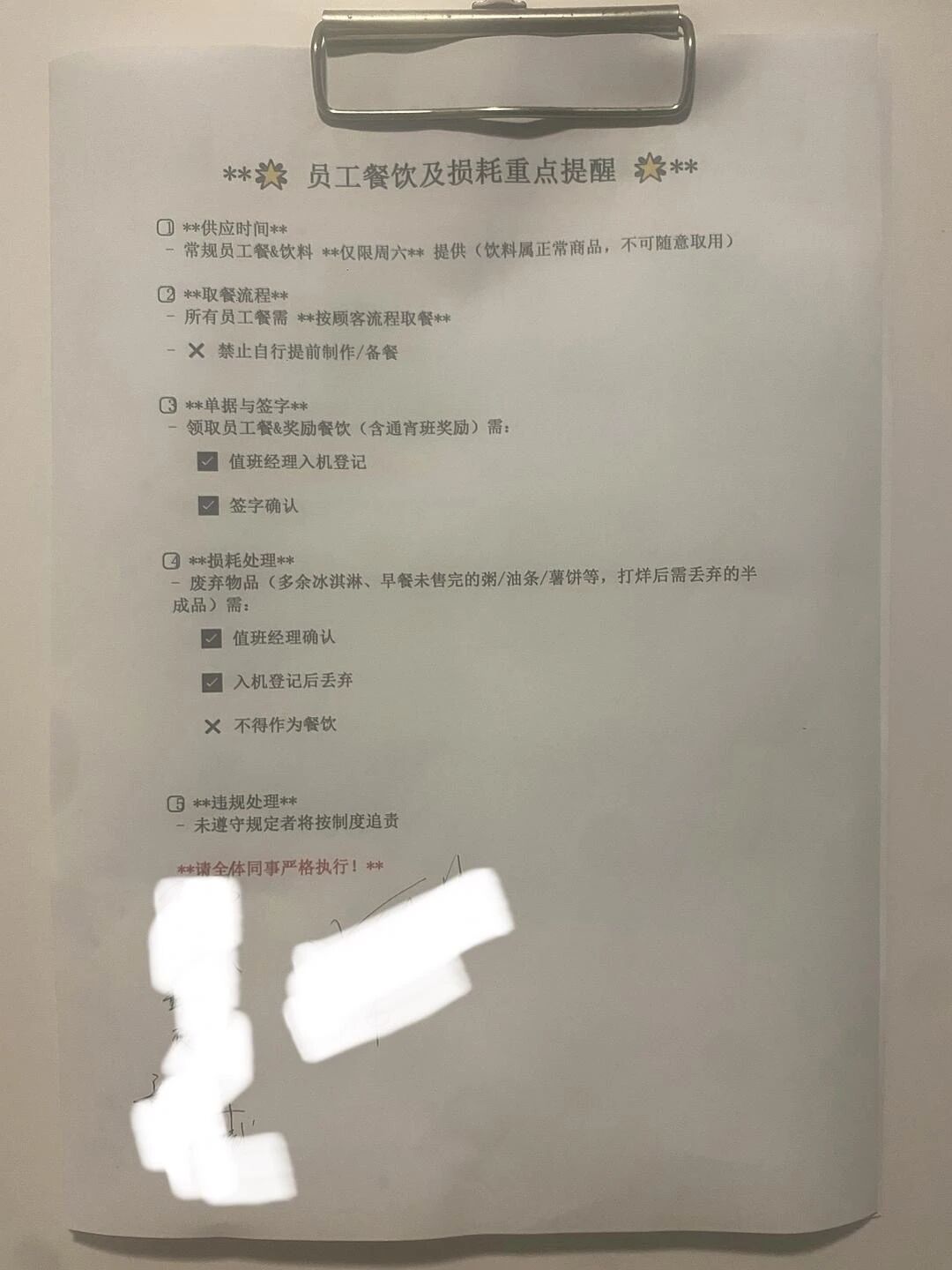
Behind a single fry lies a multi-dimensional tug-of-war over efficiency, cost, labour and systems. From the food waste behind “Golden Quality” to shared store managers under “cost-cutting and efficiency gains”; from a “Smart Production System” that predicts the future to “price anchoring” as a psychological game.
We try to understand: when a restaurant runs like a factory, what is it like for the workers? And why, while resisting pre-prepared food, do we still deeply love “Maimen”?
In this episode, we talk about McDonald’s, but not only about McDonald’s. This is not just an exposé about burgers and fries, but a reflection on modern labour and the order of everyday life. If these questions have ever struck you in an instant, please click to listen to this episode of Food Talk, a special in the “A Hundred People Who Feed Us” series.

This Episode’s Guest
 Jiang Ke
A food and beverage beginner who loves analysing the people, food and operations in restaurants, and often watches Yong Ge while eating
This Episode’s Host
 Yu Yang
Foodthink editor, who was once “beaten up” as a child for insisting on McDonald’s
 Li Ye
Li Ye
newly appointed project officer at Foodthink and new host of Food Talk
Timeline
07:52 From store employee to store manager: how exactly does McDonald’s management system operate in tiers?
11:09 When only two people are running the entire restaurant, with 7 minutes for chicken wings, 3 minutes for fries and 4 minutes for chicken patty—how would you deploy the team?
16:12 90-second service: a myth of efficiency or a data illusion manufactured by the system?
24:43 With beeps sounding one after another, what pressure do the staff behind the pickup counter, with furrowed brows, actually feel when preparing orders in such a cramped space?
31:48 Can any store really enforce the “Golden Quality” 7-minute fries standard in reality? When customers are unhappy and ask for freshly fried fries, onto whom is the labour pressure shifted?
38:51 Under McDonald’s rapid expansion, what is going on with shared store managers, shared employees and super store managers?
42:59 When human resources experts and rostering experts manage through “people labels”, without seeing “the collective person”, can they still run the store well?
51:40 How is the “Smart Production System“, which sounds expensive to build, actually used?
66:08 McDonald’s in China: how many McDonald’s restaurants are there across China, and what proportion of the world’s McDonald’s total do they make up?
69:27 Are McDonald’s ingredients “fresh and healthy”? What kind of coexisting contradiction is formed between supposedly healthy ingredients and oils rich in trans fatty acids and food additives?
74:42 How much of ordinary consumers’ love for McDonald’s is childhood nostalgia? Why has today’s McDonald’s become a somewhat dim home for workhorses?
82:58 If efficiency and experience cannot be had together, who should we make demands on?
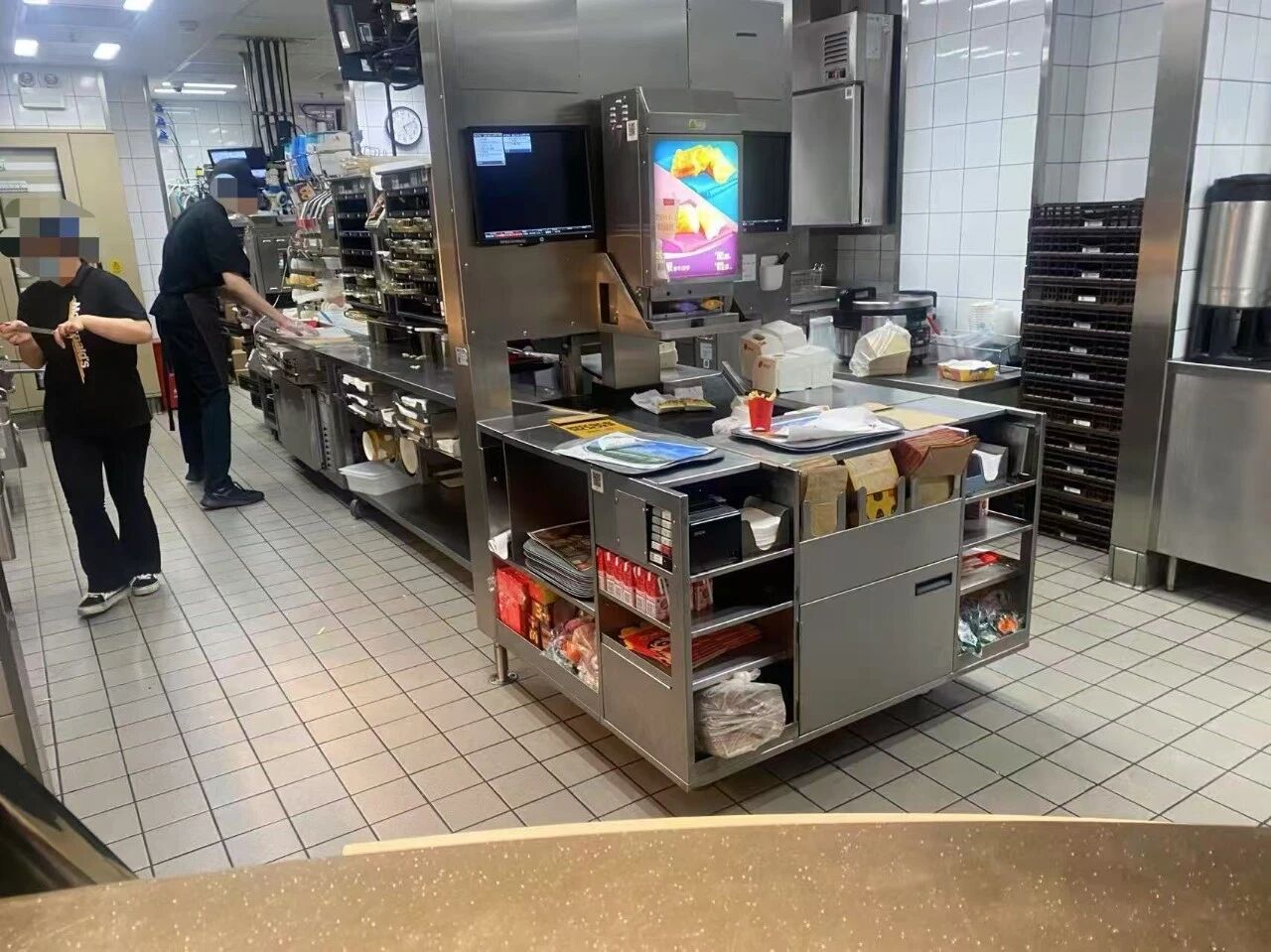
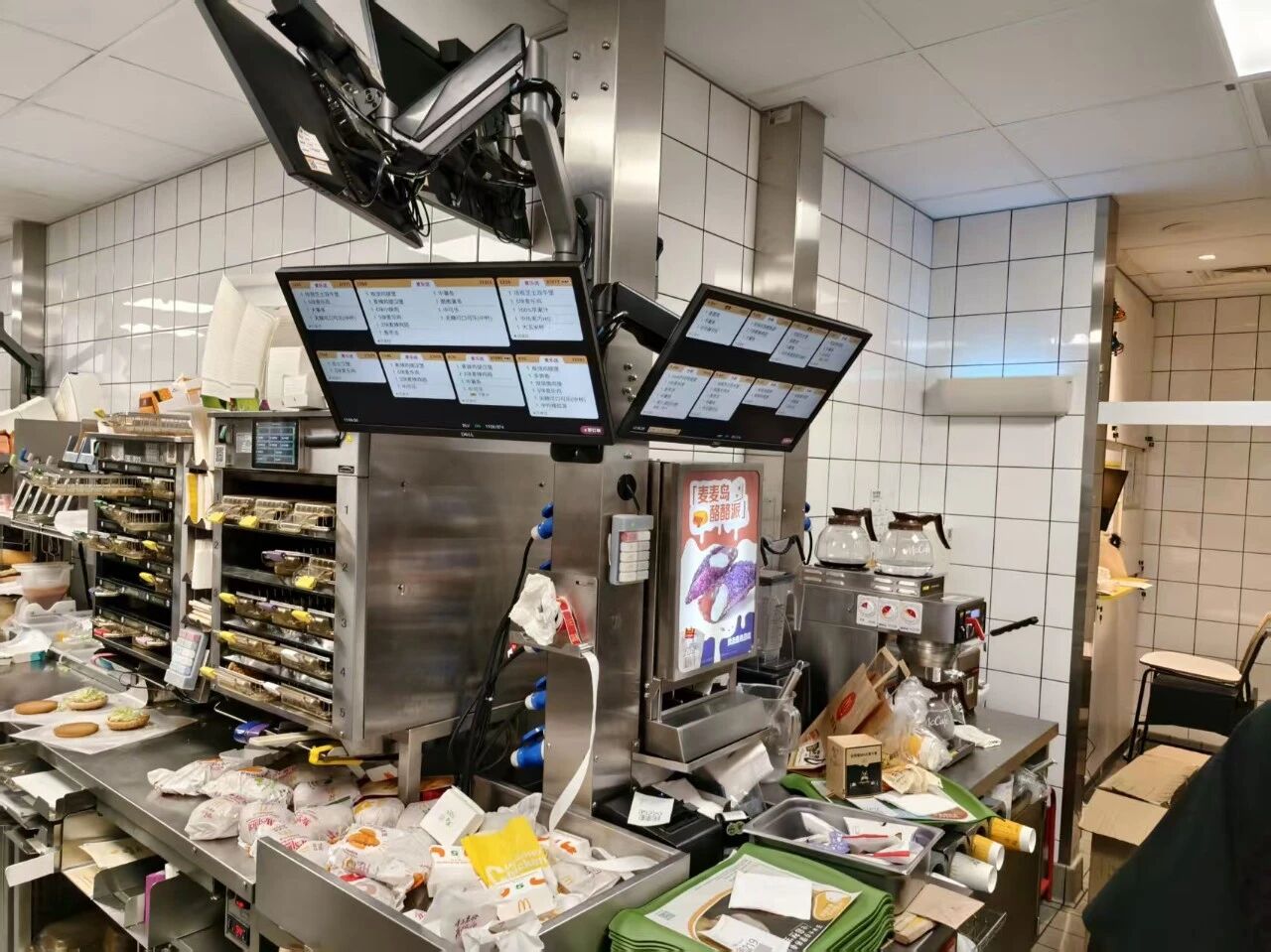
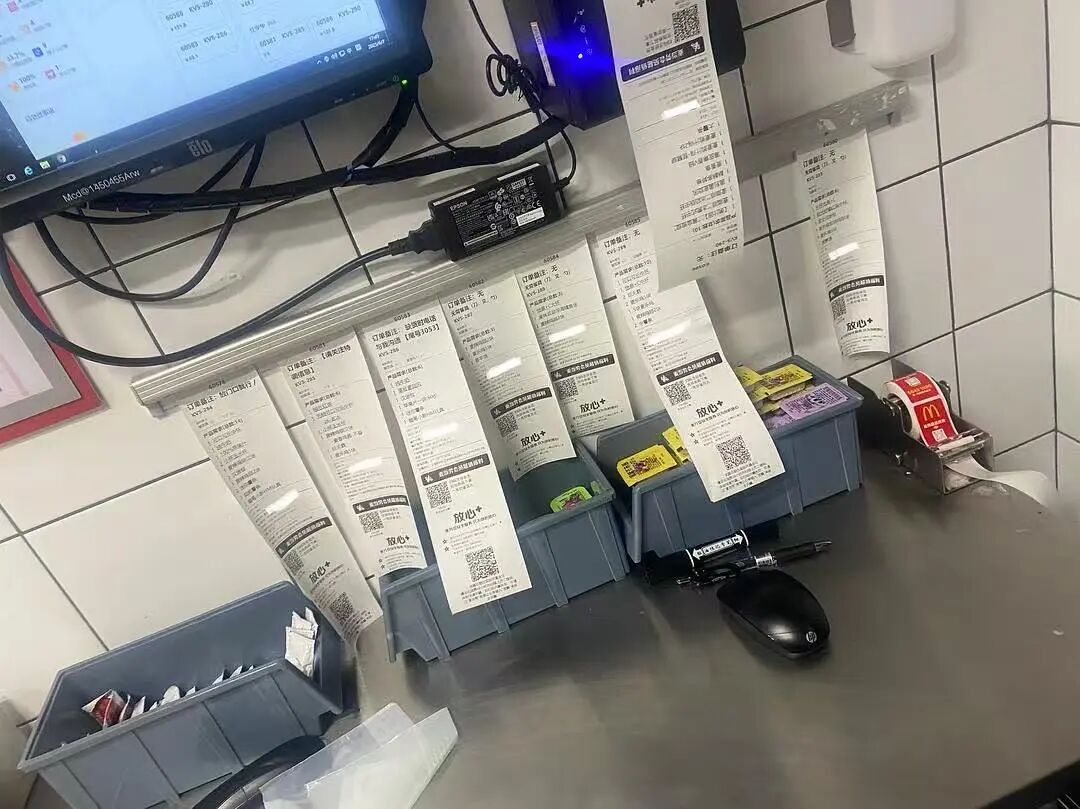
Related Reading ▼
“Maimen” workers on the assembly line
What is the point of “tech and harsh ingredients” in food? | Food Talk Vol. 19
How should we eat well in the age of pre-prepared food?
Working as a picker for an online fresh-food retailer: 30,000 steps a day, 0.3 yuan per item

Feel free to leave comments in the comment sections of various podcast platforms; we will reply from time to time. Scan the QR code below to add Foodthink Jun’s secondary WeChat account, with the note “Food Talk”, to join the podcast listeners’ discussion group.

Unless otherwise stated, all images are provided by this episode’s guest
Podcast music: Banong
Produced this episode: Xiao Jing
Planning and editing: Yu Yang
Contact email: [email protected]