
Registration Closes 25 May: Let’s Learn Ecological Agriculture Techniques for Crops That Are Easy to Grow and Easy to Sell

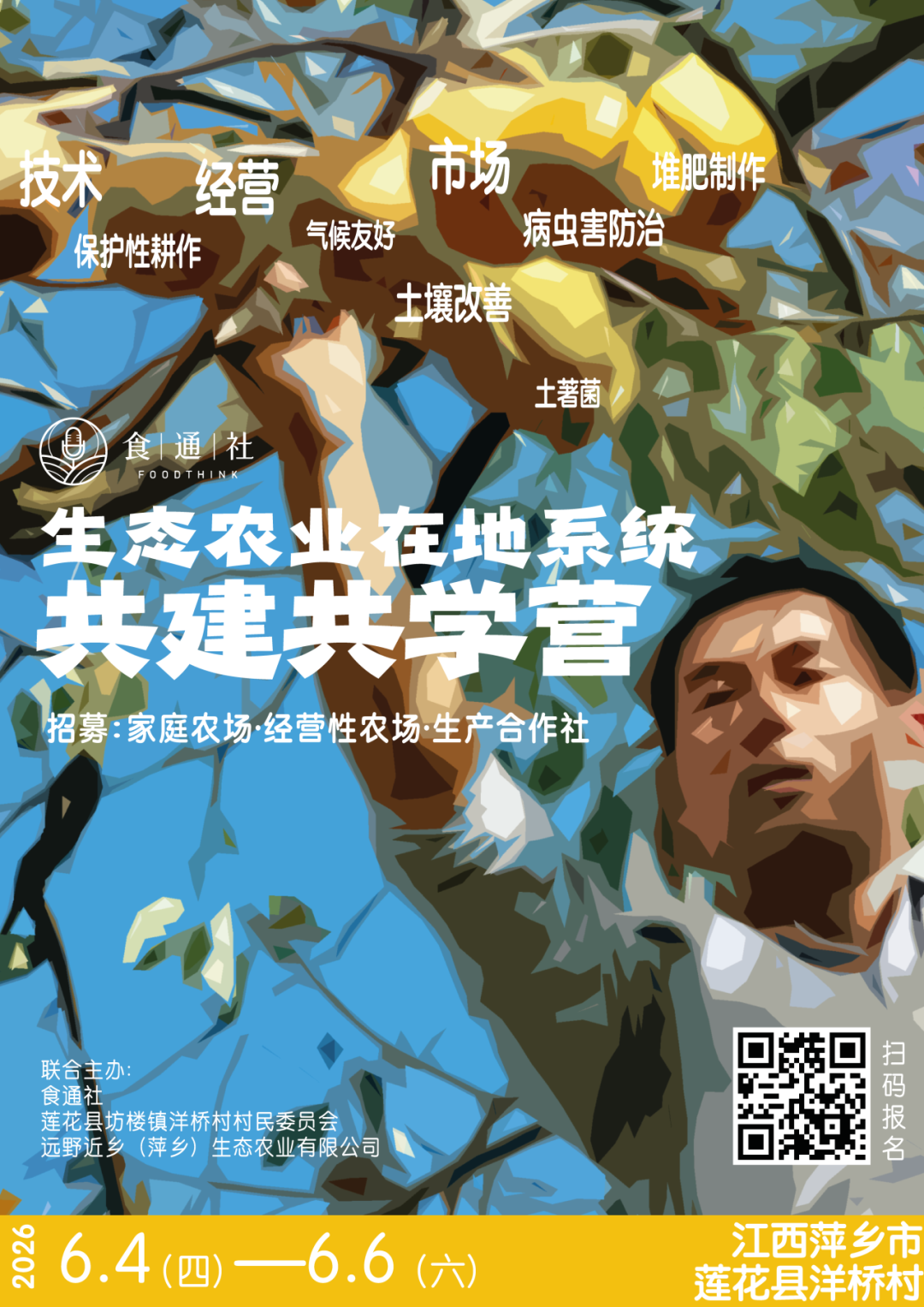
Registrations for the Jiangxi session of the Ecological Agriculture Local System Co-building Co-learning Camp will close on 25 May 2026. Only a few places remain, so please register early.
As a public-interest platform advocating sustainable food and farming systems, Foodthink published “Tell Us: What Kind of Technical Training in Ecological Agriculture Do You Need?“, gaining a comprehensive understanding of the need for technical training in ecological agriculture among small- and medium-scale ecological farmers and farmers’ co-operatives across different regions.
Afterwards, Foodthink held two sessions of the Ecological Agriculture Local System Co-building Co-learning Camp in two communities in Guangdong, one in 2024 and one in 2025.
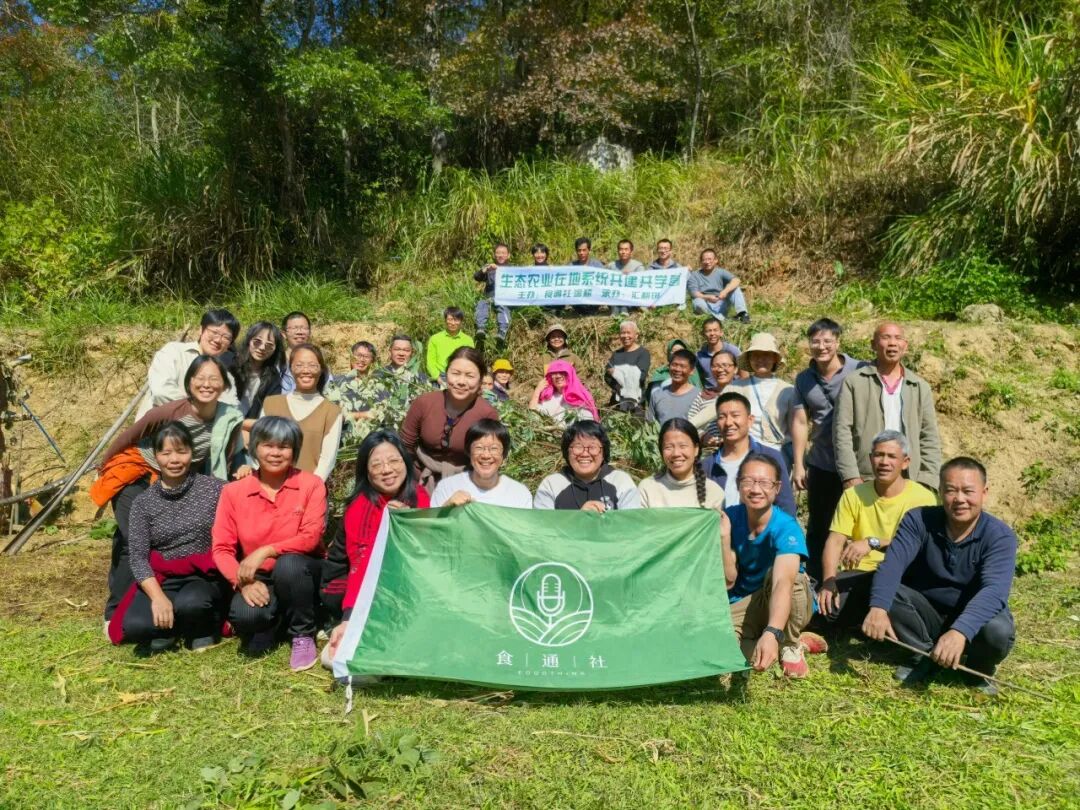
● The first session of the co-learning camp was held in Xianniangxi, Conghua, Guangzhou. Photo: Atang
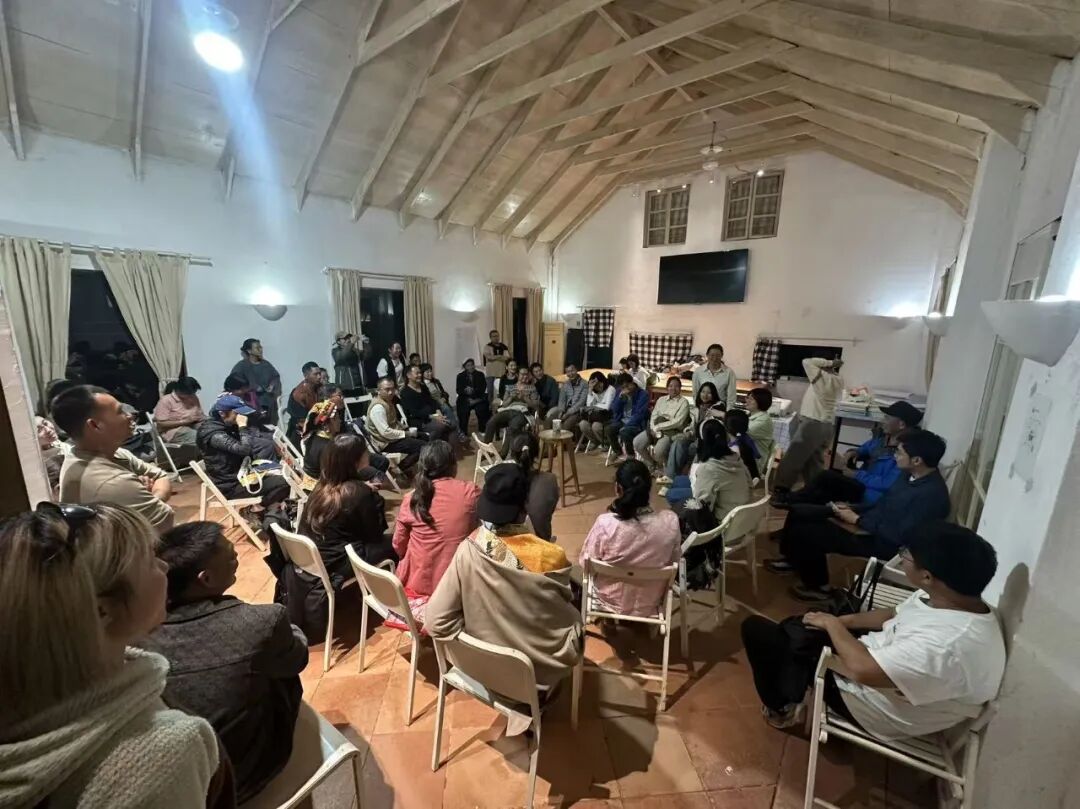
● Training classroom. The second session of the co-learning camp was held at Huiling Farm in Conghua, Guangzhou. Photo: Lingyu
After the co-learning camp ended, many participants said that the greatest benefit of this learning experience was that, on the one hand, the camp made clear the basic principles of ecological cultivation that they had “heard many times but never truly understood”; and, on the other hand, through practical sessions involving compost, enzyme, soil and field observation, they were able to put the principles into practice and take them back to their own farms.
For farmers already on the ecological path, this was not just technical training, but a way to weave their previously scattered experience into a system: some came to have a clearer understanding of the elements needed for plant growth, and finally grasped the underlying logic behind compost and enzyme-making, learned how to make amino acid fertilisers such as compost and fish protein, and “how good soil is nurtured”; others gained inspiration for crop management, such as when to use Trichoderma and how to improve fruit sugar content through field observation. Participants with no prior experience said that the hands-on courses in enzyme and compost making, which combined theory with practice, made them feel they had gained a great deal.
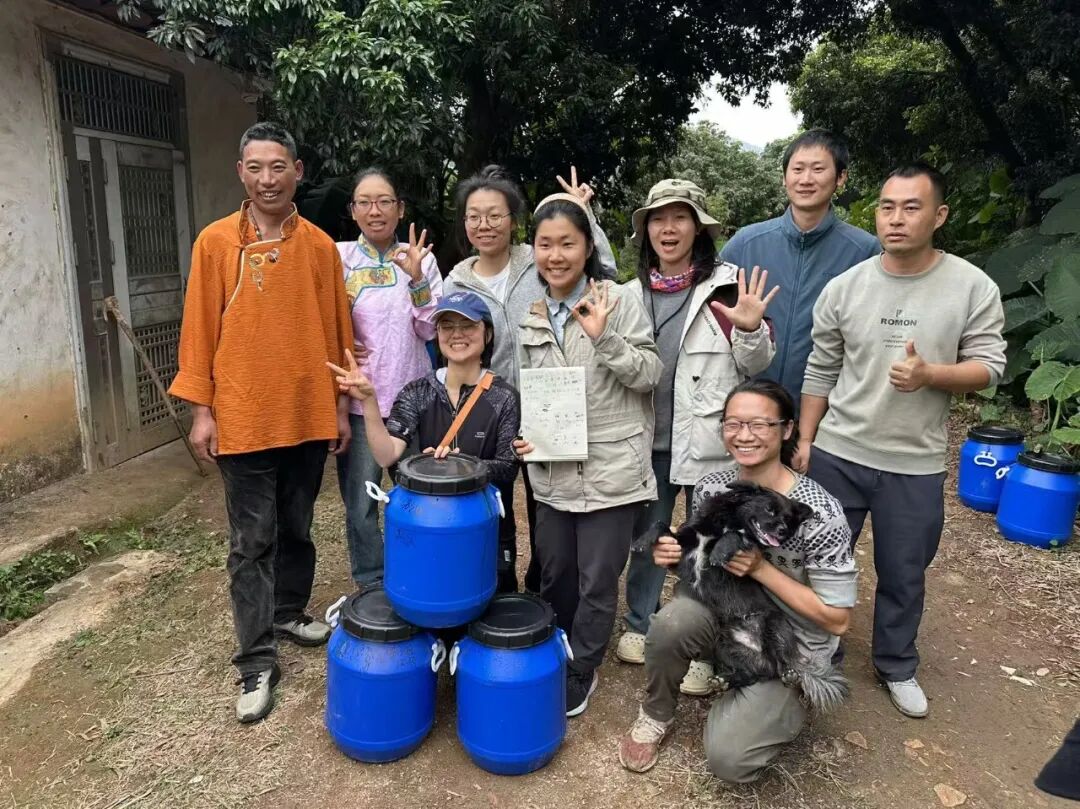
● Group practical work in making enzyme, Trichoderma, etc. Photo: Wang Juan
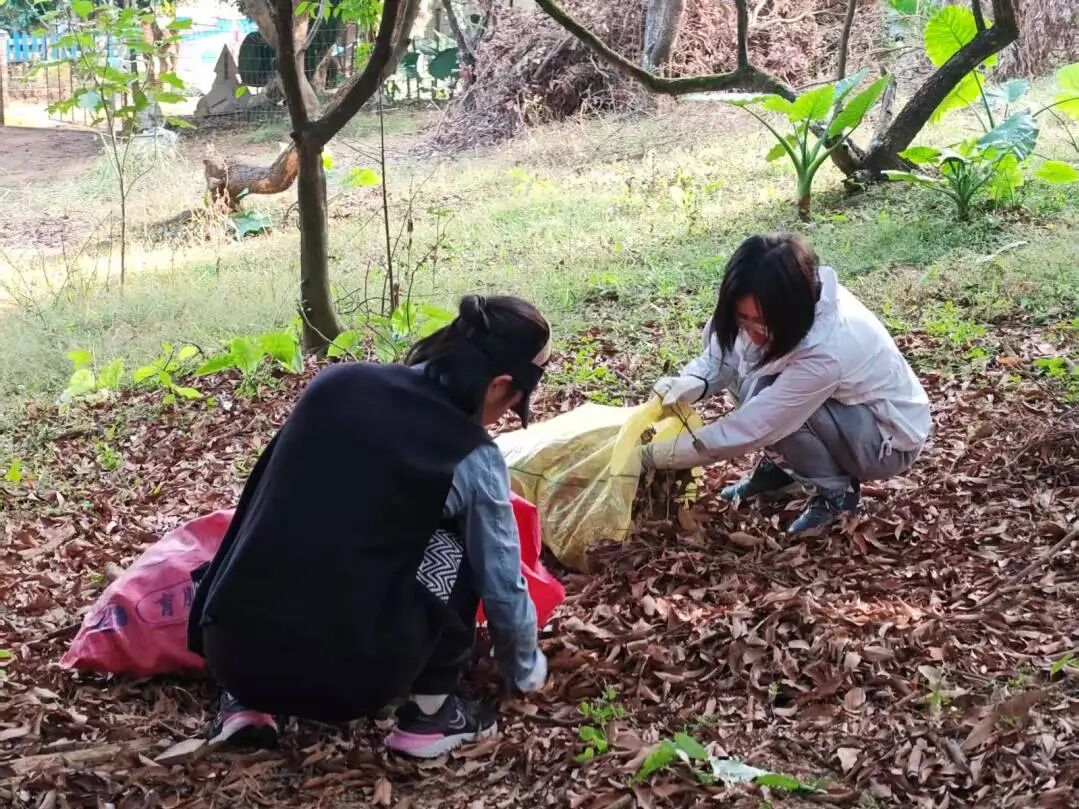
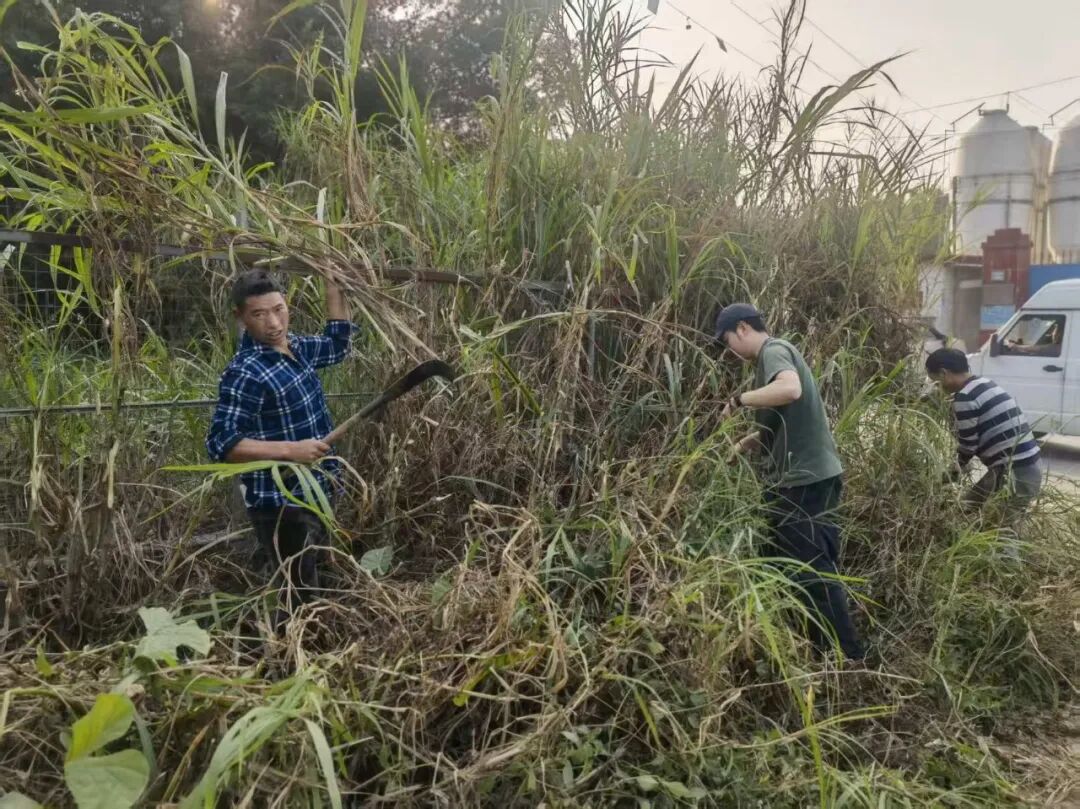
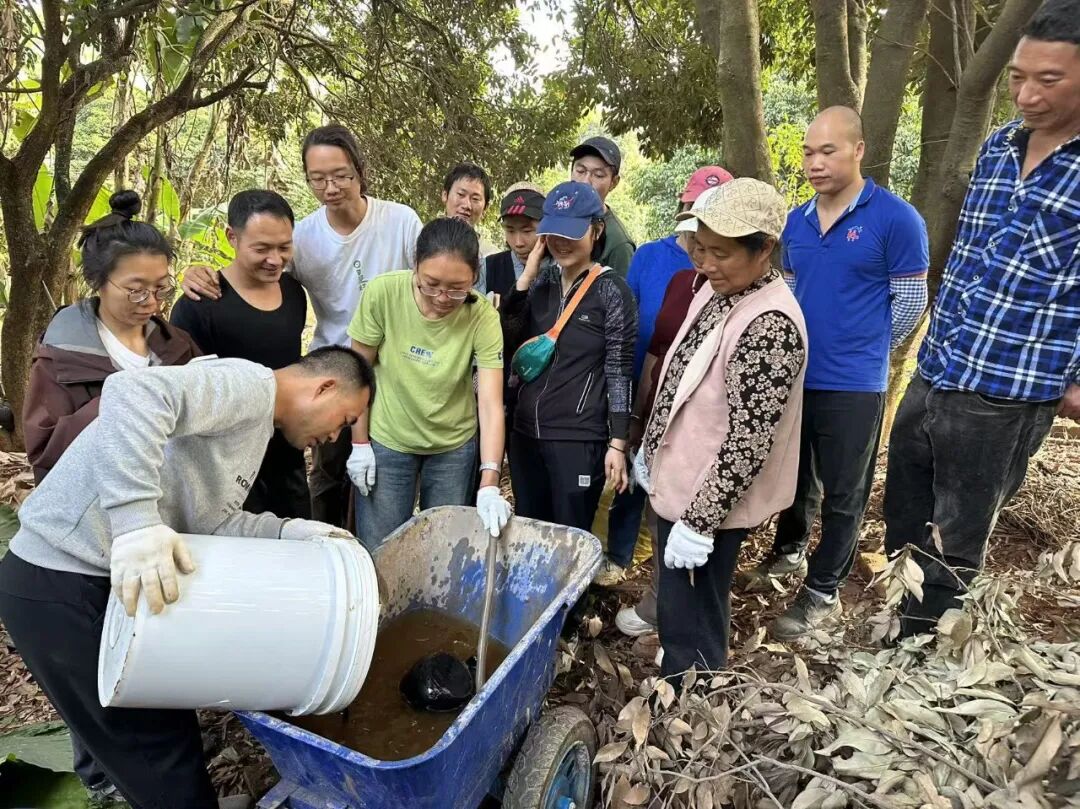
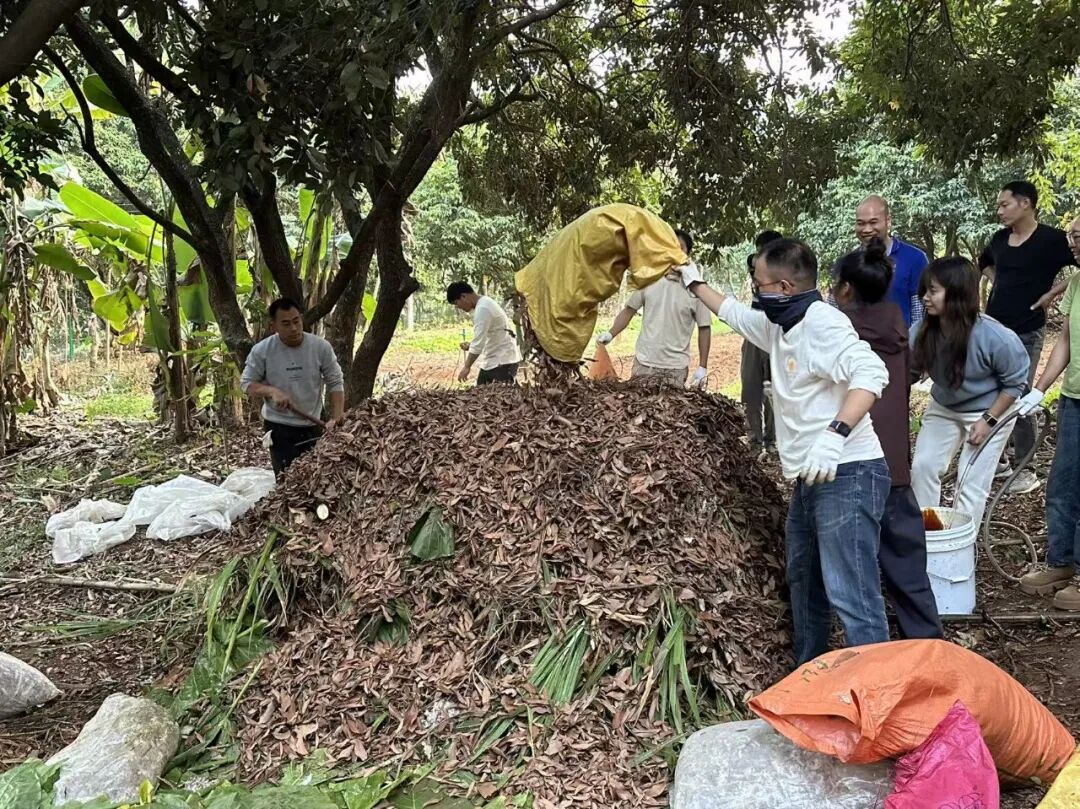
◉ Beginning compost-making by gathering raw materials available nearby. Photo: Liu Yiyue, liuyang, Lingyu
Beyond agricultural techniques, participants also spoke freely during the evening discussion sessions, and through sharing and discussion with one another came to understand the market better and opened up new perspectives: in the past, technical learning focused more on the field, but this time they began to see consumers’ needs for ecological agriculture and realised that making products tasty, attractive and affordable is equally important.
More importantly, many described this experience as a “meeting of peers”. Some found like-minded companions; some, through the sharing of frontline farmers, gained a clearer sense of their future farming methods and scale; and some, during the exchanges, were brought back to earth by reality and began to ask seriously: if they were to continue in ecological agriculture, what did they truly want. This collaborative learning was even brought back into life: some participants began communicating with their family as “collaborators”, seeking possibilities of cooperation through listening and questioning.
These are also, in fact, directions the co-learning camp has always been striving towards.
In ecological agriculture circles, techniques fall into many schools, each with its own theoretical framework and technical standards. Like martial-arts sects, once you join one, you may find yourself constrained by it.
The two “grassroots experts” of the co-learning camp have been deeply engaged in the industry for more than two decades. We have always believed that the theory and technology of ecological agriculture should serve farmers, rather than become a barrier to entry and a cost in this field.
In addition, is it harder to grow or to sell? For China’s small-scale ecological farmers, this is undoubtedly an “ultimate question” on par with “which came first, the chicken or the egg?”.
When this ultimate question is compounded by the many external factors troubling farmers—climate change, weaker consumer spending, price pressure from sales channels, labour shortages and rising production costs—it becomes truly “difficulty upon difficulty”.
More and more small-scale farmers have also found that, in the face of increasingly severe climate and market challenges, fellow farmers need to further improve ecological agriculture techniques, adopting low-cost, efficient, easy-to-master and more resilient farming methods to produce high-quality products.
As a result, the co-learning camp has been trying to connect basic science, field practice, the market and people, so that those already doing it can see more clearly, those who want to transition can become more certain, and beginners can also systematically understand what ecological agriculture is and how to start.
Building on suggestions from participants in previous sessions, the co-learning camp will set out again. On 4–6 June 2026, it will once again invite two “grassroots experts” with rich experience in agricultural technical training that is “small-scale ecological farmer-friendly”, together with farm mentors who have grown through years of practice and co-learning, to hold a three-day “Ecological Agriculture Local System Co-building Co-learning Camp” in Yangqiao Village, Lianhua County, Pingxiang City, Jiangxi, helping more farmers who are already practising ecological agriculture, or who want to transition in that direction, improve their techniques and clarify their direction of development.
Over these few days, let us work together to find a balance between each other’s production techniques and methods. These methods can address the issues farmers care about most: yield, quality and cost.
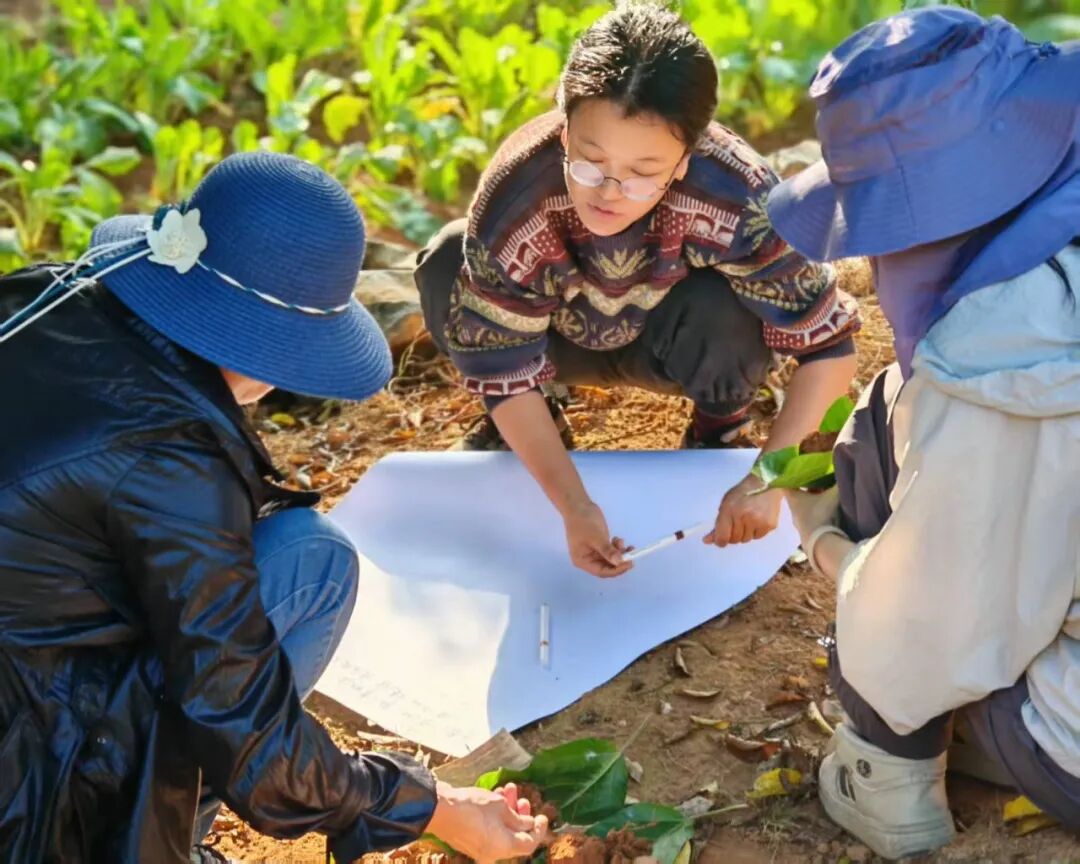
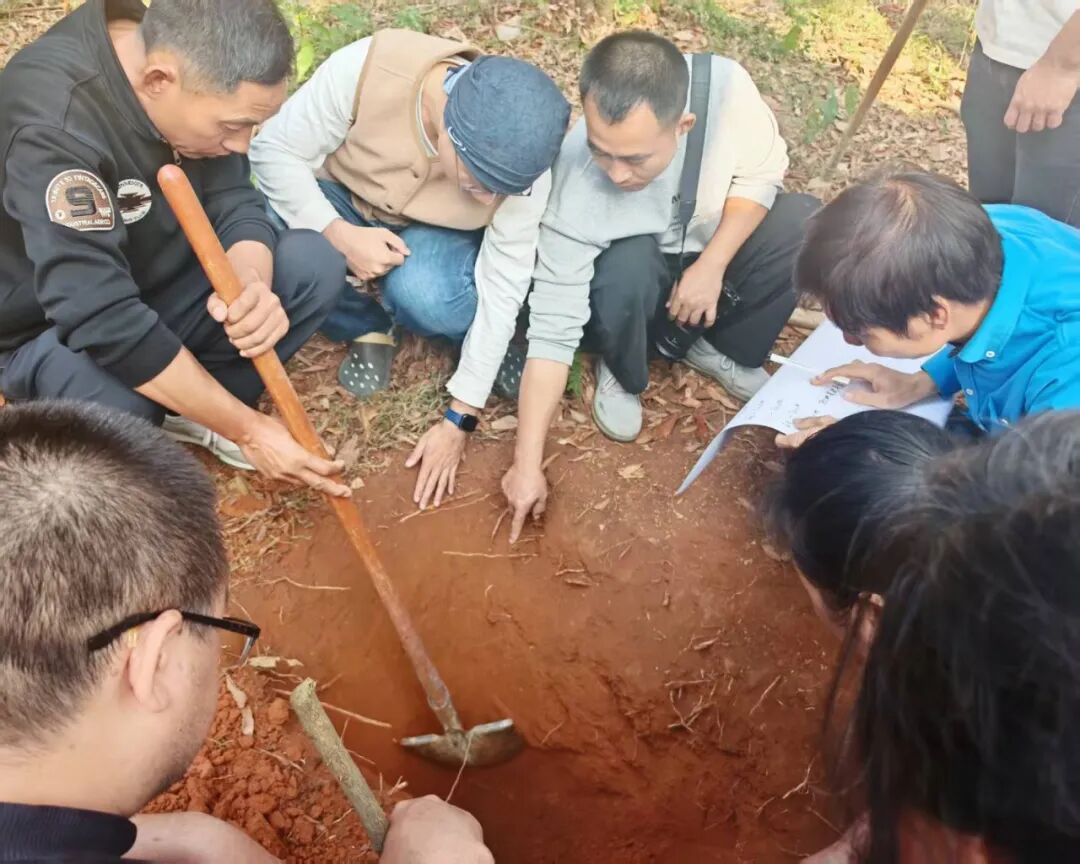
◉ Digging a pit by hand to observe the soil. Photo: Liu Yiyue
– Basic Information –

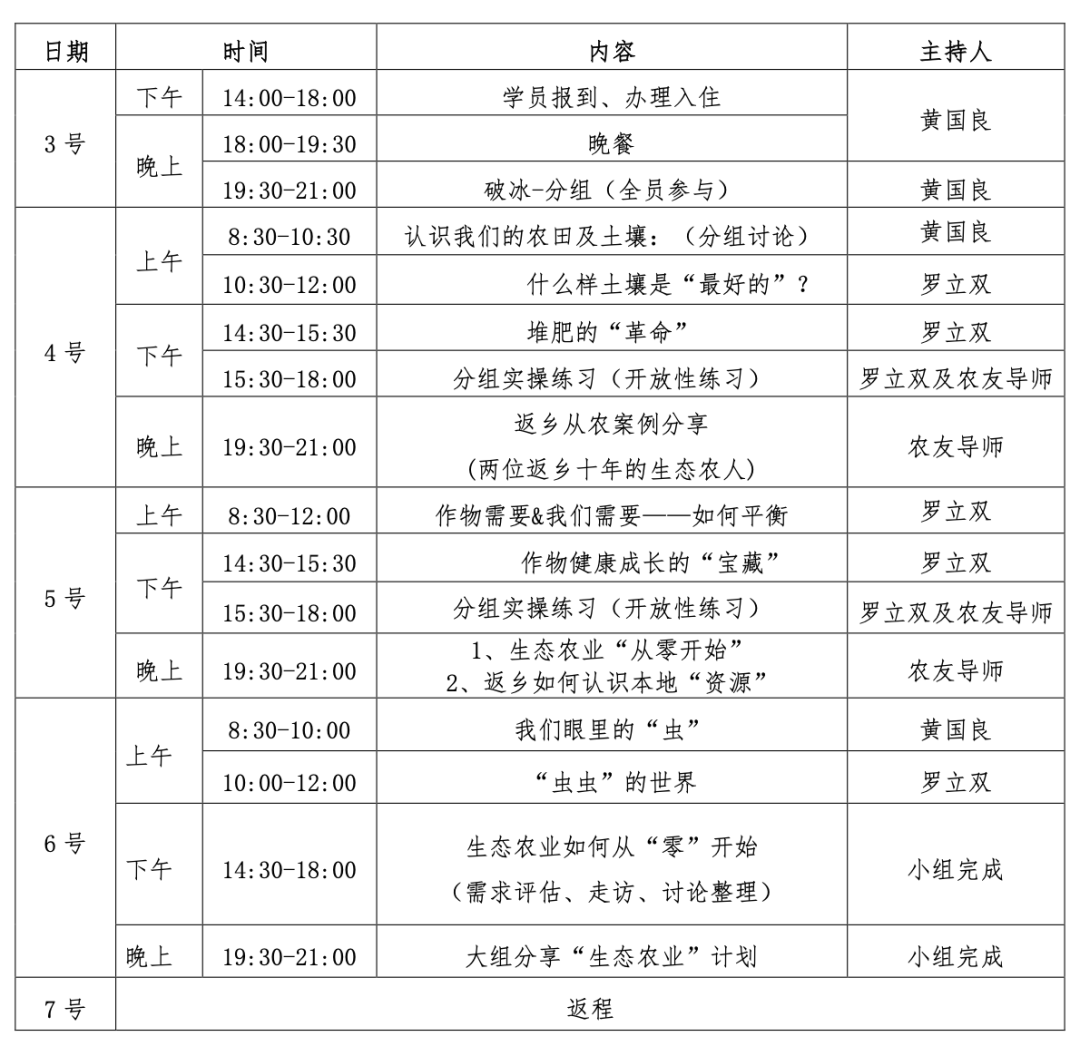
– Schedule –
– Accommodation –
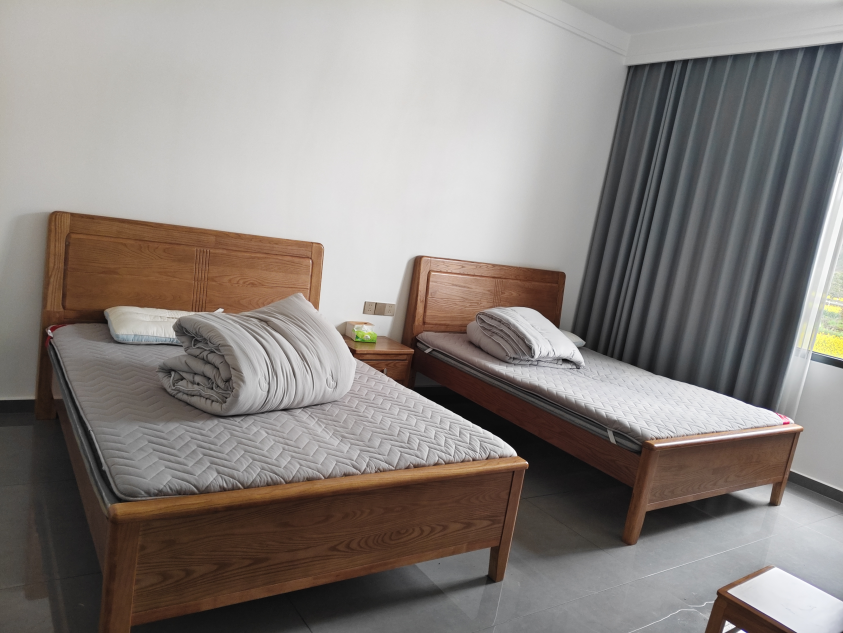
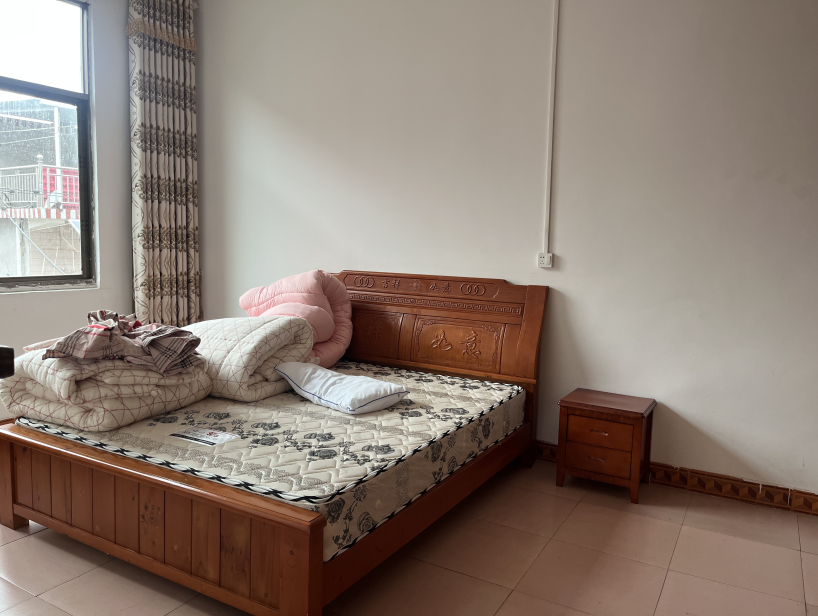
There is only one guesthouse in Yangqiao Village: one single room (110 yuan/day/room), three standard double rooms (110 yuan/day/room), and one four-person room (220 yuan/day/room). You can make a reservation when registering; the organisers can help book it, and participants share the room costs.
Alternatively, you can stay with villagers. The price is 70 yuan per room for a single room. You can make a reservation when registering, and the organisers can help book it.
– Transport –
We recommend taking the high-speed rail to Pingshang North Station, then searching for the “Lianhua Chuxing” mini-program to book a business car online, selecting the “Pingshang North–Lianhua” route, and choosing Fanglou Town as the drop-off point (about one hour in total). We recommend an eight-person carpool. On arrival, you can take the bus (Lianhua to Yangqiao route) directly to Yangqiao Village (terminus; 5 km, about 10 minutes), or share a taxi directly to the village.
If you are travelling by air, we recommend flying into Changsha and then taking the high-speed rail from Changsha to Pingshang North.
– Collaborators –
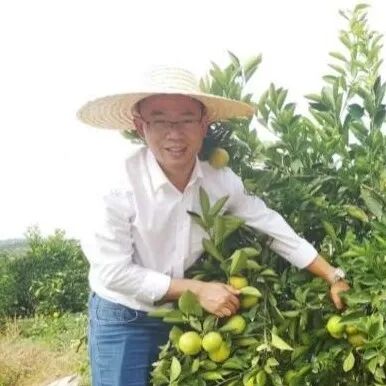
Collaborator
Luo Lishuang
Luo Lishuang is from Baise, Guangxi, and was born in the 1980s. A senior agricultural technician, they have been engaged in ecological agriculture production and research since 2008. From 2010 to 2020, they served as chief consultant to the technology platform of Guangxi Lemin Agriculture Technology Co., Ltd., responsible for advising clients on planting issues. From 2015 to 2018, they founded the public-interest organisation “Hope Oasis”, promoting experimental transitions to ecological fruit-tree production among local communities in Guangxi. In 2019, they returned home and founded Huashan Farm. From 2020 to 2022, they joined Guangxi Guoren Rural Poverty Alleviation and Development Centre, working with the team to explore the localisation of ecological agriculture techniques and farmer training. From 2021 to 2022, they joined Guangxi Gaoming Group as chief technical consultant, guiding the group’s ecological production transition and directly leading the transition production on a 360-mu trial field, which achieved very good results.
Over fifteen years of professional work, the main focus has been research into soil and ecological cultivation. Long-term field work has built up a rich store of practical experience, along with deep reflection on and understanding of ecological cultivation.
They prefer to use co-learning as a teaching approach, helping you understand natural phenomena through practice and reflection, discover the basic laws of nature through analysis and discussion, continuously recognise your relationship with nature through equal dialogue, and explore with you how to achieve a balance between crops and nature and the coordinated development of people and nature.
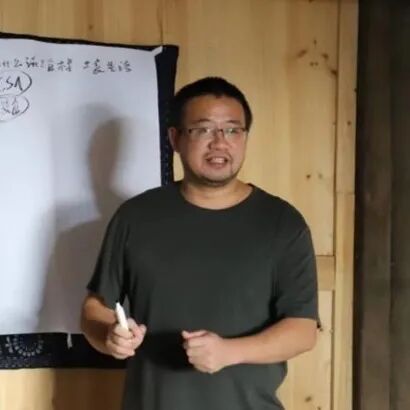
Collaborator
Huang Guoliang
Huang Guoliang is from Hepu, Guangxi, and was born in the 1980s. Since 2005, they have been involved in the work of the Rural Construction Centre at Renmin University of China and helped establish the ecological agriculture studio at the Yan Yangchu Rural Construction College. In 2008, they helped found China’s first community-supported agriculture farm—Beijing Little Donkey Urban Farm. In 2012, they founded the Chongqing ecological restaurant—Chongqing Guoren Dapinhuo Community Canteen. In 2013, they joined the Guangxi Office of Hong Kong Community Partners, mainly working to promote ecological agriculture and the protection and transmission of local varieties. They helped establish the Guangxi local variety protection platform “Guizai Fangxiang Youzhong”, and used it to organise exchange activities for farmer leaders working in ecological agriculture inside and outside the province. In 2017, they helped found Guangxi Nanning Shiyoyuan Ecological Agriculture Co., Ltd. (Nanning Urban Farm Market), which was Guangxi’s first online and offline platform for displaying and trading ecological agricultural products, organising urban consumers to make joint purchases. In 2018, they founded Guangxi Guoren Rural Poverty Alleviation and Development Centre and presided over its day-to-day work. In 2023, they continued as an independent practitioner, exploring the localisation of ecological agriculture techniques and farmer training.
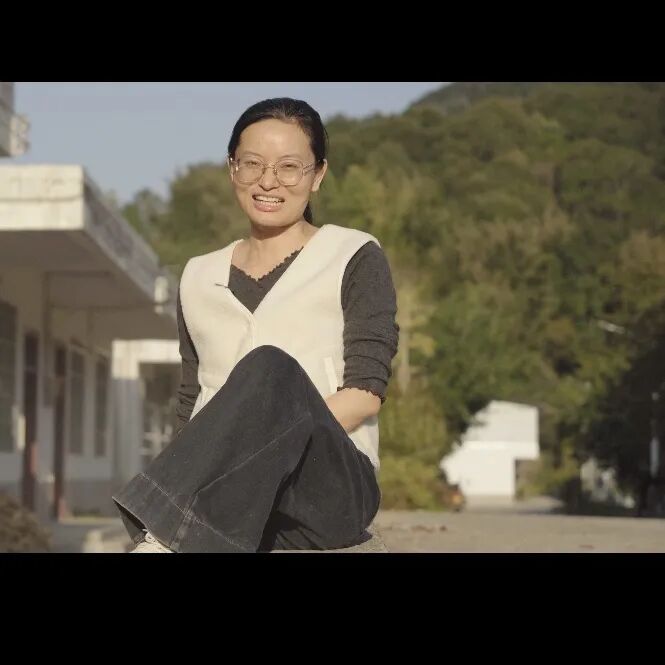
Collaborator
Liao Fenglian
Liao Fenglian is from Jiangxi and works in Guangdong. She is director of the Guangzhou Shenggen Community Development Department. After graduating in 2016, she entered the field of rural social work, focusing on cultivating rural self-organisations and working on issues such as climate change, ecological agriculture and cooperative economy, and rural elder care. In 2018, she met Teacher Luo and invited Teacher Luo to provide ecological agriculture technical training in project villages; most of the ecological agriculture technical knowledge she has acquired came from Teacher Luo. Since then, she has helped deliver courses in co-learning camps on several occasions. In the future, she wants to become a rural community organiser with agricultural cultivation skills and some capability in marketing agricultural products.
Farmer Mentor
Wei Guanghai
Wei Guanghai is from Du’an, Guangxi, and was born in the 1980s. After graduating in 2008, they went into factory work and reached management, but because they were shy and did not like the factory atmosphere, they returned home in 2012 and began growing pomelo. In 2018, through staff at the Du’an Green Roots Public-Interest Federation, they came into contact with ecological agriculture and started transitioning their production. In 2020, they attended a soil course and, following Teacher Luo, studied ecological agriculture techniques and practice in greater depth. During this period, their family went from not understanding to fully supporting them. This process also influenced the farming and livestock-raising ideas of a group of young people in the area, who followed by trying to transition.
Farmer Mentor
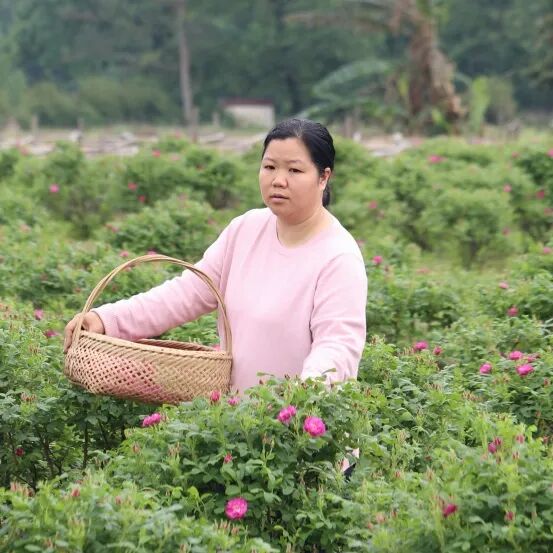
Zhou Ciyu
Zhou Ciyu is from Guilin, Guangxi, and was born in the 1980s. She graduated in environmental art design and has started and run businesses including a brewery, a yuba factory, a rice noodle factory and a restaurant. After experiencing so much, she ultimately chose to return home with her partner in 2016 to practise ecological agriculture and founded Citang Farm. Starting from nothing, she and her partner visited many places to learn ecological agriculture and artisanal processing techniques. After ten years, they have finally worked out an ecological agriculture path suitable for their small family, and are moving forward more steadily.
Farmer Mentor
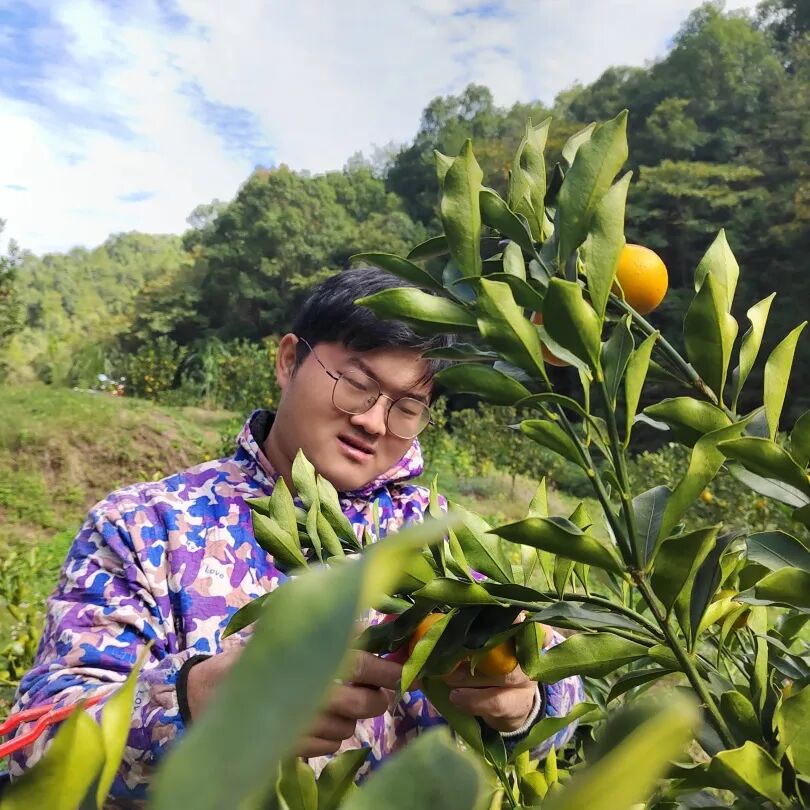
Liao Hai
Liao Hai is from Ganzhou, Jiangxi, and was born in the 1990s. At the end of 2019, they returned home for family reasons and took over the family orchard, beginning to learn the cultivation and management of citrus crops. From 2021, they gradually came into contact with and practised ecological agriculture. The family mainly grows navel oranges and Cuimi kumquats, and also raises a dozen or so cattle. Constrained by planting techniques and the impact of citrus greening, the orchard has not yet fully transitioned to ecological agriculture. In 2023, they began trying ecological transition in a relatively isolated navel orange orchard on a mountain. They hope to keep refining their planting techniques and that the entire orchard will achieve ecological transition in the future.

Past Students’ Farm Assignments
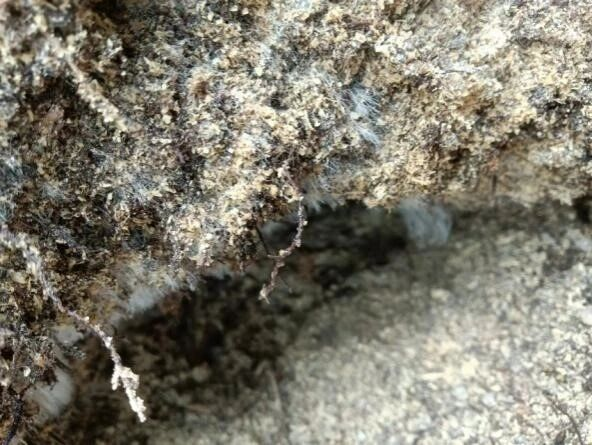
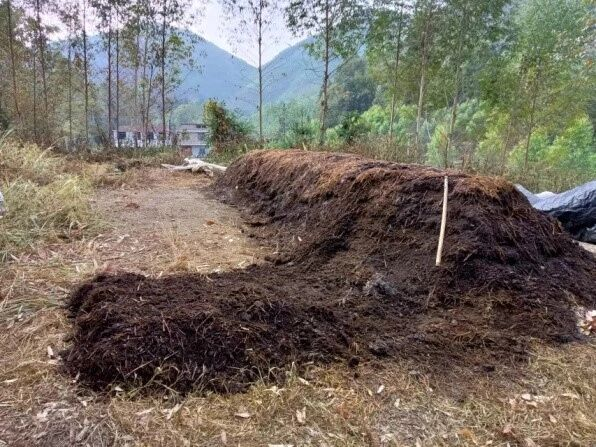
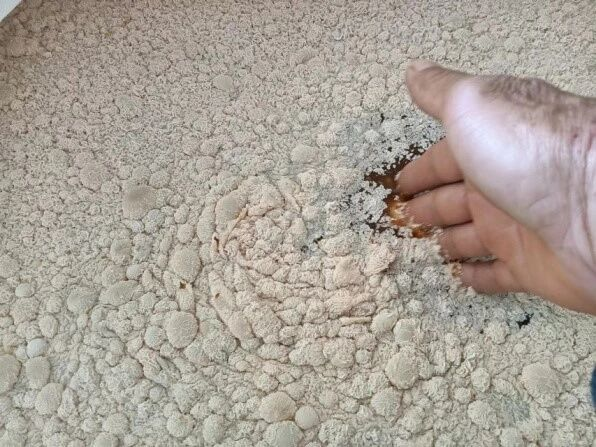
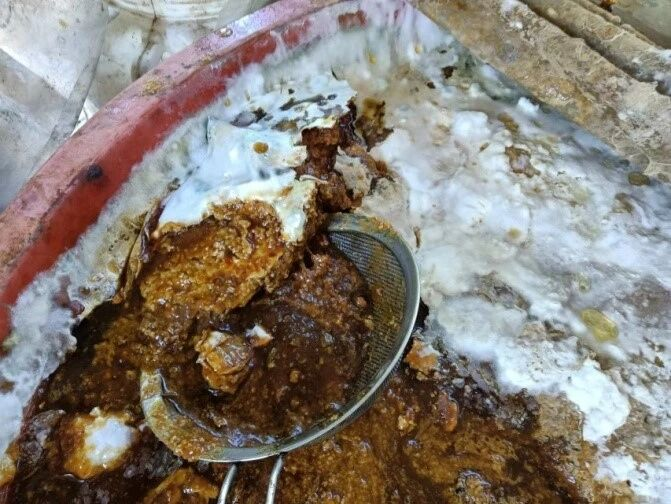
●Field collection of indigenous microorganisms, compost, plant-derived amino acids, and animal-derived amino acids. Photo: Lei Zhengjie
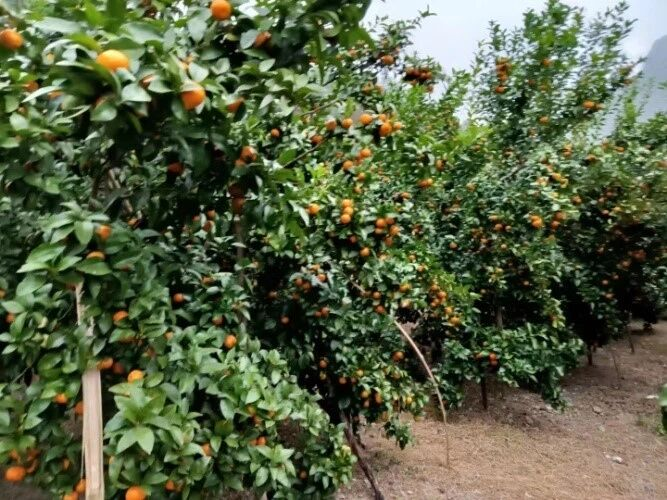
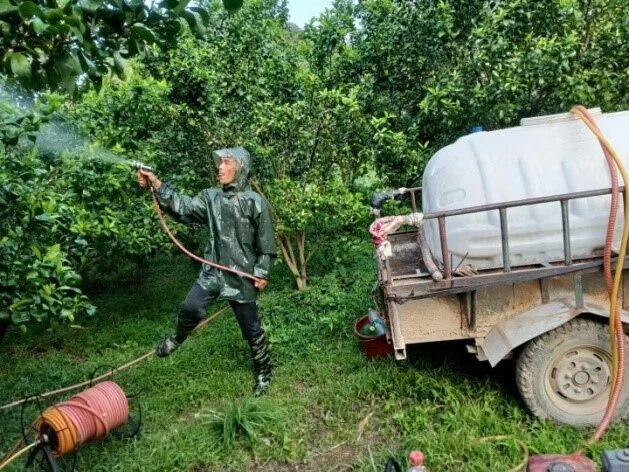
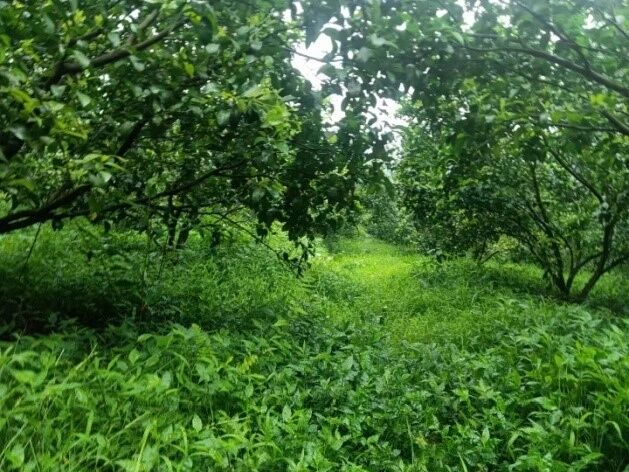
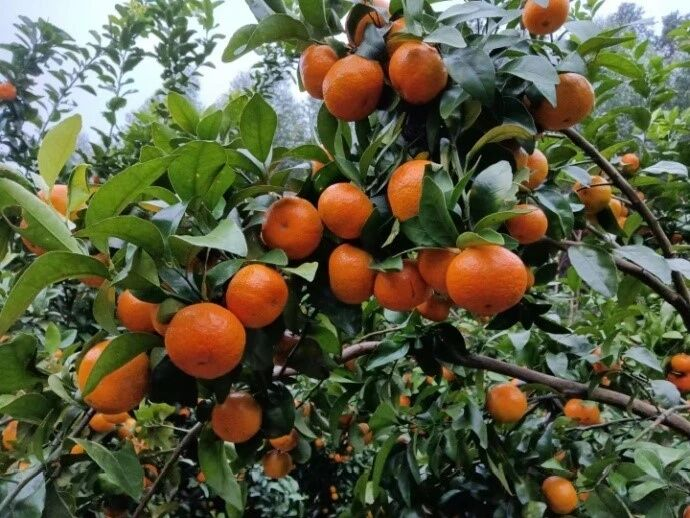
●Sugar mandarin orchard. Photo: Lei Zhengjie
– Co-organisers –
Foodthink
Yangqiao Village Committee, Fanglou Town, Lianhua County
Yuanye Jinxiang (Pingxiang) Ecological Agriculture Co., Ltd.
– Hosted by –
Yuanye Jinxiang (Pingxiang) Ecological Agriculture Co., Ltd.
Coordinator: Huang Guoliang
Editor: Xiao Dan
Poster: Zhou Xuan
Layout: Ming Lin