
Another 618 Shopping Festival: Have E-Commerce Platforms Made Our Lives Better?

Foodthink Says
Yet another 618 Shopping Festival. Open the homepage of any major e-commerce platform, and you are sure to see slogans such as “10 Billion Subsidies,” “Time-limited Spend-and-save,” and “Flash Sale Prices” tempting you to order on the spot. Perhaps someone will ask, “So what? Platforms can meet the public’s needs at lower prices — that’s reality.”
The question is: is consumption the entirety of a person’s life? Over the past few years, Foodthink has been tracking the impact of e-commerce platforms on society and people’s daily lives through reporting, commentary, story submissions, translations, film reviews, and various other formats. We have seen the many facets of reality that lie beyond a single act of consumption.
Who is manufacturing “ghost delivery”? Can e-commerce platforms genuinely help farmers? What are workers enduring behind the scenes of efficiency and convenience? Who is driving us to speed up? Will fresh-food e-commerce make wet markets disappear? Why have some people suddenly lost their appetite for takeout? How do we deal with the plastic waste generated by the booming e-commerce economy? How do films imagine and portray platform society? How have delivery platforms developed abroad? These realities profoundly shape the happiness of our lives, yet their significance is consistently overlooked or diminished.
This article compiles Foodthink’s related coverage, hoping to offer more diverse perspectives and a firmer grounding in evidence for the discussion of these issues.
Have e-commerce platforms made our lives better? Leave your answer in the comments section. There’s an easter egg at the end!
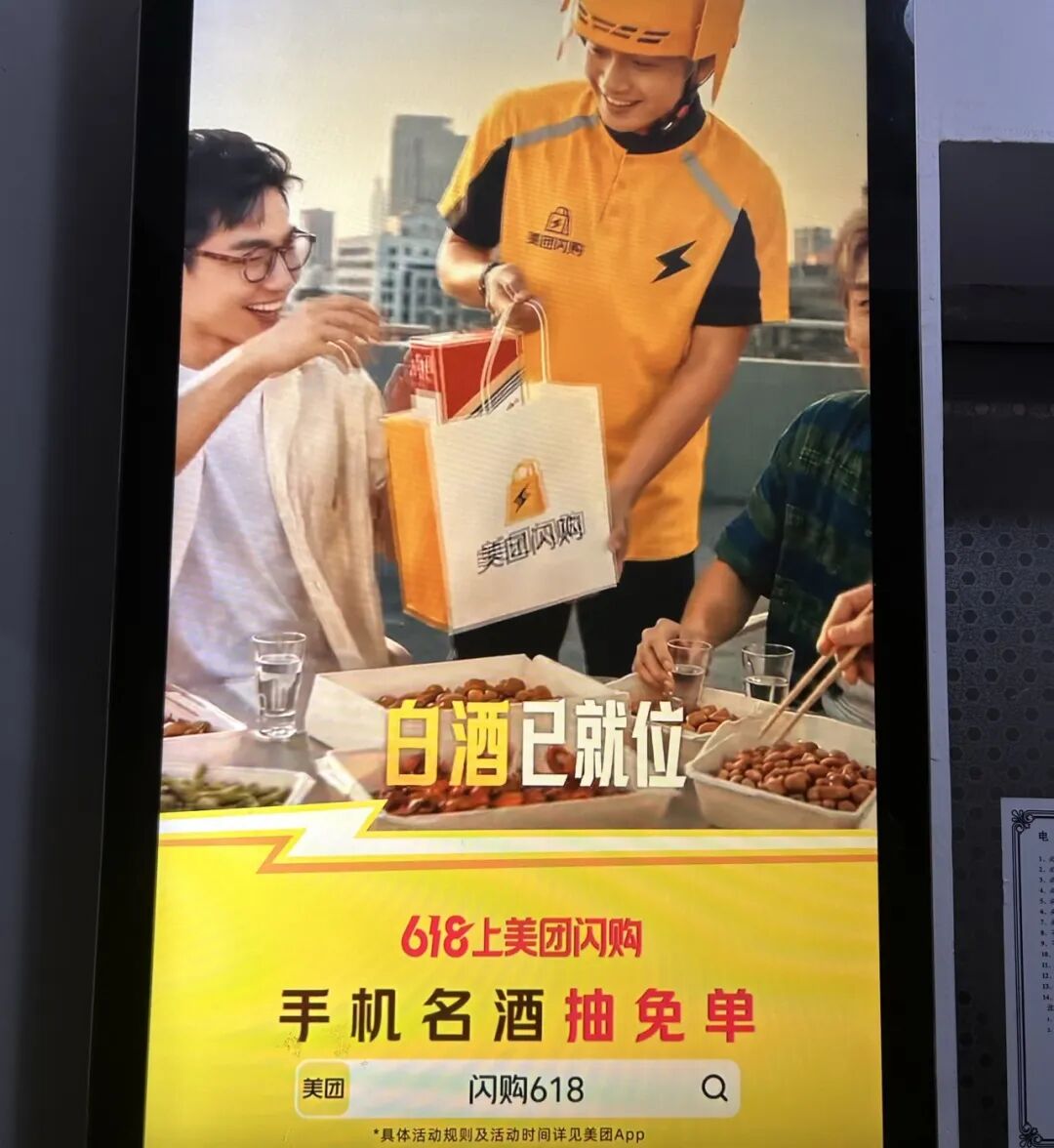
◉ A 618 Shopping Festival advertisement by Meituan Flash displayed in the elevator of a residential compound in Beijing; ads from JD and Taobao are also playing in the same location. Image source: Foodthink
Who Is Manufacturing “Ghost Delivery”?
You may have noticed that, since June, every merchant’s page on delivery platforms has gained badges indicating “dine-in” availability and “open kitchen” status. Meanwhile, regulatory authorities have required platforms to register delivery merchants under their real names and to carry out substantive verification of their operating credentials — including food business licences — through on-site inspections and other methods. These are measures aimed at curbing the “ghost delivery” phenomenon, which has become increasingly rampant in recent years.
At first, people assumed that “ghost delivery” was merely a problem of poor platform management, but a growing body of evidence now shows that the platforms themselves are the ones manufacturing the problem. The two articles below present experiences and observations from small merchants: how have platforms used subsidies as bait to lock in the restaurant industry? What rhetoric and tactics do platforms deploy with merchants to drive product prices down? How does wielding “cheapness” as a weapon to chase profit and market share lead to bad money driving out good?
While we welcome the series of regulatory measures targeting “ghost delivery,” we must not overlook the underlying logic by which “ghost delivery” is produced and condoned.
Related articles — click the image to read ▼
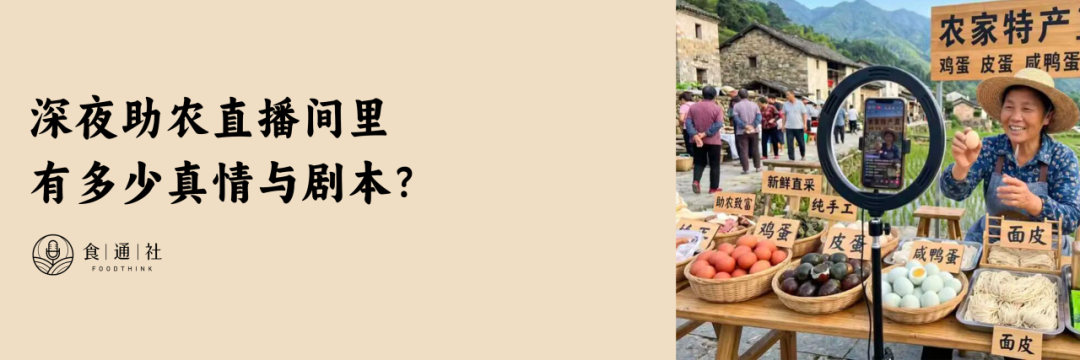
Can E-Commerce Platforms Genuinely Help Farmers?
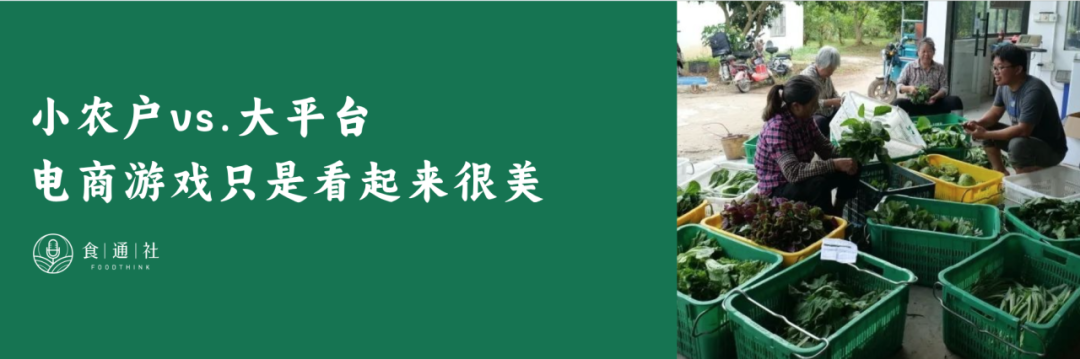
What is poignant is that platforms like Meituan once proclaimed their mission of helping small and medium-sized merchants connect with more consumers, yet have now become a force squeezing restaurant merchants and undermining the restaurant industry. Similarly, in the agricultural products space, e-commerce platforms such as Taobao and Pinduoduo also claim to help small farmers bypass middlemen and connect directly with a vast ocean of consumers.
Yet, faced with all manner of fake orders, purchased traffic, and marketing campaigns, can small farmers really navigate this e-commerce game? Have platforms truly eliminated middlemen, or have they simply become new ones themselves?
And when we happen to scroll past a wrinkled-faced tangerine farmer out in the fields, behind such a live broadcast, what dynamic contest are rural e-commerce entrepreneurs and workers actually waging against the web of algorithms?
Related articles — click the image to read ▼
What Are Workers Enduring Behind the Scenes of Efficiency and Convenience?
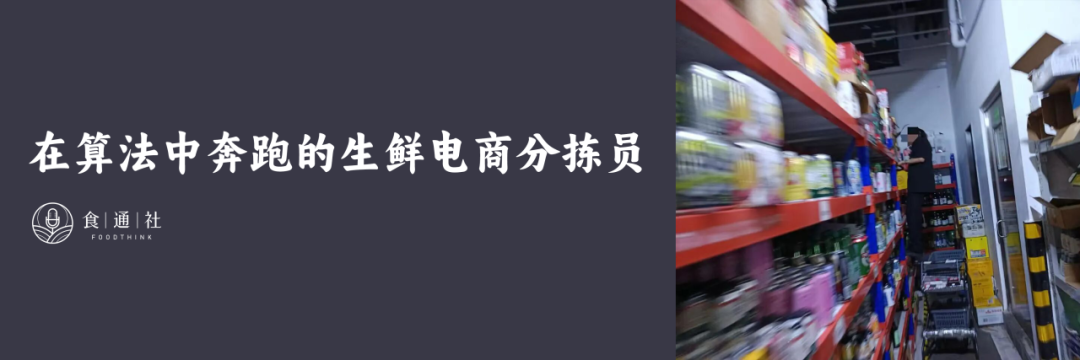
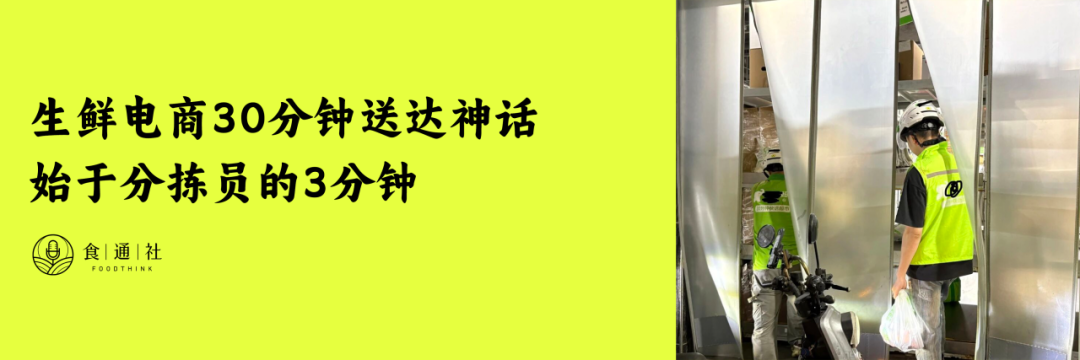
Today, on fresh-food e-commerce platforms such as Alibaba Hema, Meituan Xiaoxiang, JD 7FRESH, and Dingdong Maicai, people can order everything they need for daily life without leaving home — a few taps on a screen, and the fastest delivery arrives within thirty minutes. What you don’t know, however, is that behind this “30-minute delivery” convenience is a relay of sprints between delivery riders and warehouse sorters.
People are well acquainted with delivery riders, but may know far less about another type of worker equally subject to the dictation of algorithms, who must keep on the run — the sorter — or with the brutal reality of their existence: “30,000 steps a day, 30 cents per item.” From the instant you place an order, the algorithm’s relentless countdown and a supervisor’s tirades compel their legs to keep moving, weaving and darting between cramped, narrow shelves to pick out items for customers.
Precarious employment, low pay, meagre benefits, harsh attendance rules and fine systems, overwork, algorithmic control over workers, poor working conditions — the very hallmarks that once defined life as a delivery rider are being replicated, once again, on sorters.
Perhaps, as long as e-commerce platforms still seek to bind consumers with efficiency and convenience, similar types of work will continue to be manufactured.
Related articles — click the image to read ▼
Who Is Making Us Speed Up?
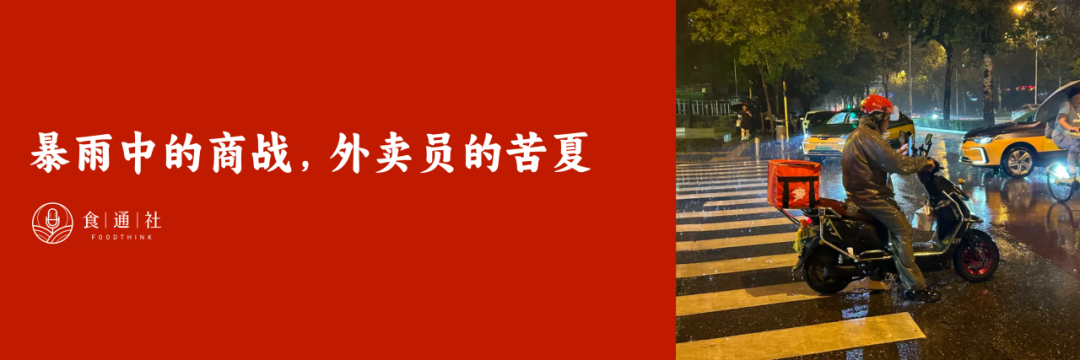
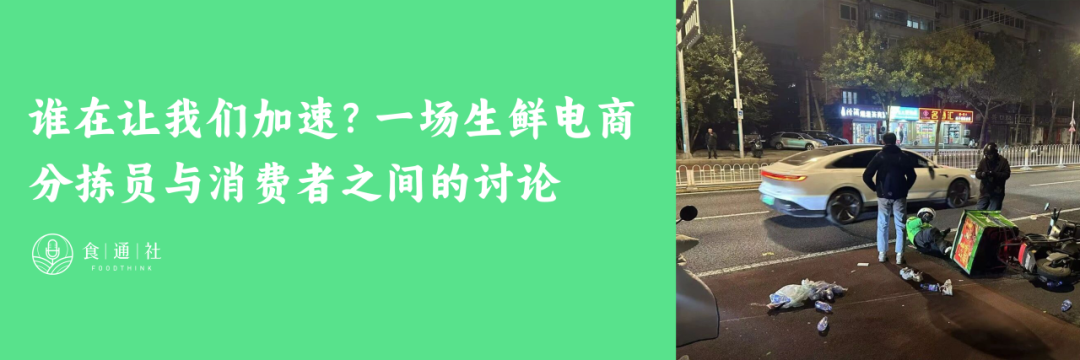
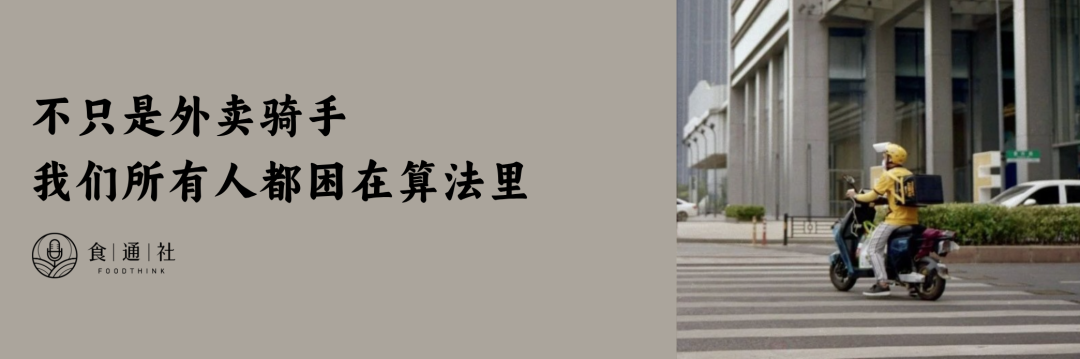
When workers such as delivery riders and sorters suffer exploitation and alienation, people inevitably fall into the dilemma of whether consumers should be held responsible. In the comment sections of the articles above, the relationship between workers and consumers has indeed struck a nerve among readers.
Yet within what is, overall, a fairly calm discussion, readers have gradually produced perspectives that transcend the binary impasse, and we have compiled these comments below. For instance, some point out the dilemma faced by working people who, caught in an ever-accelerating pace of work and life, are forced to rely on food delivery. Others argue that the platforms themselves are the reason our lives keep speeding up — consumers are not all that impatient; sorters being given three minutes to pick items, delivery riders racing through downpours to complete orders, these are the results of competition between platforms. Still others suggest that consumers, who appear to be the “beneficiaries,” are actually bearing the costs of platform-driven acceleration, such as traffic risks. And others believe the path to change lies in a collective boycott of the platforms.
Related articles — click the image to read ▼
Will Fresh-Food E-Commerce Make Wet Markets Disappear?
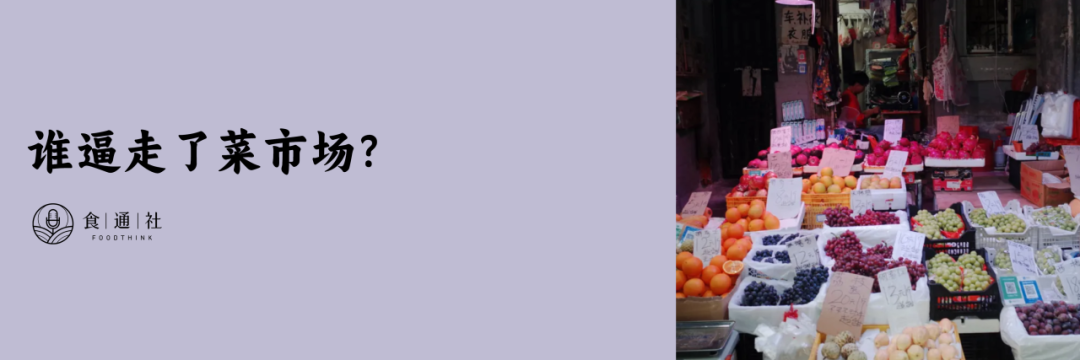
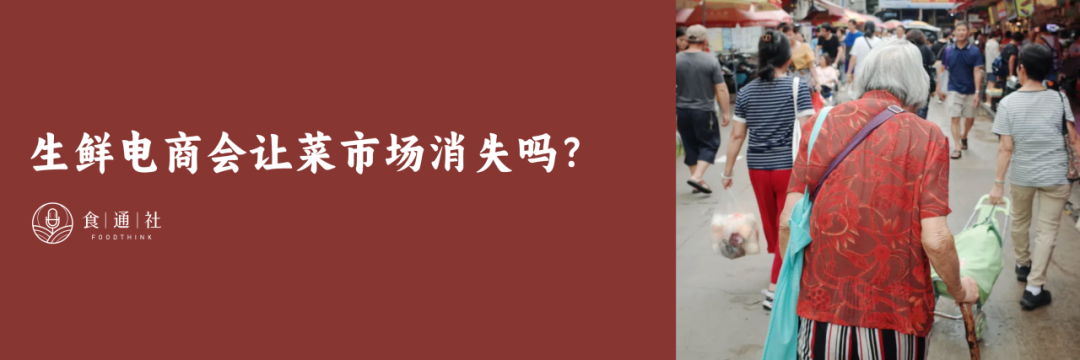
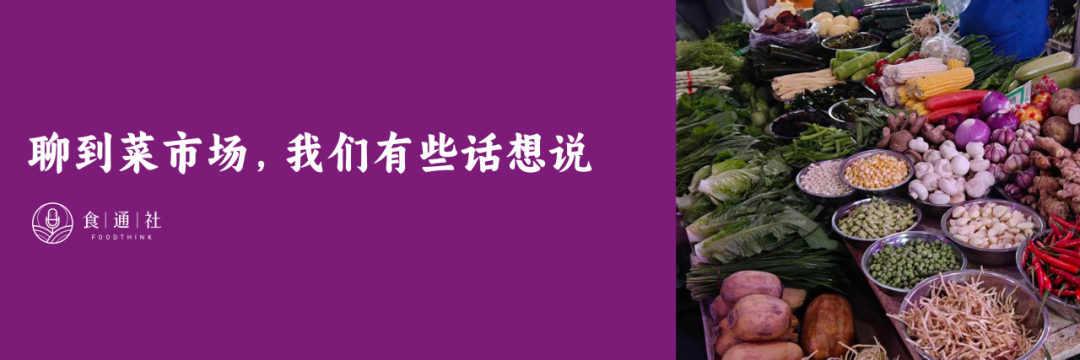
In the discussion above, one reader commented: “Platforms have killed off brick-and-mortar stores — haven’t you noticed that physical supermarkets are getting fewer and fewer?” And in the article <em>When We Talk About Wet Markets, We Have Some Things to Say</em>, another reader vented: “Fresh-food e-commerce platforms like Meituan Xiaoxiang and JD 7FRESH are so convenient — delivery arrives within 20 minutes of ordering. But I’m not making excuses for myself; wet markets in Beijing really are scarce. The nearest one to my home is about four kilometres away on foot.”
So it seems we have walked into a dead end: there are few wet markets, so we rely on e-commerce platforms; but the more we depend on those platforms, the more they drive offline community supermarkets and wet markets into decline.
What is actually happening on the ground? Funded by Foodthink’s Lianhe Creative Program, two articles first published on FoodWine turned their focus to Guangzhou, a city renowned for its food culture and everyday street life, to conduct on-the-ground research into how its wet markets are being squeezed by e-commerce.
Related articles — click the image to read ▼
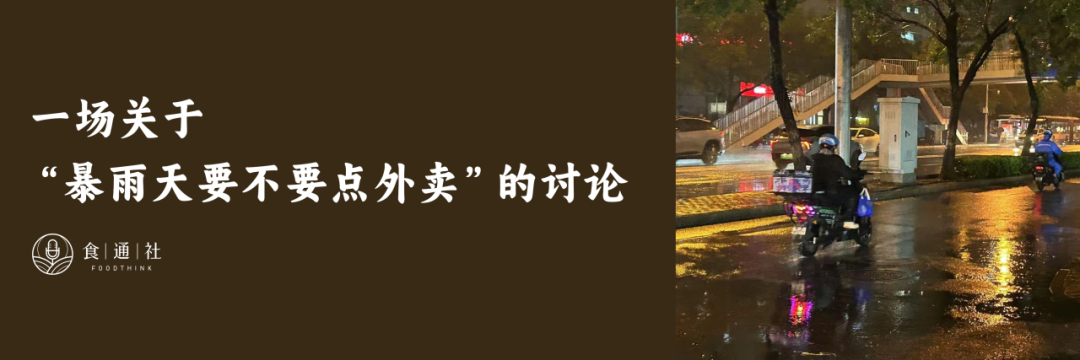
Moments When You Don’t Want Delivery Food
The same dead end also appears in the world of delivery food. Foodthink’s column “Eat Something Better” once ran a call for submissions called “100 Moments When You Don’t Want Delivery Food.” Many readers said they had at one point wanted to quit delivery food — over taste, health concerns, food waste, the loneliness of eating alone. But others admitted that in the end, they still ended up ordering delivery, because in the relentless pace of life, they could not think of anything else to eat.
Thankfully, the internet’s original character was one of diversity and openness, so we launched another call for submissions: “If Not Delivery, Then What?” From lazy meals to homemade pre-prepared meals, from budget restaurants to community canteens, another wave of netizens shared their little tips for weaning off delivery food and eating well,
Related articles — click the image to read ▼


Plastic Waste Behind the E-Commerce Boom
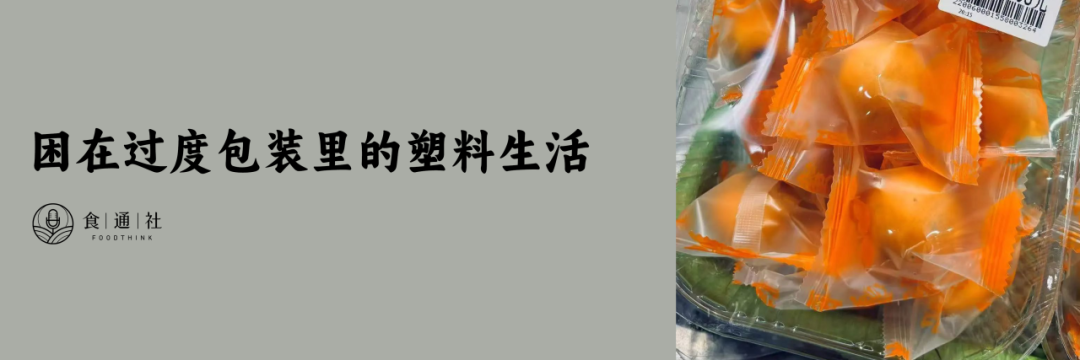
Among the many reasons people do not want delivery food, one recurring category is the layer-upon-layer of packaging that delivery orders arrive in — wrapped in bag after bag, box after box — which generates an excessive amount of plastic waste.
Indeed, daily delivery food orders in China have reached around 100 million, and during the delivery wars this figure once exceeded 200 million. These orders generate an enormous volume of plastic packaging waste every single day. Further data show that in the megacities of Beijing, Shanghai and Guangzhou, the growth in courier packaging waste accounts for more than 93 per cent of the growth in household waste.
The proliferation of plastic waste stems from a “use-and-discard” disposable consumption culture, and e-commerce platforms have pushed this ecologically destructive culture to its extreme. The plastic bags, plastic containers and strips of adhesive tape that e-commerce platforms wrap so excessively around food have reached a point where consumers simply cannot bear it any longer.
In addition, two academics who have long focused on waste management point out that delivery food is creating a new type of waste. The multi-layer plastic bags now commonly used in delivery packaging are difficult to sort for recycling and can only be dealt with by incineration.
Related articles — click the image to read ▼

How Do Films Imagine and Portray Platform Society?
Foodthink also pays attention to how artistic forms such as film imagine and portray platform society. What films reveal about delivery platforms is not confined to the delivery industry itself; starting from concrete everyday life, they show us how a delivery platform can tear a family apart and upend the lives of a few ordinary people, and how those people persevere and fight within such a fate. This kind of portrayal carries greater depth: platforms, algorithms, programmers, delivery riders, traffic risks, family livelihoods, education, workers’ rights — all these factors are brought together for consideration. The purpose of film also lies in enabling people who are fractured yet locked into the same chain of pressure to see one another.
Two films that previously attracted considerable attention — <em>Nixing Rensheng</em> and <em>You Shi Chongman Xiwang de Yitian</em> — both stem from this creative philosophy. However, <em>Nixing Rensheng</em>, produced by Meituan, in its attempt to dissolve the contradictions with a spurious solution, failed to resonate with audiences. By contrast, <em>You Shi Chongman Xiwang de Yitian</em>, which confronts real-world contradictions head-on from beginning to end, faced suppression from delivery platforms both before and after its release, yet still enabled audiences who follow the delivery issue to see a work of genuine sincerity. It went on to win the Best Low-to-Mid-Budget Narrative Feature award at the 37th Golden Rooster Awards.
Related articles — click the image to read ▼

How Have Delivery Platforms Developed Abroad?
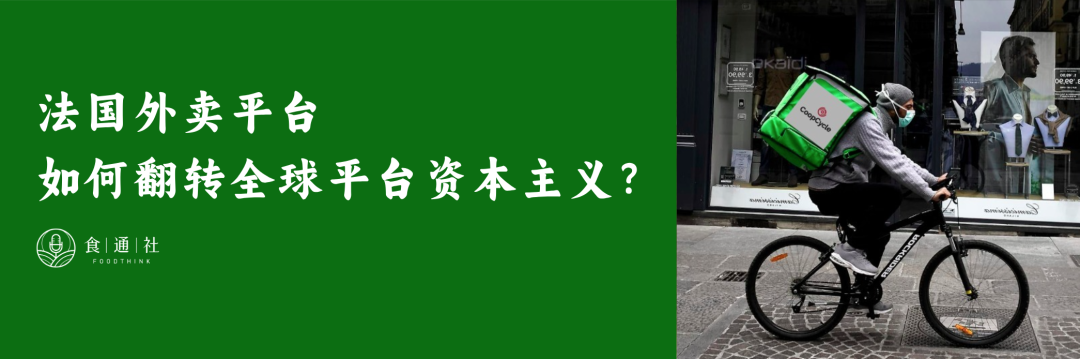
Are platforms necessarily destructive? Or can they become something better? Given that China’s delivery platforms, after a period of wild and unrestrained growth, have become so thoroughly “developed”, perhaps we need to look at and compare delivery platforms that have grown up under different social conditions.
Worth noting is an experimental delivery platform in France, CoopCycle, whose embrace of “platform cooperativism” has, to some degree, reversed the logic of “platform capitalism”. On CoopCycle, there is a clear employment relationship between riders and the cooperative: pay is calculated by hours worked, and riders enjoy benefits such as a minimum wage, unemployment insurance, health insurance, and paid leave.
Another model worth learning from is Singapore’s Platform Workers Bill, which aims to ensure that Singaporean platform workers in sectors such as food delivery, courier services, and ride-hailing receive more comprehensive social protection in areas including workplace injuries, retirement, healthcare, and housing. After the bill was introduced, Grab, Singapore’s leading ride-hailing and delivery platform, announced that from 2025 it would add 0.2 Singapore dollars (approximately 1 Chinese yuan) per order on top of the existing platform fee to cover the costs of the new law.
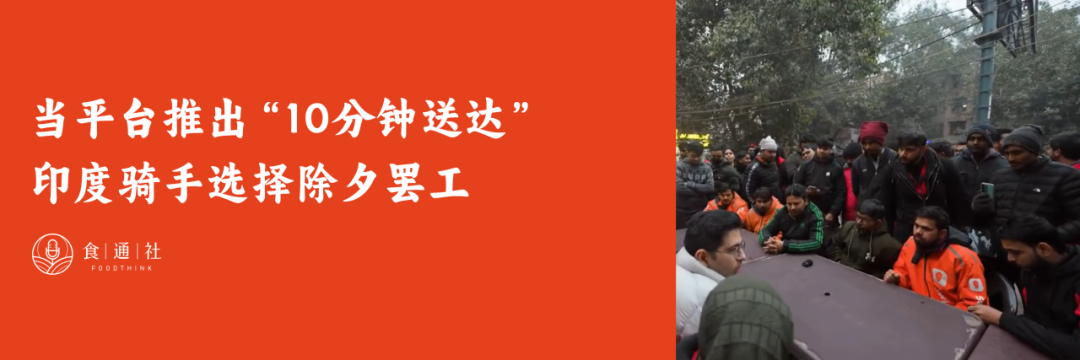
Of course, we have also observed that in India, delivery riders are similarly caught in cycles of oppression and control, and they are fighting back against the platforms through strikes and other forms of protest.
Related articles — click the image to read ▼

Have e-commerce platforms made our lives better? We would love to hear your answer in the comments. We also welcome anyone with an interest in writing and research to join our writing community and continue exploring with us the issues of labour, health and the environment behind food systems and e-commerce platforms.

◉ Today from 15:00 to 16:00, Foodthink will also be taking part in a discussion on pesticide residues in e-commerce platforms. Pesticide residues have long been a focal point in food safety, but in the new consumer context of e-commerce platforms they carry a greater degree of hiddenness and complexity, and have not yet received sufficient attention. Scan the QR code on the poster below to watch the live stream.
Compiled by: Yuyang
Layout: Xiaoshu