Deep in the Taihang Mountains, Bao La Waits in Vain for Niu Lai

Foodthink Says
In the hit film “Niu Lai” currently showing in cinemas, Niu Lai and Bao La are good friends who grew up together. But in the deep reaches of the Taihang Mountains, in the habitat of the North China leopard, the relationship among leopards, cattle and people is more complex. Thanks to the wildlife conservation organisation Cat Alliance, the author of this article went to Leyi Village in Shanxi Province, only to find that the intense “leopard-eating-cattle” conflict seen in the news and in many other villages is not pronounced here. That is because there are fewer and fewer people keeping cattle.
For two consecutive years, the author has gone into the mountains to conduct field research. She has seen that, when the cattle no longer come, not only has Bao La lost a good friend, but the mountain village and its people are also facing new changes.
On one evening last summer, as I was driving into Leyi Village in Heshun County, Shanxi Province, a sudden cascade of high and low notes, like pearls and jade striking together, reached me. I looked out of the window and saw scattered specks of brown and white on the green hillside in the afterglow—Uncle Yang, a cattle farmer, was herding his twenty-two cattle back from the mountains, to the sound of cowbells.
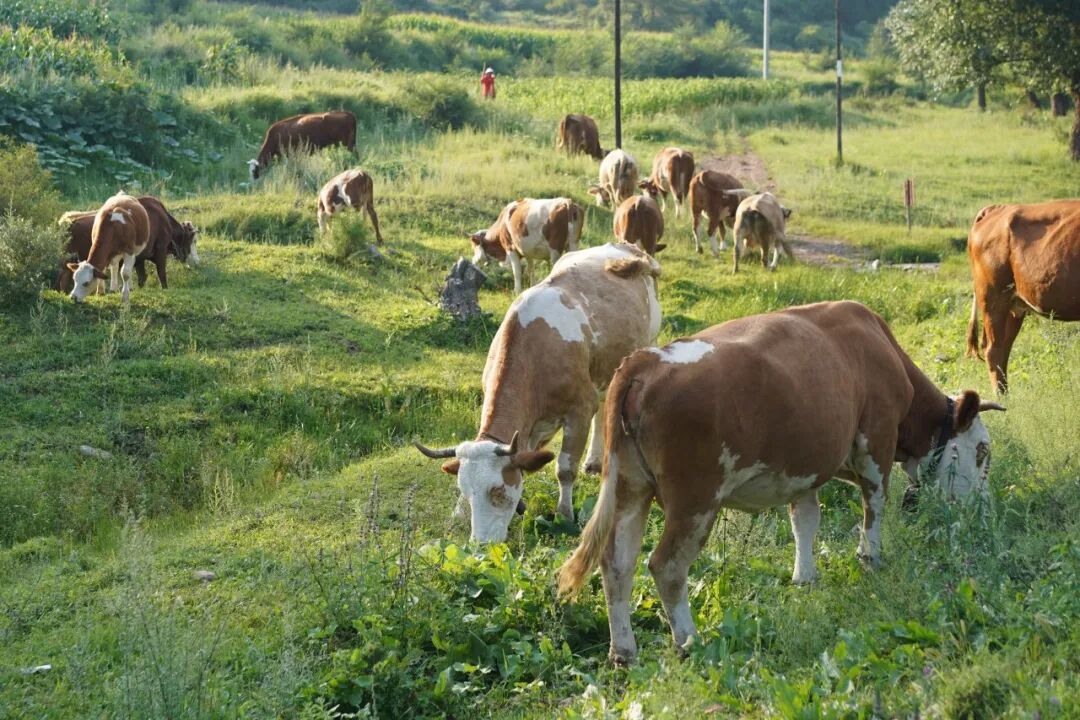
This is a relatively closed-off river valley deep in the Taihang Mountains. The car has to climb a winding mountain road to the summit, then wind down, round after round, to the valley floor. North China leopards also roam the surrounding hills and woods. At its peak, the village once had more than 200 cattle. At the time, there were more than 40 households, and more than half kept cattle. Cattle farming is one of the pillar industries for this county, which only shed its label as a poverty-stricken county in 2019.
This summer, when I saw Uncle Yang again after a year, his cattle shed had already been emptied. He was not the only one to leave the business; over the past two years, some people, one after another, have sold all their cattle at low prices, and now only three households in the whole village still keep cattle. While the story of “Niu Lai” is being shown in cinemas, the sound of cowbells in the small mountain village has grown increasingly sparse.
Where Do Cattle Come From?
Leyi Village is not suited to crop farming, but it is well suited to keeping cattle.
In this village in the middle reaches of the Taihang Mountains, apart from summer, the other three seasons all feel like winter; the average annual temperature is just 9.4°C. The older villagers say that once the autumn equinox has passed, the nights turn cold, and you need two blankets to sleep soundly; in the coldest part of winter, temperatures can fall to minus 20°C. These conditions, combined with high mountains, steep slopes, and thin, poor soil, mean that maize can be grown for only one crop a year; even the wheat common in the north cannot be grown, let alone any cash crops.
As for keeping cattle, according to the older villagers’ recollections, it began at least in the collectivisation period. “Nothing here is good, except the air.” The mountains have a wide variety of plants; cattle that eat them are well nourished and grow healthier.
Many of the older villagers today began their cattle-keeping careers in the early 1980s. Uncle Yang, who is 75 this year, lived through the distribution of the village collective’s cattle to households under the “household responsibility system”: the whole village gathered to “draw lots,” the cattle were sorted into first, second, and third class according to their condition, prices were set, and whoever drew a particular slip would pay three or five hundred yuan and lead that cow home.
The local “ordinary” yellow cattle were originally used mainly for ploughing. After the beef cattle industry took off, they were all replaced by imported Simmental beef cattle. But in the early days of marketisation, the “real value” of beef cattle had not yet become evident. For most cattle-keeping households, keeping cattle was not an active choice but a natural inheritance—grandfather herded cattle, father herded cattle, I herd cattle. One became two, two became three. Uncle Yang says that, after all, “the cattle of us old people didn’t cost any capital.”
As the domestic beef cattle market developed, villagers began to enjoy the benefits. Many told me that around 2021, when market conditions were best, large cattle weighing 800 to 900 jin could fetch 30,000 yuan a head, and young cattle weighing 300 to 400 jin could bring 15,000 yuan. Compared with growing maize, which brought in 1,200 to 2,000 yuan per mu, the profits from beef cattle were quite substantial.
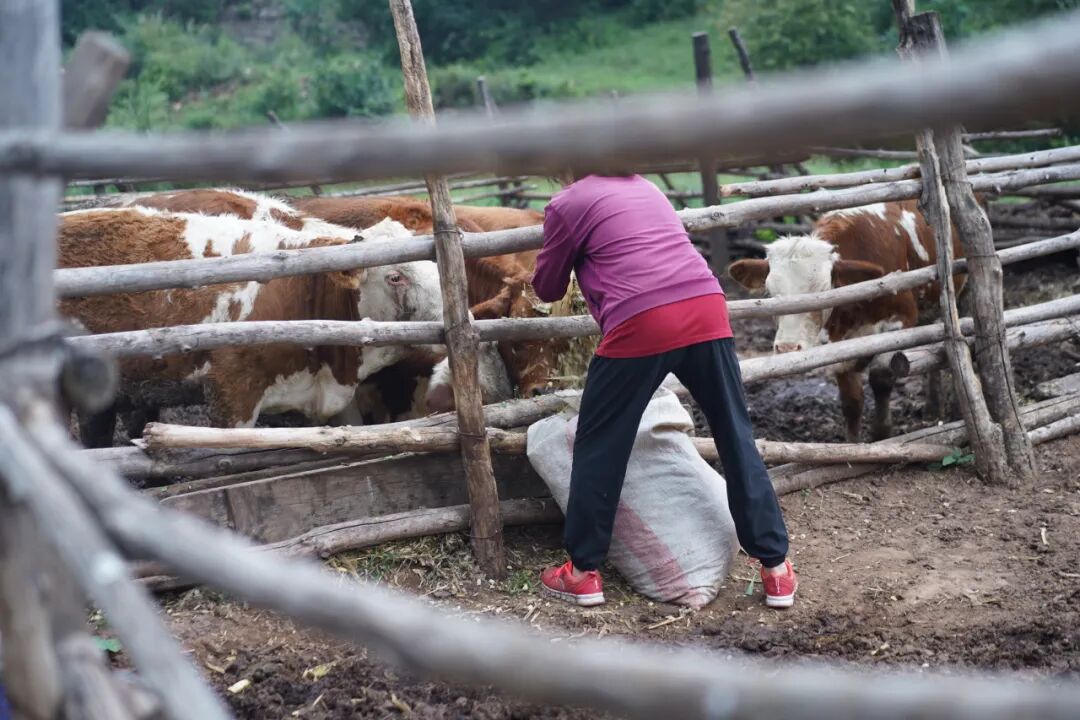
◉ A cattle farmer adding feed to the cattle pen.
There were also new cattle keepers entering the trade in those years, such as Auntie Lan, who is 50 this year. When I first met her, she was herding cattle while wearing an outdoor-style sun hat and brightly coloured sun-protective clothing; among the cattle herders she looked quite “fashionable.” She is part of the new generation of cattle keepers drawn into contract rearing by the “bull market.” Before returning home in 2021 to keep cattle, she had already lived in the provincial capital for thirty years, running her own stall in the clothing market.
The cattle now in Auntie Lan’s care are neither inherited from her ancestors nor purchased; they are “borrowed” from a large livestock company. Auntie Lan calls this model “contract rearing,” a kind of “borrowing cattle and repaying with calves” agreement: five years ago, when the average market price of a cow was 30,000 yuan, she used her house as collateral, plus a deposit of 20,000 yuan for every ten cattle and a 5,000-yuan “location fee,” to “rent” thirty cows in two instalments. Over a number of years, she has to feed and look after the cows, breed calves, and raise the calves to a prescribed weight, returning them to the company as “interest.” Once she has returned the agreed number of calves, any surplus cattle are her own profit. When the contract expires, Auntie Lan returns the twenty cows from the first instalment, and the company returns the deposit.
Auntie Lan and her husband had never kept cattle before, and their start was fraught with one problem after another. After bringing dozens of cattle back to the village from the cattle farm, they realised they had to build a cattle pen. With the help of fellow villagers and neighbours, they scrambled to build the pen, thinking they had settled in. But one morning not long after, when they went to look at the cattle shed, they were dumbfounded: all the cattle had disappeared, having run off into the mountains to graze. It took them a great deal of effort to find all the cattle.
“Many people were laughing at us.” But she did not back down. From first being afraid even to approach large cattle to later learning to deliver calves herself, Auntie Lan and her husband gradually became skilled cattle keepers, and they are hoping that this new occupation will bring new hope to their lives.
In 2021, the year Auntie Lan entered the trade, beef cattle prices were almost at a record high in recent years, before they plunged. From 2023 to 2025, large cattle that used to fetch 20,000 to 30,000 yuan saw their prices fall precipitously to 6,000 to 7,000 yuan, equivalent to less than 10 yuan per jin of beef.
“It’s not that there’s no income; it is the ‘cattle eating cattle’ that has eaten it all up.” “Cattle eating cattle” means that the money from selling calves is immediately spent on feed. Today, Auntie Lan’s rented cows plus the calves they have produced number more than forty in all, and the daily feeding cost comes to around 500 yuan. The cost of forage and feed for a winter would “eat up five or six calves.” After five years of hard work, Auntie Lan has “not saved a penny.”
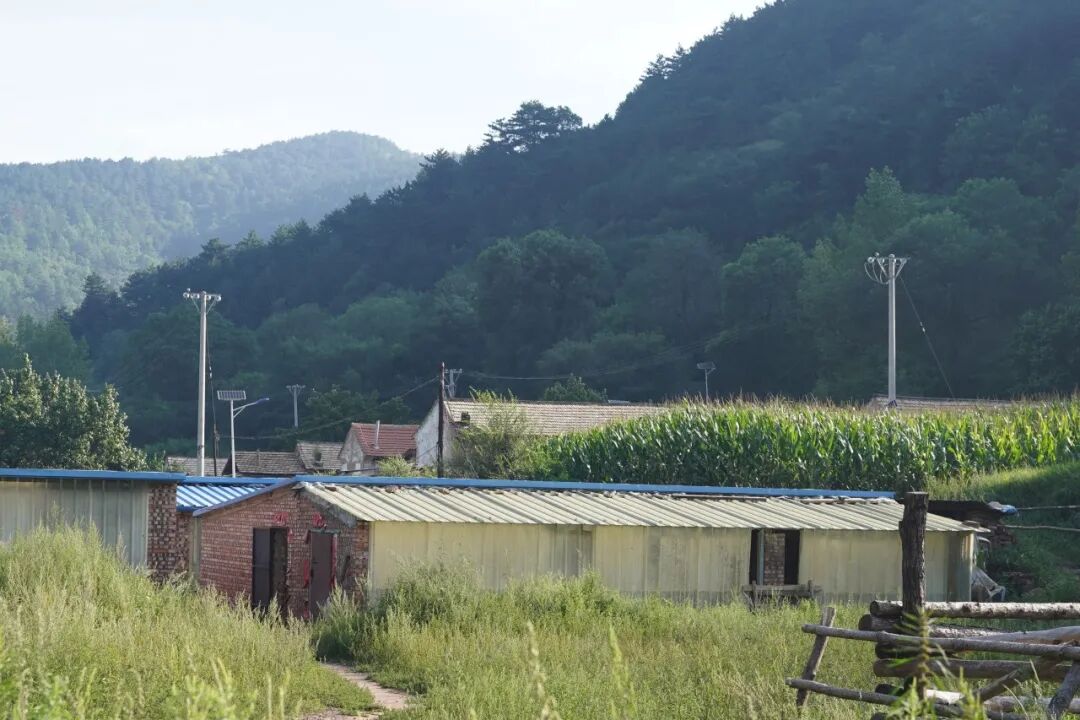
◉ In the cold winter, the cattle are moved from the open cattle pen to the roofed cattle shed shown in the picture.
Dead Cattle Are Worth More Than Live Cattle
Uncle Gui says he began dealing in cattle at 17 and has witnessed the ups and downs of cattle prices. He has a rugged appearance and a roguish air that sets him apart from the other villagers. He took a hard drag on his cigarette and said: “Just look around. Our village used to have 200 cattle, but now there are hardly any left.” Leyi Village now has only three households keeping cattle, with more than 70 head in total.
In recent years, Uncle Gui has switched from being a cattle dealer to a “cattle broker”. The difference is that a cattle dealer buys cattle from cattle keepers and resells them to finishing units to profit from the price difference; a cattle broker acts as an intermediary between cattle keepers and cattle dealers, taking dealers to keepers to inspect cattle. If a deal is completed, he receives a commission of 100 yuan per head from the dealer. He believes that market fluctuations affect cattle brokers less; whatever the final price, his commission is rock-solid.
But cattle keepers have not been so calm. Many small-scale keepers were forced during the slump to “clear their pens” and sell at a loss. “When he saw everyone else selling, he panicked and hurried to sell too.” “For example, a cow that should have fetched 10,000 yuan was sold off cheaply for 6,000.”
During the slump in cattle prices, there was even the strange phenomenon of “dead cattle being worth more than live cattle”.
A manager at a local life and property insurance company told me that since 2020, policy-based insurance for beef cattle farming has become widespread in rural areas, providing compensation for cattle that die from non-natural causes. The Heshun County government supports the beef cattle industry, and local insurance companies have also carried out focused, point-to-point assistance. When buying beef cattle insurance, individuals need only bear 20% of the cost; in other words, for a premium of 500 yuan per head, the government pays 400 yuan and the individual 100 yuan.
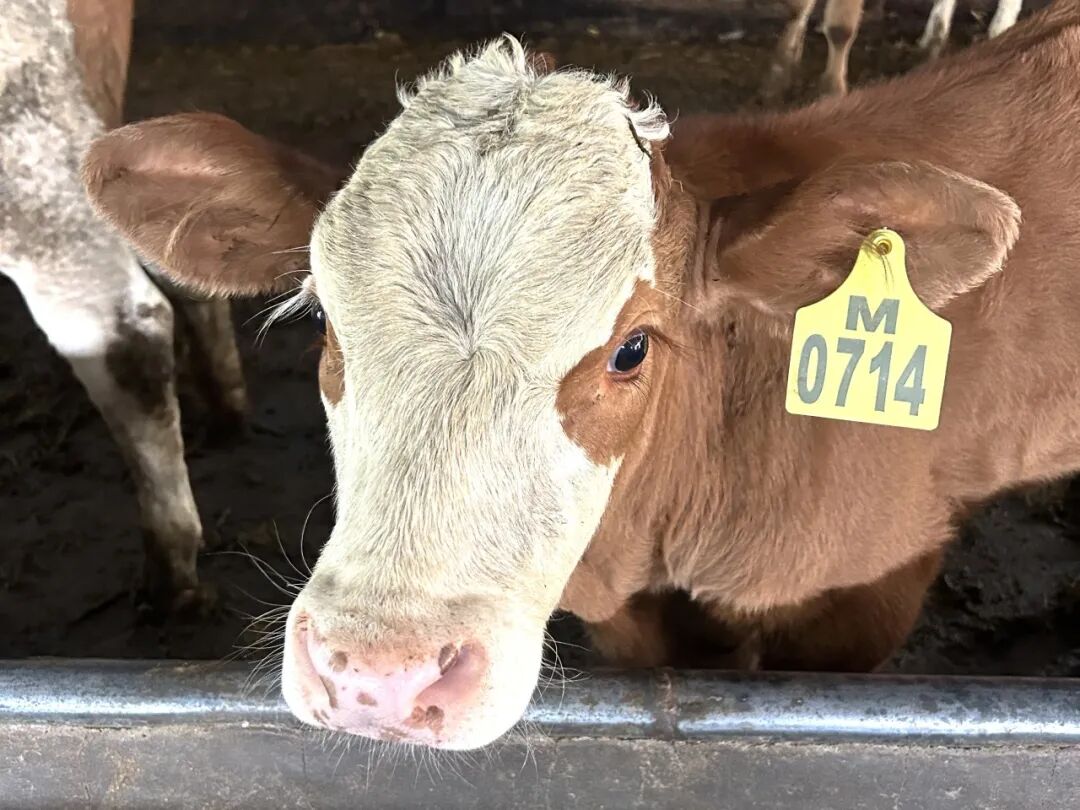
◉ In the past, insurance claims were settled by reference to the ear tag: the bright yellow tag threaded through the cow’s ear bore a code made up of letters and numbers, equivalent to the cow’s identity number. After receiving a report of a cattle death, insurance staff went to the site to inspect and, by matching the ear tag to the animal’s policy information, could process the payout.
The amount of compensation is mainly based on the weight of the cattle. Under normal circumstances, a calf can receive compensation of 3,000 to 5,000 yuan, and a large cow can receive 8,000 to 10,000 yuan. This means that when market conditions are poor, a live cow may fetch less than 7,000 yuan, yet, if it dies “accidentally”, it can receive compensation of more than 10,000 yuan.
As the market fluctuated, people’s minds were also in turmoil. Auntie Lan and Uncle Yang have both heard of insurance fraud: some people, after a calf had died, used a larger cow’s ear tag to make a claim, or even “if a cow is not good, they deliberately let it die and claim the insurance.” Farmers’ Daily has reported related research by scholars: from the second half of 2023 to mid-2024, in many regions that have actively developed beef cattle insurance, the mortality rate of insured beef cattle could be twice the normal 3% rate, reaching 6.11%.
From early 2025, “facial recognition” began to replace ear tags. Insurance company staff came to the village and used a mobile app to capture the facial features of every insured cow, entering them into the system to create records. “Cattle facial recognition” can accurately determine a cow’s identity, which avoids duplicate claims or claims for uninsured cattle.
Once the insurance companies had plugged the loophole, cattle keepers’ protection faced a new dilemma. When keeping cattle in the mountains, non-natural deaths can include infection with epizootics, being killed in a landslide, being bitten by a venomous snake, or being attacked by wild animals such as leopards. But if a cow dies in the mountains and there is no mobile signal, the carcass has to be brought out to a place with signal before “cattle facial recognition” can be carried out; if summer temperatures are high and the cow dies in the mountains without being found in time, it may rot, making identification impossible; if the carcass cannot be found at all, a claim cannot be made.
But this is not what cattle keepers in the Taihang Mountains worry about most.
Old People, Cheap Cattle
If cattle being cheap is the common reason cattle keepers are leaving, old age worsens the mountain village’s predicament.
When I first met Uncle Yang last summer, he was out herding cattle, holding a whip and a cattle shovel. Lean but capable, he had a herd of cattle grazing behind him. He noticed me looking and gave me a beaming smile. I couldn’t help lifting the camera in my hand to capture the moment.
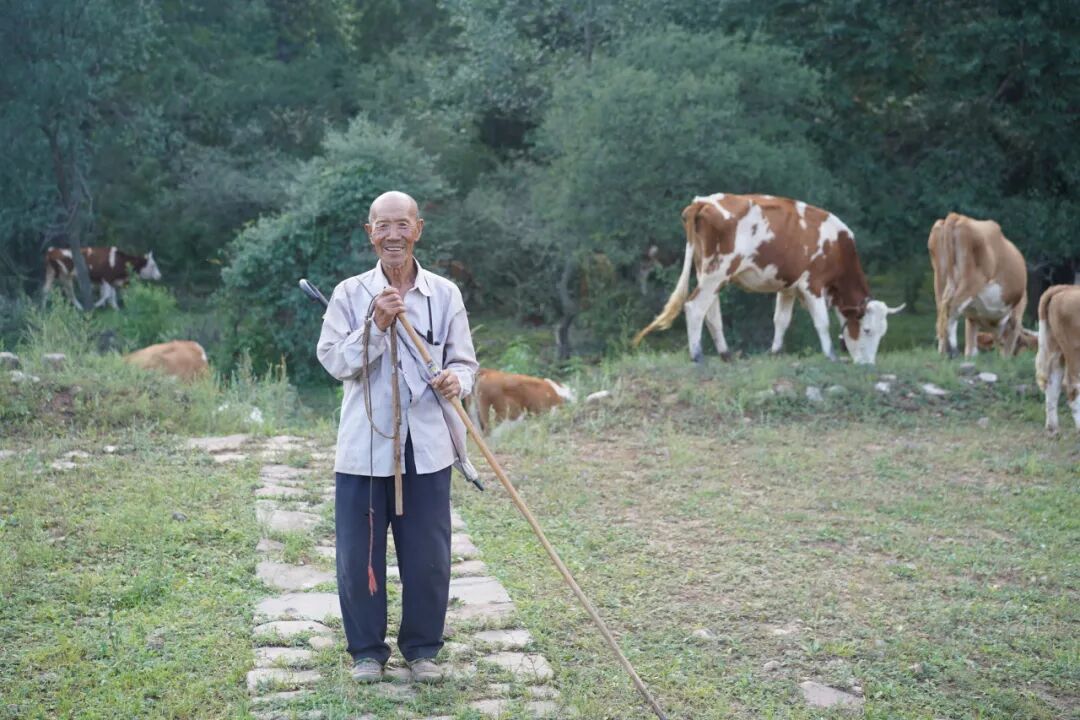
A year later, when I saw Uncle Yang again, he was leaning on a walking stick, his back slightly bent. He said his legs hurt so much that he could not go up the mountains, and his wife had fallen and injured her lower back, so she was bedridden recovering and needed someone to look after her. As a result, he was forced into “retirement”; last year he sold all 22 of his cattle for 140,000 yuan, averaging just over 6,000 yuan a head, and so ended more than forty years of herding cattle.
Uncle Li, of one of the only three cattle-keeping households left in Leyi Village, is 72 this year. He told me, “At most, three more years, and I won’t be able to carry on.”
The old folks in the village recall that every year on the eleventh day of the seventh lunar month, there would be a temple fair in Sitou Village, 15 li from Leyi Village. It used to be the largest market in the area; people from the surrounding area would drive their own livestock and bring farm produce here to trade. Auntie Lan’s grandfather used to be a cattle broker. He helped buyers and sellers find each other. They would hide their hands beneath their robes and in their sleeves, pinching fingers to convey numbers; once they reached agreement, the deal was done.
People selling cattle back then relied on their own two feet; they would drive their cattle all the way to Xiyang, 70 kilometres away. Now cattle dealers come to the door, so cattle keepers can complete transactions from home without the toil of travelling. But small-scale keepers are even more dependent on cattle dealers, especially as young people from the villages have left in large numbers and anyone under 55 in the village now counts as “prime age”. Elderly people with small herds, who lack information and channels, find it hard to reach downstream channels, and can only passively wait for cattle dealers to come to buy their cattle.
If cattle dealers cannot buy from one household, they simply go on to the next household. “Whatever price they name, that is the price.” Cattle keepers have less and less room to bargain.
A Livelihood and a Life
Getting up at five in the morning, cleaning out the cattle pens, adding grass and feed for the calves; around six, driving the grown cattle out of the pens to graze in the mountains, and turning back once the cattle have reached a suitable spot; back home after seven for breakfast, then working in the fields; a short rest after lunch, then heading back into the mountains to herd cattle again at three or four in the afternoon; bringing the cattle back into their pens before dark and having dinner; getting ready for bed after nine in the evening — this is a typical day for a cattle herder in Leyi Village. This highly regular routine is a way of living with the mountains and the cattle that they have developed over many years.
On an afternoon last summer, I went into the mountains with Auntie Xiu to herd cattle. We passed the cattle pens on the hill behind the village and continued deeper. Passing a stone jar, Auntie Xiu told me that this was the Mountain God. She knelt down and kowtowed three times, murmuring a few words asking the Mountain God to look after us and keep everything safe. I followed her and kowtowed three times as well.
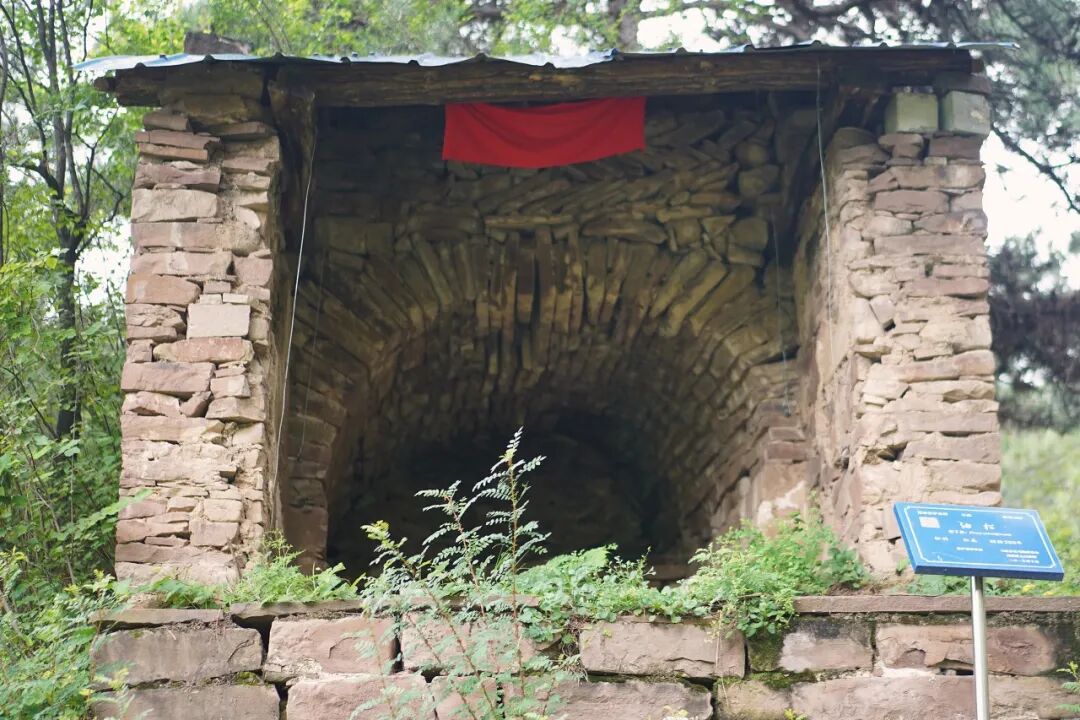
◉ The shrine to the Mountain God along the herding route
We went on. Before we could catch sight of any cattle, we could already hear the cattle bells. After listening for a moment, Auntie Xiu said these were the Zhu family’s cattle from the village; the bells from each household sounded different.
By the time we reached a relatively open patch of grass among the trees, Auntie Xiu said there was no need to go any deeper; we would wait here for the cattle to come back. She found a flat stone and sat down. After a while, two other herders from the village appeared. They sat together and began to chat.
This patch of grass on the herding route is like a makeshift public space for Auntie Xiu and the others; conversation happens here naturally. Uncle Yang told me that the mountains are all connected, and sometimes herders from different villages meet in the hills; when they do, they “dao xie dao xie” (a local dialect expression meaning to chat).
The deeper you go into the mountains, the less signal there is. The mobile phone normally used for scrolling through short videos becomes a useless brick. Only the walkie-talkies occasionally crackle with static. This is a form of communication particular to cattle herders in the mountains: in the silent hills, they use the walkie-talkies to keep each other informed.
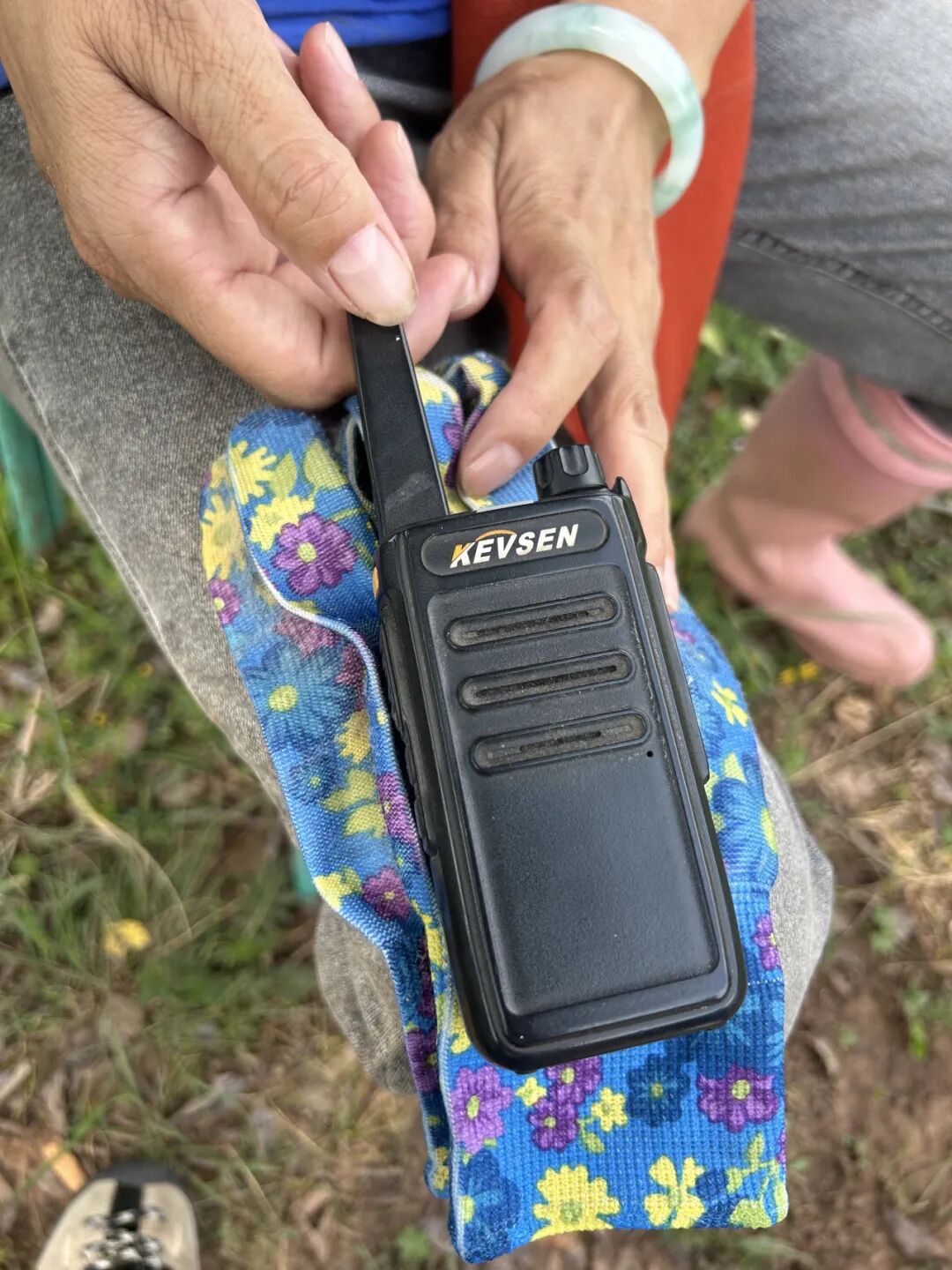
◉ Auntie Lan bought walkie-talkies not only for herself but also for several other herders in the village, to make keeping in touch easier.
When we were waiting for the cattle to come back, I asked Auntie Xiu out of curiosity: when you let the herd go into the mountains on its own, aren’t you afraid it will get scattered? She said no: “If one of the cattle finds that the grass is better in a place, it calls out to the others, ‘The grass here is really good, come and eat it with us!’” Auntie Xiu trusts the cattle; deep in the mountains, if you lose your way, “as long as you follow the cattle, you will always find your way out.”
Cattle had been part of Auntie Xiu’s life since she was very young. Then, she would hold the rope and walk in front of the cattle, while her father would hold a whip and walk behind, driving them forward. “A cow is very gentle; you can stroke its head and touch its face, and it will not get angry. When you groom it, it closes its eyes contentedly.” As she recalled the scene, Auntie Xiu’s face was full of smiles.
“I especially liked cattle when I was little,” but now cattle leave 55-year-old Auntie Xiu feeling weary. “I don’t like them any more; it is too tiring. Just seeing them irritates me.” When I visited Auntie Xiu’s home again this summer, there were no cattle at her place.
Herding cattle is more than just a way of making a living.
An elderly man in the village has an intellectual disability and has difficulty caring for himself; his daily life depends on his younger brother’s care. However, a companion told me she had once seen this elderly man waving a whip and driving cattle with great ease. In that moment, she was surprised to see in him a vitality unlike his everyday self.
While I was in the village, a pregnant cow went into the mountains and did not come back for three days. The villagers went into the mountains to search for her every day, worried that she might give birth to a calf in the hills and the calf would be eaten by a leopard. One day when I went into the mountains, I suddenly saw a fellow villager driving a cow back, with a calf following close at her feet. Its reddish-brown markings were especially rich, and its white patches were clean as snow. The moment the calf looked at me, blinking its white lashes, I felt a kind of sacredness in life.
I do not know whether, for the fellow villagers who have kept cattle for generations—whether in contract rearing or not—a newborn calf could still stir the same emotional response. But I think that for a small mountain village, sparsely populated and slowly ageing, the arrival of a new life means at least a hint of change.
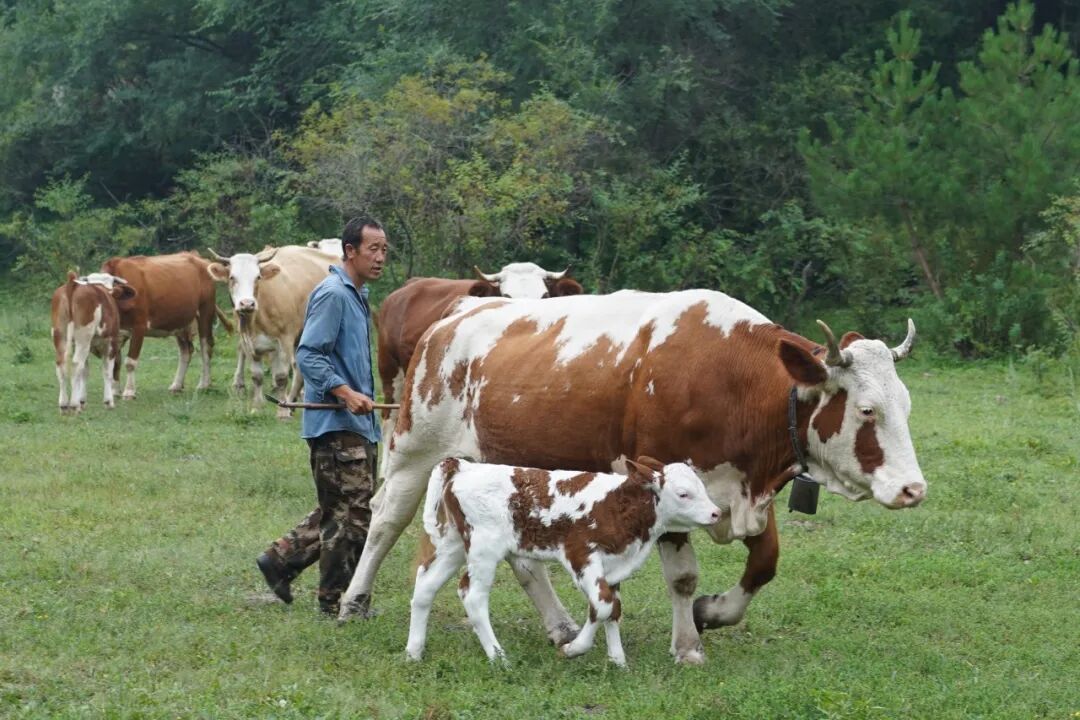
◉ A fellow villager brings back the cow and her newborn calf
Those Who Stay and Those Who Leave
After several years of a harsh winter for the industry, cattle prices have finally begun to recover this year. Cattle keepers told me with delight that heifers of three or four hundred jin can fetch six or seven thousand, and a bull calf can now go over ten thousand.
From 2026, China will impose an additional 55% tariff on over-quota beef imports, and the total annual import quota will be reduced. On top of this, the fact that cattle keepers were crushed and driven out over the previous years has, objectively, made room for higher prices for those who have stayed. But the broader structural drivers behind rises and falls in the market are hard for a small mountain village to sense; what makes people leave or stay is often a more concrete set of circumstances.
For example, Auntie Lan’s five-year “lease” is about to expire, but she has not yet paid off the “interest”; she wants to wait for “the calves that are due to be born to be born one more time.” After fulfilling the contract, she wants to continue keeping cattle—not so much because she likes cattle, but because “once you have raised this lot, they are like children; having fussed over them since they were small, you cannot bear to let them go, and you cannot let them go.”
Auntie Lan entered the market in 2021 when cattle prices were high, so this year’s slight rise in prices means only a small reduction in losses for her. But she has grown used to a life in the company of cattle and wants to carry it on “as a career”, not wanting to change her line of work again. “When the two of us can still run and jump, we go out herding cattle. When we can no longer, as long as we can still use a spade to put out some feed, and feed them some maize at home, they can eat. Even if we do not keep many, keeping eight or ten is enough for us to get by.”
After selling all his cattle, Uncle Yang suddenly felt that a piece of life had gone missing. Previously, he would get up every morning and go to the cattle pens, add feed for the cattle every evening, and while feeding them he would talk to them, using his hand to “stroke, stroke” their heads. Now he has plenty of time, and does not know what to do with it.
If it were not for the pain in his legs, he would not really have wanted to sell the cattle. “When you sell them, at the time you feel happy; after the sale, once someone leads them away, your heart aches. It is like a daughter we have raised being married off: at the time you are happy, but once the girl has gone, your heart is not at ease.”
You think and think, day after day, for a month or so, then another month. When you sit down and add it all up, gradually you stop thinking.
– This is Foodthink’s 835 th original article –
Foodthink
Author
Yan He
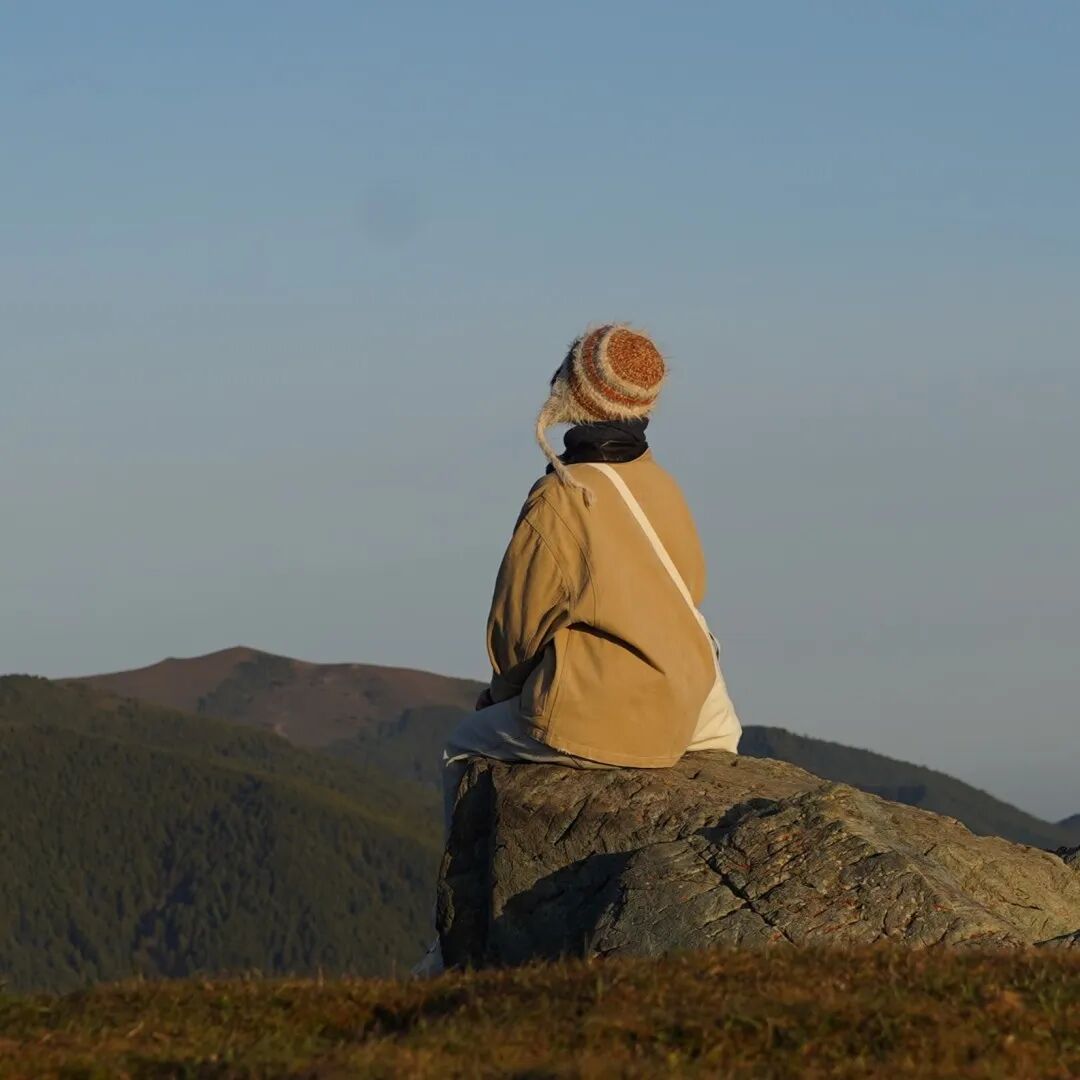
I have worked on books, written articles, and done some research in sociology. I hope to use writing to weave connections between different people.
All the people mentioned in the article are under pseudonyms.
All photographs were taken by the author.
Editor: Pei Dan
Layout: Xiaoshu
Scan the code to leave a tip and support original food knowledge
▼

▼
Click the image to read related articles.
▼
Click a keyword to open more article collections.
Seeds | Agronomy | Policy | Fermentation | Nutrition | Fruit | Fisheries | Events | Jobs | Takeaways | Wet Market | Livestock | Food Talk | Sharing Sessions | Book Club | Harvest Celebration | Smallholder Stories | Climate Change | Rural Development | Co-operative Economy | Urban Farmers | Food Safety | Digital Technology | Biodiversity | Pandemic and Food | False Solutions | Ecological Agriculture Internship Programme
Beijing | Hebei | Shanghai | Guangdong | Guangxi | Henan | Sichuan | Jiangxi | Xinjiang | Shaanxi | Hong Kong | Chongqing | Zhejiang | Jiangsu | Guizhou | Taiwan | Inner Mongolia | Philippines | Canada | Russia | Mexico | Italy | United States | United Kingdom | Germany | Netherlands | Thailand | Sweden | Japan