
“Digital Pickles”: The “Loneliness Cure” for Today’s Young People?
Foodthink Speaks
But the story of “digital pickles” goes far deeper than that. In this edition of Foodthink’s “Eat Something Good” column, readers describe “digital pickles” in richer, more vivid terms – some even tinged with conflict and ambivalence.
Some readers say it is precisely because they want to eat well that they need “digital pickles” to bring more flavour to a meal. Yet others report that “digital pickles” do not necessarily help people dispel negative emotions; if anything, their well-being deteriorates further, and they may even lose awareness of the food’s own taste on the plate.
Others believe there is no need to be so harsh about one’s dependence on digital pickles, since it is closely tied to shifts in lifestyle and even emotional states. They also shared how, in more positive settings, they find they simply don’t need them at all. This echoes some readers’ views in the second edition of “Eat Something Good” on “How to Eat When You Don’t Order a Takeaway”.
Whether “digital pickles” create a dependency does not seem to be a particularly urgent matter. But research teams have already found that being absorbed in devices while eating increases total calorie intake by 15%, and may lead to gastric dysfunction, dyspepsia, nutritional imbalance, and other problems. Perhaps we ought now, starting from the phenomenon of “digital pickles”, to think seriously about what it truly means to “eat well” in a modern society where loneliness and acceleration coexist – and how people might actually achieve it.
The Lonely Diners
@小赵: I usually watch for about half an hour to an hour – dramas, variety shows, Bilibili. Eating on its own gets a little dull; I need some sound and images to liven things up. And for someone living alone like me, it makes the room feel less empty.
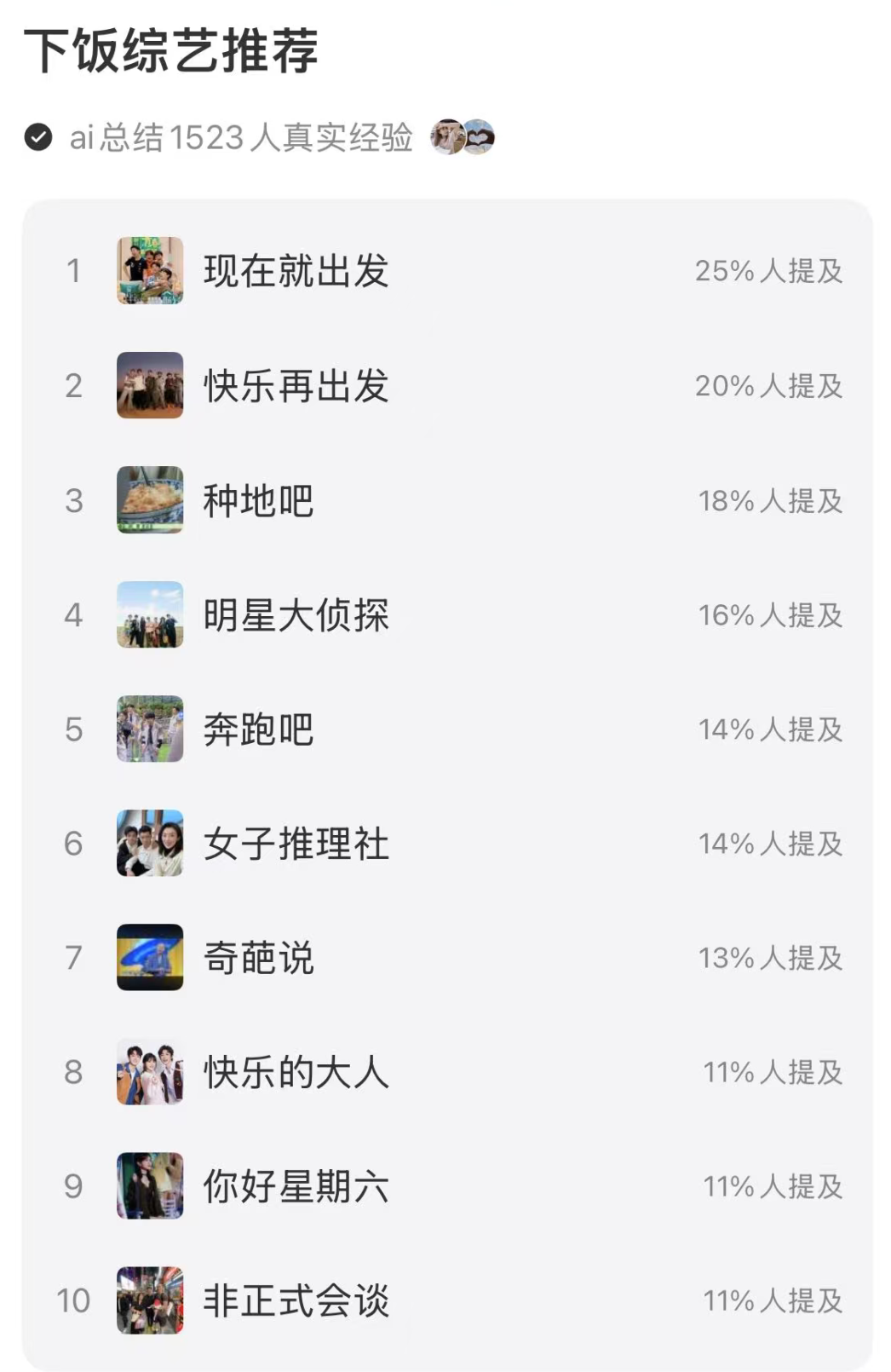
@山山: Digital pickles enrich the details of eating and living alone. Especially when you find a really good one, it feels like pure happiness.
@耶耶: I watch film and TV recaps, or if there’s a series I’m following, I’ll watch that – at least forty minutes. It’s mostly a feeling of enjoyment; you feel accompanied, and the act of eating becomes joyful, something to look forward to. Sometimes at midday, everyone in the dorm excitedly grabs their takeaway, each picking their own mealtime video, and then we all watch and eat in comfortable silence.
@LTT: Whether I use digital pickles depends on whether I’m eating alone. On my own, I eat extremely fast, wolfing it down as though I were an animal (though I suppose I technically am one). Sometimes I spend over two hours cooking a proper meal, then finish it in ten minutes. Eating so quickly leaves me feeling awful once I’m full. Digital pickles force me to slow down. If an episode is over forty minutes long, surely I should be eating for at least thirty of them.
@灯下: When I’m home on holiday, I eat with my family; at university, I eat alone. If the food tastes how I hoped and I’m in a good headspace, I won’t look at my phone. Otherwise, I need digital pickles.
@Kandy: If I’m eating with family, colleagues, or a boss, digital pickles are absolutely unnecessary. But when I’m on my own, I need them for almost every lunch and dinner. It’s about half reading, half watching videos – whatever Bilibili’s algorithm recommends; I watch what catches my interest, mostly lighthearted and simple stuff. It’s simply that eating alone is too boring, so I put something on to fill the time.
@花果园子: To ease loneliness, for leisure and entertainment. And there’s another thing: digital pickles are the fastest shortcut for me to connect with the world while eating.
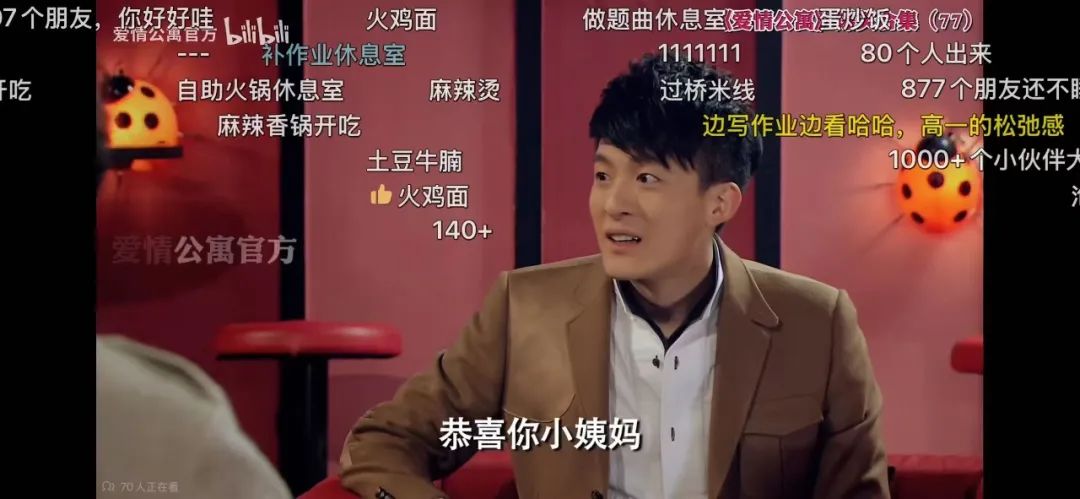
When the Tyranny of Efficiency Takes Over Eating

@辞镜: Mainly I feel I want to save time – make the most of my eating hours by doing things I’m genuinely interested in.
@KL: If I’m just sitting there eating, without any particular reason, I feel oddly “empty.” A large part of that is because I’ve grown so used to a fast-paced way of life. I tend to juggle several things at once most of the time, and in fact I’m a very fast eater – on my own, I can finish a whole meal in five or ten minutes. Every time I put my chopsticks down, there’s a knot of anxiety inside: “You should be thinking about what to do next.” Watching a video alongside my meal stretches out the time I spend eating, and my brain gets a hit of fresh stimulation at the same time. It feels like I’ve gained something for nothing.
@青梦: I can’t stand the short, shallow, low-quality content on Weibo, Douyin, and Kuaishou, so I curate variety shows, dramas and films, documentaries, and podcasts instead, mostly on platforms like iQIYI, Mango TV, and Bilibili. I also choose what to watch based on my mood – when I’m dealing with period pain or feeling physically and emotionally off, I reach for something funny to level things out. I think of consuming digital pickles as making efficient use of fragmented time; it’s also my own version of “broad observation and selective adoption, deep accumulation and effortless output.” Those two or three hours are my concentrated window for gathering information and briefly turning life into something entertaining. And it doesn’t interfere with my deep reading at other times, or with connecting with real people face to face – those long, heart-to-heart conversations when we meet.
@Teresa: I tend to watch videos from a handful of Bilibili creators, and I’ll play anything they’ve made at random, whether I’ve seen it or not. I just need background sound. I feel that if I don’t watch something during meals, I simply won’t have any other time for rest and leisure.
@糟糟: For anime I go for the healing, slice-of-life kind – nothing with intense fight scenes. Movies and dramas tend to follow the same pattern; I suppose that’s because I gravitate towards things that are interesting, fantastical, or carry some deeper meaning. For a while I watched Family Guy every single day during meals. Eating on its own gets a little dull; it’s almost as though there’s a vacancy in the enjoyment and intensity of the time you spend at the table, and you need to fill it. Or maybe it’s that when you focus purely on eating, the anxiety that emptiness amplifies becomes impossible to bear without some kind of content feeding your brain?
@Hodel: I usually stick to fixed channels and creators – mostly pastoral, gardening, or food-touring content. The videos are short, just long enough for a brief escape from the tedium of work.

@麻花: I love Western sitcoms, mostly ones I’ve seen many times over. I rarely start a new series during a meal, though I do follow super-long runs like Law & Order. I won’t watch anything with an obvious ideological bias that makes me feel offended – a lot of older Western shows, for instance, carry heavy colonialist or white-male-centred undertones. I lean towards “harmless little comfort watches.” I basically never watch anything that demands serious thinking while I eat; eating is a rare chance to let my mind go blank.
Quenching Thirst with Imagined Plums
@花果园子: Music, films, novels – anything. When I’m feeling low, I play the most energising tracks I can find, like a shot of adrenaline – I come back to life. When I’ve got no appetite, I put on gorgeous food content, and somehow I can manage a couple more bites.
@KL: I like mukbang, roast-style videos, and reality shows – the kind that keeps things light and fun. Food videos do more of a “quenching thirst with imagined plums” job for me; they’re essentially a digital cheat meal. While I’m watching, my brain and my mouth are in a sort of “body eating here, heart feasting over there” tug-of-war, haha.
Eating Becomes Just Chewing
@王定一: Sometimes digital pickles actually drain the flavour from my food.
@zoe: I watch a lot of sitcoms – shows like The IT Crowd and Frasier. Mostly it’s because my own cooking isn’t great, so there’s no need to savour the flavour. Watching a show while eating helps shift my attention away from my cooking. The plots are gripping, but they don’t make the food taste any better.
@梦: Videos usually make us more oblivious to the taste experience – before you know it, the meal is over.
@王维: When I have lunch, I look around and nearly everyone is scrolling on their phone, watching short dramas, and they seem so happy – as if this is a rare moment of relaxation. I feel like these videos make them completely forget the taste of the food; eating becomes nothing more than a subconscious action. It’s all about chewing – so disrespectful to the food.
@山山: Watching videos while eating gives you this immersive pleasure and helps release the pressures of life. It doesn’t make the food taste better, but I still lean on it heavily.
I Felt Like I Might Be a Little Dead
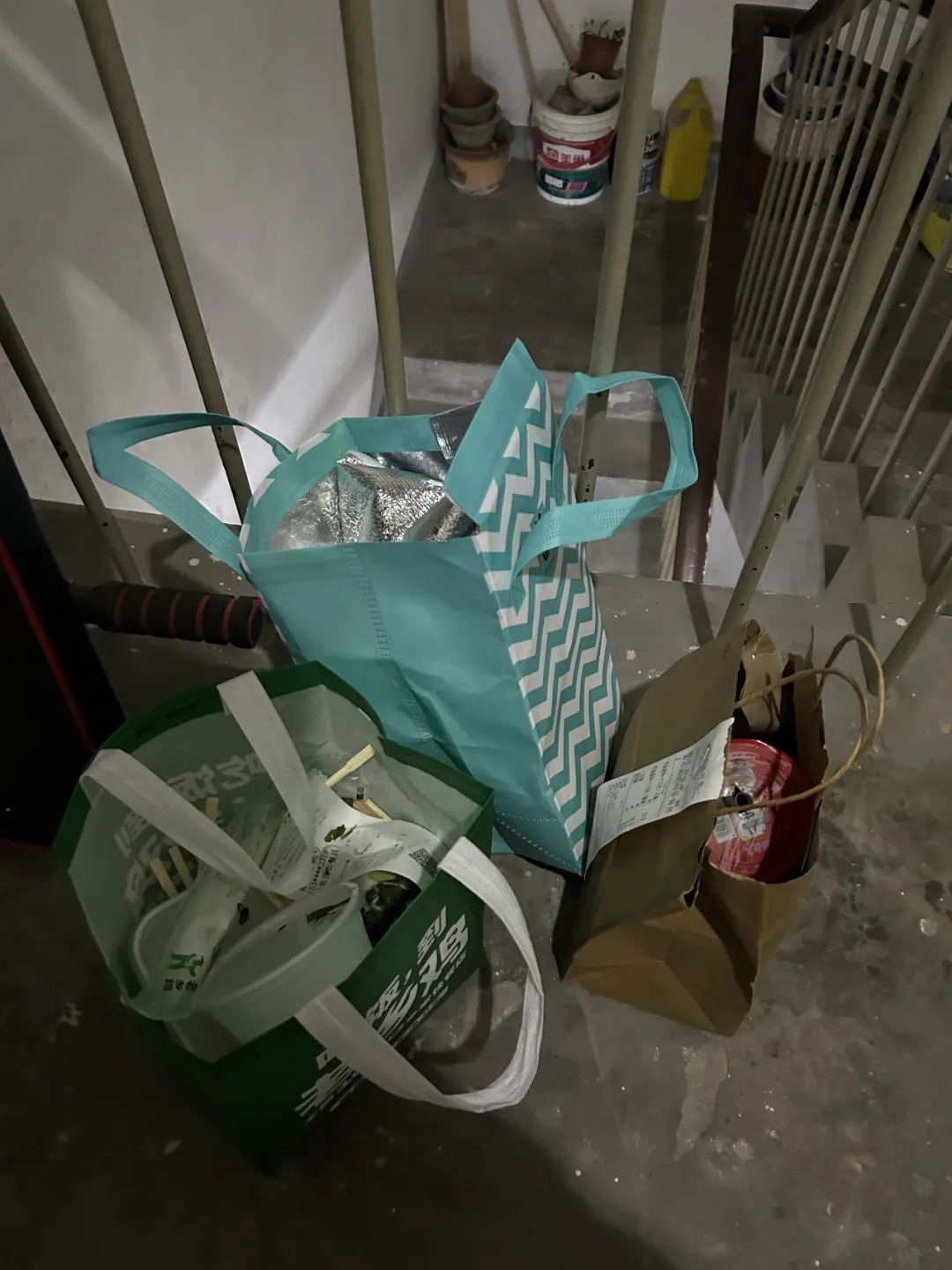
@梦: It seems I can’t do both things at once – either I get so absorbed in the video that I forget to eat, or I bury my head in my food and miss the video details. Either way, I feel uneasy. I’ve noticed my husband sometimes watches short videos while eating – mostly light topics like sudden weather news or cat and dog videos. If the video is emotionally intense, information-heavy, or runs a bit long, he just scrolls past. I can sense that he doesn’t actually feel relaxed because of those short videos either; it’s more like being numbed, being sucked in.
@山山: Being in a relationship once helped me break free from digital pickles. I made a pact with my partner – we wouldn’t be one of those couples who hunch over their food, each staring at a phone – and we actually stuck to it. When eating out, we’d chat over the meal; at home, we’d share shows we liked and watch them together. After we split up, I went back to watching digital pickles while eating – if I couldn’t find one, I’d skip the meal and keep searching.
Do You Want to Break Free of “Digital Pickles”?
@灯下: I’ve trained myself to stop eating whenever I pick up my phone to scroll, then put the phone down before resuming my meal. It helps me ignore the taste of the food and the tedium of eating alone. But sometimes I can’t really take in the video content this way, which stretches the meal even longer, and I get irritated again.
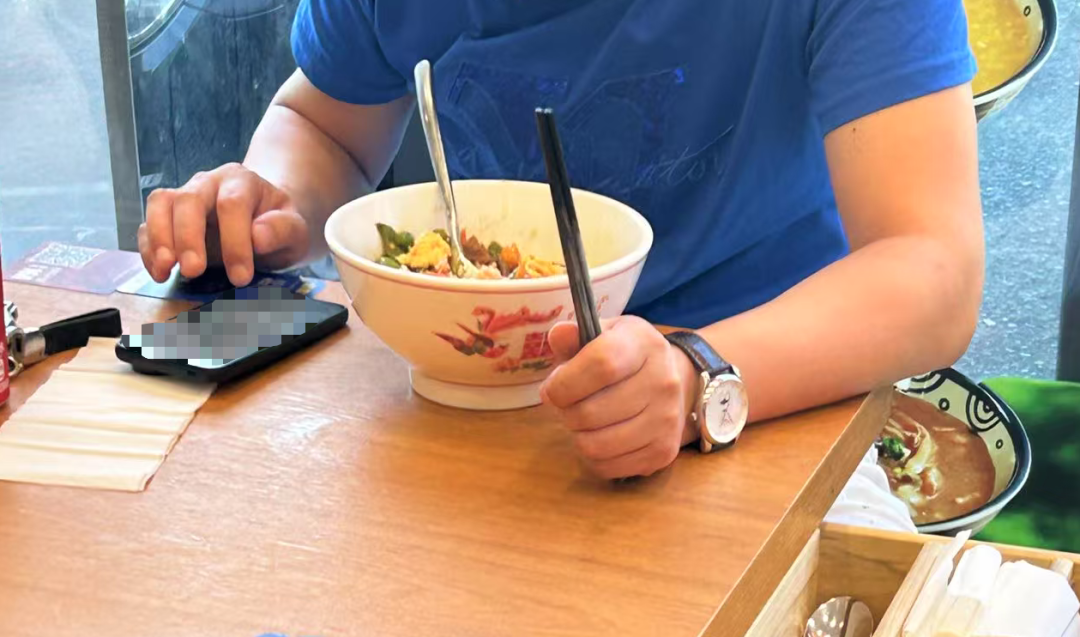
@KL: I do want to break free from digital pickles, because after I finish eating, I leave a mess of dishes on the table for ages without clearing them, which directly disrupts my schedule for the rest of the day and ends up in a rush followed by regret. When I’m not busy, one meal with a video running can stretch to over two hours – far beyond a normal eating time. By the end, the food has long passed its best moment, which feels really bad. But I haven’t actually tried any concrete strategies yet.
@辞镜: I don’t feel there’s any need to quit. For someone who eats alone, it works well for regulating emotions, unless it’s genuinely affecting your physical health. Digital pickles are perhaps just a placebo for using up your time. Only something more important or meaningful can replace them.
@王定一: I never thought about it before, but then I realised the relentless continuity of these digital pickles makes it hard for me to leave this “virtual” world after finishing my meal, and I end up putting off study time, housework, and everything else, so I’ve started deliberately limiting my digital-pickle intake. I’ve tried controlling my video-watching time, but it’s still hard to resist the instant dopamine hit from shows like Taohuawu.
Sometimes the problem isn’t ‘digital pickles’ themselves – it’s whether your life is rich enough. My most unforgettable experience was in Guantang Xincun in Chengdu. I sat by the field eating, and through the gaps in the Miscanthus sinensis, I could catch glimpses of mountains, forests, and open fields. In that moment, my phone was utterly useless. The experience of a new scene was, in itself, the most exquisite “pickle” of all.
@Teresa: I’ve thought about it, especially when I realise I’ve developed a habit of needing to watch or listen to videos no matter what I’m doing. My head is always swimming with video content, and I can’t think for myself, or concentrate on recalling what I’ve just learned or seen and form my own opinion.
@糟糟: I’m not sure, but lately I genuinely don’t feel like watching videos while eating. Perhaps it’s connected to the fact that I haven’t been well recently and was diagnosed with a pulmonary nodule, so I’m more health-conscious than ever. I feel that eating mindfully is really important for physical health – it’s even pleasant. When I feel unwell, I close my eyes and meditate, tuning into my body. I’ve also learned through intuition and appetite that sometimes I genuinely crave more vegetables and less meat.
Using Food as a Medium to “Rebuild the Nearby”
@KL: When I’m dining with friends, there’s simply no time to look at my phone. Another situation: if the place has a lovely view, eating alone while gazing at the scenery feels peaceful too. Oh, and there’s one more – when there’s gossip nearby, whether about people or little animals. Fresh, close-up happenings right in front of your eyes are far more interesting than my phone at those moments.
@梦: I think eating alone, or eating with friends while watching a slow-paced long-form video together, is a lovely thing. But if my husband is eating with me while scrolling short videos on his phone, I’ll endure it for a while and then let him know I’m unhappy, because I feel ignored. I’ll try to find a shared topic and push back against the phone’s pull through conversation. Sometimes I succeed – when I tell an interesting story – and sometimes I fail, usually when he’s not in a great mood that day.
@Hina: When I eat with my family, I don’t pick up my phone. I don’t get much time to spend with my parents, and meals are our moments of togetherness.

@LTT: Does having a person sitting across the table mean you won’t reach for digital pickles? Sometimes a person is worse than a digital pickle! As a child, TV dramas always showed families chatting happily around the dinner table, but my household was the complete opposite – cooking could take two hours, yet eating lasted just ten minutes. My parents said nothing, the meal ended quickly, and everyone scattered to do their own thing. So I always fantasised about what it would feel like, after a long day’s work, to sit at the table with my family and share the day’s little revelations. Once I started my own small household, all work brought was resignation and pressure, and talking about it at the table would only deepen those memories, trapping my mind in negativity.
@耶耶: With family, I focus on eating. Sharing a meal with them feels like pure happiness.
@山山: At work meals I put my phone away – it’s forced by basic social etiquette. Truth be told, I really dislike eating with most people from work; every spare moment I want to pull out my phone and escape the world. But when I eat with people who are truly close, who can really see me, I naturally don’t watch anything. My heart feels full, and I can listen properly – and be listened to.
@楠崽: When eating with others in social settings, there are times when everyone just stares at their own phone – rather cold.
@Road: When I go out to eat with friends, I don’t touch my phone, because with good friends there’s always so much fresh news and interesting viewpoints to share and soak up that it eclipses any digital pickle. When I eat with my partner, though, we often watch dramas – not to economise on the emotional energy we give each other, but rather to draw our conversations closer, to warm the relationship. The clearest sign is that the inside jokes we share multiply; the language we use in everyday life becomes richer; we can express more complex things. Lines from My Own Swordsman crop up constantly in our conversations.
“Cooking Is a Form of Self-Healing”
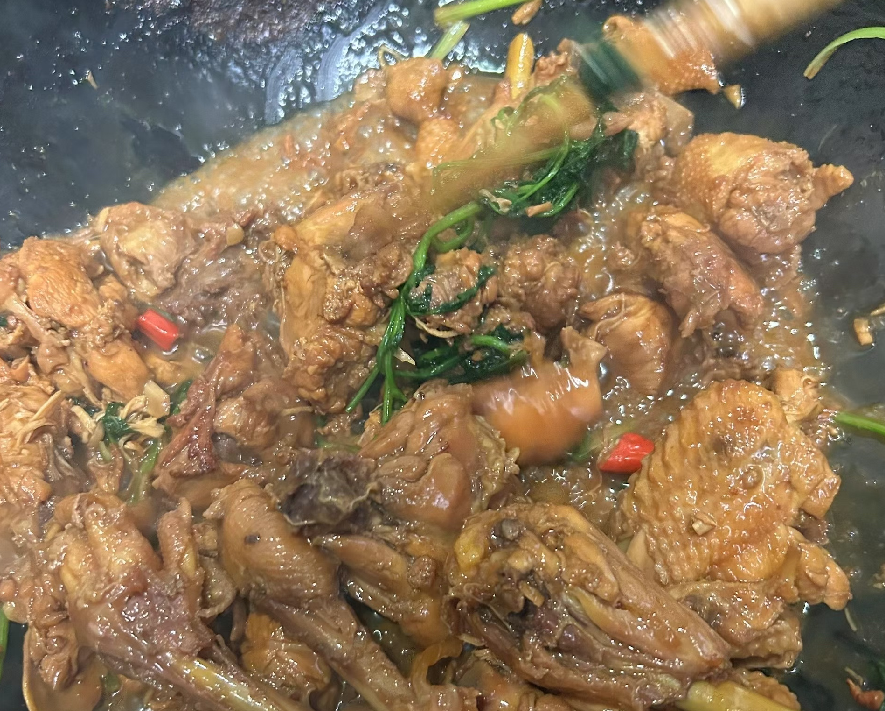
@梦: When my husband reaches for digital pickles, I imagine it’s because the meal feels exactly the same as always, not compelling enough. But when he puts his all into cooking a proper meal, he won’t need any mealtime video – he’ll eat with his full attention.
@小梅: It reminds me of when I was small. Mum would labour over a meal, and she loved watching me eat with gusto, but hated it when I watched TV with only half my mind on the food. Now that I’ve started cooking for myself, I hope my family or friends will give some kind of reaction – comment on the dish, or show they’re really enjoying it – rather than scrolling through short videos, or even chatting away among themselves, which sometimes I find unbearable. Because this meal isn’t a takeaway summoned with a tap of the finger; my time, care and effort went into every bit of it. Whether I eat alone or with others, I hope we can take a moment to savour the process. That’s what makes me feel truly fulfilled.
Editing: Yuyang