
Chinese Post-90s Ecological Smallholder Farmer Urgently Calls for Food System Transformation Alongside 17 Young Farmers
Foodthink Says
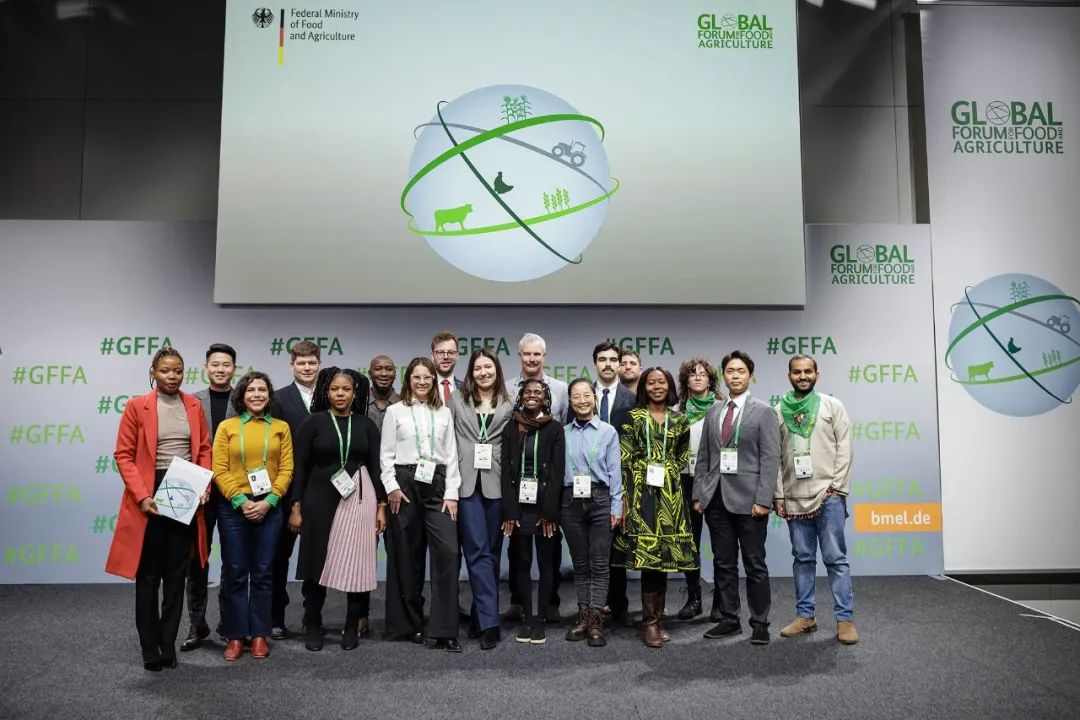
On 16 February, Foodthink sharing session Yingying presented the key points of the position paper. The paper confronts deep-seated contradictions in the global agricultural system: multinational corporations’ monopoly over seeds, land, and supply chains; production instability amid the climate crisis; and the silence of smallholder farmers in policy-making…
Foodthink has translated and compiled this position paper. As young farmers speak on the international stage, how should policymakers, civil society, scientists, and the public understand the complexity of agricultural transition? How will young farmers bridge cultural and institutional divides to jointly tackle the many challenges posed by the ecological crisis?
I. Challenges Facing the Global Food System and the Core Demands of Young Farmers
What Crises Is the Global Food System Facing Today?
Climate change is triggering frequent extreme weather events; droughts, floods, and pest outbreaks are reducing crop yields or causing total crop failures; geopolitical conflicts have sparked energy crises and supply chain disruptions, and soaring fertiliser prices and transport disruptions are further threatening food security; transnational agricultural corporations, by controlling seeds, pesticides, and agricultural commodity trade markets, are squeezing the livelihood space of smallholder farmers; the fossil fuel–driven industrial agriculture model is causing land degradation, biodiversity loss, and water resource depletion.
Most critically, women, young farmers, Indigenous peoples, and smallholder farmers—who make up the majority of the population—are excluded from decision-making yet bear the direct impact of dire climate consequences and economic inequality.
What Are the Core Solutions Proposed by Young Farmers?
Second, they call for promoting a circular economy model centred on agroecology, reducing dependence on fossil fuels through biodiversity conservation, organic farming, and localised food systems. At the same time, they insist on securing the land rights, technological autonomy, and right to participate in policy-making for young people, marginalised groups, and Indigenous peoples, ensuring their needs are reflected in global governance frameworks.
The ultimate goal is to build an inclusive, equitable, and climate-resilient food system in which agricultural production and ecological restoration advance in tandem, achieving intergenerational equity and social justice.
II. The Bioeconomy
What Is the Bioeconomy, and What Are the Risks of Developing It?
However, young farmers argue that, although its advocacy of circular use of resources has positive merit, under the current global economic system, the bioeconomy could devolve into an industrial-nation–driven “technological fix”. Transnational corporations may seize the opportunity to expand their control over biomass resources—for instance, using biofuel policies to push farmers into monoculture, intensifying land grabbing and competition over water resources.
Furthermore, the convergence of biotechnology with nanotechnology and gene editing may further entrench control over nature and farmers, turning it into an instrument for perpetuating capital accumulation rather than a genuinely sustainable pathway of transition.
Unless the bioeconomy is closely integrated with ecological protection and social equity objectives, it will perpetuate high-consumption, high-pollution production models, serving only the economic interests of a minority rather than the actual needs of Global South countries.
III. Agroecology
Why Is Agroecology Considered the Real Solution?
Young farmers call for all stakeholders to be included in bioeconomy assessments, including nature as an independent stakeholder with rights. Agroecology ensures this, and is the real solution to the climate crisis and to breaking free from the fossil-fuel-dependent industrial food system.
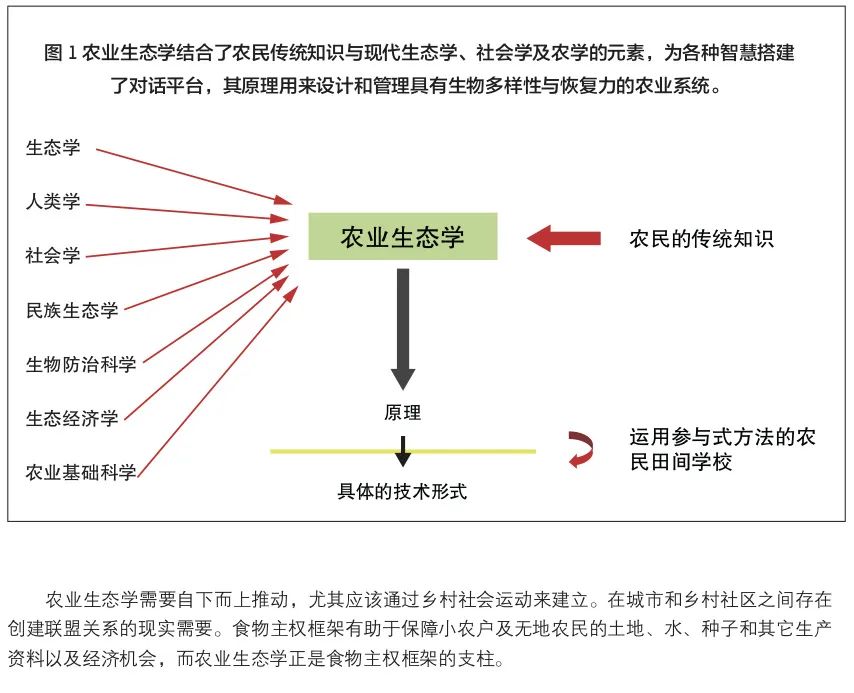
In addition, agroecology can support local economies, promote equitable access to resources, lower the barrier for young people entering agriculture, and empower rural communities. Compared with the high-input, high-pollution characteristics of industrial agriculture, agroecology demonstrates the triple feasibility of economic, ecological, and social benefits.
IV. Youth Participation in Land Reform
For example, this includes legislating to prohibit foreign capital from purchasing more than a certain proportion of agricultural land and redistributing idle land to marginalised groups; integrating land, climate, and water resource management policies to ensure land tenure is linked to ecosystem service functions, and recognising communities’ collective rights over natural resources; and establishing regionalised, democratised land arbitration bodies to replace the current dispute resolution mechanisms dominated by transnational arbitration firms, safeguarding the right to judicial remedy for vulnerable groups.
What Structural Barriers Do Young Farmers Face in Agricultural Policy?
Second, agricultural policy-making has long been dominated by transnational corporations, financial institutions, and think tanks, and young farmers’ voices lack institutionalised channels of expression. In many countries, agricultural subsidies flow to large farms, while smallholder farmers and young agricultural entrepreneurs are overlooked.
Furthermore, agricultural education systems are disconnected from practical needs; school curricula emphasise commercialised technologies while neglecting agroecology and community-based collaboration, leaving young people without the practical skills to respond to the climate crisis.
V. V. Food Sovereignty
What Is Food Sovereignty, and Why Do Young Farmers Emphasise Its Importance?
Young farmers emphasise the importance of this concept because food sovereignty can effectively resist the erosion of local agriculture by transnational food retailers and free trade agreements; it safeguards the diversity and adaptability of dietary cultures, enabling communities to select crops suited to local climates based on ecological conditions and traditional knowledge. During crises such as the coronavirus pandemic, countries with localised food systems and stronger food sovereignty have demonstrated greater resilience.
What Policy Support Is Needed to Achieve Food Sovereignty?
On the financial front, governments should increase the proportion of agricultural subsidies, prioritising support for ecologically friendly smallholder farmers, and use tax policies to curb speculative land transactions.
On trade, harmful provisions in trade agreements need to be abolished, and regional food reserve networks established to stabilise market price fluctuations.
On technology, the promotion of open-source seed banks and farmer-led research and development systems, for example India’s “Biodiversity Conservation and Seed Sovereignty Movement.”
Finally, legislation is needed to establish the Global Food Security Convention, incorporating food sovereignty into the international human rights framework and constraining the market-dominating behaviour of transnational corporations.
VI. Technological Sovereignty and Power Restructuring
What Stance Do Young Farmers Take on Agricultural Technology?
Technological monopoly could deprive smallholder farmers of production autonomy. For example, patents on genetically modified seeds force farmers to purchase new seed every season, exacerbating their economic vulnerability. Knowledge barriers limit the inclusivity of technology dissemination: transnational corporations lock technology away through complex licensing agreements, while public research institutions often lack the resources to support localised adaptation.
How Do Young Farmers Propose to Achieve Technological Sovereignty?
Technology should complement rather than replace traditional and local practices, and must always be developed with the participation of local communities, to ensure it meets their needs. Accordingly, young farmers assert that technological development must follow the principle of “co-design and co-ownership”, ensuring that farmers and scientists participate jointly in technology research and decision-making.
Furthermore, the adoption of technology should not create dependencies that undermine producers’ capacity for autonomous decision-making over their production, territory, culture, and livelihoods. Farmers need the right to decide for themselves whether to integrate new technologies into their cropping systems, rather than being pushed by corporations to adopt them.
Click “here” to read the original statement
*This article’s translation and editing were produced with AI tools
Editor: qiqi