
Airing Out the Winter
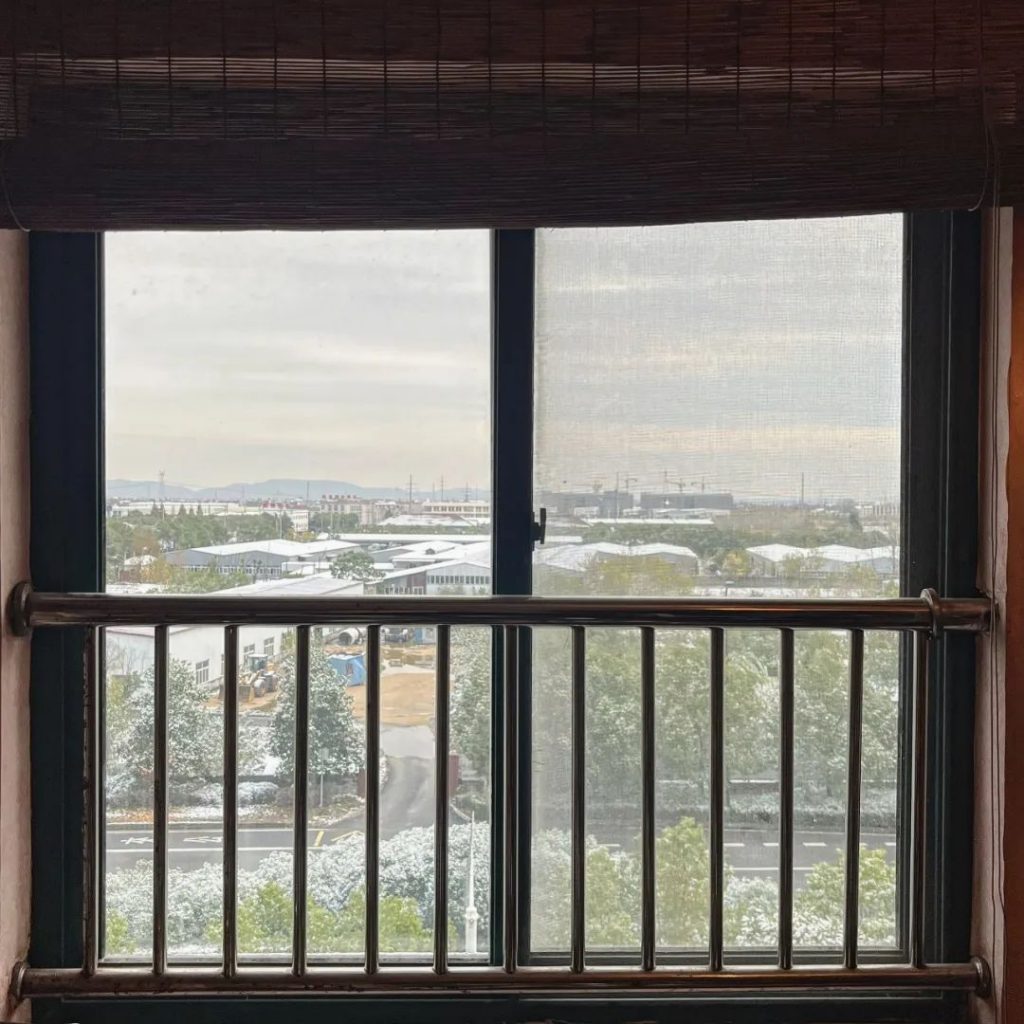
I. I. First Snow
It was well into winter when the small town saw its first snow – a sudden, bitter cold that even the weather forecast had failed to predict. We had only a week earlier been released from temporary restrictions; shops and courier services were gradually reopening, but universal nucleic acid testing continued, and venue QR codes had trickled down even to the villages. I stayed cocooned at home, using the brief window of restored deliveries to order groceries and dry goods online. After several lockdowns, surprise raids had become the norm, and hoarding food had turned into something of an arms race.
I had become quite unhinged, my nerves frayed, harping at my mother: the fridge and cupboards must never be seen empty – we need to plan months ahead. The cardboard boxes from deliveries stacked ever higher. The fridge and cupboards were stuffed to bursting, just as I had wanted, and yet my heart still hammered. What if we were transferred to a quarantine facility? What if the flat was sealed for disinfection?
Mum, however, showed no sign of panic. Instead she mused: the local green and red pointed chillies were in season, prices had come down, and it was just the time to brew up some chilli paste. She was always like that – always saying, “Wait until the moment comes before you speak of it” – and the same rule governed what one eats in each season. Winter was coming. After the chilli paste came fried meatballs; today we cure meat, tomorrow fish. Following the calendar of seasons and festivals, just as in years past – only it seemed, perhaps to steady me, that this year’s quantities were a little more generous. Gradually I, too, settled. I stopped nagging and found myself squeezing into the kitchen, watching her lay out the ingredients. All the tenderness of human feeling, all the care we show the things around us, gathered up in that little kitchen by the stove.
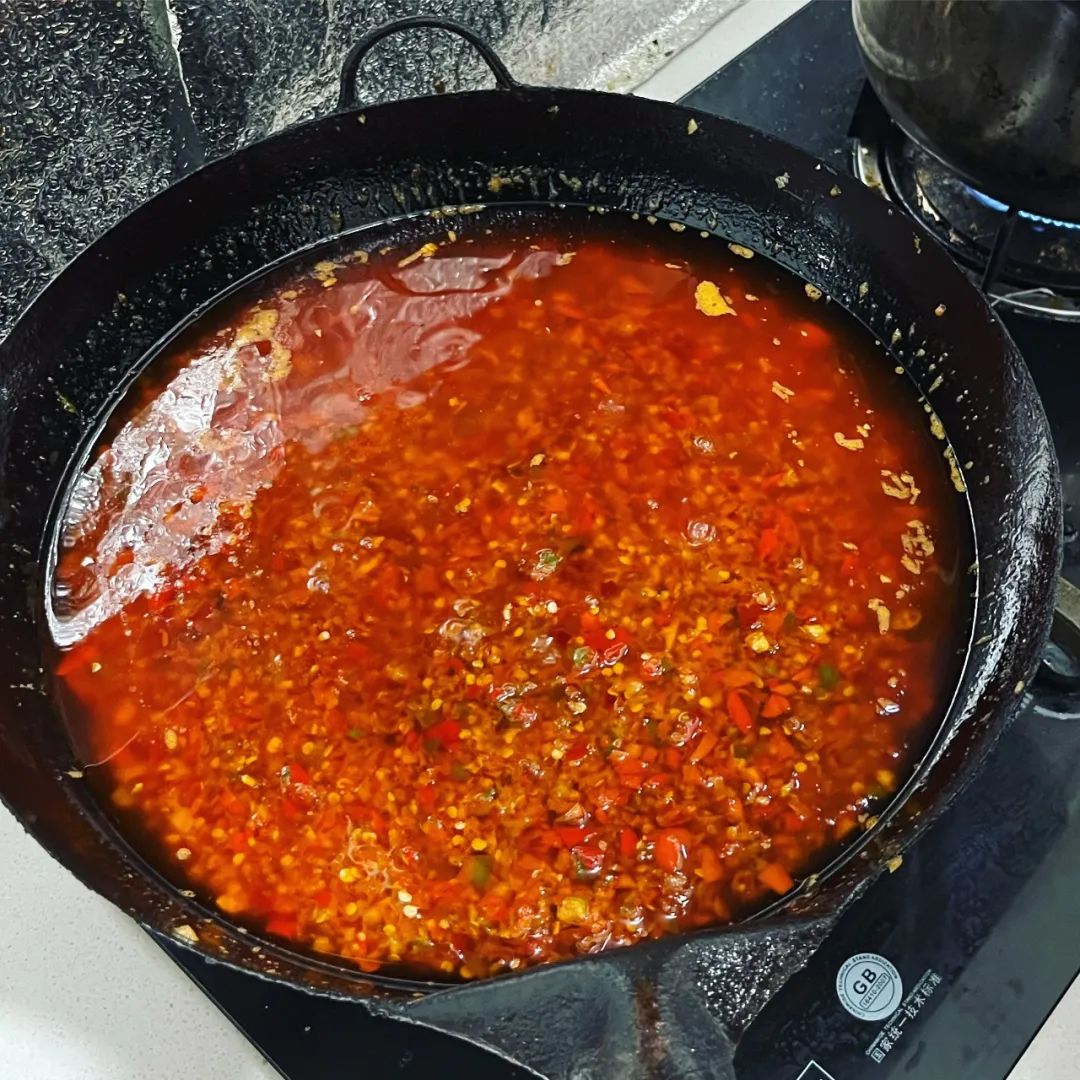
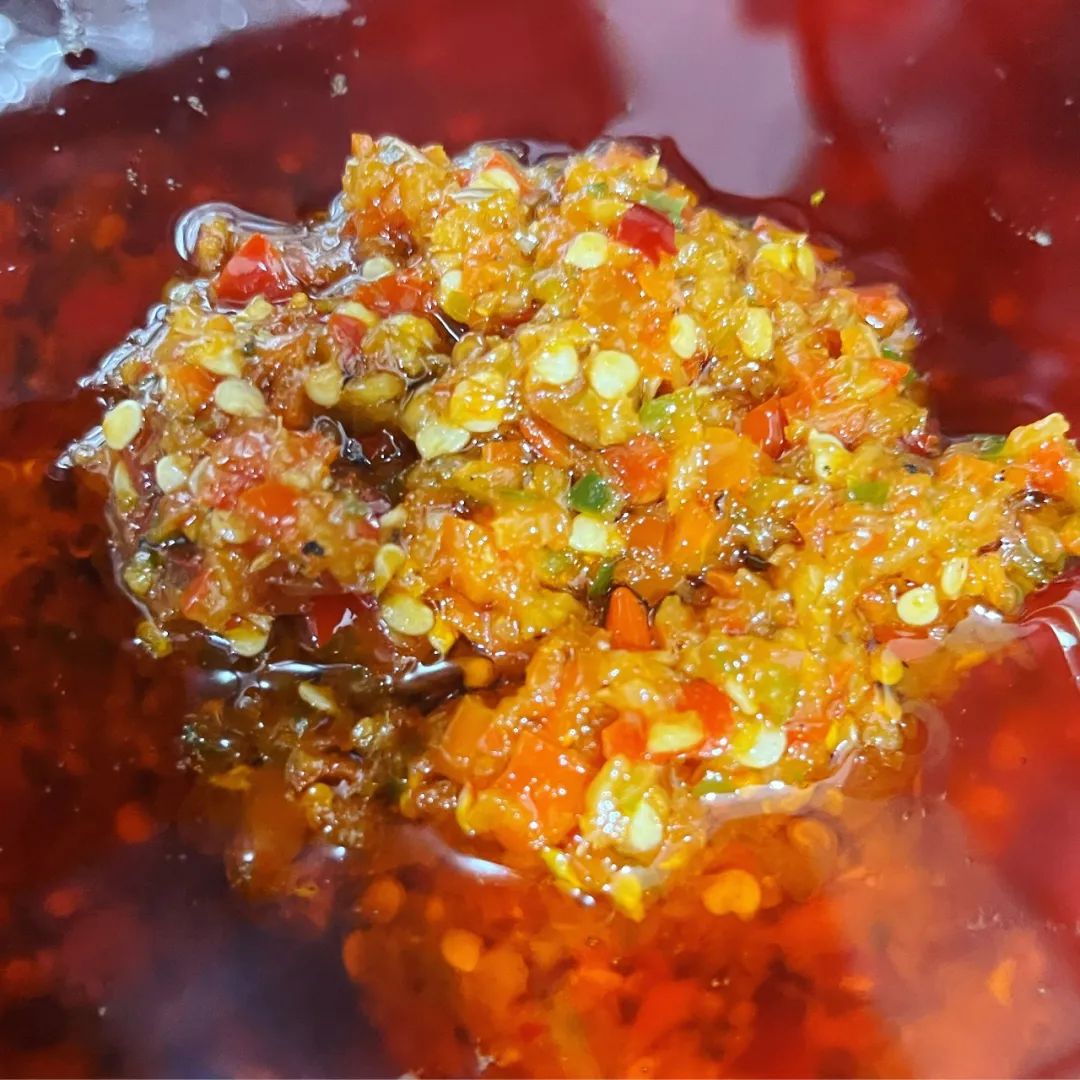
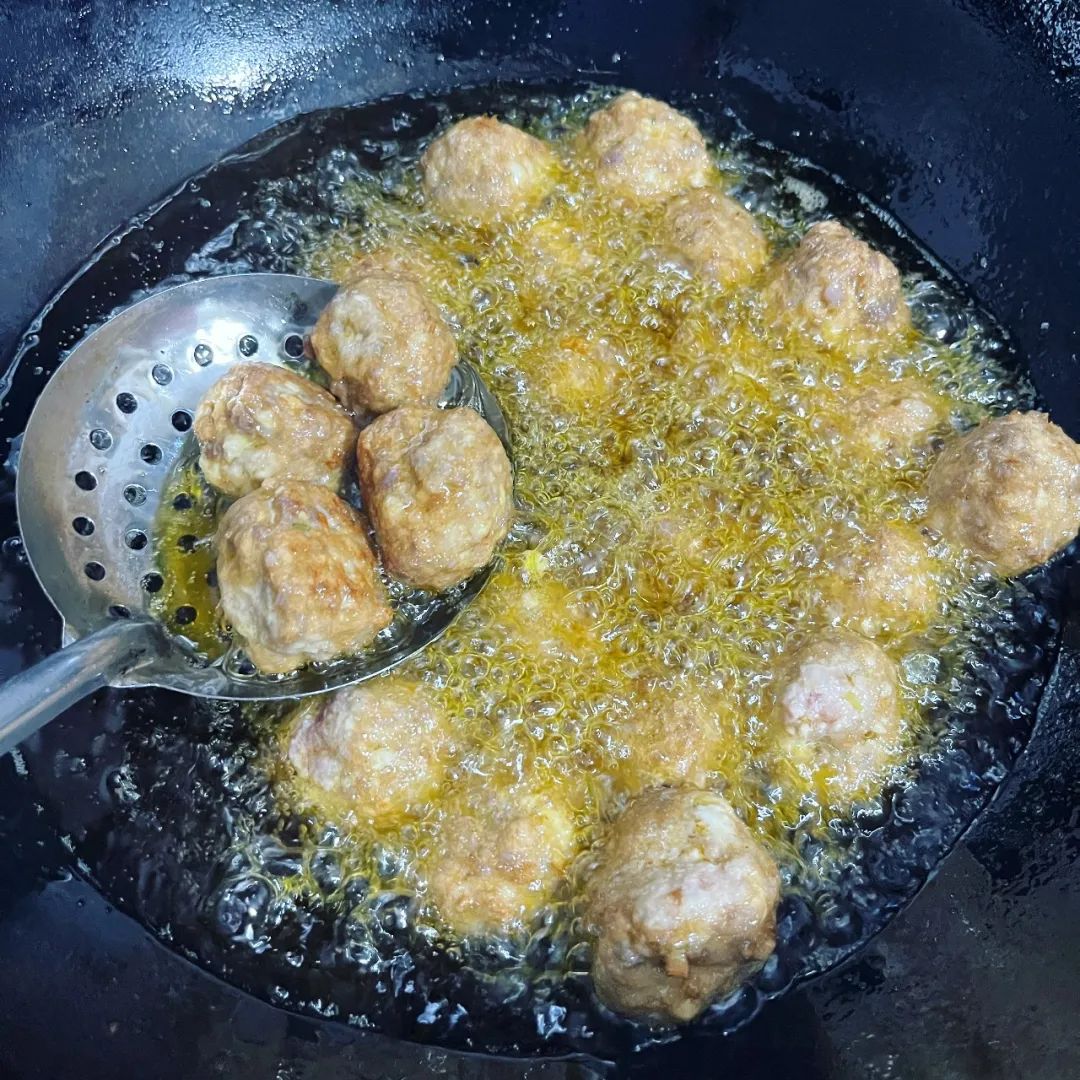
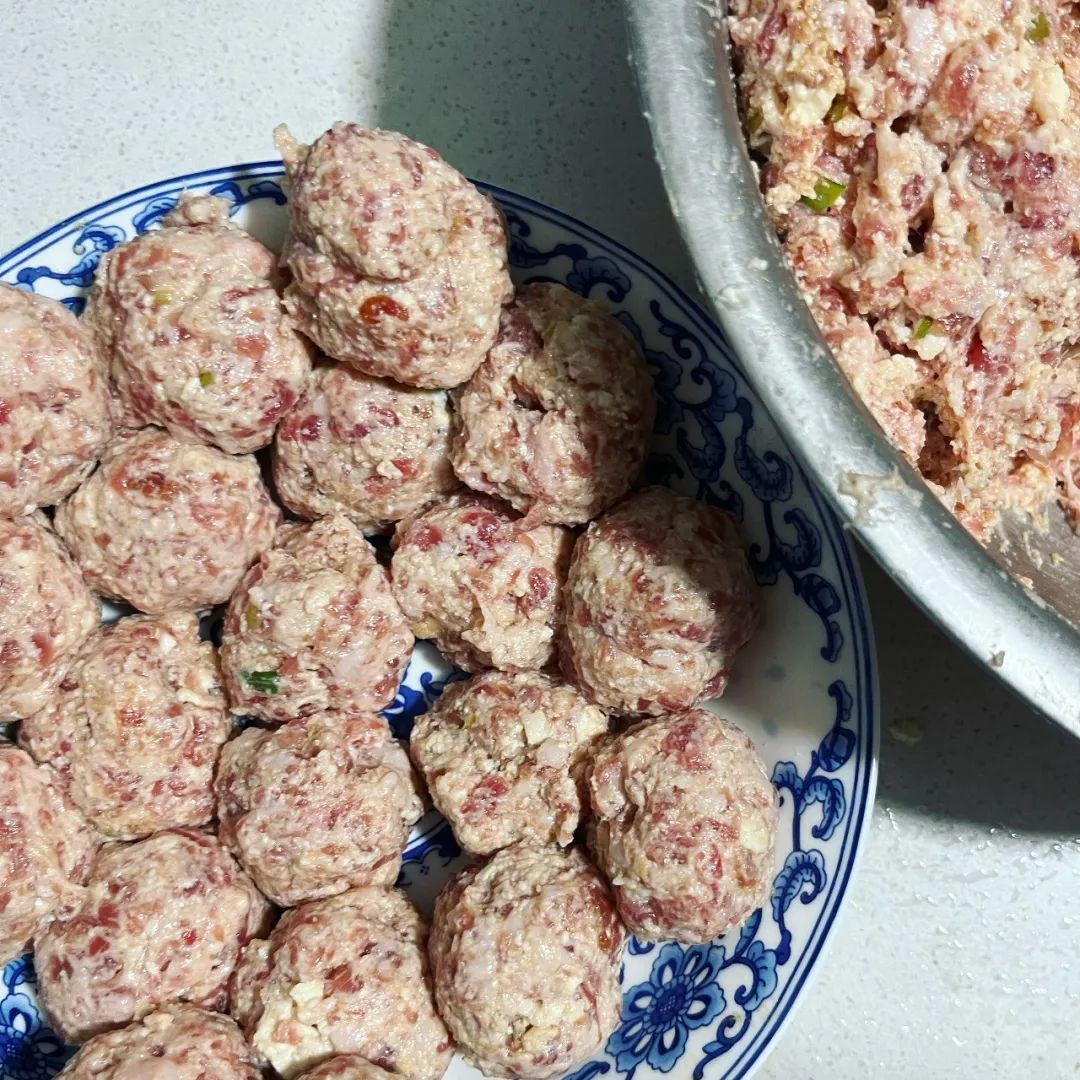
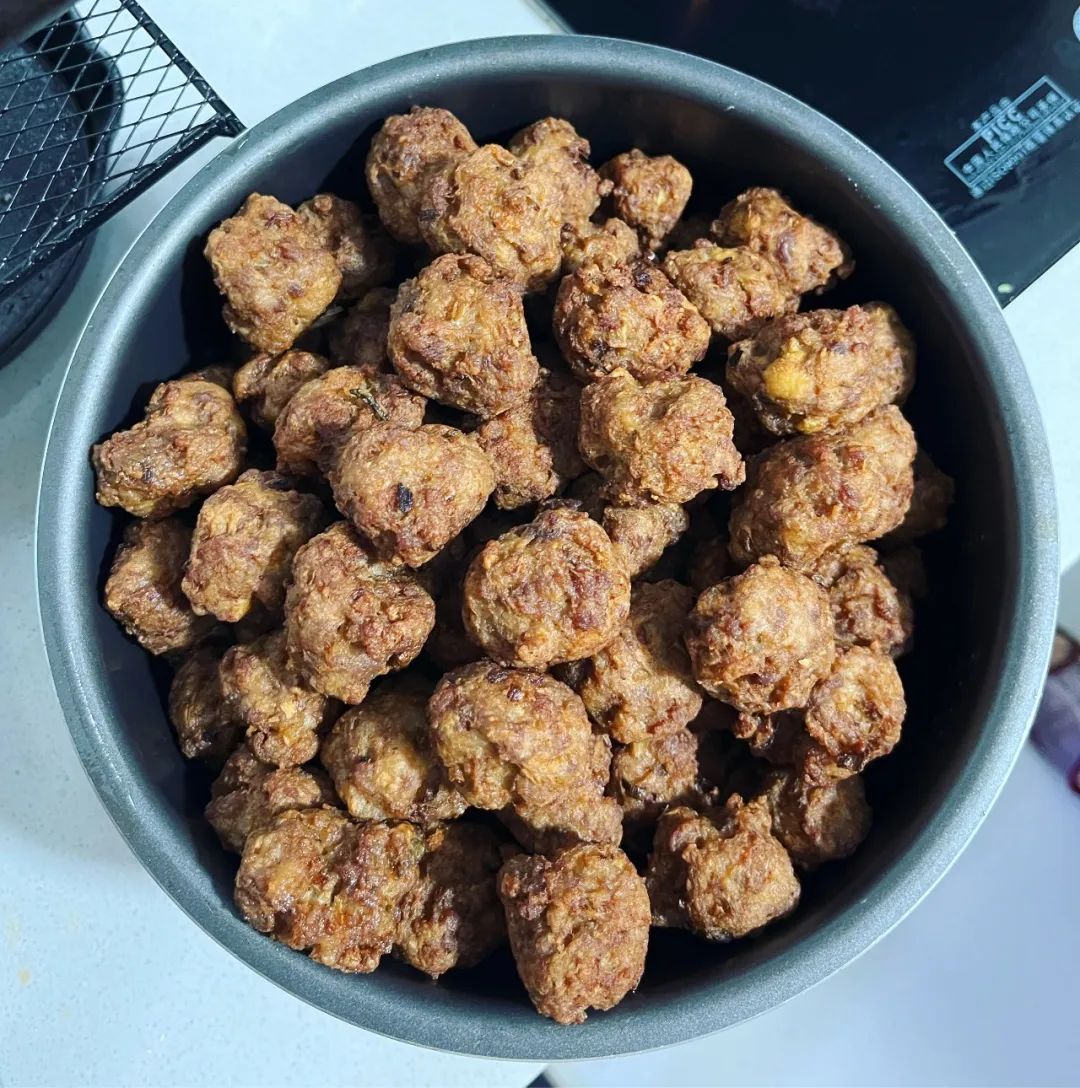
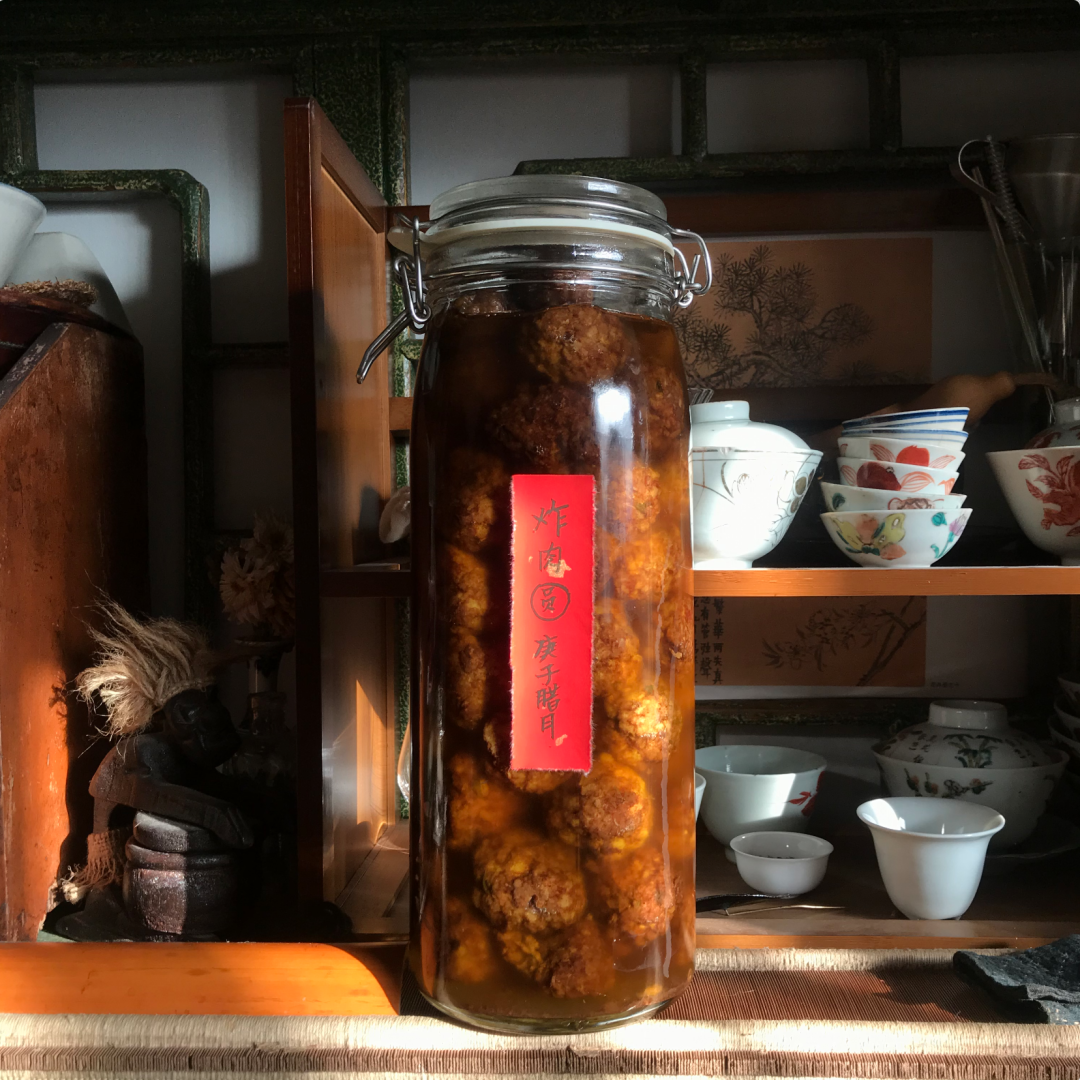
In winter, meatballs must be fried – handy for an immediate meal, good for keeping, and they carry the auspiciousness of togetherness. The fried balls are stored in a jar, preserved in the rendered oil left in the pan after frying. In the cold of the room, the oil sets into a goose-yellow, waxy congealment. In the morning, over porridge, I dig one out of the jar and bury it in the bowl; the fat and the meaty savour melt slowly into the broth. Then there is the other indispensable dish – mustard greens braised with meatballs – proper for the family table. The Spring Festival before last, with everyone urged to stay put for the holiday, I was still in Beijing. Home sent over a parcel of fried meatballs – a distant, tender gesture of togetherness.
This time Mum bought 2.5 kilos of mince and, in a moment’s inattention, seasoned the filling too salty. The next day she brought back several large slabs of fresh tofu to balance it out, reasoning that tofu was cheap and would keep the texture tender. But it was still too salty, so I went down the street again and added 1.5 kilos more of fresh meat. Just as the saying goes – too much water, add flour; too much flour, add water – the filling grew with every round of adjustment. The balls rolled faster and faster; the big pot was filled, then the small. Coming back out and seeing the full spread – good heavens, that would last well past the New Year.
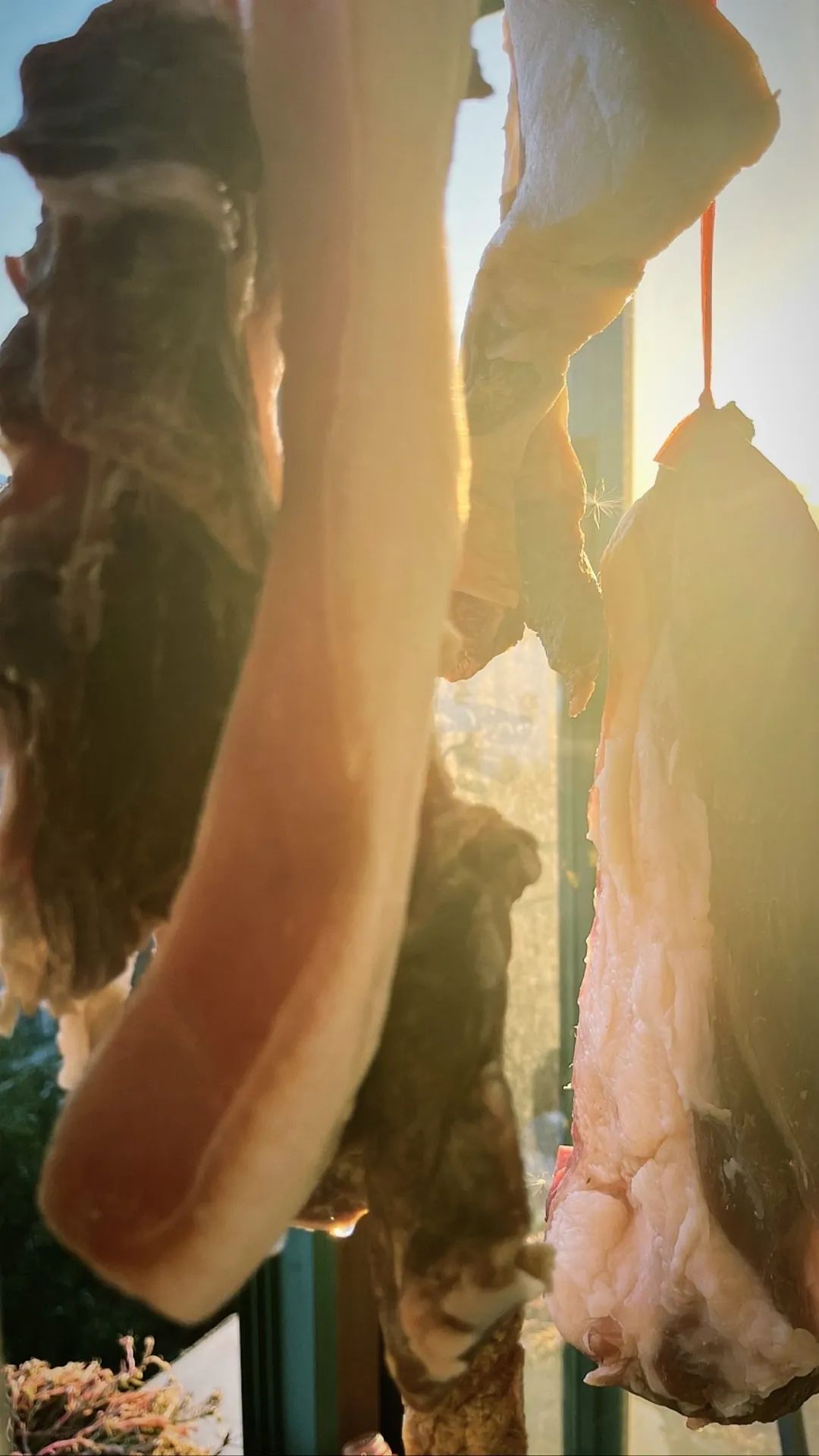
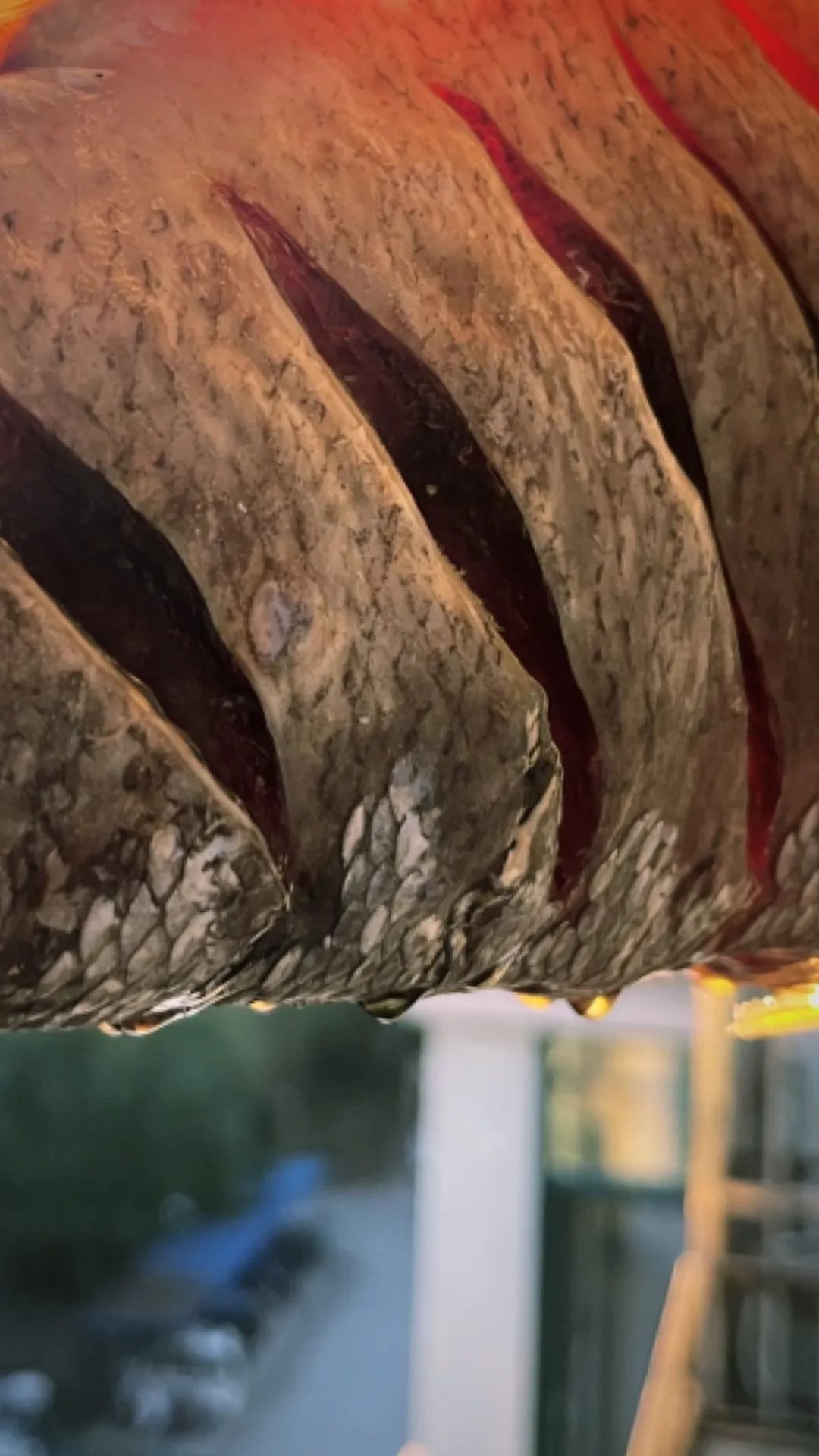
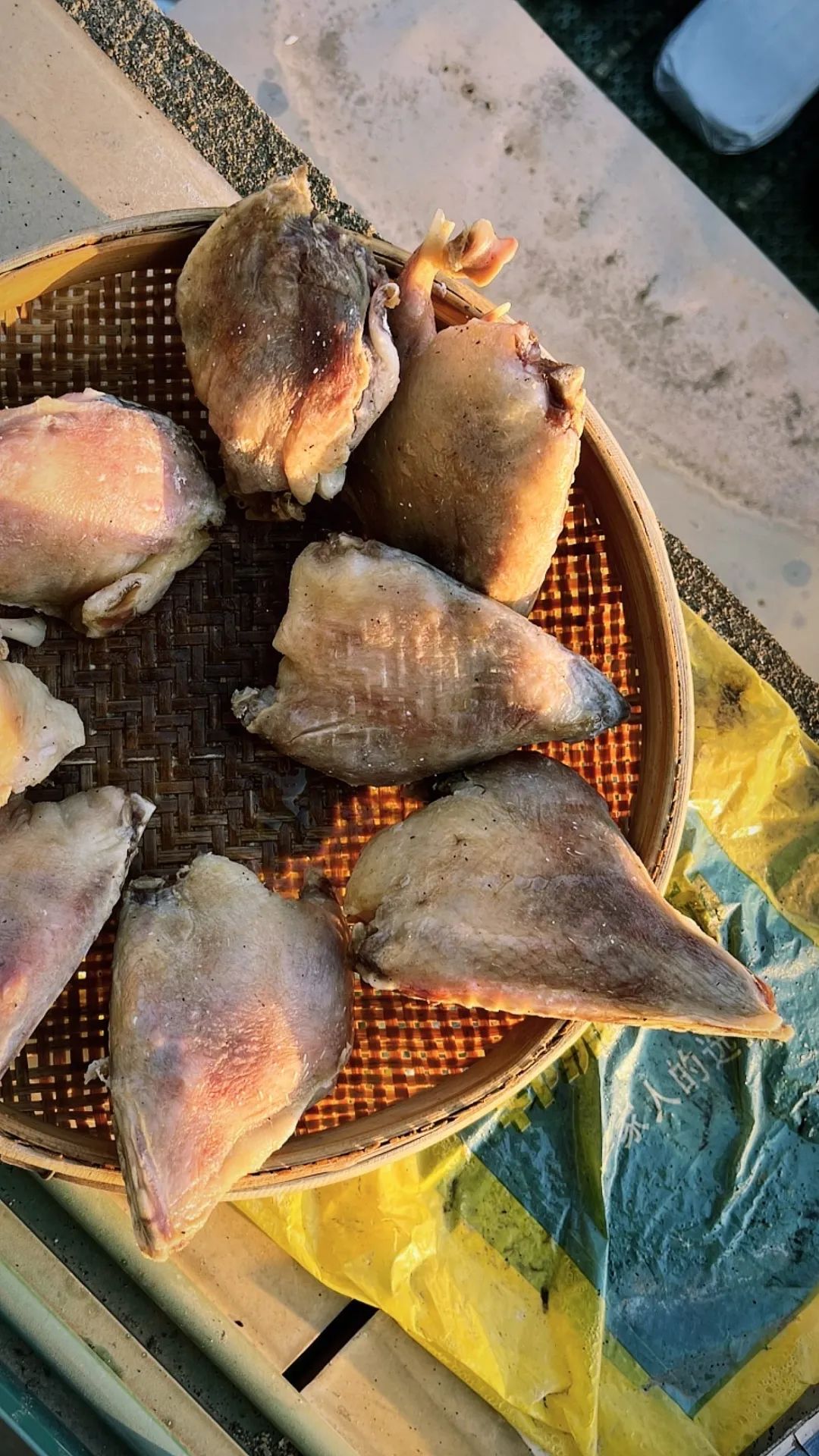
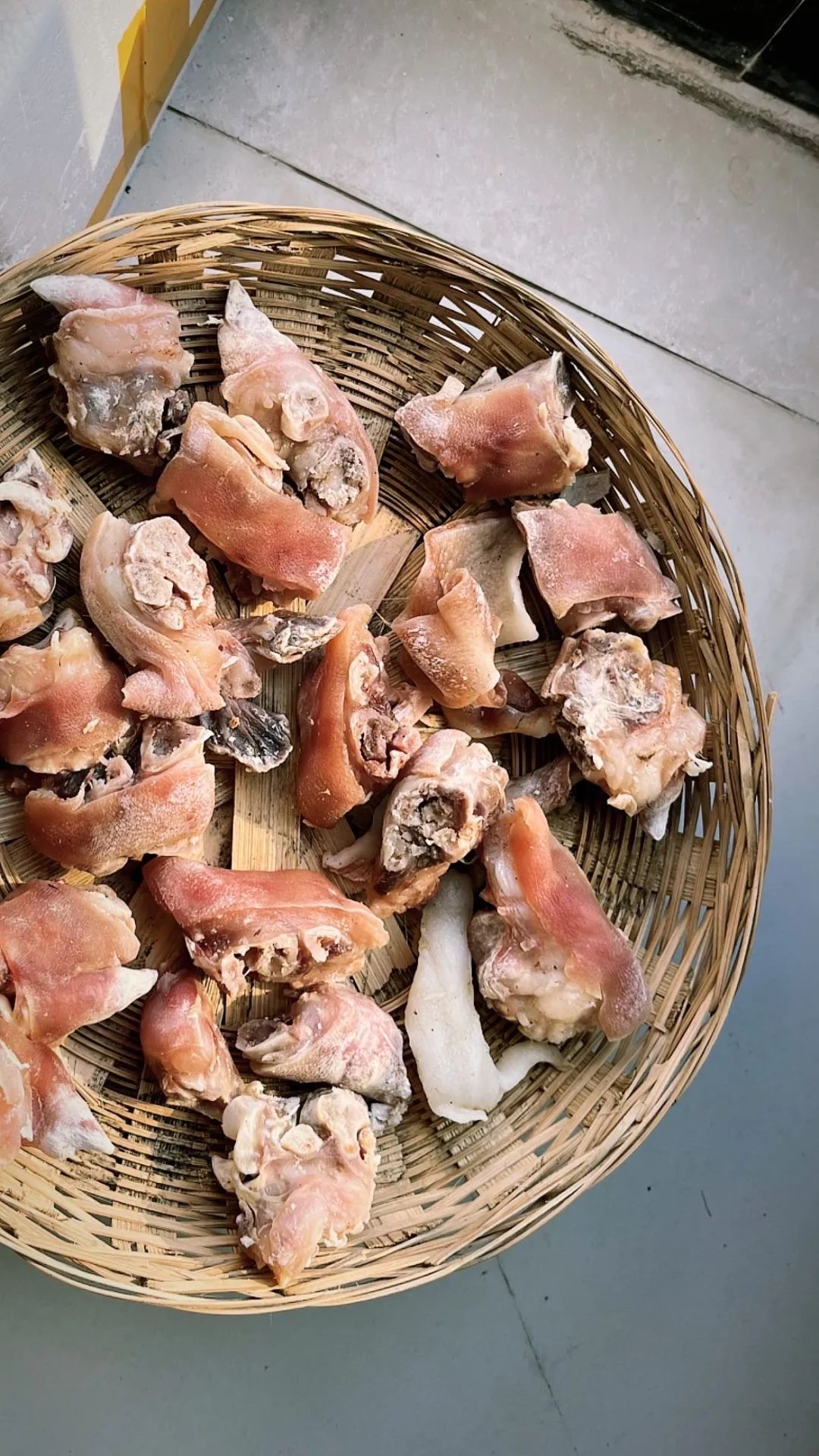
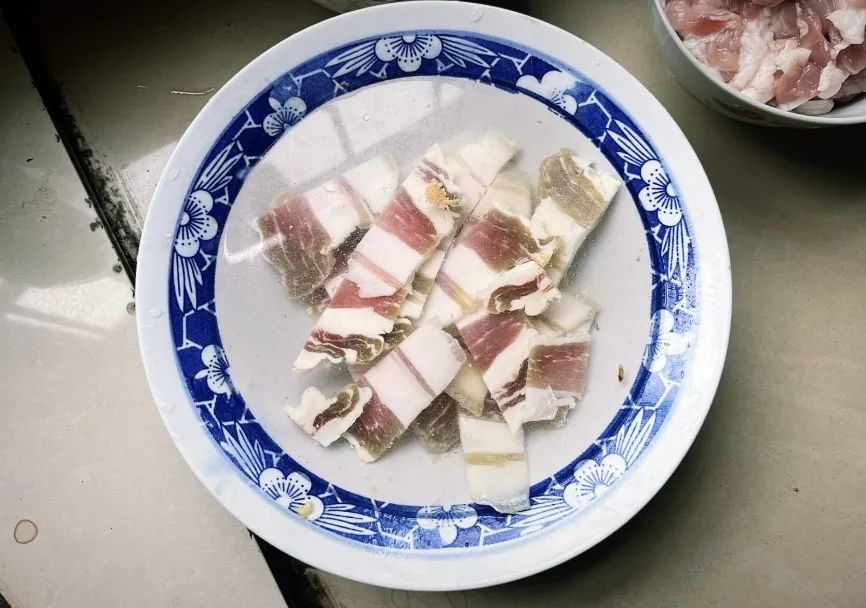
In Anhui, north of the Yangtze, the method for making Chinese cured pork is almost rudimentarily simple. A long strip of belly pork, never washed: 5 kilograms of meat to 250 grams of salt, rubbed in evenly top and bottom. Then lay it in a basin, turn it over every three days, and after a week wash it clean and hang it out to dry in cold, fair weather. In about a fortnight it is ready – slice as you go. Once spring comes and the weather warms, the meat yellows and can spoil, so it moves to the freezer. Duck legs, chicken gizzards, silver carp, pork trotters – all cured the same way.
The wisdom of long practice truly can take the edge off the panic of the present.
II. A Mild Winter
A week passed before Mum finally threaded string through the cured pork and hung it up. I had portioned the chilli paste we’d made at home into a few bottles, meaning to post it to friends and relatives out of town. But the courier rang to apologise, saying they could no longer come to collect. It turned out a resident who had tested positive had been passing through the street for a meal; the small town reacted with reflex alarm, fell silent again, and everything stopped dead.
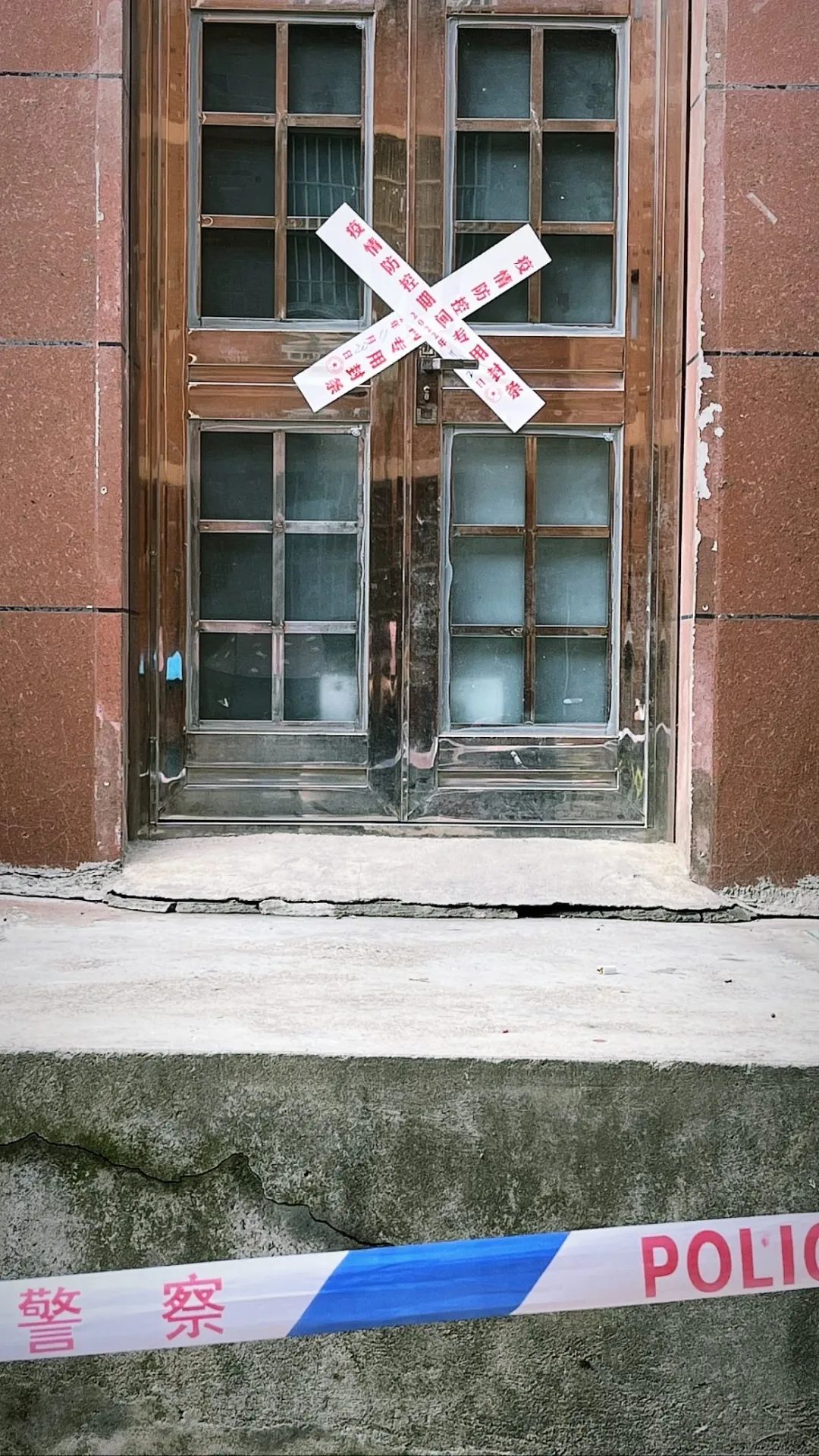
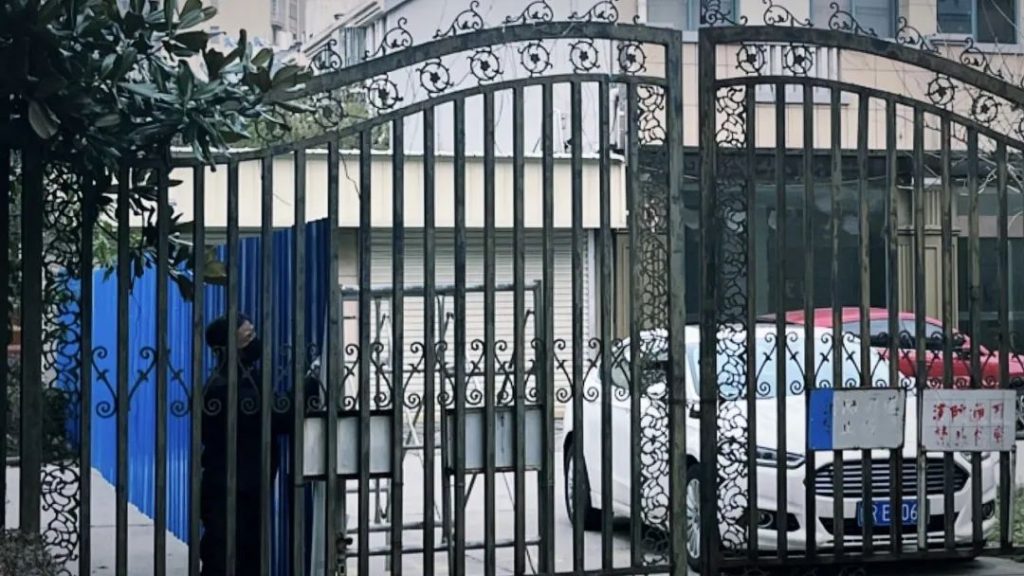
On 6 December, sheet iron began to seal the perimeter of our compound. On 7 December, the Ten New Measures were issued, and lockdown restrictions were lifted nationwide. On 8 December, the sheet iron was torn down again.
Those ‘new normals’ were so swiftly cast into the dusty archive of history. The “no-constant” of worldly affairs is, in the end, the very “constant” in “common sense” and “normal state”. The slogans, road barriers, and little testing kiosks still encountered in public spaces gleam as good as new, yet have already become relics. And there, encircled by those relics, we are whirled into a new tidal wave, surging over the crest and out.
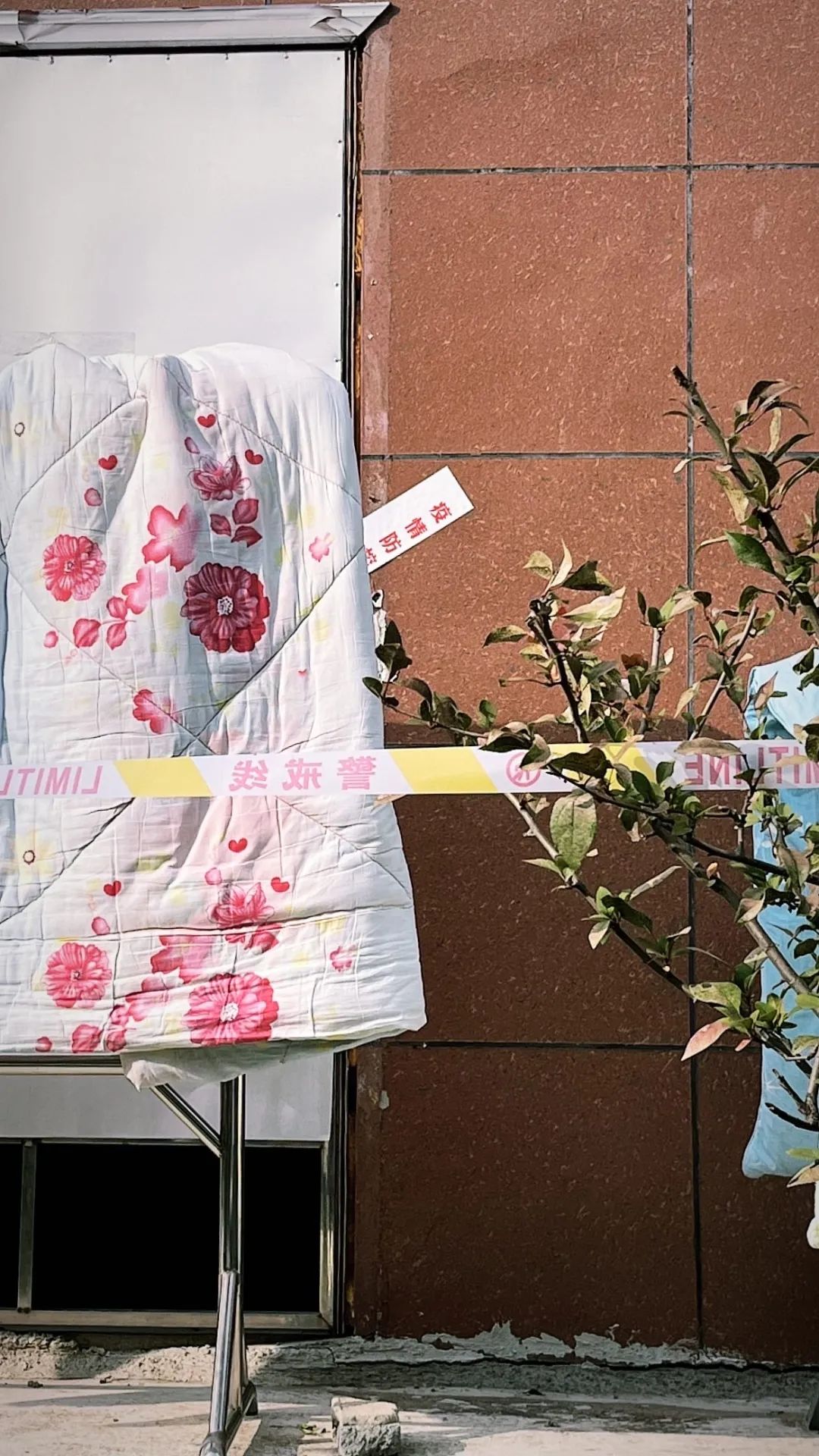
After the bitter cold came a warming: the snow melted, the haze cleared, and the small town north of the Yangtze enjoyed days of clear, bright sunshine. At last I put away the autumn quilt and the thin blanket, and hauled the heavy one out from the bottom of the cupboard – the thick one for getting through winter and greeting spring. Seizing this open, clear day, I carried the cotton quilt out to the balcony to air it in the sun. Then, for the first time in what felt like ages, I walked down from the building and out of the compound.
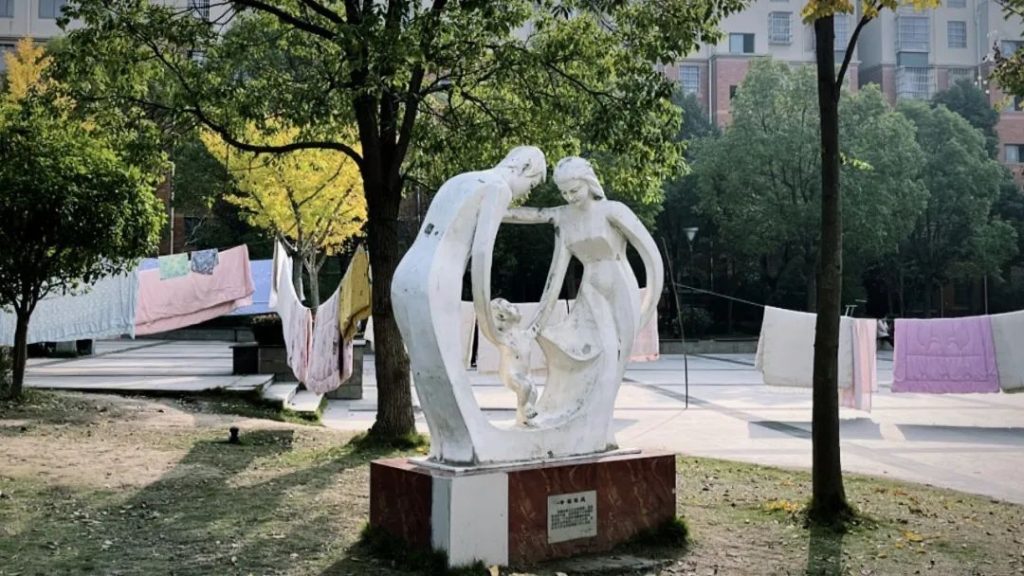
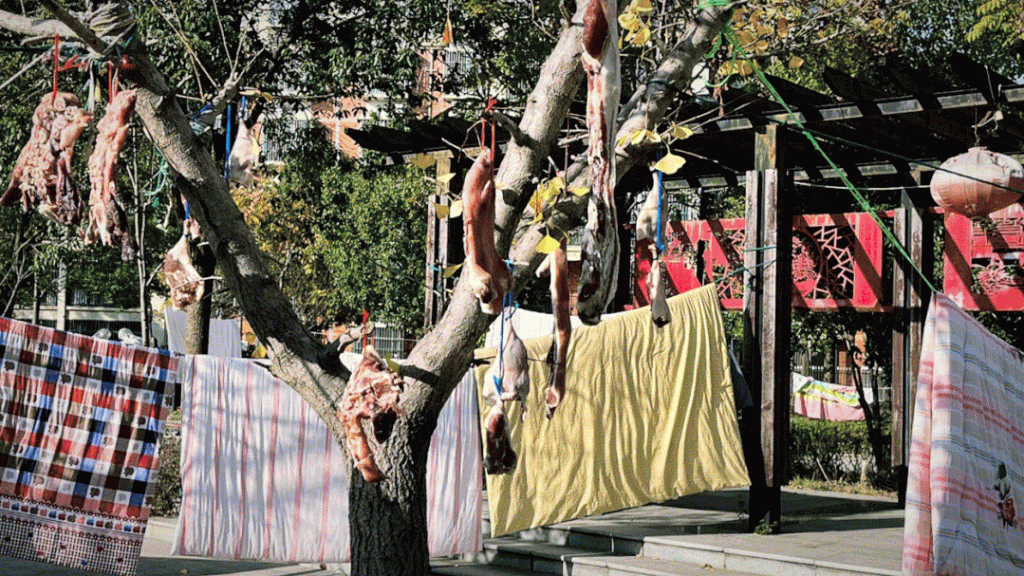
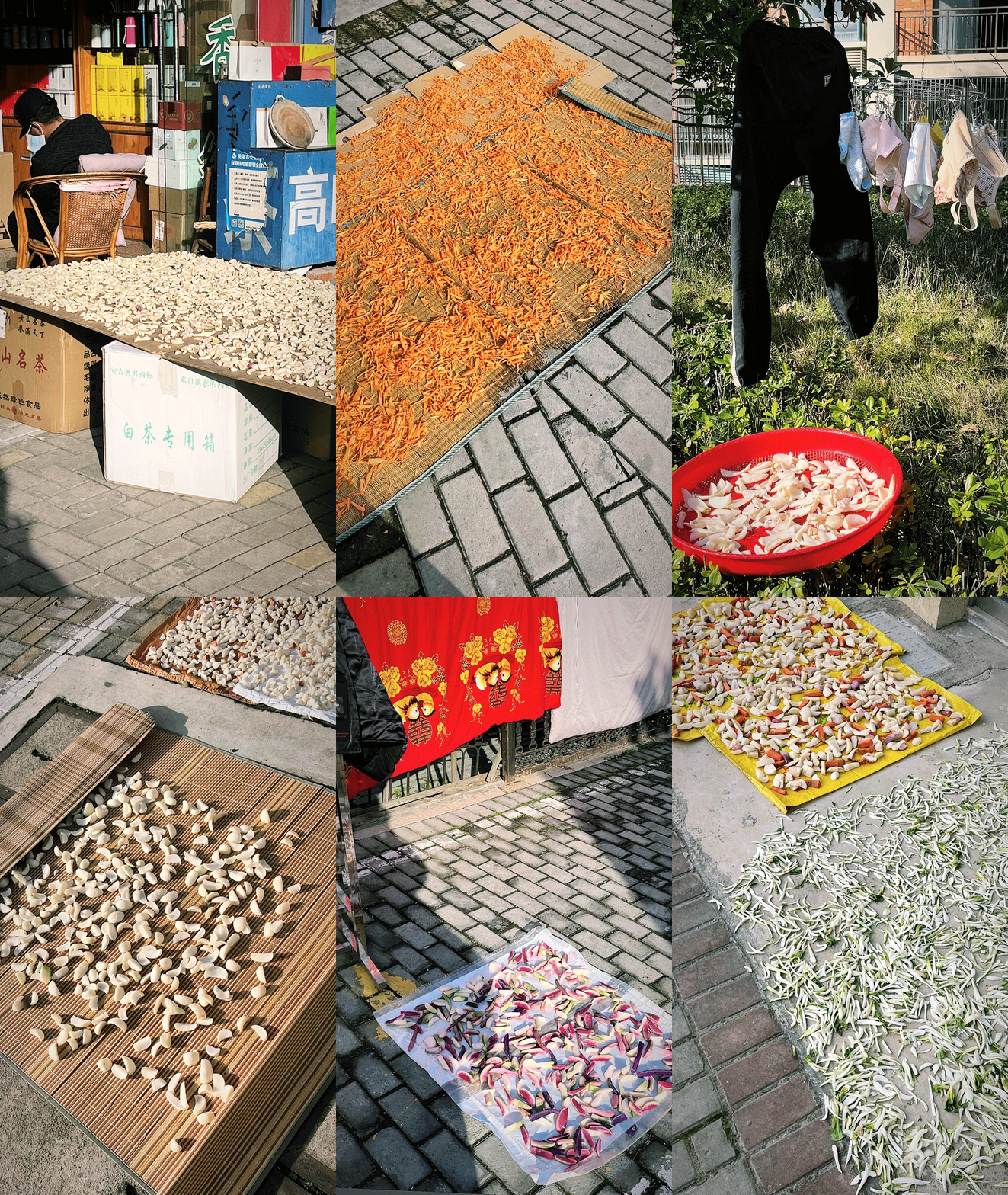
The sun was golden, and lo, every household was out airing its quilts. Before doors and beneath windows, along paths and beside trees, in gardens and small courtyards – quilts of every colour and pattern lay out in the sunlight, substantial and warm. The long spell of clear weather meant they were out every day, every household airing theirs, as if determined to burn away all the shock and gloom of those past days.
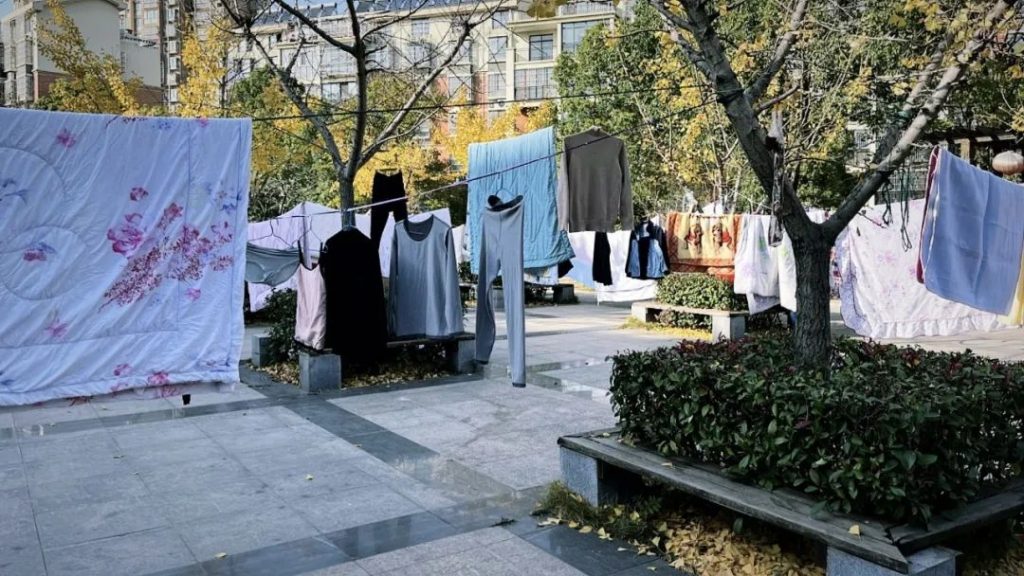
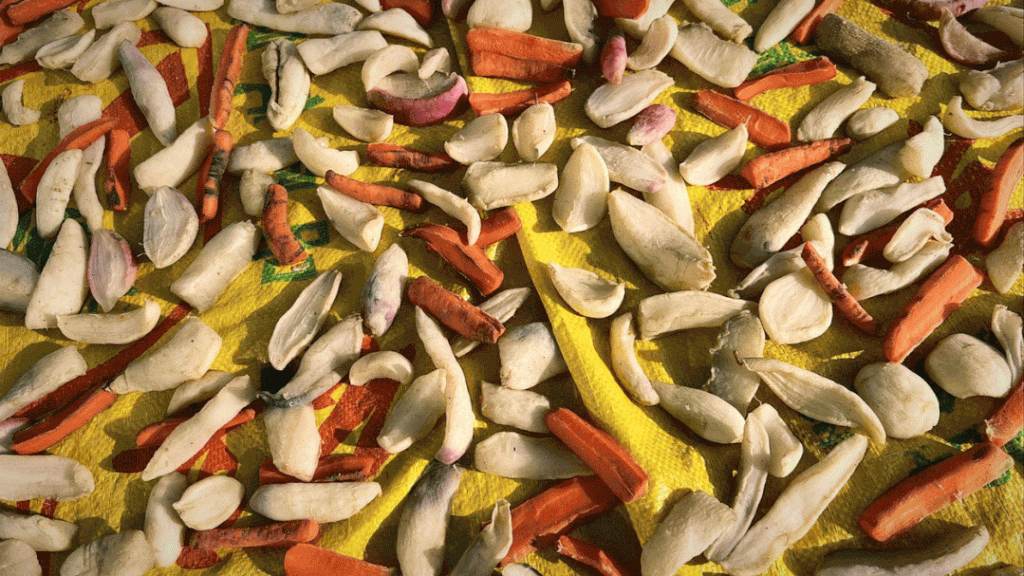
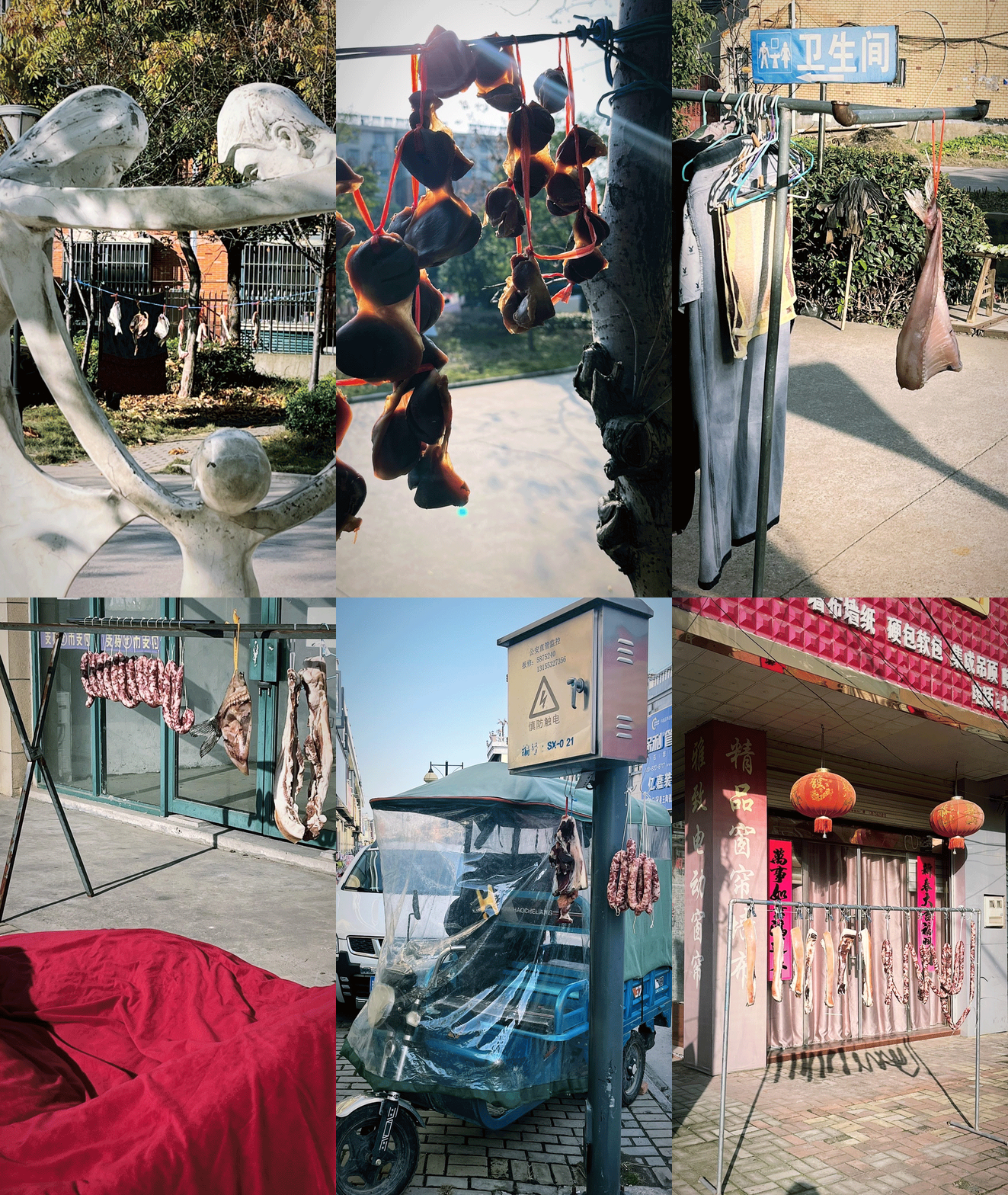
Besides airing quilts and clothes, there were the pickles and cured meats too: sauce-cured fish, salted pork, sausage, dried radish, mustard greens, duck legs, chicken gizzards, pork skin… They, along with the cotton quilts and freshly washed clothes, furnished the whole scene. No one cared whether it was a public park or a private yard – the entire street, the whole ground, with no dividing you from me, no barriers at all. The simplest necessities of this world – clothes and food, warmth and fullness – spread out vast and light beneath the sun. So it turns out that the world’s bustle and pageantry can be this quietly, homely good.
Each day on my walk, seeing these small winter scenes, I feel a survivor’s gratitude – and joy, and a pang of wistfulness. In this place that is half village, half town, the old days were of toiling the fields; now they work away from home. Ordinary households, asking only for warmth and fullness. Not just today – so it has been since the beginning of time.
I went to the balcony to collect our quilt and buried my face in it. It was so soft and wide, able to hold my tears and my wounds, to let me be, just for a while, in the luck of having survived.
III. Entering the Twelfth Month
In the blink of an eye we were into the twelfth lunar month. Mum and I, one after the other, developed symptoms; our antigen tests came back positive. At least now we could rest at home, food and medicine well stocked, the mind steady and untroubled. A few nights of fever-sweat and the years of accumulated cold were truly driven out. Mum’s symptoms had begun to ease, her appetite flickering back to life, and before long she couldn’t bear to resist a craving. She crept out to the balcony, cut off a small piece of Chinese cured pork, sliced it thin, and steamed it with rice. The timing was just right – the first taste of salt and savour this winter.
By the time we were able to go out again, the world had changed beyond recognition. Grandma had a severe infection; I went into hospital to look after her. Then Grandad was dying, and Mum went down to the village to keep him company.
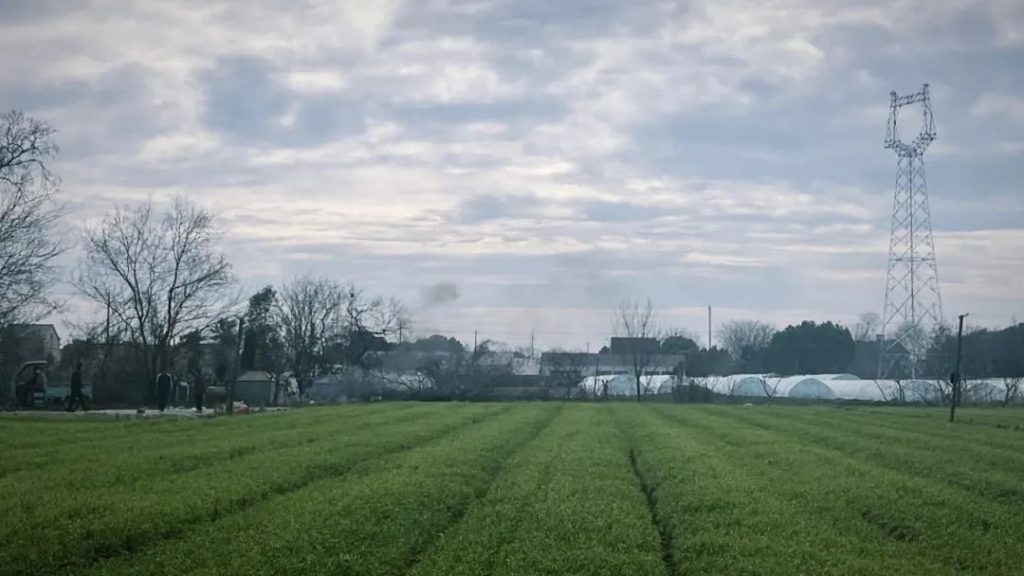
I remember late spring, when I went down to the village with Mum to cut wild water celery – we had just come through another lockdown. She crouched at the edge of the reed bed, the sickle reaching further and further out, swathe after swathe, almost greedily. Alas, spring was past. The greens had bolted, the stems gone fibrous and tough. She seemed to take it in stride, tipped the full armful of wild celery into the irrigation ditch, and sighed: “Everything grows old in the end.” I laughed, admiring how clear-sighted she was – and yet, month after month, she still dyed her white hair black.
In the end Grandad let out one long sigh, and yellow paper was laid over his face. White roots showed through in Mum’s black hair. Before the weeping had even subsided, she was already busy with the funeral. Banquet tables, hot food, drums and pipes beating and blowing – the hearts of the household both tumultuous and still. I finally managed to go home. In the kitchen, dirty bowls piled up in the sink, not yet washed. I opened the pantry: a small bowl of Chinese cured pork, thick white fat congealed on top, ice-cold to the touch.
The year was drawing to its close, the last stretch of the twelve months. Wheat shoots in the fields had just turned green; the streets were busy with New Year shopping. Fireworks and firecrackers went off day after day – weddings as well as funerals. In the countryside this year there were especially many funerals, and yellow paper had become expensive.
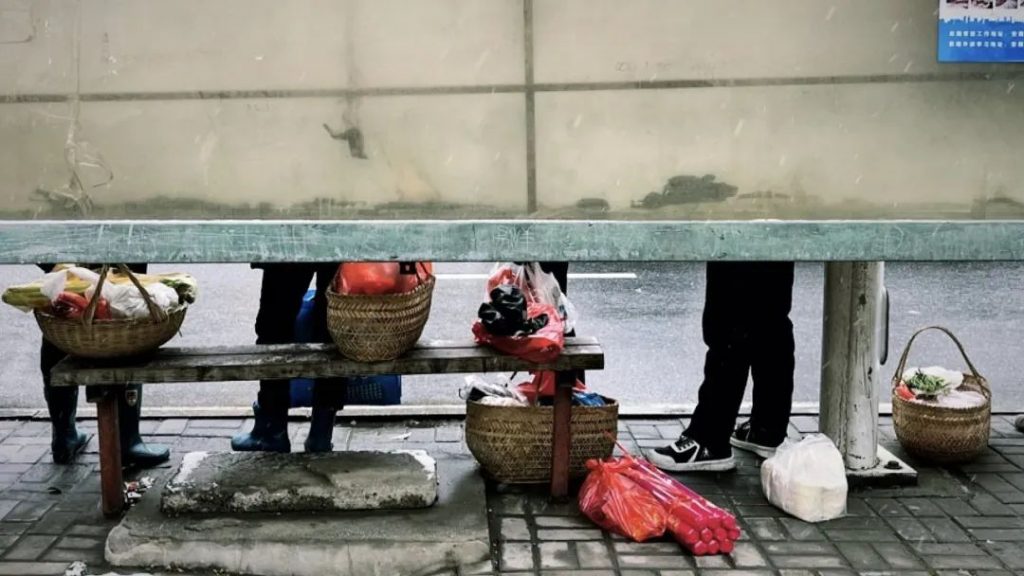
There is a saying among the villagers: the year is hard, the heart is heavy, but one must still get through it. The four seasons turn in their cycle; what comes, one must accept. I don’t understand it, and I have no strength to bear it gracefully. A winter like this – how does one muddle through it?
But the sun is still this good, and pickling and drying meat are still in full swing. I think, I think – keep the body well, stockpile conscience and courage. If the cold exhausts itself and spring comes, I shall see you all again.
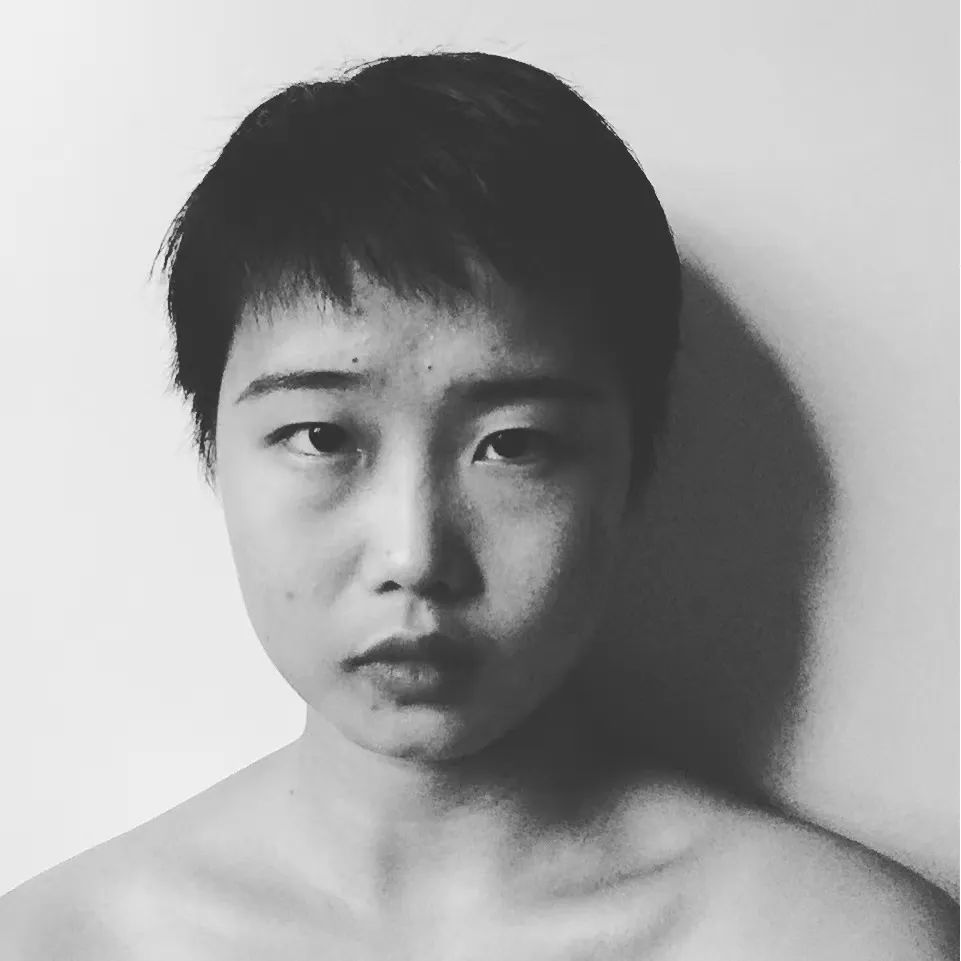
Foodthink Writer | Zhang Xiaoshu
Artist; graduated from Nanjing University of the Arts in 2016. Born in a small riverside village, raised in a suburban factory district. Focuses on issues such as art’s engagement with rural communities, gender equality, and sustainable food and agriculture. Currently working in the Qiandongnan region as a field site, carrying out a new round of research and creative practice.
All images in this article are provided by the author.
Editor: Wang Hao