Udon Thani’s sugar mill was shut down for accepting excess burnt cane, stranding nearly 2,000 trucks and leaving 50,000 tonnes of cane to rot — a loss exceeding 50 million baht. Fresh harvesting, though, costs three times as much as burning, and small farmers cannot afford it.
Dozens of readers have shared their hands-on tips for breaking free from takeaway: One-Pan Fried Rice, weekend batch-cooking a week’s meals, slipping into community canteens, browsing the wet market after work… there’s bound to be a trick for you.
I. The Plastic Crisis: Regularly Updated “Microplastics have entered the human brain, and the weight of these particles can even exceed that of a plastic spoon.” Several friends sent me this message a few days ago. Since I started working for an environmental organisation a few years ago, I’ve become…
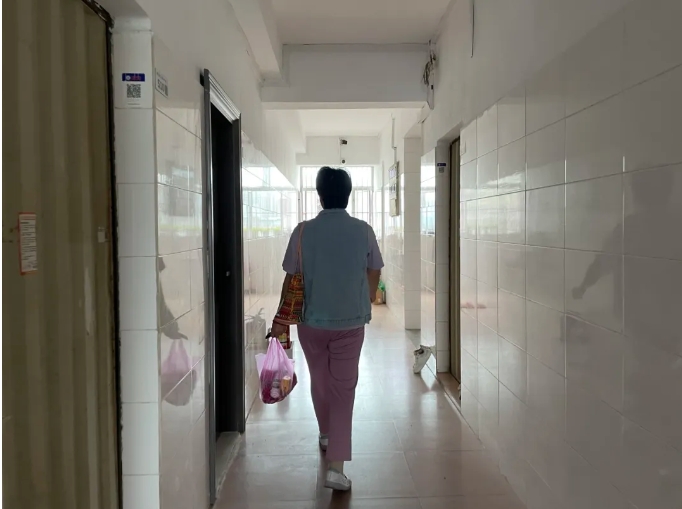
Eight years from Xiji, Ningxia, to Shenzhen have reduced Ma Lan’s halal food choices almost entirely to Lanzhou hand-pulled noodles and cooking for herself. Eating has become something she always faces alone.
From hospitals to livestream rooms, Registered Dietitians remain divided between survival pressures and ethical bottom lines; with industry norms still unclear, telling “pseudo-science” apart is a lesson no consumer can avoid.
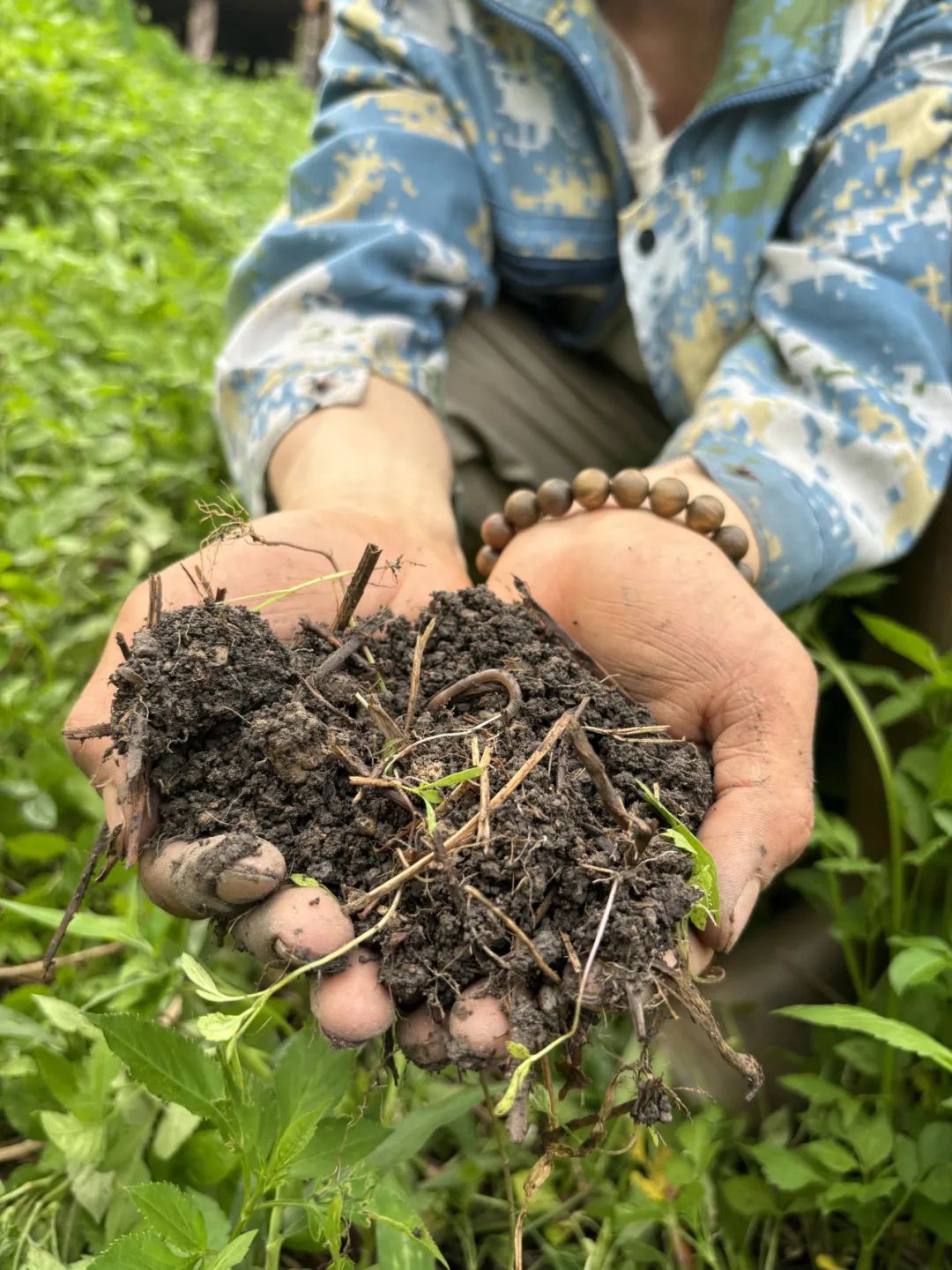
Last April, I arrived at Baicao Garden through Foodthink’s ecological agriculture internship programme. In Wule Town, Guigang City, Guangxi Province, where we were based, almost everything outside of Baicao Garden is chemical-based agriculture. On the drive into town, the sight of people spraying herbicides is a constant presence. I remember…
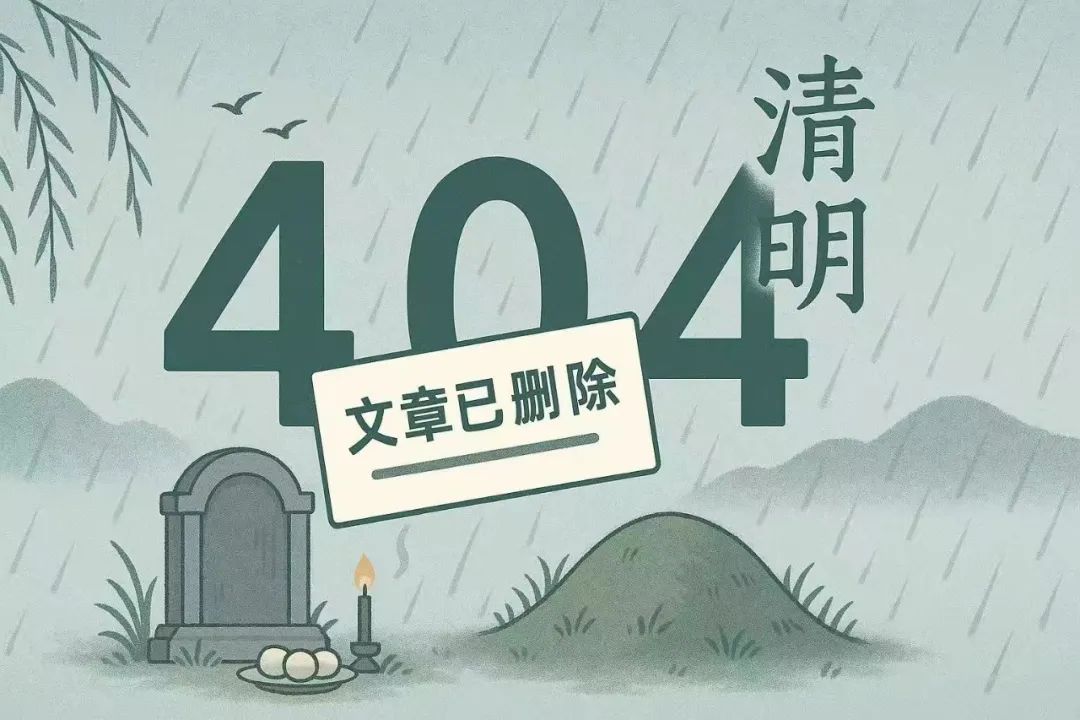
Qingming is a festival for ancestral worship and tomb-sweeping. This year, Qingming falls on 4 April, which happens to be 404. This brings to mind those articles that have been 404 not found. Last year, several Foodthink articles “disappeared” from our WeChat official account—the highest number in our history. Yet,…
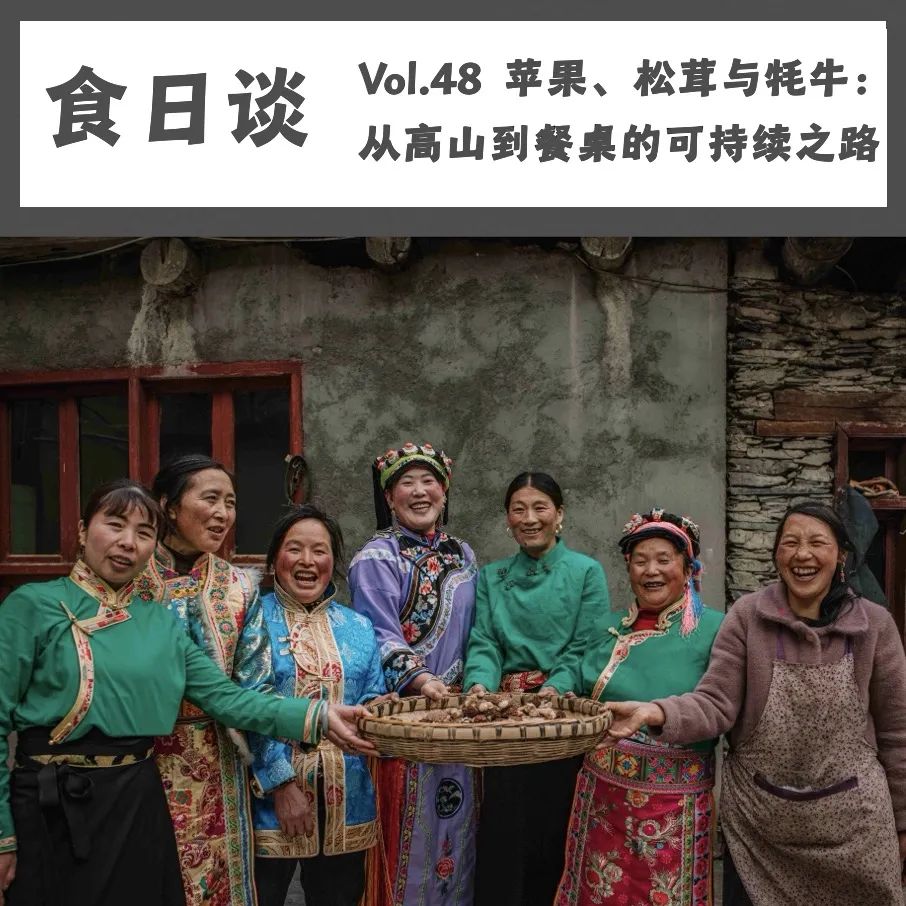
Social enterprise “Muyunpo”, rooted in Xiaojin County, Aba Prefecture, Sichuan, organises Jiarong Tibetan region villagers to independently forage matsutake, free-graze yaks and grow apples, returning sales surplus to villagers’ groups at year-end. Yunhui and Xixi share how they found a different path.
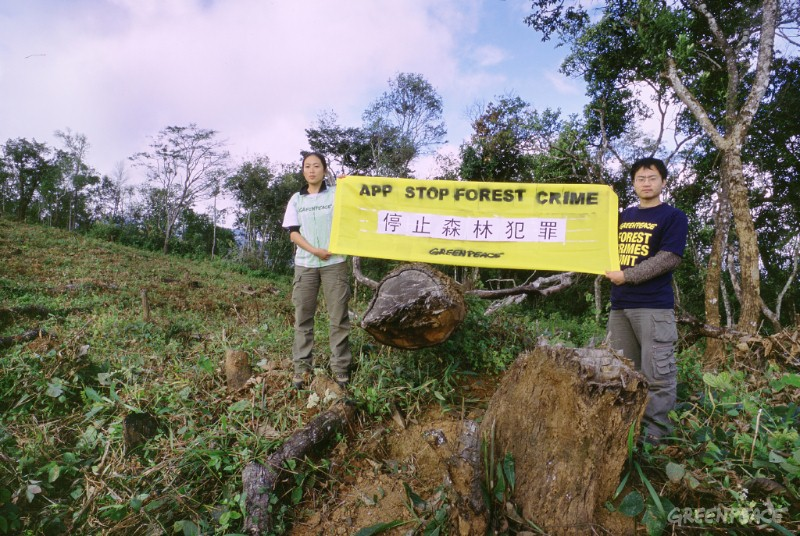
Meituan-funded environmental organisations once named and shamed food delivery plastic pollution, but their voices have grown quieter over the past two years. From the 2004 APP deforestation boycott by grassroots organisations to today’s waning civil-society oversight, the balance of power between public-interest organisations and polluting companies has shifted dramatically.
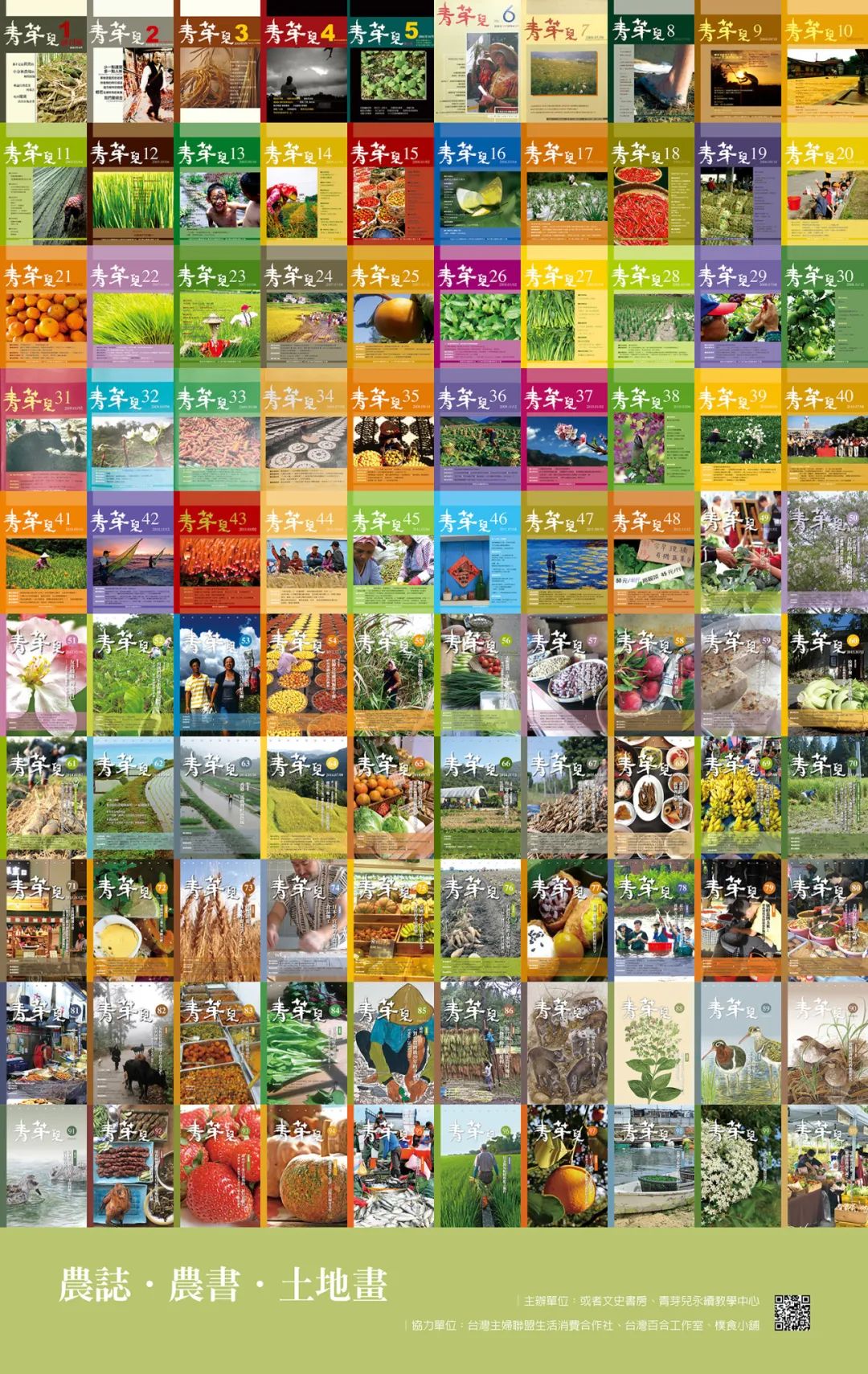
How Has a Taiwanese Food and Agriculture Magazine That Pays No Author Fees Made It Through 22 Years?
A-Wei, founder of Qing Ya’er, reflects on the three circumstances behind its founding, how unpaid submissions from food and agriculture practitioners and reader sponsorships keep it financially balanced, and its inspiration for food and agriculture practices across the Taiwan Strait.