
A Corner of Altai: Herders Growing, Haymaking and Buying Forage
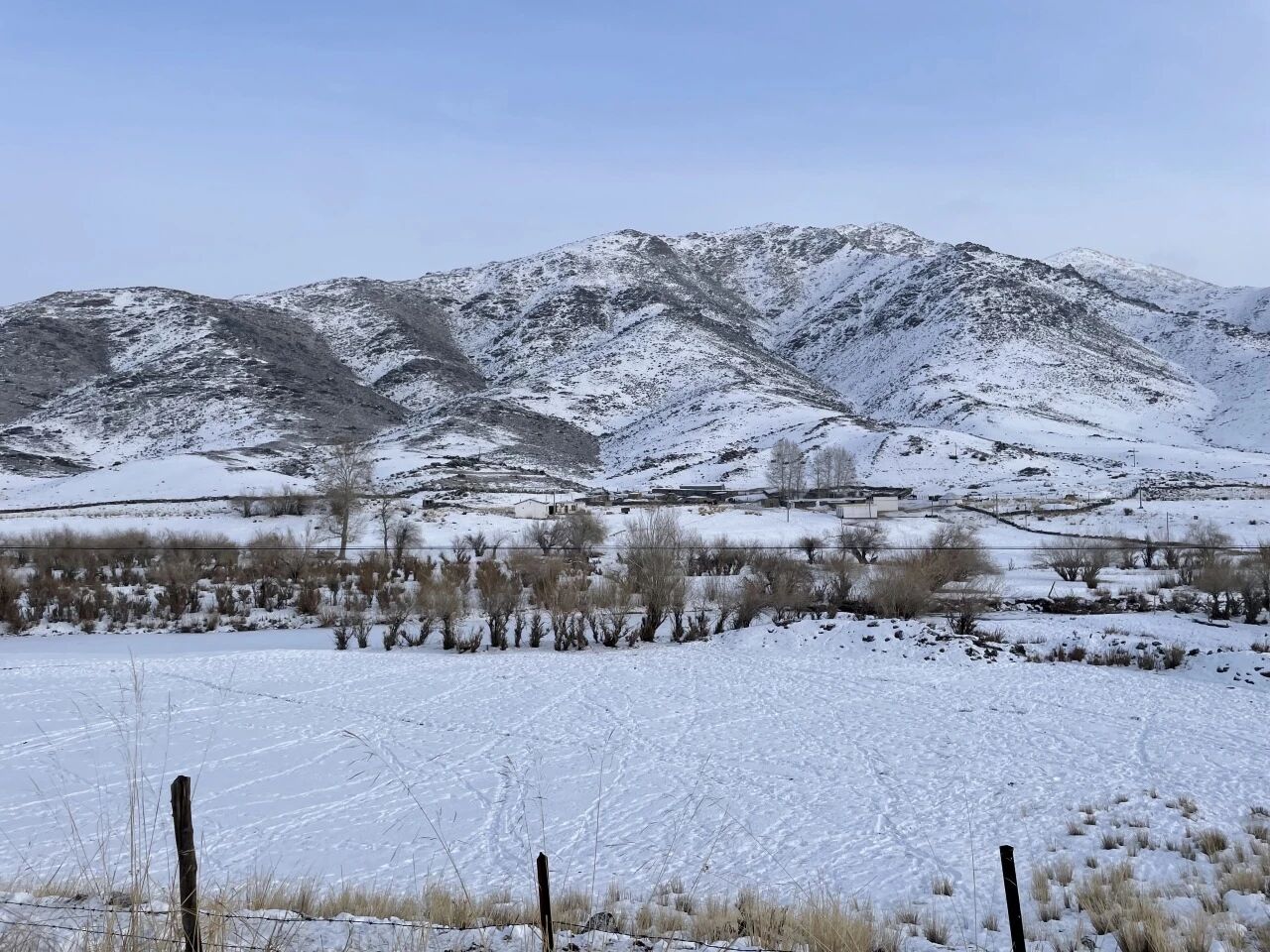
In early August 2025, when I returned to a traditional Kazakh pastoral village in the southeast of Altai, I happened to be there for the herders’ haymaking. Since the TV drama “My Altai” went viral two years ago, “Altai” has become a “life to aspire to”. However, beyond tourism and popular culture, what are the actual conditions of Altai herders?
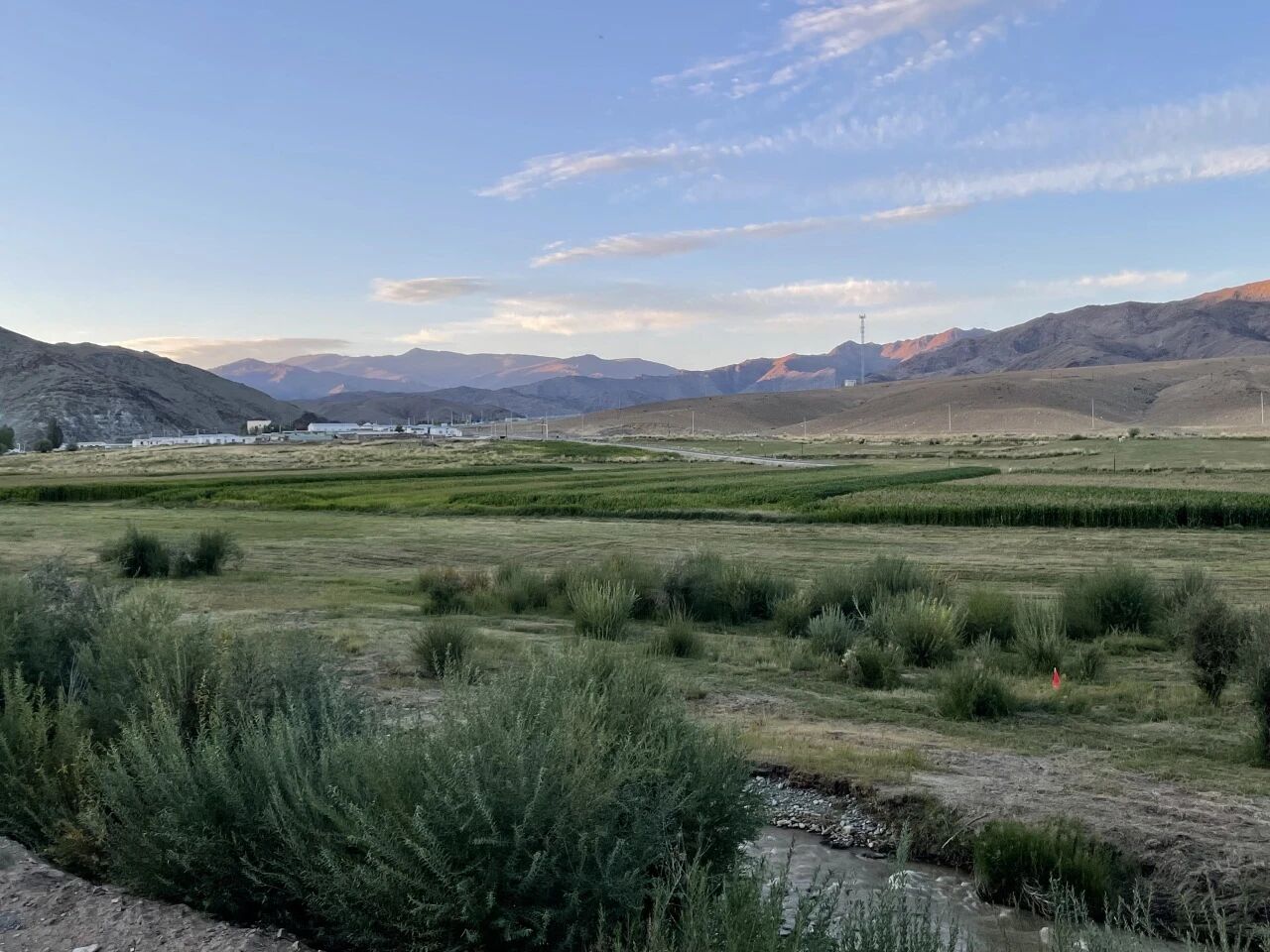
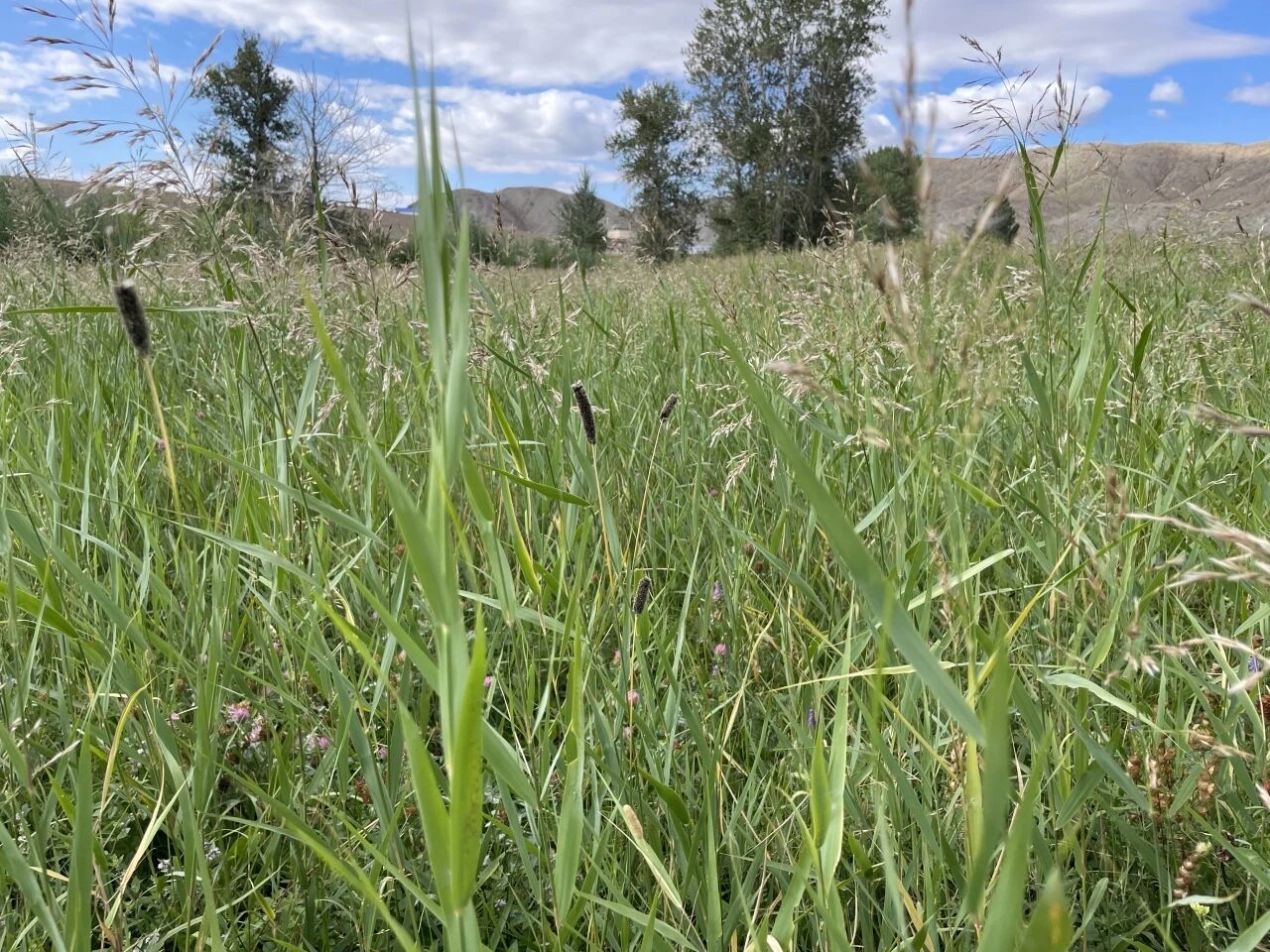
The hayfield—a grassland used for haymaking—reveals one of the changes pastoral areas have undergone: Over the past few decades, agricultural reclamation has expanded rapidly in traditional pastoral areas, grassland area has contracted, herders are no longer self-sufficient in winter forage, and forage has increasingly become a market commodity.
The demand for forage requires herders not only to master farming skills but also to buy commercial forage in the market. In the long process of sweeping change and livelihood transformation, the hayfield—a grassland used for haymaking—reflects that herders are in an “intermediate state”: faced with the rapid advance of modernisation/marketisation, they are still passively catching up, stuck between nomadism and settlement, herding and wage labour, self-sufficiency and consumption, and cooperation and competition.
Therefore, before answering “what should pastoral areas do”, it may be worth trying to understand: why has a hayfield—a grassland used for haymaking—appeared in a corner of a pastoral area? How does it affect herders? Why do herders have to buy forage?
I. I. The Altai Hayfield: Haymaking Grassland
Historically, this has indeed been the case. Altai lies in the north of Xinjiang, bordering Mongolia, Russia and Kazakhstan. Kazakh herders have, for generations, made their living by nomadism in the alpine grassland regions of the Altai Mountains—the grassland feeds cattle and sheep, cattle and sheep support herders, and herders cherish the grassland. This balance of “people–grass–livestock” has allowed the traditional nomadic way of life to persist for a long time.
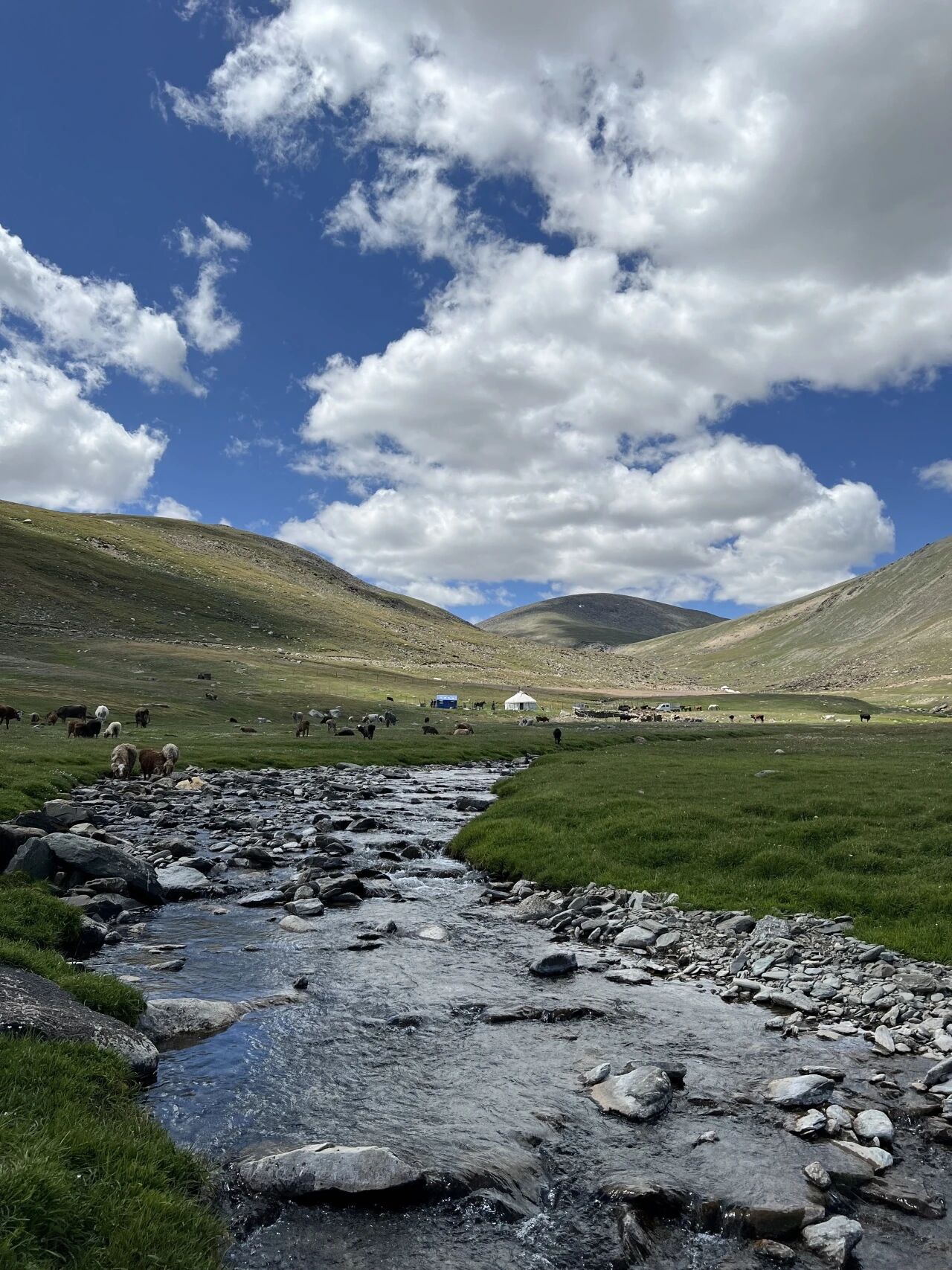
However, now this production–livelihood pattern has changed. Since the 1980s, herders have gradually moved towards “semi-nomadic, semi-settled” living.
In spring, once the snow melts, herders drive their sheep away from the valley settlements and, from May to October, undertake half a year of transhumant grazing. Cattle and sheep are fed mainly on natural grassland. This is the most important fattening stage for cattle and sheep: only if they are well fattened can they fetch a good price. From November to April of the following year, grasslands within the Altai Mountains are blanketed in deep snow; winter lasts half a year, and herders and their cattle and sheep all return to the settlements. To see their cattle and sheep through the winter, herders need to prepare a large quantity of forage in advance.
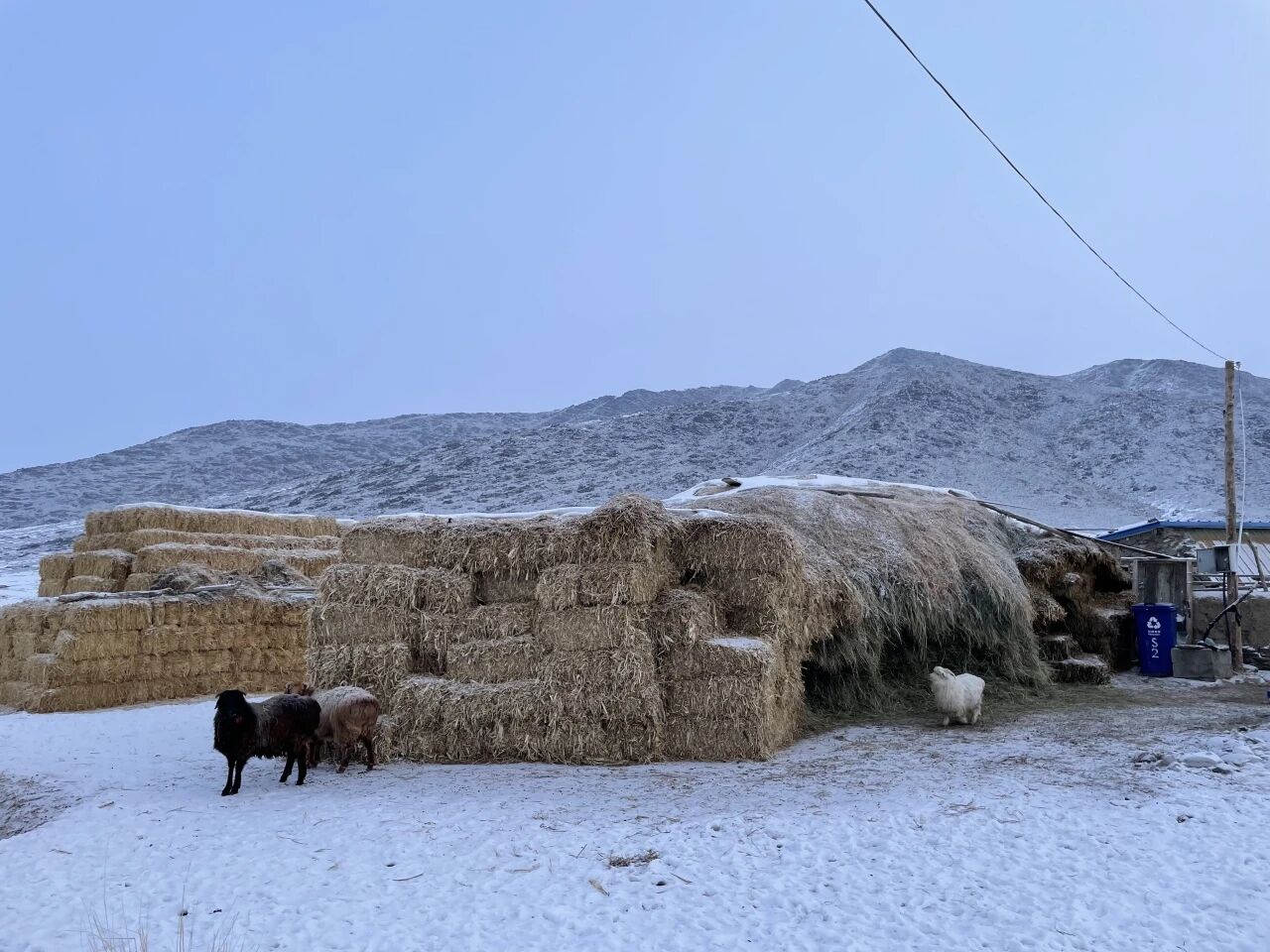
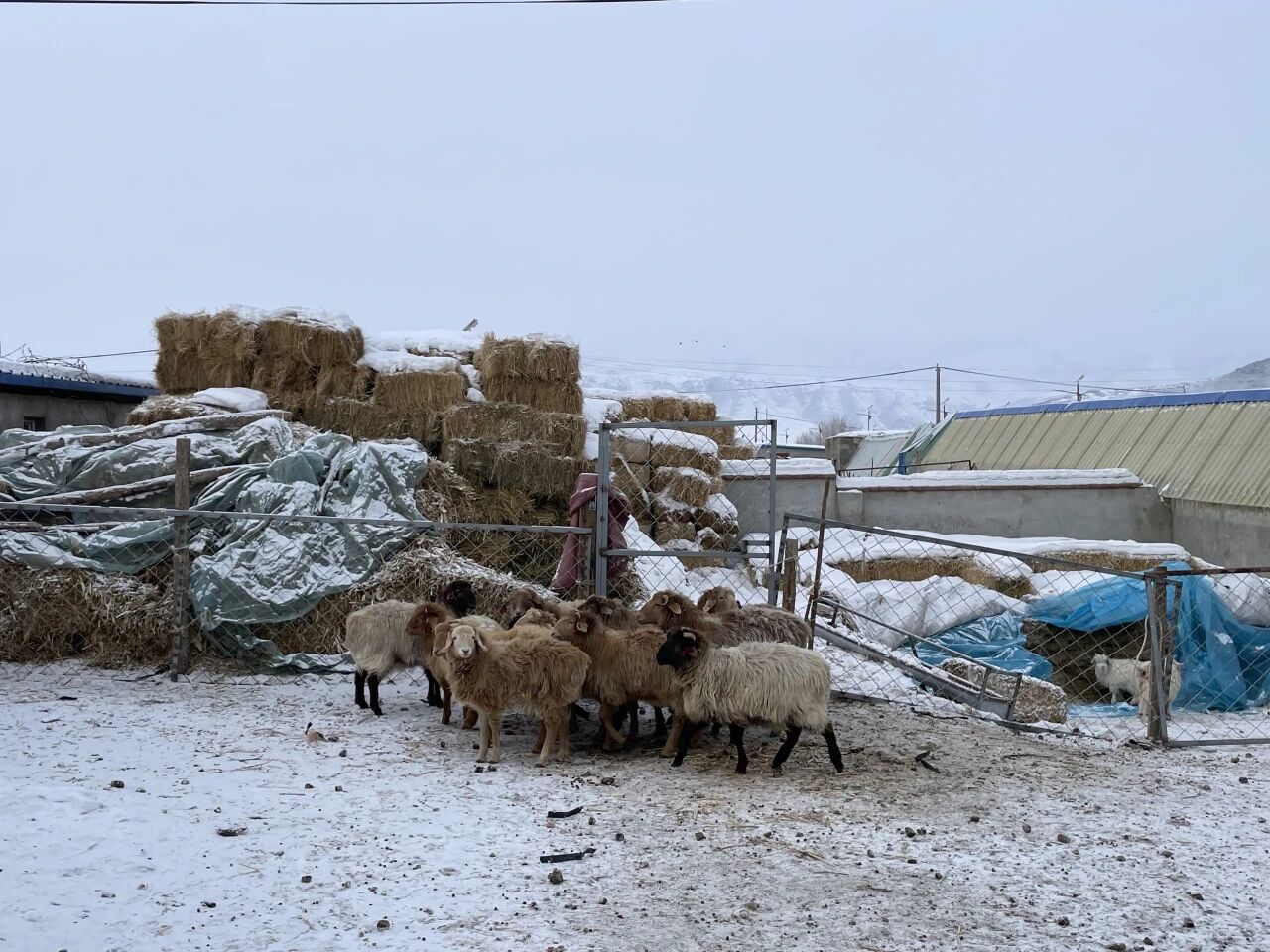
One of the main sources of stored forage is the hayfield.
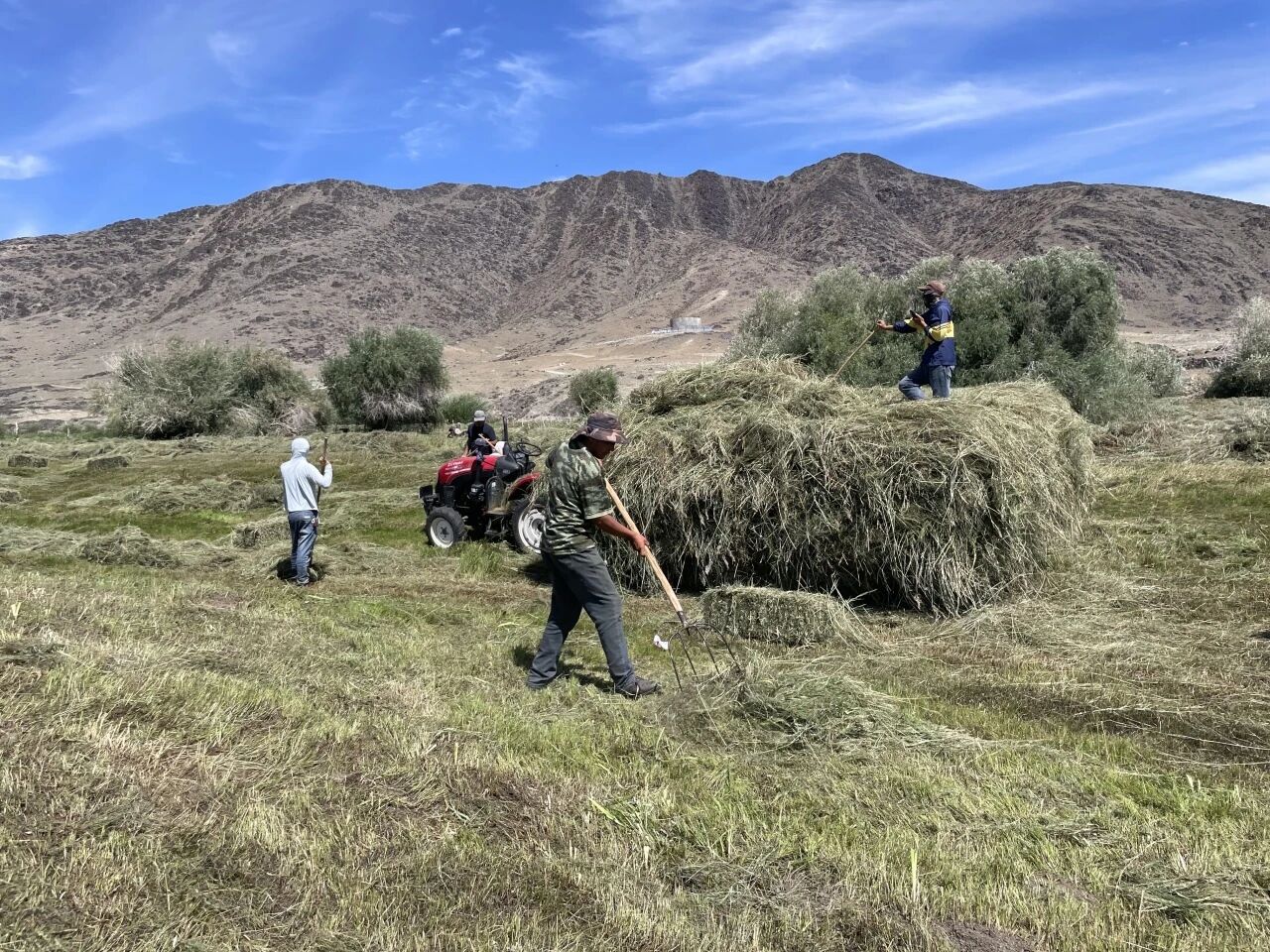
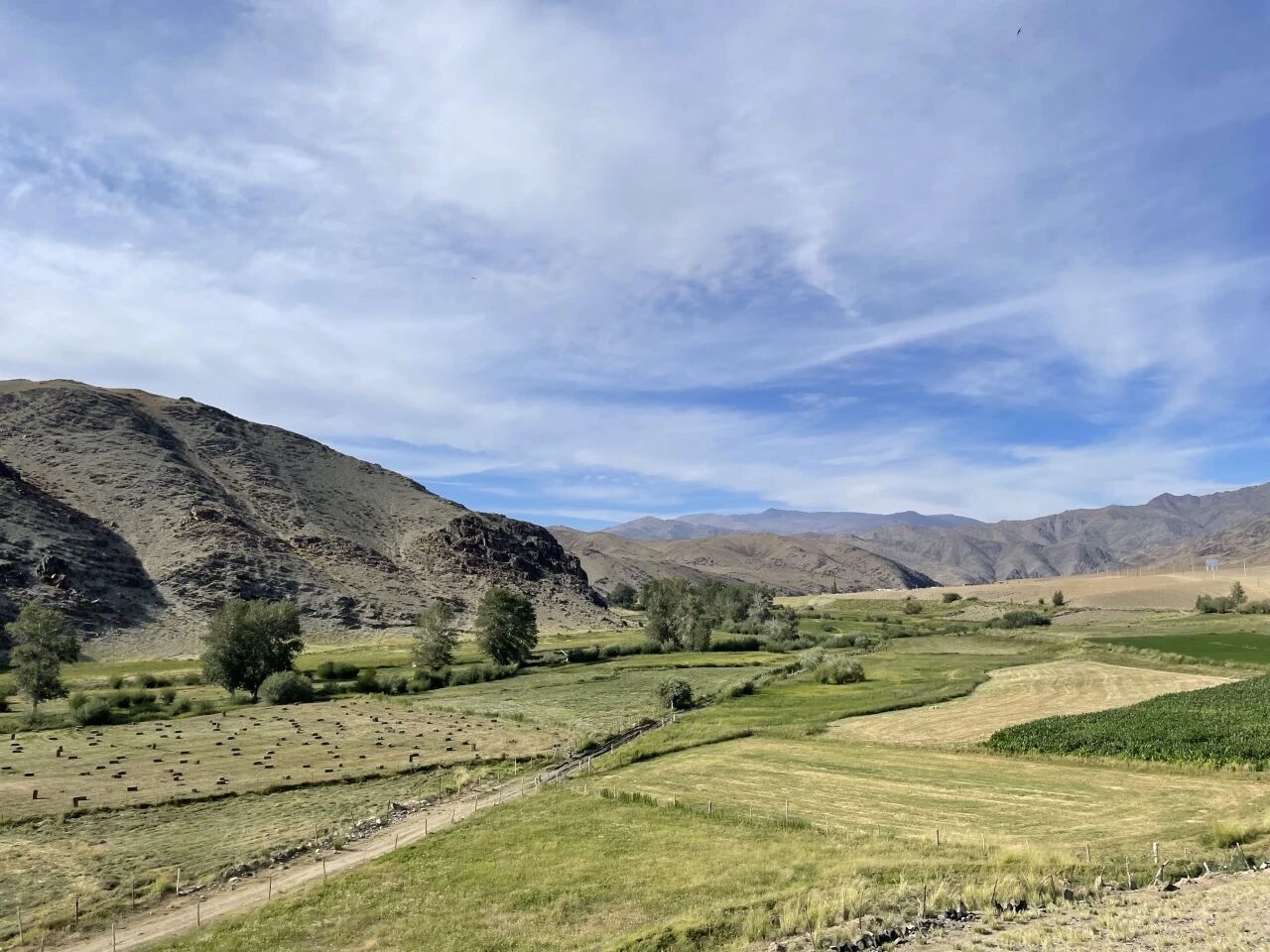
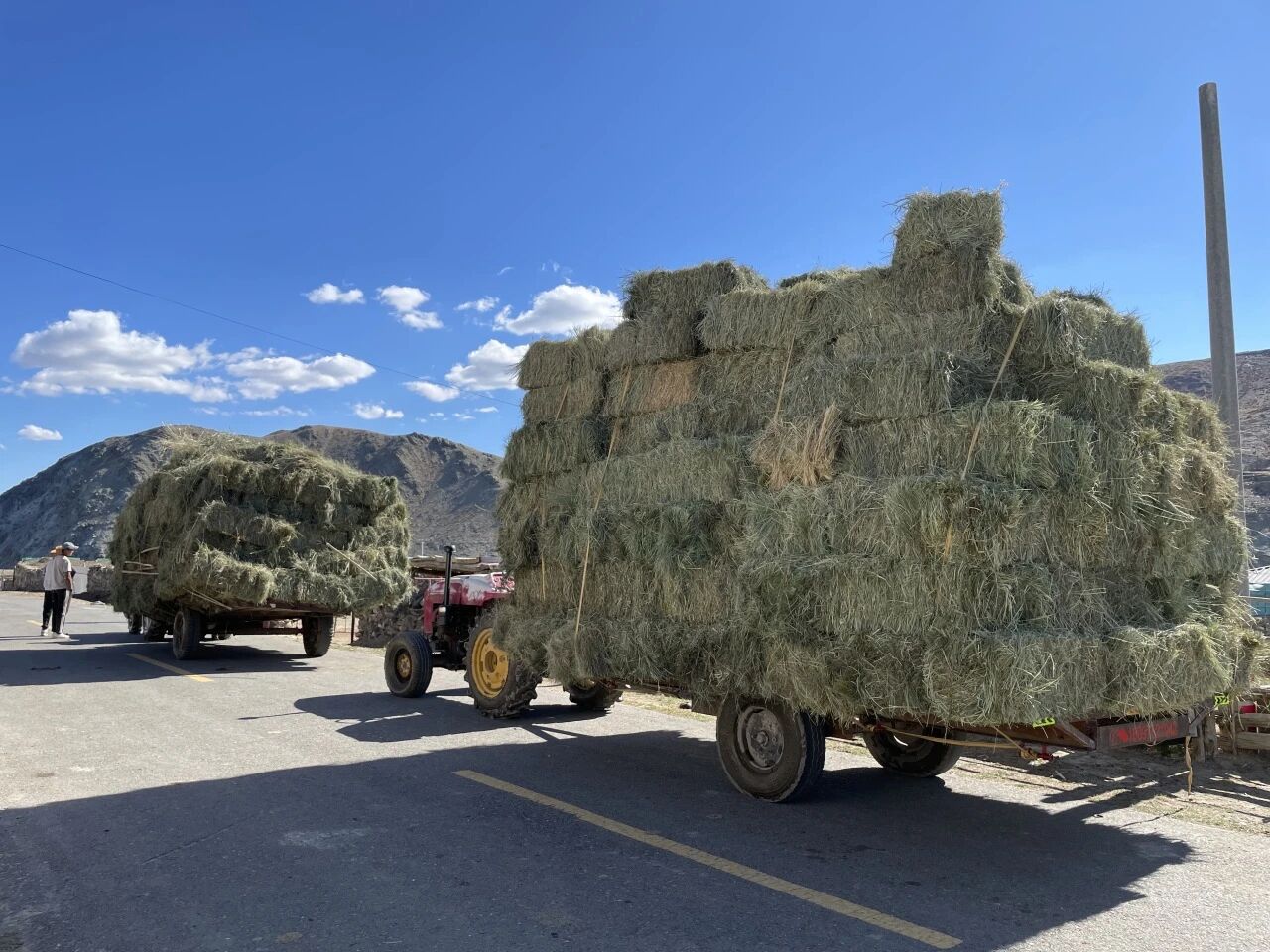
In August 2025, Kazakh herders in J Village on the southern slopes of the Altai Mountains entered the busiest period before the end of summer: haymaking. J Village is a traditional pastoral village, lying right next to the border line with Mongolia. For two consecutive weeks, at 10 a.m. (8 a.m. in Xinjiang time), the stuttering of mowers could be heard on both banks of the river, while tractors carrying forage moved slowly along the roads between the grasslands.
The use of mowers instead of manual cutting became common in J Village only five or six years ago.
Herder Sailike bought a mower a few years ago. One day in early August, Sailike spent the morning helping a relative cut 10 mu of grass, then appeared in his own hayfield in the afternoon and did not finish until nearly 10 p.m. A mower can only work on continuous, flat hayfields; on undulating slopes, one has to rely on people swinging a scythe to cut it down tuft by tuft. Once the grass has been cut, raking begins: a hay rake gathers it into rows.
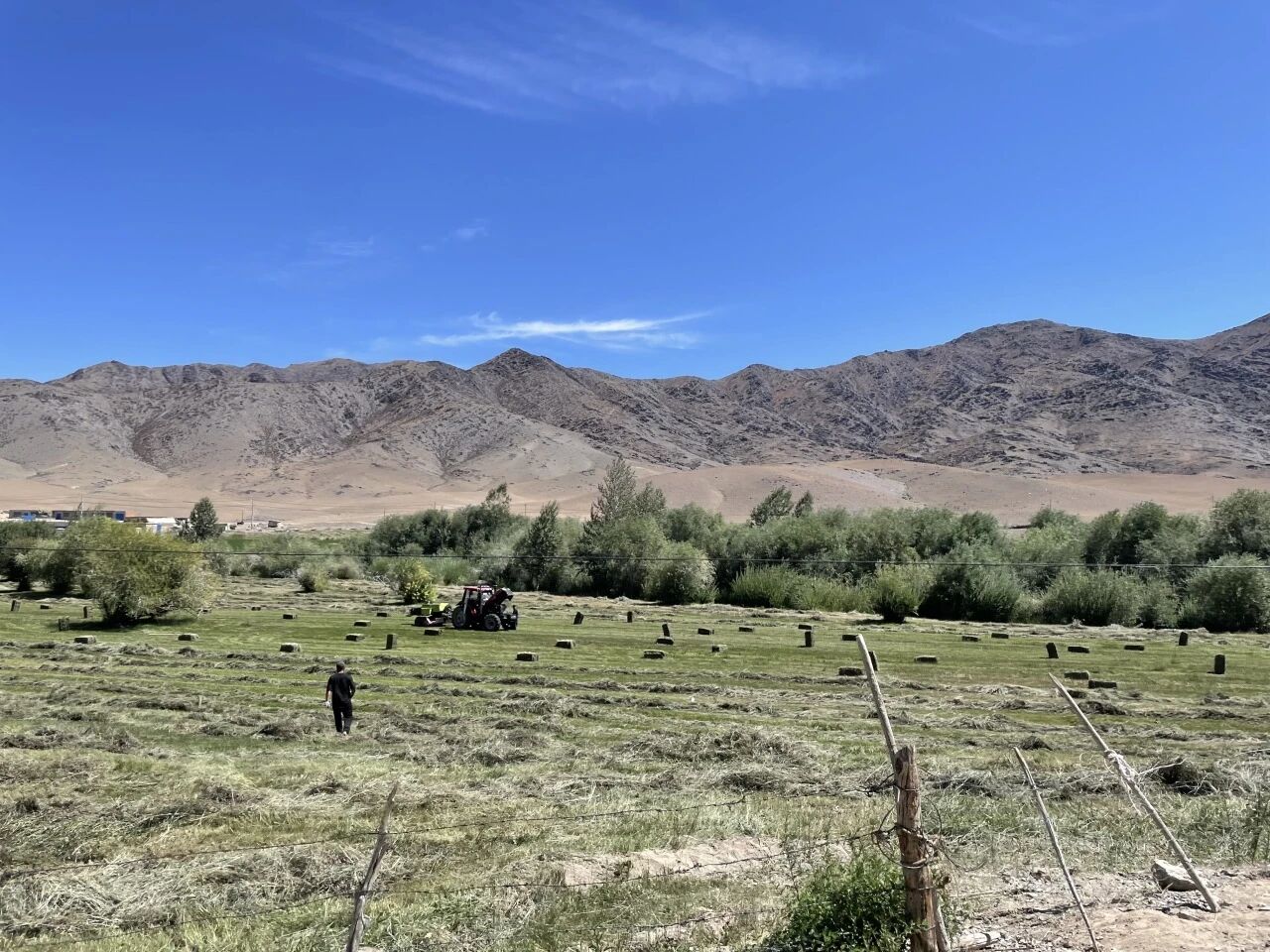
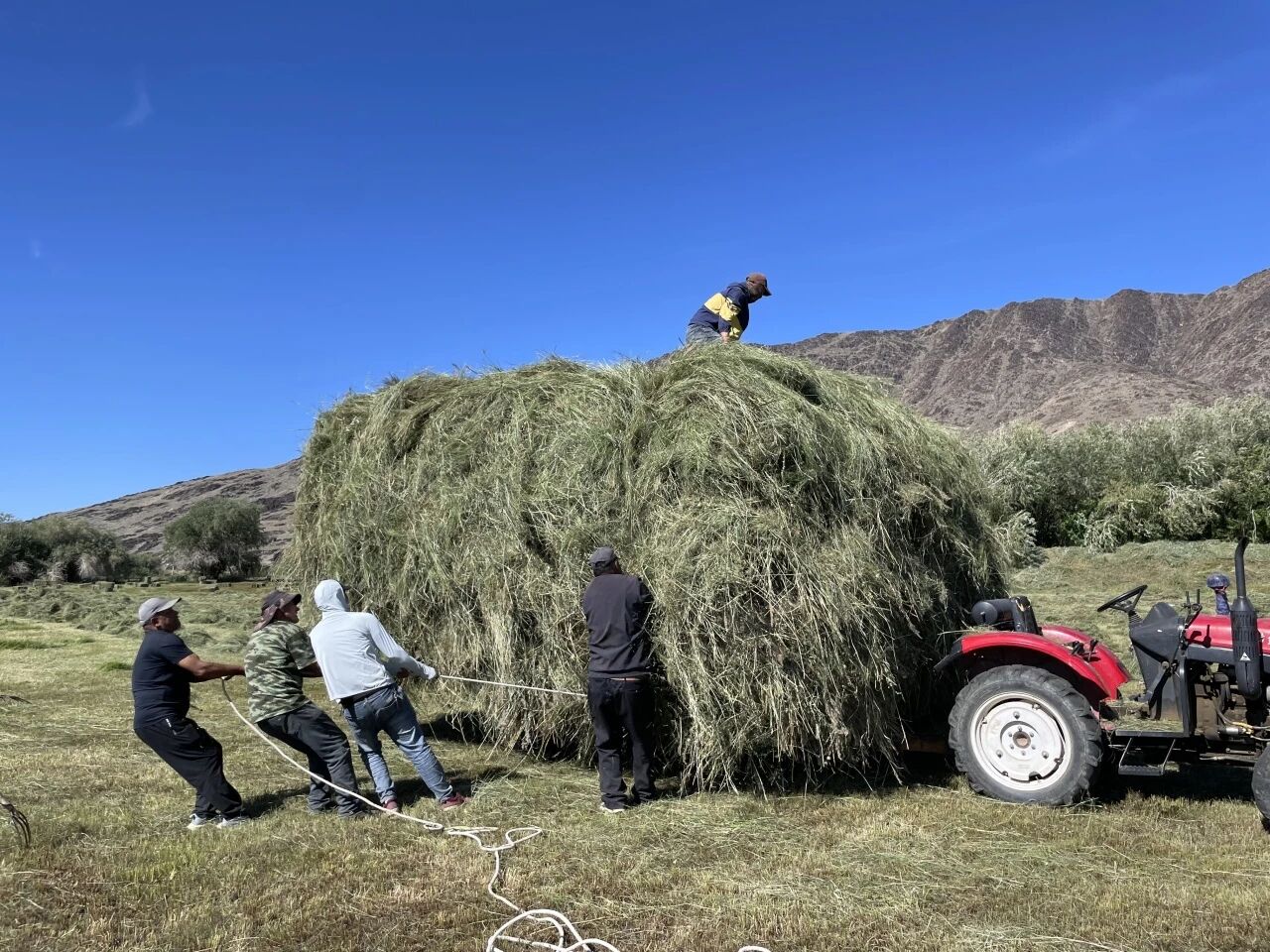
Helping relatives with haymaking is an ordinary thing here. On 6 August, Askar’s elder brother and his wife, his sister and her husband, and his sister’s children all came; that day they were to haul all the grass from 20 mu of hayfield back to Askar’s home.
On the hayfield, one person drives the tractor forward slowly. Askar and the male relatives walk along both sides, holding steel forks and lifting the stacks of grass, passing handful after handful onto the tractor. A person also stands on top of the tractor, laying the grass handed up in layer after layer. Children and women follow behind the tractor, collecting any grass left behind. The grass has already been spread on the ground to dry for several days; the moisture has evaporated, and when a rake is drawn over it, a small length of fresh green, still attached to its roots, shows underneath.
In breaks from work, people stop and sit in the shade of trees to eat watermelon. Herders whose grassland is far from home fill two thermos flasks with milk tea when they set out in the morning, and take naan, sweets, watermelon and cutlery, spending the whole day on the hayfield with their family.
II. When Herders Start Growing Forage
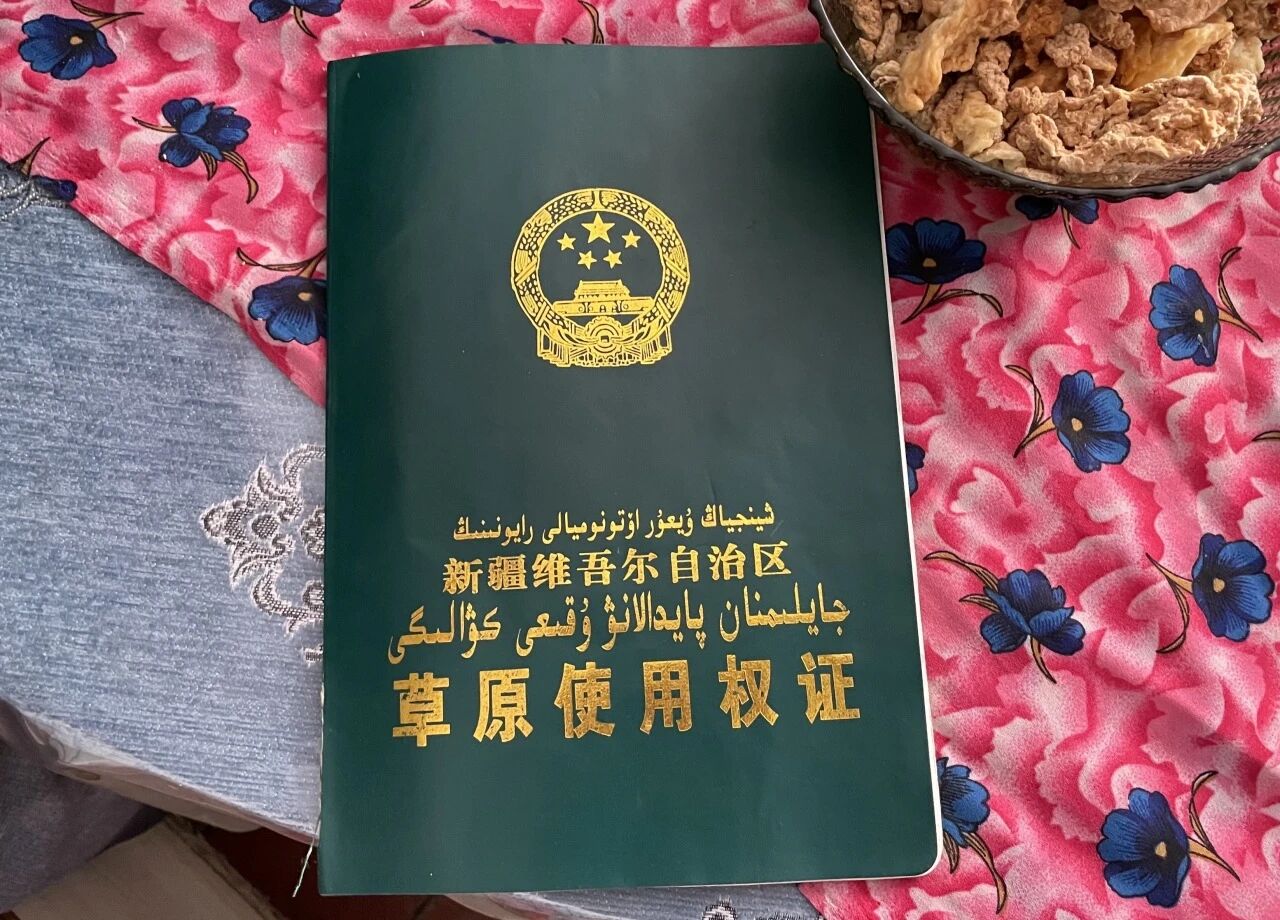
From the 1980s onwards, pastoral areas also gradually implemented the contract responsibility system used in agricultural areas, with grassland and livestock both contracted to households (that is, “dual contracting of grassland and livestock“), thereby declaring the end of the people’s commune era. The tradition of cooperative grazing and mutual support in survival among herding households, which continued from the tribal period into the people’s commune period, also came to an end. An unprecedented household-based mode of grazing thereby began, and herders could move their cattle and sheep to seasonal pastures by transhumance only with a grassland certificate. The grassland certificate not only recorded the extent, area and carrying capacity of the summer pasture, winter pasture and spring and autumn pasture, but the hayfields for haymaking were also demarcated.
As in agricultural areas, grassland certificates in pastoral areas also follow the principle of “no increase for births and no reduction for deaths”. In J Village, in the 1990s the government issued 92 grassland certificates to 92 herding households. Four decades later, herding households had grown from 92 to more than 270, a threefold expansion. But the number of grassland certificates and the area of grassland had not changed. According to local government statistics, as a traditional pastoral village, the natural grassland area of J Village was about 553,000 mu, its artificial grassland area about 641 mu, and its hayfields for haymaking covered about 1,600 mu.
This situation is widespread in pastoral areas: grasslands scattered among individual households became a limited competitive resource, no longer able to be pooled or shifted as before. Out of necessity, herders even erected barrier nets to prevent their own grasslands from being occupied by outsiders or people from other villages.
For the first generation of herders who held grassland certificates, their children still had to share the same grassland certificate after growing up and forming separate households; this also pushed herders to transform their livelihoods. A new tradition emerged as a result: the grassland certificate was inherited by one of the brothers (according to Kazakh tradition, usually the youngest son inherits most of the parents’ property and supports the parents), who continued nomadism; the other brothers without grassland certificates, apart from taking up a small number of government-provided border guard and forest ranger posts, mostly made their living from a range of livelihoods, including wage labour (for example, going to agricultural villages to harvest sunflowers, dig potatoes and water farmland for large-scale growers) and keeping small numbers of cattle and sheep in pens (most herders now have only twenty to thirty sheep and a dozen or so cattle).
So, when the season for transhumance came, herders without grassland certificates left their cattle and sheep to their brothers who held grassland certificates for them to take to natural pastures; herders who left the settlements for transhumance with their grassland certificates left their hayfields for haymaking to be looked after by other brothers.
After the hayfields for haymaking appeared, the production activities of herders who made a living through traditional nomadism began to include farming tasks.
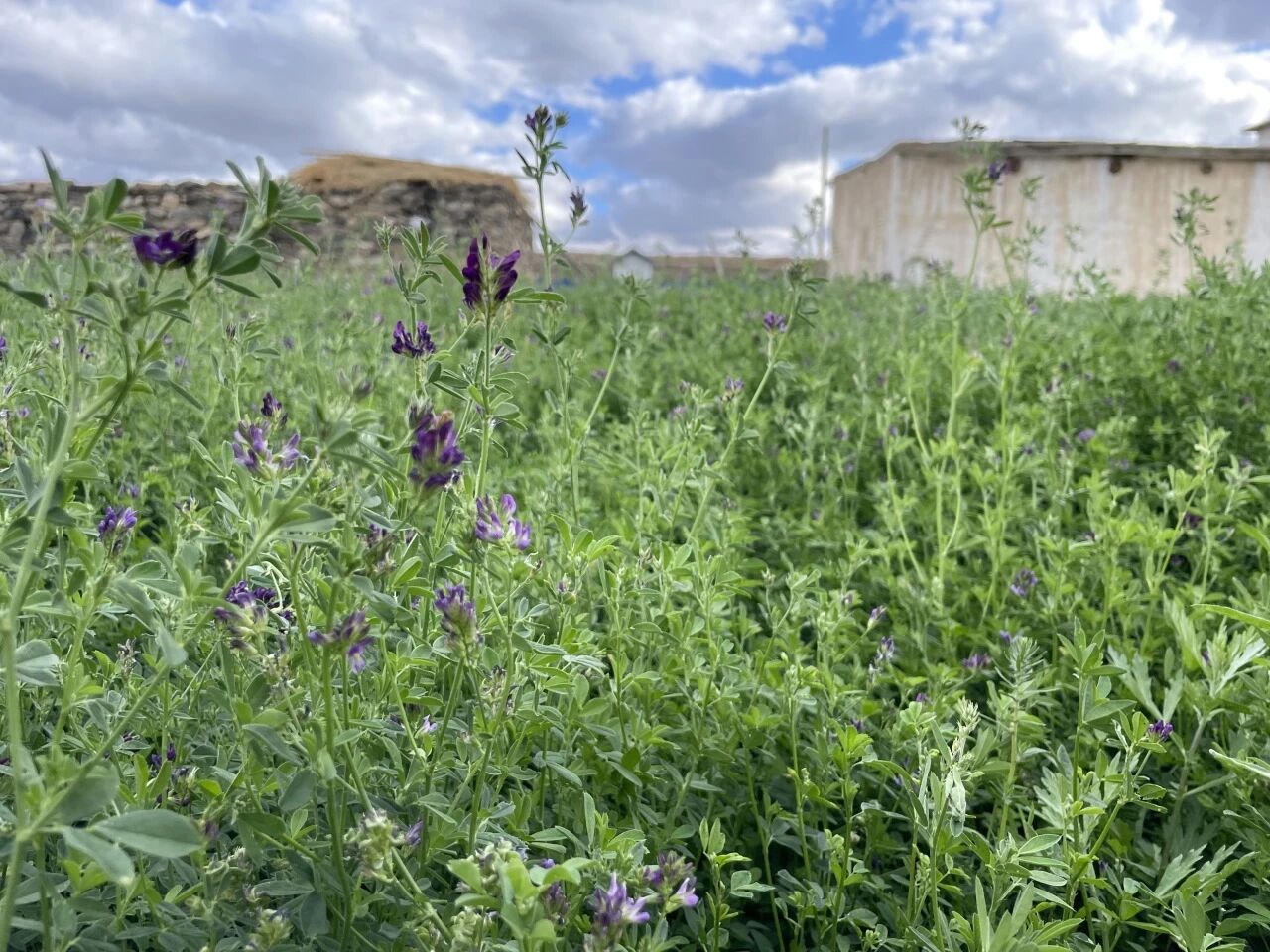
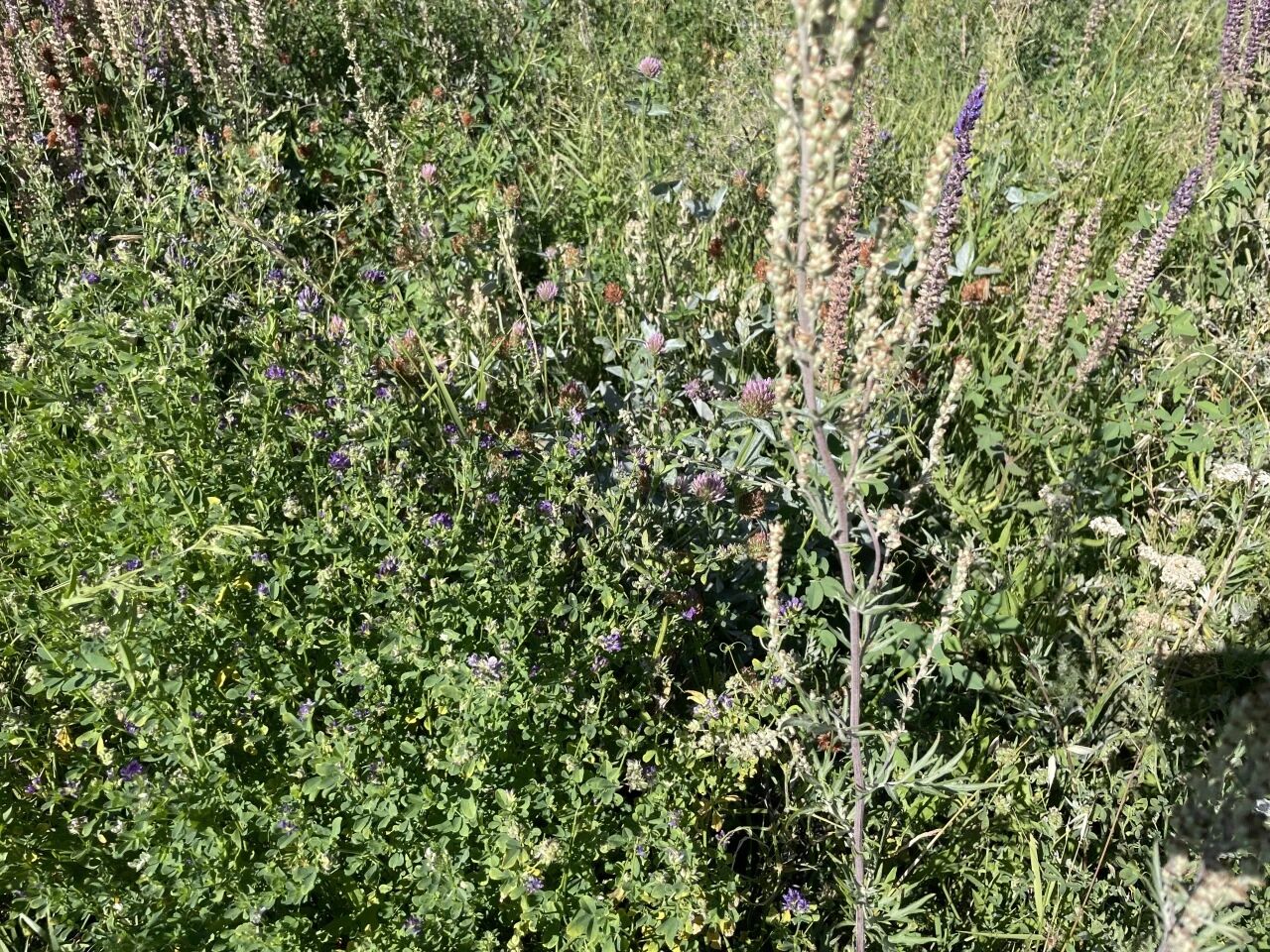
As early as the commune period, besides hayfields where natural weeds grew, the commune also organised herders to grow forage such as lucerne and silage maize. After hayfields were allocated to herders, artificial planting of forage also continued on herders’ hayfields for haymaking.
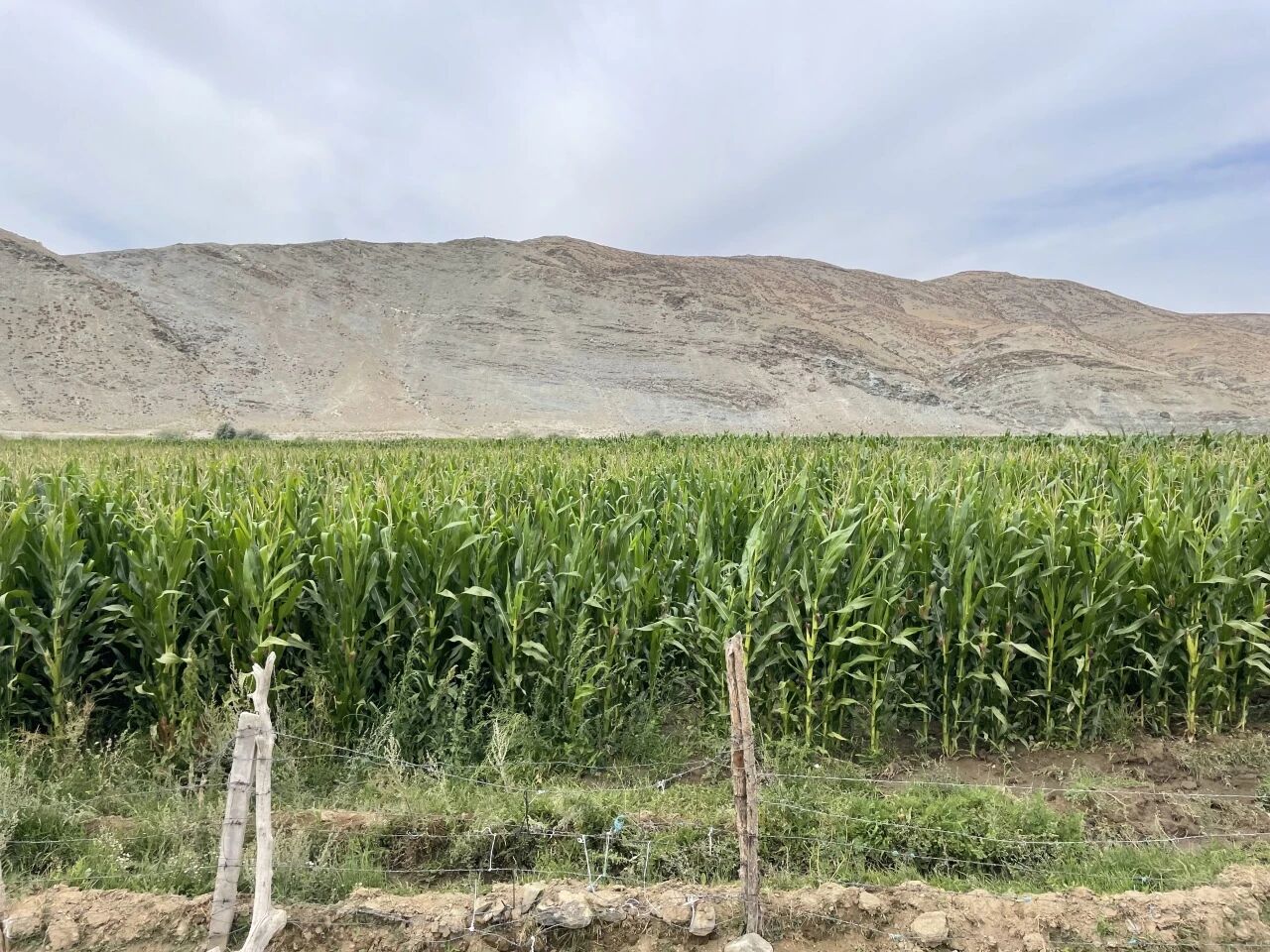
Lucerne In pastoral areas it is regarded as the “king of forage”: it is high in protein and easily digested and absorbed by livestock. Of the roughly ten herding households visited, at least a third had planted it. Silage maize, by contrast, is a purely intensive agricultural crop. It not only places higher demands on soil and water sources but also requires herders to master planting techniques such as spraying pesticides and fertilising; after harvest, it is placed in silage pits for anaerobic fermentation. According to a J Village herder who drives a tractor to transport forage, the area of silage maize currently planted in J Village is less than 200 mu.
When herders began growing forage, they were more accustomed to managing natural weeds that required only watering and no sowing or fertilising. The cultivation of forage places higher demands on farming skills, and the willingness to plant forage depends on the herders’ own circumstances, including the required input costs.
III. The Forage-Growing Ledger
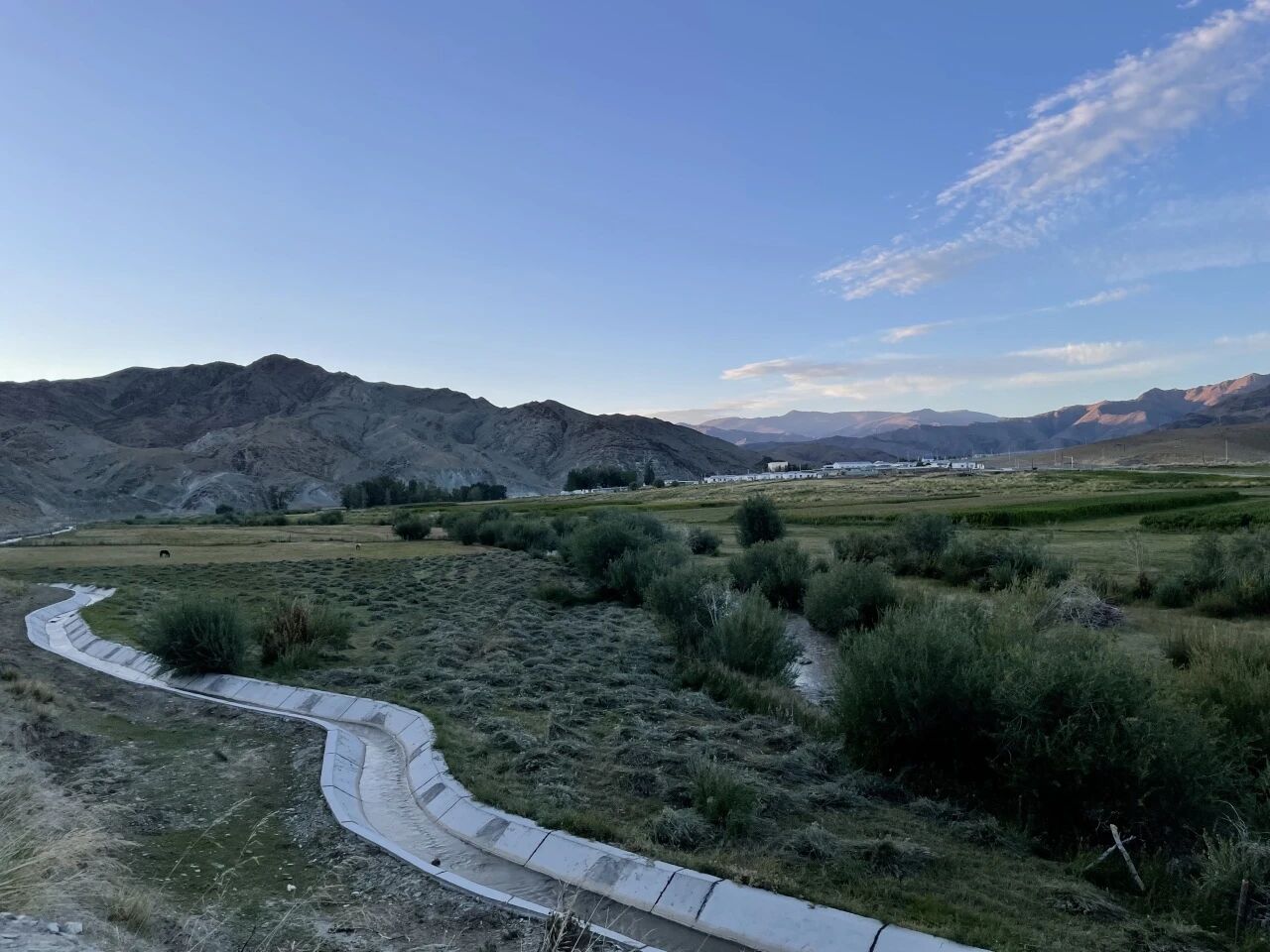
By April, the snow on the hayfields has largely melted. From May, herders begin watering the hayfields used for haymaking, once every ten days to two weeks; before August, they usually irrigate five or six times, and sometimes as many as eight or nine.
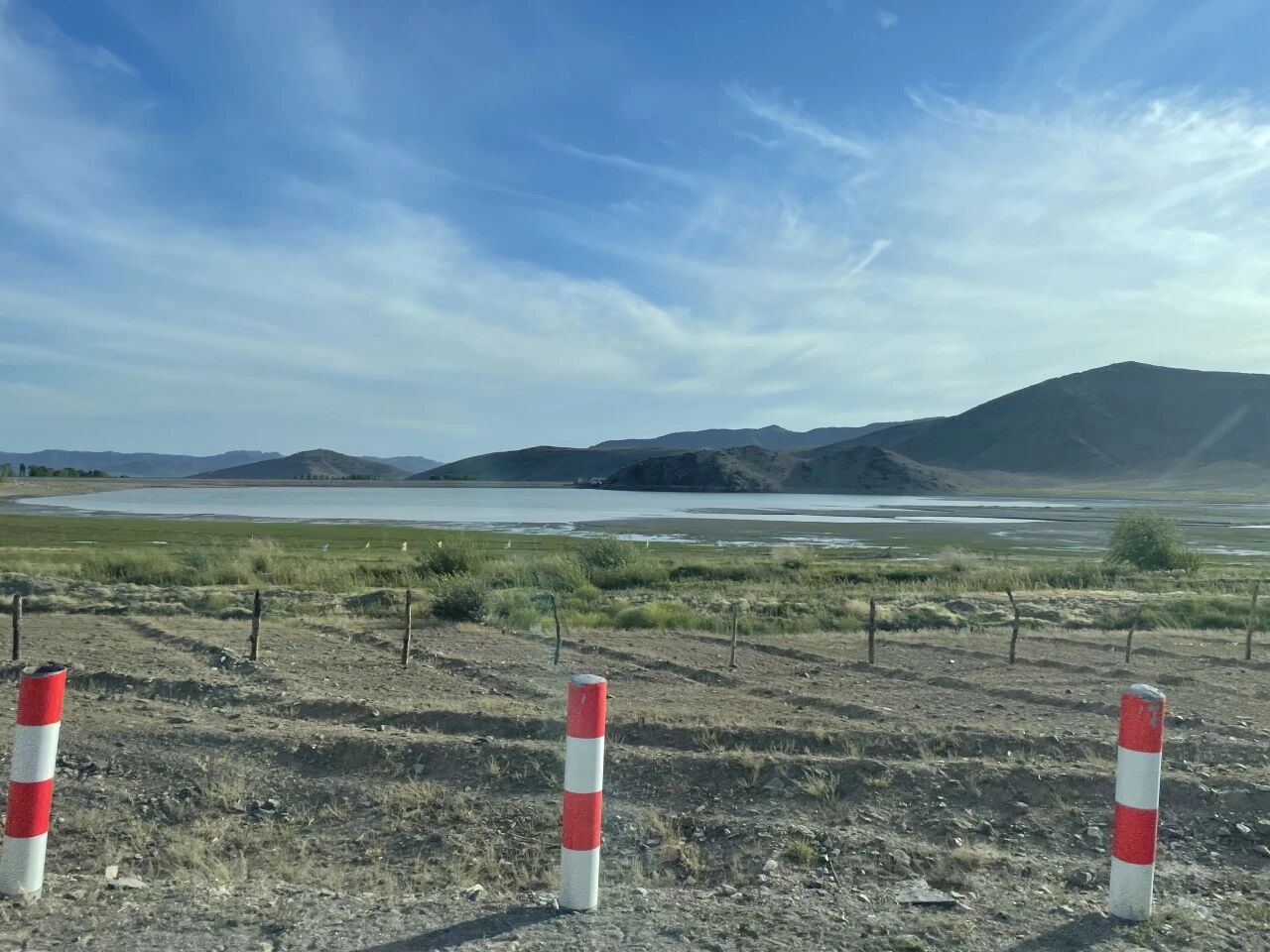
The irrigation water comes from the C River. To secure agricultural water supplies for the river valley basin, the J Village section of the C River, a tributary of the Ulungur River, was dammed in the late 1970s to create the locally famous D Reservoir. Now a main canal has also been built from the midstream grasslands and settlements right down to the downstream agricultural villages, stabilising water supplies for the hayfields and farmland.
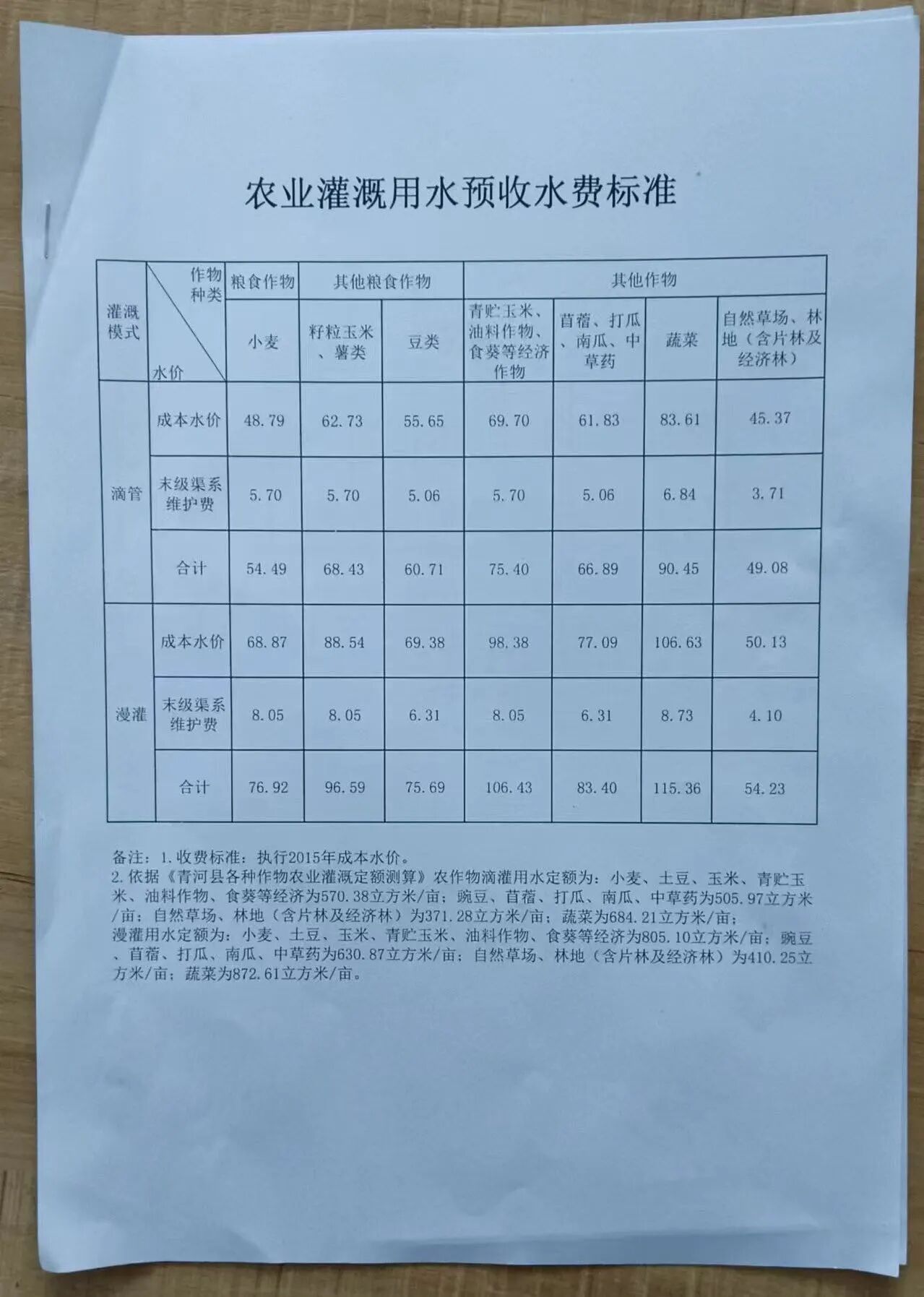
Irrigation water charges are calculated according to the type of grassland, its area and the method of irrigation. The advance fee standards for agricultural irrigation water in Qinghe County show that drip irrigation for hayfields costs 49.08 yuan per mu, and flood irrigation 54.23 yuan per mu.
The irrigation costs for lucerne and silage maize are considerably higher than for hayfields growing natural weeds. The water charge for drip irrigation of one mu of lucerne is 66.89 yuan, and for flood irrigation 83.4 yuan. If silage maize is grown, the water charges per mu are 75.4 yuan for drip irrigation and 106.43 yuan for flood irrigation. Under the water station’s regulations, herders must pay this water charge in full before October each year. Askar’s brother-in-law planted 8 mu of maize in 2025, using drip irrigation throughout, and paid the water charge in July, for a total of 603.2 yuan.
Irrigation is not the only expense: buying seed, cutting, raking, baling and transport all cost money.
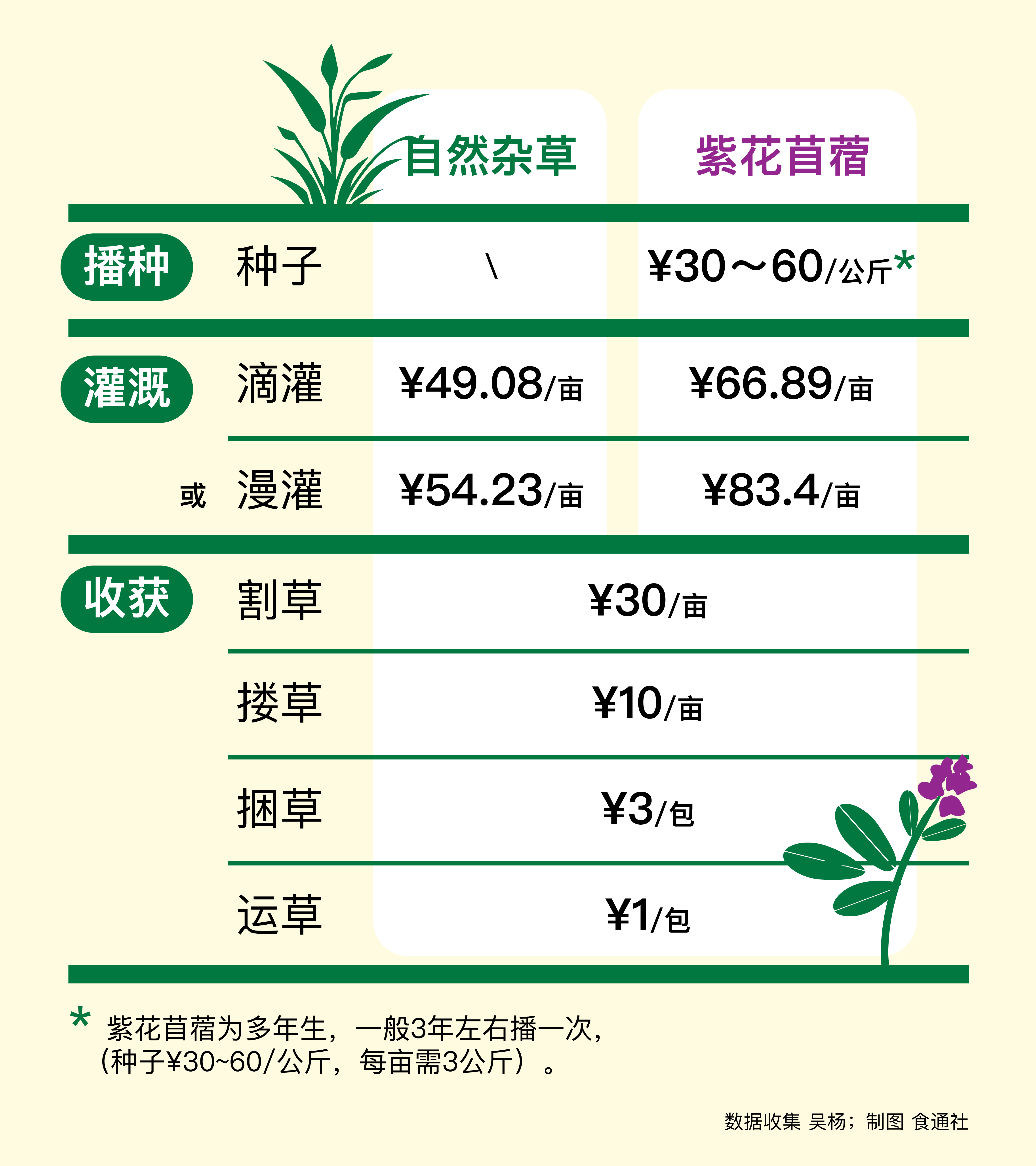
Taking Askar’s family in 2024 as an example, they had 20 mu of haymaking grasslands growing natural weeds and 10 mu of lucerne. They used the cheaper drip irrigation, with a water charge of 1,650.5 yuan; during haymaking, machine mowing of the 30 mu cost 900 yuan in total; buying 30 kg of lucerne seed at 60 yuan per kilogram cost 1,800 yuan (note: lucerne seed is bought once every 3 to 4 years); the first year’s harvest after the lucerne was planted was 160 square bales, with a baling fee of 480 yuan. All told, costs from planting to harvest had already exceeded 4,800 yuan.
As cost line items multiply, when herders are asked how much they spend each year managing the hayfields, they often cannot give a precise total. They pay more attention to the cattle and sheep, emphasising that the forage must be enough to keep cattle and sheep through winter and not let them starve.
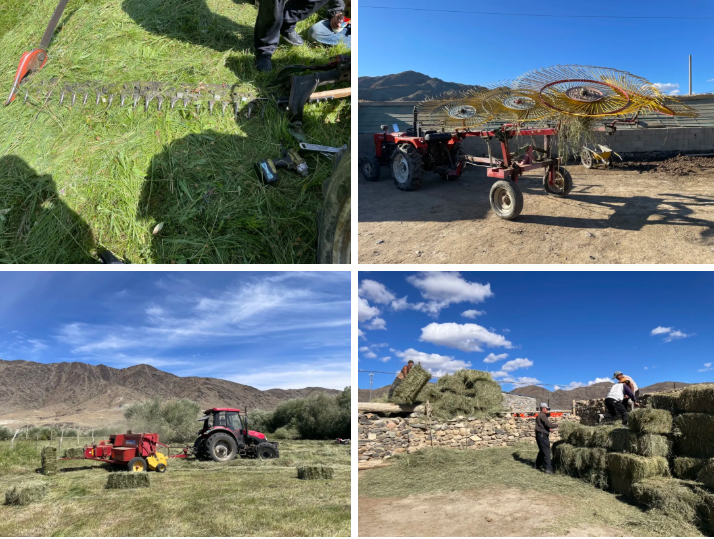
What has not yet come under intensive management is the forage harvest itself. Before “dual contracting of grassland and livestock”, forage on the hayfields was collectively managed by the commune. Now the forage harvest is the herders’ own responsibility.
Hayfield yields are affected by many factors, including climate, soil, geographical location, water source conditions and the number of irrigations, leading to differences in yield per mu. Drawing together data provided by herders, tractor owners, harvester owners, baler owners and others, hayfields in J Village experienced reduced yields to varying degrees in 2025.
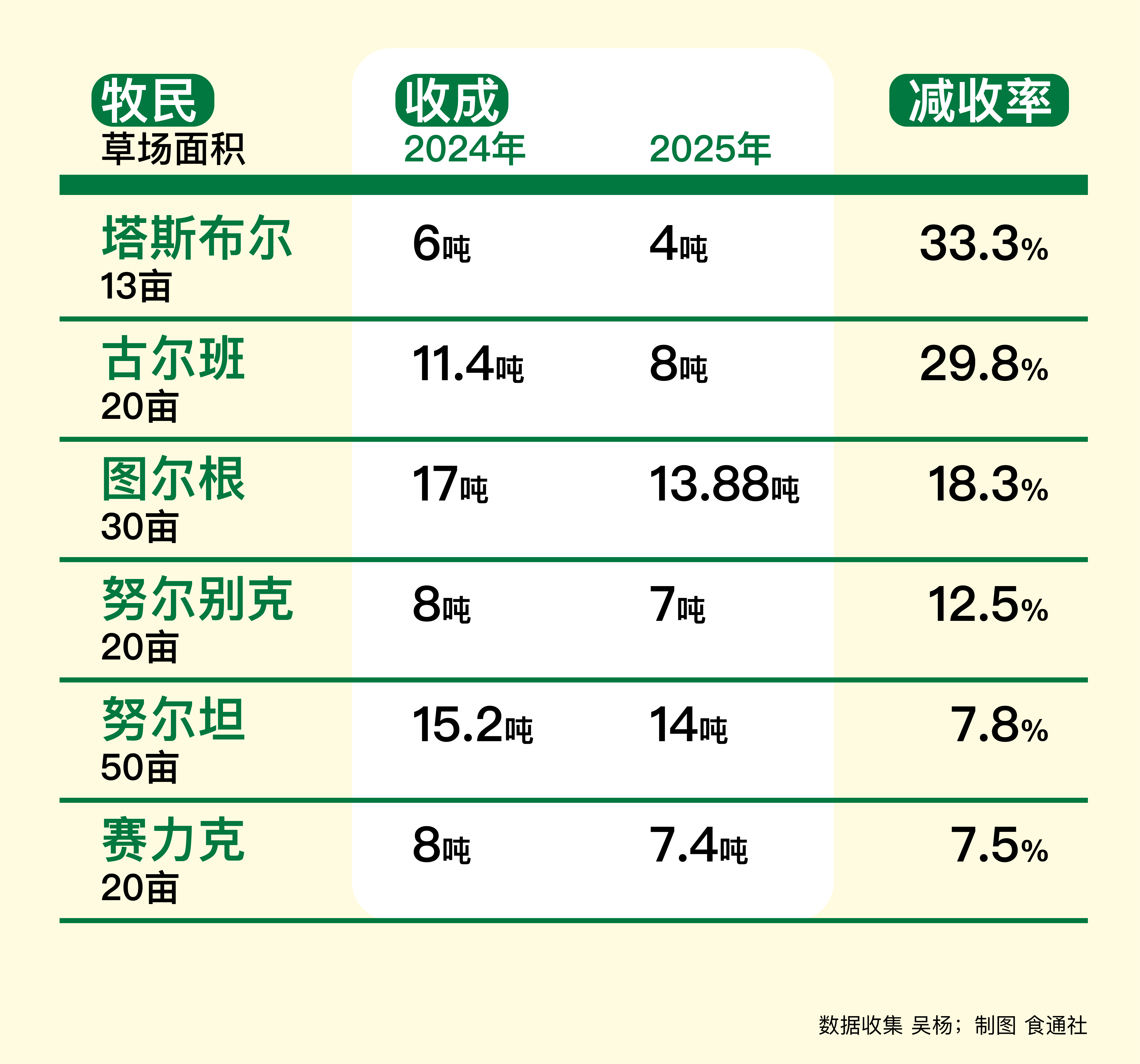
Herders are skilled at grazing and tending cattle and sheep. How to manage the sheep flock during transhumance, how much forage a cow needs to get through winter, how to judge the body condition of cattle and sheep: they know all of this inside out, but planting management remains an unfamiliar agricultural experience here. When asked about the reasons for the reduced yields, herders offer various explanations: “The weather is too dry”, “There have been especially many locusts this year”, “The grass is not growing as tall as before”…
Overall, some of the ecological changes that occurred in J Village in 2025 at least had an indirect effect on the reduced yields.
On the one hand, due to upstream grassland degradation and reduced soil water retention capacity, once spring came, snowmelt from alpine pastures rushed down, forming floods and striking the hayfields on both banks of the river valley, affecting soil fertility, grass seed and so on; in some cases, herders’ hayfields were washed away and the area reduced.
On the other hand, J Village has an arid climate; the multi-year average annual precipitation is below 200 mm, and it is regarded as an ecologically fragile area. In the past, by July there would be two or three spells of rain lasting several days, but in 2025, herders said that either a heavy rain suddenly fell and the water ran off the dry land, or a brief light rain fell and evaporated before it could soak into the ground.
However, the reduction in forage yields is not absolute. Askar’s family’s 20 mu of hayfields produced three loads of forage in both 2025 and 2024, about 6 tonnes. Aknur’s family’s 19 mu of hayfields increased from 5 tonnes to 8 tonnes; she guessed this was mainly because one of the larger hayfields had been watered a few times more than the previous year.
IV. When Grass Is Short, Buy In— The Marketisation of Forage
Originally, in the Altai Mountains pastoral area, there were no dedicated agricultural areas. After the founding of the People’s Republic of China, traditional pastoral areas began to develop agriculture. Following this trend, the cultivated land area in C Township continued to expand, and more and more river valley grasslands with flat terrain and better water sources turned into farmland. By 2023, C Township’s cultivated land reached 42,200 mu, its artificial grassland 4,500 mu, its natural hayfields 6,400 mu, and its natural grassland 2,050,000 mu.
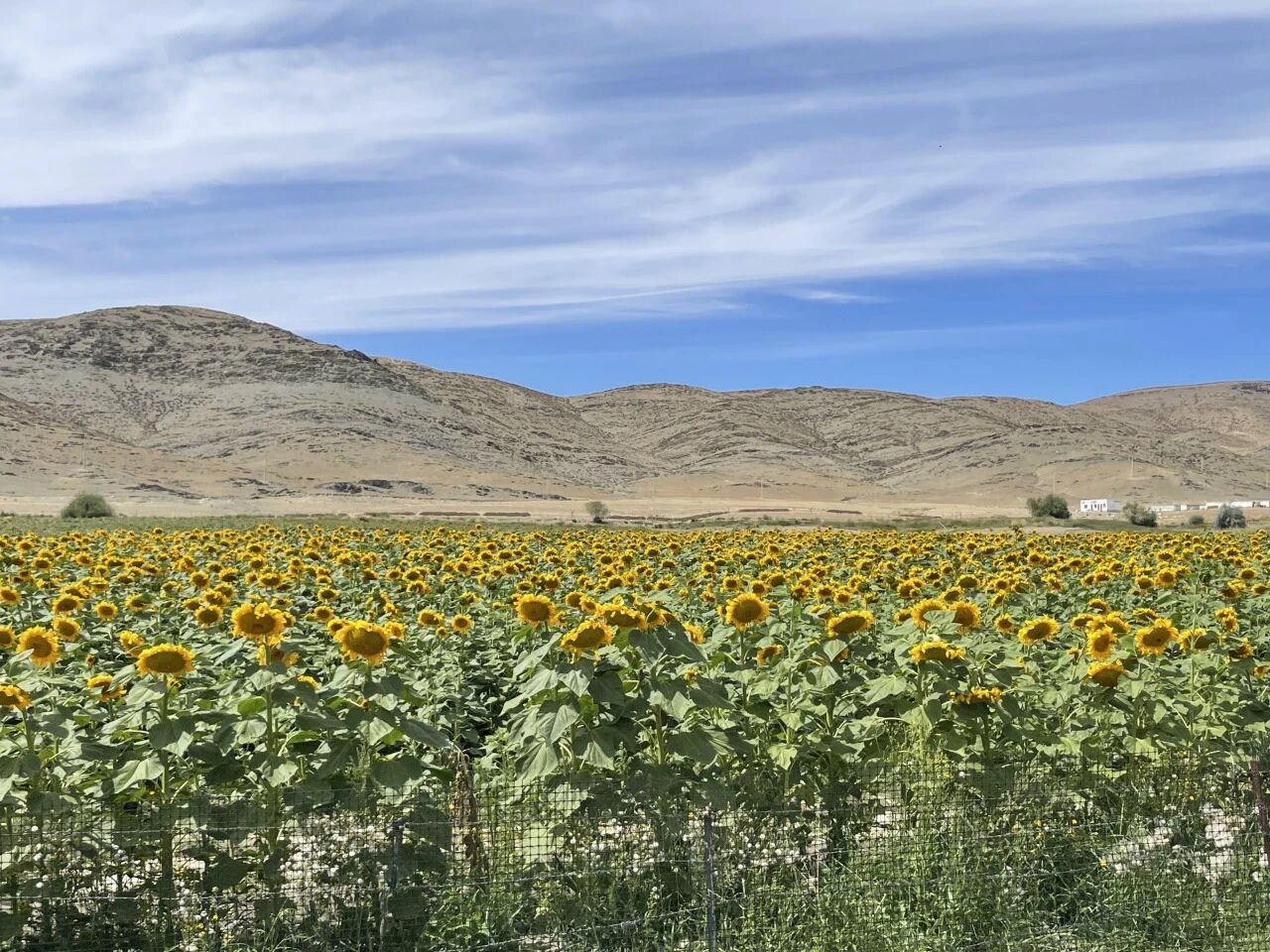
Carrying over the distinction between agricultural production teams and pastoral production teams from the people’s commune period, C Township was administratively divided into three agricultural villages and three pastoral villages. Agricultural and pastoral production were divided into separate zones, and organised and managed centrally by the commune in the collective era. But after grassland and livestock were contracted to households in the 1980s, the number of cattle and sheep in agricultural villages rose year by year, becoming comparable to, or even exceeding, that in pastoral villages. This situation has also fostered a growing rift between farmers and herders, along with a sense of imbalance in livelihoods: herders in pastoral villages depend on grazing for their livelihood, and now not only face the reality of grassland degradation and declining carrying capacity, but must also buy forage from agricultural areas and go to agricultural villages for casual work; whereas residents of agricultural villages have dual income from land rental and livestock.
According to a villager in T Village, another agricultural village, farmland contract prices depend on the crop. His family’s cultivated land is leased to a large-scale grower to plant wheat, at a contract price of 680 yuan per mu. If potato is grown, it is 800 yuan per mu; the contract price for oilseed sunflowers is the highest, at 1,100 to 1,200 yuan per mu.
However, although the interests of farmers and herders appear opposed, they are only the competitors at the very end of this chain, and bargaining power lies in the hands of better-capitalised stakeholders such as agricultural companies, forage enterprises and others.
In the broader picture of modernising animal husbandry, forage in the major pastoral areas of Inner Mongolia, Qinghai, Xinjiang and elsewhere has already moved towards marketisation.
From the mid-1990s, Xinjiang began vigorously promoting the construction of artificial forage bases. Qinghe County’s development plan proposes: “Qinghe County will adjust its agricultural planting structure and build a ‘grain, cash crops and forage’ three-component model.” In 2024, the area planted with forage in Qinghe County had already reached 140,000 mu.
On the market, for the same bale size, prices vary between hay, lucerne and wheat straw. Taking the 20 kg bale as an example, the most expensive is lucerne: in 2024, the lowest price was 30 yuan per bale, and at its highest it reached 45 yuan; hay was somewhat cheaper than lucerne, reaching as much as 30 yuan per bale when prices were high; wheat straw was the cheapest, at between 10 and 15 yuan.
Gurban makes his living from grazing; he keeps 70 cashmere goats, 30 sheep, 20 cattle and 11 horses. In early August 2025, he rode a motorcycle back from the summer pasture to the settlement and worked on haymaking with his family in the hayfield, ending up with a haymaking yield of 400 bales. He therefore decided to wait until forage hit the market and then top up his supply with 1,000 bales of forage, including 400 bales of lucerne and 600 bales of wheat straw. The amount of forage that needed to be bought was 2.5 times the haymaking grassland harvest.
He expected forage prices to be higher than the previous year: “The grass on the mountain this year is not enough to eat; the cattle and sheep are thin.” Every herder who had returned from the summer pasture to work on haymaking mentioned that the summer pasture had “not enough grass to eat”: ever since the move by transhumance to the San Dao Haizi summer pasture on 5 July, by 10 August San Dao Haizi had turned a withered yellow across the hillsides, with only the grassland around the wetlands showing a thin layer of pale green, and some herders had already begun dismantling their yurts in preparation for transhumance.
If cattle and sheep do not put on enough condition in summer, they are more likely to fall ill in winter. Herders need to store more forage to keep the cattle and sheep safely through winter. Based on the previous year’s opening prices (lucerne 32 yuan per bale, wheat straw 10 yuan per bale), and allowing for a possible price rise, Gurban said he had to have at least 20,000 yuan ready.
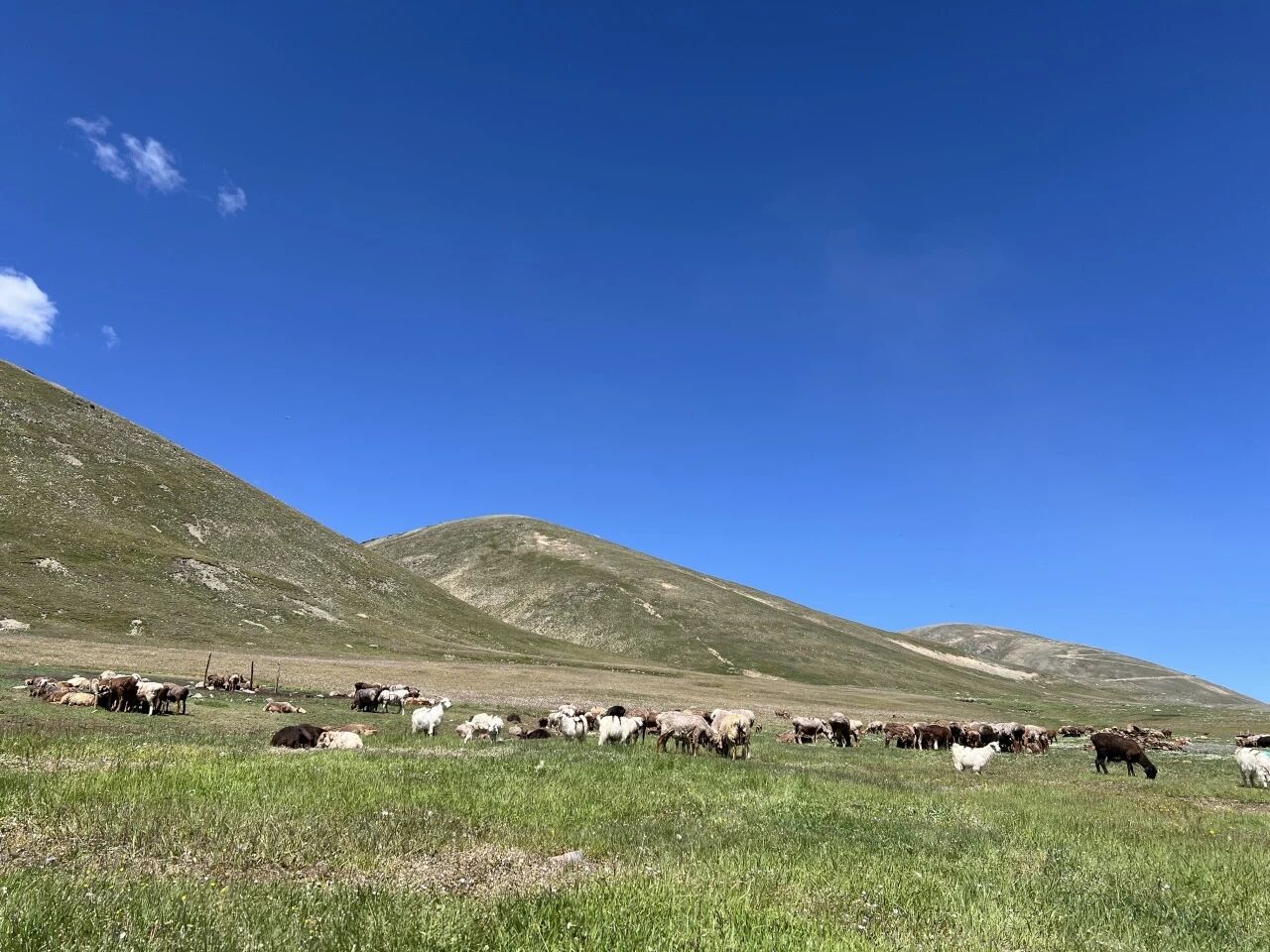
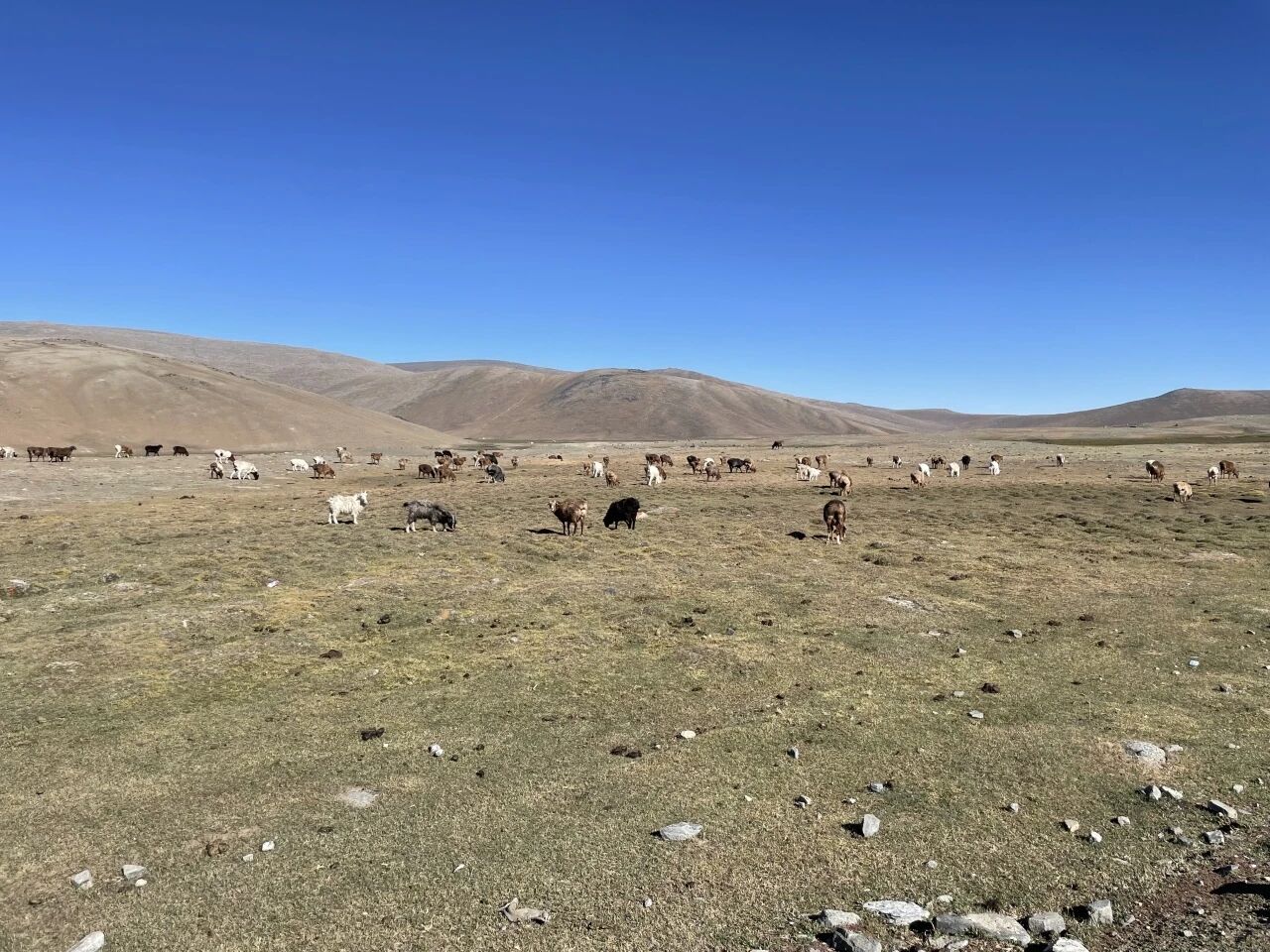
Herders’ reliance on the forage market is becoming ever deeper, and expenditure pressures are growing.
Although Askar had inherited the grassland certificate, he had already handed it to his eldest brother, who still practises nomadism, for him to use. He stayed at home to look after his elderly mother, and his herding was also mainly centred on cattle. On a visit to his home at the end of 2024, he was keeping 16 cattle, 3 horses, 2 sheep and 1 goat. Before winter set in that year, he bought 800 bales of wheat straw from the market at 10 yuan per bale, spending 8,000 yuan. Combined with the previously mentioned planting costs of 4,800 yuan for the hayfield used for haymaking and for lucerne, the total spent by Askar’s family on winter forage was 12,800 yuan.
This sum was equivalent to the income from selling two cattle that year. Askar’s family has six members, and their livelihood mainly came from selling cattle, repairing border barrier nets, digging potatoes in agricultural areas, hosting family tourism on a small scale, and the annual grassland-livestock balance subsidy and border-resident subsidy provided by the government. Taken together, the family’s income in 2024 was about 78,000 yuan. In per capita terms, that was 13,000 yuan.
This income was slightly below the 2023 per capita level for farmers and herders in C Township, where J Village is located. A local government document shows that in 2023 the per capita income of farmers and herders in C Township was 17,900 yuan. For herding families, winter forage is an expense that cannot be ignored.
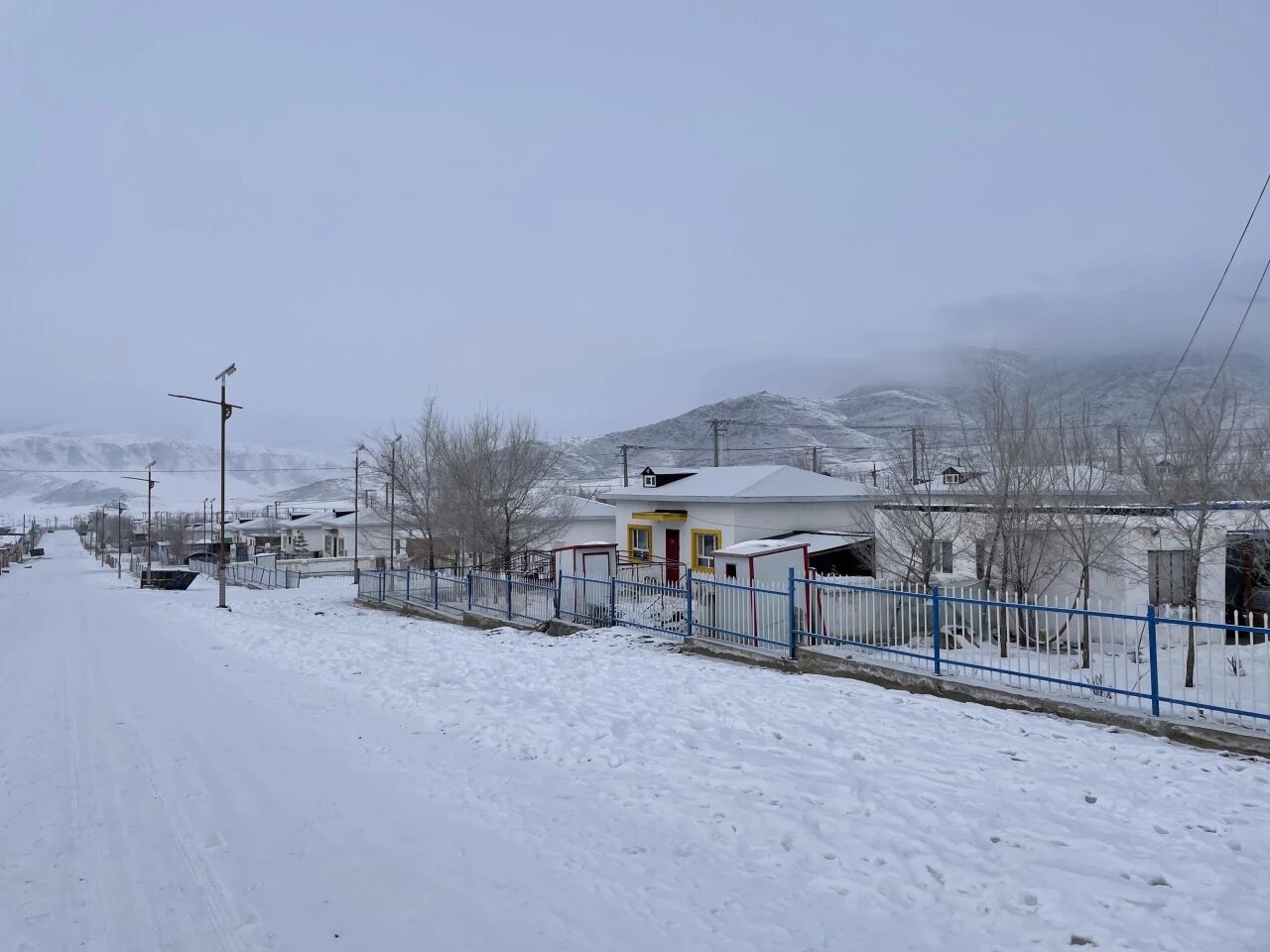
V. Stuck in the “Middle”: A Way Out
In the long process of upheaval and livelihood transformation, what other choices might herders have?
Since 2017, the public-interest organisation that has been working in traditional pastoral areas, Xinjiang Shanshui Environmental Protection and Sustainable Development Centre (hereafter Xinjiang Shanshui), has been trying to answer this question.
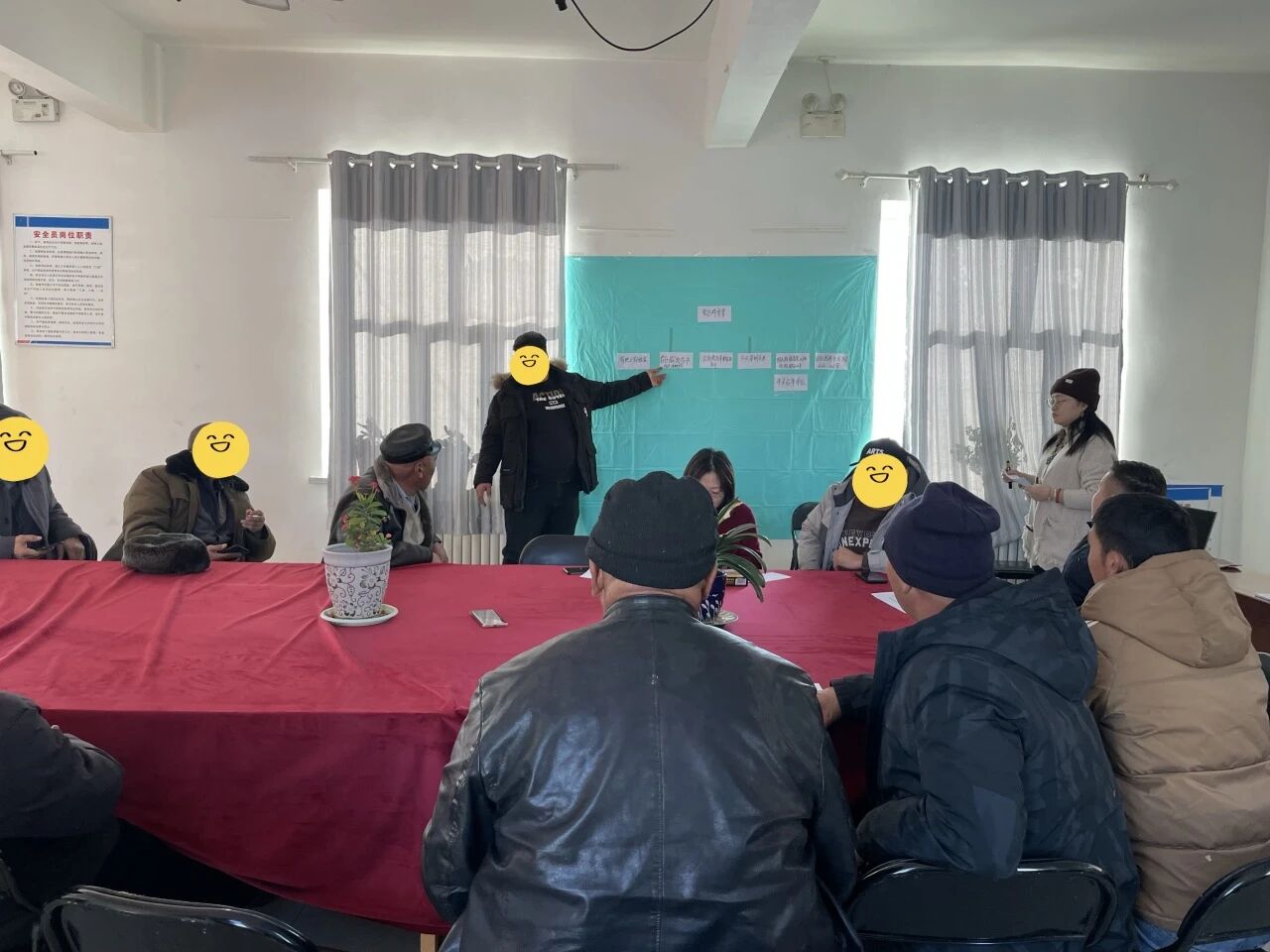
In the past, in the village where they are based, they helped villagers set up environmental cooperation groups, make and sell traditional handmade black soap, and develop ecotourism as a supplementary livelihood for herders. Now they plan to take one step further: while developing diversified alternative livelihoods, they are seeking ways to strengthen the resilience of herders’ livestock-based livelihoods.
Last year, they took herders from the village where they are based to visit pastoral areas in Inner Mongolia, where they saw a retired village Party branch secretary leading herders to set up a specialised forage cooperative that makes pooled annual forage purchases, reducing forage costs.
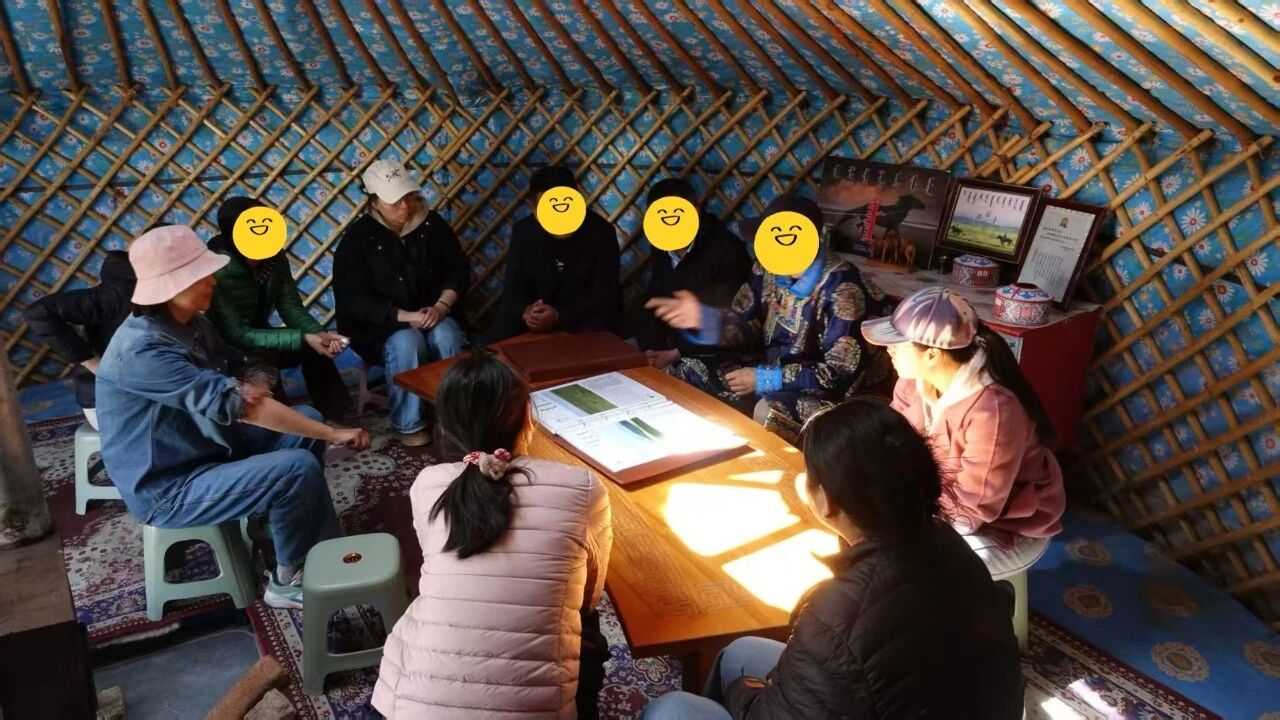
In areas on the margins of geography and development, bringing back some of the cooperative experience from the collective era may be a choice worth trying for herders living in a “middle state” period. The presence of Xinjiang Shanshui is also generating new possibilities.
[2] Data source for the area of cultivated land and grassland in C Township: document “Implementation Plan for the Dongfeng Reservoir Tail-End Dredging Project, Qinghe County, Xinjiang.pdf”
[3] Data source for the 2024 area planted with forage in Qinghe County: official website of the Qinghe County government https://xjqh.gov.cn/xwzx/001005/20250812/856c3f7a-dbdb-4b32-827a-b8f02a1c3de9.html
[4] Data source for the 2023 per capita income of farmers and herders in C Township: document “Implementation Plan for the Dongfeng Reservoir Tail-End Dredging Project, Qinghe County, Xinjiang.pdf”
*The interviewed herders in this article—Askar, Sairik, Nurbek, Tasbul, Gurban, Tulegen, Nurtan, Aknur, Yerbek—are all pseudonyms
Thanks to the Xinjiang Shanshui Environmental Protection and Sustainable Development Centre for its support with this article
Thanks to the herders for taking time between work to answer questions, and for their kindness and trust in conversation
Thanks to local students Aibota, Ahzhol, Altenai, Gulimina, kuoerkeyisen and Waliha for providing Kazakh translation support
Thanks to Guljainat and her family for their warm and welcoming hospitality
Unless otherwise noted, all photographs were taken by the author
Editor: Xiaodan