
The Desk-Escape Plan: Can Writers Sell Vegetables Well?
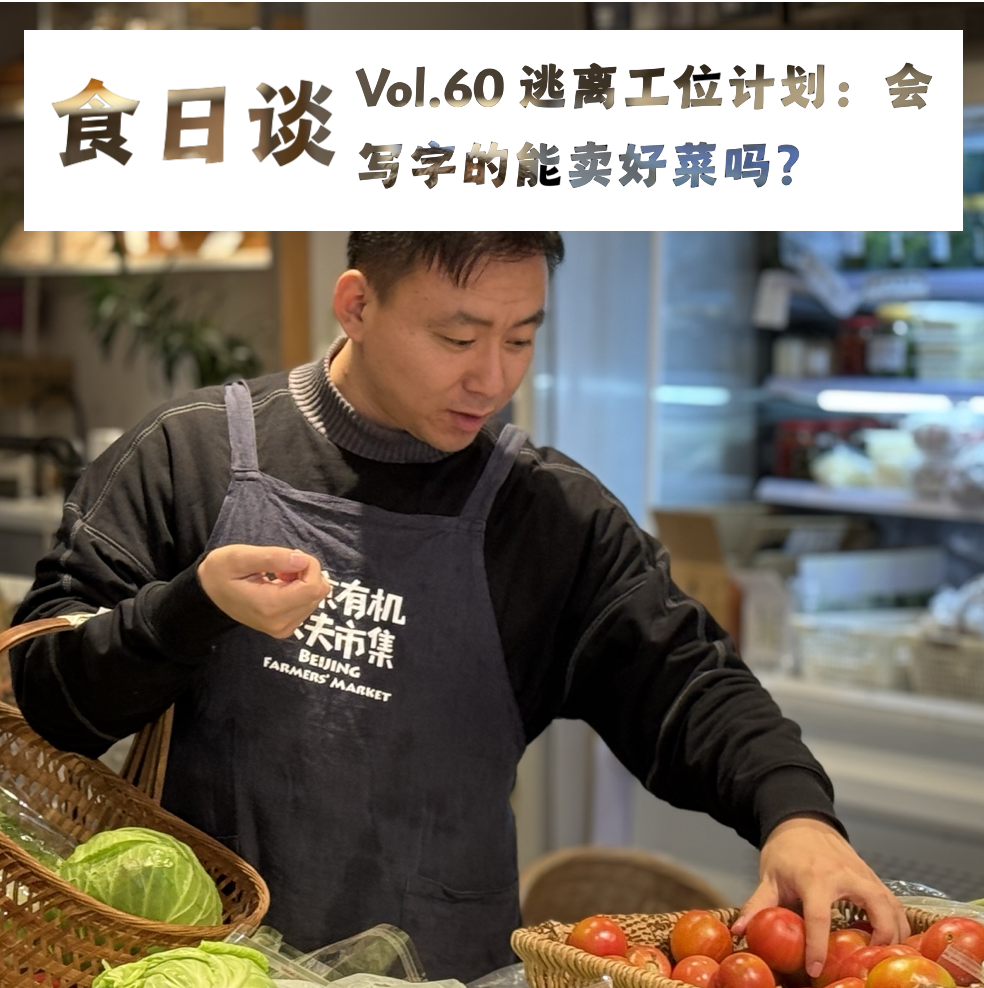
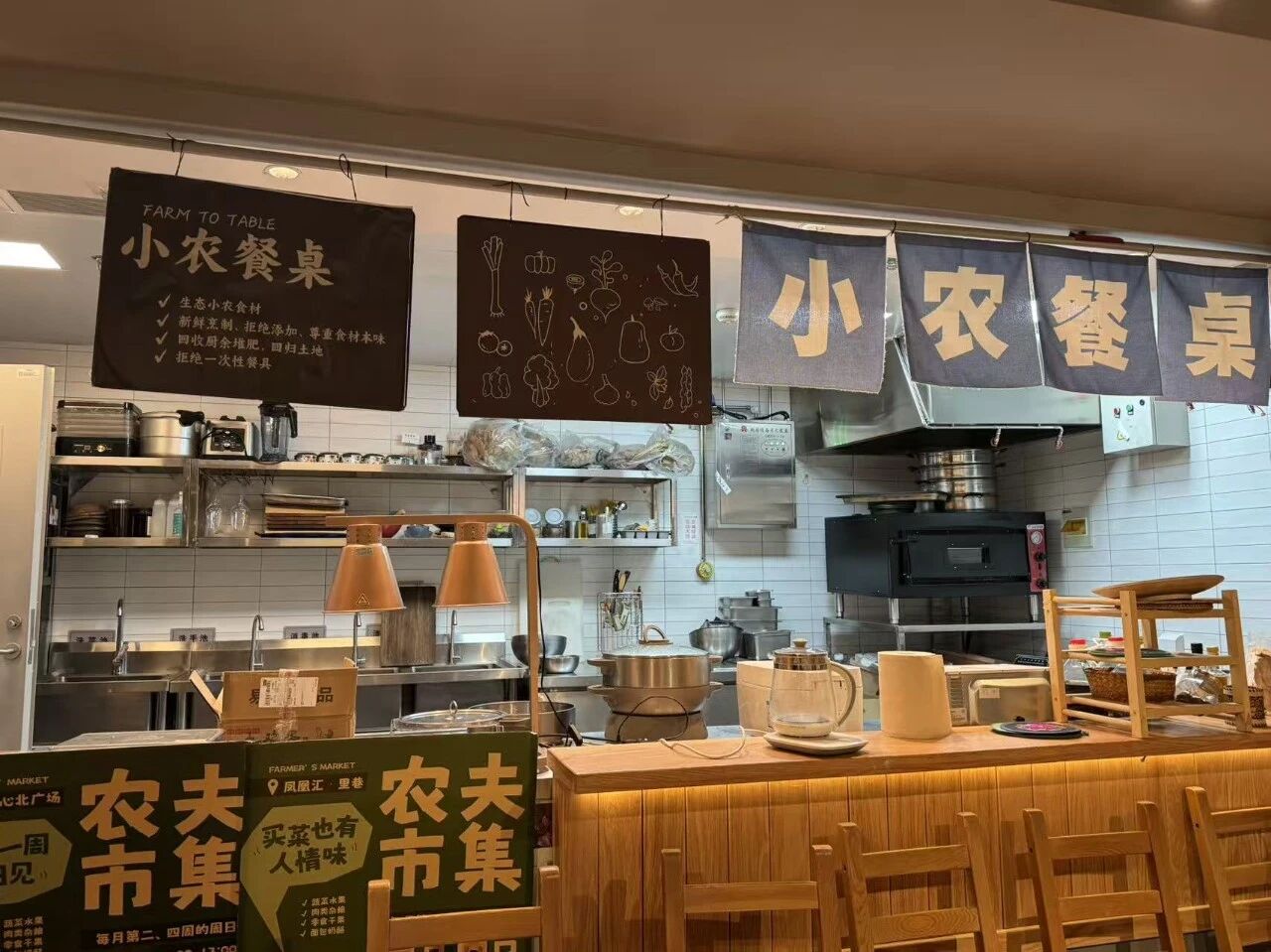
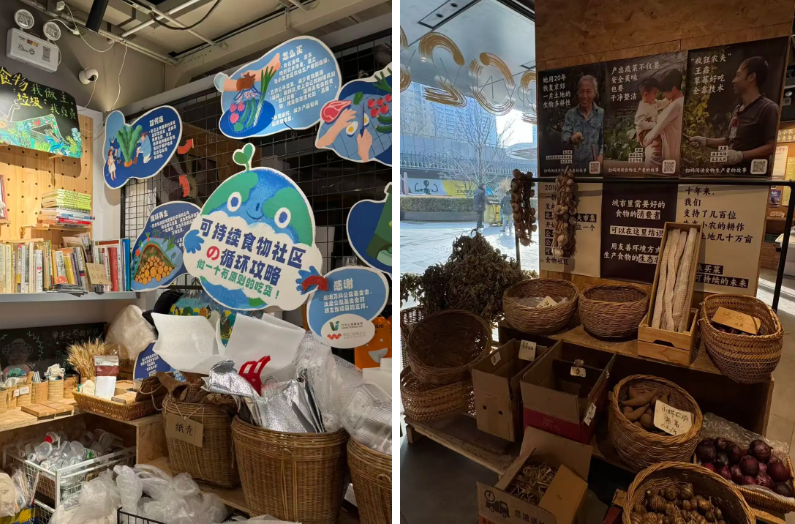
When three people who had long been working in front of computer screens decided to sell vegetables at a community eco-vegetable shop in Beijing’s Sanyuanqiao area, could they cope?
You, who face endless screens, data and meetings every day, have you ever wondered: what is the point of all this? In this accelerated era, countless streams of information pass before our eyes and beneath our fingertips, yet many have lost a tangible sense of work and life. There is even a fleeting moment when a strong urge arises: I want to do some concrete, hands-on manual work.
In this episode of “Food Talk”, hosted by Foodthink founding editor Tianle, we really went and did some “manual labour”. We invited seasoned media professional Huang Chen (Biao Jie), former assistant editor-in-chief at Caixin, and two younger Foodthink colleagues, Yuyang and Li Ye.
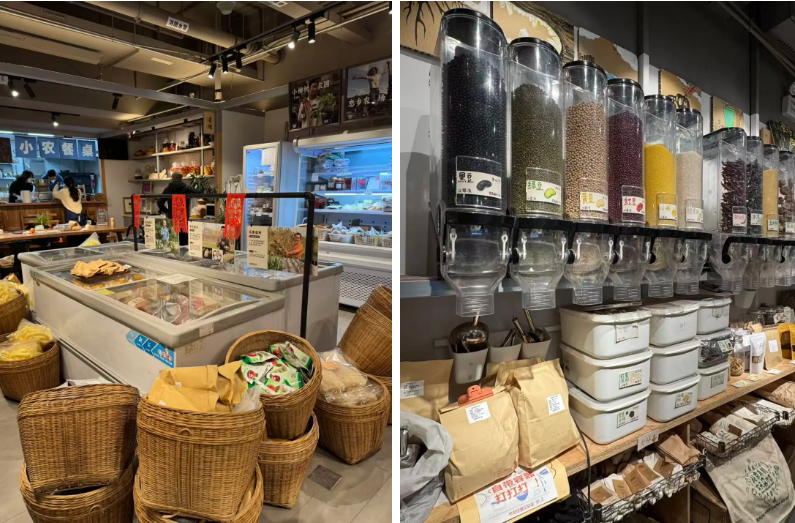
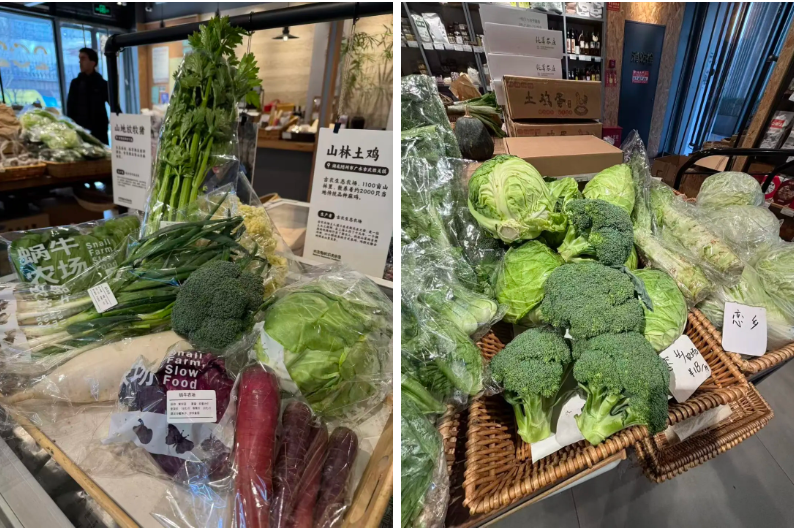
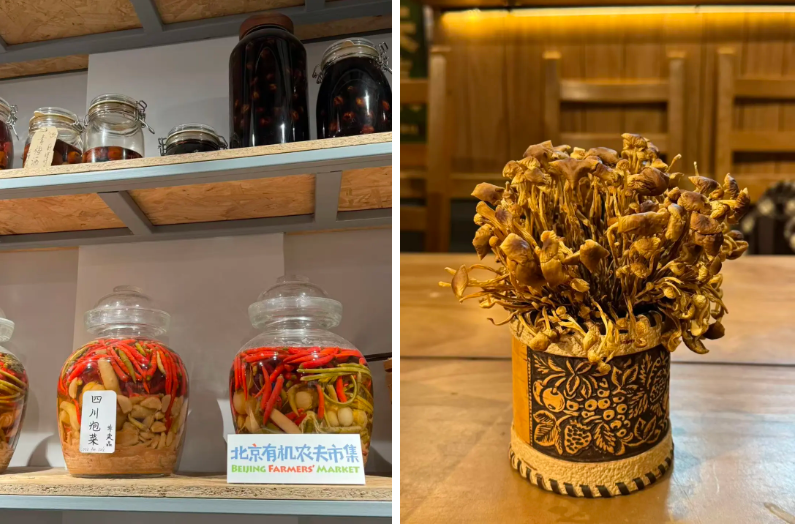
Leaving their cramped desks and stepping into the real working world of selling vegetables, bustling around the counter and the stalls, what did they encounter, what did they observe, and what did they reflect on? The three guests shared their real experiences of working at the vegetable shop:
From the grand narratives of data journalism to which supplier’s sweet potatoes taste better; from reporting on algorithm-driven sorting systems to personally experiencing the need to discuss with a customer on the spot whether to switch to tomatoes from a different supplier. In the manual labour of stocking shelves, sorting and photographing new items for listing, they felt a long-forgotten steadiness and a “human feel”.
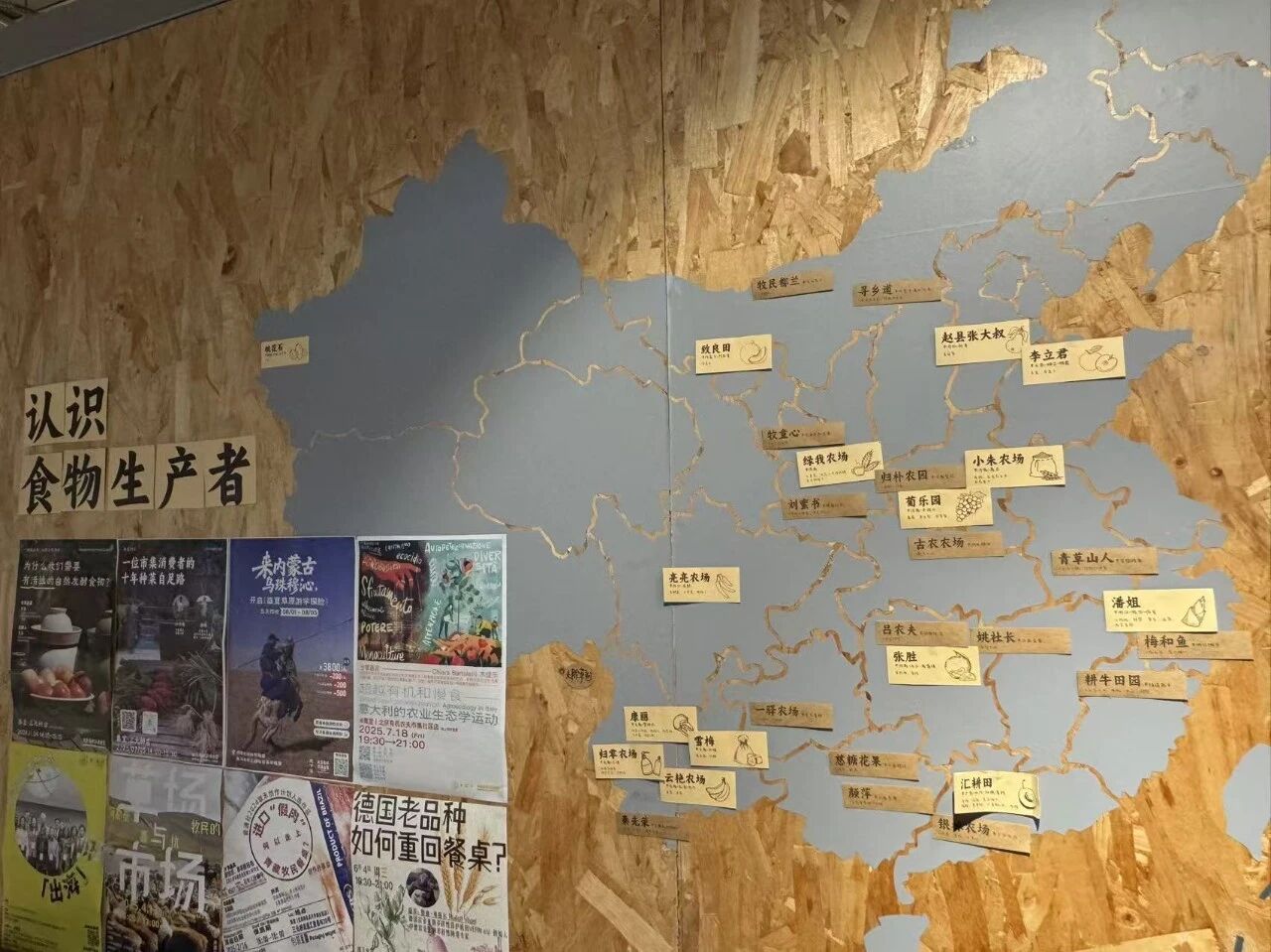
It turns out that selling vegetables is not just a job; it is also a way of reconnecting with the world. In this “cross-boundary” manual labour, they not only got to know wutao cai again and learned the trick to steaming wotou; they also, in this atomised city, saw how food brings consumers, ecological farmers and shop staff back together in the physical space of the vegetable shop, building a long-forgotten, concrete social support system.
In short, this is not an episode about changing careers, but a frank conversation about ways of working, social structures and bodily experience. It is about how we step away from screens and, through our hands, make peace with the real world again.
If you have ever thought of stepping away from electronic screens for a while, this episode may be right for you.
Discussion topic: Would you try a manual job in search of a tangible sense of reality? Share your story in the comments section.

This Episode’s Guests
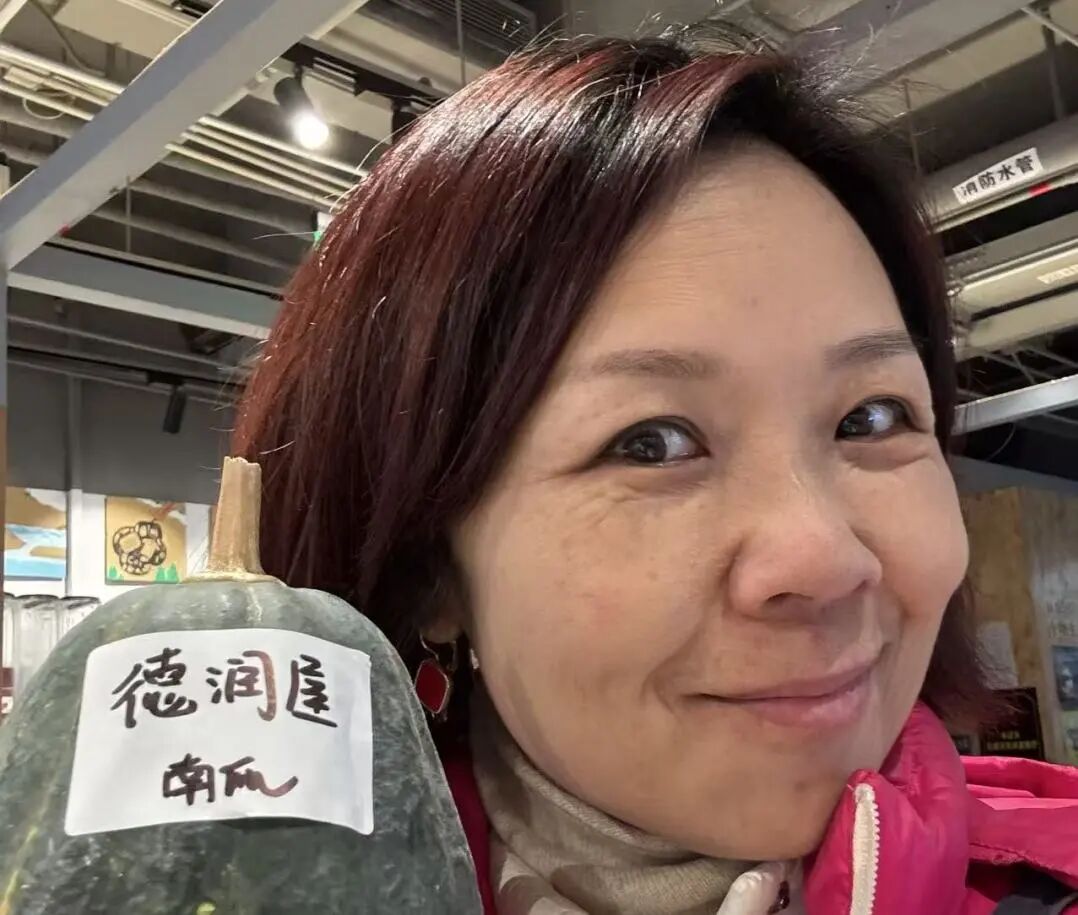
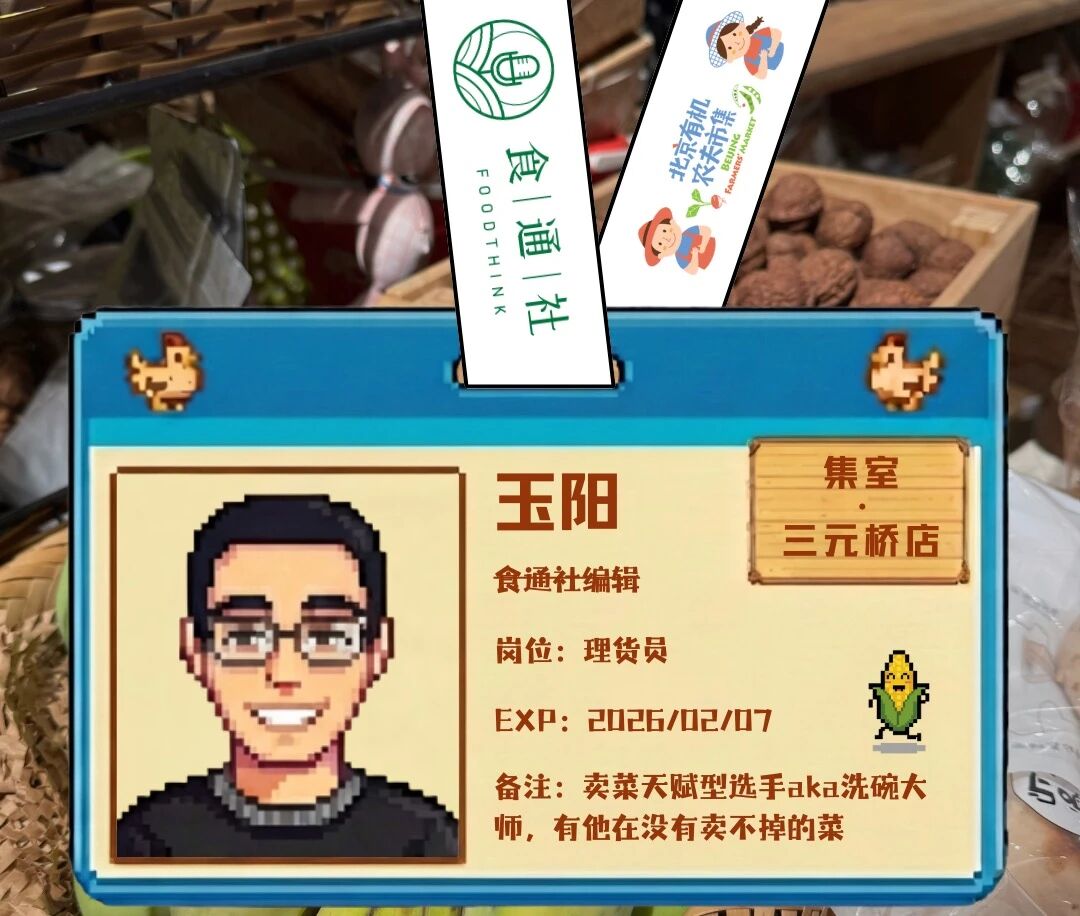 Yuyang
Foodthink editor, recently busy making pickled cabbage.
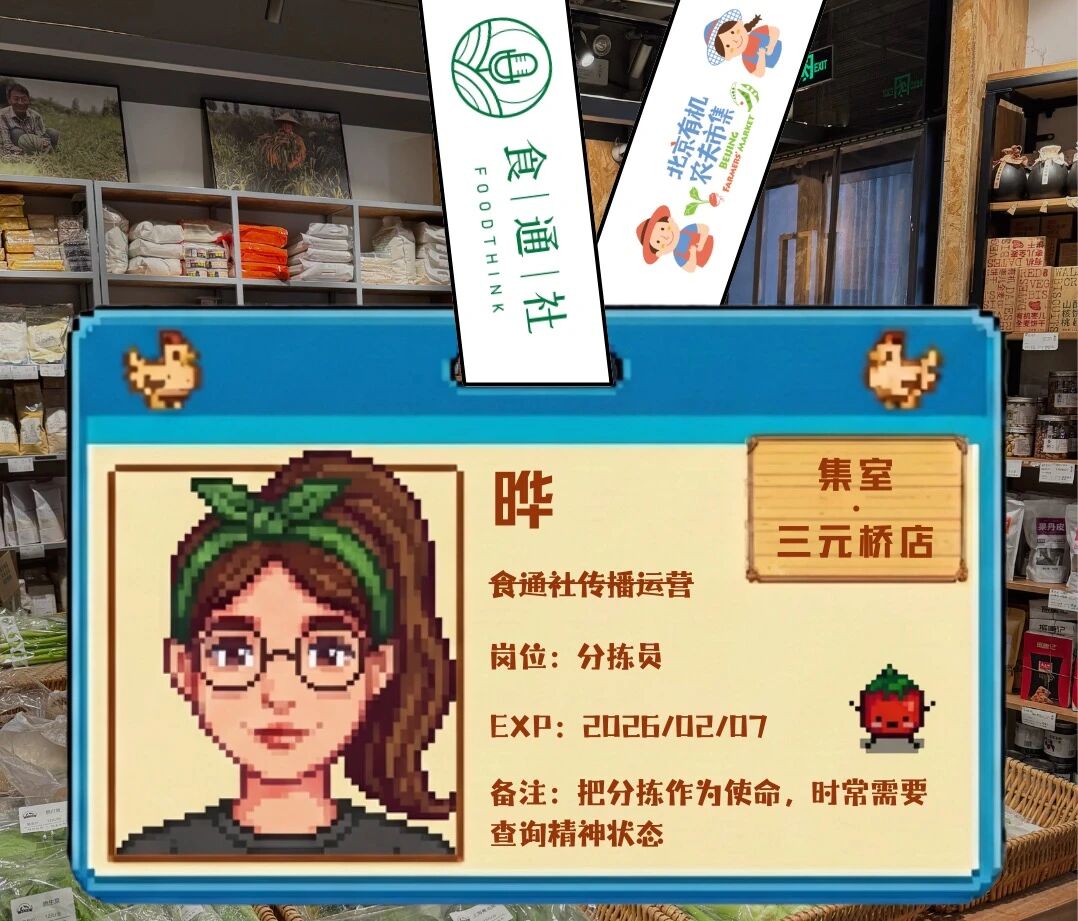 Li Ye
Li Ye
Foodthink’s newly appointed project officer and new host of Food Talk.
This Episode’s Host
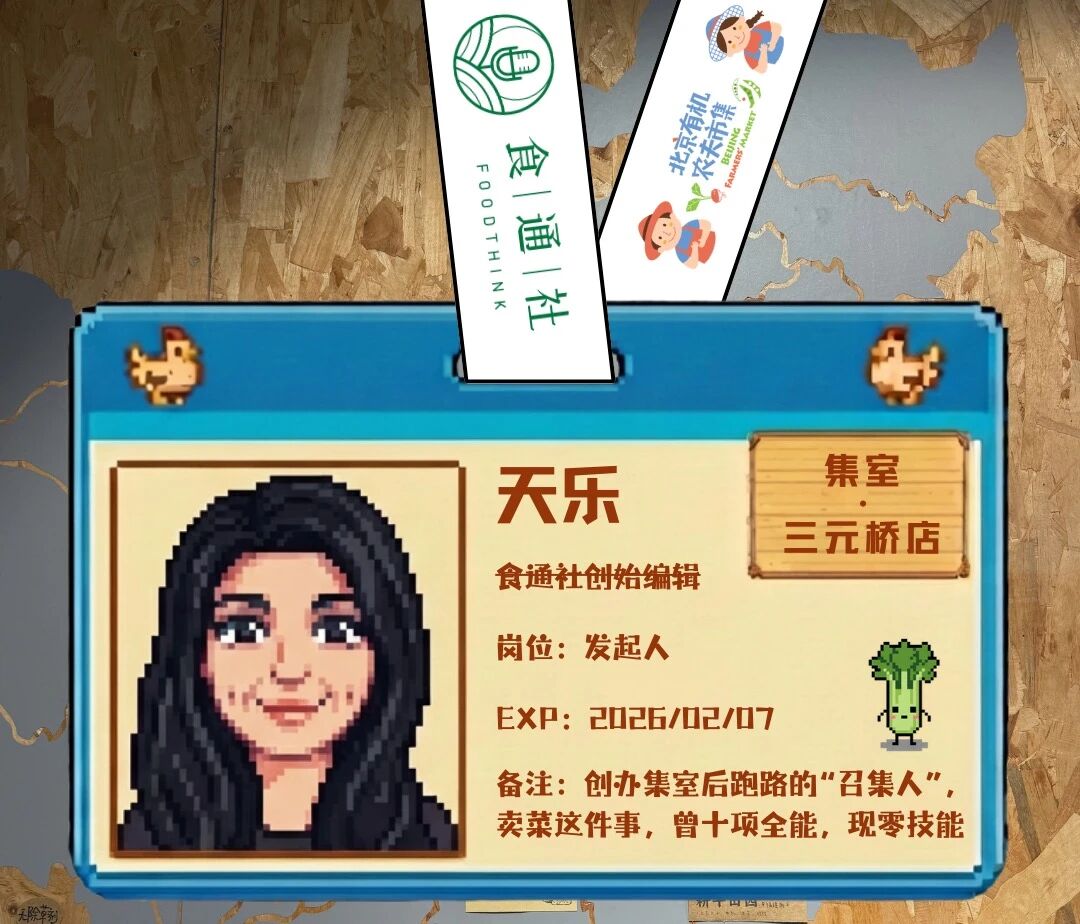 Tianle
Foodthink founding editor and convenor of the Beijing Organic Farmers’ Market.
Special preview: Are you all very curious about Tianle, Li Ye and Yuyang’s staff ID badges? It’s time to reveal the truth: they are actually members of Foodthink’s “vegetable-selling dream team”!
Saturday 7 February, 10:00–22:00: we will take over the community store of the Beijing Organic Farmers’ Market in Sanyuanqiao: Take Over Jishi! To make sure nothing goes wrong on the day, over the past three months, several colleagues have completed 48 hours of “undercover training” at Jishi as trainees.
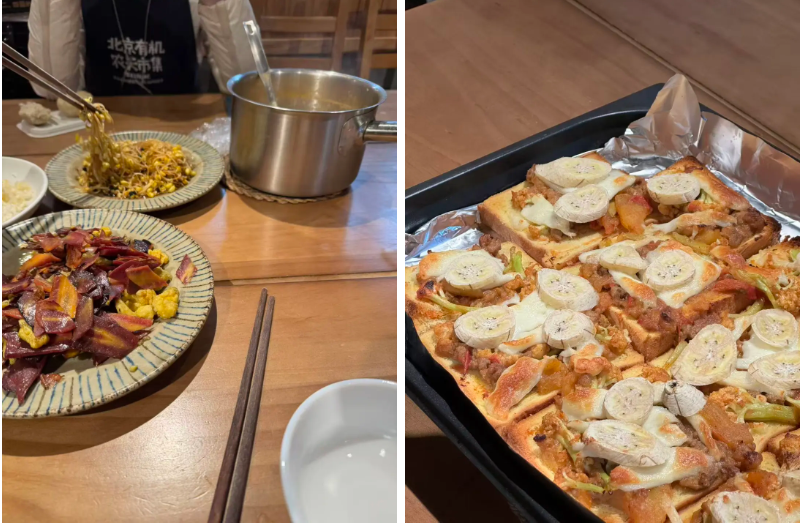
During the 12-hour takeover of Jishi, eight Foodthink colleagues will transform from word workers into vegetable shop staff, stepping out of the comfort zone of writing into the real world of manual labour: liaising with farming partners, welcoming customers, sorting and packing, organising shelves, checking out and printing receipts… Oh, and there is also our regular feature—cooking our own staff meals. This is Foodthink’s annual party, and a special year-end report card we submit to all of you, our readers.
Whether you want to test our vegetable-selling skills, or meet Foodthink in person and pick up some good vegetables while you’re there, on Saturday 7 February, we welcome all of you, our “spiritual shareholders”, to Sanyuanqiao · Lixiang—we’ll see you in a flash!
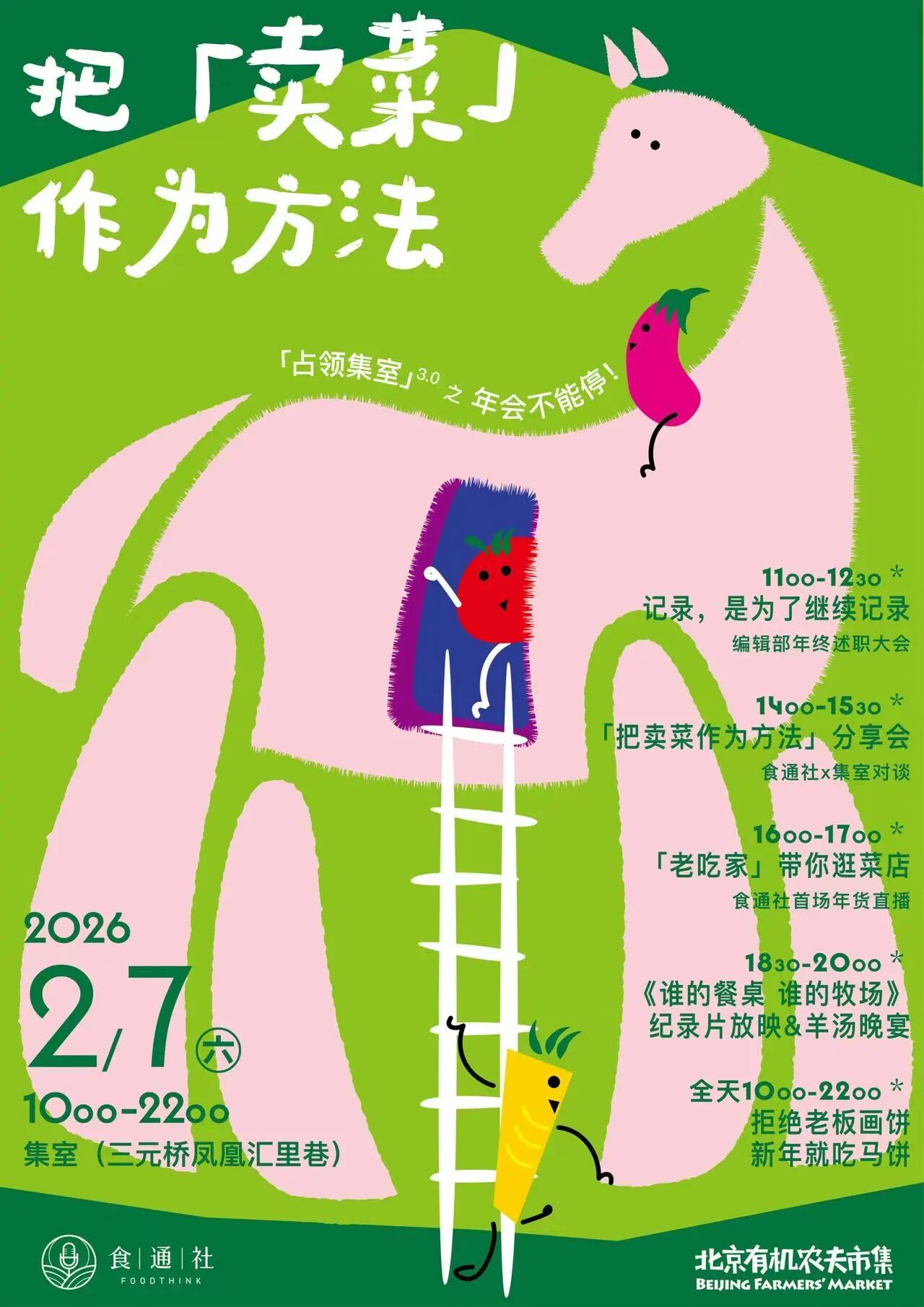
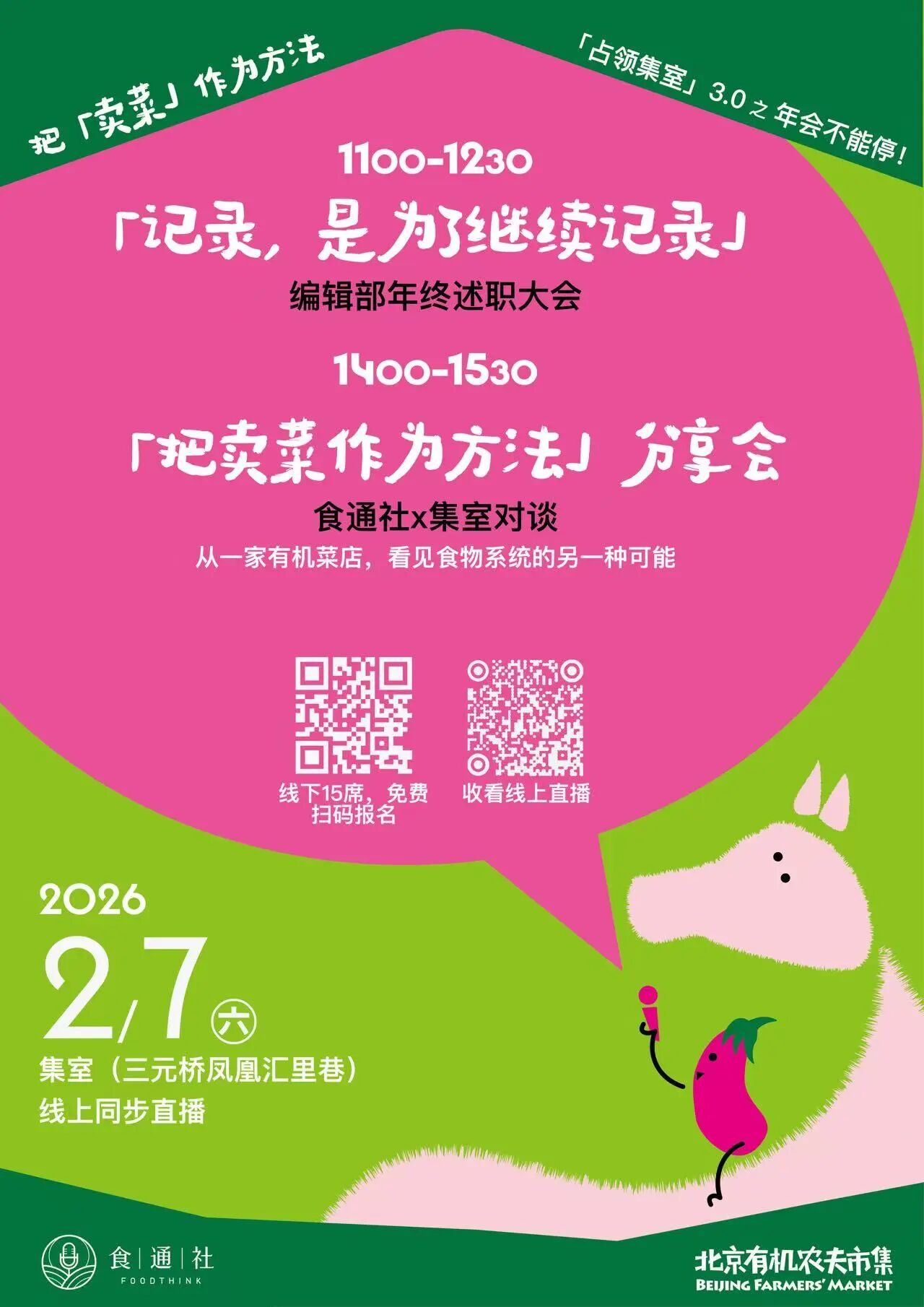
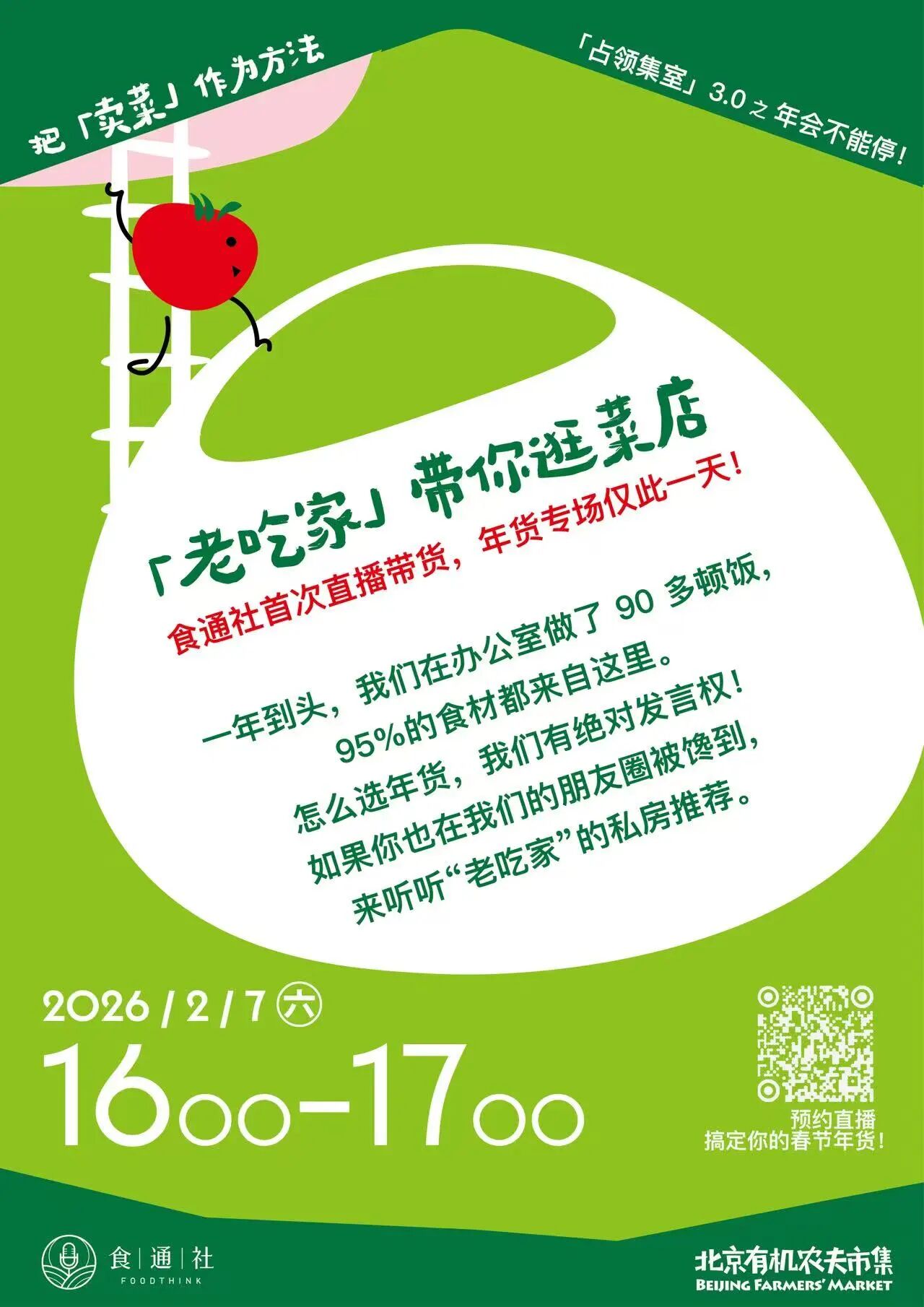


Timeline
10:25 Observations on offline and online consumption: do we still need physical vegetable shops?
17:33 E-commerce sorting workers trapped in the system: are algorithms optimising or alienating labour?
22:22 Brain hygiene: this generation of young people starts to “love manual labour”
24:55 Fighting anxiety: selling vegetables helps me live in the present
29:21 In a busy, atomised society, sometimes we need to sacrifice a little efficiency for a real connection
35:41 Do support systems exist in the workplace?
40:10 Reflecting on utopia: in fact, the “manual labour” we did was the ideal kind
46:50 Beijing in 2015: an economic upcycle to escape from
49:40 Three-Body people can’t understand humanity’s “gap between knowledge and action”
53:43 Behind grand narratives are real people; we are not just 5.0% of national economic growth
56:36 What surprising and useful facts can you learn from selling vegetables? What vegetables are good for northern winters?
01:01:06 Return to the concrete, to human warmth, to humanity
Related reading▼
Event invitation | The Story of the Editorial Department: The Annual Party Can’t Stop
In the age of pre-prepared food, how should we eat well?
Reaching an ideal life through food | Food Talk Vol. 44
I learned to grow rice in the village: 2.6 mu of ecological rice and a loss of nearly 5,000 yuan
Growing wheat, baking biscuits: five young people’s farm internship diary | Food Talk Vol. 41
Fresh produce e-commerce sorters racing through the algorithms
Scan the QR code below
On Xiaoyuzhou | Ximalaya | Lizhi | Apple Podcasts
Subscribe to the “Food Talk” podcast

Feel free to leave messages in the comments sections of podcast platforms; we reply from time to time. Scan the QR code below to add Foodthink Jun’s secondary WeChat account, with the note “Food Talk”, and join the podcast listeners’ discussion group.

Unless otherwise stated, all images are provided by this episode’s guests.
Podcast music: Ba Nong
Episode planning: Li Ye
Episode production: Xiaojing
Episode editing: Yuyang
Contact email: [email protected]