
After drone spraying: a silent spring for Jiangnan silkworm farmers

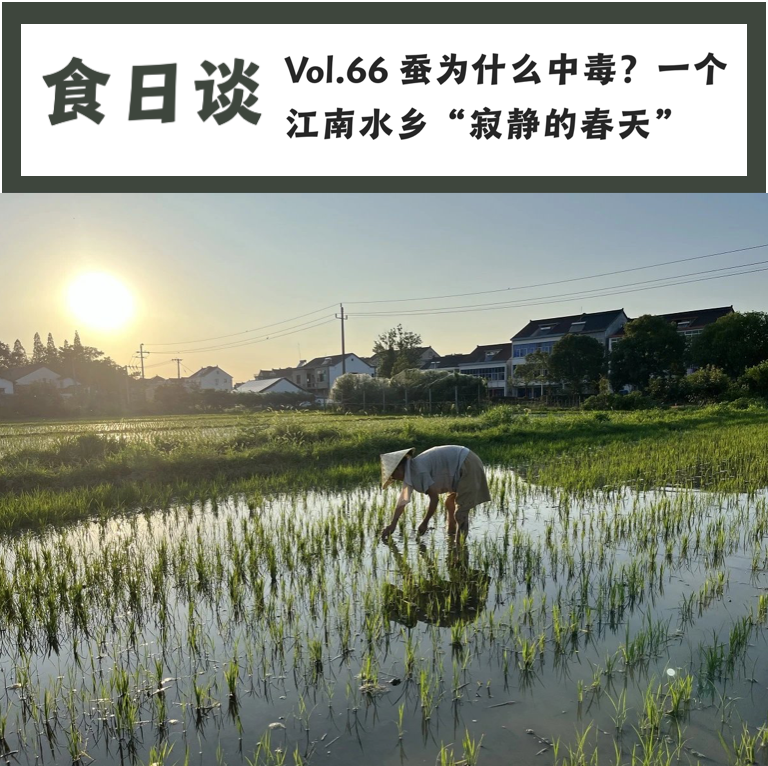
In March this year, a report that pollinating honeybees in a rapeseed flower field had been “unintentionally harmed” by a drone attracted attention. But away from the spotlight, another insect that has coexisted with human civilisation for thousands of years—the domestic silkworm—is facing a subtler and graver survival crisis.
As soon as the drones fly, “the silkworms are raised in vain”—silkworms are extremely vulnerable to pesticides and environmental factors. Many “low-toxicity” pesticides, even biopesticides, may be harmless to people but are deadly to silkworms. Drone “drift damage” further worsens the harm: poisoned silkworms may fail to spin silk, form thin-walled cocoons, or be dumped by silkworm farmers into the woods.
When “efficiency” becomes the benchmark for agriculture, technology is quietly changing the ancient sericulture practices—previously, a brick-and-tile factory in a Jiangnan water town would suspend work during the silkworm month, but now, before pesticide spraying, no one warns you any more.
In this episode, we begin with the trending issue of “honeybees poisoned to death”, venture into the water towns of Jiangnan, and hear a sericulturist who returned to his hometown 14 years ago explain how drone spraying has led to large-scale poisoning of mulberry silkworms, how the traditional mulberry silkworm system is being squeezed, and what other future industrialised sericulture is bringing.
This episode’s guest, Yu Jiangang (Yugang), was born into a family in the southern Taihu Plain that had practised sericulture for generations. As a child, he helped his family cut mulberry leaves and feed silkworm larvae; even the village cats were named after the silkworms’ growth seasons. He later left home for university, worked in Beijing, devoted himself to rural development, and in 2011 chose to return to the land, attempting to rebuild a silkworm-rice-human pastoral order. More than a decade on, he is still trying to answer whether, today, traditional agriculture can survive in the cracks.
Between efficiency, ecology and culture, what exactly are we losing? And are these changes truly irreversible? If you also care about this small but important topic, please click to listen to this episode.

Guest/Of/This/Episode
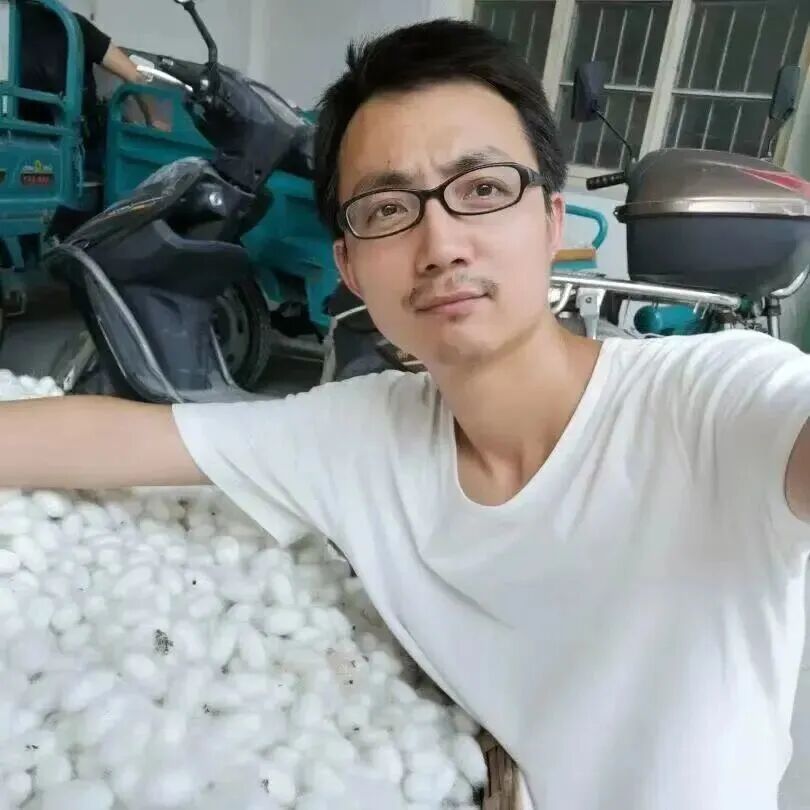
Yu Jiangang (Yugang) | A practitioner who returned to his hometown 14 years ago to farm, from a traditional sericulture area in Tongxiang, Zhejiang, within the Taihu Basin. He and his family have long engaged in mulberry cultivation and sericulture, and have been trying to restore a symbiotic “rice-mulberry-silkworm” ecological farming system, while exploring how small-scale farmers can continue to survive in a modern agricultural environment. He is also one of the hosts of the podcast Tuanli Jiegou, continuously documenting the real changes in land, agriculture and rural life.
Host/Of/This/Episode
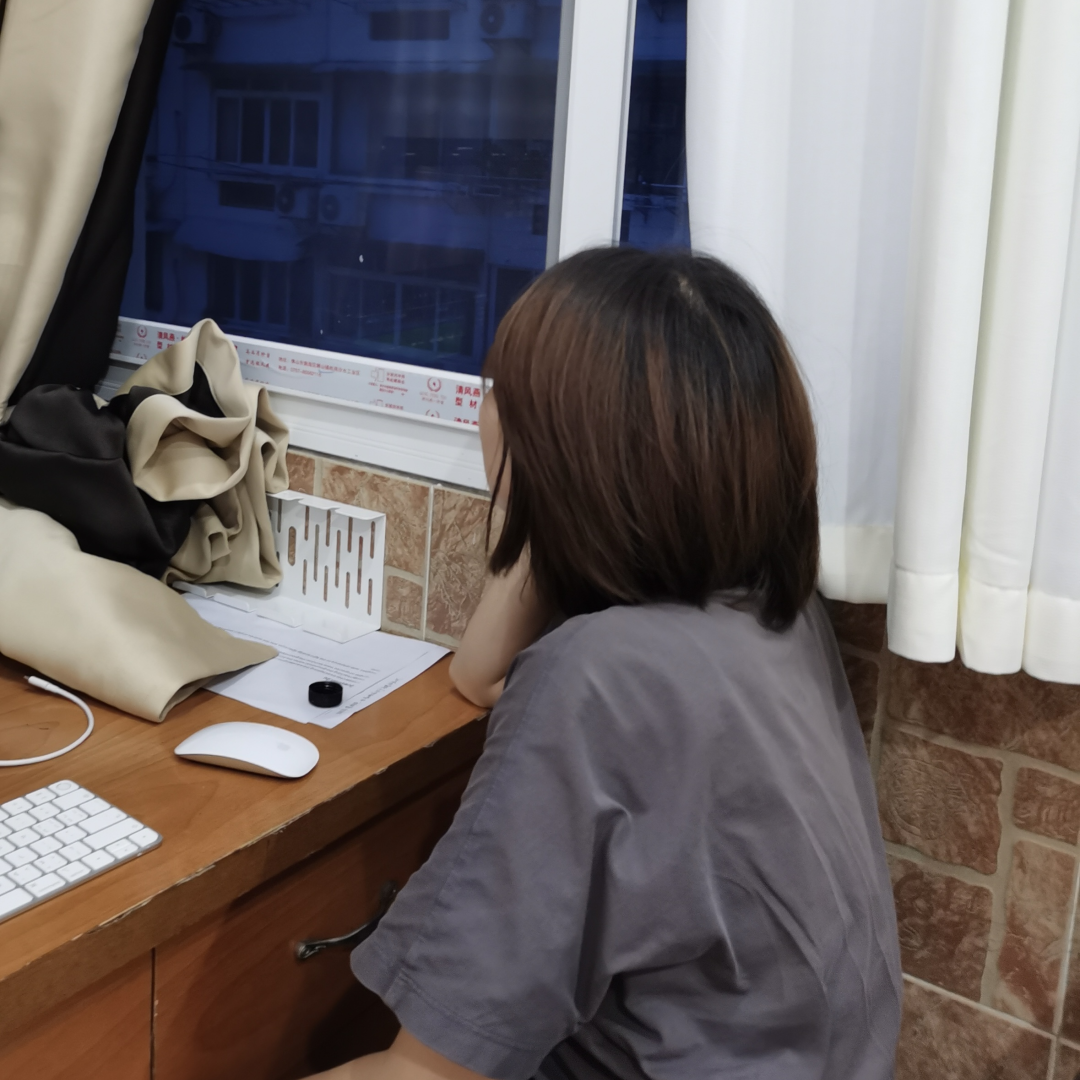
Pei Dan | Foodthink editor and writer, with a focus on the individuals in the midst of climate change and environmental transformation
Timeline
00:21 Why does a drone spraying incident that killed honeybees matter?
02:26 Starting with the southern Taihu Basin, what was the former mulberry-based fish-pond ecosystem?
04:43 Why, when once every household practised sericulture, are only a few people still holding on?
08:28 From sporadic to routine, why is this “drift damage” increasingly hard to avoid?
12:47 Insurance covers only one-third, and sericulturists start giving up on sericulture in the second year
14:28 The “east-to-west shift in mulberry”—can small-scale farmers make money?
19:16 Industrialised sericulture: silkworms eat soya feed and spin silk all year round—is that necessary?
25:06 From harmonious coexistence to “mutual harm”, are we losing a traditional way of life?
29:56 first silkworm cat, second silkworm cat—how has sericulture shaped the concept of time in the water towns of Jiangnan?
31:58 How much can silkworm farmers earn from one silk duvet?
34:35 To stop the silkworms being poisoned again, Yugang leased 15 mu of rice paddy
39:42 Creating a reserve the way a zoo keeps tree frogs
48:00 How can you support? Buy rice, co-build, and share
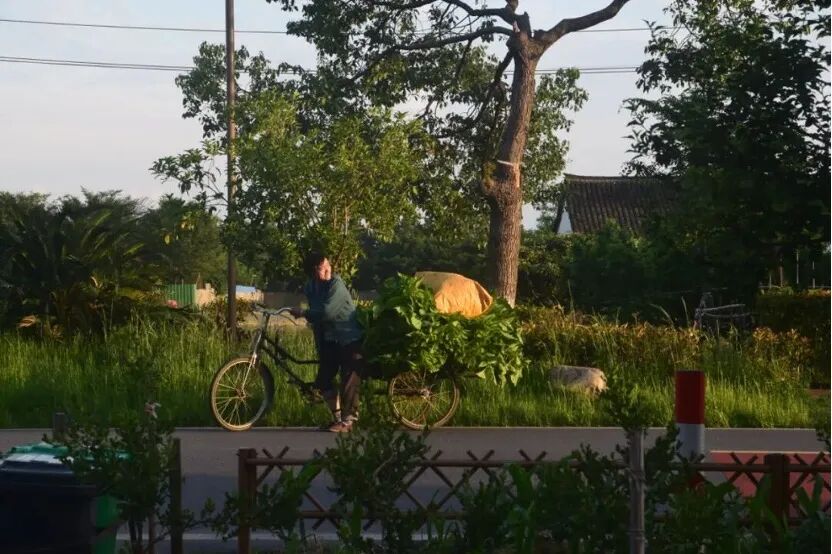
80-year-old sericulturist Xing’e returns from picking mulberry leaves. Every year, Xing’e and her eldest daughter-in-law jointly raise 3–4 batches of spring silkworms and 1.5–2 batches of autumn silkworms. At a selling price of 2,200 yuan per batch, they earn roughly 12,000–15,000 yuan in cash. This money can be used to cover everyday expenses and the ever-rising costs of social obligations and gift exchanges in village life. Yugang says that income from sericulture is the most important source of income for local rural elders, especially older women; it is the “pension” they can rely on. Image source: Yugang’s official account “Mei He Yu”
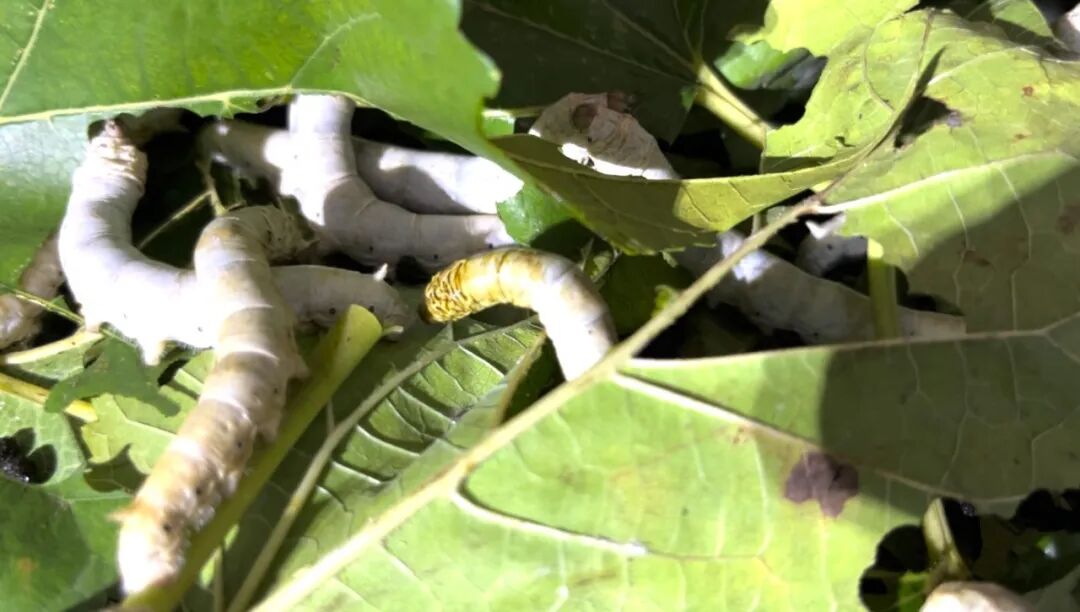
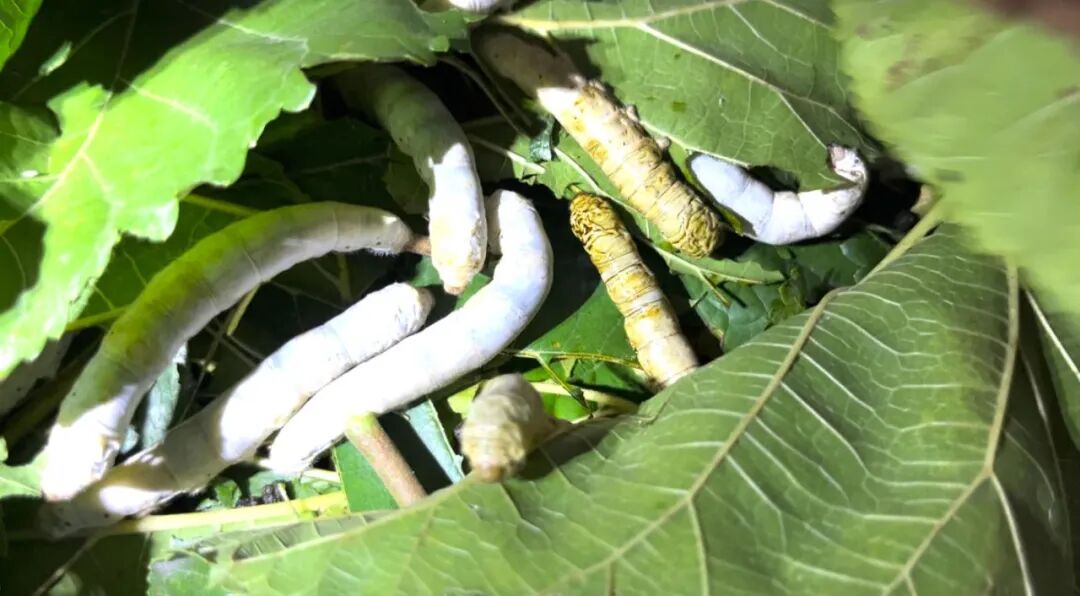
The poisoned silkworms’ bodies have already turned yellow. Image source: Yugang
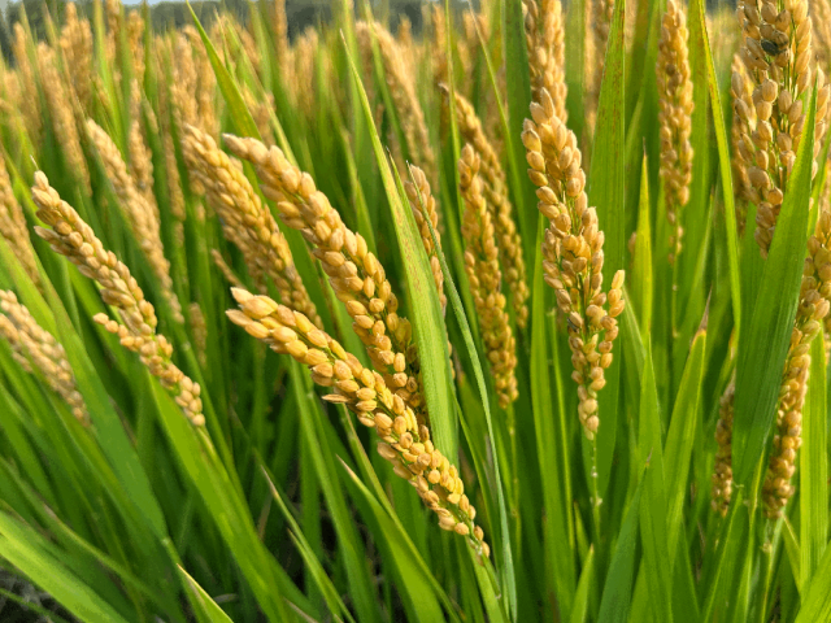
In 2025, Zhenghebang Natural Village, where Yugang lives, harvested both organic rice and silkworm cocoons, achieving rice-silkworm symbiosis. In fact, this is the ecological tradition of Jiangnan’s mulberry-based fish-pond system, which has been practised for many centuries. Image source: Yugang’s official account “Mei He Yu”
🍃
Co-builders Wanted | “Build a Reserve for Silkworms and Honeybees”
Related Reading ▼
Scan the QR code below
On Xiaoyuzhou | Ximalaya | Lizhi | Apple Podcasts
Subscribe to the “Food Talk” podcast

Feel free to leave messages in the comment sections on podcast platforms; we will reply from time to time. Scan the QR code below to add Shitongjun’s secondary WeChat account and include “Food Talk” in the note to join the podcast listeners’ discussion group.

Unless otherwise noted, all images are provided by this episode’s guests.
Podcast music: Ba Nong
Editor: Pei Dan
Producer: Xiaojing
Post layout: Minglin
Contact email