
World Bee Day | Drones Fly in the Sky, Bees Die on the Ground: Can We Still Enjoy Our Fruit?

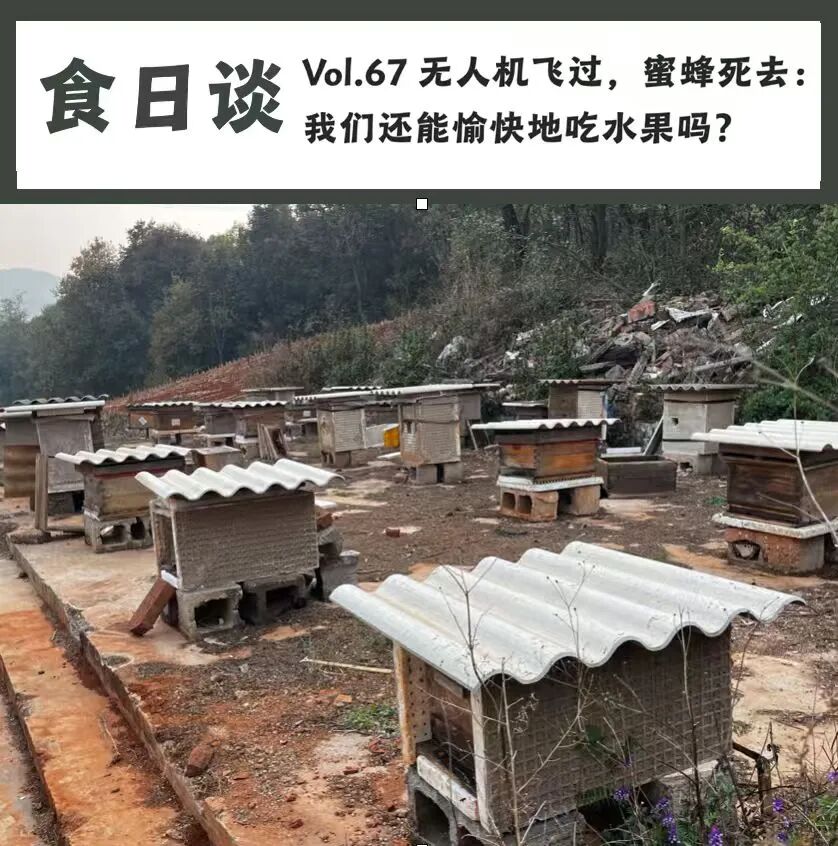
On 20 May, we celebrate World Bee Day. The silkworm and the honey bee are the only two insects ever domesticated by humans – and when drones fly overhead, both are left dead in their thousands. We’ve already talked about silkworms; now let’s return to the honey bee, that vital pollinating insect.
China’s agriculture is twice as dependent on pollinating insects as the global average, because a higher proportion of crops here are insect-pollinated and the range of produce is far richer. Without these pollinators, the average yield of fruit crops in China would fall by 40% and that of vegetables by 30%. The economic value of the extra yield brought by pollination reaches ¥700 billion – 19% of the country’s total agricultural output.
When drone technology and government incentives drive the cost of pesticide spraying down to near zero, whether to spray and how much becomes a calculation pitted between pest risk and farmland ecology. Who reports, who coordinates, and who moves the colonies – the relationship between beekeepers and crop farmers has, under the shadow of technology, become a game of strategy.
This episode of “Food Talk” brings together two guests who have long been committed to agricultural ecology and insect research, to talk about:
Why does more spraying end up producing more pests? Why are smallholder farmers more wary of drones than large estates? Why are beekeepers increasingly like the “nomads of agriculture”? And who should pay for the ecosystem services that bees provide?
And what would a world without bees look like? It touches on farming, ecology and economics – and on the sounds of spring that are slowly fading away.
R/E/C/A/P
March, when the oilseed rape is in full bloom, should be the busiest and most hopeful time of year for beekeepers. This year, however, after drones passed over the fields, bee colonies in many areas were almost wiped out.
It was the critical moment for bees that had been starving all winter to forage for nectar. Beekeepers said they had not been notified; even the owners of the rapeseed fields didn’t know what was going on. “Central Agricultural Broadcasting Voice” explained that the spraying was to prevent an outbreak of sclerotinia stem rot expected this year. For guidance on “rational pesticide application” during flowering, Central Agricultural Broadcasting Voice put forward several recommendations.
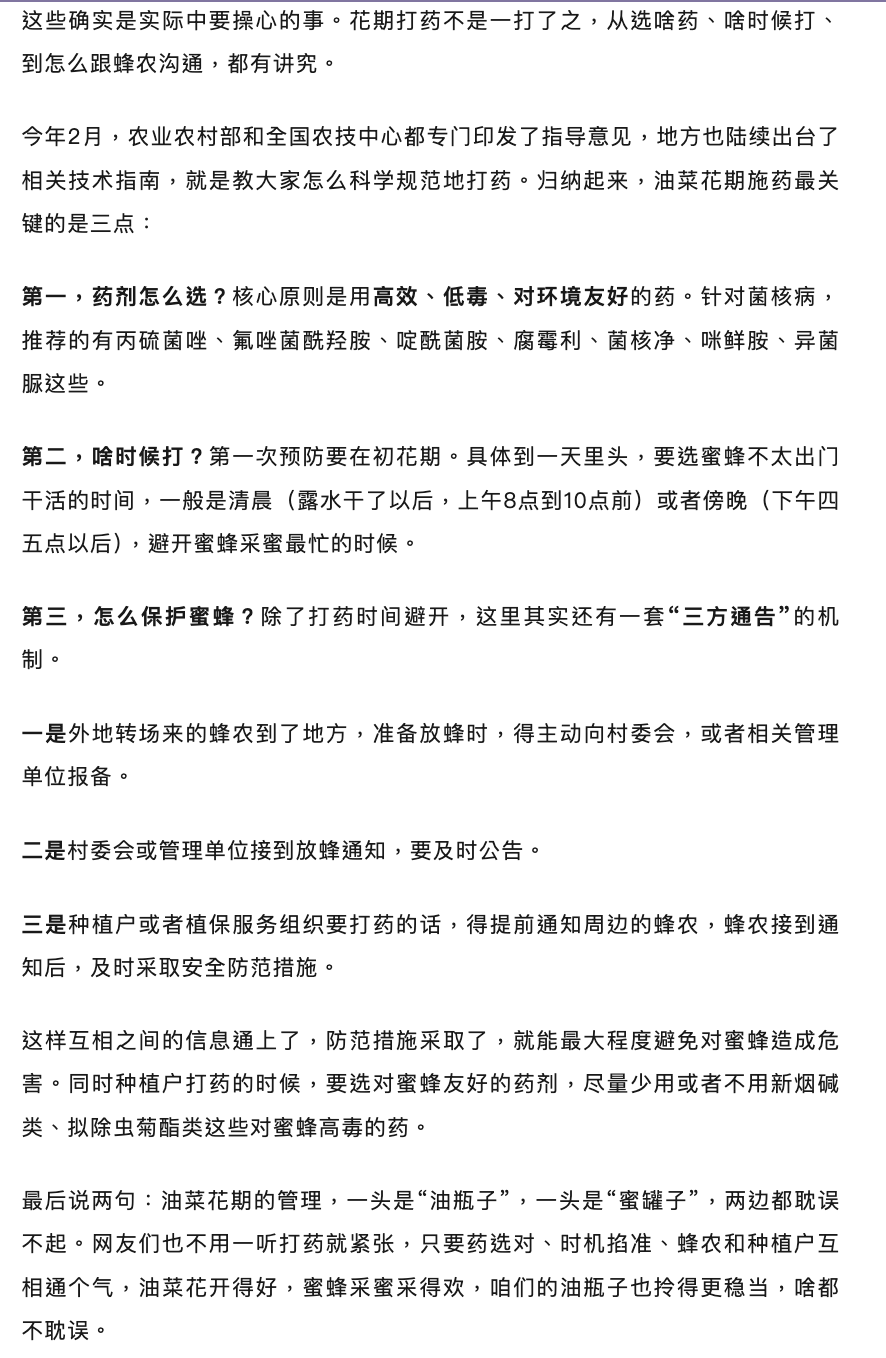
“Central Agricultural Broadcasting Voice” sparks a fierce online debate: “Can you spray pesticides when oilseed rape is in bloom?” – article screenshot
A three-party notification system between beekeepers, village collectives and crop growers / plant protection organisations was highlighted as a particular solution. But how well does it work in practice? For beekeepers who crisscross the country’s fields in their vans, practising a kind of agricultural transhumance, how do they avoid a defenceless position when facing squadrons of drones that can spray several dozen acres in a single day?

G/U/E/S/T/S
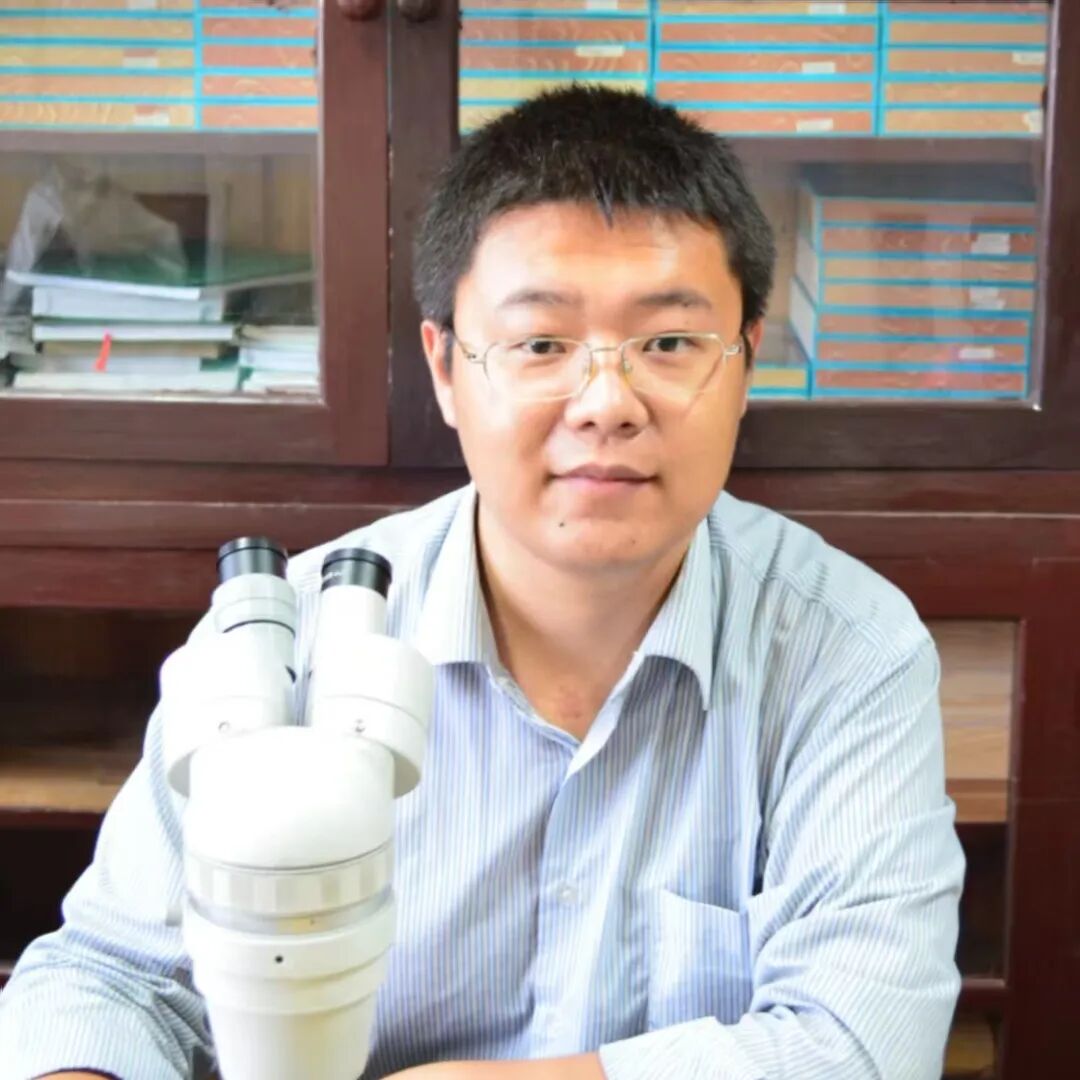
Li Chunliang | Originally from Yunnan, he has long worked in conservation tillage, soil protection and farmland biodiversity. He studied conservation biology at Yunnan University and runs an ecological fruit orchard of his own.

Zou Yi | Senior Associate Professor and PhD supervisor in the Department of Health and Environmental Sciences at Xi’an Jiaotong-Liverpool University. PhD from University College London; PhD from University College London; postdoctoral research at Wageningen University. Her research focuses on landscape ecology, biodiversity, pollinating-insect conservation and pollination service assessment.
H/O/S/T

Pei Dan | Editor at Foodthink, writer, and researcher focused on the lived experience of people caught up in climate change and environmental shifts.
T/I/M/E/S/T/A/M/P/S
02:44 What does 20,000 new drones a year actually mean?
03:46 The dangers of pesticides – beekeepers have always known them
12:03 Bees pollinate loquats; bees get lost and lose their memory
16:11 After the drones pass, insects aren’t the only casualties.
19:30 Flying at seven metres – do drones really use less pesticide than ground sprayers?
25:02 Some see drones as a lifeline; others believe they are destroying the land.
31:26 The complex ecosystems that once kept pests in check through natural predator–prey balance are being wiped out along with them.
35:49 When an entire village finishes spraying in a single day, how do beekeepers escape? Should it be the sprayers that avoid the bees, or the beekeepers who flee the spray?
45:31 The harder life gets for beekeepers, the more sugar syrup they feed to the little bees.
56:06 How do you count the numbers of 2.5 million insect species? Is “Silent Spring” getting even more “silent”?
1:03:17 Is there any possibility of not using pesticides at all? Dr Zou’s “Resupply” – a field trial helping farmers in Jiangxi raise beneficial insects on their cropland.
1:10:49 Abroad, farmers are subsidised to plant wildflower strips; here, smallholders’ field margins are already bursting with wildflowers. The real question is: can we keep them?
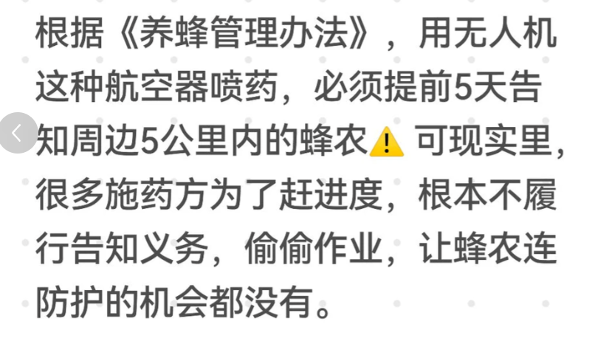
A discussion on social media about whether agricultural drones notify beekeepers before spraying. Source image: Xiaohongshu
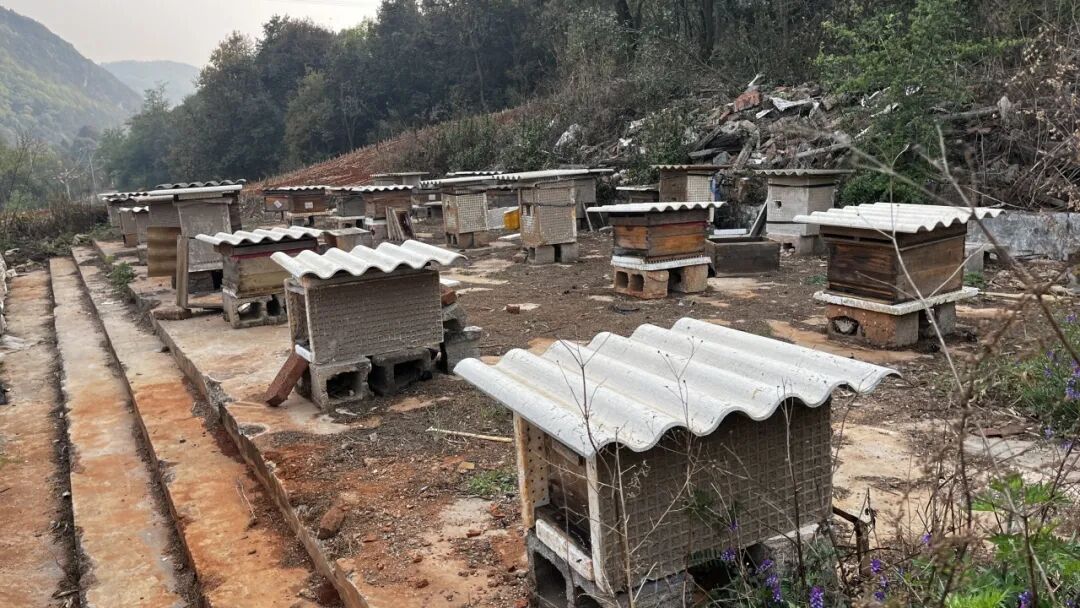
A beekeeper’s apiary in Shilin with around 160 colonies. An orchard sits right beside the hives. Source image: Li Chunliang
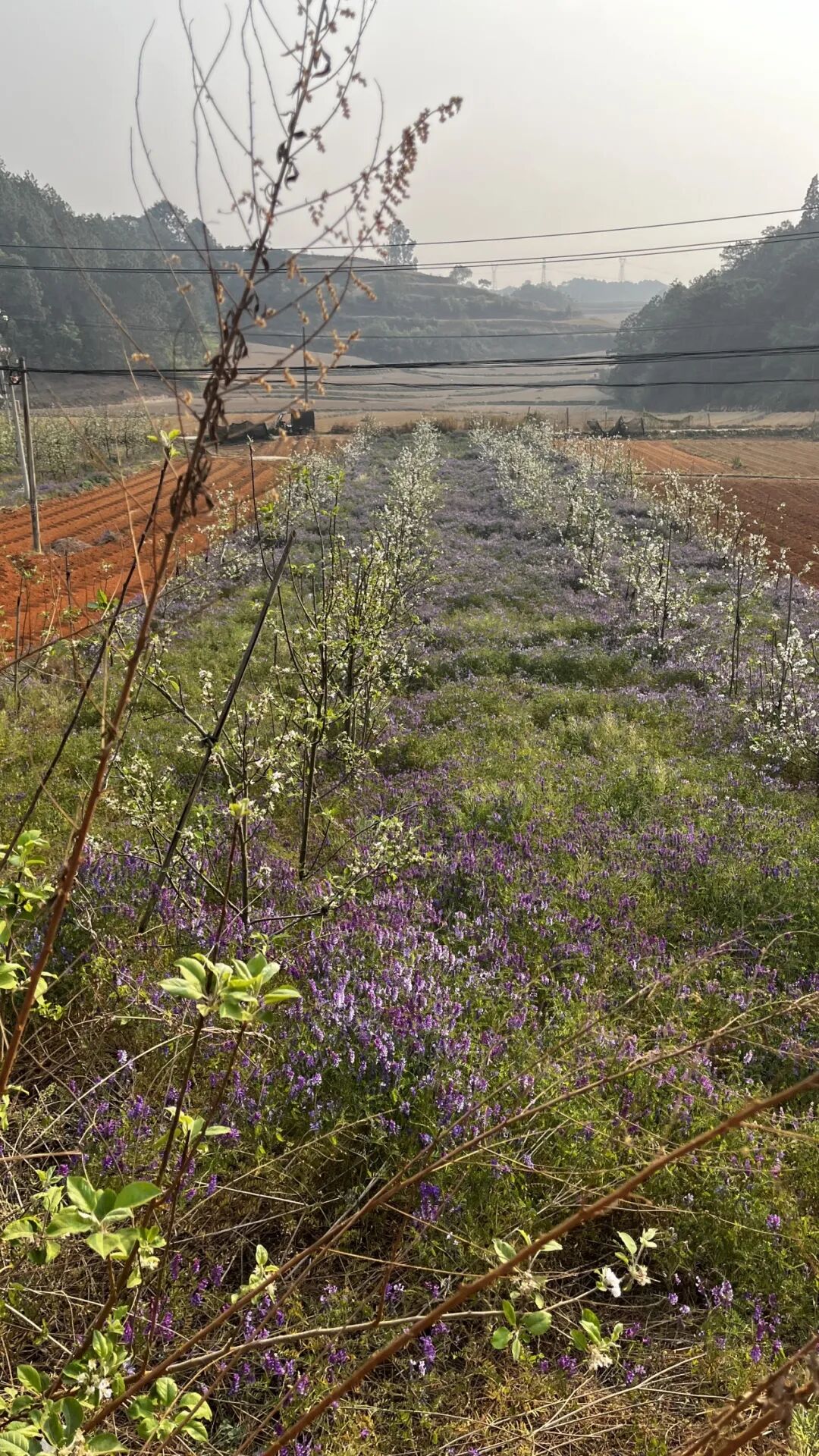
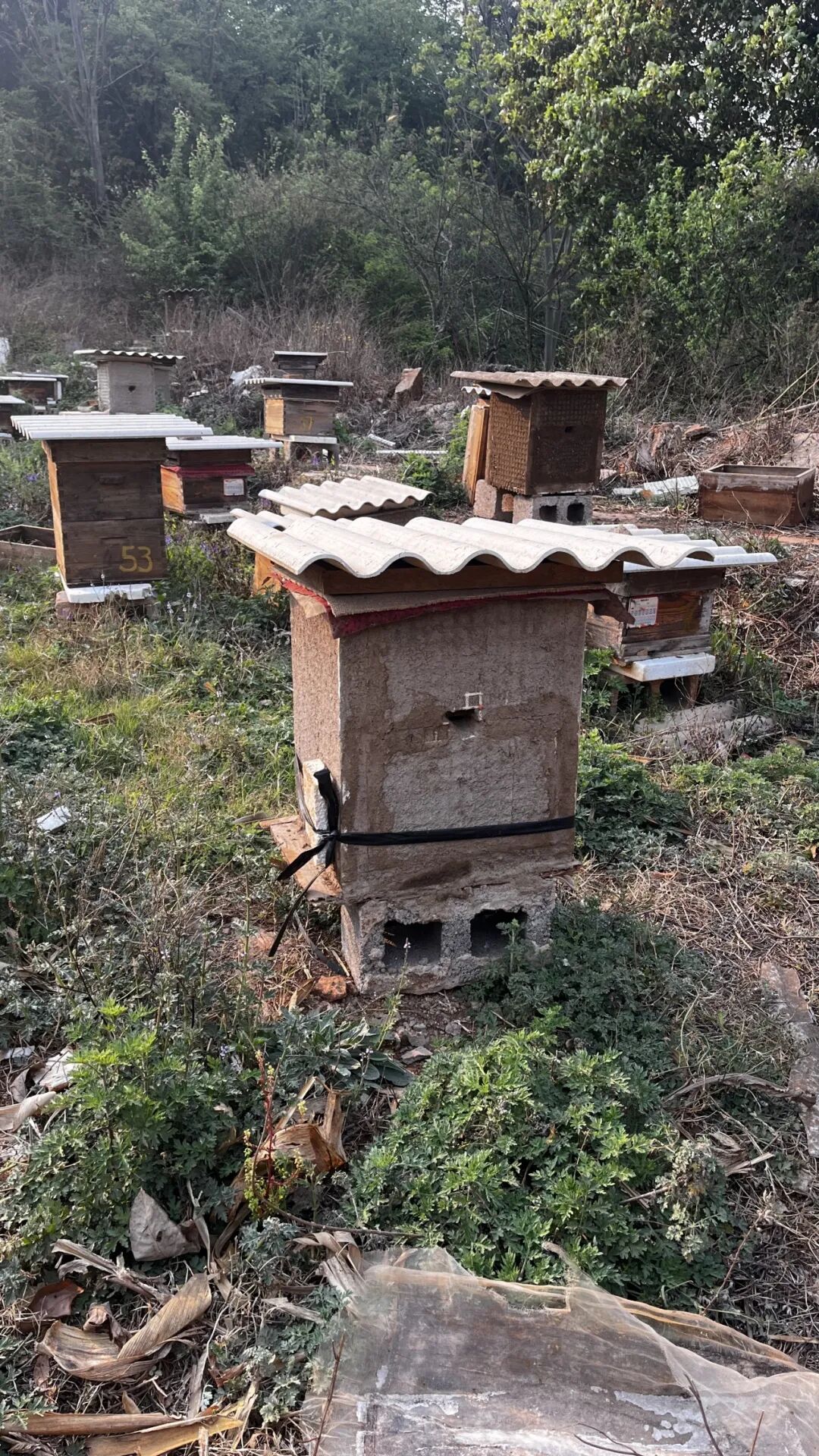
Worried that pesticide spraying in apple orchards would harm bees, Li Chunliang’s organisation worked with orchard owners to introduce green manure – in the photo, Chinese milk vetch, the purple-flowering plant – to improve the orchard’s ecological environment. Source image: Li Chunliang
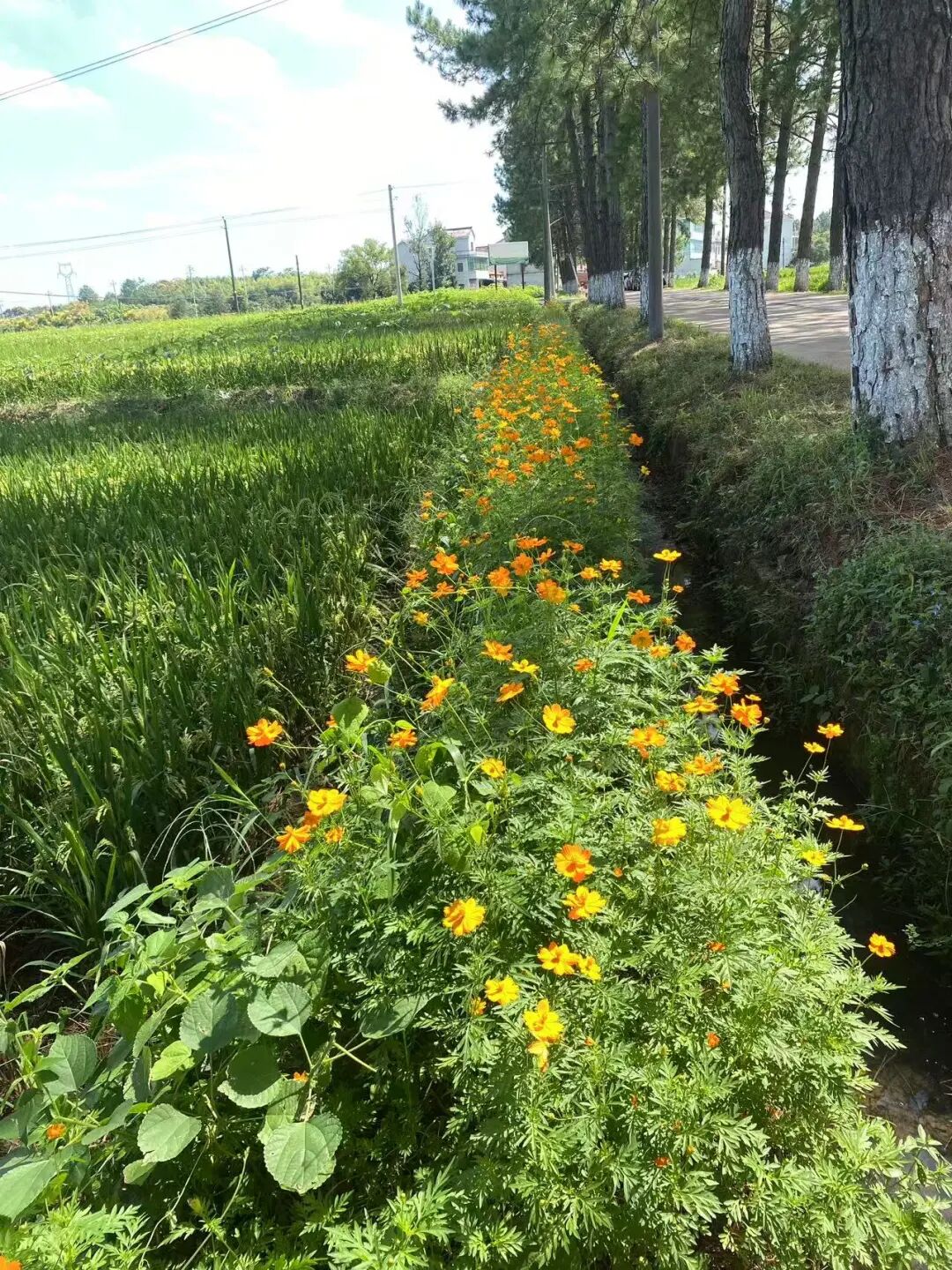
A wildflower-strip ecological project in Jinhua, Zhejiang. Source image: Zou Yi
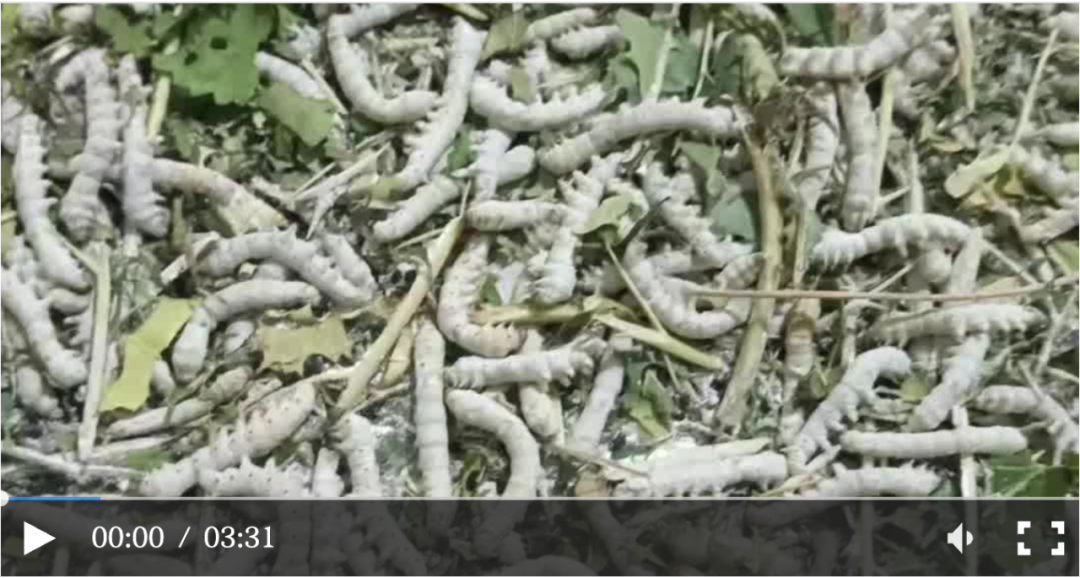
In the last episode, guest Yugang didn’t share the graphic photo of densely clustered silkworms dying, thinking it too distressing – so the editors have found one for you: in November 2025, hundreds of thousands of domestic silkworms in Hunan died after pesticide spraying by drones. Source image: New Hunan reporter’s investigation
Related Reading ▼
Scan the QR code below
On Xiaoyuzhou | Ximalaya | Lizhi | Apple Podcasts
Subscribe to the Food Talk podcast

Feel free to leave a comment in the reviews on any podcast platform – we’ll reply from time to time. Scan the QR code below to add Shitongjun’s secondary WeChat account, and note “食日谈” (“Food Talk”) to join the podcast listeners’ chat group.

Unless otherwise noted, all images are provided by the guests of this episode.
Podcast music: Banong
Production: Xiaojing
Editing: Pei Dan
Post layout: Minglin
Contact email