
Friend, Come to the Banquet | Eat Something Good Story

In China, if you want to understand a place properly, go and sit down to a local banquet. It does not matter whether you are from the village or from somewhere else, whether you have come from near or far, whether you are a relative or a neighbour, whether you know the people, or whether you can even find something to say to them. Once you are seated, sharing food and drink, you are no longer an outsider. The local food, customs, family talk, gossip and amusing little stories are all there at the table.
When it comes to banquets, Chinese people may share a few memories that are common across the country. You are all welcome to answer.
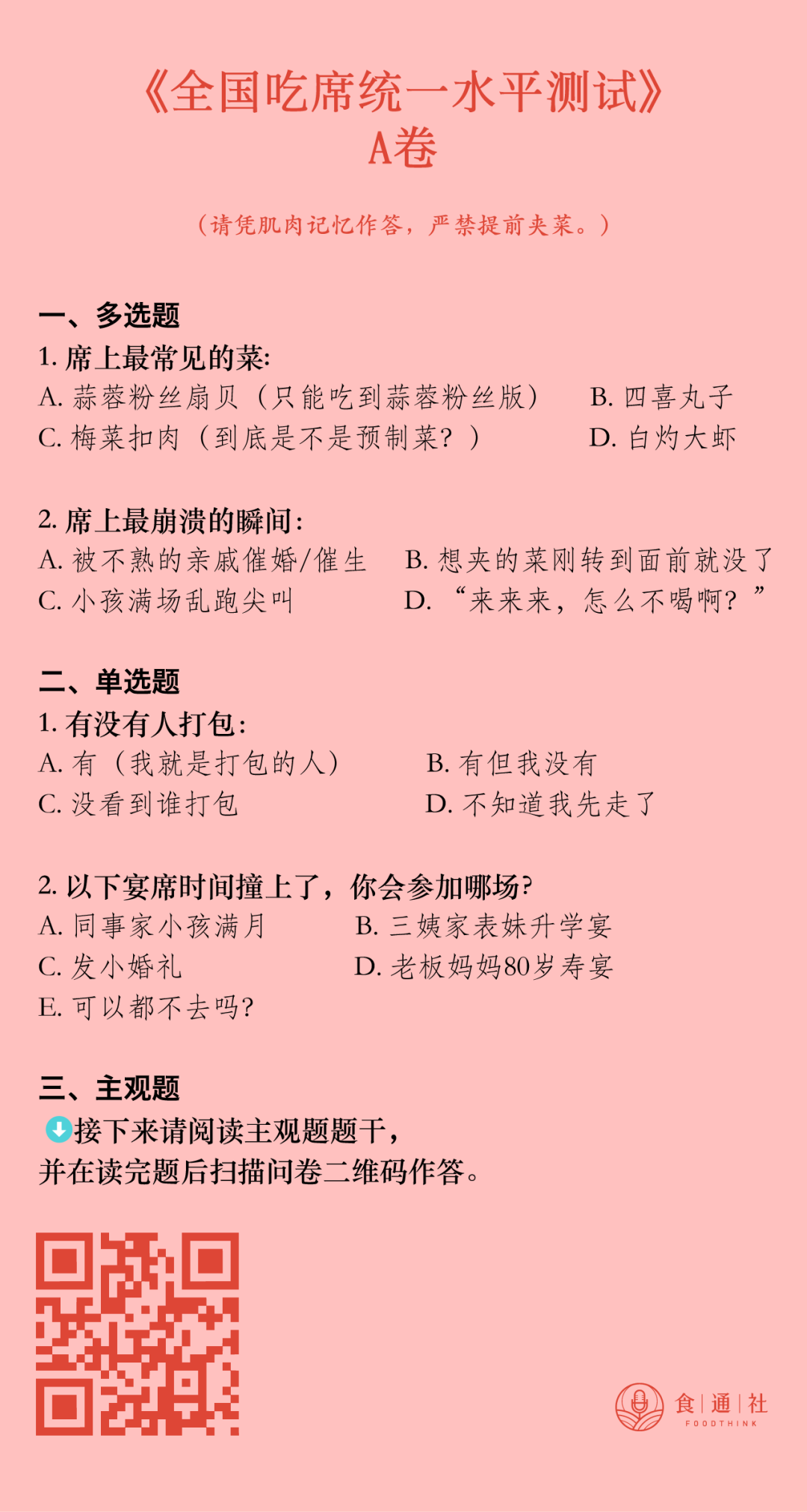
You could say that the world has as many banquets as it has joys and sorrows.
Mandarin-language cinema is especially drawn to banquets. Yi Yi opens with a lively wedding banquet, each of the main characters carrying their own private concerns; the sham wedding in Xi Yan grows more and more real as relatives and friends egg it on; a sham funeral in Luo Ye Gui Gen lays bare the warmth and coldness of human relations in rural society; and at the school-advancement banquet in Ni Hao, Li Huanying, two mothers quietly compete. Banquets are a natural setting for stories to unfold. Words that are usually left unsaid, emotions that are usually kept in check, finally have a chance to meet, with the banquet as the medium.
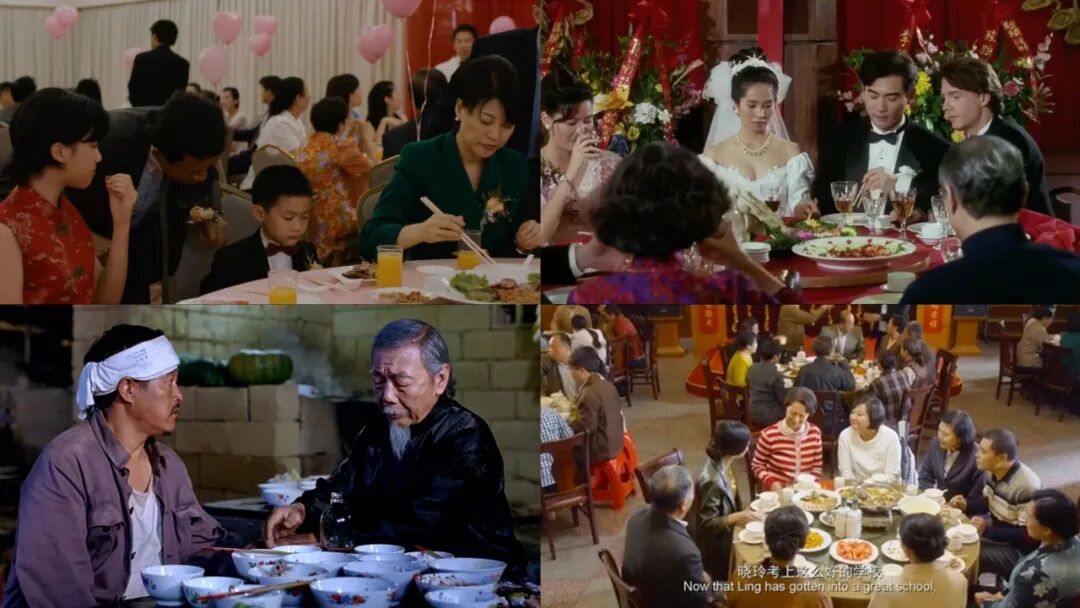
◉ From film stills: top left Yi Yi, top right Xi Yan, bottom left Luo Ye Gui Gen, bottom right Ni Hao, Li Huanying
In real life, banquets are far more than the dramatic conflicts in films. Chinese people have had a long history of eating around a table. From full-month banquets, wedding banquets and longevity banquets to school-advancement banquets and funeral meals, banquets have witnessed many important milestones in our lives.
For many people, memories of their hometown are also connected to banquets. Before the banquet begins, before dawn, a large pot is already set up in the courtyard; the village aunties sit in a circle picking vegetables and chopping; the hired rural cook stir-fries over high heat, turning out dishes for more than a dozen tables; the adults are busy looking after the guests, the children carry bowls and wriggle under the tables, and the dog gets a bowl of meaty bones to gnaw on, more than usual; after the banquet, everyone helps clear the tables, wash the bowls and chopsticks, and divide the leftovers to take home.
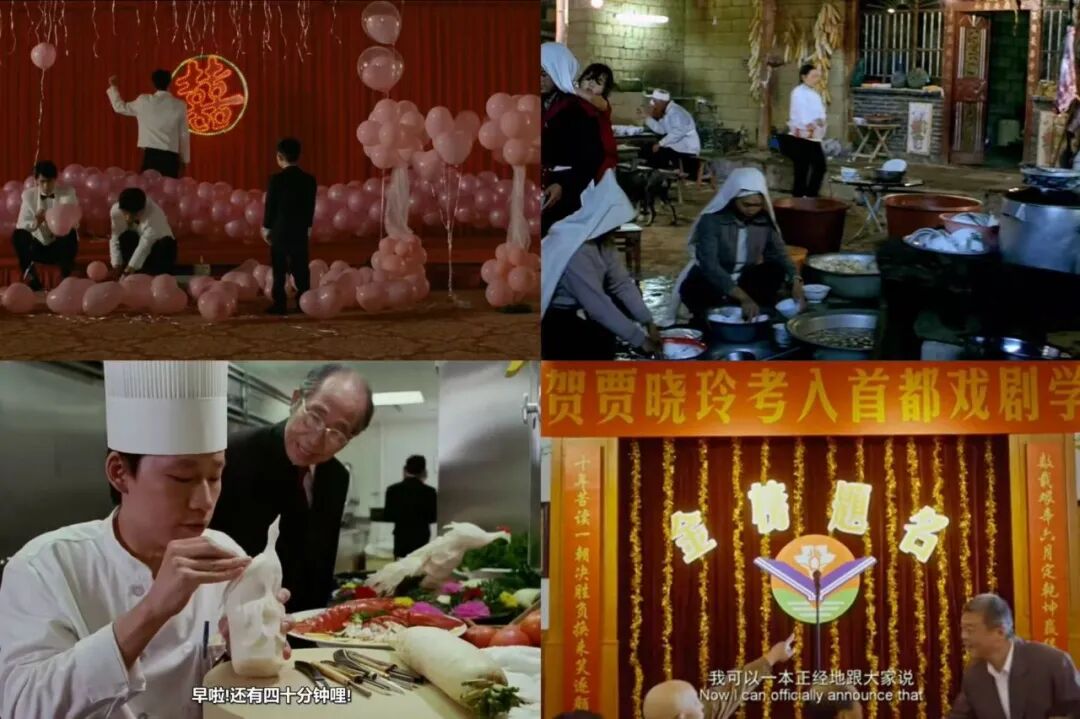
◉ Banquet preparation scenes in films. From film stills: top left Yi Yi, top right Xi Yan, bottom left Luo Ye Gui Gen, bottom right Ni Hao, Li Huanying
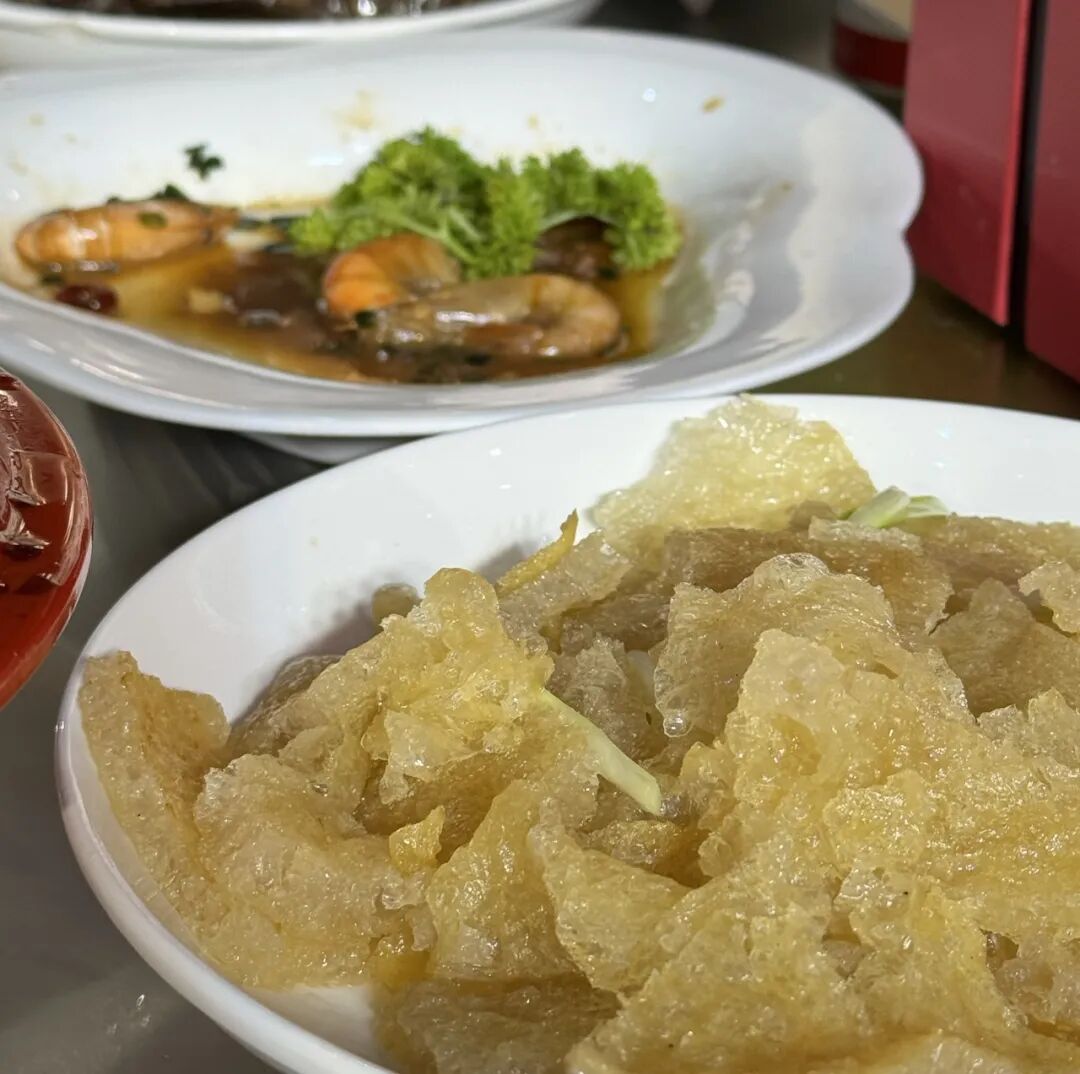
A single banquet table is also a microcosm of a place’s produce and local character, holding the local way of receiving guests and an understanding of “face”. Water regions have plenty of fish, mountains have bamboo shoots, and pastoral areas have sheep; some dishes even appear only at grand banquets. The north and the south each have their own “closing dish”: braised goose from Chaoshan, shao bai from Sichuan, zheng wan from Henan, guo bao rou from the Northeast…
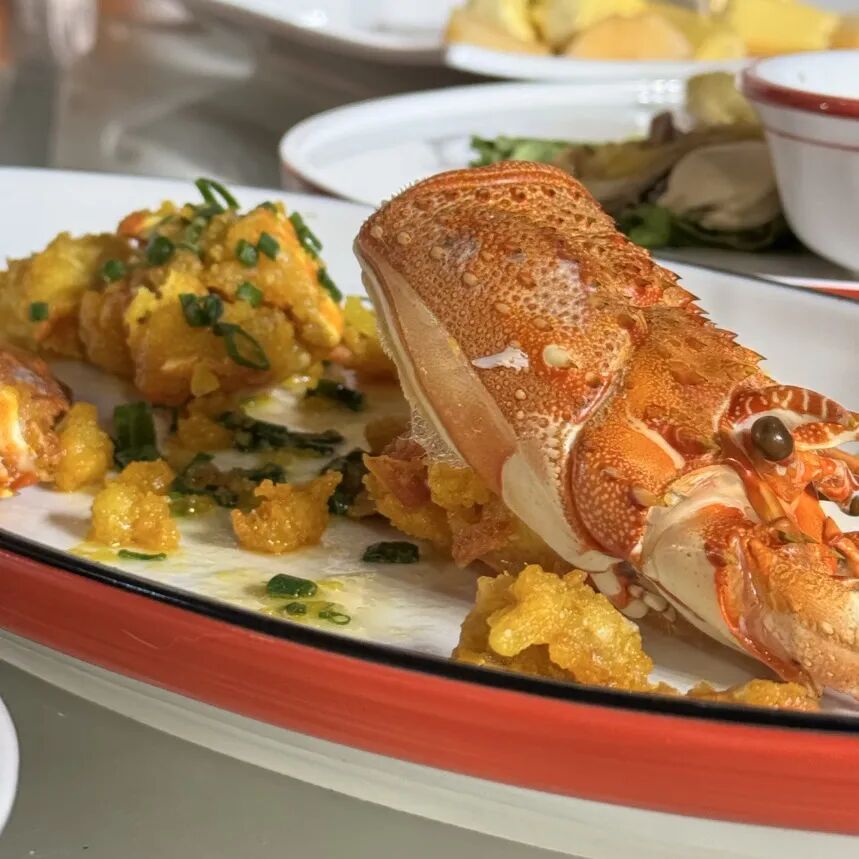
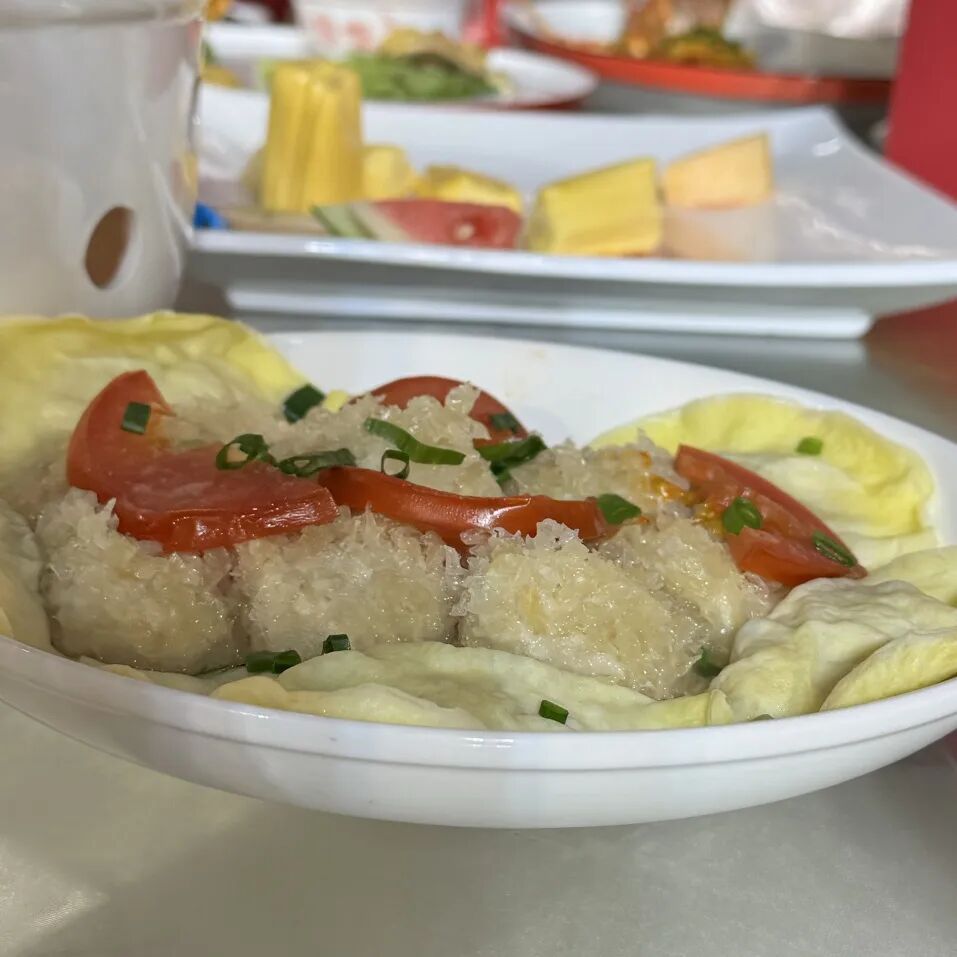
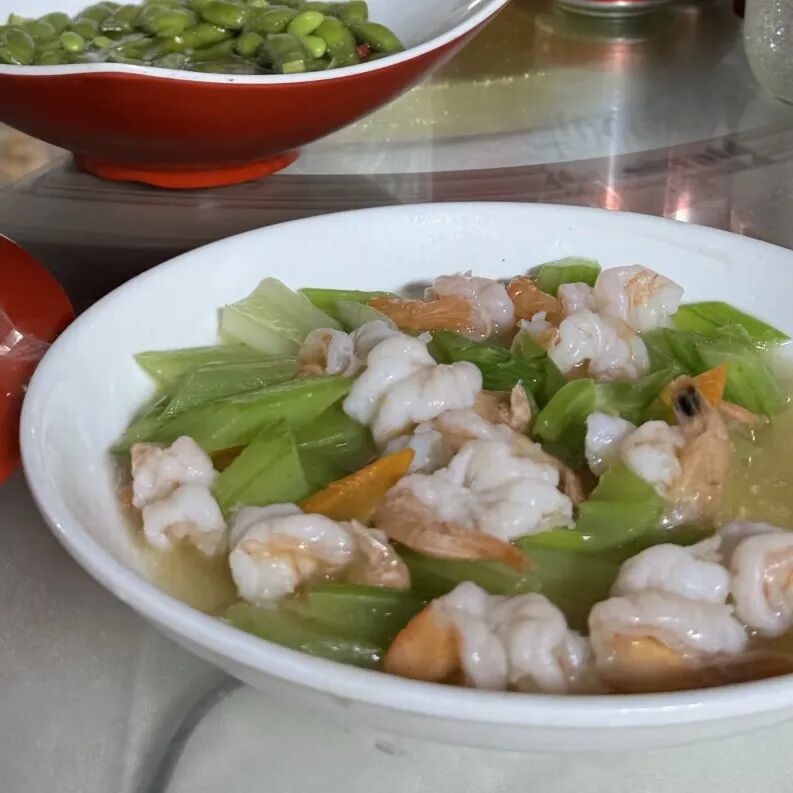
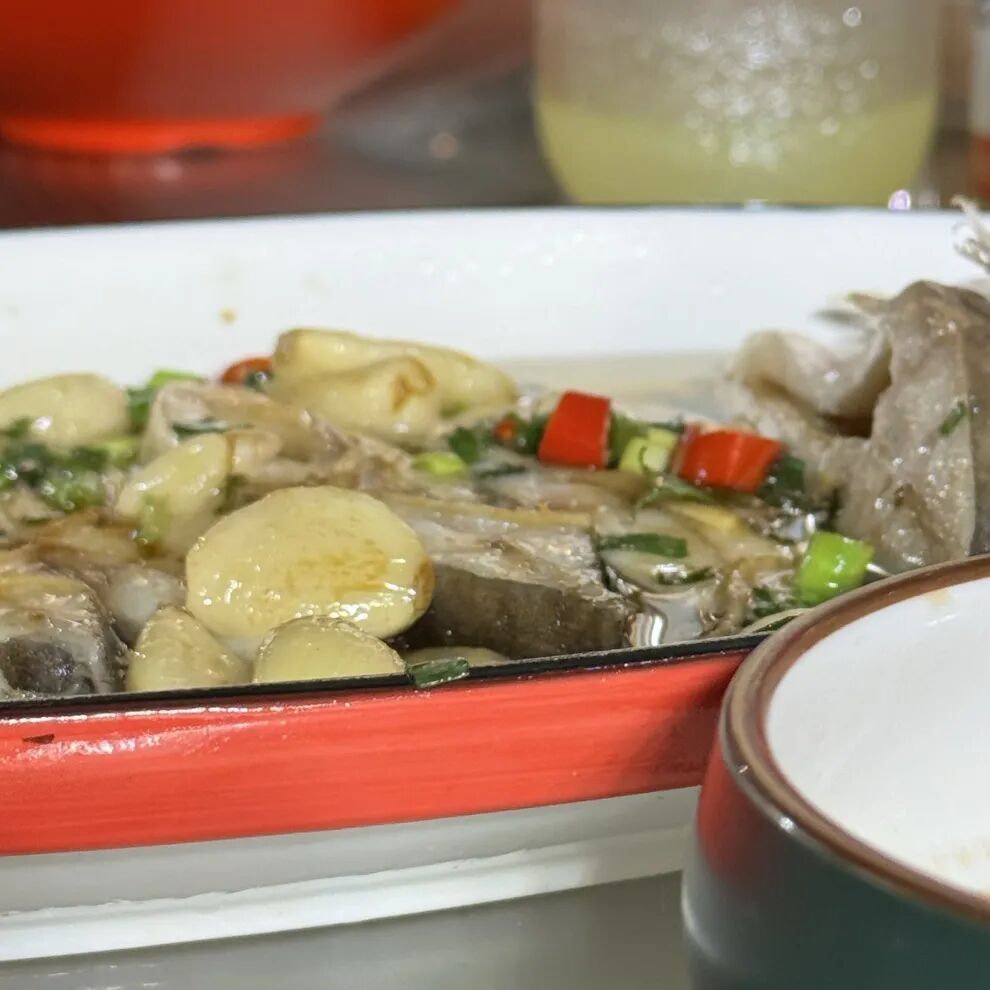
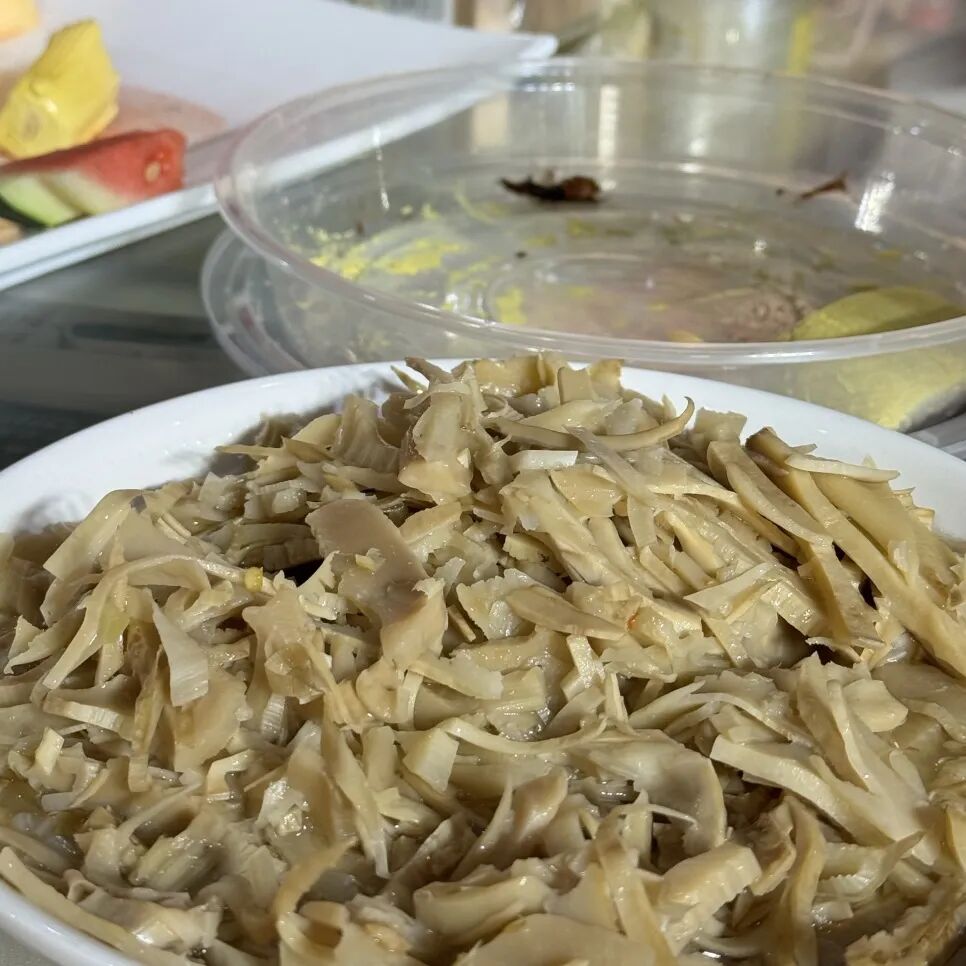
◉ Swipe right to view
Banquets have also continued to change. A single banquet table is a slice of the era, recording changes in Chinese people’s work, daily life and relationships.
Thirty years ago, the village’s continuous banquet was still held with tables, chairs, bowls and chopsticks borrowed from households, with the whole village helping and animals slaughtered and cooked on the spot. Back then, banquets were about inclusiveness and good cheer. Where there was a large banquet, no one was left hungry: add a pair of chopsticks, set out another table, and there was always a way.
Thirty years later, more banquets have moved, as people migrate, into the Dragon and Phoenix halls of hotels, and standardised menus have replaced many things that in the past relatives, friends and neighbours used to do together. Increasingly, young people choose lighter weddings, inviting only the closest people for a meal.
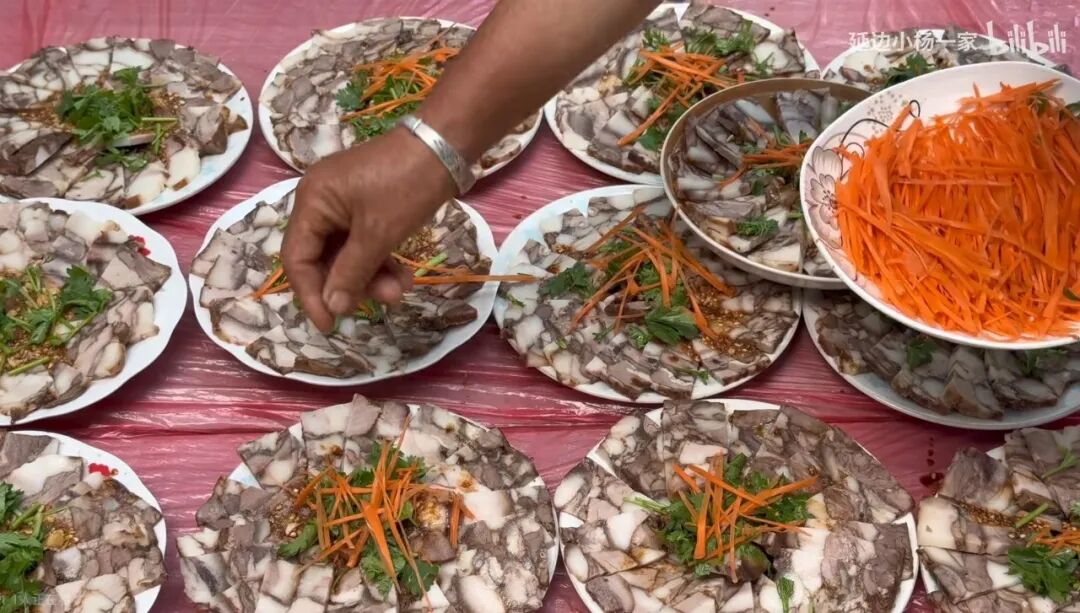
◉ A family-organised Northeastern grand banquet, with the dishes being prepared. Image source: Bilibili uploader @延边小杨一家
The dishes at banquets are becoming ever more lavish. All kinds of white and red meats are now standard fare, and seafood, Western food and Japanese food have also started to appear at some banquets. At the same time, ready-made meicai kou rou, braised lion’s head, huajuan, mantou and xiaolongbao are also being served at banquets. The table of dishes we waited and waited for as children can hardly surprise anyone any more.
The social dynamics of banquets are changing too. Many people feel that attending banquets has become a mere formality: cash gifts grow larger and larger, talk of being urged to marry or have children always comes up, and the small talk and one-upmanship at the drinking table are exhausting.
These changes are difficult to characterise simply; they merely mirror our ever-changing lives over these past years. But even today, banquets are still among the few moments that can bring a family, a community, a village together again. We want to record the lives that are changing.
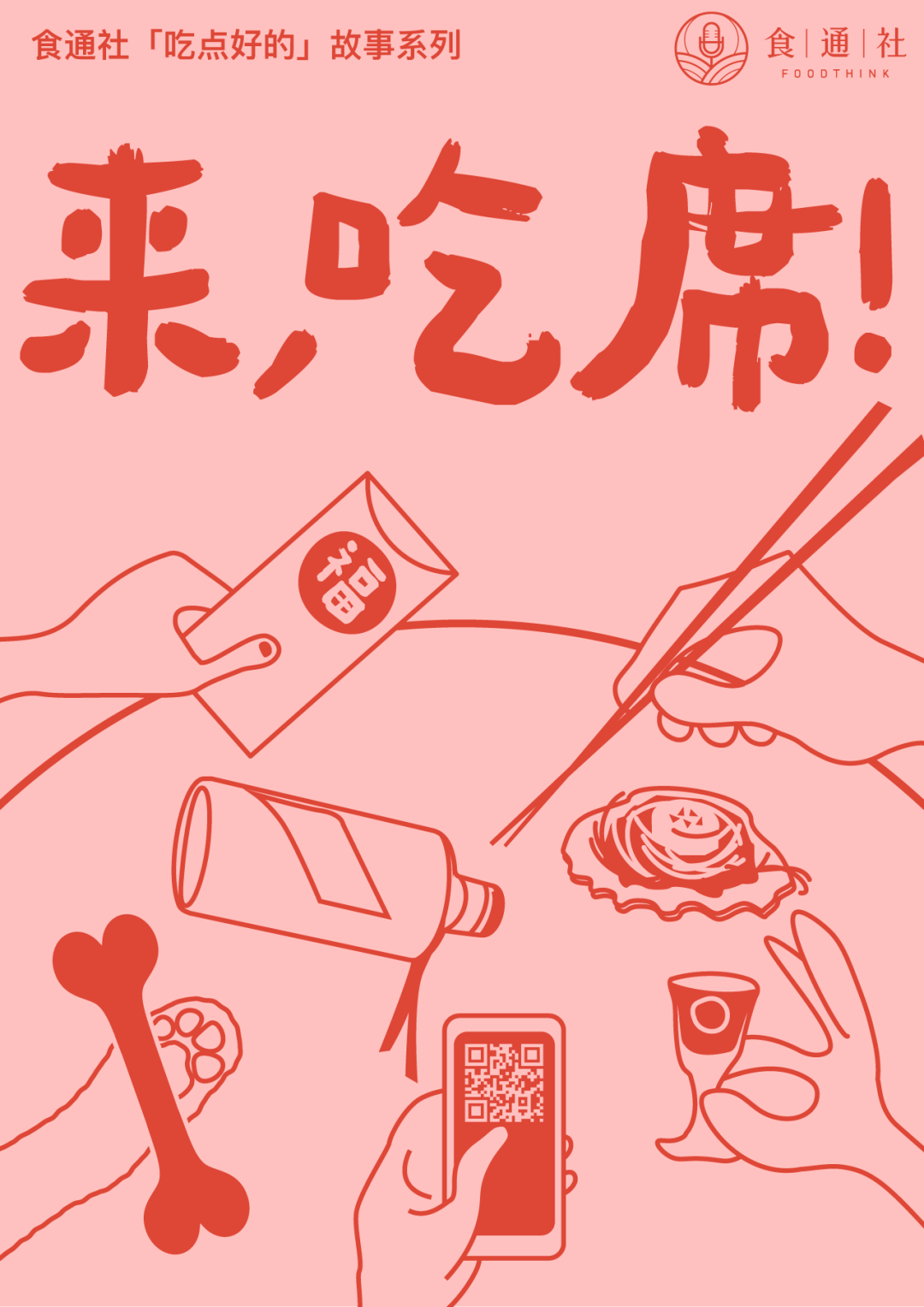
In this edition of “Eat Something Good”, we’d like to start a call for stories about banquets. It could be the most representative banquet dish from your hometown, a memorable wedding or funeral, an experience of being the host family for a banquet, a memory of your hometown, or your feelings about how banquets have changed in recent years.
Everyone is welcome to scan the QR code or click “Read more” at the end to fill in the survey. There is a chance your experience will be included in a Foodthink article. We will choose two readers from among the responses, send them gifts, and invite one reader to the office to eat, cook and wash up with Foodthink colleagues.

Planning: Li Ye
Poster: Z X
Editor: Yu Yang
Layout: Xiao Shu