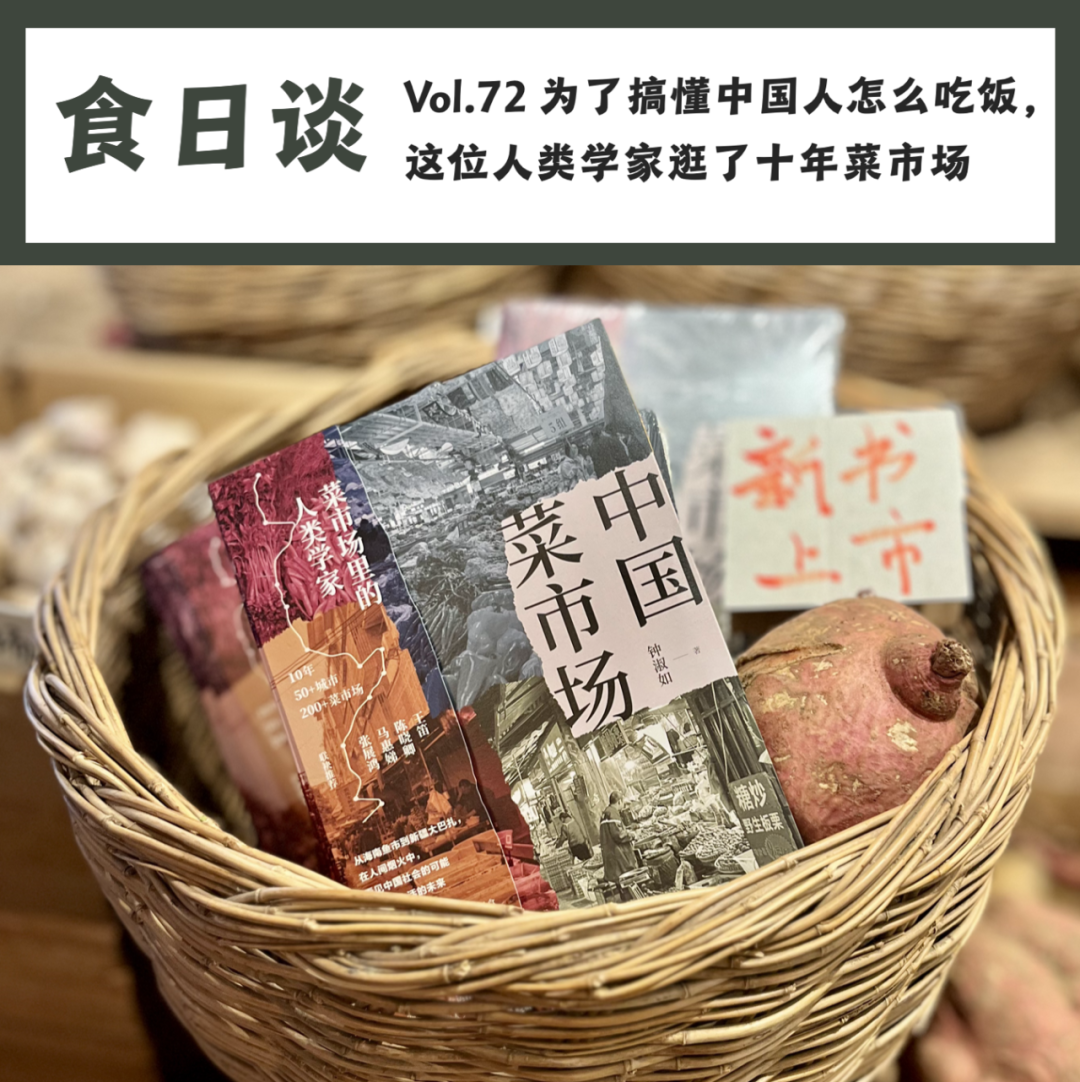
To Understand How Chinese People Eat, This Anthropologist Spent Ten Years Wandering Through Wet Markets

We seem to love talking about wet markets more than ever before.
Travel now means strolling through wet markets. On social media, wet market photography and wet market tours have become popular, while cafés, florists and stand-up comedy have all found a home in newly renovated wet markets. Wet markets are becoming an urban landscape, and even a gateway for young people to rediscover “the nearby”.
Ten years ago, anthropologist Zhong Shuru began studying wet markets. Over the following decade, she visited more than 200 wet markets in cities across the country, chatted with stallholders, vegetable growers and fisherfolk, recording how food flows and how the people in the markets live and change. This year, she has poured years of fieldwork and reflection into her new book “China’s Wet Markets”, trying to understand China’s sprawling food system through the doorway of the wet market.
In this episode of Food Talk, we have invited Zhong Shuru and qiran, a longtime friend of Foodthink, to explore the food lives of contemporary Chinese people through wet markets: How can a single wet market record a city’s migration history? Why are wet markets increasingly “eye-catching” even when business is not necessarily improving? How are Zuanxin in Kunming, Wuzhong in Shanghai, and Shuangjingtou in Wenzhou—these “star wet markets” that once frequently appeared on social media—doing now? When e-commerce can supply seasonal ingredients from across the country, do we still need wet markets?
The changes in wet markets are also linked to our way of life. Grocery shopping and cooking are, in themselves, a series of time-consuming tasks. Now food delivery, online fresh food shopping and community group buying are handling more and more of those steps, and the labour associated with eating is steadily being outsourced. We may have saved time on grocery shopping and cooking, but that has not given us more time; strolling through wet markets has instead become a kind of “luxury” and a reward.
As food becomes easier and easier to come by, do we really understand it any better? As we get to this point in the conversation, wet markets bring us to a more everyday question: in our increasingly fast-paced lives, how should we “eat well”?
In Zhong Shuru’s view, there is no single standard answer to how to “eat well”. Perhaps more important than “how to eat” is having a better understanding of the food we eat every day. Such understanding can be very concrete. Take a lychee, for example: where it comes from, who grows it, and through what distribution channels it reaches us; living in a place, what fish are in season, what fruit has come on the market, and what differences there are in flavour among different varieties—such embodied experience and knowledge are hard to gain from a “product detail page”.
Wet markets conveniently provide an entry point for understanding food and place. When she first began studying wet markets ten years ago, Zhong Shuru did not yet understand the local phenology, and through one encounter after another with stallholders, ingredients and seasons, she has built up a body of food experience all her own.
Beyond simply filling our stomachs, what other relationship can we have with food? And how much time are we willing to set aside for food, place and each other?
If you, too, would like to learn about food and wet markets, please turn to Zhong Shuru’s new book, “China’s Wet Markets”. Begin with a stall, an ingredient or a market, and explore the larger food system behind them. See where the food we eat every day comes from, and what people and places it connects with.
📚 If you’d like to buy a signed copy of Zhong Shuru’s new book, “China’s Wet Markets”, please add Foodthink’s assistant using the personal WeChat ID foodthink2. You can also join our listeners’ group.

This Episode’s Guests
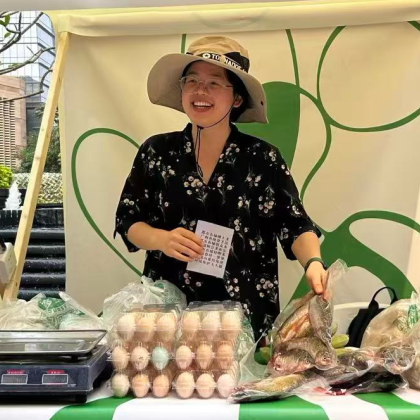
Zhong Shuru | An anthropologist at Sun Yat-sen University studying wet markets, and the author of “China’s Wet Markets”.

qiran | A freelance writer, formerly a culture journalist and international news editor.
This Episode’s Host
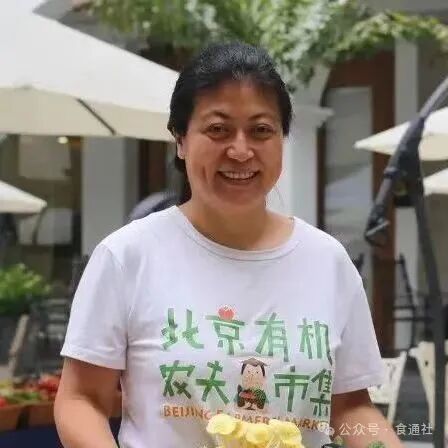
Tianle | Founding editor of Foodthink and convener of the Beijing Organic Farmers’ Market. Although there are four wet markets close to both home and office, the farmers’ market is the default, so wet markets are rarely used for food shopping.
Timeline
01:14 “China’s Wet Markets”, written over ten years: by the time the writing is finished, some wet markets that were once recorded have already disappeared
02:05 Wet markets are cross-sections of society, and also a doorway into China’s sprawling food system
05:15 What “attributes” should contemporary wet markets have?
09:34 Other than gentrification, is there a good path for the renovation and upgrading of wet markets?
11:33 When e-commerce starts learning from wet markets’ “localisation” and “differentiation”, why are wet markets still irreplaceable?
13:05 How does e-commerce, by manufacturing narratives to guide consumption, change the way we understand food?
16:24 Do wet market visits need guided tours? When everyday life becomes unfamiliar, we start becoming tourists in our own city
18:16 No two wet markets in the world are exactly alike; a wet market can also be a museum. Two guests from Guangdong add a bonus fact: what is “diao shui”?
20:44 From the history of wet markets, learn about a city’s transformations and culture: Shanyuan Market in Guangzhou and the Wenzhou wet market in Dahongmen, Beijing
24:10 Without a “leader”, is being a stallholder really so “free”?
26:22 The Hainan that fresh food e-commerce cannot conquer: why do young people in Hainan still visit wet markets?
29:59 The “three great mountains” facing wet markets
33:14 Life gets faster and faster, and we get better and better at saving time, but why do we have no time to eat well?
40:28 Eating well may not be a solo affair: Huizhou’s black pepper pork zongzi, and the taste of home
43:32 Paying “tuition fees” in wet markets is also a way to understand the real world
46:15 Writing a doctoral thesis for a public readership: how do anthropologists write for the public?
49:51 Easter egg: is a home-style restaurant the wet market of the catering system? Two guests from Guangdong add a second bonus fact: gongzhuang cai.
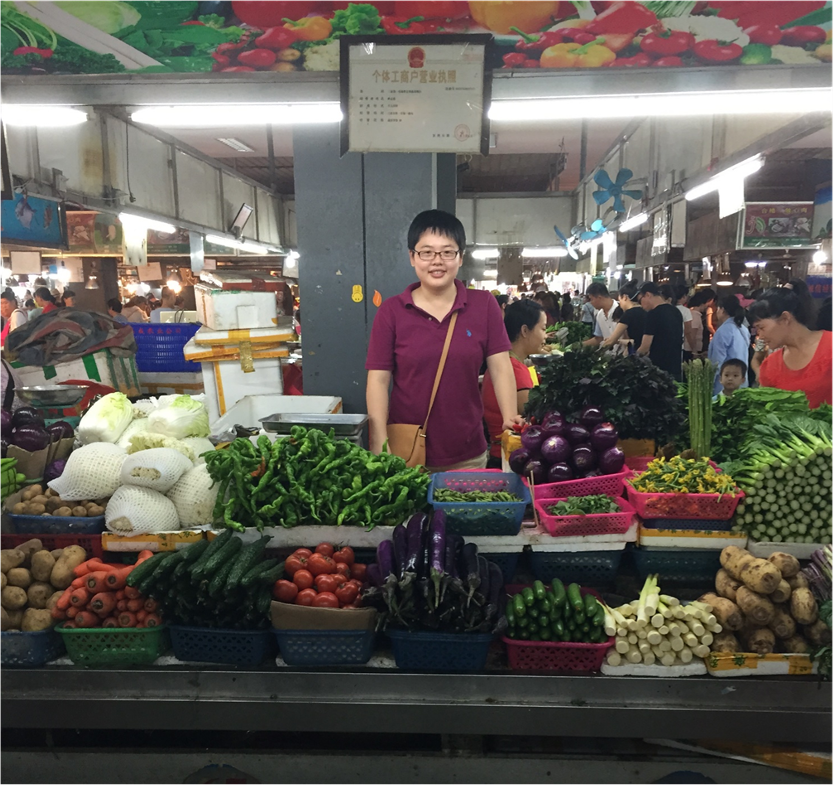
Zhong Shuru tries her hand at selling vegetables from a stall in a wet market in Hainan. Photo: Zhu An
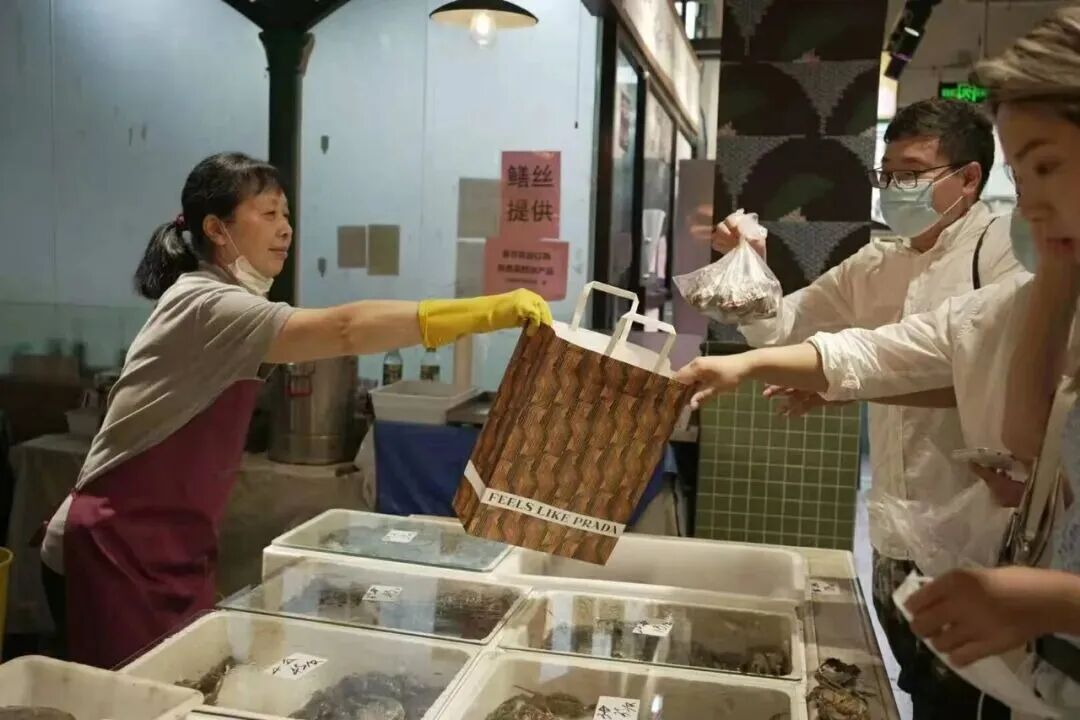
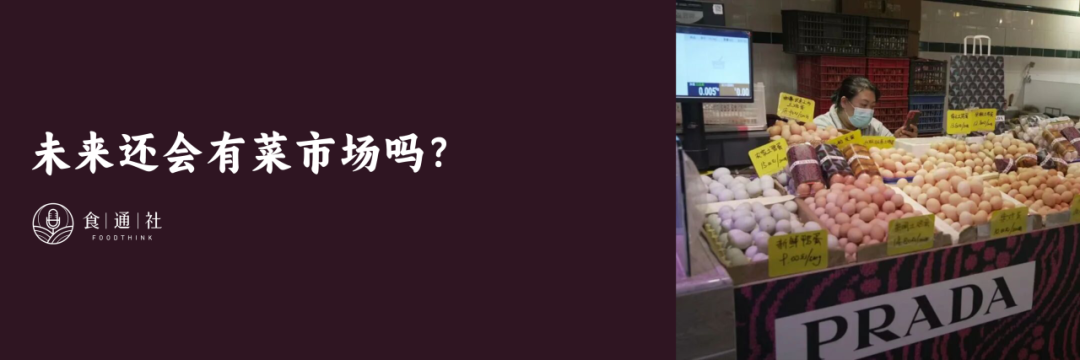
In 2021, during the collaboration between the Wu Zhong Road wet market and Prada, shoppers used Prada paper bags for their food shopping. Photo: Gao Erqiang
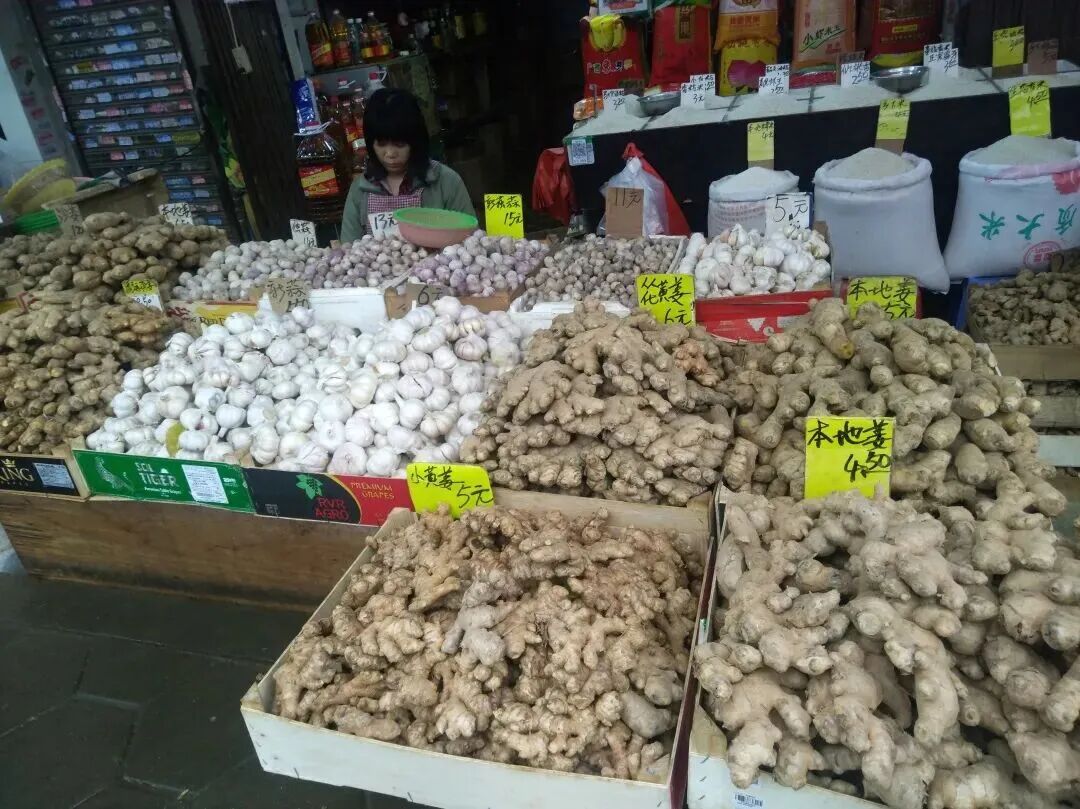
At a wet market in Guangdong, a single stall offers more than ten varieties of ginger, fully meeting the refined cooking needs of locals. Photo: Tianle
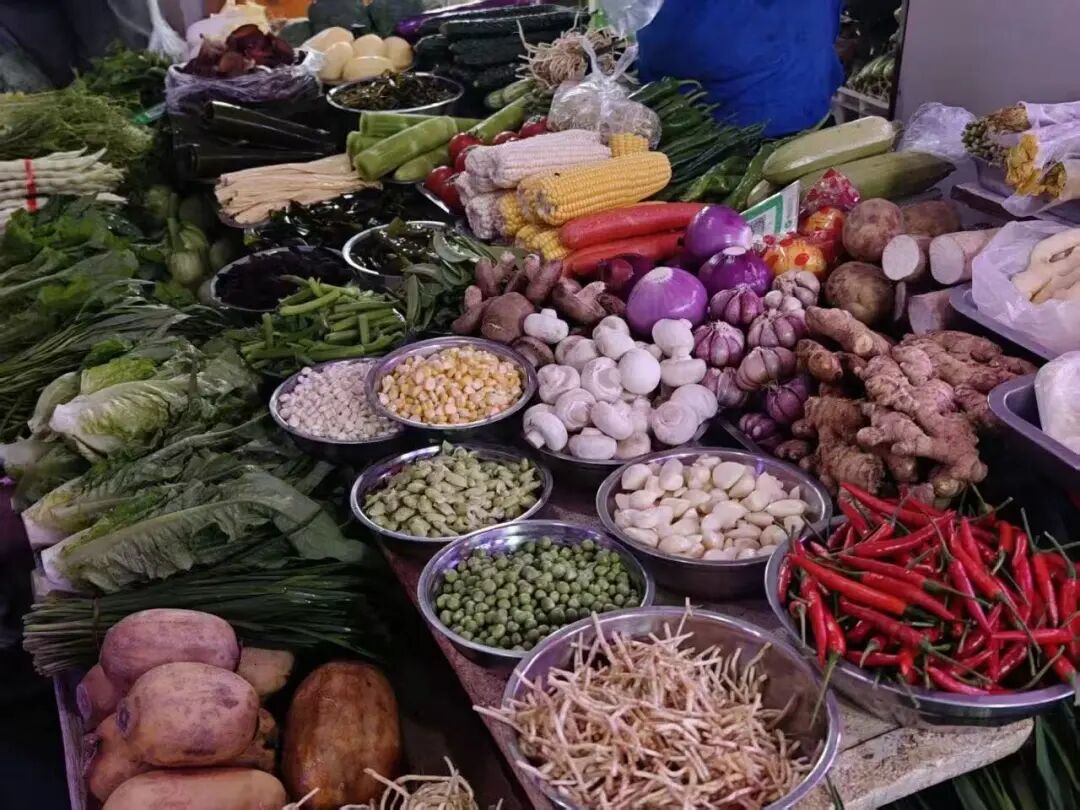
Local produce sold at a market in Duyun, Guizhou: fish mint, lotus roots, mushrooms, lettuce, maize and more. Photo: Sun Jia Xian
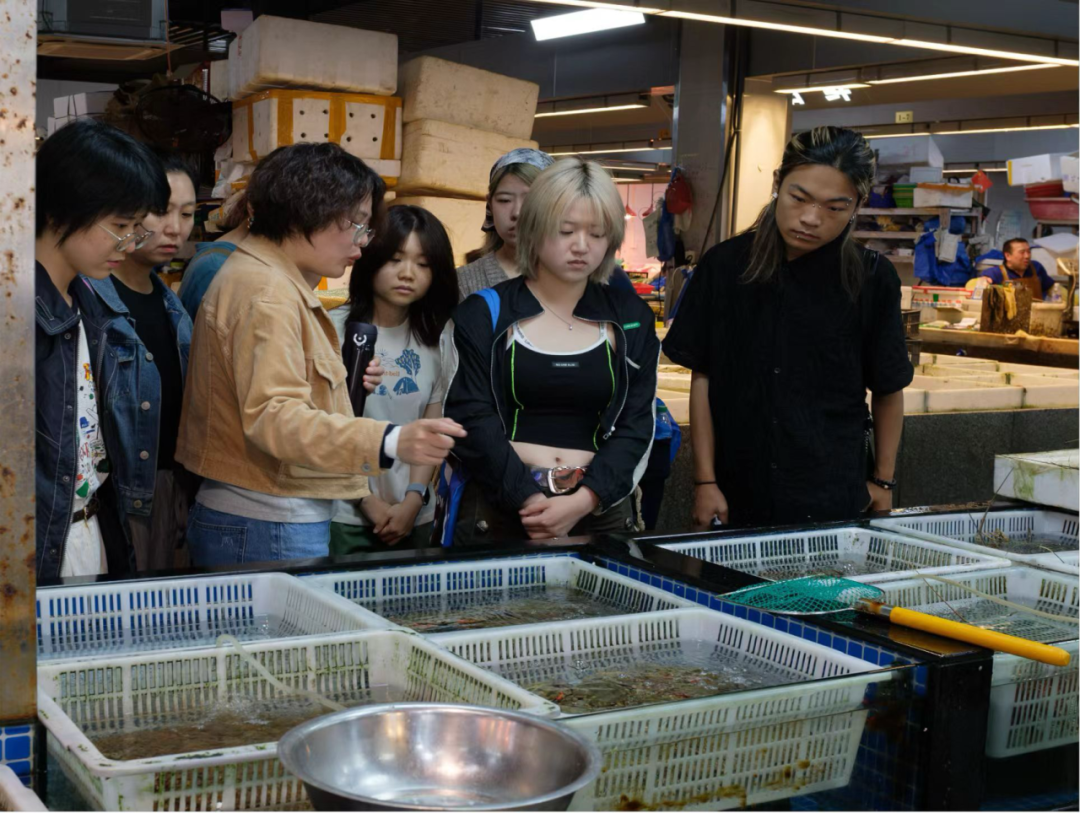
How do young people visit wet markets? Zhong Shuru often joins young people on wet market visits and has started a wet market research group with partners. Photo: Zhong Shuru
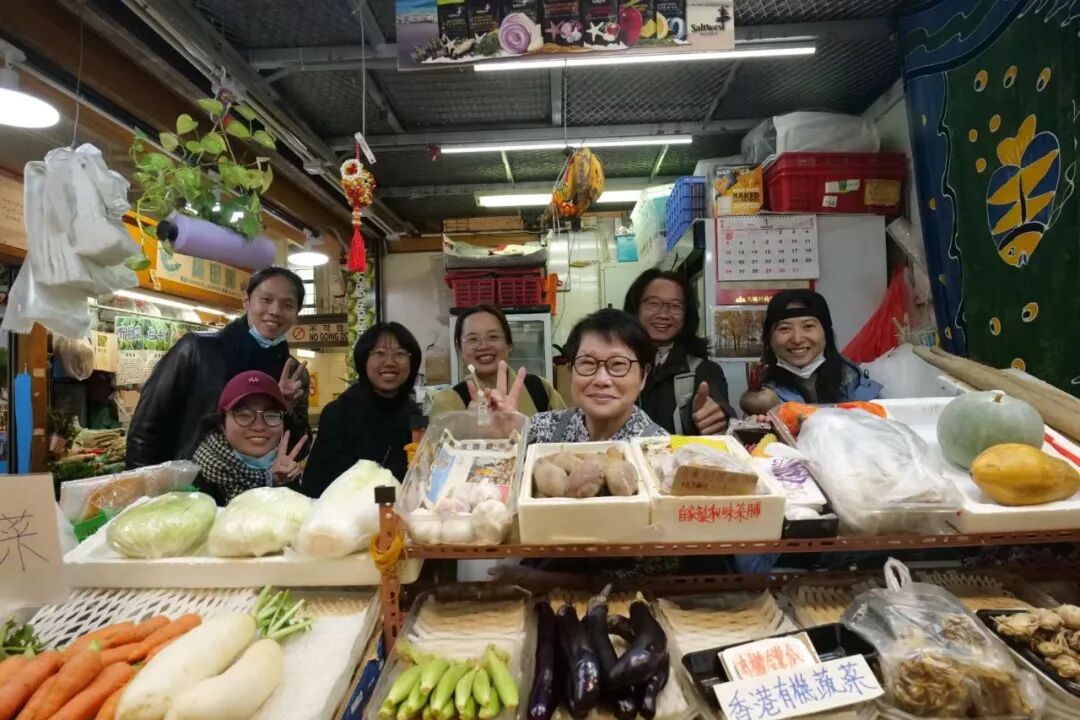
Zhong Shuru and partners from the Wet Market Research Group at Tai Po Market in Hong Kong. Image: Zhong Shuru
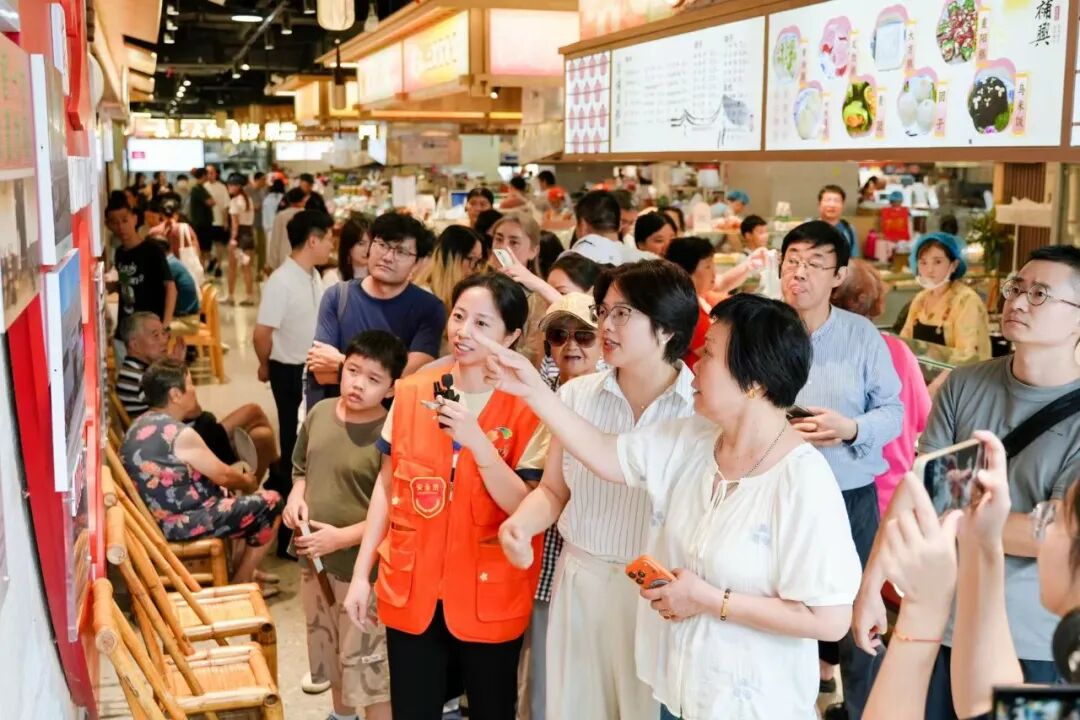
Zhong Shuru visits Caixiang Market in Suzhou with readers and neighbours. Image: Zhong Shuru
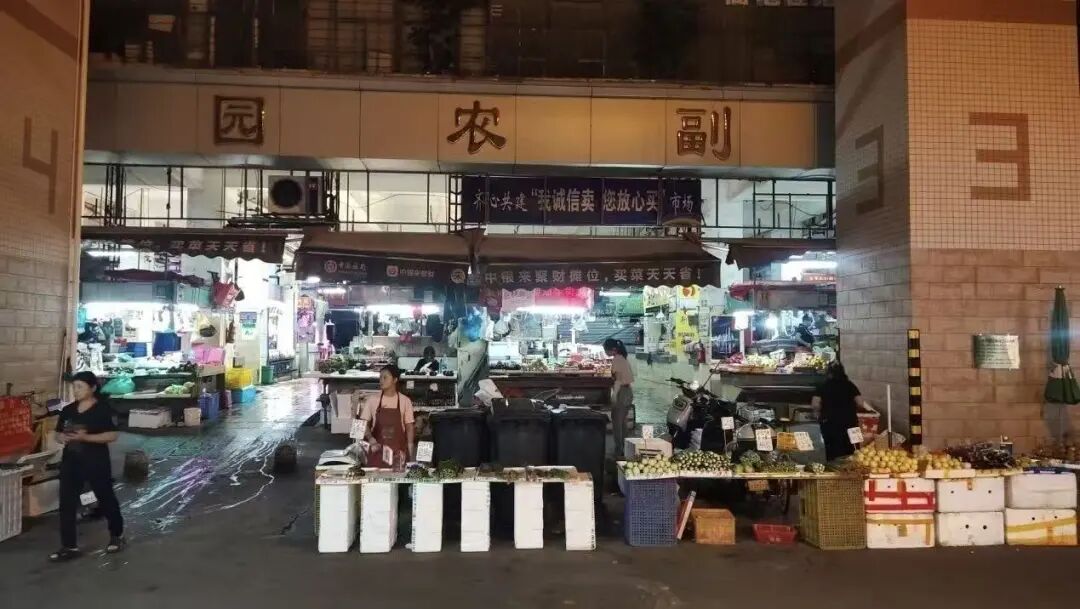
Shanyuan wet market in Haizhu District, Guangzhou, stands on the former site of Guangzhou’s first rubber factory. Image: Yi Ding, Su Yuan, Guo Yuan
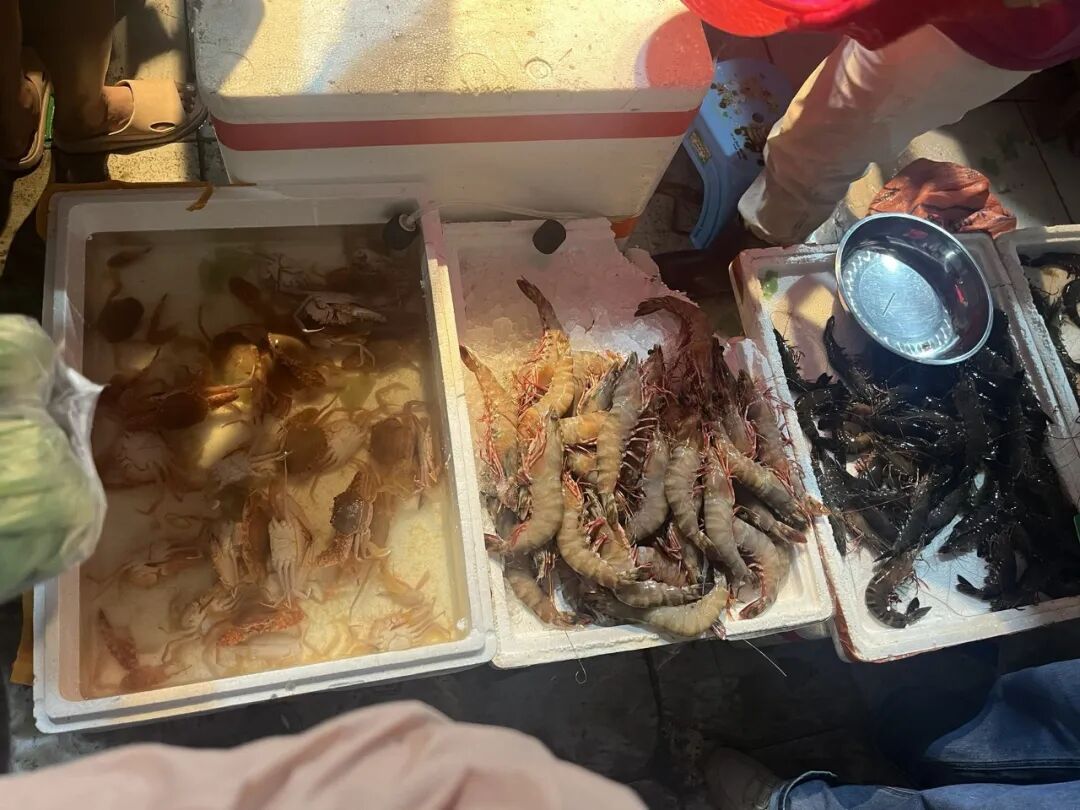
During the Spring Festival, all sorts of prawns and crabs take centre stage in Hainan wet markets. Photo: Kai Rui
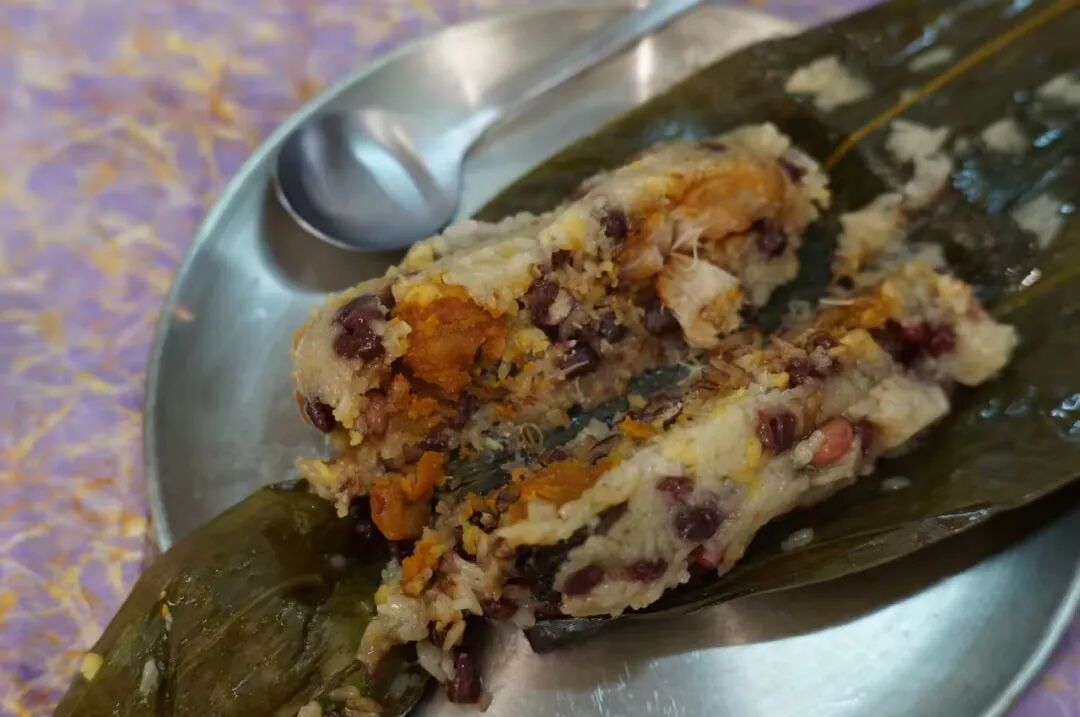
Huizhou’s black pepper pork zongzi made by qiran and friends. Photo: qiran
Related reading ▼

Scan the QR code below
On Xiaoyuzhou | Ximalaya | Lychee | Apple Podcasts
Subscribe to the “Food Talk” podcast

Feel free to leave a message in the comment section on each podcast platform; we will reply from time to time. Scan the QR code below to add Shitongjun’s WeChat secondary account, with the note “Food Talk”, to join the podcast listeners’ chat group.

Cover photo: ZX, cover design: Xiao Jing
Music: Ba Nong
Planning: Li Ye, ZX
Editor: Li Ye
Production: Xiao Putao
Post layout: Xiao Shu
Contact email
Scan the QR code to leave a tip and support original food knowledge
▼

▼
Click keywords to browse more article collections
Seeds | Agri-tech | Policy | Fermentation | Nutrition | Fruit | Fisheries | Events | Jobs | Delivery | Wet market | Livestock | Food Talk | Sharing sessions | Book club | Harvest festival | Smallholder stories | Climate change | Rural development | Cooperative economy | Urban farmers | Food safety | Digital technology | Biodiversity | Pandemic and food | False solutions | Ecological agriculture internship programme
Beijing | Hebei | Shanghai | Guangdong | Guangxi | Henan | Sichuan | Jiangxi | Xinjiang | Shaanxi | Hong Kong | Chongqing | Zhejiang | Jiangsu | Guizhou | Northeast China | Taiwan | Inner Mongolia | Philippines | Canada | Russia | Mexico | Italy | United States | United Kingdom | Germany | Netherlands | Thailand | Sweden | Japan