
World Food Day: What Technology Can Safeguard Food Security?
Foodthink says
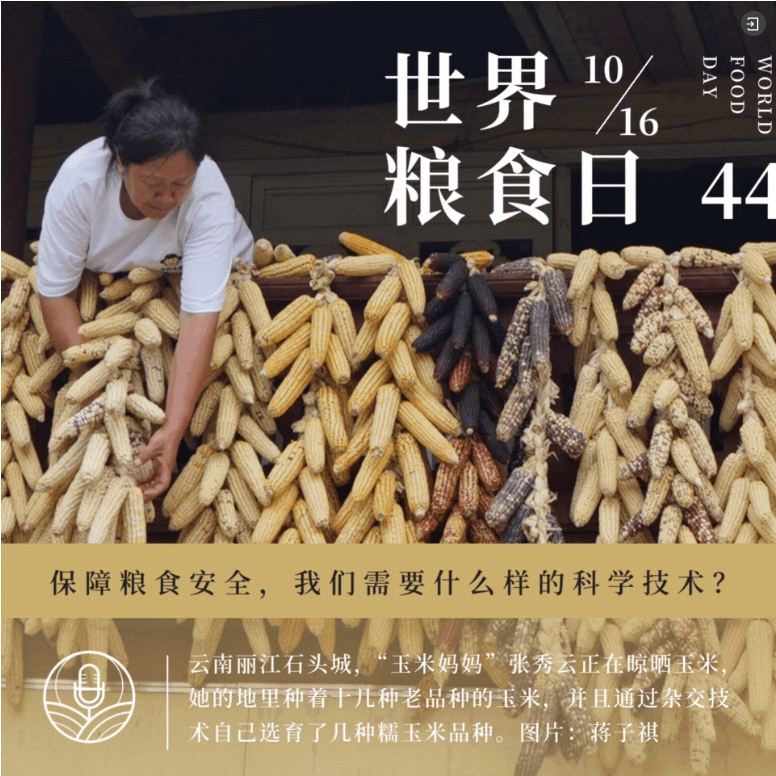
16 October marks the 44th World Food Day. The FAO (Food and Agriculture Organization of the United Nations) has set this year’s global theme as: “Food Security for the World, Building Better Lives Together, Creating a Brighter Future Together.”
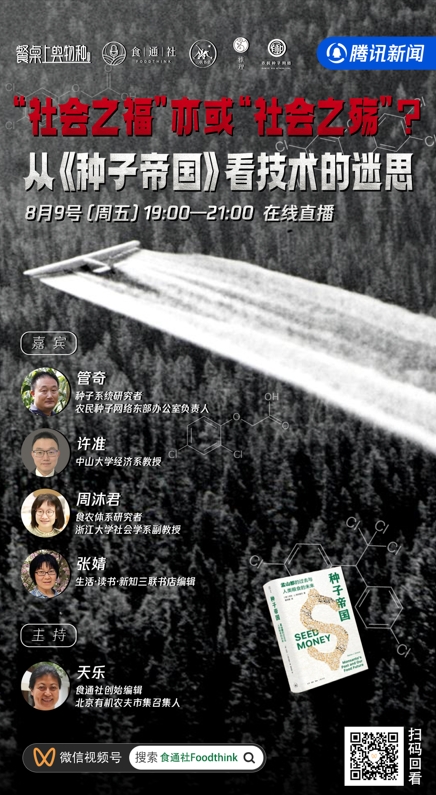
Genetic modification technology and its supporters and promoters have long packaged it as the best solution for ensuring food security. However, the new book Seed Empire, authored by scholars of American environmental history, uses meticulous facts and data to powerfully dismantle Monsanto’s genetic modification myth.
Around this work, several Chinese scholars and practitioners have also engaged in discussion: How should ordinary people understand genetic modification technology? How have these technologies relating to food and agriculture shaped our dietary systems? What kind of technology can truly safeguard food security? As ordinary consumers, what can we do?
I. The Complexity of Genetic Modification Technology Has Been Overlooked
What makes this case particularly interesting is that it challenges both supporters and opponents of GM alike. GM supporters blame inadequate government regulation and the infringement of the GM variety’s patent rights, but in practice, because the origin of this hybrid cannot be traced, no one can be held to account. For those who oppose GM, there is a significant challenge: what seeds do farmers actually need, and who should be meeting those practical needs? Can our public plant breeding system, for instance, fulfil that role?
II. Will the General Public Continue to Be Beneficiaries of Future Technological Progress?
To give an example, in the 1960s, the Indian government agreed to pursue the Green Revolution, introducing high-yielding crop varieties in the hope of using technology to boost production. At the time, many people had great expectations for the Green Revolution, including narrowing the gap between rich and poor in society. But the evidence showed the exact opposite. These high-yielding varieties were more expensive than local traditional varieties, and growing them required large amounts of water and good irrigation conditions. However, rural infrastructure in India was generally poor, and in fact these high-yielding varieties not only failed to help farmers who were already poor but actually intensified poverty in some areas.
So I believe we should not support or oppose science and technology in general, abstract terms; rather, we need to analyse specifically what a given technology will bring under the particular social conditions of the present moment.
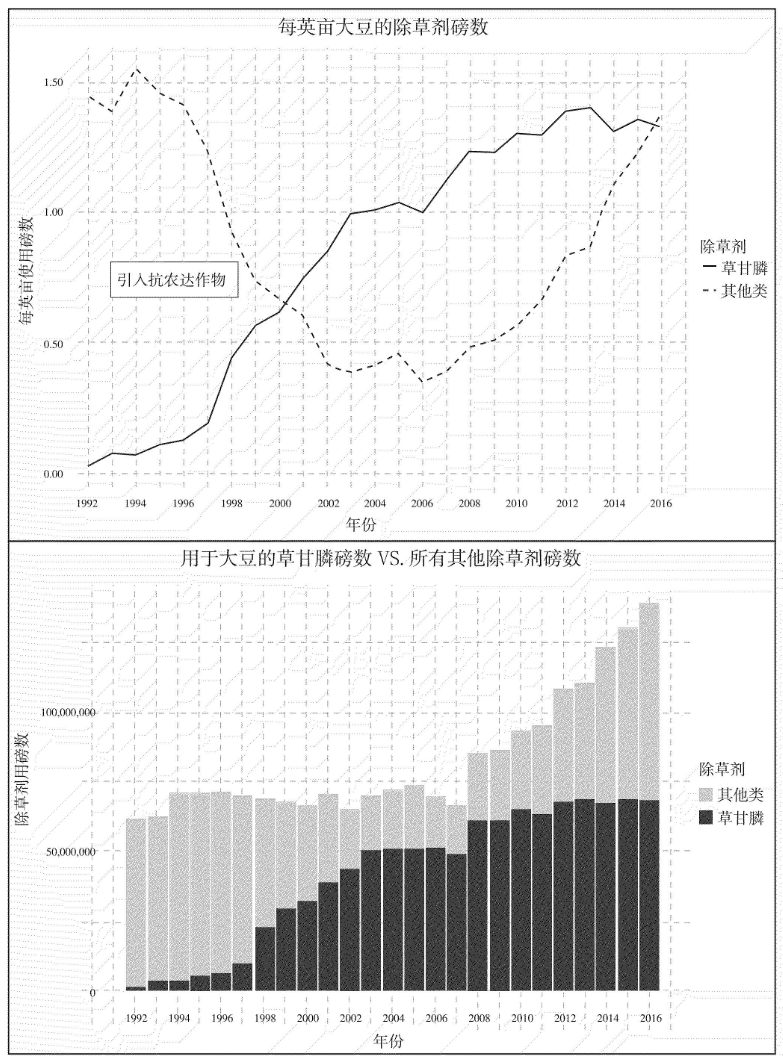
Taking Monsanto as an example, the book reveals numerous problems with its technology – problems that do not even operate at the level of science. Whether it is herbicides or pesticides, their researchers merely discovered in some experiment that the product was effective at killing weeds or pests. That discovery then became a kind of technical secret, a patent, a money-making formula. But why it works, what the underlying principles are – they are not actually interested in that, nor do they encourage scientific discussion. Their contribution to science is therefore limited.
III. How Can Breeding Technology Better Serve Farmers?
So the question is whether we can now establish a support mechanism that enables farmers to regain mastery of these techniques and knowledge. The Philippine case shows that farmers not only have the potential to acquire these techniques and knowledge but, once they have, can select and develop varieties that meet their own needs.
Building this social support mechanism cannot rely on civil society organisations alone, because they are limited in funding and manpower and can only carry out local demonstrations. Ultimately, it may need to return to the public plant breeding system. Our country once established a powerful agricultural research and extension system, but how these systems can function effectively now and how they can properly understand farmers’ needs requires reflection.
Take the early stage of Mexico’s Green Revolution, for instance. Even within the Rockefeller Foundation, there were disagreements about how to approach seed promotion. Among the project officials at the time, there were broadly two disciplinary backgrounds: some had a scientific research background and wanted to directly transplant high-yielding varieties from the United States for promotion in Mexico; others had a social science background and stressed promoting the varieties that local farmers most needed, advocating the improvement of local landraces so they could adapt to Mexico’s specific environment.
These were, in essence, two different development paths. Looking back at this history, we can see that the social-science-informed approach was ultimately marginalised. Everyone tended to favour abandoning the time-consuming work of improving local varieties, and as a result, many of Mexico’s maize landraces were replaced. In the end, it was Mexico’s large farms that benefited, not the many smallholders.
Beyond the vertical process of transferring technology to the general public or to farmers, the breeding industry also has a horizontal dimension. When breeders work on variety improvement, a fundamental prerequisite is that the diversity of seed resources must be safeguarded. Because reducing the uncertainty and complexity in the breeding process is best achieved, most efficiently, by carrying out pre-breeding and selection on a large scale using diverse germplasm resources.
Competition pressure among seed companies or agribusinesses is now extremely intense, and market concentration is rising. Because of this competitive relationship, information is not shared between individual laboratories and companies, as breeding materials constitute trade secrets. This very often prevents collaboration between them.
For example, Argentina’s GDM is one of the world’s very large soybean biotech breeding companies, with 700 experimental stations across 15 countries. It stores an extensive collection of germplasm resources and has carried out an enormous amount of selection work, accumulating a tremendous advantage. A company with such a massive stock of seed resources exerts enormous pressure on later-arriving countries and companies. In fact, many biotech breeding companies simply buy germplasm resources directly from them before carrying out their own GM research.
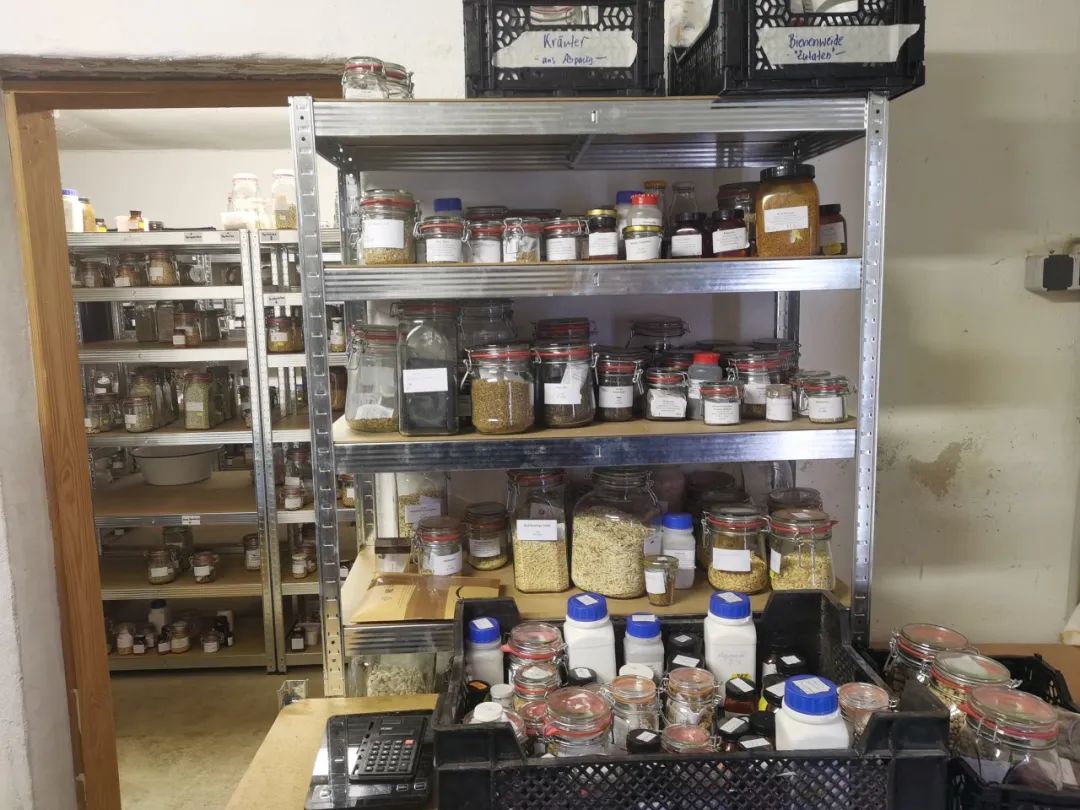
But who preserved these germplasm resources in the first place? It was, in fact, the farmers. We work by a principle we call “seeds held by the people.” Why do we consistently support farmers in preserving and protecting the seed resources they still have? Because only by saving them first can we later work to unlock the potential in these landraces. All of this lays the groundwork for pre-breeding and for meeting diverse social needs.
So bringing farmers into the process – and bringing consumers in too – is extremely important. As consumers, we can communicate our consumption preferences – for example, “I don’t want fruit that is so sweet” – to breeders. Breeders, in turn, have opportunities and channels to learn about this information and adjust their breeding objectives to meet social needs.
IV. Do Consumers Really Know What They Want to Eat?
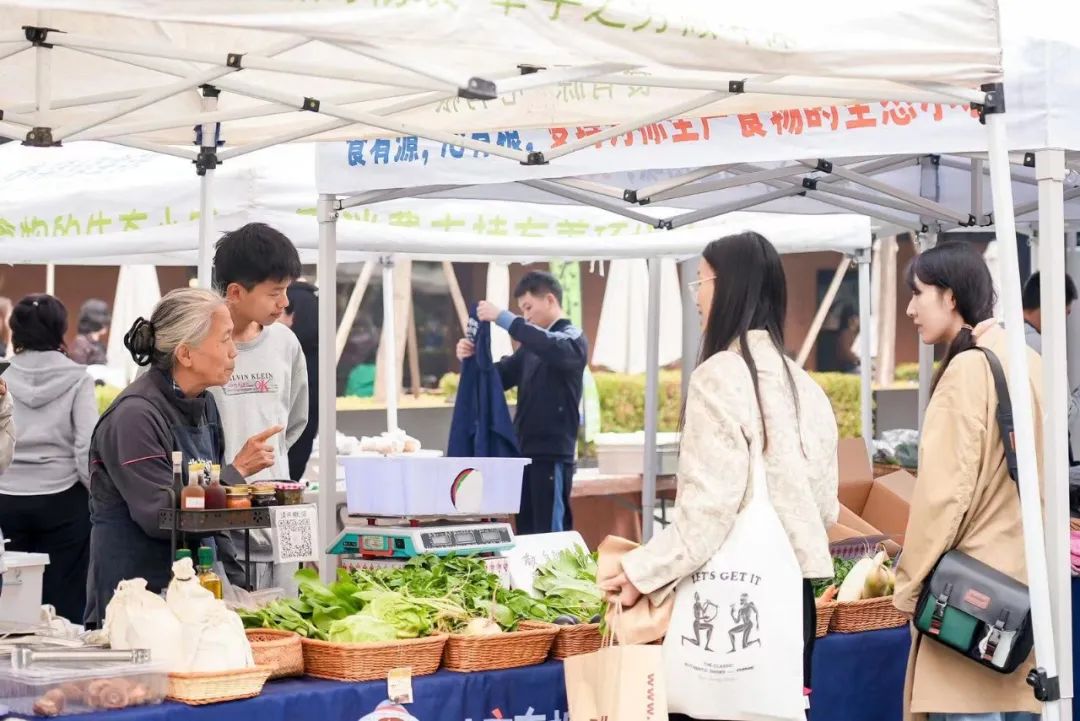
Will consumers in the future have more opportunities to choose produce and food that are kinder to the environment and to producers? This is a question we all need to work together to find an answer to.
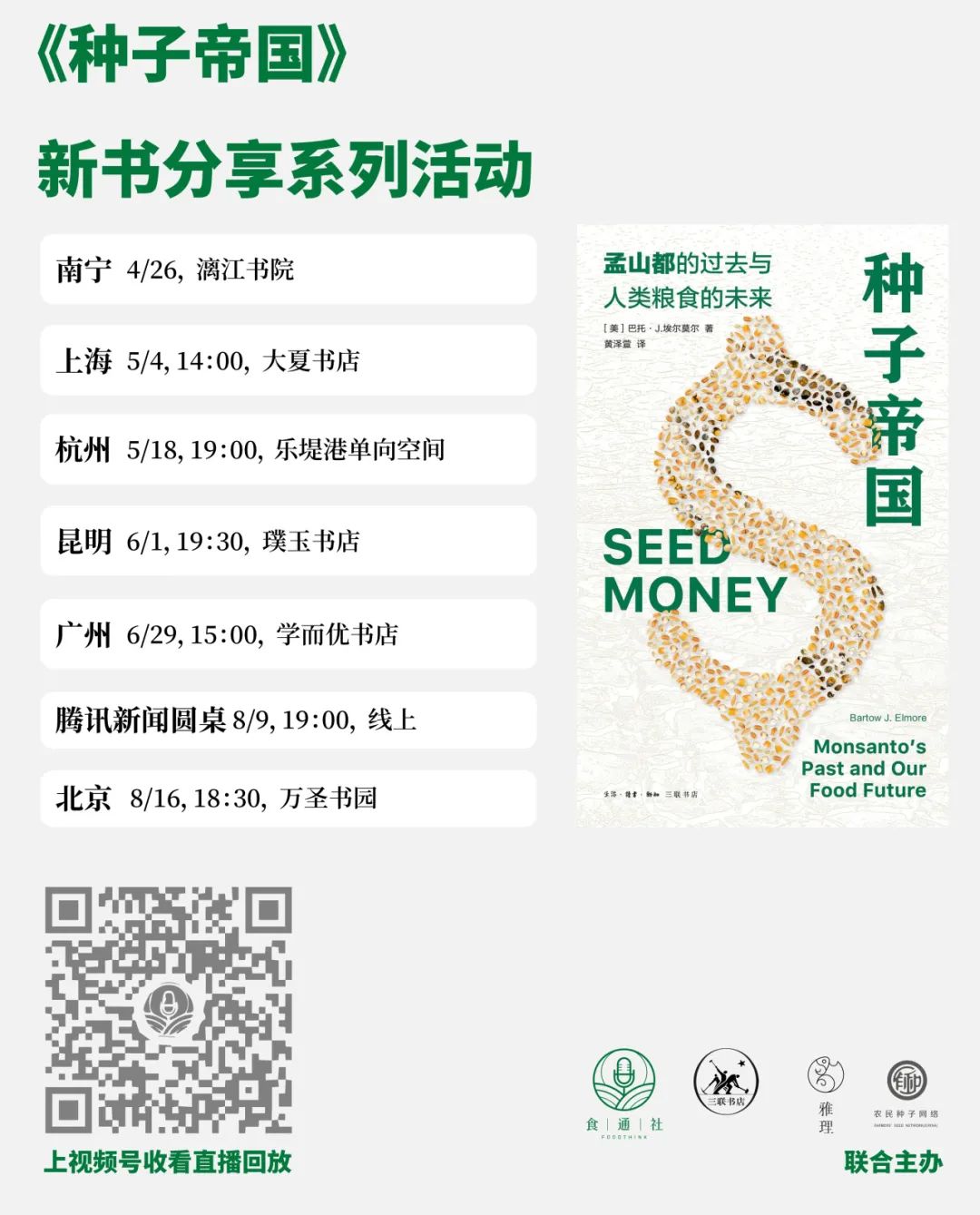
*This article was first published on Tencent News’ “Let’s Chat Science“.
Click the link to access more science news.
Editor: Tianle