
When Lonely and Weary, I Think: Behind Me, There Is Land
I. I. Go to the Farm!
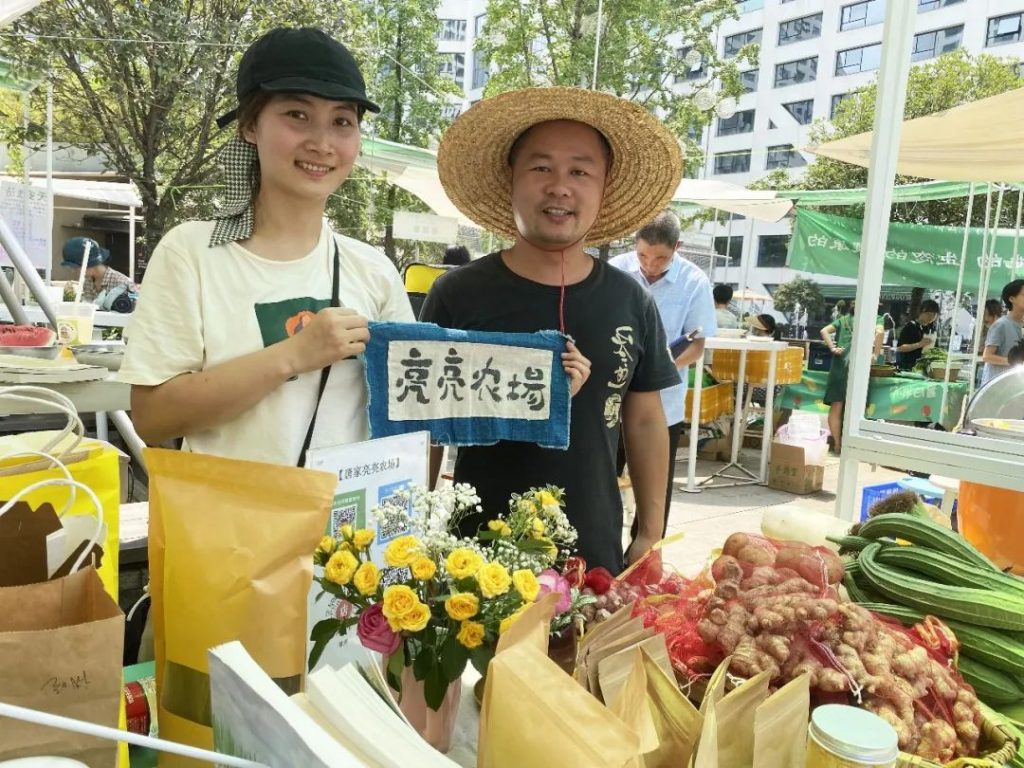
On the road from Chengdu back to Kunming, I passed through many long tunnels. The phone signal flickered on and off, wavering much like my mood at that moment. One second I was still at the Chengdu Life Market, helping Liangliang Farm sell sponge gourd, and the next I was already heading back to the city, far from the land.
I trained in visual anthropology. In southwestern China I met many peoples and filmed a wide variety of ways of life and livelihood. My work often brought me into daily contact with villagers and the land, but at times I just felt out of my depth.
To outsiders, I seem to understand the countryside, but that understanding is rather hazy. I see a plant and want to name it yet can’t bring myself to be sure; I pull out my phone app to check before I dare confirm. And whatever I film always feels like it’s falling short of something.
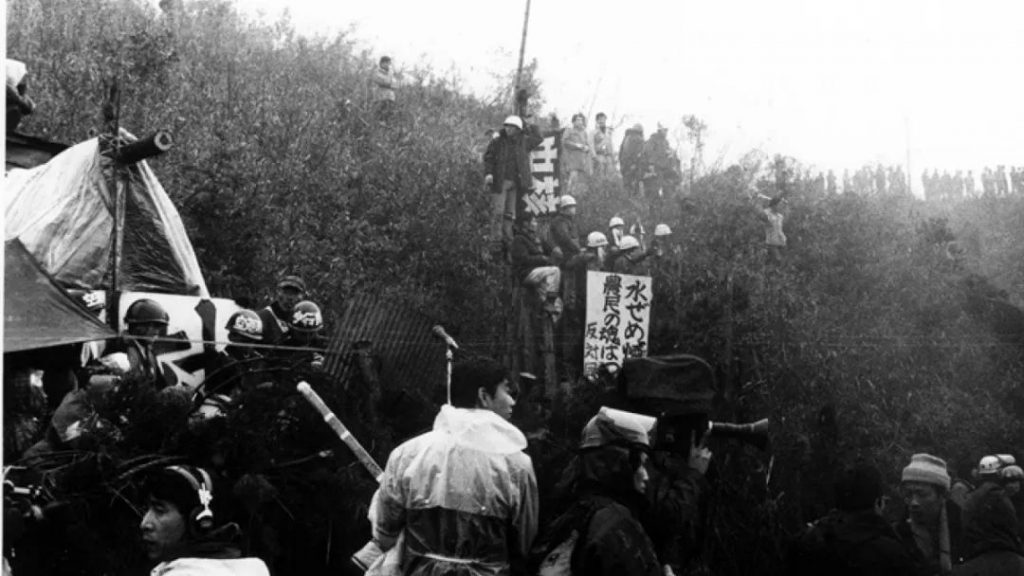
I’ve always been drawn to the countryside films of Abbas Kiarostami, Shinsuke Ogawa, and Agnès Varda — Ogawa in particular. In his memoir Harvesting Film, he writes that, to make a truer documentary, he planted and resisted alongside the villagers, holding on like that for over a decade before the film was finally complete.
If I were to name films from the past decade, The Biggest Little Farm, which has made so many people want to start a farm, is a documentary in its own right; Little Forest, which conveys a profound life philosophy through the simplicity of food, was likewise created by the author of the original manga after a long period of living in the Japanese countryside.
Last year, when I came across the call for Foodthink’s ecological agriculture interns, the thought of having the chance to take part in the work as a “local” — in perfect accord with what I had been hoping for — was enough to make me sign up without a moment’s hesitation.
II. The Family Farm, Each with Their Own Duties
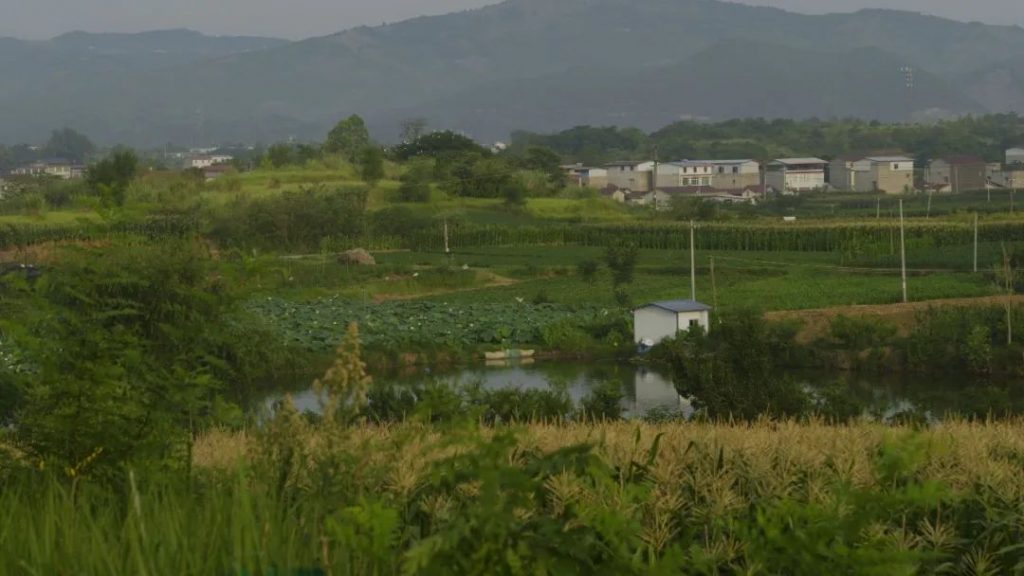
Liangliang Farm lies on the northeastern edge of the Chengdu Plain, in a small village called Niujiao Village in Jintang County. The soil is mainly yellow clay, and the principal crops grown here are rice, maize, sweet potatoes, rapeseed, vegetables, and others.
Most days, people ride their little three-wheelers past field after field of maize — roughly a ten-minute ride — into town for school, to buy the supplies they need, and to play cards. On even-numbered days of each month there is a market, where you can pick up all sorts of things you would not otherwise find.
I was riding in one of these little three-wheelers when Tang Liang, the farm’s owner, squeezed a moment free from his busy farm work to come and fetch me.
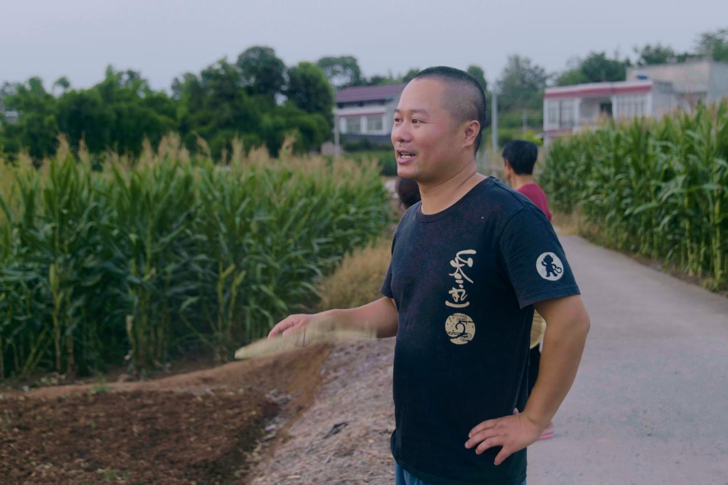
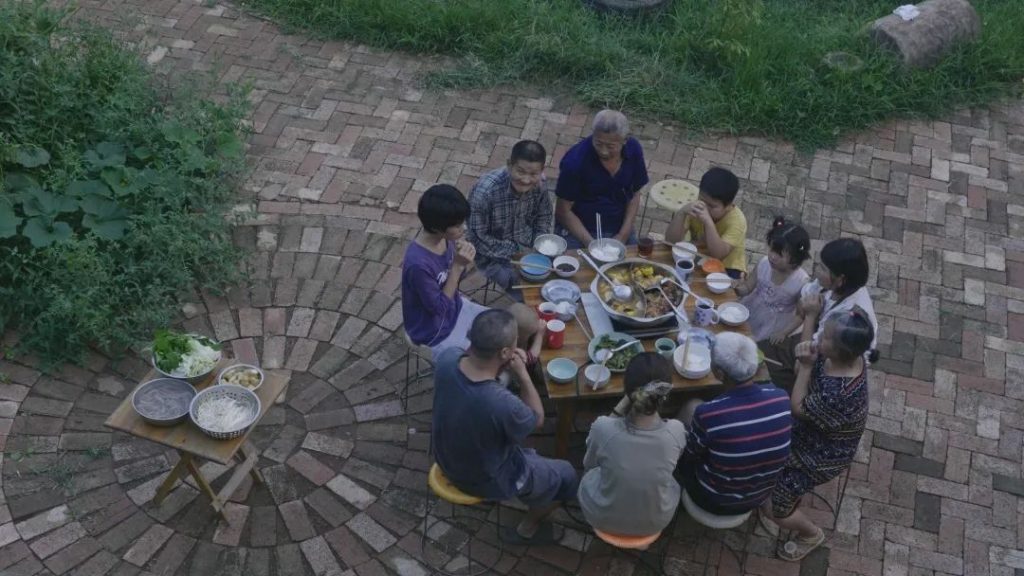
As soon as I arrived at the farm, Tang Liang began introducing the family behind it. At present, the large family that makes up Liangliang Farm numbers eleven in all; apart from three young children, everyone has an important role to play.
Tang Liang is the overall person in charge of external communications and farm operations; his father is mainly responsible for hands-on production in the fields; his mother is his father’s assistant on the ground and the main person looking after the farm’s three daily meals; his younger brother Tang Jin oversees production coordination; his sister-in-law Xiaoqiao is Tang Jin’s assistant and also helps with dispatching farm produce; Tang Liang’s partner Lizi is in charge of the farm’s educational activities and the overall beautification and decoration of the place; and the two uncles, being older now, are essentially settled into their retirement, enjoying life while lending a hand on the side.
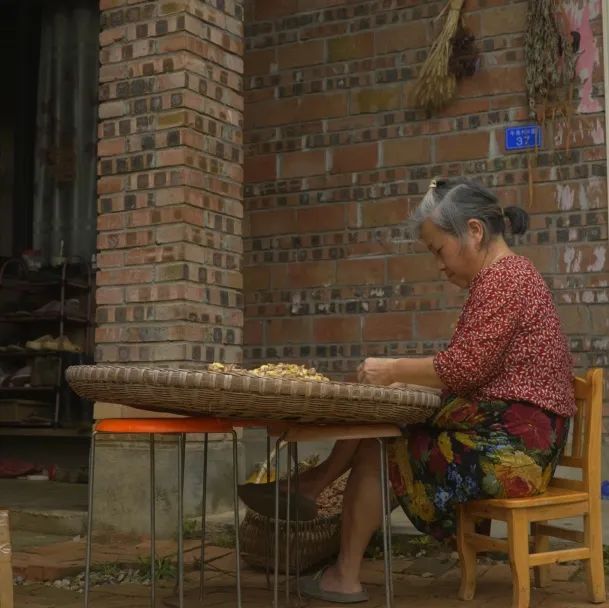
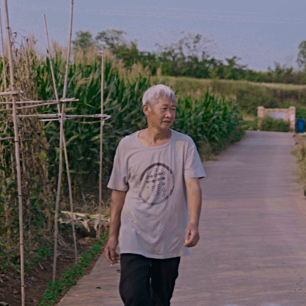
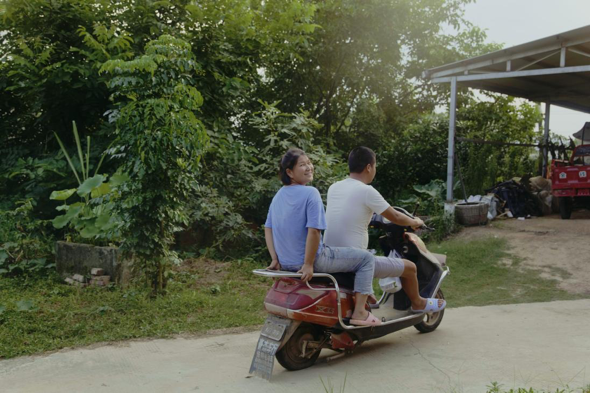
“Why did you want to start a farm?” Tang Liang recalls his childhood. Like so many other rural parents, his own had left home to work away, rarely back for any length of time. He and his younger brother had grown up as left-behind children, always looking forward to the days when the whole family would be together.
After university, Tang Liang realised that running a farm could bring the family together. So, after two years interning at a farm in Beijing, he took his only thirty thousand yuan and resolutely returned to his hometown to begin exploring the family farm.
III. Liangliang Farm’s 10 Years
It has been roughly ten years since the farm was established. This large family was not all together from the start; they returned one after another, under Tang Liang’s influence.
The two uncles, who had not started families due to health reasons, were the first in the family to support him. They began their own little experiments on the few mu of their family’s land, planting all sorts of crops.
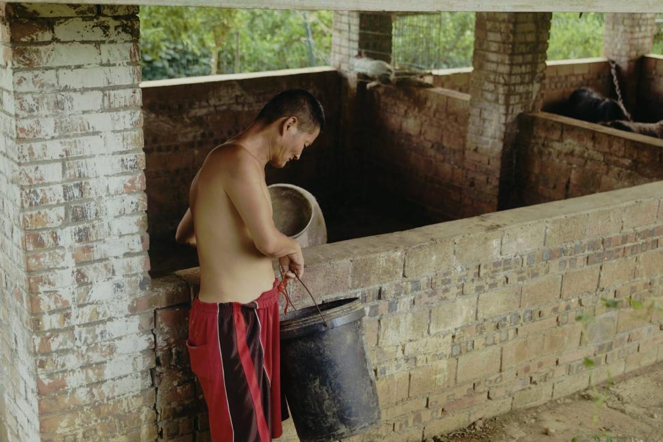
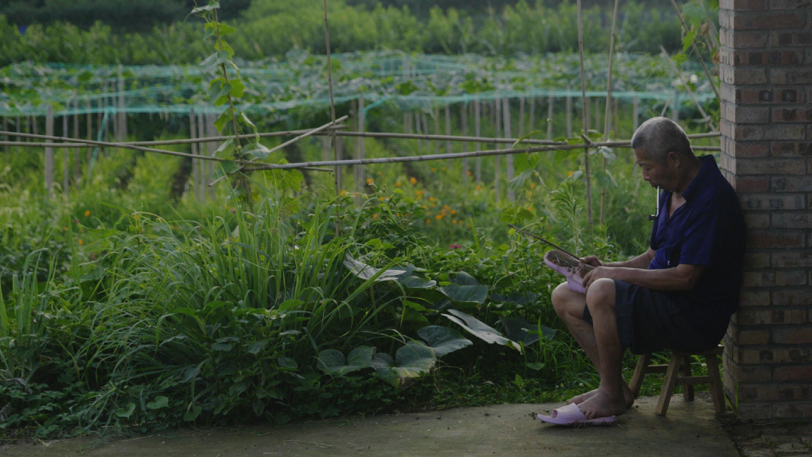
The second year, his father, who had been working away from home, joined in, and his younger brother and sister-in-law, who had been working in Guangdong, also came aboard. The farm, too, began to turn a profit.
The third year, his mother shut down the mahjong parlour she had been running in town. The family, who had seldom seen one another, gradually came together at the new farm, each contributing their share with a clear division of duties.
A few years later, Tang Liang, too, found his own love — Lizi, who was exploring Waldorf education. Lizi’s arrival breathed new life into the farm; from its beautification to parent-child education, Liangliang Farm took on a fuller sense of meaning.
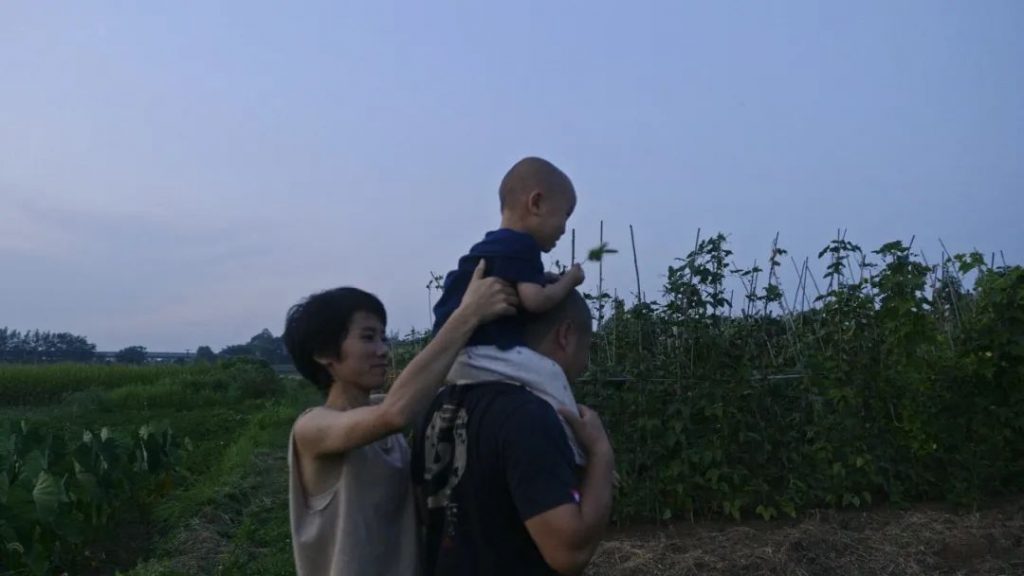
In a Chinese society undergoing dramatic change, Liangliang Family Farm seems to have opened up the possibility of an entirely new way of living. There is friction, and new problems to deal with constantly, but the happiness of the whole family is something you can feel.
Over the farm’s ten years, every year has brought something new. Tang Liang has built a new house, the uncles have been trialling new crops, Lizi is refreshing the landscaping, Tang Jin has bought a tractor and built a new cold store, and Auntie and the uncles have all taken up new studies again…
A small family farm, yet it sustains the livelihood of an eleven-member household, gradually exploring the education of the children, care for the elderly, and continuing education for the young, and beginning to look at how it might foster a sense of community in the village. Every day at the farm, whether in the things or the people, there is a new vitality radiating out.
IV. Those Who Left, Those Who Stayed
During my time at the farm, the two people I saw most every day were Xiaoqiao and Lizi.
I weeded alongside Xiaoqiao almost every day. Summers in Chengdu are sweltering; the midday sun can practically melt a person, so work could only be done in the early morning or late evening. Slack off for a day today, and by tomorrow the weeds may well have taken over.
Summers bring a lot of rain, and the family’s own labour alone is not enough — they need to hire villagers on a temporary basis to pitch in. Otherwise the weeds will outpace the crops, and the harvest will suffer.
In the space of a month, we weeded the ginger beds three full rounds — a task that is at once repetitive and demanding of steady diligence, and an essential part of ecological growing. I finally understood why “Little Forest: Summer and Autumn” has so many weeding scenes. But then again, for people who make their living from the land, no drop of sweat poured into the soil ever goes to waste.
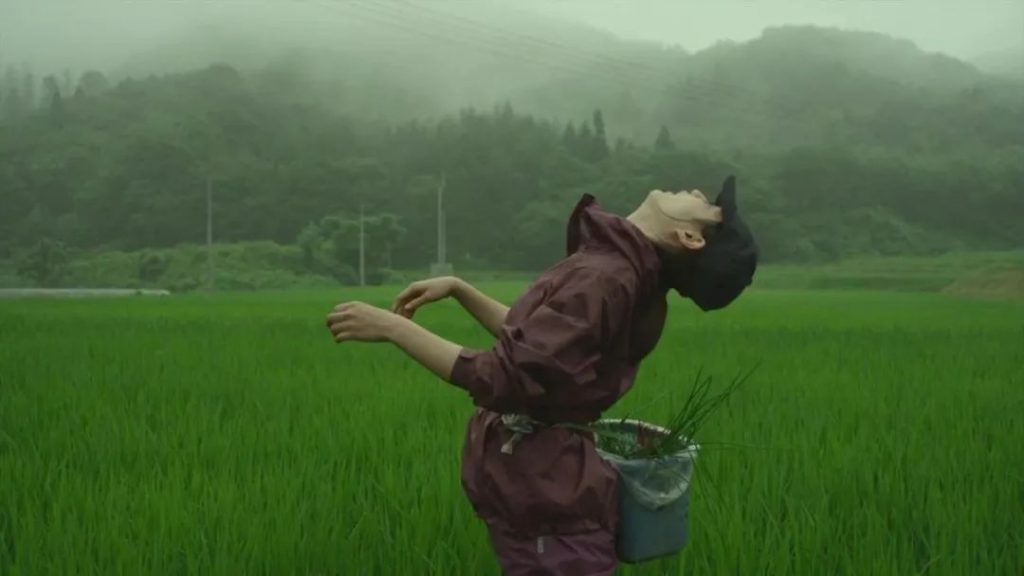
It has been many days since I left the farm. I often see them posting on WeChat Moments, sharing their good life, and all of a sudden it feels so far away from me. I wonder if they still think of me now and then, this “family member” of theirs — until one morning, Lizi sent me a message: “Xiaofang, Youyou says: Auntie Xiaofang hasn’t come back yet.” He still remembers me.
Unlike the other interns, I had been there for less than a month, always carrying a great deal of guilt and a sense of things left undone. Then one day, passing a farm household’s courtyard, I spotted the familiar ginger leaves at a glance among all the different crops. Not quite sure, I went over and asked. It was that same familiar scent I knew. I shared it with a friend, full of confidence — they were no longer plants I couldn’t recognise.
I think these memories will always remain in my mind — they will never be deleted.
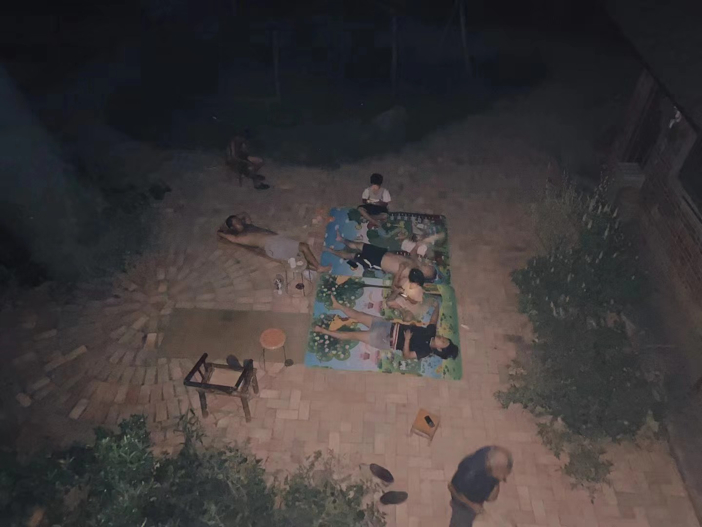
V. V. Being a Farmer’s Friend
After university, with my first job and no savings to speak of, the pandemic hit. I wanted to do so many things, yet the business of “making money” kept at me. I had no choice but to bend my back for a pittance. For now, I suppose I’ll just be a farmer’s friend.
Back in Yunnan, I found new farmers here and took the first step in my “healthy living.” Little did I know this, too, would not be simple. The very next day after buying my first organic cauliflower, two enormous worms had crawled over it and given me quite a fright.
Although I’d previously had many rounds of battle with all sorts of little bugs at the farm, facing them in a different setting meant I had to steel myself all over again, breaking through my old assumptions.
Anyone who gets to know the deeper story behind their food will surely shift how they see the producers, just as I have. If you understand their worldview, you will engage with them in understanding and respect. And so their social standing rises, their income grows, and naturally more young people will be drawn to this line of work.
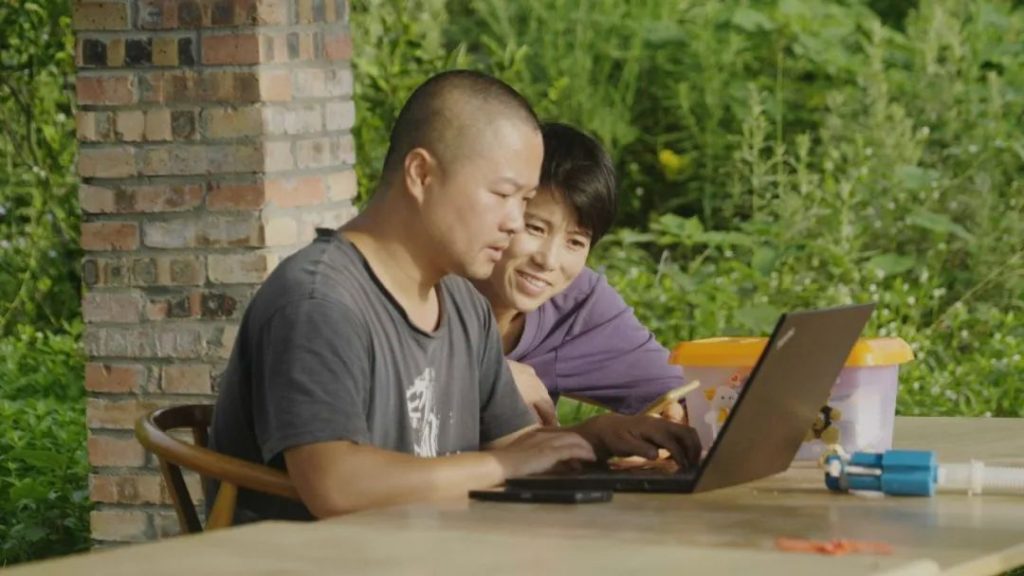
Even though we are not on the front lines of production, that does not mean we are entirely unconnected to it. In reality, we have also indirectly helped shape agriculture as it stands today. On a livestream on one platform, for instance, you can get three chickens for 59.9 yuan, and everyone rushes in to snap them up. Meanwhile, the farmers who practise ecological farming have never been met with anything like that kind of frenzy.
Since coming to Liangliang Farm, I have come to feel more and more that farming is no simple matter. If you are not yet in a position to open your own farm, why not take Lizi’s advice and just be a farmer’s friend for now?
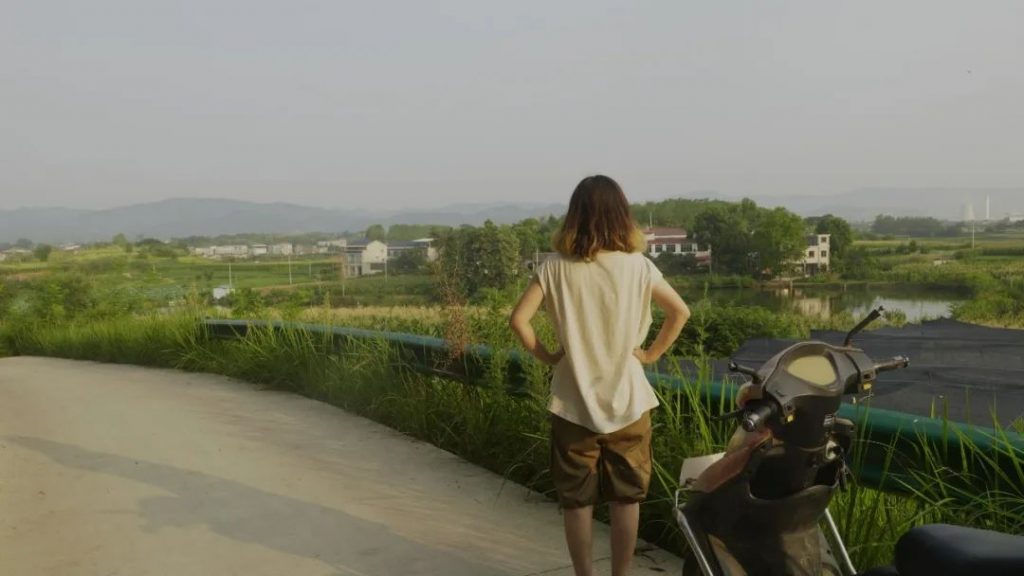
Whenever I find myself on a bustling street, feeling lonely and weary, I just think: behind me, there is land.
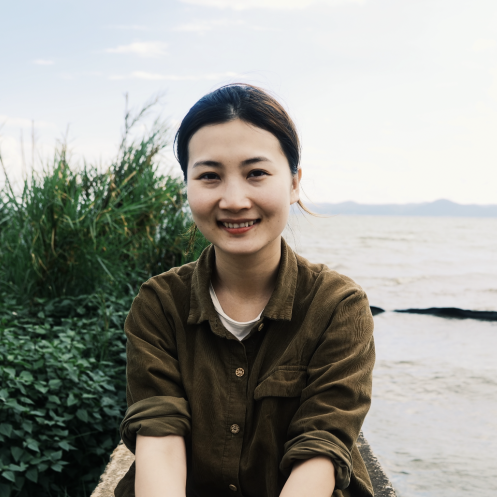
Foodthink Author: Chen Chong
Independent filmmaker who uses video to record and share information. A long-time wanderer of the southwest, now based in Kunming. Seeking a deeper understanding of the food system and farming, to document and express it all the better.
About the Ecological Farm Internship Programme
In November 2021, Foodthink launched the ecological farm internship programme — yet another of our explorations in empowering the sector. After several rounds of communication and selection, we matched 18 interns with 11 farms across eight provinces and municipalities, for internships ranging from two months to a year.
We hope that ecological farms can distil their valuable experience in farm management, production techniques, and sales and promotion, so that young people who want to return home and pursue ecological agriculture can draw on it. At the same time, interns with diverse backgrounds can contribute their own strengths, bringing fresh energy to the farms while reducing the learning and trial-and-error costs of starting their own ventures back home in the future.
In 2023, Foodthink will launch the second phase of the Ecological Agriculture Internship Programme. Stay tuned!
Unless otherwise noted, all images in this article are by the author.
Editor: Ze’en