
A Question That Has Long Troubled Working People
A Word from Foodthink
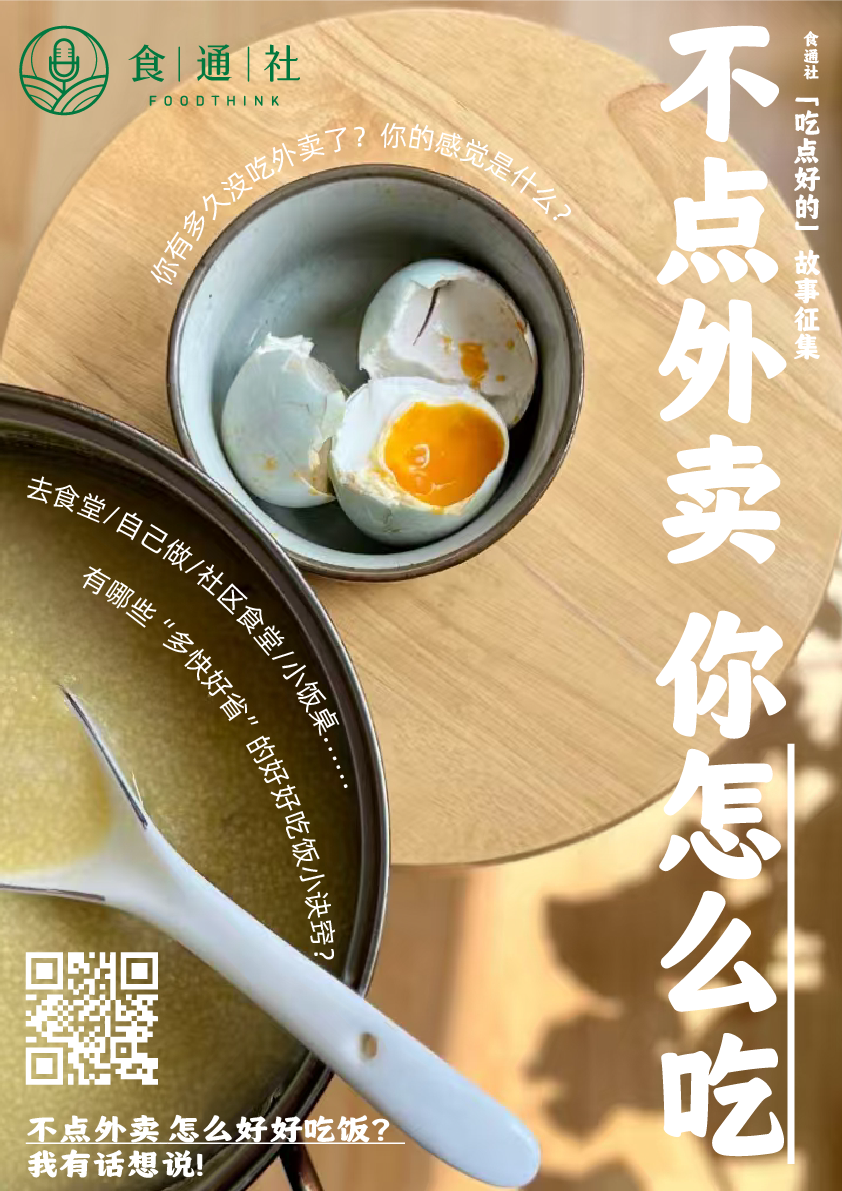
No takeaway — then what? It seems to be a question that has troubled working people for ages, yet one that has never been seriously discussed. Fortunately, the wisdom of the crowd is boundless. In this edition of “Eat Something Good”, friends from all corners of the country have generously contributed their tips for “Eating Well”, which together make up a fast, frugal and fuss-free “Feasting Compendium”. See if any trick here might be just right for you!
Starting with the Simplest Meals
@南乡子 (female, media professional): I haven’t had takeaway once since the start of this year. I recently learned how to make claypot rice on Xiaohongshu and discovered it is a truly time-saving, fuss-free, healthy and delicious method. Highly recommended! First, buy a small clay pot. Wash one cup of rice (a single serving; two cups for two people) and soak in water for ten minutes or so. Bring to a boil over a high flame, then turn down to low. When the water is nearly absorbed, drizzle a little oil around the edge. Lay pre-sliced sausage and cured pork on top of the rice, cover, and let it steam on low for two or three more minutes. Crack in an egg, add some greens, splash over a little sauce, turn off the heat — and a glorious pot of claypot rice is done. The whole process takes just about fifteen minutes, with no oily frying smoke to deal with. Very nice.
@树懒 (female, Shenzhen): Here are three dishes I’ve recently invented — free of charge, take them and you’re welcome!
Chop vegetables and meat into large chunks with a cleaver, chuck them all into an electric pressure cooker, add a braising spice packet, vinegar and soy sauce, and after fifteen minutes it’s ready to eat — absolutely divine. Fry egg, Chinese ham sausage and a handful of greens with alkaline dried noodles, and you can recreate the taste of a street-vendor’s fried noodles. Pour boiling water into two beaten eggs, pour into a bowl and steam for fifteen minutes, and you’ll get a glassy, silky-smooth steamed egg custard!
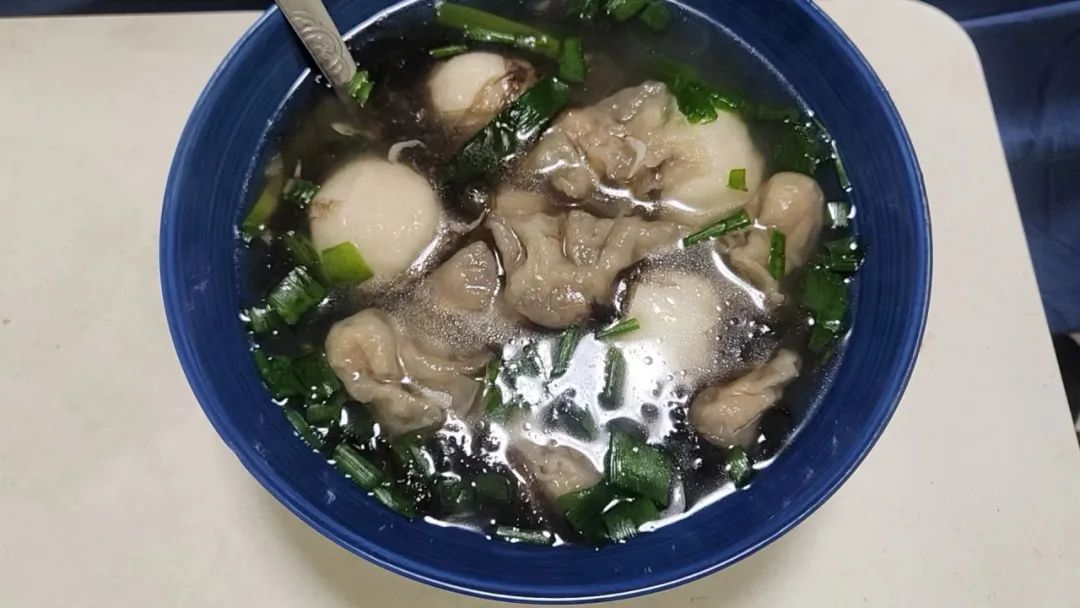
@Vino (female, 34, editor, Hangzhou): I stock up on lots of semi-prepared foods — Luosifen, thin dried noodles, Dingxi wide noodles, Fuzhou fish balls — and throw them in a pot with fresh vegetables. However you cook them, they beat takeaway any day on taste, health and hygiene. I’ve told my friends time and again: if you want to give a present, give food. It’s practical and solves a real problem. I have no use for things that are beautiful but pointless. So friends from all over the country send me local specialities!
@王某人 (25, Kunming): The biggest reason I stopped ordering takeaway is that it was just too terrible. Being from Sichuan, my cooking instincts finally kicked in — my home cooking keeps getting better, my partner loves it too, and the combination of the negatives of takeaway and the positives of home cooking creates a virtuous circle. Now I easily find satisfaction and a sense of achievement in cooking.
Sometimes I don’t fancy all the fuss but still want a nutritionally complete meal, so I mix the protein, vegetables and staples into one dish — for example, meat, egg or vegetable fried rice, rice noodles, rice vermicelli or dried rice noodles. A few simple seasonings are all you need to make it fragrant and delicious. The key is to time each ingredient’s entry into the pan according to its cooking properties — the staple goes in last, always. For cuts of meat that take longer to cook, I bring them to medium doneness first, remove them, cook the egg or vegetables separately, then add the meat back in with the staple. This hands-on practice gives you access to culinary truth and a sense of order, and it can easily make you a devotee of “night and day, the kitchen, and love”.
“Make Once, Eat for a Week”: Homemade Meal Prep
@LTT (female, 30, Beijing): My method is to marinate the meat the night before and keep it in the fridge, then steam or quickly stir-fry it when I get home. I’d particularly recommend looking at Cantonese recipes — there are plenty of make-ahead marinating techniques worth learning. Wash vegetables and give them a quick stir-fry, or just blanch them and drizzle with a little soy sauce or oyster sauce. If you eat salad leaves, even simpler.
@海豚妈米 (female, Beijing, 47): I order takeaway no more than three times a year, and only when something unusual happens at home. My longest stretch without takeaway was over a year. During my commute, I get up early each day to cook, pack an insulated lunch box and take it to the office. When I’m working from home, I do one big meat shop on weekends, make a batch of home-prepared meals, portion them out and freeze them. Dishes that portion and freeze well: braised pork ribs, stewed beef, and so on.
Take stewed beef, for example. Stew three jin (about 1.5 kg) at a time, divide into three containers, and over the next two months you can whip up: beef and radish stew, braised beef noodles, beef with cabbage and potatoes, all in next to no time. Defrost the braised beef the evening before, and the next morning you only need to add water, salt, vegetables and an egg for a nutritionally complete bowl of beef noodles — convenient and delicious. You can also pre-make beef sauce, minced pork, mushroom sauce and other staples to add variety to everyday meals. If eating at home every day feels a little monotonous, go out to eat now and then — it’s a nice change of pace and a treat for yourself.
@豆豆: So many people around me think giving up takeaway is impossibly hard, and they’re curious how I “stick” to cooking and bringing lunch instead. The truth is, I don’t feel like I’m “sticking” to anything — sticking implies overcoming a struggle. But while experimenting with homemade meal prep, I’ve felt a real sense of achievement and even enjoyed the whole process and the results. If you want to give it a try, I’d suggest starting with minimally processed frozen ingredients or shelf-stable ready-to-eat foods. The most common are frozen mixed vegetables, frozen peeled prawns, and the no-cook corn on the cob that’s become popular recently. I love browsing the supermarket freezer section — the finished dishes in there are a great source of ideas. Mature frozen foods have stood the test of the market and tend not to taste bad, so you can use them as a reference to recreate at home, right down to the degree of doneness.
Eating Well Is Not a Solo Endeavour
@冲冲: Besides cooking for myself, I take turns hosting meals with friends. We really do need to find ways to live communally — cooking alone is just too hard.
@qiqi: I remember when I went to view the flat before moving in, my new roommate came up grinning and asked: “Do you cook much?” The new kitchen was bright and tidy, with the hob gleaming and every pot, pan, bowl and bottle of oil, salt, soy sauce and vinegar in its own neat place. The real surprise? Not a hint of fridge smell. The vegetables inside were arranged in tidy rows, as though they knew they wouldn’t be forgotten.
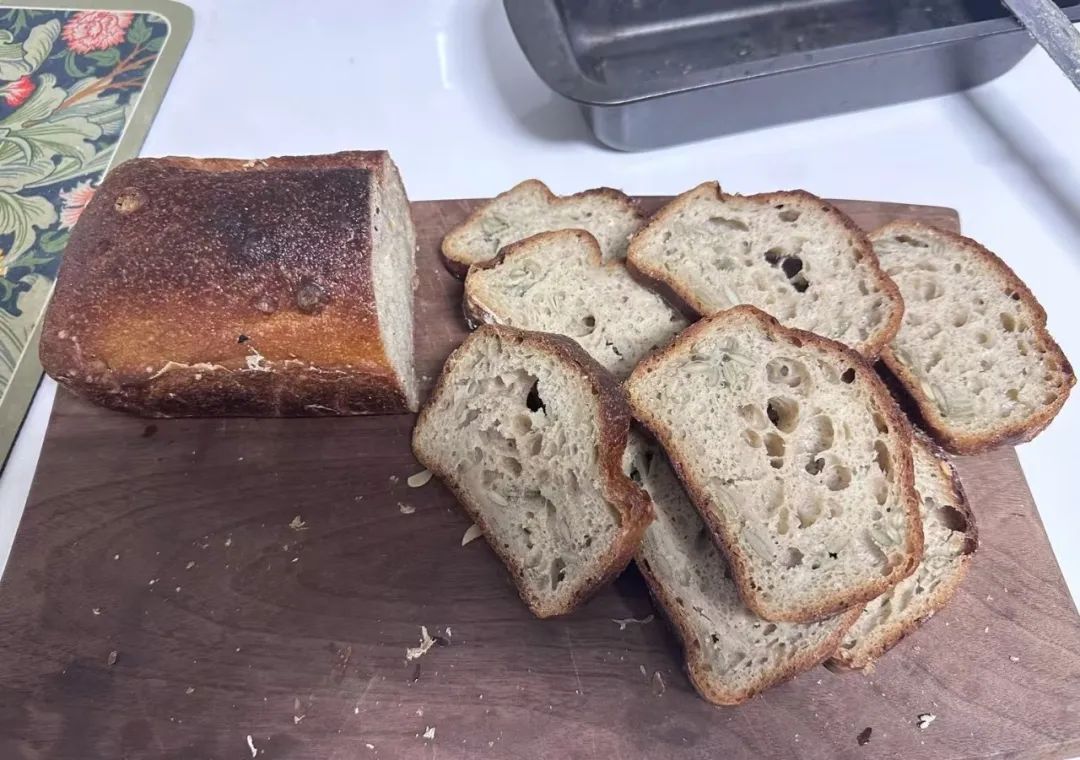
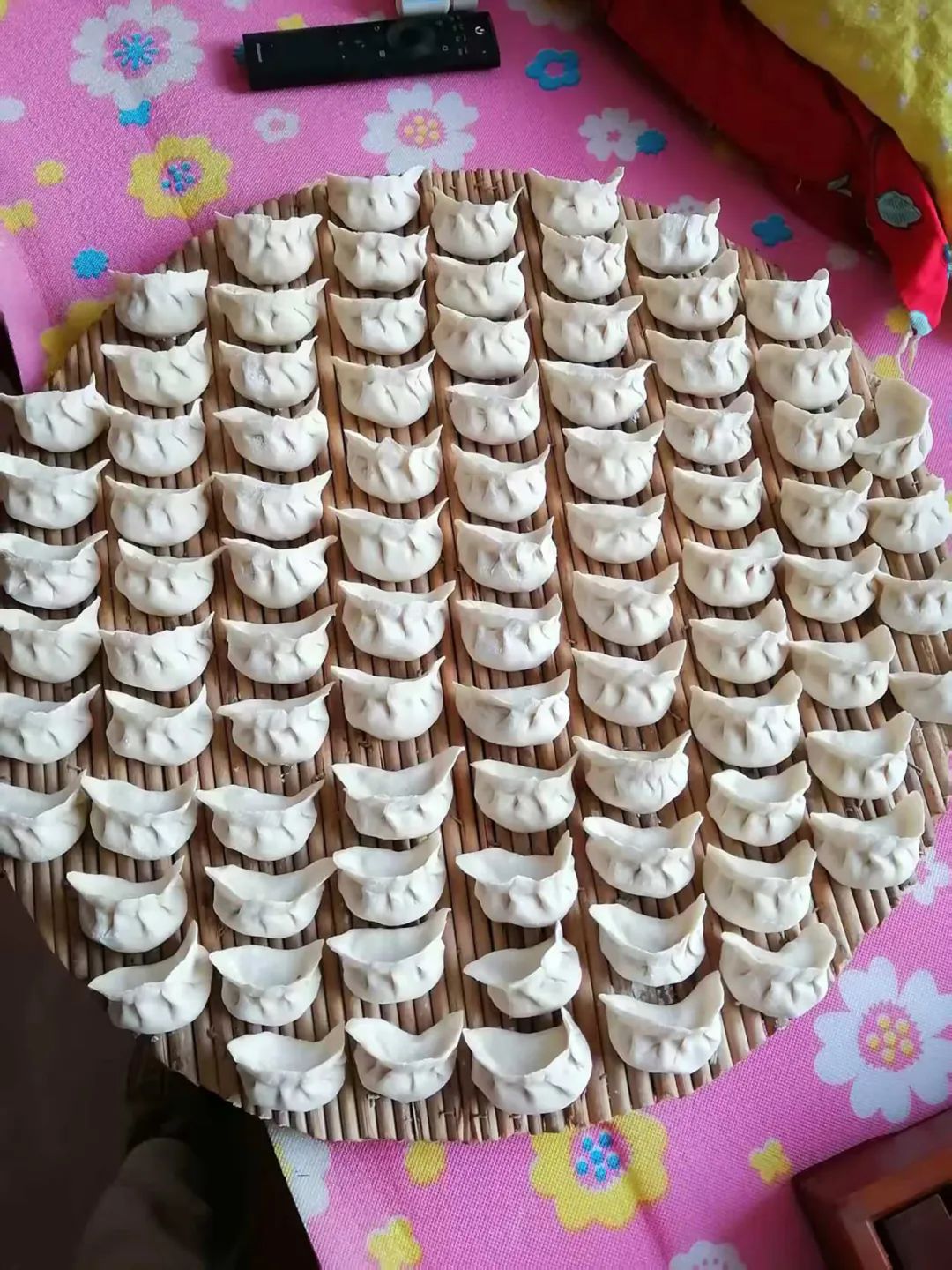
My new roommate loves getting her hands into homemade steamed buns, stuffed buns, dumplings — all sorts of wheat-flour creations — and I often get lucky enough to be the lucky recipient of an extra plate. Naturally that gave me even more motivation to try out new recipes to share. In the two years since I moved in, I’ve learned so many dishes I never used to make, and somehow I’ve barely ordered takeaway at all. Eating went from a problem to solve into something I look forward to every single day.
Is the Workplace Canteen Making a Comeback?
@cutedog (male, 24, researcher): Every workplace I’ve been to has had a canteen, and thanks to a subsidy the food is relatively cheap. After a while, colleagues do complain about the limited range of flavours, but it’s still far better than being forced into takeaway. Think about it — the canteen actually offers quite a variety: once you step inside, you’ll see the usual stir-fries, plus speciality noodles, pastries and braised deli items such as braised duck heads and braised pork knuckle. By the till, there are also fresh fruit and yoghurt, so the overall spread is pretty well balanced.
@Vino (female, 34, editor, Hangzhou): Two years ago I was working in a big city. Downstairs from our office there were only two little restaurants, but I still insisted on walking down to eat them. Eventually I raised the idea with the company, and the boss hired a cook. Wages are paid by the company, and each of us chips in twenty yuan a day for groceries — every meal is five dishes plus a soup. Absolute bliss!
@玉阳 (male, 29, Beijing): The biggest change since joining Foodthink has probably been that I cook far more often. Back when we all had fixed office hours, colleagues would take turns cooking for everyone. Because there are so many of us, each round is at least six dishes, and the process really sharpened my skills. The loveliest part is that, whether a dish turns out well or badly, everyone is generous — and that gives colleagues whose cooking is still average the space to improve.
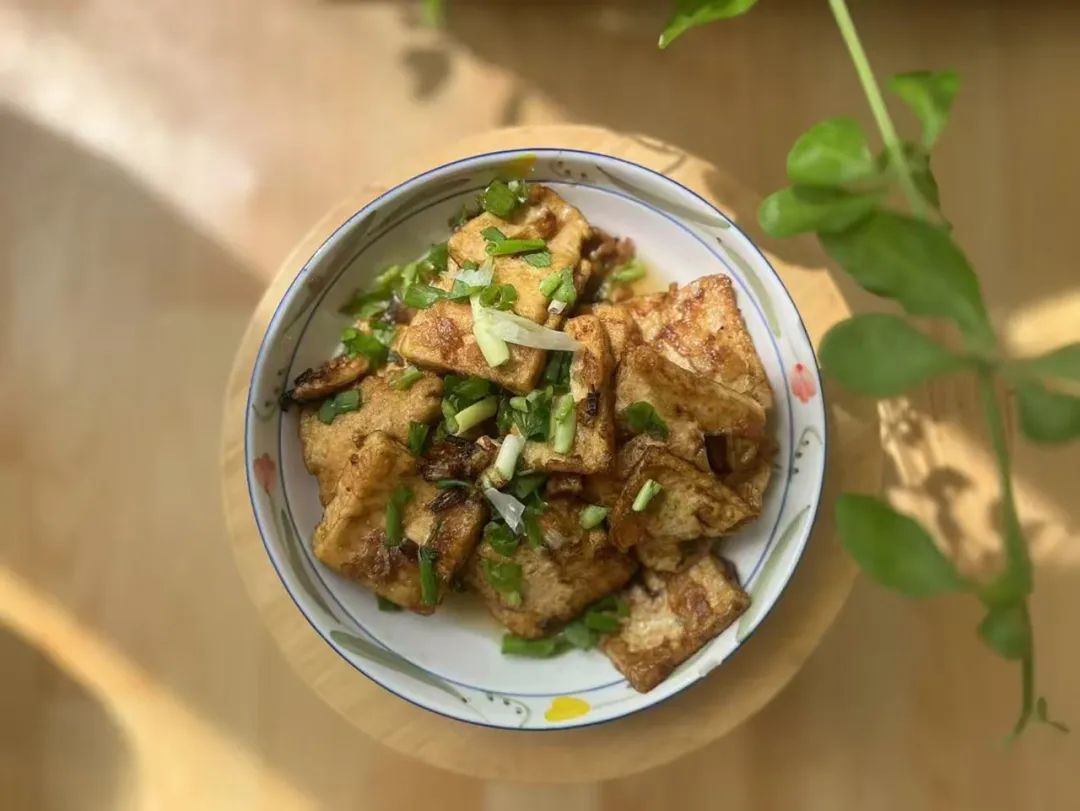
So unlike a typical workplace canteen, what you gain here isn’t just a meal perk — you build the ability and the habit of cooking, and that habit spills over into your home life, filling your family’s table with more homemade meals. Sure, there are stumbles and occasional disasters, but looking back, those scallion-braised tofu, pork rib and kelp soup, spinach with crushed nuts, and pressed tofu slabs were all made with my own two hands!
The Quiet Rise of Community Canteens
@Road: There’s a community canteen near my housing estate. It’s mainly for the elderly residents, but they’ve made a point of stating that it’s open to all ages. The variety is impressive, and prices range from seven to fifteen yuan. I don’t really care about flavour variety — what actually makes me feel comfortable is that the food tastes clean: no heavy oil or excess salt, and none of that stale, plastic-box smell that takeaway sometimes carries. Most importantly, compared to the dry, undercooked rice you get with takeaway, the rice here is so good I could happily eat a plain bowl of it. Sometimes I think the greatest difference between eating at home and eating out lies in that single bowl of steaming, fragrant rice! This community canteen gives me that feeling. One grumble, though: it still isn’t very worker-friendly. Supper is only kept open until just after six, yet a lot of us don’t even get home until after seven.
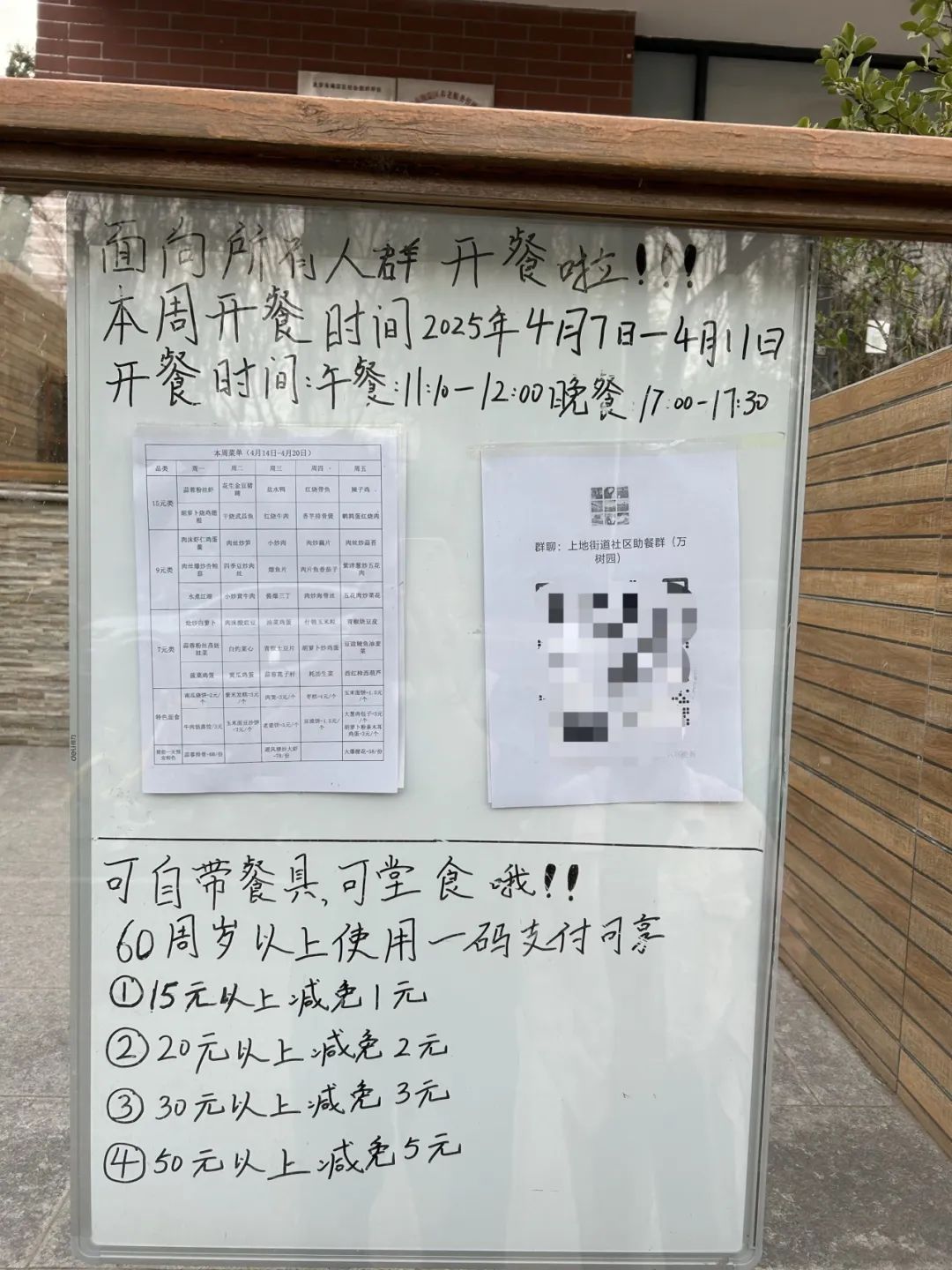
@lislie: My first community canteen was one set up near a model-renovated wet market. It had an open kitchen so you could see everything being cooked. The selection wasn’t much larger than a self-service fast-food counter, but each little plate looked clean and appetising — meat, fish, soup, vegetables and whole grains all covered. The dining space was generous, you could also order à la carte, and a sign by the rice bin listed discounts for delivery riders. At midday the customers fell neatly into two groups: older locals and office workers (I later learned that many employers had set up payment cards for their staff there).
Beyond government-run community canteens, I’ve also eaten at independently run community cafés. They post the lunch and supper set menus in a WeChat group each day — a Yunnan-style main course plus a dessert (and you can add a homemade wine or drink the owner makes that day) for around forty yuan. You claim your place by joining the group message thread, then pick up your food from the kitchen yourself and find a seat. When you’ve finished, everyone quietly takes their dishes back to the kitchen. The owner told me that in the beginning it was drop-in customers, but gradually it became familiar faces — she could name every regular. It’s mostly young people in groups of two or three who come in, say hello on their way out, or bring little hand-made gifts to swap. A warm, unhurried atmosphere settles over the whole place.
Discovering Delicious and Affordable Eateries
I used to work near Zhongguancun. The upscale fast food aimed at professionals was out of my budget, but downstairs there was a pay-by-weight canteen with a rather uninspired name and a tiny floor plan, yet packed to the brim at lunchtime. I ate there every single day, and I still think of it often. On my very last day I even made a special trip back for a farewell meal. Now when I happen to be in the area on errands, I still make a point of popping in. As long as I see it’s still open and still doing good business, it makes me happy. This is a quiet act of defiance, and of guardianship. A megacity ought to have room for a little fast-food shop and a handful of ordinary folk.
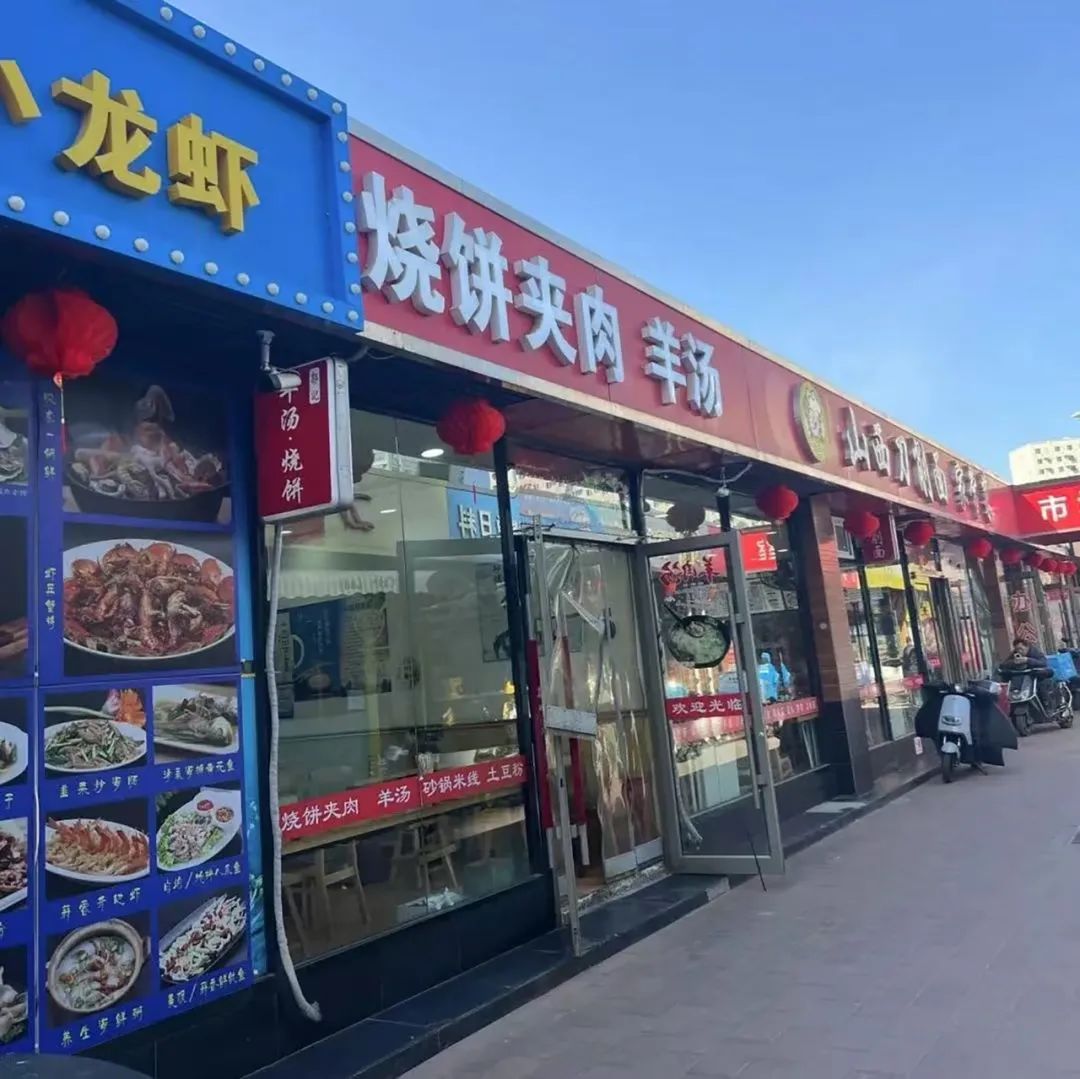
@不想做美食达人: No takeaway means just popping down to the little restaurants at the bottom of your block. I’m not sure whether wanting to order less takeaway led me to discover all these small shops near my home, or the other way round. Either way, once I decided to walk or cycle to eat nearby, I found all sorts of dumpling shops, stir-fry places, noodle joints (one of them does some of the most authentic roujiamo in Beijing) … and three Chongqing noodle shops, no less, several of which keep getting recommended on Xiaohongshu. Before, when I ordered takeaway, I completely overlooked these places — I had no idea what they served and assumed they were just grimy stall operations. Only after passing by a few times did I realise they’re nothing like fly joints! They’re perfectly clean, bright little shops. The thrill of discovering a good, affordable local eatery is a special kind of excitement — better, actually, than stumbling on “the best xxx in town”, because you might eat at a place like that once a month at most, whereas the small restaurant on your street can sort out your everyday needs.
Find a Wet Market Near You
Recently I discovered a wet market near my office where you can buy exactly as much meat as you need, sliced to your specification — thin slices, matchsticks, whatever you fancy. I never knew that was an option! When I fancy cooking something but can’t decide which cut to buy, I just ask the stallholder directly — no more flicking back and forth on my phone, agonising over which recipe calls for what. It’s so much more convenient: I get home and start cooking right away, with no defrosting to worry about. I’ve become a bit of a wet-market addict lately — I’m always wandering the aisles after work. The market really has everything you could possibly need. And as a southerner, spotting some of the vegetables I used to eat as a child in a northern wet market made me positively teary. A wet market is exactly what you see: go, browse, and enjoy.
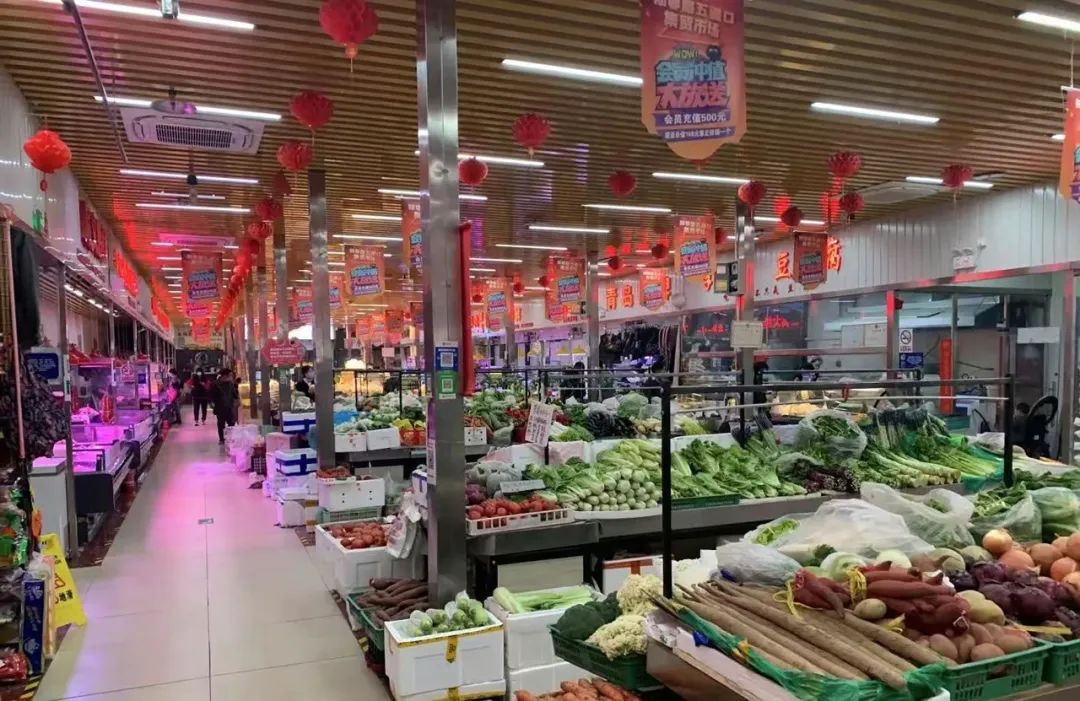
@噬可可 (female, 28, researcher, Tianjin): There are plenty of breakfast shops near my home, and Tianjin’s largest wet market as well. On weekend mornings I often cycle to the early market to pick up fresh, cheap produce. I later learned about the sustainability market run by Green Footprint in Tianjin and got connected with a few small local organic farmers, which made weekly vegetable subscriptions easy. Once home-grown vegetables started arriving at the door, cooking became even less of a hurdle. As it happens, a like-minded colleague at work shares my enthusiasm, so we order together and swap cooking tips and food inspirations.
@管老师 (male): My reasons for not ordering takeaway: first, when I’m not travelling for work, I’ve built a solid cooking habit. Vegetables come straight from an organic farm nearby, fresh and delivered to the door, with free choice on what you want; staples and whole grains come from local farmers near my workplace or from an organic platform — everything kept simple. After years of cooking for myself, I’ve even cut down on salt (a tub of fermented soybean paste from the Beijing Organic Farmers’ Market still hasn’t run out after two years). Second, when I am travelling, I can’t cook, but it’s the perfect chance to explore regional flavours. Small-town restaurants and farmers’ markets don’t always advertise organic or ecological credentials, but the ingredients are clean and the cooking honest. These days, every time I arrive somewhere new I love to browse the local wet market, and when I find a favourite local speciality I add the stallholder on WeChat — so I can order remotely in future and stay in touch about local produce and traditional methods.
@泡泡熊: In 2018, while I was on a visiting fellowship in the United States, I noticed that the park a short distance from campus hosted a weekly Farmers’ Market. Mum was travelling with me at the time and was itching to have a look. In her words: “I simply must go and see for myself — is a foreign market better, or the market back at Babatou in Zhongpo, Xintianzhai?” We bought okra, tomatoes, pumpkin, beans and aubergine there — mostly vegetables. Most of the stallholders weighed and bagged their produce in advance and placed it in little containers; you picked what you wanted, tipped it all into a bag, and off you went — brisk and no-nonsense, very much the style of the American South.
One day after I came back home, Mum told me that while browsing a shopping centre she’d spotted a little shop selling organic food on the lower ground floor. The girl inside was wonderfully warm and even gave her a bunch of slightly wilted baby bok choy. Wilted is nothing to worry about — a quick soak in water and it perks right up. That evening we had Mum’s stir-fried baby bok choy, gently sweet, just like the taste from her own childhood. Truly lovely. The next day I went straight to the shop myself. It turns out its name is Jishitang, and it serves as a liaison point for the major farms around Beijing, selling organic farm-direct produce, and hosting the Beijing Organic Farmers’ Market every week. I later became a member of Jishitang, watched the shop relocate, and even volunteered there. Thinking back, it’s nearly seven years now.
From Field to Table
On the ninth day of the Lunar New Year, I found an eco-farm near my home and, together with ten others, rented a polytunnel between us. I get roughly sixty square metres of land inside, where I’ve planted some vegetables, hoping for a decent harvest. I don’t dare plan too far ahead, but I reckon I shouldn’t need to order takeaway for at least the next six months.
@扣子 (female, 60, farmer): If I’m in my own kitchen at home, I could go without takeaway forever. I’d like to recommend “maifan” to everyone here. Maifan is a common staple in northern China; in Henan it’s called zhengcai — a steamed dish. As the name suggests, you simply mix wheat flour with vegetables and steam them until cooked. Back home in Shandong, the Jiaodong dialect word “ban la” — a verb meaning to toss or mix — captures the ultimate secret of maifan: toss the flour with the vegetables, steam them in a basket, then toss again with seasonings before it hits your lips.
Although spring offers the richest variety of vegetables for maifan, it really works all year round. Whenever I go to the village market, I’ll ask for a few of the outer leaves discarded from cabbages, along with carrot tops. These humble everyday vegetables make excellent maifan. For slightly tougher carrot tops, pair them with grated carrot and a handful of flour, toss them together and steam — even better. Compared with baking, boiling, pan-frying, deep-frying or stir-frying, steaming maifan means less nutrient loss and preserves the natural flavour of the ingredients. You get your carbohydrates and your vegetables in one go, the options for ingredients are endless, there’s no skill barrier, and it’s especially welcoming for cooking novices.
Related Reading
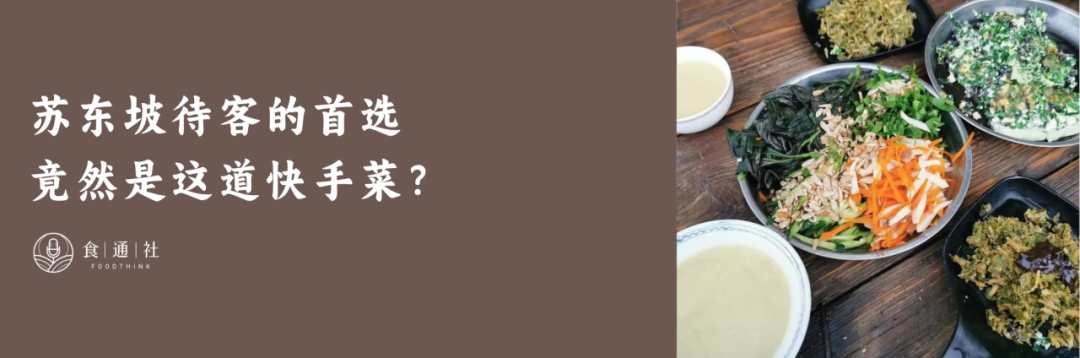
All our vegetables and grains come from fellow farmers who practise ecological farming — clean, healthy soil rich in organic matter. The crops that grow in such soil not only taste wonderful but are also packed with trace minerals essential to good health. Cooked in simple ways, they carry a genuine healing quality for the body. After six months of the shared meal table, my meal companions’ physical and mental wellbeing noticeably improved. As if by nature, they developed almost a physiological need for those healthy vegetables — and for the ritual of collecting their food boxes on time. Especially after a weekend spent “just snacking at home” or “gorging at a big feast”, they looked forward with real anticipation to the array of vegetables waiting inside the shared meal table’s boxes.
Editing: Yuyang